











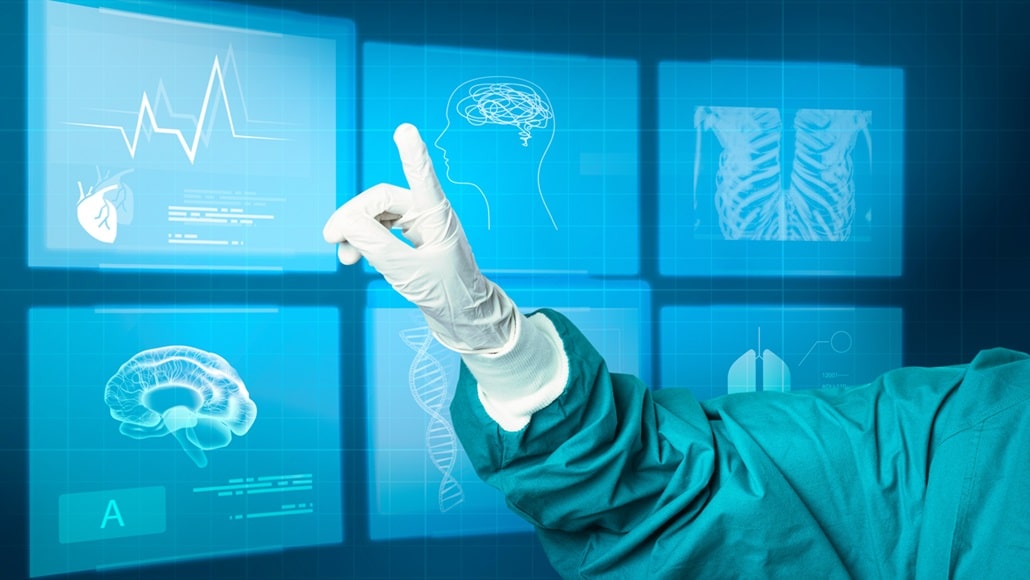
Detecting atrial fibrillation (AF) from brain scans using AI could support future stroke care, according to a recent study published in the Karger journal Cerebrovascular Diseases.
A new study recently published in the journal Cerebrovascular Diseases shows that artificial intelligence (AI) may help physicians detect a common, but often hidden, cause of stroke by analyzing brain scans. The technology could make stroke care faster, more accurate, and more personalized.
The condition in focus is atrial fibrillation (AF) – a type of irregular heartbeat that increases stroke risk by five times. Because AF may not initially present symptoms, it often goes undiagnosed until a stroke has already occurred. Traditional detection methods, such as prolonged heart monitoring, can be expensive, invasive, and time-consuming.
This new research from the Melbourne Brain Centre and the University of Melbourne takes a different approach. By training a machine learning model on MRI images from patients who have already had strokes, the team taught the algorithm to recognize patterns linked to AF.
The researchers found that their AI model had “reasonable classification power” in telling apart strokes caused by AF from those caused by blocked arteries. In testing, the model achieved a strong performance score (AUC 0.81), suggesting that AI could become a valuable tool in helping doctors identify patients who might need further heart testing or treatment.
As the study notes, “machine learning is gaining greater traction for clinical decision-making and may help facilitate the detection of undiagnosed AF when applied to magnetic resonance imaging.” Because MRIs are already a routine part of stroke care, this method doesn’t require extra scans or procedures for patients – making it a low-cost, non-invasive way to support more targeted care.
The authors of the study emphasize the need for larger follow-up studies, but the potential is promising: Earlier detection of AF could lead to more timely treatment and fewer strokes.
“Early detection of atrial fibrillation (AF) is important to offer patients the best chance of preventing a serious cardioembolic stroke. However, many patients first present with an acute ischemic stroke for which the underlying cause of AF is silent because it is asymptomatic and intermittent,” says Craig Anderson, Editor-in-Chief of the journal Cerebrovascular Diseases. “The work by Sharobeam et al. presents a novel approach to use AI-based algorithm to inform the diagnosis of AF according to the pattern of cerebral ischemia on MRI.”