













Close
Digital Health & Ai Innovation summit 2026
Medical Taiwan 2026

Dementia Centres In South Korea Use Location-Tracking Tech

Note* - All images used are for editorial and illustrative purposes only and may not originate from the original news provider or associated company.

Subscribe

- Never miss a story with notifications

- Gain full access to our premium content

- Browse free from any location or device.

Media Packs

Expand Your Reach With Our Customized Solutions Empowering Your Campaigns To Maximize Your Reach & Drive Real Results!

– Access the Media PackNow

– Book a Conference Call

Leave Message for Us to Get Back

Related stories

Healthcare Data Analytics and Digital Health...

The transformation of raw medical information into strategic intelligence is the defining characteristic of modern health informatics. By leveraging high-performance analytics within unified digital environments, organizations can predict patient needs and optimize resource distribution to enhance overall care efficacy.

Electronic Health Records: Driving Clinical Workflow...

The transition from paper-based charts to comprehensive digital records is a foundational element of modern medical administration. These platforms serve as the central repository for patient data, facilitating clinical decision-making while ensuring that regulatory compliance and operational workflows remain streamlined.

Healthcare Interoperability and Data Exchange Systems:...

Achieving a seamless flow of information between disparate clinical platforms is the primary challenge of modern health IT. The implementation of standardized data protocols and secure exchange frameworks is essential for ensuring that patient records remain accessible and accurate across the entire continuum of care.

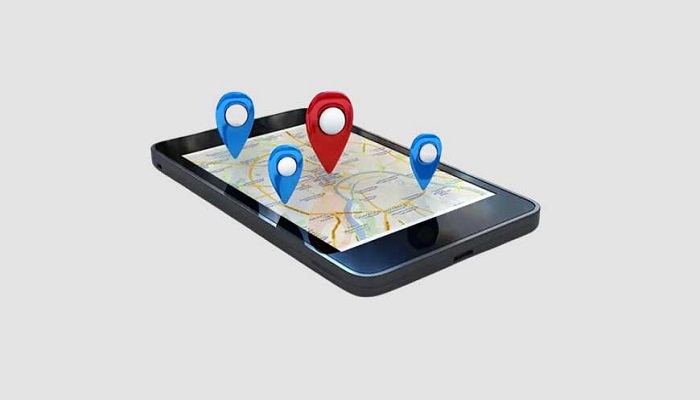
To stop older patients with dementia from getting lost when wandering, the South Korean government is giving more than 2,500 location trackers to dementia care facilities around the nation.

The project is a result of an ongoing public-private collaboration between the Ministry of Health and Welfare (MOHW), the National Police Agency (NPA), as well as the local chip manufacturer, SK Hynix. From 2021 through 2024, SK Hynix will fund the initiative with 400 million won (roughly $250,000) per year.

Through a connected smartphone app, the wrist-worn device enables caregivers to monitor the patient’s mobility and whereabouts. It will notify them if the wearer leaves a predetermined region or make an emergency call if necessary. In the event that patients wander off, the NPA can track them using the app.

The deployment of the GPS trackers will be prioritised for senior patients whose biometric information is already on file at dementia care facilities, according to a media statement.

The population of South Korea is ageing quickly, with 8.6 million people in that age group (16% of the total) last year. As the population ages, dementia cases rise as well; from 2015 to 2019, the percentage of seniors who were officially diagnosed with the condition increased from 5.9% to 7.3%, or nearly 588,000 seniors.

In order to help patients with dementia, the Myongji Hospital in Gyeonggi Province recently developed PIO, an AI-driven care robot. The robotic parrot-like creature can recognise its owner’s face and facial expressions via a camera, and it can convey feelings through its LED pupils and body movements.

One of the many initiatives being undertaken in South Korea to reduce loneliness and the signs of mental illness is the construction of this robot. For instance, a neighbourhood in the Korean city of Seoul recently introduced an AI robot named Channy to act as a personal friend for adults who live alone.

Through this public-private partnership for dementia awareness and improved dementia prevention programmes, they will try their best to establish a society that is dementia-friendly so that dementia patients and their families can live with peace of mind, according to Kim Hye-young, chief of the Dementia Policy Department at MOHW.

Latest stories

Related stories

Healthcare Data Analytics and Digital Health Platforms for Improved Patient Outcomes

The transformation of raw medical information into strategic intelligence is the defining characteristic of modern health informatics. By leveraging high-performance analytics within unified digital environments, organizations can predict patient needs and optimize resource distribution to enhance overall care efficacy.

Electronic Health Records: Driving Clinical Workflow Efficiency

The transition from paper-based charts to comprehensive digital records is a foundational element of modern medical administration. These platforms serve as the central repository for patient data, facilitating clinical decision-making while ensuring that regulatory compliance and operational workflows remain streamlined.

Healthcare Interoperability and Data Exchange Systems: Unified

Achieving a seamless flow of information between disparate clinical platforms is the primary challenge of modern health IT. The implementation of standardized data protocols and secure exchange frameworks is essential for ensuring that patient records remain accessible and accurate across the entire continuum of care.

UK Launches New National Healthtech Access Programme for NHS

The UK government has launched the National Healthtech Access...

Subscribe

- Never miss a story with notifications

- Gain full access to our premium content

- Browse free from any location or device.

Media Packs

Expand Your Reach With Our Customized Solutions Empowering Your Campaigns To Maximize Your Reach & Drive Real Results!

– Access the Media Pack Now

– Book a Conference Call

Leave Message for Us to Get Back

Translate »