














Close
Digital Health & Ai Innovation summit 2026
Medical Taiwan 2026

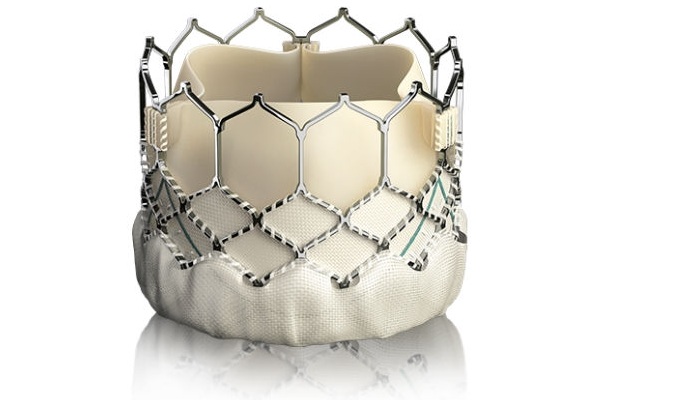
Sapien 3 transcatheter heart valve, breakthrough medical device from Edwards Lifesciences

Note* - All images used are for editorial and illustrative purposes only and may not originate from the original news provider or associated company.

Subscribe

- Never miss a story with notifications

- Gain full access to our premium content

- Browse free from any location or device.

Media Packs

Expand Your Reach With Our Customized Solutions Empowering Your Campaigns To Maximize Your Reach & Drive Real Results!

– Access the Media PackNow

– Book a Conference Call

Leave Message for Us to Get Back

Related stories

Regulatory Trends Shaping Medical Technology

The path from innovation to clinical implementation is governed by an increasingly complex and dynamic set of global standards. As digital health and artificial intelligence become integral to patient care, the frameworks that ensure safety and efficacy are evolving to address the unique challenges of software-based medical solutions and interconnected hardware.

Healthcare Supply Chains Driving Efficiency

The intricate network responsible for delivering life-saving medications and surgical instruments is undergoing a fundamental digital overhaul. By prioritizing transparency and resilience, medical institutions are moving away from reactive procurement toward a proactive logistical model that ensures essential resources are always available at the point of care.

Digital Health Systems Enhancing Patient Outcomes

The modern healthcare experience is no longer confined within the physical walls of a clinic or hospital. Through the deployment of sophisticated digital infrastructures, patient care is becoming a continuous, integrated journey that follows the individual into their daily life. This shift toward a technology-enabled ecosystem is dismantling traditional barriers to access and information, creating a more responsive and patient-centric model of wellness.
What’s described as a breakthrough heart valve tested by doctors at Christ Hospital has been approved by the U.S. Food and Drug Administration.
The Mount Auburn-based hospital was one of the few research sites in the nation to participate in the clinical trial of the Sapien 3 transcatheter heart valve, which the FDA approved for use in patients who would be at high risk of undergoing traditional open-heart surgery.
The valve is used in a procedure known as transcatheter aortic valve replacement, or TAVR. The procedure allows a diseased heart valve to be replaced with a bioengineered valve without open-heart surgery.
The Sapien 3 valve, developed by Edwards Lifesciences of Irvine, Calif., was designed to provide a simpler procedure with fewer complications and faster recovery.
The FDA said it based approval of the Sapien 3 on a clinical study involving 583 patients, including those at Christ Hospital, with a narrowing in the heart’s aortic valve.
So-called aortic valve stenosis obstructs blood flow from the heart into the aorta and onto the rest of the body, which can lead to serious problems such as fainting, chest pain, heart failure, irregular heart rhythms or cardiac arrest, according to the FDA.
The trial at Christ Hospital was performed by a team led by Dr. Dean Kereiakes, medical director of the Heart and Vascular Center and the Carl and Edyth Lindner Center for Research and Education.
“Patients obviously prefer the less invasive surgery,” Kereiakes said. “We are both fortunate and proud to offer leading-edge technologies like the Sapien 3 transcatheter heart valve to patients in our community as part of a clinical trial years before they could otherwise get these treatments.”

Latest stories

Related stories

Regulatory Trends Shaping Medical Technology

The path from innovation to clinical implementation is governed by an increasingly complex and dynamic set of global standards. As digital health and artificial intelligence become integral to patient care, the frameworks that ensure safety and efficacy are evolving to address the unique challenges of software-based medical solutions and interconnected hardware.

Healthcare Supply Chains Driving Efficiency

The intricate network responsible for delivering life-saving medications and surgical instruments is undergoing a fundamental digital overhaul. By prioritizing transparency and resilience, medical institutions are moving away from reactive procurement toward a proactive logistical model that ensures essential resources are always available at the point of care.

Digital Health Systems Enhancing Patient Outcomes

The modern healthcare experience is no longer confined within the physical walls of a clinic or hospital. Through the deployment of sophisticated digital infrastructures, patient care is becoming a continuous, integrated journey that follows the individual into their daily life. This shift toward a technology-enabled ecosystem is dismantling traditional barriers to access and information, creating a more responsive and patient-centric model of wellness.

Connected Healthcare Powering Smart Hospitals

The concept of a stand-alone medical facility is being replaced by a vision of a hyper-connected hub where data flows effortlessly between devices, clinicians, and patients. This digital nervous system is enabling a level of institutional intelligence that optimizes every aspect of the healthcare experience, from the moment a patient enters the building to their long-term recovery at home.

Subscribe

- Never miss a story with notifications

- Gain full access to our premium content

- Browse free from any location or device.

Media Packs

Expand Your Reach With Our Customized Solutions Empowering Your Campaigns To Maximize Your Reach & Drive Real Results!

– Access the Media Pack Now

– Book a Conference Call

Leave Message for Us to Get Back

Translate »