
















The Need for Sustainable Healthcare
The global healthcare sector is currently facing a dual challenge the rising demand for high-quality medical services and the urgent need to reduce its significant environmental footprint. Hospitals are among the most energy-intensive buildings in any city, operating twenty-four hours a day and consuming vast amounts of water, electricity, and single-use materials. However, a transformative shift is underway as administrators and architects embrace sustainable healthcare solutions shaping future facilities. This movement is not merely about environmental ethics it is about creating resilient, efficient, and healthy environments that enhance the well-being of patients and staff while ensuring the long-term viability of the medical system.
Green Hospital Design and Biophilic Architecture
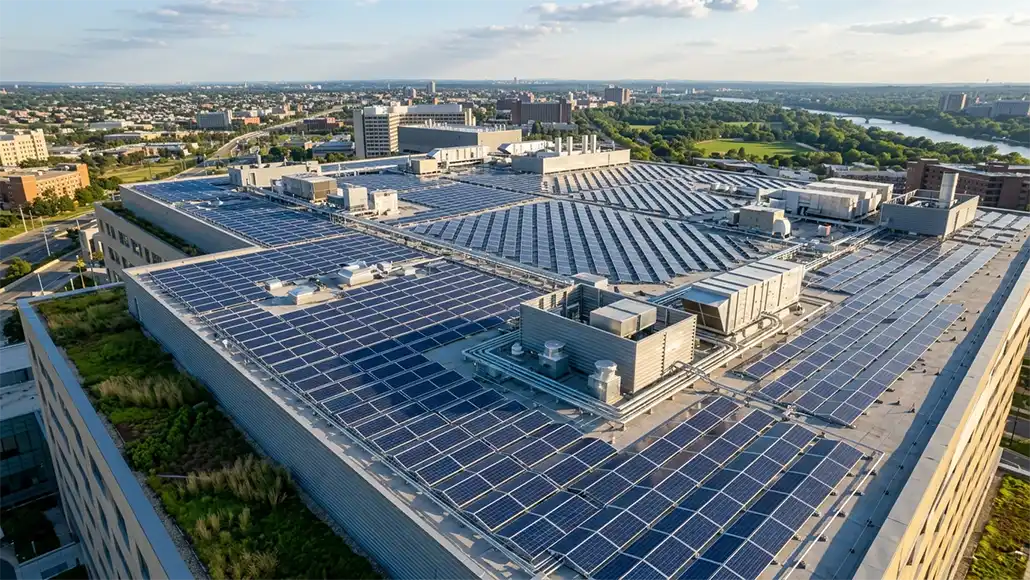
The foundation of a green hospital begins with its architectural design and the materials used in its construction. Traditionally, hospitals were designed as sterile, windowless boxes that relied heavily on artificial lighting and mechanical ventilation. Today, sustainable healthcare solutions shaping future facilities emphasize the concept of biophilic design the integration of natural elements into the built environment. Large windows that maximize natural daylight, roof gardens that manage rainwater, and the use of non-toxic, low-VOC (volatile organic compound) materials are becoming the new standard. These features do more than just save energy they have been scientifically proven to reduce patient stress, lower blood pressure, and even shorten recovery times. By aligning the hospital’s physical structure with the rhythms of nature, we are creating a more restorative healing environment.
Energy Efficiency in Healthcare Facilities
Energy efficiency is perhaps the most critical component of this sustainable transition. Hospitals require immense power for life-saving equipment, specialized climate control, and lighting. The implementation of sustainable healthcare solutions shaping future facilities involves a multi-pronged approach to energy management. This includes the installation of high-efficiency HVAC (heating, ventilation, and air conditioning) systems, LED lighting with smart sensors, and high-performance building envelopes that minimize heat loss. Furthermore, many forward-thinking facilities are now generating their own clean energy on-site through solar panels, wind turbines, or geothermal systems. These investments not only reduce carbon emissions but also provide a level of energy security that is vital in the event of a power grid failure or a natural disaster.
Water Conservation Strategies in Hospitals
Water conservation is another vital pillar of the green hospital movement. Healthcare facilities consume significant amounts of water for cooling systems, sterilization, and patient hygiene. Innovative sustainable healthcare solutions shaping future facilities include the use of low-flow fixtures, greywater recycling systems that repurpose water from sinks and showers for landscaping, and specialized filtration for cooling towers. By treating water as a precious resource, hospitals can significantly lower their utility costs and reduce the strain on local municipal water supplies. This is particularly important in regions facing increasing water scarcity, where a hospital’s ability to operate efficiently depends on its water resilience.
Sustainable Waste Management and Circular Economy
The management of waste in a clinical setting is a complex logistical challenge. Hospitals generate a wide variety of waste streams, from general office paper and food waste to hazardous biological and chemical materials. Historically, much of this waste was incinerated or sent to landfills. However, sustainable healthcare solutions shaping future facilities are prioritizing the principles of a circular economy. This involves working with suppliers to reduce unnecessary packaging, implementing comprehensive recycling programs for plastics and metals, and utilizing on-site waste treatment technologies that turn biological waste into sterilized, inert material. Some facilities are even exploring the use of reusable medical instruments and linens where safe, moving away from the single-use culture that has dominated the industry for the past few decades.
Sustainable Procurement in Healthcare Supply Chains
Sustainable procurement is a powerful lever for change within the healthcare supply chain. Every product purchased by a hospital from pharmaceuticals to surgical gloves has an environmental cost associated with its production and transportation. By choosing suppliers that prioritize sustainability, hospitals can influence the entire global market. Sustainable healthcare solutions shaping future facilities include green purchasing policies that favor products with a lower carbon footprint, minimal packaging, and an absence of harmful chemicals like PVC or phthalates. This collective buying power is encouraging manufacturers to innovate and produce more eco-friendly medical systems, further accelerating the greening of the entire sector.
Smart Hospitals and Digital Sustainability
The concept of the Smart Hospital is also playing a role in sustainability. The use of the Internet of Things (IoT) allows facility managers to monitor energy and water usage in real-time, identifying leaks or inefficiencies before they become major problems. Automated building management systems can adjust the temperature and lighting in unoccupied rooms, ensuring that no energy is wasted. These digital sustainable healthcare solutions shaping future facilities provide the data necessary to make informed decisions about operational improvements. When technology is used to optimize the metabolism of a building, the results are seen in both improved environmental performance and significant financial savings.
Sustainable Transportation in Healthcare
Transportation is an often-overlooked aspect of a hospital’s carbon footprint. The daily movement of thousands of staff, patients, and visitors contributes to local air pollution and traffic congestion. Sustainable healthcare solutions shaping future facilities address this by encouraging alternative modes of transport. This might include providing electric vehicle (EV) charging stations, secure bike storage, and improved access to public transit. Some large medical campuses are even utilizing electric shuttle buses to move people between buildings. By making it easier for the community to access care without relying on fossil-fuel-powered vehicles, hospitals are taking a holistic approach to public health.
The financial aspect of sustainability is increasingly compelling. While the initial investment in green technologies or high-efficiency systems can be higher than traditional options, the long-term operational savings are substantial. Reduced energy and water bills, lower waste disposal fees, and a more resilient infrastructure lead to a significant return on investment. Furthermore, many governments and financial institutions are now offering incentives and lower interest rates for green building projects. For healthcare administrators, sustainable healthcare solutions shaping future facilities represent a sound financial strategy that protects the organization’s bottom line while fulfilling its social responsibility.
Finally, the shift toward sustainability is a reflection of a deeper understanding of the One Health concept the idea that human health is inextricably linked to the health of the environment. A hospital that pollutes the air or water is indirectly contributing to the very diseases it seeks to treat. By adopting sustainable healthcare solutions shaping future facilities, the medical community is leading by example. It is demonstrating that it is possible to provide world-class care while acting as a responsible steward of the planet. This commitment to sustainability builds trust with the community and ensures that the healthcare system is prepared to meet the challenges of a changing climate.
Conclusion: Building the Future of Sustainable Healthcare
The future of healthcare infrastructure is being written today through a commitment to innovation and environmental responsibility. The integration of sustainable healthcare solutions shaping future facilities is transforming hospitals from energy-draining buildings into hubs of health and resilience. Through green design, energy efficiency, waste reduction, and smart technology, we are creating a clinical landscape that is fit for the 21st century. As these practices become the global standard, we move closer to a world where the act of healing people no longer comes at the cost of the environment, ensuring a healthier future for all.