














Close
Digital Health & Ai Innovation summit 2026
LiGHT26

What’s Behind Hair Loss? Understanding Health-Related Concerns

Hair loss is a common and often distressing condition that can affect individuals of all ages and genders. While many people associate hair loss with aging, various health-related concerns can contribute to this phenomenon. Understanding the underlying causes is crucial for effective management and potential prevention. In this article, we delve into some distinct aspects of health-related hair loss, shedding light on the intricate connections between our overall well-being and the health of our hair.

Nutritional Deficiencies and Hair Health

One significant contributor to hair loss is nutritional deficiencies. The human body requires a balanced intake of vitamins and minerals for optimal functioning, and when these essential nutrients are lacking, the impact can extend to the health of our hair. Iron deficiency, for instance, is known to cause a type of hair loss called telogen effluvium, where the hair prematurely enters the resting phase of the growth cycle and subsequently falls out. Similarly, inadequate levels of vitamins such as Biotin (B7), Vitamin D, and Zinc can lead to brittle hair and increased shedding. To address and prevent nutritional deficiencies, maintaining a well-balanced diet rich in a variety of fruits, vegetables, lean proteins, and whole grains is crucial. Additionally, consulting with a healthcare professional for targeted supplementation can help restore the body’s nutrient levels and promote healthier hair growth.

Hormonal Imbalances and Hair Loss

Hormones play a pivotal role in regulating various bodily functions, including hair growth. Hormonal imbalances can arise due to factors such as age, pregnancy, childbirth, and certain medical conditions. Androgenetic alopecia, commonly known as male or female pattern baldness, is a hereditary condition influenced by hormonal changes, particularly the conversion of testosterone to dihydrotestosterone (DHT). This hormone has been linked to shrinking hair follicles, leading to thinner and shorter hair growth. Women may also experience hormonal fluctuations during menopause, which can result in hair thinning and loss. Managing hormonal imbalances may involve lifestyle modifications, hormone replacement therapy (HRT), or medications. Seeking guidance from healthcare professionals, such as endocrinologists or dermatologists, is crucial for accurate diagnosis and tailored treatment plans.

Stress and the Impact on Hair

In today’s fast-paced world, stress has become an almost ubiquitous part of life. However, chronic stress can have profound effects on our physical health, including the condition of our hair. Telogen effluvium, a type of hair loss mentioned earlier, can be triggered by significant stressors, such as surgery, illness, or emotional upheaval. Stress can also exacerbate existing hair conditions like alopecia areata, an autoimmune disorder where the immune system mistakenly attacks hair follicles. Managing stress through relaxation techniques, regular exercise, and mindfulness practices is essential for overall well-being and can positively impact hair health. In cases where stress-related hair loss persists, seeking support from mental health professionals can be instrumental in addressing the root causes and finding effective coping strategies.

Advanced Solutions

In recent years, advancements in the field of hair restoration have provided individuals with innovative solutions to address hair loss. From surgical procedures like hair transplantations to non-invasive treatments such as platelet-rich plasma (PRP) therapy, the options are diverse. Hair transplant procedures involve relocating hair follicles from areas of dense growth to areas experiencing thinning or balding, providing a long-lasting and natural-looking result. PRP therapy, on the other hand, harnesses the regenerative properties of platelets in the blood to stimulate hair follicles and promote hair growth.

These advanced techniques offer hope to those seeking effective and lasting solutions to hair loss. However, it is essential to approach such interventions with a well-informed mindset, considering factors like individual health, expectations, and potential side effects. Consulting with experienced professionals in the field of advanced hair restoration can guide individuals toward personalized treatments that align with their goals. That way it will contribute to the overall understanding and management of health-related hair loss.

Lifestyle Factors and Their Impact on Hair Health

Beyond the physiological aspects discussed earlier, lifestyle factors also play a crucial role in hair health. Habits such as smoking, excessive alcohol consumption, and poor sleep quality have been linked to increased hair loss. Smoking, for instance, can constrict blood vessels, reducing blood flow to the hair follicles and impeding their ability to function optimally. Similarly, inadequate sleep disrupts the body’s natural regeneration processes, including those related to hair growth. By adopting healthier lifestyle choices, individuals can positively influence their overall well-being, which, in turn, contributes to the vitality of their hair.

Genetic Predisposition and Personalized Care

Genetic predisposition is a significant factor in determining an individual’s susceptibility to certain types of hair loss. Understanding one’s family history can provide valuable insights into potential hair-related challenges. While genetics may influence the predisposition to conditions like androgenetic alopecia, personalized care plans can help manage and mitigate their impact. Dermatologists and healthcare professionals specializing in hair health can tailor strategies that combine genetic insights with targeted treatments, ensuring a more personalized and effective approach to combating hair loss.

In unraveling the complex tapestry of factors contributing to hair loss, it becomes evident that a holistic and personalized approach is key to effective management. Addressing nutritional deficiencies, hormonal imbalances, and stress alongside lifestyle modifications and advanced restoration techniques can significantly impact hair health. By understanding the interplay of these elements and seeking professional guidance, individuals can embark on a journey towards healthier, more resilient hair. Whether through lifestyle changes, advanced treatments, or a combination of both, the quest for optimal hair health is not only achievable but also an integral part of a broader commitment to overall well-being.


Exploring Ethical Considerations in Women’s Healthcare at Virginia Gynecology

Gynecological Oncology is a medical specialty focusing on female reproductive cancers, such as ovarian, uterine, cervical, vulvar, and vaginal cancers. In Virginia Gynecology, they provide advanced care in this field. Virginia Gynecology utilizes a comprehensive approach for diagnosing, treating, and managing these cancers, offering personalized care through surgery, radiation, chemotherapy, and targeted therapy.

Patient Rights and Advocacy

Patient rights and advocacy play a critical role in healthcare, including in Virginia Gynecology. These rights ensure that patients receive respectful and dignified care, are involved in decisions about their treatment, and have the ability to voice any concerns or complaints. Here are some of the key patient rights and aspects of advocacy:

  1. Respectful Care: Respectful Care implies that all patients are entitled to care that upholds their dignity, acknowledges their worth, and treats them with compassion.In practical terms, respectful care means healthcare providers must ensure that their interactions with patients are polite, considerate, and empathetic. They should listen attentively to the patient’s concerns, acknowledge their feelings, and provide clear, understandable explanations about their health condition and treatment options.
  2. Informed Consent: Informed Consent is a vital principle in healthcare that underlines the respect for patient autonomy. It implies that patients have the right to receive all the necessary, up-to-date, and understandable information related to their health condition. This information should include details about their diagnosis, potential treatment options, prognosis, and the associated costs.
  3. Privacy and Confidentiality: Confidentiality in healthcare is a fundamental principle that ensures the information shared by or about a patient is accessed only by those directly involved in their care. This protection extends to all forms of data, including medical records, consultation notes, test results, and even the fact that the person is a patient.
  4. Accessing Services: Accessing Services in the context of healthcare refers to the right that every individual has to access medical services without any form of discrimination. This means that healthcare providers and institutions are obligated to provide care to all patients who need it, and they cannot refuse or limit services based on these protected characteristics.
  5. Advocacy Services: In case of any concerns or complaints, patients have the right to contact protective and advocacy services. These services bridge the gap between patients and healthcare providers to enhance patient care quality.
  6. Safe Environment: A safe environment in healthcare refers to a setting where patients are protected from potential harm, including physical injuries, infections, and psychological distress. It’s a fundamental right of every patient to receive care in such an environment.

These rights are designed to ensure that patients receive high-quality healthcare and that their dignity, autonomy, and privacy are respected. It’s important for all patients to be aware of these rights so they can actively participate in their own healthcare and make informed decisions about their treatment.

Ethical Issues

Ethical issues in women’s health, particularly in the field of gynecology and obstetrics, are complex and multifaceted. They involve a careful balance between medical best practices, patient rights, cultural considerations, and legal guidelines. Here are some key ethical issues in women’s health in Virginia Gynecology:

  1. Consent and Bodily Integrity: Informed consent in medical ethics involves giving patients understandable details about their diagnosis, treatment options, and potential risks to enable informed healthcare decisions, respecting their right to bodily integrity.
  2. Vaccination Ethics: The issue of vaccination in obstetrics and gynecology raises ethical questions, especially when personal, philosophical, or religious exemptions are considered. These exemptions can potentially endanger the health of the community by reducing herd immunity.
  3. Patient Preference for Female Providers: Some patients may prefer female obstetrician-gynecologists due to privacy concerns, cultural beliefs, or past traumatic experiences. Balancing these preferences with the availability of female providers can present ethical challenges.
  4. Access to Care: Geographic disparities in the availability of gynecological services can pose ethical issues. Women living in areas without adequate access to gynecologists face potential health risks due to delayed or insufficient care.
  5. Substance Use Disorders: Addressing substance use disorders in obstetric and gynecologic patients involves ethical considerations. These might include issues around confidentiality, mandatory reporting, and the potential for stigma and discrimination.
  6. Care for Women Veterans: Women veterans may face unique challenges in accessing healthcare, including issues related to childcare and perceived harassment in medical facilities. Ensuring equitable access to care for this population is an important ethical concern.

Criteria in Choosing the Right Gynecological Clinic

  1. Qualifications and Experience of the Staff: Gynecologists and other healthcare professionals at the Virginia Gynecology clinic should be board-certified and have extensive experience in women’s health. You may also want to consider their specialties, such as obstetrics or fertility.
  2. Range of Services: The clinic ought to provide an extensive array of gynecological services, encompassing regular examinations and screenings as well as more specialized operations. This could include prenatal care, fertility treatments, menopause management, and treatment of gynecological disorders.
  3. The Quality of Care: Look for a clinic that has a reputation for providing high-quality care. This might involve researching patient reviews or checking the clinic’s ratings on health care quality websites.
  4. Communication: It’s important to feel comfortable discussing sensitive issues with your gynecologist. Seek a Virginia Gynecology clinic where the staff prioritizes understanding your concerns, responding to your queries, and elucidating your treatment alternatives.
  5. Location and Accessibility: The clinic should be conveniently located and easily accessible, whether by public transportation or car. Consider also the clinic’s hours of operation; some clinics may offer evening or weekend appointments for added convenience.
  6. Insurance Acceptance: The clinic should accept your health insurance. It’s also worth checking what the costs might be for various procedures or visits, especially if you have a high-deductible plan.
  7. Facility Cleanliness and Safety: The clinic should be clean and well-maintained, with up-to-date medical equipment. They should also follow strict protocols for patient safety and infection control.
  8. Confidentiality and Respect: A good clinic will ensure the privacy and confidentiality of your medical information.They should also uphold the respect and dignity of every patient.
  9. Follow-up Care: The clinic should provide clear instructions for follow-up care after procedures or treatments and be responsive to any questions or concerns that arise afterwards.
  10. Emergency Services: In case of complications or emergencies, the clinic should have a clear plan in place, whether that involves on-site emergency care or a partnership with a nearby hospital.

What is Covered in a CPR & First Aid Course?

The purpose of training in cardiopulmonary resuscitation (CPR) and first aid is to provide persons with the knowledge and skills necessary to respond rapidly and effectively in many types of emergency circumstances. Having the knowledge to respond appropriately in the event of an accident or injury can make all the difference in the world. Accidents and injuries can occur at any time. This article will provide you with an overview of the topics covered in a CPR & First Aid course, allowing you to gain a better comprehension of what you may anticipate learning and how it can be beneficial to you.

  • Essential Life-Saving Techniques

The primary focus of a CPR & First Aid course is to provide training in the essential life-saving techniques that can help to preserve a person’s life until medical assistance arrives. Participants will learn how to give cardiopulmonary resuscitation (CPR) and use an automated external defibrillator (AED) to revive someone who is unconscious, not breathing, or has no pulse. Additionally, students will learn how to control bleeding, stabilize fractures, and immobilize broken bones to prevent further injury.

  • Responding to Different Emergencies

CPR & First Aid courses teach individuals how to respond to various medical emergencies, including heart attacks, stroke, seizures, choking, and allergic reactions. Participants will learn how to assess the situation, identify signs of distress, and provide appropriate care. They will also learn how to interact with emergency services, give clear and concise information, and stay calm under pressure.

  • Practice in Simulated Situations

The best way to prepare for real-life emergencies is to practice the skills learned in a CPR & First Aid course. Participants are given numerous opportunities to practice and develop their skills in simulated situations. During these scenarios, students will be required to react quickly, use critical thinking skills, and work as a team to provide effective care to the victim. This practice will help students build confidence in their abilities and prepare them for real-life situations.

CPR & First Aid courses teach students not only how to perform medical procedures but also how to navigate the legal and ethical considerations related to providing emergency care. Participants will learn about consent, confidentiality, and reporting requirements. They will also be made aware of the limitations of their skills and knowledge and when it is appropriate to call for professional medical assistance.

  • Certification and Renewal

Upon completion of a CPR & First Aid course, students are awarded a certification that is valid for a certain period, usually two years. The certification proves that the individual has demonstrated the knowledge and skills needed to provide emergency care. After the expiration of the certification, it is necessary to take a renewal course to maintain their certification and have the most up-to-date knowledge and skills.

Courses in cardiopulmonary resuscitation (CPR) and first aid provide individuals the fundamental skills necessary to save lives, enabling them to respond rapidly and effectively in the event of a medical emergency. These classes instruct students on what to do in a variety of emergency situations, provide them with opportunities to practice in simulated scenarios, help them comprehend legal and ethical aspects, and, finally, provide certification following successful completion of the course. In both your personal and professional life, taking a course in cardiopulmonary resuscitation and first aid is an investment that will prove to be beneficial.

The Benefits of Obtaining CPR & First Aid Course Certification

No matter how cautious and well-prepared we are, accidents and crises can happen at any moment and in any location. This is true regardless of circumstances. Having the ability to perform life-saving techniques at your disposal can make all the difference in these kinds of situations. It is for this reason that earning certification in CPR and First Aid Courses can be exceedingly beneficial. Within the scope of this blog, we will investigate the several advantages that come with gaining certification in CPR and First Aid.

  1. Saving Lives: The primary benefit of obtaining CPR and First Aid Course Certification is the ability to save lives. By learning basic life support techniques, you’ll be equipped to provide immediate care and support in a medical emergency. You could help minimize the extent of injuries, reduce the chances of complications, and in extreme cases, save a life.
  2. Helping Others: Being trained in CPR and First Aid also means being able to assist others during medical emergencies. This could be especially helpful in situations where someone close to you may require immediate medical attention such as a choking child or an elderly friend who has fallen. Knowing how to respond during these scenarios could help you make a difference, not just for the victim but for those around you as well.
  3. Increased Employability: Many companies and organizations require their employees to obtain basic CPR & First Aid Course Certification. This is particularly true within industries where health and safety of individuals is critical. Obtaining this certification not only demonstrates your commitment to safety and preparedness but can also boost your employability options.
  4. Confidence in Emergencies: Taking CPR and First Aid courses can help to increase your confidence during stressful situations. In medical emergencies, people can feel overwhelmed, helpless and unsure of what to do. By obtaining certification, you’ll be confident and prepared, ready to act without hesitation.
  5. A Sense of Fulfillment: Obtaining CPR & First Aid Course Certification can give you a sense of fulfillment, knowing that you have the ability to make a positive difference in the lives of others. It’s satisfying to know that you’ve invested your time and energy into learning techniques that can help save lives and enhance the safety of others.

In conclusion, there are a lot of advantages to becoming certified in CPR and First Aid. Getting this certification can have a lot of advantages, such as improving employability, saving lives, helping others, and feeling more confident in emergency situations. It can also lead to a sense of fulfillment. Don’t wait to start investing in your safety, the safety of others around you, and changing the world—enroll in a CPR & First Aid Course Certification program right now.

Integrated Care: Physiotherapy’s Substantiated Contribution to Healthcare

The emphasis on integrated care has become paramount in the ever-evolving healthcare landscape. Integrated care involves coordination and collaboration among healthcare professionals to provide comprehensive and cohesive patient services. One discipline that has emerged as a cornerstone in this integrated approach is physiotherapy. Beyond its traditional role in injury rehabilitation, physiotherapy has proven to be a substantiated and invaluable contributor to the broader spectrum of healthcare. This article delves into how physiotherapy enriches and enhances integrated care.

Comprehensive Assessment and Diagnosis

Physiotherapists are highly trained healthcare professionals adept at conducting comprehensive assessments and diagnoses. Their expertise extends beyond musculoskeletal issues to encompass a holistic understanding of the body’s interconnected systems. Through detailed evaluations, physiotherapists can identify underlying problems contributing to a patient’s symptoms. This comprehensive approach is precious in integrated care settings where patients may present with complex and multifaceted health concerns. In this case, perhaps the best physiotherapists in Burlington or others within your vicinity can collaborate with other healthcare providers to contribute valuable insights into a patient’s condition, ensuring a more accurate and nuanced diagnosis. This collaborative diagnostic process lays the foundation for a targeted and cohesive treatment plan that addresses the patient’s overall well-being.

Holistic Treatment Plans

Physiotherapy is synonymous with personalized and holistic treatment plans. Rather than merely focusing on symptom management, physiotherapists consider the broader context of a patient’s health, including lifestyle factors, mental well-being, and social determinants. This holistic perspective aligns seamlessly with the goals of integrated care, where the emphasis is on addressing the entirety of a patient’s health rather than isolated symptoms. Collaborating with other healthcare professionals, physiotherapists contribute to designing and implementing integrated treatment plans. By tailoring interventions to the patient’s individual needs, physiotherapy enhances the overall efficacy of integrated care, promoting a more patient-centered and outcome-driven approach.

Chronic Disease Management

The prevalence of chronic diseases is on the rise globally, presenting a significant challenge to healthcare systems. Physiotherapy has emerged as a crucial ally in the management of chronic conditions such as cardiovascular diseases, diabetes, and respiratory disorders. Through targeted exercise programs and lifestyle interventions, physiotherapists play a pivotal role in preventing the progression of these conditions and optimizing the quality of life for affected individuals. Integrated care models benefit immensely from including physiotherapy in chronic disease management. Physiotherapists collaborate with physicians, nurses, and other specialists to develop comprehensive care plans addressing a patient’s acute and chronic health. This collaborative approach improves health outcomes and reduces the burden on healthcare resources by minimizing hospital admissions and emergency interventions.

Preventive Care and Health Promotion

Physiotherapy extends its impact beyond treatment to preventive care and health promotion. By identifying risk factors and addressing them proactively, physiotherapists contribute to preventing injuries and the onset of chronic conditions. This preventive focus aligns seamlessly with integrated care goals, emphasizing the importance of proactive health management. In integrated care settings, physiotherapists collaborate with other healthcare professionals to implement health promotion strategies. This may include community outreach programs, educational initiatives, and lifestyle interventions to empower individuals to control their health. The proactive nature of physiotherapy in preventive care aligns with the broader objectives of integrated care models, emphasizing keeping populations healthy rather than solely treating illness.

Physiotherapy’s substantiated contribution to integrated care is a testament to its versatility, expertise, and patient-centered approach. From comprehensive assessments and holistic treatment plans to chronic disease management, preventive care, and rehabilitation, physiotherapy seamlessly integrates into the broader healthcare landscape. As the healthcare industry continues to embrace the principles of collaboration and coordination, physiotherapy is a critical player, enriching the quality of care and improving patient outcomes. In the era of integrated care, recognizing and leveraging the multifaceted contributions of physiotherapy is essential for building a resilient and patient-centric healthcare system.

5 Helpful Tips to Beat Insomnia

According to a US survey, 1 in 5 US adults struggle to sleep every night. And half of US adults experience insomnia regularly. But it’s a worldwide problem that can affect your performance at work, as well as your home life and relationships. 

Insomnia is the problem of struggling to fall asleep/stay asleep. A lack of regular, quality sleep won’t just leave you feeling tired. Insomnia negatively impacts your cognitive processes and even your moods. 

Are you ready to get a good night’s rest? Follow these 5 helpful tips to beat insomnia for good.

Take Supplements for Better Sleep 

Don’t reach for sleeping pills to escape the clutches of insomnia. Getting a good night’s sleep might be as simple as getting yourself some supplements. The best ashwagandha supplements will help you to fall asleep, and stay asleep, naturally. 

Ashwagandha is an ancient Indian root, dating back more than 6,000 years. Its botanical name, Withania somnifera, describes its effects perfectly, as ‘somnifera’ is the Latin word meaning ‘to induce sleep’. This natural supplement is renowned as an affordable and effective method of sleep promotion.

Reduce Night-Time Alcohol and Caffeinated Beverages

Alcohol boosts extracellular levels of adenosine, a naturally occurring neurotransmitter, and can play a role in inducing sleep. But although alcohol can make you feel sleepy, it should never be used in this way. Indeed, alcohol can be dangerous if relied on so heavily. 

Alcohol’s effects wear off quickly and can cause you to wake easily again, often. What’s more, alcohol can interrupt the rapid eye movement (REM) sleep cycle which is so important for learning and memory processing. 

Caffeinated beverages like coffee and tea are also problematic for insomniacs. Caffeine is a stimulant that may prevent you from falling asleep. Some people are more sensitive to its effects and should stick to decaf coffee or herbal tea after dinner and for the rest of the evening.

Set a Sleep Routine

Setting a sleep routine is one of the best ways to combat insomnia. It can take some time to establish a new routine, but the results (better sleep patterns) are well worth the effort. To set your new routine and make it a habit, try to get up at a set time, and go to sleep at a set time, every day. 

We don’t all have the same sleep needs. The amount of sleep that we need also changes throughout our lives. For example, infants and young, developing children need a lot more sleep than senior adults do. But as a general rule of thumb, most healthy adults need about 7 hours of sleep a night. 

So if you know that you need to get out of bed and start your day at 7 am, you should be in bed, falling asleep, at midnight. Simply adjust the time you go to sleep and the time you rise, according to your own needs. But be consistent, and soon your body will adapt to the new sleeping and waking routine. 

Keep Tech Devices Out of The Bedroom

Tech devices have no place in the bedroom. Your bed should be reserved for romance and restful sleep. So if you have been lying in bed at night checking social media, it’s time to change your night-time habits. 

The use of electronics at night has been linked to suppressed melatonin, and you need this hormone in the evening to help you feel tired. It’s tempting to scroll through your online accounts on your phone when you can’t fall asleep. But rather pick up a book and read.

Reading can relax you, which will make you more likely to close them and drift off to sleep. You may discover a new love of reading. Fiction or nonfiction, it doesn’t really matter. What matters is that you limit screen time while you try to get into a restful state.

Invest in Your Sleep-Time Comfort

This may seem like a no-brainer, but too many people don’t invest in their sleep-time comfort. You are more likely to fall asleep and stay asleep if your body is well-supported and you feel comfortable. So invest in some comfy pajamas and a good mattress with the right level of spine support.

Match your sleepwear to the season. Insomnia is often caused by discomfort in extreme temperatures. Opt for natural fibers, with moisture-wicking properties. This will stop you from waking up because you’re hot and sweaty in the summer. They also keep your temperature constant in the icy grip of winter. 

And don’t forget your bed linen. If your sheets, bedcovers, and blankets are too warm and heavy for the season, you won’t have a restful night. Once again, get soft, natural fibers like cotton for the most relaxing sleep environment

5 Strategies for Coping with Stress and Protecting Mental Well-being at Work

The workplace is a common source of stress, and this can impact our mental health. Left unchecked, this will inevitably affect our physical health too, and reduce our ability to do our jobs. But it doesn’t have to be this way. 

You are ultimately responsible for your mental health at work. Sometimes all you need to do is make a few small changes. By following these 5 strategies for coping with stress and protecting mental well-being at work, your work environment will become a happy place again. 

Combat Stress with Nutrition

When we are stressed at work, we often resort to comfort foods and unhealthy habits to deal with that stress. Sadly, this makes the problem worse. Convenience foods and fast-food takeaways do little for our health, and can in fact cause many health problems long-term.

There’s a healthier way to deal with stress through what we consume. Consult a nutritionist, and ask them to draw up a balanced eating plan for you. A healthy diet reduces the negative consequences of stress by strengthening the immune system and lowering stress-induced elevated blood pressure.

Add a supplement regime to your diet, too. The best supplements for stress will support both your body and mind, improving your mood, cognitive function, and overall health. Best of all, they are natural and much more beneficial than most other stress-coping mechanisms. 

Aim for a Healthier Work/Life Balance

Mental health issues, and even some physical health conditions, often stem from unresolved stress. This can collectively affect your ability to perform at work. And yet, a lot of the time, that stress is due to an unhealthy work/life balance. So, how do you get out of this vicious cycle? Get the balance right!

Speak to your supervisor or HR department about a remote work option, or even a hybrid of in-office and remote work. This will allow you to have a healthier balance of both work and home environments, and may even boost your productivity.

Remote or hybrid work models are not always possible, and your particular industry and occupation will be the deciding factor. If you have to remain fully in-office, look at other ways to achieve a healthier balance. Stop working weekends when it isn’t required in your contract. Take time out to rest and enjoy leisure activities, instead. 

Communicate Your Needs 

Without communication, no problem is ever adequately resolved. The same goes for work-related stress. Think about what is causing you to feel uneasy at work. Is it your job itself, or perhaps just your workload? When employees remain silent, employers sometimes load their work schedules until they become overwhelmed. 

If you feel that your current workload is unmanageable, unreasonable, or out of alignment with your work role, speak up. Staying silent about the issue will only worsen the problem. If you feel that you need help tackling your workload, speak to your supervisor about an assistant. 

If the problem is not temporary, but rather an ongoing imbalance in work responsibilities, approach your HR department and ask them to do a review of everyone’s roles and responsibilities. It may have been an oversight on their part, and raising the issue in a non-confrontational way should see it addressed, fast. 

Manage Your Time Better

If you regularly feel that there’s not enough time to complete tasks at work, you’ll soon start to feel stressed and anxious. But a lot of the time, you just aren’t practicing good time management. Break your to-do list into smaller, more manageable segments and you’ll soon feel calmer about your workload.

Racing around the office, juggling several tasks at once, is not a sign of efficient multitasking. It’s a silent cry for help. So do yourself, and your mental health, a favor. Learn to be more responsible with your time. 

Set schedules for things like email inbox management, and project-related discussions. Ask your supervisors about software to handle your admin duties. Try to stick to these schedules whenever possible, focusing on one task at a time. This will help you feel more focused and less frustrated. 

Take Regular Breaks

Sometimes all you need when it feels as though the walls of your office are closing in around you is a break. 

According to research into this topic, taking regular short breaks throughout the workday can boost your well-being as well as your performance. Unfortunately, too few people take the breaks they need. Or they don’t take the right type of breaks or take them often enough. 

Incorporate more breaks into your day. And we don’t mean a quick coffee break in the office, we mean a change of view and a few breaths of fresh air. This will help you refocus your mind before commencing with the work duties ahead.

5 Best Body Detox Cleanses

Are you looking for a natural way to increase your energy, balance your hormones, boost your digestive and immune systems, and maintain a healthy weight? You may be surprised to know that you can achieve all of this, and more, with a body detox cleanse. 

By eliminating waste and toxins from your body, you improve all your body’s natural processes. Best of all, it’s quite easy to do (and can even be delicious). So if you’d like to detox safely, try one of these 5 best body detox cleanses.

Barley Grass Powder for Liver Cleansing and Support

Barley grass is rich in fiber, vitamins A, C, and K, as well as several other healthful nutrients. Vitamin A is good for hair, skin, and nails. Vitamin C is vital for tissue growth, development, and repair, while vitamin K is important for bone health.

But barley grass has another benefit, it is great for liver detoxing too. Barley grass is a popular choice for liver strengthening and detoxification. The easiest way to use it is in barley grass juice powder

Add this powdered form of barley grass to your favorite meals or use it in detox recipes like cleansing smoothies and juices for extra cleansing power and nutrition.

Apple Smoothie for Colon Health

Do you enjoy the taste of warm, fresh-baked apple pie? This is a healthier way to enjoy apples but it’s still big on flavor. And you want to keep enjoying apples because they are great for digestive issues and general colon health. It’s all thanks to their pectin content.

Pectin is the soluble fiber in apples that cleanses the colon. Apple pectin also reduces the need for insulin, so an apple smoothie is a low glycemic index treat. Although you may want to sweeten your smoothie with a bit of honey, this will of course raise the glycemic index. 

When you make your apple smoothie, you can use a cup of water or unsweetened apple juice as a base, and then add a couple of chopped, cored apples and a pinch of cinnamon. But leave the peels on, because they contain fiber and nutrients that are safe and beneficial to consume. Just be sure to wash your apples before using them.

Cucumber Water for Reducing Fluid Retention

Cucumbers are known for their high water content. But did you know that they are natural diuretics that help fight against fluid retention? Cucumbers are great for detoxifying your body and promoting all-around health. 

It can be used as a delicious, detoxifying, and hydrating drink. Ditch the sodas and sports drinks, and enjoy a glass of cucumber water. Fill a jug with filtered water or sparkling mineral water and add a few cucumber slices. Leave it in the refrigerator overnight, and you’ll have a supply of cold, refreshing cucumber water to enjoy.

And because one of these fruits contains on average only 45 calories, it’s good news for weight control, too. So include more cucumber in your diet, instead of snack foods. For best results, have raw fruits and veg daily and include thick chunks of cucumber.

Elimination Diet for Eliminating Addictive Toxins

Although fasting has often been praised for its detoxifying power, it’s not ideal for everyone. If you are currently underweight, recovering from an illness, or breastfeeding, fasting is not for you. It’s also a no-no for anyone with a history of eating disorders.

But there’s a way to enjoy similar benefits without going hungry. Simply eliminate nicotine, alcohol, caffeine, and processed foods from your daily lifestyle for a few weeks (and in the case of nicotine, permanently if possible). If you want to see even greater results, cut out the sugar, too. 

Fill up on healthy, whole foods, fruits, and veg, and stick to herbal teas or decaf. But remember to drink plenty of water to flush the toxins out. And don’t worry if you feel moody, irritable, and even shaky the first few days. That’s a sign that your body is ridding itself of toxins.

Spinach Smoothie for Radiant Health

A spinach smoothie is a tasty way to detox and give your immune system a boost. It’s loaded with vitamins, minerals, omega-3 fatty acids, and antioxidants with immune boosting and anti-inflammatory power. It’s a superfood that will aid your efforts to create radiant health

It’s the high fiber content that does the hardest detox work. Fiber encourages regular bowel movements, cleansing the colon as it moves food through the digestive system.

To make a spinach smoothie, you’ll need a blender, and some water or juice as a base. Add a cup of your liquid of choice to the blender first, followed by a cup of chopped baby spinach leaves and other fruits or veg of your choice. Most flavors work well with the mild taste of spinach.

Devolved UK Nations Lung Cancer Testing Can Change The Game

The devolved nations of the UK could go on to detect greater numbers of lung cancer cases with enhanced screening programs, as per the new analyses by Cancer Research UK, which call for governments to urgently execute them.

Lung cancer happens to be the leading cause of cancer death in England, Scotland, Wales, as well as Northern Ireland, and smokers, along with former smokers aged 55–74, are said to be at greatest risk.

Apparently, in November last year, the National Screening Committee- NSC went on to say that everyone in this group to get screened, but, as of date, only England has gone on to initiate a screening program based on this advice.

It is well to be noted that around 900,000 people happened to be invited for checks throughout the pilot stages in England, of which 200,000 scans were carried out, with more than 2,000 people being detected as having lung cancer, out of which 76% were those identified at an earlier stage, which is stage 1 or 2, as compared to 29% who were identified beyond the pilot program in 2019.

Lung cancer screening nationwide could indeed be a game-changer.

The latest analyses from Cancer Research UK suggest that equal lung cancer screening programs throughout the devolved nations could diagnose almost 4,000 more lung cancer patients across Scotland at an early stage in the next decade and 2,400 & 1400 people in Wales and Northern Ireland, respectively.

It is well to be noted that if just half of the eligible people took part in the screening, earlier lung cancer diagnosis could go on to save 2,300 lives in Scotland, 1,000 lives in Wales, and 600 lives across Northern Ireland in the next decade, as remarked by Cancer Research UK.

The professor of general practice at the University of Edinburgh, Professor David Weller, goes on to believe that a nationwide screening program has in it to be a game changer in terms of reducing the lung cancer burden in Scotland’.

He added that for too long, lung cancer has been regarded as a disease one cannot do anything about, but one knows that its diagnosis at an early stage can make a real difference.

Notably, major trials when it comes to targeted lung cancer screening go on to show a significant dip in mortality due to it. Pilot studies across the UK and also across the world have consistently shown people being detected with lung cancer at an earlier stage.

It is well to be noted that in Scotland, one of the pilot projects named LUNGSCOT, of which Professor Weller happens to be the principal investigator, is digging into the challenges when it comes to local lung cancer screening.

A pilot is also taking place in Wales, where charities such as Cancer Research UK happen to be running a public petition.

As for Northern Ireland, there are as of now no plans or pilots in order to report because of the lack of a Northern Irish Executive due to the 2022 elections. But the authors of the Northern Ireland Cancer Strategy 2022–2032 have already stressed that they intend to execute all NSC recommendations.

Cancer Research UK’s senior external affairs manager, Debbie King, in the devolved nations went on to say that lung screening matters as it means more people can get detected at an earlier stage, which makes the treatment more likely to be successful.

The fact remains that a fully funded national targeted lung cancer screening program across Northern Ireland, Scotland, as well as Wales is an absolute chance to decrease the toll of this disease.

Significantly, there have been big upgrades in how one diagnoses as well as treats other forms of cancer, but long-term lung cancer survival throughout the UK is not much higher as compared to what it was 50 years back. This is indeed not acceptable, as the evidence goes on to show that earlier diagnosis by way of targeted lung cancer screening can in a way help thousands of people live longer and healthier lives.’

Lauch of the cancer manifesto

This updated analysis got published just after Cancer Research UK went on to release its manifesto for decreasing deaths due to cancer by 20,000 a year by 2040.

While the entire cancer deaths has actually halved throughout the last 50 years, the growth happens to be at risk of stalling in the UK, the charity said.

Cancer Research UK, as part of the manifesto, has gone on to call on the next UK government to take into consideration the variation in treatment throughout varied geographical areas, which includes optimizing cancer screening programs along with speeding up the roll-out of the lung cancer screening program throughout England.

The former national cancer director at the Department of Health, as well as the chair of the National Screening Committee, Professor Sir Mike Richards, went on to state on the manifesto that cancer outcomes in the UK are struggling as compared to countries like Denmark, and one needs consistent funding and long-term planning to make the UK the pioneer in the world for cancer survival.

US Asks 9 States To Cut Child Medicaid, CHIP Disenrollments

In a recent move, the Biden administration is asking states that have gone on to drop the largest numbers of children out of their Medicaid as well as Children Health Insurance Program rolls to take up the federal flexibilities so as to prevent them from losing coverage when it comes to healthcare.

These nine states include Texas, New Hampshire, Arkansas, Montana, Georgia, Florida, Ohio, South Dakota, and Idaho, which account for almost 60% of the dip in children’s Medicaid along with CHIP enrollment from March through September, as per the data released by the CMS on December 18.

Xavier Becerra, the HHS Secretary, asked the states to embrace federal flexibilities as well as strategies so as to ease renewal, eliminate CHIP enrollment fees and premiums, decrease call center wait times, partner with local organizations, as well as expand Medicaid.

It is well to be noted that the state Medicaid programs started reassessing eligibility for the safety-net insurance program in spring post a continuous enrolment that took place during the course of the COVID-19 pandemic. Consistent enrollment provisions went on to cause rolls to nearly swell up to almost 94 million people, and that’s just when the unwinding began in March 2023.

Enrolment still happens to be elevated vis-à-vis the pre-pandemic period, as more than 88 million people were insured under Medicaid and CHIP in September, compared to around 71 million enrolled in February 2020.

But federal regulators have gone on to grow very concerned when it comes to the procedural disenrollments in which the beneficiaries get removed because of administrative reasons but could still be eligible for coverage. They have also gone on to crack down on states for the coverage losses among children, who happen to have a lower bar to stay within the programs in terms of low-income people.

Earlier in December, the CMS went on to publish an interim final rule that could go on to have fines or even slash funding to states if they do not follow federal requirements throughout the redeterminations process.

Regulators also went on to pause the procedural disenrollments across 30 states this fall because of a system issue with automatic renewals. States were doing checks at a family level and also eliminating beneficiaries, like kids, who may still be eligible.

Chiquita Brooks-LaSure, CMS Administrator, said that the CMS is doing everything in its gamut and power to safeguard access to health coverage throughout the Medicaid and CHIP renewal processes, particularly for children. As a matter of fact, many states have worked with them to embrace the strategies they have gone on to put on the table, and they strongly ask all states to play their respective parts to make sure that children who are eligible have the coverage they need so as to grow and thrive.

In its entirety, child enrollment when it comes to Medicaid and CHIP has dipped by 2.2 million from March through September, as per the latest data from the CMS.

But there does happen to be a significant variation by state, as five states make up over half of the total dip in child enrollment. South Dakota, along with Idaho, both saw a 27% reduction in child enrollment during the said period.

Interestingly, the regulators noted that the dearth of expansion of Medicaid was one common thread in the states having high numbers of child disenrollments. The 10 holdout states, like Alabama, Kansas, Mississippi, Florida, Georgia, Tennessee, Texas, Wisconsin, South Carolina, and Wyoming, happen to remove more children than all the expansion states put together, as per the CMS.

Notably, the youngsters who turned 19 during the continuous enrollment period were also likely to be disenrolled in case of non-expansion states. Apparently, the states that are more frequently used to go for auto-renewals, in which the programs determine the eligibility by way of the available data, went on to disenroll fewer children too, said the CMS.

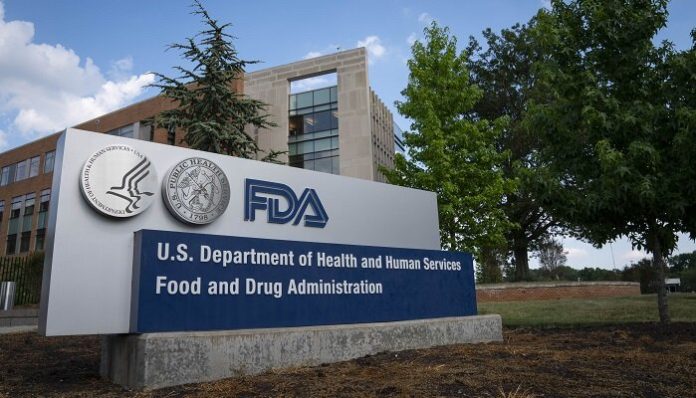
FDA Genetic Metabolic Disease Advisory Committee Announced

The US Food and Drug Administration (FDA) has gone on to announce the establishment of a new advisory committee that will help to evaluate potential treatments when to comes to genetic metabolic diseases.

The Genetic Metabolic Diseases Advisory Committee will go on to advise the FDA on products that should be used for the diagnosis, prevention, as well as treatment of genetic metabolic diseases under the Division of Rare Diseases and Medical Genetics, which was established in 2020.

It is well to be noted that genetic metabolic diseases happen to be conditions that go on to disrupt an individual’s metabolism, which is the mechanism that is responsible for shifting food into energy and eliminating toxins from the body.

Apparently, most of such types of diseases happen to be rare, which includes Hurler syndrome, Gaucher disease, as well as Tay-Sachs disease.

The committee will go on to provide FDA-independent, knowledgeable advice along with recommendations on technical, scientific, as well as policy issues with regards to the medical products for these diseases. Director of the FDA’s Center for Drug Evaluation and Research’s (CDER) Office of Rare Diseases, Paediatrics, Urologic, and Reproductive Medicine (ORPURM), Janet Maynard, went on to say that drug development when it comes to these conditions comes with unique and complex challenges, and hence few treatments are available to patients.

Termed as a necessary part of the FDA’s work, advisory committees enable the FDA to have extremely invaluable input from clinicians, academia, patients, industry experts, caregivers, as well as other external stakeholders when it comes to evaluating the probable advantages and challenges pertaining to the new therapy, remarked the director of the CDER, Patrizia Cavazzoni.

Along with the nine voting members, which includes the committee chairperson, the committee will go on to have experts in numerous areas of metabolic genetics, such as carbohydrate disorders, amino acid disorders, as well as organic acidemias.

Moreover, the experts when it comes to the management of inborn challenges of metabolism, translational science, small population trial design, peadiatrics, epidemiology, statistics, and related specialties will also be a part of it. It is well to be noted that all individuals who happen to be nominated as scientific members of the committee have to be technically qualified experts when it comes to their relevant fields and also come with experience interpreting complex data.

Apart from this, the committee will also go on to have a consumer representative as well as an industry representative, while non-federal members will go on to serve as either special government employees or else non-voting representatives, thereby following an invitation so as to serve for up to four years.

Translate »