Close
Digital Health & Ai Innovation summit 2026
LiGHT26

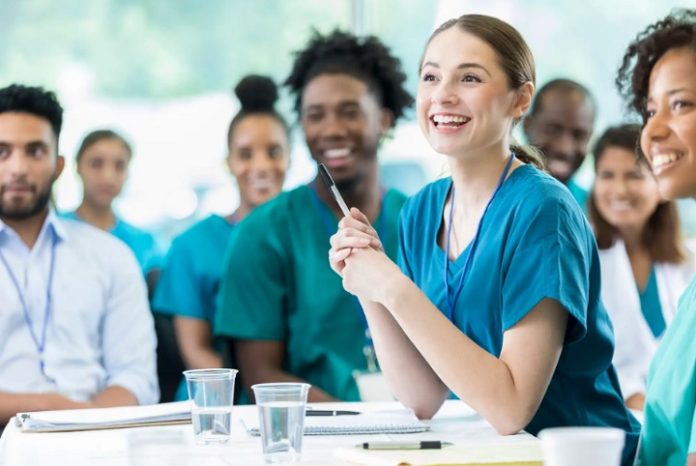
New Companies Helping to Upskill Healthcare Employees

Upskilling is a tool that companies can use to help their employees gain new skills, keep them happy, improve their knowledge, and progress in their careers. Helping your employees earn their certifications, increase their knowledge base, complete continuing education courses, and find mentorship opportunities are all ways to upskill a workforce.ย 

While there are costs associated with helping to upskill employees, the benefits are worth it. Providing upskill opportunities is a great way to invest in your workforce, improve retention, and increase the skill level of each individual employee.ย 

In fact, a study published by Harvard Business Review showed that 88% of potential employees look for a company that offers continued education and opportunities for advancement when searching for a new job.ย 

Contrary to what some facilities believe, employees who are challenged tend to have higher levels of work satisfaction and are more likely to remain engaged at work. While it may seem counterintuitive, giving employees opportunities to learn and progress makes them more likely to remain at a company, and not seek out a different opportunity.ย 

Letโ€™s check out some companies that are helping do this.ย 

UMKC TalentLink

UMKC TalentLink offers individual courses, facility workshops, and certificate programs to help you upskill your employees. They provide learning opportunities for entry-level employees, leaders in the company, and everyone else in between.ย 

UMKC TalentLink offers diversity and inclusion training, healthcare certifications, safety courses, and lessons in entrepreneurship. Employers can bring TalentLink instructors to their facility for in-house training, send employees to in-person training camps, or enroll staff in online, self-paced training programs.ย 

Stepful

Stepful is a leader in online certification courses for healthcare workers. Stepful offers certificate programs for medical assistants, pharmacy technicians, coding and billing specialists, phlebotomists, and EKG technicians. Their online programs are user-friendly and have high completion and certification rates.ย 

In addition to its certification programs, Stepful offers skill-based courses in effective communication, immunizations, interprofessional team-based care, and more. Skill-based courses allow your employees to function at their full capacity no matter their certification status or licensure.ย 

When employees enroll in a course through Stepful, they receive concise training, one-on-one interaction with instructors, and flexible scheduling options.

Traliant

Traliant focuses on training employees in compliance and safety. Unfortunately, violence against healthcare workers is on the rise, and healthcare workers are five times more likely to experience workplace violence than those in other industries.ย ย 

Companies like Traliant can help keep your employees safe and teach them to de-escalate dangerous situations. In fact, 90% of employees who completed Traliant education courses said that they were likely or very likely to use their newly developed skills at work.ย 

Traliiant offers courses in sexual harassment prevention, diversity inclusion, bystander intervention, unconscious bias management, and more. Trilant courses are designed to help your employees create a safe and healthy work environment for themselves and others.ย 

Traliant uses unique strategies to help its customers remain engaged and retain their learning. All courses are offered online and are both user-friendly and interactive. Traliant uses quizzes, games, and positive reinforcement to make learning effective and fun for trainees.ย 

The Benefits of Home Care for Older Relatives

The Benefits of Home Care for Older Relatives

Caring for aging family members is a loving, yet demanding task that many of us face. We want nothing more than to ensure their well-being, happiness, and safety. In recent years, home care for older relatives has emerged as a compassionate solution to this challenge. In this comprehensive blog post, we delve deeper into the numerous advantages of choosing home care for your elderly loved ones. From personalized care that caters to individual needs to the unparalleled comfort of familiar surroundings, home care offers a spectrum of benefits that can significantly elevate the quality of life for your aging family members.

Personalized Care Tailored to Individual Needs

One of the most remarkable benefits of home care for older relatives is the deeply personalized approach to caregiving. Each senior is unique, with distinct requirements and preferences. In a home care setting, professional caregivers take the time to understand these individual needs and create tailored care plans. They consider the senior’s health condition, daily routines, and personal choices, ensuring that the care provided is precisely what is required. This custom approach not only enhances their quality of life but also fosters a sense of comfort and well-being, promoting a healthier and happier senior experience.

Comfort of Familiar Surroundings

The transition to an unfamiliar environment, such as a nursing home or assisted living facility, can be quite distressing for older adults. In stark contrast, home care service allows your elderly relative to remain in the comfort of their own home, surrounded by the familiar sights and sounds they have known for years. The scent of their kitchen, the feel of their favorite armchair, and the cherished memories in every nook and cranny can provide an immeasurable source of emotional comfort. This familiarity can significantly reduce feelings of anxiety and depression, promoting emotional well-being and a greater sense of security.

Enhanced Quality of Life

Home care has the extraordinary ability to enhance the overall quality of life for aging relatives. The convenience of staying in their own home, combined with the unique, personalized care they receive, helps them maintain a sense of independence. This not only contributes to their overall happiness but also encourages active engagement in their daily activities and hobbies. With professional caregivers offering consistent support, your loved one can continue to enjoy the things they love, whether it’s nurturing a garden, cooking family recipes, or simply spending time with loved ones.

Social Interaction and Companionship

Isolation and loneliness can be significant challenges for older adults, often leading to severe mental and physical health issues. Home care excels in addressing this problem by providing the social interaction and companionship that seniors often yearn for. Caregivers are more than just hands that assist; they offer emotional support and engage in meaningful conversations, helping to combat feelings of isolation. Beyond this, caregivers can accompany your loved one to social outings or facilitate visits with friends and family, thus nurturing a healthier and more fulfilling social life.

Medical Care and Assistance

Seniors frequently require medical assistance and supervision, and home care is proficient in providing these essential services. Skilled nurses and caregivers can efficiently manage medications, monitor vital signs, and ensure that medical appointments are kept. This level of care proves to be indispensable, particularly for seniors with chronic health conditions or those recovering from surgeries. Home care significantly promotes health and safety while preserving the cherished comfort of one’s home.

Greater Independence and Control

Home care enables older relatives to maintain a level of independence that may be more challenging to achieve in a facility. This sense of control over their daily routines, meals, and activities contributes to a more fulfilling life. Seniors have the opportunity to dictate their schedules and menus, fostering a greater sense of autonomy. Home care respects their choices and preserves their dignity, creating a positive and empowering experience that not only adds to their happiness but also encourages a more active and independent lifestyle.

Family Involvement and Peace of Mind

Opting for home care for older relatives also provides peace of mind for family members. Knowing that professional caregivers are delivering the necessary support and assistance alleviates the stress and worry often associated with caregiving. Family members can maintain a closer and more emotionally fulfilling relationship with their elderly loved ones, as the burden of daily caregiving tasks is shared. This balance allows everyone to enjoy more meaningful moments and cherish the time spent together, ultimately strengthening the family bond and providing both emotional and physical support.

In conclusion, home care for older relatives offers an abundance of advantages that can significantly improve their quality of life and overall well-being. The deeply personalized care, the comfort of familiar surroundings, enhanced independence, and emotional support provided by professional caregivers contribute to a happier and healthier senior experience. Furthermore, home care promotes social interaction, medical assistance, and greater family involvement, ensuring the elderly enjoy the highest possible quality of life while aging gracefully in the familiar surroundings of their own homes. When it comes to caring for your elderly loved ones, home care emerges as a compassionate and practical choice that benefits both seniors and their families, fostering a more fulfilling, comfortable, and secure journey through the golden years of life.

What Are the Top Treatment Options for Various Aspects of Mental Health?

Mental health is an integral part of our overall well-being, and its significance cannot be overstated. However, the spectrum of mental health concerns is diverse, encompassing conditions such as depression, anxiety, schizophrenia, and more. The good news is that there is an array of effective treatment options available to address these issues. In this comprehensive guide, we’ll delve into the top treatment options for various aspects of mental health, ensuring you’re well-equipped to make informed decisions about your or a loved one’s mental health journey.

Understanding the Foundations: Psychotherapy and Counseling

Psychotherapy, often referred to as talk therapy, is a cornerstone of mental health treatment. It involves discussions with a trained therapist to explore thoughts, feelings, and behaviors. Various types of psychotherapy, such as cognitive-behavioral therapy (CBT), dialectical-behavior therapy (DBT), and interpersonal therapy, cater to specific needs. CBT, for instance, helps individuals identify and change harmful thought patterns, while DBT is particularly effective for managing emotional dysregulation. Counseling, on the other hand, typically focuses on addressing immediate issues and providing guidance.

Psychotherapy is a dynamic and flexible form of treatment. It’s a collaborative process between the therapist and the individual seeking help. During therapy sessions, individuals are encouraged to delve into their thoughts and emotions, making it a powerful tool for self-exploration. The therapist provides a safe and non-judgmental environment where individuals can express themselves openly. This exploration can uncover deep-seated issues and provide tools to cope with them.

Navigating Severe Mental Illness: Inpatient Treatment

For individuals with acute and complex mental health conditions, inpatient treatment may be necessary. This type of care provides 24/7 medical and psychiatric support in a safe and controlled environment. Inpatient facilities offer intensive therapy, medication management, and crisis intervention. Conditions like schizophrenia, bipolar disorder, and severe depression often require this level of care to stabilize and manage symptoms.

Inpatient treatment provides a structured and controlled environment that is essential for individuals in crisis. It ensures immediate access to care and intensive therapy, reducing the risk of harm to oneself or others. The multidisciplinary teams in inpatient settings work closely with individuals to provide comprehensive care, including medication adjustments, therapy, and coping strategies.

Beyond the Clinic: Outpatient Treatment and Aftercare

Outpatient treatment is an alternative to inpatient care for individuals who do not require 24/7 support. It offers flexibility, allowing individuals to receive treatment while continuing with daily responsibilities. Outpatient programs typically include individual therapy, group therapy, medication management, and family therapy. Whether you are looking for an outpatient treatment for depression or anxiety, there are different options to cater to your needs. And the best part? You can access these services from the comfort of your own home.

Outpatient treatment is a crucial step in the continuum of care. After completing an inpatient program, individuals may transition to outpatient treatment as part of their aftercare plan. It provides continued support and helps individuals maintain progress made during inpatient treatment. Outpatient treatment also offers a sense of community and support as individuals navigate life after inpatient care.

Medication Management: Psychopharmacology for Mental Health

For certain mental health conditions, medication can be an invaluable component of treatment. Antidepressants, anti-anxiety medications, mood stabilizers, and antipsychotics are some examples. These drugs work by altering neurotransmitter activity in the brain, effectively mitigating symptoms. It’s important to consult a psychiatrist who can evaluate your condition and prescribe the most suitable medication. Medication, when used in conjunction with psychotherapy, can provide an integrated approach to managing mental health.

Medication management is a highly specialized field of medicine. Psychiatric medications can have different effects on individuals, so it’s crucial for a knowledgeable healthcare professional to determine the right prescription. These medications may take time to show their full effects, and sometimes adjustments to the dosage or type of medication are necessary to find what works best for each patient.

Tackling Anxiety and Stress: Relaxation Techniques and Mindfulness

Anxiety and stress management can greatly benefit from relaxation techniques and mindfulness practices. Deep breathing exercises, progressive muscle relaxation, and yoga can help reduce stress levels. Mindfulness meditation, rooted in ancient traditions, is gaining prominence for its ability to promote self-awareness and reduce symptoms of anxiety. By focusing on the present moment, individuals can navigate turbulent thoughts and feelings more effectively.

Mindfulness is not just about meditation; it’s a way of life. It encourages people to be fully present in each moment, embracing both the positive and the challenging aspects of life. This practice can help individuals gain perspective on their thoughts and feelings, ultimately allowing them to react more thoughtfully rather than impulsively. Mindfulness is a skill that can be developed and applied in daily life to enhance emotional well-being.

Bridging the Gap: Support Groups and Peer Counseling

Connecting with others who share similar experiences can provide a profound sense of belonging and understanding. Support groups and peer counseling offer spaces where individuals facing similar challenges can exchange advice, stories, and encouragement. These settings can be particularly beneficial for conditions like addiction recovery, eating disorders, and post-traumatic stress disorder. Peer counseling, facilitated by trained individuals with lived experience, can provide an additional layer of understanding and trust.

Support groups offer a unique sense of camaraderie. In these groups, individuals come together to discuss their experiences and challenges, fostering a sense of community. The knowledge that others have faced similar struggles can be incredibly comforting. Peer counseling, conducted by individuals who have walked a similar path, provides a level of empathy and understanding that can be hard to find elsewhere. The combination of peer support and counseling can be a potent force for healing.

Holistic Approaches: Nutrition, Exercise, and Holistic Therapy

Our physical health and mental well-being are intricately connected. Nutrient-rich diets, regular exercise, and holistic therapies can play pivotal roles in maintaining and enhancing mental health. Foods rich in omega-3 fatty acids, such as salmon and flaxseed, can support brain health. Exercise releases endorphins, which act as natural mood lifters. Holistic therapies like acupuncture, aromatherapy, and massage can offer relaxation and stress relief.

Nutrition is not just about sustenance but also about fueling the brain. The brain relies on nutrients like omega-3 fatty acids, antioxidants, and B vitamins to function optimally. A balanced diet can have a direct impact on mood and cognitive function. Exercise, on the other hand, promotes the release of endorphins, which are natural mood enhancers. Regular physical activity not only boosts self-esteem but also acts as a powerful stress reliever.

Complementary and Alternative Approaches: Art Therapy and Music Therapy

Complementary and alternative therapies like art therapy and music therapy can be highly effective for certain individuals. Art therapy allows individuals to express themselves creatively, fostering emotional release and self-exploration. Music therapy utilizes the power of music to evoke emotions and enhance communication. These therapies can be particularly beneficial for individuals who struggle with traditional talk therapy or for children who may not have the vocabulary to express their feelings.

Art therapy is a unique form of expression. It allows individuals to communicate their emotions and experiences through creative outlets like drawing, painting, or sculpting. The process itself can be therapeutic, providing a nonverbal way to express complex feelings. Music therapy uses the universal language of music to connect with individuals on an emotional level. It can evoke powerful emotions and promote a sense of connection and healing.

In conclusion, the landscape of mental health treatment is diverse and accommodating. Depending on the specific condition and individual preferences, there are numerous options available. It’s essential to collaborate with healthcare professionals to design a personalized treatment plan that addresses your unique mental health needs. By understanding and exploring these treatment options, you can embark on a path toward better mental health and a brighter future.


A 21st-Century Approach to Nursing Advancement

A 21st-Century Approach to Nursing Advancement

The nursing profession has been at the forefront of embracing technological advancements and the Post-Masters FNP online program is a shining example of this. Unlike traditional classroom settings, online programs harness the power of digital innovation to create a dynamic and interactive learning experience. Here’s how:

  • Virtual Reality Simulations: Some online programs employ cutting-edge virtual reality simulations that allow students to practice complex clinical scenarios from the comfort of their homes. This technology bridges the gap between theoretical knowledge and hands-on skills, preparing FNPs for real-world patient care.
  • Telehealth Integration: The rise of telehealth services has reshaped the way healthcare is delivered. Online FNP programs incorporate telehealth training, enabling nurses to master the art of remote patient assessment and care, a skill that is increasingly valuable in today’s healthcare landscape.

A Global Classroom: Breaking Down Geographic Boundaries

One of the most unique features ofย post masters FNP onlineย programs is the global classroom. It’s not just about diversity in student demographics but the opportunity to collaborate with peers and faculty from all around the world. This multicultural exposure brings a wealth of diverse perspectives, experiences and healthcare practices to the virtual table.

The virtual classroom transcends geographical boundaries, providing students with a panoramic view of nursing practices from different cultures and regions. This cross-cultural experience fosters a deeper understanding of healthcare and widens one’s horizons in ways that traditional classroom education may not.

Fostering Lifelong Learning and Adaptability

Online FNP programs inherently encourage and nurture the qualities of lifelong learning and adaptability. In the rapidly evolving field of healthcare, staying current with the latest medical advancements, treatments and technologies is imperative. Online education equips FNPs with the skills to independently seek out and evaluate new information, adapt to changes in healthcare policies and continually improve their practice.

Patient-Centered Care: A Core Focus

One of the defining characteristics of FNPs is their unwavering commitment toย patient-centered care. The online FNP programs emphasize this core principle by integrating various case studies, role-playing scenarios and interactive assignments that encourage students to develop their patient communication skills. These online interactions help FNPs-to-be learn how to establish trust, actively listen and tailor their care to meet the unique needs of each patient.

Mentorship and Networking Opportunities

Online FNP programs facilitate mentorship and networking in distinctive ways. Digital platforms allow students to connect with a vast network of nursing professionals, healthcare experts and experienced FNPs. The ability to interact with seasoned practitioners, discuss real-world cases and seek guidance from mentors provides an unparalleled level of insight and support.

This digital networking sphere offers numerous advantages, from potential job leads to collaboration on research projects, all of which can contribute to the career growth of aspiring FNPs.

Innovative Capstone Projects

In the world of online FNP programs, capstone projects are a culmination of the knowledge and skills acquired throughout the course. They offer a unique opportunity for students to design and execute research or quality improvement projects that can directly impact healthcare practice.

These projects often result in tangible contributions to healthcare, from the development of evidence-based clinical guidelines to the implementation of community health programs. Such tangible impacts are a testament to the practicality and effectiveness of online FNP education.

Balancing Work, Life and Education

One of the often-overlooked advantages of online FNP programs is the exceptional capacity they provide for work-life-education balance. For many working nurses, pursuing an advanced degree seems daunting due to the rigidity of traditional programs. Online education, on the other hand, allows students to maintain their current nursing positions while advancing their education.

This flexibility means that nurses can continue earning their livelihood, supporting their families and growing their careers without the disruption of long commutes or time away from work.

Empowering Nurses to Lead Change

The uniqueness of online FNP programs lies in their capacity to produce not just advanced practice nurses but also change leaders in healthcare. Students are encouraged to think critically, challenge conventional practices and explore innovative solutions to healthcare challenges. As a result, FNPs who graduate from online programs often become advocates for reform and contribute significantly to the advancement of healthcare delivery.

A Transformative Journey of Self-Discovery

Finally, the pursuit of an online FNP degree unfolds as an extraordinary odyssey. It transcends the mere acquisition of advanced nursing expertise, delving into the realm of self-discovery and revelation of one’s unique aptitudes, passions and uncharted territories within the nursing vocation. This expedition is a profound voyage of personal evolution that leaves an indelible mark on both the professional and personal facets of life.

In summary, the Post-Masters FNP online program is not merely a well-trodden educational path but an exhilarating expedition. It seamlessly blends cutting-edge nursing education with the prowess of technology, a panoramic global vision and a steadfast dedication to patient-centric healthcare. Through this unparalleled voyage, FNPs can catalyze a healthcare revolution, carve pathways for career expansion and etch a lasting legacy in the ever-evolving landscape of nursing.

How Workflow Automation Uses RTLS to Enhance Healthcare Outcomes and Experiences

Hospitals, urgent care facilities, clinics, and imaging centers throughout the United States are experiencing staffing issues, which take a toll on existing employees, patient experience and outcomes, and a facilityโ€™s financial health. Over the last few years of rising employee turnover, fluctuations in patient expectations, and a growing focus on workplace well-being, healthcare organizations have addressed this challenge by staffing their facilities with temporary health professionals. This solution is costly, reduces staff morale, and doesnโ€™t guarantee an increase in personalized patient care โ€“ and staffing challenges are only anticipated to grow.

One-third of the registered nurses participating in a survey conducted this year stated that it was likely they would leave bedside nursing prematurely, with another recent study highlighting that almost 1 million nurses plan to leave the profession by 2027. Almost half of the participants cited both burnout and high-stress environments as their main reasons to retire or pursue other careers. As staff shortages increase, so do workloads. Almost half of the nurses who responded to McKinsey & Company’s recent survey echoed that sentiment with the intent to leave their role in the near future based on two top reasons: lack of feeling valued and an unmanageable workload. As much as 5% of nursing shifts are spent on non-value-added tasks that fall outside their designated role. This increases the overall stress shouldered by caregivers and reduces the time with patients.

Administrative burdens and manual tasks are additional drivers of staff burnout. Many of those interviewed by McKinsey & Company expressed that the processes and workflows involved in their day-to-day work are manual. Providing the necessary system support is key to achieving high-quality patient care, staff satisfaction, and overall retention, along with increasing an organizationโ€™s bottom line. Emerging technologies such as real-time location systems (RTLS) have been proven to offer cost-effective solutions that ease operational burdens and enhance patient and staff safety.

Automate Workflow to Determine the Best Staffing Options

It isnโ€™t a secret that improving operational performance at hospitals helps to improve staff productivity, morale, care quality, and patient outcomes. To provide a solution for nurses and the overall healthcare team, the best place to start is with the manual administrative processes bogging down already overwhelmed healthcare professionals. The McKinsey & Company study reports the potential to free up to 15% of cliniciansโ€™ time through technology or automation and improved task delegation.

Lessening the manual tasks of healthcare staff is a critical aspect of combating burnout and promoting retention, and healthcare leaders will find that investing in healthcare professionals makes sense for the facilityโ€™s bottom line. To jointly provide the best patient care and workplace environment, staff need access to platforms that automate workflow to alleviate manual documentation, which can often be delayed or inaccurate, and offer proactive communications to each other, patients, and family members. Workflow platforms that leverage RTLS data can keep tabs on key patient flow metrics and ensure staff know where all patients are in their care journey.

Effective enterprise-wide care coordination can be greatly hindered by manual workflow systems. Healthcare decision-makers can eliminate the manual aspect of these non-value-added tasks by providing access to an advanced workflow platform with staff display boards showing real-time facility visibility of patients and staff. Through this automated system, teams are on the same page with up-to-the-minute insight to continuously measure interactions, reduce bottlenecks, and consider the best staffing choices at the right time. Real-time communications and enterprise visibility keep daily operations running smoothly with clear insights, which leads to high productivity and satisfaction.

Healthcare Teams and Patients Benefit from Enterprise Visibility

Equipping healthcare professionals with comprehensive visibility empowers teams to securely monitor each component throughout a healthcare facility or unit โ€“ the patient journey, equipment status, staff updates, and interactions between these elements โ€“ ensuring that staff knows which tasks to prioritize. For example, in the emergency department at a leading academic health system in North Carolina, staff quickly gather information needed to register patients, then go into their RTLS workflow platform to select a call button, and patients are immediately notified of the next steps in their care journey. Facilities that have adopted this tool observe improvements in wait time, communication, recognition, and responsiveness โ€“ all contributing to a better patient experience and operational performance.

RTLSโ€™ IoT-enabled badges and tags automate the data collection enterprise-wide to gain precise, real-time insights and documentation on equipment utilization, clinical workflows, patient/staff interactions, and overall safety. With the use of an RTLS badge assigned upon patient check-in, advanced workflow platforms can deliver a major impact by offering proactive status updates as patients and staff move throughout the facility, display estimated wait times, keep family members informed of care progression through automated text messaging alerts, and provide staff location views on display boards that give an easy-to-read layout for streamlined communications. True efficiency of healthcare processes means no manual input. Real-time location sensors keep clinical information automated and continuously updated as the care journey progresses.

The reliable and actionable data provided by comprehensive visibility in healthcare is now more vital than ever. Like any organization, healthcare facilities must analyze data to make informed decisions concerning facility performance, patient experience, equipment supply, staffing plans, long-term goals, and scalability. By leveraging the systemโ€™s built-in patient flow reports, healthcare teams and leadership are able to monitor key patient flow metrics such as patient volume, length of stay, room utilization, and patient wait times. This information offers a holistic view of interactions and movement across the healthcare campus and flags anomalies or bottlenecks. Decision-makers can then begin the improvement process and make a direct impact where itโ€™s truly needed.

Further Enhance Workflow Operations with RTLS Add-Ons

To ensure greater workflow efficiency, higher safety standards, the ultimate patient and staff experiences, and substantial ROI, strategic location technology partners offer expert-led consulting and training services. These programs provide tailored, multi-tiered assessments and transformational practices to review pain points and consider the right technology to deploy to fully benefit patients, staff, and the health organization. Healthcare teams can maximize their location technologies to drive meaningful change throughout their enterprise using practical guidance.

The best way to achieve a substantial increase in value and efficiency across an entire healthcare campus is with a personalized approach that combines the existing workflow design with a strategic roadmap that considers the next 3-5 years from an experienced RTLS partner. Seek RTLS providers that work with nurses, former hospital administrators, epidemiologists, and clinic managers as part of their implementation and consulting teams. These individuals have experience in the field and bring firsthand knowledge to hospital pain points. Through their actionable guidance, healthcare facilities can maximize real-time technologies, increase visibility and communication, and leverage automation for meaningful efficiency changes throughout the enterprise workflow. By also choosing an RTLS partner with a comprehensive suite of solutions, itโ€™s easier to scale from workflow solutions to other use cases, such as staff duress, in the future and ensure minimal rework or downtime as the system receives additional add-ons.

Automated Workflows Offer Support and Significant Results

RTLS has significantly developed as AI and ML have grown in healthcare over the last decade. As RTLS and location technology become an even larger focus within healthcare facilities, the industry will see further increases in predictive data analytics, automated administrative tasks, and a push to increase cost savings. By leveraging these emerging technologies to reduce manual documentation and increase automated workflow efficiencies, clinicians can reallocate precious time back to where it matters most โ€“ focusing on their own mental health and well-being and an increased dedication to patient care.

The Essential Equipment Used by Emergency Medical Services

The Essential Equipment Used by Emergency Medical Services

When working in an emergency setting, medical professionals need a lot of supplies to ensure that they have everything in case of any unforeseen situation. Read below to determine what equipment is essential for all emergency medical services.

Ambulances

The number one piece of equipment used by emergency medical services is the ambulance. Teams of emergency medical staff rely on ambulances to reach people in need; without them, many lives would be lost. The ambulance serves not only as a form of transportation but also as a makeshift operating room, an area for privacy, and the hub of all operations.

EMS Kit Bags

Once emergency services arrive at a destination, the staff have to run out and find the person or people in need. In order to give the most help as quickly as possible, the trained need to have a variety of pre-assembled EMS bags that are stocked full of life-saving supplies. These bags need to be sturdy but also portable and have to be organized in a way that the staff know exactly where everything is so that they can access it quickly.

Gurneys

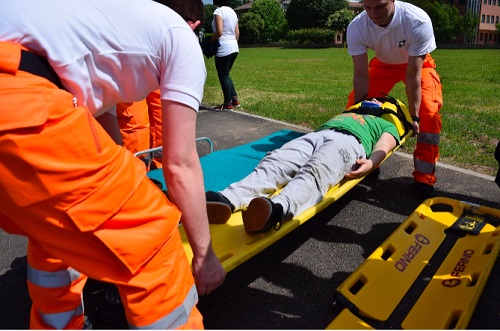
A Gurney is a solid plank of wood or plastic with wheels attached that patients who have been in accidents are laid on in order to prevent further spinal damage from occurring. They also serve as a transportation device from one location to the ambulance and then from the ambulance to the hospital. Gurneys are an essential part of emergency services operations because they reduce time and prevent patients from further injuring themselves.

They are also extremely useful in cases where patients cannot walk on their own. Once a person is on the gurney, the medical professionals can lift it and employ the wheels so that they are better able to navigate sidewalks or streets on their way to and from the ambulance.

Defibrillator

The defibrillator is one of the most useful medical inventions of the last one hundred years because it has saved countless lives. If a person is experiencing a heart attack or any other cardiac issue that has caused their heart to stop, emergency medical services can administer electric shocks through this machine. These electrical shocks will hopefully restart the beating of the heart and allow the medical professionals to transport the patient to the hospital in order to undergo further tests.

Before the invention of the defibrillator, emergency medical workers would have to manually pump a personโ€™s heart by pressing down on their chest in rhythmic pumps. This is still an element of the resuscitative process but is only done in between electric shocks. With the defibrillator, EMS professionals can assess other problems and not waste all of their energy on pumping the chest.

Overdose Kits

In the modern world, there are a lot of illegal substances out there that often cause problems that require the intervention of an emergency medical team. Because of this, every emergency medical service should have supplies like Narcan and IV drips on hand at all times in case of overdoses.

The equipment used for emergency services is some of the most important equipment in the medical field. First responders need as many supplies as possible to be prepared for the worst, so if you are running an emergency medical service, make sure that your crew has all of the equipment listed above.

The equipment used for emergency services is some of the most important equipment in the medical field. First responders need as many supplies as possible to be prepared for the worst, so if you are running an emergency medical service, make sure that your crew has all of the equipment listed above.

Medical Device Failures Navigating Product Liability Claims

Medical Device Failures Navigating Product Liability Claims

Medical devices are key to diagnosing and easing a patientโ€™s symptoms and conditions. Given their crucial role in delivering high-quality healthcare service, strict manufacturing and testing standards are implemented to ensure their safety and accuracy.ย 

However, despite the stringent standards and manufacturerโ€™s compliance, an apparatus may fail to work as intended or pose certain hazards to a patient.ย 

In cases where you or a family member may have incurred a loss or an injury due to a specific medical instrument, it pays to consult with a personal injury attorney Sacramento or reputable law firms in your location. Additionally, you must gather essential information for an easier journey toward seeking legal action and compensation.ย 

Here are some steps to help you get started.ย ย ย ย ย ย 

1. Understand What A Medical Device Isย 

According to the World Health Organization, about two million types of medical instruments are used in hospitals and other healthcare settings worldwide. Meanwhile, the United States Food and Drug Administration database classifies and regulates over 6,000 medical devices.ย ย ย 

By loose definition, a medical device is any item used alone or with other items for medical purposes. It can be a machine, an apparatus, an appliance, an implant, or an intangible item like software, per the World Health Organization. Specific examples include defibrillators, blood pressure monitors, lenses, stents, ventilators, etc.ย ย ย 

2. Faulty Medical Devices And Product Liability Claimsย ย 

A faulty medical device is covered by product liability laws. These state-specific regulations, including the claims and damages, differ from jurisdiction to jurisdiction.

The statutes, however, are anchored on the following core principles:ย 

  • Liabilityย 
  • Negligenceย 
  • Breach of warrantyย 
  • The Uniform Commercial Code

Gathering and documenting evidence is key to building a robust case, and seeking medical attention is paramount, especially in determining the cause and extent of your injuries and losses. Additionally, you need the guidance of a seasoned product liability claims lawyer with expertise in defective medical device litigations.ย 

3. Find Out What Makes A Defective Medical Deviceย ย 

A recent investigation and test has discovered that certain high-risk medical devices have a 58% failure rate, twice the rate noted in a previous study.ย 

A medical device may become faulty for various reasons. Attorneys typically identify any of these legal frameworks to substantiate a product liability lawsuit or claim:ย 

  • Design Defectย 

The medical device doesnโ€™t necessarily have to have physical flaws to establish a design defect. This allegation is based on the premise that the manufacturer committed negligence in designing the product for utmost safety.ย ย 

You and your lawyer must prove that thereโ€™s a better way to design the device to make it safer while staying functional and effective. In such instances, the manufacturer may be liable if they were aware of the issue but refused to take action.ย ย ย ย 

  • Manufacturing Defect ย 

A manufacturing defect claim asserts that while the medical item was properly designed, there was negligence at some stage of the production process. This may be utilizing inferior quality parts, substandard fabrication practices and assembly, or lack of quality assurance measures, leading to missing parts and other associated issues.ย ย 

It may also involve actions committed by any party involved in production and distribution, such as improper handling and storage, resulting in quality deterioration.ย ย ย 

  • Marketing Defect ย 

Besides the manufacturer, a negligent party could be a physician, a medical sales representative, an independent testing laboratory, or a marketing firm. Such is the case when the allegation indicates that the person was harmed because of the accused partyโ€™s misleading advice on the productโ€™s medical applications and inadequate instructions on proper use.ย ย ย 

To sum up, the injured party must prove the product defect allegation by asserting the following:

  • The defendant knew the risks and dangers associated with the medical device.
  • They failed to warn or instruct users on how to use the product safely.
  • The failure to issue a warning or instruction caused the claimantโ€™s loss of injury.

4. Learn The Essential Elements In Product Liability Claims

A good personal injury lawyer must be able to establish that the device was dangerous and that the individuals who produced and handled them were negligent, therefore causing harm to the user. More specifically, the injured party must assert the following:ย ย 

  • The product was defective.
  • The person suffered an injury or loss.
  • Such defect caused harm to the complainant or worsened their symptoms or condition.

Above all else, it should be proven that the faulty medical device was used according to the instructions administered by manufacturers and other professionals.ย 

Limitationsย ย ย 

The statutes of limitation for defective medical devices vary from state to state. Depending on the type of defect, a victim may have up to 10 years from the date the product was purchased or first used to file a product liability claim. For instance, if the device was used on October 1, 2023, the claim should have been filed before October 1, 2033.ย 

5. Call A Reputable And Experienced Personal Injury Lawyerย ย 

Laws are generally challenging to navigate, especially without the help of an expert legal professional. Choosing an experienced personal injury lawyer is key to getting the best possible outcomes in a defective medical device claim.ย 

Your attorney is your best ally in evaluating your situation, gathering evidence, establishing the elements of causation, identifying the best strategy, and pinpointing the potential damages youโ€™re legally entitled to claim, including economic and non-economic losses.ย ย 

Concluding Thoughtsย 

The processes involved in a product liability lawsuit are complex and full of contention. And it doesnโ€™t help that youโ€™re going up against medical manufacturing companies and defendants with access to the best legal assistance.ย 

Seeking legal advice and medical assistance are crucial in building your claim, even outside litigation. Besides helping you achieve the best possible legal outcomes, working with personal injury lawyers can help you move forward. They can help you with insurance claims or negotiations should the defendant propose an out-of-court settlement.ย 

How to Better Deal with Fatigue and Lack of Energy: A Guide

How to Better Deal with Fatigue and Lack of Energy: A Guide

If youโ€™ve been feeling drained of energy and motivation lately, the good news is that it doesnโ€™t have to be this way. With the right knowledge and strategies, you can tackle fatigue with ease โ€“ allowing you to make the most out of your day. In this blog post, weโ€™ll show you exactly how to do so: from identifying common sources of fatigue and lack of energy to creating routines that maximize productivity during the day. Put on a pot of coffee (or tea!) if need be โ€“ by the end of this guide, youโ€™ll feel more energized than ever!

Try Modafinil or caffeine

One of the first (and perhaps most obvious) solutions to fatigue is taking caffeine. Whether you prefer a classic cup of coffee or a robust black tea, caffeine can help jumpstart your day and give you that much-needed boost in energy. If youโ€™re not a fan of these beverages, consider trying Modafinil โ€“ a prescription medication used to treat sleep disorders that has also gained popularity as a cognitive enhancer. The folks at https://buymoda.net/ note that you can get Modafinil online and have it delivered straight to your door. If you do choose to go this route, be sure to consult with your doctor first and follow all dosage instructions carefully.

Learn to recognize the signs of fatigue and lack of energy

Do you find yourself feeling tired throughout the day, struggling to focus or complete tasks? These could be signs of fatigue and lack of energy. It’s important to recognize these symptoms in order to take the proper steps towards feeling better physically and mentally. Poor sleep, stress, and an unhealthy diet are just a few factors that can lead to these feelings of exhaustion. By identifying the root cause, you can work towards a solution that will leave you feeling more energized and focused. Don’t ignore the signs, listen to your body and take action towards improving your overall well-being.

Get enough sleep and rest

Getting enough sleep and rest is crucial to living a healthy and fulfilling life. When we prioritize rest, we give our body and mind the chance to fully recharge and replenish. Sleep plays a vital role in repairing and rejuvenating our cells and tissues, which can lead to improved immune function and a reduced risk of chronic illnesses such as diabetes and heart disease. Additionally, rest is essential for mental health and cognitive performance. It allows our brains to consolidate memories, process emotions, and make connections. Make sure to prioritize quality sleep and rest in your daily routine. Fatigue and lack of energy can often be a result of not getting enough rest.

Break big tasks into smaller, more manageable ones

It’s easy to feel overwhelmed when tackling a large project or task. This can often lead to fatigue and lack of energy, as our minds and bodies are working overtime to keep up. To combat this, try breaking down big tasks into smaller, more manageable ones. This not only helps you stay organized and focused but also gives you a sense of accomplishment as you complete each mini-task. By setting achievable goals, you can also avoid burnout and maintain a consistent level of energy throughout the day.

Take regular breaks throughout the day

Do you ever feel like you’re constantly on the go, with no time to rest or recharge? This can quickly lead to burnout and fatigue. To combat this, make sure to take regular breaks throughout your day โ€“ both physically and mentally. Step away from your desk for a quick walk, do some stretches or deep breathing exercises, or simply close your eyes and relax for a few minutes. When we give ourselves the chance to recharge, our energy levels and productivity increase significantly. Don’t underestimate the power of taking breaks โ€“ they can make a big difference in how you feel throughout the day.

Talk to your doctor about possible causes of fatigue and energy levels

Feeling constantly tired and drained can really take a toll on your overall well-being. If you’re experiencing low energy levels, it’s important to talk to your doctor about what could be causing it. There are a number of factors that can contribute to fatigue, ranging from underlying medical conditions to lifestyle habits. Your doctor can help you identify the root cause and work with you to develop a plan to boost your energy levels and help you feel your best. Don’t let low energy levels hold you back – start the conversation with your doctor today.

It is vital for our health and well-being to have enough energy and take care of ourselves. By following the tips in this blog post, you can ensure that you are doing all you can to keep your energy levels high and give yourself the best possible chance to maintain a healthy mental and physical state. Start today by looking out for the signs of fatigue and seeking help from healthcare professionals if necessary. From getting adequate sleep, eating a nutritious diet, exercising regularly, breaking tasks into smaller chunks, taking regular breaks throughout the day, and practicing mindfulness techniques โ€“ itโ€™s within your power to prioritize your energy levels. So donโ€™t wait any longer โ€“ start implementing these steps now to achieve greater balance in both mind and body!

How to Navigate Options for Effective Mental Health Treatment

How to Navigate Options for Effective Mental Health Treatment

Mental health is vital and seeking effective treatment is essential for those facing mental health challenges. However, navigating the numerous options available for mental health treatment can be overwhelming. This article explores the various aspects of mental health treatment, from recognizing the need for help to understanding the available options and making informed decisions. By the end of this comprehensive guide, you’ll be better equipped to take the steps necessary to find the proper mental health treatment for yourself or a loved one.

Treatment Approaches

Mental health treatment is not one-size-fits-all; it varies based on the individual’s condition and needs. Consider a specialized partial hospitalization program if you require more intensive support than traditional outpatient therapy. These programs offer structured and comprehensive treatment during the day, while patients return home in the evenings. PHPs are often used for individuals with severe depression, anxiety disorders, and other acute mental health conditions. Meanwhile, psychotherapy, or talk therapy, is a widely used treatment approach. It involves talking to a trained therapist or counselor to explore and understand your thoughts, feelings, and behaviors. Various psychotherapy methods target specific issues and conditions, such as cognitive-behavioral therapy (CBT), dialectical-behavior therapy (DBT), and psychoanalysis.

In some cases, mental health conditions may benefit from medication. Psychiatrists can prescribe and manage medications to address depression, anxiety, bipolar disorder, and schizophrenia. Hospitalization or inpatient care may be necessary for individuals with severe mental health issues. This provides a structured and safe environment for stabilization and treatment. It’s often used for acute psychosis, severe depression, or suicidal ideation.

Types of Mental Health Professionals

Understanding the roles and specialties of various mental health professionals is vital in the treatment process. Here are some of the critical practitioners you might encounter:

  • Psychiatrist: A psychiatrist is a medical practitioner specializing in diagnosing, treating, and preventing mental illnesses. They can prescribe medication and provide therapy, making them suitable for various mental health conditions.
  • Psychologist: Psychologists are highly trained in psychotherapy, psychological testing, and research. They help individuals understand their thoughts, emotions, and behaviors and provide therapy for various mental health concerns.
  • Therapist or Counselor: Therapists or counselors are trained to offer talk therapy and support for individuals dealing with emotional issues, relationship problems, and other mental health challenges. They often have specific areas of expertise.
  • Social Worker: Licensed clinical social workers (LCSWs) specialize in counseling and supporting individuals, couples, and families. They often work with people facing family dynamics, relationships, and life transition challenges.
  • Psychiatric Nurse: Psychiatric nurses are registered nurses with specialized training in mental health. They can provide assessments, therapy, and medication management under the supervision of a psychiatrist.
  • Counselor or Therapist: Various counselors and therapists have specific training and expertise in different areas of mental health, such as addiction counseling, trauma therapy, or grief counseling. Depending on your needs, you may seek a counselor or therapist with expertise in your concern.

Recognizing the Need for Help

A primary step in seeking effective mental health treatment is recognizing the need for help. It can be challenging, as there’s often a stigma associated with mental health issues. However, acknowledging your struggles and understanding that seeking help is a sign of strength is crucial. Physical symptoms like headaches and digestive issues can also be related to mental health problems.

Talk to friends and family about your concerns. Sometimes, loved ones may notice changes in your behavior or mood that you haven’t recognized yourself. Their observations can be valuable in understanding the need for help. If you or someone you know is experiencing severe or persistent symptoms, seeking a professional evaluation is crucial.

Choosing the Right Treatment

Selecting the most effective mental health treatment can be a complex process. Effective treatment often involves collaboration between you, your therapist, and, if necessary, a psychiatrist. Seek treatment approaches that are evidence-based and backed by scientific research. Well-established therapies like cognitive-behavioral and dialectical-behavior therapy have a proven track record for various mental health conditions.

Consider a holistic approach to mental health, addressing all aspects of your well-being, including physical health, nutrition, and stress management. A healthy lifestyle can significantly impact your mental health. Your preferences matter. If you feel more comfortable with a particular therapy or therapist, express your preferences. A positive therapeutic relationship is a critical factor in successful treatment. Effective treatment takes time. Mental health conditions don’t resolve overnight. Be patient with yourself and the treatment process. It’s essential to set realistic expectations for progress and recovery.

Navigating effective mental health treatment options is a significant step toward improving mental well-being. By recognizing the need for help, understanding the types of mental health professionals, exploring treatment approaches, and addressing common barriers, you can make informed decisions and embark on a path toward improved mental health. Remember that seeking help is a sign of strength and resilience, and it’s a crucial step in achieving a healthier and happier life.

Body Positivity and Cosmetic Surgery: A Balanced Perspective on Self-Image

Unlike before, cosmetic procedures have become quite popular. These procedures are done primarily to enhance and improve one’s physical appearance.ย 

Today, new procedures and techniques are developing and becoming more and more effective.

But the question remains: Do these procedures help to fix a fractured self-image or even raise your confidence levels? Explore the possibilities of cosmetic procedures, including options like fat freezing in Glasgow, and how they can contribute to enhancing your self-image and confidence.

How Does Cosmetic Surgery Impact Your Perception About Yourself?

Hereโ€™s how cosmetic surgery impacts your perception of yourself:ย 

Alters Your Physical Appearanceย 

Ideally, you should be able to look in the mirror and feel good about yourself. A poor impression of yourself may result in low self-esteem, anxiety, and depression. With the help of cosmetic surgery, you can enhance any body part you want and raise your self-value and body image.

For instance, if you don’t like the shape of your lips, you want them to be fuller. You can go for lip augmentation. Such a procedure will improve your lips and make you feel comfortable even when posing for photos and interacting with others.

We all know that when it comes to your facial appearance, how you look when you talk, eat, laugh, and cry will affect your social interactions. Now, cosmetic surgery allows you to change what you don’t like about yourself and what you choose to hide when taking selfies. You can live worry-free and boost your confidence with an improved body shape.

Improves Overall Healthย 

Cosmetic surgery brings more than just enhancing your overall physical appearance. It helps to rectify certain medical conditions and improve one’s general health.

For starters, a person with a cleft lip can have palate surgery. Or if you have a deviated nasal septum, you can have rhinoplasty performed and ideally improve your breathing and have better control over your sinuses.

Cosmetic surgery can elevate overall health and boost confidence. When facing friends and family, the image of the sick companion will be gone, and you can interact with them freely without feeling ashamed or weirded out. Your self-image will be repaired.ย 

Improves the Quality Of Lifeย 

Let’s take a person who feels self-conscious about her breasts. Her entire life probably revolves around checking if she has the right outfit, preferably baggy clothes that can cover her fully, alleviating her insecurities.

In her situation, it’s knowing when to get out and constantly feeling conflicted when asked to join in a photo.

Depending on her insecurities, she can have her breasts reduced or augmented, entirely changing her life and relieving her of unnecessary burdens.

Cosmetic surgery can alter your relationships, social well-being, health, and even how you spend your money. You can improve your quality of life and boost your self-worth with just one procedure.

What You Need To Understand Before Having Any Procedureย 

Yes, cosmetic surgery boosts your confidence levels and raises your self-esteem, but there are a few things you need to keep in mind before signing up for a procedure:

  • Have realistic expectations about the results of the cosmetic surgery you want to have( remember there’s only much your doctor can do before ruining your face; don’t expect a complete makeover or to look like a completely different person with just one procedure)
  • Identify and understand the medical risksย 
  • Evaluate how the procedure may affect you physically, financially, or professionally
  • Ensure your health is in check and any chronic medical conditions are under control
  • Consult your doctor about how your lifestyle may affect your procedure, for instance, any drinking or smoking habits.

Final Word

Cosmetic surgery can change your impression and that of others. The medical procedures have helped out many and will continue to do so. So, if you have insecurities about your physical appearance, consult your doctor and find out if you can have a procedure done.ย 

Translate ยป