







Close
Digital Health & Ai Innovation summit 2026
LiGHT26

Almost Every Healthcare Use Case Can Have Generative AI

Generative AI as well as big language models, such as the ones that power ChatGPT, are already being made use of in various healthcare landscapes. Developers are now in a way diligently exploring innovative tools to save time as well as enhance their primary technologies. These developments are being utilised by providers throughout various fields, right from patient engagement to clinical decision assistance.

After internet-led phenomenon, the next major innovation on cards is gen AI. This revolutionary landscape can completely transformย the way oneย worksย and lives.

It is well to be noted that gen AI models have been in existence for quite some time, but it is the broad acceptance of these models that will really propel these changes on a large scale.

The applicability when it comes to this technology is already obvious through industries domains like healthcare. Whether it is enhancing an entire experience of the patient through conversational appointment-setting procedures, enabling medical professionals to examine relevant information through summarizations, or even strengthening overall efficiency of the hospital care system, every one of these applications happens to have an important effect on how one perceives patients and healthcare in its entirety.

Although this still happens to be in the early stages and many details are yet to be revealed, such as determining use cases with a low rate of mistakes, establishing confidentiality of information, and sharing rules to ensure ethical models, the results do show a lot of promise.

It is not possible that it can be consistently used for every possible use case, and certainly not at this point in time.

Generative AI sees various challenges when it comes to mainstream applications

There is still a lack of clarity regarding where exactly to submit an application. Businesses are feeling a sense of urgency to adopt gen AI, but this rush is causing them to choose use cases that do not provide significant advantages.

The majority of these models are experiencing hallucinations. Immense work is needed to guarantee that they are in a balanced state to support mandatory business operations. Plenty of companies may not be willing to proceed with a slower rollout in order to address these problems.

It is well to be noted that the present models come with a limited line of sight to the ROI. They happen to be expensive to use, and putting them to use is costly due to qualified employeesโ€™ shortage. Many companies are finding it difficult to clearly justify a significant initial investment in light of the long-term ROI. Mainstream adoption is going to be limited until economies of scale are taken care of, as only organisations with enough budget allocations will have the access.

Vendor Onboarding Process

These systems should be designed to thoroughly examine vendors’ compliance, safety, and governance procedures. By doing so, oneย can ensure that all necessary checks are conducted to assess the suitability of vendors. Accommodating all the nuances that come with AI technologies often necessitates a rewrite of internal guidelines.

A zero-trust policy is the need of the hour. There happens to be a need for a more robust compliance audits regarding the sharing of data when it comes to IT providers. It is significant to ensure that there is clear visibility into how this data gets shared and how it is being processed internally.

Investing in experts is pivotal. The landscapeย is constantly evolving, and everyone involved is constantly learning. In order to ensure the achievement of these launches, it is crucial to invest in internal skilled manpower and establish partnerships with industry collaborators who can go on toย assist in evaluating and implementing the processes involved with these vendors.

Generative AI in healthcare, five years down the line

The rapid pace of technological advancements and the constant emergence of new applications on a daily basis, means that the timeframe that is 5-years can be perceived as a substantially long horizon. The initial rush and enthusiasm after 5 years would have lessened. Revamped business procedures would undoubtedly become widespread with the broad embrace of gen AI. Varied emerging solution offerings and technology players will dominate the market in highly specialised areas.

There should be a comprehensive revamp of compliance and regulatory guidelines to effectively monitor individuals engaging in illegal activities while also ensuring the protection of individual rights.

One of the most significant developments in the future is the increasing focus on preventative healthcare. This shift will involve continually tracking individuals’ well-being, ultimately leading to improved life expectancy for everyone.

The objective of the new publication is to offer a clear outline of fundamental values that governments as well as legal authorities can adhere to, which will go on to assist them in creating new policies or even modifying existing guidelines on AI at the national and even regional levels.
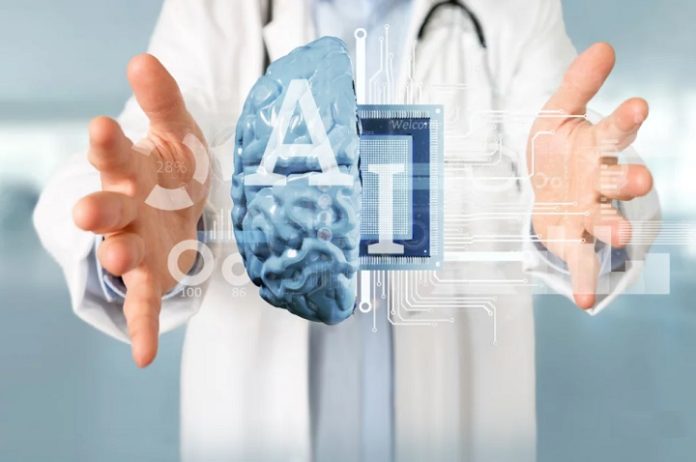

AI In Healthcare Gamut – WHO Considers Adding Regulations

World Health Organisation has recently gone on to release a novel document that goes on to highlight the key regulatory considerations when it comes to the usage of AI in the gamut of healthcare. The report puts forth the value of making sure the security and efficient operation of AI systems.

WHO acknowledges the probable benefits when it comes to AI in enhancing health outcomes. However, it also brings about concerns that AI systems often get executed in a hasty way without an in-depth understanding when it comes to performance.

Therefore, this has the capacity to be either beneficial or harmful to the end users, which include healthcare professionals as well as patients.

Dr. Tedros Adhanom Ghebreyesus, Director-General of the WHO, states that AI happens to have tremendous potential in enhancing healthcare. However, AI also presents significant challenges ranging from illegal data accumulation, dangers to cybersecurity, to ability to amplify biases or even spread misinformation. The purpose of this novel guidance is to help nations in successfully governing AI, and also let them take advantage of its potential in areas such as cancer treatment and also tuberculosis detection while also reducing the associated dangers that come along.

The publication goes on toย identifyย six key areas for regulating AI in the field of healthcare:

  • Transparency and documentation: It is extremely pivotal to extensively document the whole product lifecycle and at the same time also keep a track of development processes.
  • Risk management: It is significant to deal with various problems such as intended use,ย continuous learning, human interventions as well as training models, and cybersecurity threats in a broad manner andย make theseย models as much seamless as possible.
  • Validating data as well as being unambiguous about the usage of AI helps ensure safety as well as facilitate regulation.
  • Data quality:ย  Carefully evaluating systems pre-release is mandatory to guaranteeing systems do not cause surge in biases as well as errors.
  • Address the challenges put forth by significant and intricate regulations by placing a robust emphasis on comprehending the extent of jurisdiction as well as the requirements for consent. One such example is the General Data Protection Regulation- GDPR in Europe.

Partnership when it comes to regulators, patients, healthcare providers, industry representatives, as well as government partners is very significant. This can help ensure that products and services remain in line with regulations across their entire lifespan.

The ultimate aim of the new publication is to also offer a clear outline of the essential principles that governments as well as regulatory authorities can adhere to. This will help them in developing new guidelines and also modifying current ones on AI when it comes to national or regional levels.

Health Agencies Release 5 Machine Learning-Led Device Norms

Health Agencies Release 5 Machine Learning-Led Device Norms

The MHRA, FDA, as well as Health Canada have jointly gone on to publish five guiding principles for machine learning-enabled medical device- MLMD manufacturers so as to develop predetermined change control plans- PCCPs.

The idea behind these guiding principles is to assist manufacturers of MLMDs by decreasing the regulatory requirements for reconsideration in case of specific modifications or improvements to their respective devices.

Building upon the 10 guiding principles for good machine learning practice, the 5 guiding principles for manufacturers of MLMD state that a properly constructed and carefully planned approach must be:

  1. Bounded and focused: Describing the particular modifications that manufacturers intend to make.
  2. Risk-based: The intent, design, and execution of a PCCP are guided by an approach based on risk that follows the tenets of risk management.
  3. Evidence-based: Demonstrating that the benefits of using it outweigh any potential risks throughout its entire lifecycle.
  4. Transparency: Ensure that all stakeholders, including patients and healthcare professionals, are provided with precise and pertinent information, as well as comprehensive plans for maintaining transparency.
  5. Total Product Lifecycle Perspective: Enhancing the Quality and Integrity of a PCCP by continuously taking into account the viewpoints of all stakeholders to improve the overall quality and integrity of the product.

It is well to be noted that at present, in the UK, manufacturers must go on to inform their conformity assessment body whenever they make effective and significant alterations or updates to their medical devices. This communication is essential to ensure that the modifications that are made do not have any adverse impact on the operations or security of the device. As a consequence, the device could go on to face reassessment to verify its ongoing compliance.

Medical devices that make use ofย AI as well as machine learning may necessitate frequent updates, and this in turn can lead to certain long revision processes whenever a change is made. The implementation of this could enforce a substantial burden of regulation when it comes to both developers as well as assessors.

PCCPs helps manufacturers of medical devices with machine learning capabilities to showcase the changes that are proposed and also provide updates they are going to carry out. By doing so, they can show their bent to maintaining the safety as well as efficacy of their products without ever requiring any sort of regulatory intervention.

These guidelines outline the domains under which the MHRA, FDA, and Health Canada share similar standards for an acceptable PCCP, with an objective to minimise or eliminate the requirement for reassessment.

While these core values will go on toย support the development of PCCP across the UK, US, as well as Canada, it is important to note that each regulator goes on to have its own specific national guidance that manufacturers have to adhere to. It is well worth noting that the guidance from the MHRA is expected to be published in 2024.

Dr. Paul Campbell, who happens to be the head of software and AI at MHRA, stated that AI and MLMDs have gone on to become more common, thereby requiring regulators to alter their procedures so as to facilitate improvements for patients while still prioritising safety. By working together with the FDA and Health Canada to create these core values, one can establish a clear understanding of shared expectations for a change control plan that’s effective. This collaboration will also contribute to easing the burden of regulation, which is often faced by manufacturers.

The collaboration among regulators about these guiding principles showcases the advantages of working with international partners. This partnership aids in the establishment of flexible regulatory processes that effectively promote innovative manufacturers and also patients across the world.

Philips & Quibim Partner To Boost Prostate Cancer Treatment

Prostate cancer goes on to have an important global impact. The American Cancer Society reports that almost every one in eight men across the US will face a prostate cancer diagnosis during their lifetime.1 Early detection when it comes to this disease mainly depends on a prostate-specific antigen, also known as a PSA screening blood test. This test can be especially useful in identifying cancer in the prostate at an early stage, especially when it comes to slow-growing tumours that remain localised within the prostate gland and fail to spread to other parts of the body. PSA screening tests, however, have little specificity when it relates to detecting serious types of cancer.

The result- this can lead to a high number of false positives as well as overdiagnoses. Therefore, patients end up going through painful biopsies that ultimately yield unfavourable outcomes, resulting in considerable anxiety as they eagerly await their biopsy results, which, by the way, is further made worse by an unnecessary burden on the pathology workload.

Although MR exams are typically more expensive and time-consuming as compared to PSA tests, current evidence suggests that MR scans can be beneficial as one of the assessing tools in case of guiding biopsy decisions. Additionally, MR exams can go on to serve as valuable diagnostic tools for treatment planning as well as personalised therapy, irrespective of the results from PSA testing.2ย 

MR exams have the ability to lead to cost savings as well as more precise diagnoses for patients by decreasing the number of unnecessary biopsies and allowing better-targeted therapy in cases of prostate cancer that require treatment. This can result in faster and more efficient healthcare outcomes.

It is well to be noted that Philips is currently making use of AI-powered technology, such as the MR SmartSpeed image reconstruction software. This software elevates clinical confidence by providing images with up to 65% higher resolution as well as exceptional quality.3

Philips and Quibim have partnered in order to develop an integrated solution that has in it Quibim’s QP-Prostate software4, which makes use of AI, to automate the division of the prostate gland in real-time magnetic resonance- MR images5. This solution aims at offering valuable quantitative insights while creating a uniform reporting system for MR prostate exams. By leveraging Philips’ AI-based MR imaging methods, the solution strives to equip clinicians with the required speed and precision to address the rising number of patients that look for MR exams. This will ultimately go on to enhance diagnostic trust, enable personalised treatment, and, at the same time, improve overall patient outcomes.

As per Ruud Zwerink, General Manager of MR at Philips, this collaboration seeks to enhance early detection of conditions such as cancer, boost accuracy in cases of first-time-right diagnoses, and at the same time optimise hospital operations in order to provide better care at reduced costs. The association with Quibim is going to eventually expand to include other types of cancer outside of prostate cancer. This is necessary because there is a growing need to enhance effectiveness and tackle staff shortages so as to provide high-quality oncology care to a larger set of patients.ย 

It is well to be noted that the collaboration between Philips and Quibim incorporates high-speed MR imaging coming from Philips with Quibim’s QP-Prostate software. The objective of this collaboration is to offer rapid and dependable diagnostic support across all stages of an integrated evaluation, treatment, as well as therapy assessment workflow. The upcoming form of the lesion detection algorithm will greatly enhance the potential of MRI as a game-changer in prostate cancer evaluation6, stated Angel Alberich-Bayarri, the CEO of Quibim. The purpose of this integrated approach, along with its workflow-enhancing features, is to deal with the challenges faced by radiology and oncology departments, such as staffing shortages, higher burnout rates, as well as financial limits. Patients will also experience significant benefits, such as lower complex and painful biopsy procedures7, as well as individualised treatment.

MRI has become an essential component of the prostate cancer diagnostic route due to its high sensitivity to aggressive tumors. One needs to enhance its sensitivity in order to prevent unneeded biopsy and improve its inter-reader replication so as to ensure accurate diagnoses can be made outside of expert centres, says Professor Oliver Rouviere, who leads the Department of Radiology at Hopital Edouard Herriot in Lyon. One of the major challenges for any AI software devoted to prostate MRI is to achieve both good specificity and an elevated degree of sensitivity. Their top priority is to ensure that they provide accurate and reliable diagnostic results, regardless of the imaging guidelines, magnetic field strengths, along with vendors involved.

References:ย 

  1. American Cancer Society, Key Statistics for Prostate Cancer
  2. Moore CM et al.: Prevalence of MRI lesions in men responding to a GP-led invitation for a prostate health check: a prospective cohort study; BMJ Oncology 2023
  3. Compared to Philips SENSE
  4. QP-Prostate is an FDA 510k cleared solution and a UKCA and CE mark (Class IIb) cleared solution under MDR.
  5. Jimenez-Pastor A et al.: Automated prostate multi-regional segmentation in magnetic resonance using fully convolutional neural networks. European Radiology 2023
  6. Automated lesion detection is pending regulatory clearance and is currently only available as a research-only solution.
  7. Elwenspoek MMC et al.: Comparison of Multiparametric Magnetic Resonance Imaging and Targeted Biopsy With Systematic Biopsy Alone for the Diagnosis of Prostate Cancer: A Systematic Review and Meta-analysis. JAMA Network Open 2019

Carestream Health Partners with EXAMION to Bring Innovative, Future-Focused Healthcare Imaging Solutions to Germany

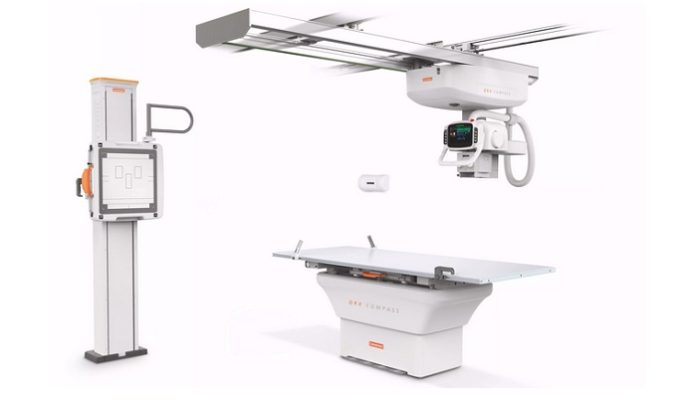
Carestream India launches The DRX Compass, an Advanced digital radiology solution

Carestream Health announces a new future-focused partnership withย EXAMION, a leading provider and servicer of medical imaging solutions in Germany for more than 30 years. The alliance strengthens Carestreamโ€™s commitment to providing healthcare organizations in Germany and throughout Europe with innovative diagnostic imaging solutions that help enhance both user and patient experiences while helping to improve clinical outcomes and streamline radiography workflows.

โ€œCarestream offers a rich portfolio of diagnostic imaging solutions that can help German healthcare organizations of all sizes improve both patient care and operational efficiency,โ€ said Jane Moverley, Director of International Sales at Carestream Health. โ€œEXAMION is well-known and respected for its reliability and service in the medical imaging market. They are an ideal partner to help radiology departments throughout Germany leverage Carestreamโ€™s innovations to meet their most pressing challenges.โ€

X-ray Rooms for Facilities of All Sizes

EXAMION will bring the Carestream DRX-Compass and premium DRX-Evolution Plus medical imaging systems to the German market. Both solutions offer modular designs to fit individual spaces, workflows and budgets. Key features include:

  • Scalable designs that adapt quickly to changing provider needs
  • Modular designs that protect against obsolescence with the addition of new features and capabilities
  • Full functional benefits of a digital X-ray room
  • Optional AI-based Smart DR Workflow with Smart Positioning, Smart Technique, and Smart Collimation

โ€œWe are pleased to expand our offerings to include the innovative digital X-ray imaging systems available from a well-respected company like Carestream Health,โ€ said Bernd Schleicher, Chief Financial Officer of EXAMION. โ€œHealthcare facilities throughout Germany can rely on EXAMION forย comprehensive and competent service and support for all their Carestream medical imaging solutions.โ€

BitHealth and InterSystems Partnership Accelerates Digital Transformation of Healthcare in Indonesia

German hospitals to get โ‚ฌ3 billion funding boost for digitalisation

BitHealth, a provider of digital health service solutions through innovative technology, announced its collaboration with InterSystems through the signing of a Memorandum of Understanding (MoU). This collaboration will create innovative digital solutions for the health sector in Indonesia to improve data management and integration, leading to better quality health services for the community. Representatives attending the event were Peter James Rampengan, Chief of Sales and Marketing, BitHealth and Luciano Brustia, Regional Managing Director, Asia Pacific, InterSystems.

Currently, the majority of hospitals in Indonesia face challenges in data integration and information management, which are often performed manually with the risk of human errors. Some hospitals also end up having various separate application systems required to run various aspects of hospital business operations which run independently and result in different languages and data standards. Data is held in multiple locations even within the same hospital environment. The effect of this lack of data integration is that reports and information become difficult to use to support the decision-making of hospital executive management or doctors, as it would consume too much time. This also means that without accurate, correct, and standardized data, it will be difficult to provide high-quality, effective, and efficient healthcare services.

Since 2019, BitHealth has had a mission to empower healthcare service companies to optimize their businesses and operations by incorporating technological solutions. Committed to supporting the acceleration of digitalization in the healthcare industry in Indonesia, BitHealth currently has more than 20 projects, backed by over 100 engineers, and more than 15 expert consultants. The partnership with InterSystems is a strategic step aimed at improving the quality of patient care, streamlining hospital operations through digitalization, data integration, and interoperability, and enhancing overall healthcare service quality. This represents a significant advancement in healthcare technology evolution. BitHealth is also fully supportive of the government “SATUSEHAT” program, a progressive initiative to integrate highly diverse and disparate healthcare data from various systems and communication protocols throughout the entire healthcare sector in Indonesia.

InterSystems is a creative data technology provider dedicated to helping customers solve the most critical scalability, interoperability, and speed problems. The partnership agreement focuses on the InterSystems IRIS for Healthโ„ข โ€“ Indonesia Edition data platform. Combining this technology with BitHealthโ€™s healthcare analytics solution portfolio and services will enable hospitals to gain a holistic view of their operations and clients to save time in decision-making and achieve other benefits more quickly than alternative approaches.

โ€œFrom the beginning, BitHealth has been positioned as a digital healthcare service solutions provider in Indonesia, specializing in digital healthcare technology. Its mission is to engage healthcare companies in enhancing their services through digital healthcare service transformation. This strategic partnership aims to combine this expertise in digital healthcare service solutions with InterSystems technology capabilities to create a data management solution to empower healthcare providers and ultimately improve the quality of patient care,โ€ said Peter James Rampengan, Chief of Sales and Marketing at BitHealth.

โ€œInterSystems is excited to partner with BitHealth, a respected leader in Indonesia that has demonstrated a deep understanding of the healthcare systems market. This strategic partnership will allow InterSystems to more rapidly expand the market for InterSystems IRIS for Health and accelerate the digital transformation of the healthcare industry in Indonesia. Working in partnership, InterSystems and BitHealth can leverage each otherโ€™s strengths, resources, and networks to serve an increased number of healthcare providers,โ€ said Luciano Brustia, Regional Managing Director, Asia Pacific at InterSystems.

BitHealth offers various digital solutions for hospitals and other healthcare facilities, which can be customized with features according to client needs. Some features that provide a digital experience include EMR Implementation, Human Capital Management System, AI-Powered Document Management System, AI-Powered Claim Management Systems, Mobile Apps for Patient Experience, and Mobile Apps for Doctor & Nurse Management. BitHealth also provides healthcare analytics solutions derived from data management, cloud, and AI, such as Pharmacy Inventory Analytics, Clinical Decision Support Systems, Data Warehouse, Hospital Performance Analytics, and Data Analytics & Visualization.

The Evolution of Healthcare Software: Key Trends and Finding the Right Development Partner

The Evolution of Healthcare Software: Key Trends and Finding the Right Development Partner

Healthcare software has come a long way since its inception. From basic electronic health records to sophisticated telemedicine applications, technology has revolutionized the healthcare industry. In the past decade, there has been a surge in the development of healthcare software, and this trend is expected to continue in the coming years.

One of the key trends in healthcare software development is the shift towards cloud-based solutions. Cloud-based software offers several advantages over traditional on-premise solutions, including scalability, cost-effectiveness, and accessibility. Another trend is the increasing use of artificial intelligence and machine learning algorithms in healthcare software. These technologies can help healthcare providers make more accurate diagnoses, identify patients at risk of developing certain conditions, and improve patient outcomes.

Finding the right development partner is crucial for healthcare organizations looking to develop software that meets their specific needs. A good development partner should have experience in the healthcare industry, a deep understanding of regulatory requirements, and a track record of delivering high-quality software. With the right partner, healthcare organizations can develop software that improves patient outcomes, enhances operational efficiency, and drives growth.

The Evolution of Healthcare Software

The healthcare industry has been transformed by technological advancements, and software has played a significant role in this transformation. Healthcare software has evolved from simple data storage and retrieval systems to complex solutions that help healthcare providers make informed decisions and improve patient outcomes.

The Beginnings of Healthcare Software

The first healthcare software was developed in the 1960s and was used primarily for data storage and retrieval. These early systems were limited in functionality and were not user-friendly. However, they paved the way for more advanced systems that emerged in the 1980s and 1990s.

In the 1980s, healthcare software began to include clinical decision support systems (CDSS) that helped healthcare providers make informed decisions based on patient data. These systems were designed to reduce errors and improve patient outcomes. In the 1990s, electronic health records (EHRs) were introduced, which allowed healthcare providers to store and retrieve patient data electronically.

Modern Advancements in Healthcare Software

Today, healthcare software has become more advanced and sophisticated. It includes features such as predictive analytics, machine learning, and artificial intelligence (AI) that help healthcare providers make more accurate diagnoses and develop more effective treatment plans.

One of the most significant advancements in healthcare software is the development of telemedicine solutions. Telemedicine allows healthcare providers to remotely diagnose and treat patients using video conferencing and other digital technologies. This has been particularly useful during the COVID-19 pandemic, as it has allowed healthcare providers to continue providing care to patients while minimizing the risk of exposure.

Future Predictions for Healthcare Software

The future of healthcare software looks promising. As technology continues to evolve, healthcare software will become more advanced and sophisticated. Predictive analytics, machine learning, and AI will become more prevalent, and telemedicine will become the norm rather than the exception.

In addition, healthcare software will become more personalized, taking into account each patient’s unique needs and preferences. This will improve patient outcomes and lead to better overall health. As healthcare providers seek to harness these advancements, partnering with leading healthcare software solutions will be crucial in ensuring the software’s efficacy and adaptability.ย 

Overall, the evolution of healthcare software has been significant, and it has transformed the way healthcare is delivered. As technology continues to evolve, healthcare software will continue to play a critical role in improving patient outcomes and advancing the healthcare industry.

Key Trends in Healthcare Software

The healthcare industry has been rapidly evolving over the past few years, with the adoption of new technologies that have made healthcare delivery more efficient and effective. Healthcare software has played a significant role in this evolution, enabling healthcare providers to streamline their operations and provide better care to patients.

Increased Use of AI and Machine Learning

One of the key trends in healthcare software is the increased use of AI and machine learning. AI and machine learning algorithms have the potential to revolutionize healthcare by enabling providers to analyze large amounts of data and identify patterns that can help them make more informed decisions.

For example, AI-powered diagnostic tools can help healthcare providers identify diseases and conditions more accurately and quickly than traditional methods. Machine learning algorithms can also be used to analyze patient data and identify risk factors for various diseases, allowing healthcare providers to proactively manage patients’ health.

Rise of Telemedicine

Another trend in healthcare software is the rise of telemedicine, which enables healthcare providers to deliver care to patients remotely. Telemedicine has become increasingly popular in recent years, especially during the COVID-19 pandemic, as it allows patients to receive care without having to leave their homes.

Telemedicine software enables healthcare providers to conduct virtual consultations, diagnose and treat patients remotely, and monitor patients’ health remotely. This has the potential to improve access to healthcare for patients in remote or underserved areas, as well as for patients who are unable to leave their homes.

Adoption of Blockchain Technology

Blockchain technology is also being increasingly adopted in healthcare software. Blockchain is a distributed ledger technology that enables secure and transparent sharing of data between different parties.

In healthcare, blockchain technology can be used to securely store and share patient data, enabling healthcare providers to access patients’ medical records more easily and securely. Blockchain can also be used to track the supply chain of pharmaceuticals and medical devices, ensuring that they are authentic and safe.

Overall, these trends in healthcare software are transforming the healthcare industry and enabling healthcare providers to deliver better care to patients. As healthcare continues to evolve, it will be important for providers to partner with experienced and knowledgeable software development companies to ensure that they are leveraging the latest technologies effectively.

Finding the Right Development Partner

When it comes to developing healthcare software, finding the right development partner is crucial. The right partner can help ensure that your software meets your needs, is developed on time and within budget, and is of high quality. Here are some key factors to consider when choosing a development partner.

Understanding Your Needs

Before you start looking for a development partner, it’s important to have a clear understanding of your needs. What features do you need in your software? What are your timelines and budget constraints? What are your goals for the software? Once you have a clear understanding of your needs, you can start looking for a development partner that can meet those needs.

Evaluating Expertise and Experience

When evaluating potential development partners, it’s important to look for expertise and experience in healthcare software development. Look for partners that have experience developing software for your specific area of healthcare, whether that’s electronic health records, telemedicine, or something else. You should also look for partners that have experience working with the technologies you need, such as cloud computing, mobile app development, or data analytics.

Assessing Cultural Fit and Communication

When working with a development partner, cultural fit and communication are important factors to consider. Look for partners that share your values and culture, and that you feel comfortable working with. It’s also important to ensure that you have clear communication channels and that your development partner is responsive and communicative throughout the development process.

From Clinician to Leader: Navigating Career Trajectories with a DNP Program

Common Mental Health Questions Answered - What's the Difference Between Therapy and Psychiatry?

Nursing professionals experience numerous transformative milestones as they progress from being clinicians to becoming leaders in their field. Pursuing a Doctor of Nursing Practice (DNP) degree is among the most pivotal. This advanced credential opens up a spectrum of career opportunities beyond the bedside, allowing nurses to evolve into influential leaders in healthcare. The article explores the intricate tapestry of career trajectories that a DNP program unlocks.

The Clinical Foundation

The foundation of any strong nursing career is clinical expertise. A DNP program recognizes this and often commences with a profound emphasis on clinical practice. This grounding is essential; after all, firm leaders in nursing must first be exceptional clinicians. Most of theย DNP online programsย go beyond the basics. They equip students with advanced skills and knowledge to enhance patient care. Doctor of Nursing Practice students learn in-depth about the nuances of their chosen areas of nursing practice, such as family, adult-gerontology, pediatric or psychiatric-mental health nursing.

They learn to evaluate, diagnose and treat severe medical conditions. The program fosters analytical thinking, teaches sound decision-making and hone clinical discretion. This robust clinical foundation gives Nurses the knowledge and skills necessary to contribute significantly to healthcare environments.

The Path to Advanced Practice

The shift from more typical clinical responsibilities to advanced practice is one of the most distinctive features of a doctor of nursing practice (DNP) program. Professional specialization in nursing is common for those who receive a DNP. Thanks to these advanced practice jobs, they can now provide a wider variety of services and assume more responsibility.

For nurse practitioners, this means diagnosing and treating patients, prescribing medications and managing overall care. Nurse anesthetists become experts in administering anesthesia for various surgical procedures. Nurse midwives provide comprehensive care to expectant mothers. Clinical nurse specialists focus on specific patient populations or clinical settings, driving improvements in care quality. The shift from clinician to advanced practitioner is a significant career pivot made possible by the DNP credential.

Navigating Leadership

Nurses may improve their leadership abilities and clinical knowledge via DNP programs. Graduates of Doctor of Nursing Practice programs often assume leadership positions within the nursing profession. Being a change agent is more important than a fancy title in this new role. These positions involve not just overseeing clinical operations but also influencing healthcare policies and driving quality improvements.

Nurses with doctoral degrees in nursing are precious in administrative positions because of their ability to influence patient care, enhance the quality of services provided and spread new ideas. They work with other professionals to improve patient care, promote a culture of excellence and guarantee that nurses have the tools to provide excellent treatment. In addition to speaking out for patients and nurses, they act as a liaison between the two groups.

Shaping Healthcare Policy

The ability to influence healthcare policy is a significant benefit of obtaining a Doctor of Nursing Practice degree. The curriculum trains nurses to recognize problematic areas and to lobby for change effectively. Those with a Doctor of Nursing Practice degree might use their expertise in policymaking by working for governments, NGOs, or hospitals.

Patient safety, healthcare access and healthcare quality are all possible areas of emphasis. The clinical and scientific expertise of DNP graduates is valuable in the field of health policy research. They may fight for healthcare changes that put patients first and increase the system’s availability and standard of treatment.

Entrepreneurship in Healthcare

DNP graduates now have more opportunities than ever to pursue careers in entrepreneurship. It is because institutions are opening up to the idea of incorporatingย business concepts in DNPย education. With the acquired business knowledge, DNP graduates may launch consultancies, telemedicine clinics, or other start-ups to meet unmet healthcare needs. Nurses with a Doctor of Nursing Practice degree are well-positioned to advance healthcare through the integration of their clinical and Leadership expertise.

They could discover unmet needs in care, design innovative treatment approaches, or invent ground-breaking tools for the healthcare industry. Their impact goes beyond the clinic they work in since they help train future nurses to be experts in their field. Their role in promoting nursing research and evidence-based practice is equally vital. They inspire curious students to go further into the nursing topic and make meaningful contributions to its ongoing development.

In conclusion, a DNP program enhances and accelerates the transition from nurse clinician to nurse leader. Getting a graduate degree is essential, but so is being open to the many possible professional paths the degree may make possible. Advanced practice nurses, healthcare executives, policy activists, educators and entrepreneurs may all benefit from DNP education.

Common Mental Health Questions Answered – What’s the Difference Between Therapy and Psychiatry?

Mental health topics are widely discussed and debated in the media, online, at school, at work, and everywhere else. This is partly due to widespread internet access and social media, but it also shows weโ€™re growing as a society.ย 

So, whether you want to be part of the discussion or youโ€™re actively looking for ways to improve your mental health, it helps to know some of the terminology. For instance, do you know the difference between therapy and psychiatry?

Both terms appear quite often when it comes to mental health, but each has a specific definition and application. Therefore, today, weโ€™ll focus on these two terms and see how each can help.ย 

Therapy – Definition and Applications

In simple terms, therapy, often referred to as psychotherapy or talk therapy, involves engaging in discussions with a certified professional known as a therapist.ย 

This dialogue-based process aims at helping individuals overcome their emotional difficulties or mental health struggles by emphasizing self-awareness and understanding. But humans are complex beings with different desires and problems, so you canโ€™t cater to everyoneโ€™s needs with just one form of therapy.

In an effort to cater to different issues and personality types, the field of therapy encompases different branches and specialists. As such, we have different types of therapy that can address a variety of problems and personal preferences.

Here are some of the most common types:

  • Cognitive Behavioral Therapy (CBT): This form of therapy helps you identify and change thought patterns that lead to harmful behaviors or emotional distress.
  • Psychodynamic Therapy: Here, you examine unresolved conflicts and unconscious influences from your past, often rooted in childhood experiences that may be shaping your current behavior.
  • Interpersonal Therapy (IPT): If you have issues primarily with personal relationships or difficulty connecting with others, IPT will be your go-to strategy. This approach helps you understand and navigate relationships more effectively.
  • Couples’ or Family Therapy: As the name suggests, these therapies aim to resolve relationship problems and promote better understanding among family members or couples.

Psychiatry – Definition and Applications

Psychiatry is a branch of medicine dedicated to treating patients suffering from mental, emotional, or behavioral disorders. Unlike therapists, psychiatrists are medical doctors who specialize in mental health. A psychiatrist has an actual medical degree under their belt, allowing them to diagnose complex psychiatric conditions and prescribe medications if needed.

Therefore, when comparing psychiatry vs. therapy, the qualifications of the specialist taking care of your needs are the first to stand out. While therapists also need a specialty degree (usually psychology, counseling, or social work), psychiatrists are the only ones who must have a valid medical degree to be able to practice.

As medically trained professionals, psychiatrists are equipped to diagnose and treat a wide range of mental health disorders. This extends from conditions like anxiety and depression to more complicated illnesses such as schizophrenia or bipolar disorder.

This is why finding the right psychiatrist for your needs is crucial. You need a trustworthy and experienced therapist who understands your disorder and can provide a safe space for you to open up.

Which Oneโ€™s Best for Your Needs?

So, which should you visit โ€“ a therapist or a psychiatrist? It depends on your individual needs and circumstances.

If you’re facing life challenges causing emotional distress or if you wish to gain better self-understanding and personal growth, a therapist is your best option. The best part is that, nowadays, you can find plenty of reliable online therapy services thatโ€™ll save you a trip to your therapistโ€™s office.

On the other hand, if you suffer from more complex symptoms such as hallucinations, severe depressive symptoms, or drastic mood swings (to name a few), itโ€™s best to schedule an appointment with a psychiatrist. A psychiatrist can diagnose your disorder and offer treatments that can assist with symptom management.

Wrap Up

It’s important to remember that therapy and psychiatry aren’t mutually exclusive. In some cases, a combined therapy and psychiatric treatment approach could prove most effective.

This happens most frequently in the case of long-standing disorders like bipolar disorder or schizophrenia, but there are other scenarios when a mixed approach is best. Regardless of the approach, if youโ€™re experiencing mental health struggles that overwhelm you, itโ€™s crucial to consider professional help without hesitation!

Telemedicine: Revolutionizing Healthcare Access Worldwide

Telemedicine: Revolutionizing Healthcare Access Worldwide

Telemedicine is the use of telecommunications technology to improve access to healthcare services. It provides remote healthcare services and bridges the gap between patients and healthcare providers. With telemedicine visits, you can contact a specialist, primary care physician, a professional, or a nurse practitioner through consultations, messaging, and phone calls.

Telemedicine is revolutionizing healthcare delivery worldwide. Consequently, delivering healthcare services has become more effective, accessible, and patient-centered. This article details what telemedicine is, its impact on healthcare access, and its benefits.

Understanding Telemedicine in Healthcare

Telemedicine, also known as telehealth services, is a communication technology that enhances remote access and delivery of healthcare services. With the adoption of telehealth, providers can now conduct physical examinations and educate patients without visiting a providerโ€™s office or any healthcare center. Thus, patients can now experience clinical results without being present at the medical center. Online visits enable patients to communicate with their providers in the comfort of their homes.

A telehealth session includes calling the number or downloading the app. A nurse practitioner or a doctor can provide the number. After your healthcare giver has received your electronic health records data, it becomes easy to deliver service irrespective of location.

According to healthcare providersโ€™ assessment based on protected health records, the virtual session will end with additional medical information, including follow-ups or prescriptions.

How to Use Telemedicine

Telemedicine was an essential tool in the healthcare sector during the COVID-19 pandemic. It reduced the chances of contact to end the spread of infectious diseases, improving patient outcomes. During the pandemic, telemedicine was used in various ways such as:

  • Evaluating and screening COVID-19 symptoms
  • Tracing contact
  • Treating hospitalized patients with special care
  • Utilizing remote monitoring devices to track signs of recovering patients
  • Improving testing capacity
  • Tracking multiple patients at once
  • Preventing unnecessary visits to the emergency department

How Has Telemedicine Revolutionized Healthcare Access?

Telemedicine is a new advancement in the healthcare system, improving patient access to healthcare services. Firstly, Telemedicine removes geographical barriers. Patients in remote or underserved areas can now access professional healthcare worldwide, without traveling too far.

Secondly, Telemedicine improves convenience. Patients can plan for virtual assistant appointments, reducing long waits in crowded waiting rooms and saving time. This accessibility is crucial for patients with busy lifestyles or mobility issues.

Thirdly, Telemedicine enhances healthcare access in the time of emergencies. During crises like pandemics, it prioritizes patients with critical needs to receive quick attention without overpowering health resources and hospitals. Telemedicine also encourages ongoing care. Patients can participate in monitoring chronic conditions, follow-up consultations, and fostering better health management.

Benefits of Telemedicine Services

1. At-Home Treatment

Convenience is one of the greatest impacts of telemedicine on the healthcare system. Getting a primary care physician no longer requires you to leave home or take leave from work. The virtual waiting room seems to have taken less time than the normal one according to most patients. If you feel low or need necessary consultation, you don’t have to leave home.

Fortunately, patients can now connect with healthcare providers via video calls, phone consultations, or online messaging without the need for physical visits to hospitals or clinics. This seamless integration of medical call centers into telemedicine networks ensures that medical expertise is just a call away, significantly improving healthcare outcomes and enhancing the overall patient experience.

2. Private Consultation

Apart from having a data backup, primary healthcare providers should make sure that their telemedicine app complies with relevant laws and protocols. Medical specialists must know HIPPA and obey it while utilizing online patient portals.

With the right amount of security and laws, patients will be more willing to seek online medical care. Without the right security, patients might think their medical information is at threat hence abandoning the services.

3. Advanced Technology

The emergence of telehealth emphasizes the unavoidable role of telecommunication in healthcare. Telemedicine underscores the need for hospitals and healthcare centers to invest in technological developments. Sometimes it’s not just about the healthcare tools used, but also strengthening the technology infrastructure that supports them.

Ignoring data security might endanger the whole patient’s portfolio, such as critical data like medical history, insurance details, and personal information.ย  Larger healthcare entities, independent practices and smaller companies may be required to catch up in this sensitive area. Protecting patient information should be as important as their physical health.

4. Remote Patient Monitoring

Telemedicine has transformed healthcare systems through remote monitoring of patients. It offers many benefits such as enhancing patient convenience by reducing frequent in-person visits, improving healthcare access for homebound individuals and rural homes, and enabling early detection of health problems.

Virtual consultations also reduce the cost of healthcare by minimizing hospital readmission. Telemedicine promotes better patient-provider communication, thus providing more personalized care plans.

5. Creating More Opportunities

In terms of cost-effectiveness, telemedicine has immensely impacted healthcare by offering affordable medical care. It modifies healthcare access making it possible for patients to receive the treatment they need for less money compared with regular in-person appointments.

By opting for telemedicine, patients can bypass additional fees associated with in-office visits, while caregivers can reduce the expenses of maintaining health facilities to zero since consultations happen from the patientโ€™s homes.

Challenges and Successes of Telemedicine in Healthcare

Telemedicine challenges should be taken seriously for future planning. Here are some associated challenges of telemedicine in the healthcare sector:

  • Licensing and regulations: Telemedicine cross-border raises licensing and regulatory considerations demanding international cooperation to formulate standard guidelines
  • Incorporating AI and IoT: The Internet of things, telemedicine, and artificial intelligence have potentially advanced diagnostic, tailoring treatment more accurately.

The Future of Telemedicine in the Healthcare Industry

The future of telemedicine in the healthcare industry is promising. With advancements in technology, telemedicine is set to transform how healthcare is delivered.

It is predicted to improve the tracking of chronic illnesses through devices that record vital signs and take blood pressure. This proactive approach will lead to better patient experience and early detection.

Telemedicine is poised to reduce healthcare costs by lowering hospital visits. It will play a critical role in shaping the future of healthcare, making it more efficient, convenient, and accessible to all.

Endnote

Telemedicine has ushered in a revolutionary era in the healthcare sector. Its profound impact has surpassed geographical barriers, improving access to medical professional services to millions. Patients experience reduced travel burdens, greater convenience, and enhanced healthcare outcomes. To make use of its full potential, healthcare systems should adapt and innovate continuously.

Translate ยป