










Close
Digital Health & Ai Innovation summit 2026
LiGHT26

Infection Control Technologies Strengthening Patient Safety

infection control technologies strengthening patient safety

Rising Need for Advanced Infection Control

The preservation of patient health within a clinical setting extends far beyond the administration of medicine or the performance of surgical procedures. It encompasses the fundamental requirement of providing a safe, sterile environment where the risk of secondary illness is minimized. Healthcare-associated infections (HAIs) have long been a significant burden on the global medical system, leading to prolonged hospital stays, increased costs, and, most tragically, avoidable loss of life. In response to this persistent threat, a new generation of infection control technologies strengthening patient safety has emerged, offering sophisticated layers of defense that go beyond traditional cleaning protocols.

Automated Disinfection Technologies Transforming Hygiene

For decades, the standard for hospital hygiene relied heavily on manual labor and chemical disinfectants. While these methods remain essential, they are inherently subject to human error and inconsistency. A missed surface or an improperly diluted solution can leave behind pathogens that thrive in a hospital environment. The shift toward automated disinfection systems represents a critical turning point. Technologies such as ultraviolet-C (UV-C) light robots and vaporized hydrogen peroxide (VHP) systems are now common in modern facilities. These machines can autonomously navigate a patient room, delivering a consistent and lethal dose of energy or chemical vapor to eliminate bacteria, viruses, and fungi on every surface. This objective level of cleanliness is a hallmark of how infection control technologies strengthening patient safety are redefining the clinical environment.

One of the most innovative developments in this field is the use of antimicrobial surfaces and coatings. Traditional hospital surfaces, such as bed rails, door handles, and tray tables, can serve as reservoirs for dangerous microbes like MRSA or C. difficile. By incorporating copper, silver, or specialized light-activated coatings into these high-touch objects, hospitals can create surfaces that actively kill pathogens on contact. Unlike a chemical disinfectant that works only at the moment of application, these materials provide 24/7 protection. The continuous action of these materials is a vital component of infection control technologies strengthening patient safety, acting as a passive yet powerful barrier against the spread of disease.

Digital Hand Hygiene Monitoring Systems

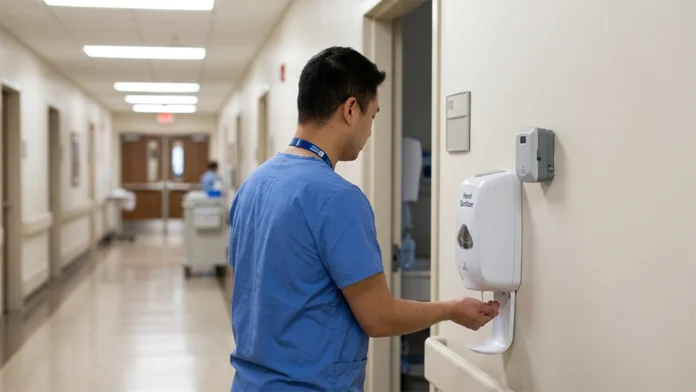
Hand hygiene has always been the primary defense against infection, yet ensuring 100% compliance among busy healthcare workers is notoriously difficult. To address this, digital hygiene monitoring systems are being deployed to provide real-time feedback and accountability. These systems use wearable sensors or camera-based AI to track when a clinician enters a room and whether they utilize the hand sanitizer or soap dispenser. The data is then aggregated to help hospital leadership identify departments that may need additional training or resources. By turning hygiene into a measurable metric, these infection control technologies strengthening patient safety are fostering a culture of transparency and continuous improvement.

Advanced Air Quality and Filtration Systems

Air quality management is another area where technology is making significant strides. In a hospital, the air can carry droplets and aerosols that transmit respiratory infections. Advanced filtration systems, including High-Efficiency Particulate Air (HEPA) filters and localized air purification units, are now being integrated into patient rooms and waiting areas. Some systems even utilize cold plasma technology to neutralize airborne pathogens without the need for filters that can become clogged. By treating the air as a potential vector for disease, infection control technologies strengthening patient safety are ensuring that the very atmosphere of the hospital contributes to the healing process rather than the spread of illness.

Smart Sterilization and Instrument Tracking

The sterilization of medical instruments is also undergoing a digital transformation. Modern sterile processing departments now utilize tracking systems that use RFID or barcodes to follow every instrument through the cleaning, sterilization, and delivery process. This ensures that no tool is used on a patient unless it has successfully passed through a validated sterilization cycle. Furthermore, new low-temperature sterilization methods are allowing for the safe reprocessing of delicate electronic and optical instruments that would be damaged by traditional steam autoclaves. These advancements in instrument management are essential infection control technologies strengthening patient safety, providing a guarantee of sterility for every surgical procedure.

Predictive Analytics for Infection Prevention

Data analytics and predictive modeling are providing a digital shield for hospitals. By analyzing electronic health records (EHRs), infection control teams can identify patterns that might indicate the early stages of an outbreak within a facility. If three patients in the same wing suddenly present with similar symptoms, the system can flag this immediately, allowing for rapid isolation and intervention. This proactive stance is much more effective than waiting for lab results to confirm an outbreak that has already spread. The use of big data to prevent infection is a prime example of how infection control technologies strengthening patient safety are moving from a reactive to a predictive model of care.

The challenge of antimicrobial resistance (AMR) also highlights the need for better diagnostic tools at the point of care. If a clinician can quickly determine whether an infection is viral or bacterial, they can avoid the unnecessary prescription of antibiotics. Rapid diagnostic tests that provide results in minutes rather than days are becoming more prevalent. By supporting antibiotic stewardship, these infection control technologies strengthening patient safety are helping to preserve the effectiveness of our most critical medicines for future generations.

Water System Safety and Monitoring

Water system safety is a frequently overlooked but vital aspect of hospital hygiene. Legionella and other waterborne pathogens can reside in the complex plumbing systems of large healthcare facilities. Real-time water monitoring sensors can detect changes in temperature, flow, and chemical levels that might indicate a risk of bacterial growth. Automated flushing systems and specialized filtration on faucets and showerheads add another layer of protection. These invisible safeguards are integral infection control technologies strengthening patient safety, ensuring that every point of contact with the facilityโ€™s infrastructure is secure.

Immersive Training Through VR and AR

Training and education are being enhanced through virtual reality (VR) and augmented reality (AR). Staff can now practice infection control protocols in a simulated environment where they can see virtual germs on surfaces and learn the most effective ways to remove them. This visual feedback is far more impactful than traditional lectures or videos. By improving the muscle memory and awareness of the workforce, these infection control technologies strengthening patient safety are translating high-tech solutions into better human behavior.

Building Safer Clinical Environments

In conclusion, the fight against healthcare-associated infections is a multi-front war that requires a combination of engineering, biology, and behavioral science. The suite of infection control technologies strengthening patient safety available today offers a comprehensive approach to this challenge. From autonomous robots that disinfect rooms to surfaces that kill germs on contact and digital systems that monitor human behavior, we are building a safer future for patients. As these technologies continue to evolve and become more integrated into the standard of care, the hospital will increasingly become a sanctuary of healing, defined by its cleanliness as much as its clinical expertise.


Sustainable Healthcare Solutions Shaping Future Facilities

sustainable healthcare solutions shaping future facilities

The Need for Sustainable Healthcare

The global healthcare sector is currently facing a dual challenge the rising demand for high-quality medical services and the urgent need to reduce its significant environmental footprint. Hospitals are among the most energy-intensive buildings in any city, operating twenty-four hours a day and consuming vast amounts of water, electricity, and single-use materials. However, a transformative shift is underway as administrators and architects embrace sustainable healthcare solutions shaping future facilities. This movement is not merely about environmental ethics it is about creating resilient, efficient, and healthy environments that enhance the well-being of patients and staff while ensuring the long-term viability of the medical system.

Green Hospital Design and Biophilic Architecture

The foundation of a green hospital begins with its architectural design and the materials used in its construction. Traditionally, hospitals were designed as sterile, windowless boxes that relied heavily on artificial lighting and mechanical ventilation. Today, sustainable healthcare solutions shaping future facilities emphasize the concept of biophilic design the integration of natural elements into the built environment. Large windows that maximize natural daylight, roof gardens that manage rainwater, and the use of non-toxic, low-VOC (volatile organic compound) materials are becoming the new standard. These features do more than just save energy they have been scientifically proven to reduce patient stress, lower blood pressure, and even shorten recovery times. By aligning the hospitalโ€™s physical structure with the rhythms of nature, we are creating a more restorative healing environment.

Energy Efficiency in Healthcare Facilities

Energy efficiency is perhaps the most critical component of this sustainable transition. Hospitals require immense power for life-saving equipment, specialized climate control, and lighting. The implementation of sustainable healthcare solutions shaping future facilities involves a multi-pronged approach to energy management. This includes the installation of high-efficiency HVAC (heating, ventilation, and air conditioning) systems, LED lighting with smart sensors, and high-performance building envelopes that minimize heat loss. Furthermore, many forward-thinking facilities are now generating their own clean energy on-site through solar panels, wind turbines, or geothermal systems. These investments not only reduce carbon emissions but also provide a level of energy security that is vital in the event of a power grid failure or a natural disaster.

Water Conservation Strategies in Hospitals

Water conservation is another vital pillar of the green hospital movement. Healthcare facilities consume significant amounts of water for cooling systems, sterilization, and patient hygiene. Innovative sustainable healthcare solutions shaping future facilities include the use of low-flow fixtures, greywater recycling systems that repurpose water from sinks and showers for landscaping, and specialized filtration for cooling towers. By treating water as a precious resource, hospitals can significantly lower their utility costs and reduce the strain on local municipal water supplies. This is particularly important in regions facing increasing water scarcity, where a hospital’s ability to operate efficiently depends on its water resilience.

Sustainable Waste Management and Circular Economy

The management of waste in a clinical setting is a complex logistical challenge. Hospitals generate a wide variety of waste streams, from general office paper and food waste to hazardous biological and chemical materials. Historically, much of this waste was incinerated or sent to landfills. However, sustainable healthcare solutions shaping future facilities are prioritizing the principles of a circular economy. This involves working with suppliers to reduce unnecessary packaging, implementing comprehensive recycling programs for plastics and metals, and utilizing on-site waste treatment technologies that turn biological waste into sterilized, inert material. Some facilities are even exploring the use of reusable medical instruments and linens where safe, moving away from the single-use culture that has dominated the industry for the past few decades.

Sustainable Procurement in Healthcare Supply Chains

Sustainable procurement is a powerful lever for change within the healthcare supply chain. Every product purchased by a hospital from pharmaceuticals to surgical gloves has an environmental cost associated with its production and transportation. By choosing suppliers that prioritize sustainability, hospitals can influence the entire global market. Sustainable healthcare solutions shaping future facilities include green purchasing policies that favor products with a lower carbon footprint, minimal packaging, and an absence of harmful chemicals like PVC or phthalates. This collective buying power is encouraging manufacturers to innovate and produce more eco-friendly medical systems, further accelerating the greening of the entire sector.

Smart Hospitals and Digital Sustainability

The concept of the Smart Hospital is also playing a role in sustainability. The use of the Internet of Things (IoT) allows facility managers to monitor energy and water usage in real-time, identifying leaks or inefficiencies before they become major problems. Automated building management systems can adjust the temperature and lighting in unoccupied rooms, ensuring that no energy is wasted. These digital sustainable healthcare solutions shaping future facilities provide the data necessary to make informed decisions about operational improvements. When technology is used to optimize the metabolism of a building, the results are seen in both improved environmental performance and significant financial savings.

Sustainable Transportation in Healthcare

Transportation is an often-overlooked aspect of a hospital’s carbon footprint. The daily movement of thousands of staff, patients, and visitors contributes to local air pollution and traffic congestion. Sustainable healthcare solutions shaping future facilities address this by encouraging alternative modes of transport. This might include providing electric vehicle (EV) charging stations, secure bike storage, and improved access to public transit. Some large medical campuses are even utilizing electric shuttle buses to move people between buildings. By making it easier for the community to access care without relying on fossil-fuel-powered vehicles, hospitals are taking a holistic approach to public health.

The financial aspect of sustainability is increasingly compelling. While the initial investment in green technologies or high-efficiency systems can be higher than traditional options, the long-term operational savings are substantial. Reduced energy and water bills, lower waste disposal fees, and a more resilient infrastructure lead to a significant return on investment. Furthermore, many governments and financial institutions are now offering incentives and lower interest rates for green building projects. For healthcare administrators, sustainable healthcare solutions shaping future facilities represent a sound financial strategy that protects the organizationโ€™s bottom line while fulfilling its social responsibility.

Finally, the shift toward sustainability is a reflection of a deeper understanding of the One Health concept the idea that human health is inextricably linked to the health of the environment. A hospital that pollutes the air or water is indirectly contributing to the very diseases it seeks to treat. By adopting sustainable healthcare solutions shaping future facilities, the medical community is leading by example. It is demonstrating that it is possible to provide world-class care while acting as a responsible steward of the planet. This commitment to sustainability builds trust with the community and ensures that the healthcare system is prepared to meet the challenges of a changing climate.

Conclusion: Building the Future of Sustainable Healthcare

The future of healthcare infrastructure is being written today through a commitment to innovation and environmental responsibility. The integration of sustainable healthcare solutions shaping future facilities is transforming hospitals from energy-draining buildings into hubs of health and resilience. Through green design, energy efficiency, waste reduction, and smart technology, we are creating a clinical landscape that is fit for the 21st century. As these practices become the global standard, we move closer to a world where the act of healing people no longer comes at the cost of the environment, ensuring a healthier future for all.

NAMSA and Lexitas Launch Ophthalmic MedTech Partnership

NAMSA and Lexitas
NAMSA and Lexitas join forces to give ophthalmic device sponsors a single, accountable development partner.

NAMSA and Lexitas Pharma Services have entered into a strategic partnership aimed at delivering integrated development services for ophthalmic medical devices, positioning themselves as a unified provider across the full product lifecycle. Announced on April 30, 2026, the collaboration is designed to provide sponsors with a single accountable partner, combining device development capabilities with specialized ophthalmic clinical expertise.

The partnership integrates Lexitasโ€™ ophthalmology-focused strengths built over more than 15 years, including an extensive investigator network and an established reading center with NAMSAโ€™s global MedTech development infrastructure. By aligning these capabilities, the companies intend to streamline processes for device innovators, enabling coordinated execution from early-stage development through commercialization. The model eliminates fragmented vendor structures, offering sponsors centralized oversight and continuity across each phase of development.

Rather than operating through traditional subcontracting or referral arrangements, the two organizations will function as a unified team under a shared operating framework. Lexitasโ€™ clinical specialists, including those focused on imaging, medical monitoring, and site strategy, will be embedded within NAMSAโ€™s program management systems. This approach is supported by a common technology platform and unified quality management processes, providing sponsors with a single point of accountability and visibility across their programs.

The NAMSA and Lexitas collaboration is structured to deliver end-to-end support spanning preclinical development, biocompatibility assessments, investigational device exemption (IDE) processes, pivotal trials, regulatory submissions, and commercialization. It also leverages Lexitasโ€™ network of more than 700 investigator sites and specialized programs such as BCVA certification. Combined with NAMSAโ€™s expertise in device-specific trial design, regulatory strategy, and global CRO operations across the U.S., Europe, and Asia-Pacific, the partnership aims to enhance execution efficiency and reduce coordination risks for sponsors developing ophthalmic technologies.

In a statement, Brian Smith, Chief Executive Officer, NAMSA, said: “Ophthalmic device sponsors have asked us for something the market hasn’t been able to deliver in a coordinated way: deep device-specific expertise across the full development lifecycle, paired with specialized ophthalmic clinical execution. This partnership with Lexitas allows us to offer exactly that. NAMSA brings the end-to-end development platform ophthalmic device innovators’ need Lexitas brings the unparalleled ophthalmic expertise depth that elevates the clinical stage. Together, we’re giving sponsors a rare combination: world-class device development under one contract, with the ophthalmic specialization to execute at the highest level.”

Jeanne Hecht, Chief Executive Officer, Lexitas, added: “NAMSA’s global MedTech development platform is a powerful complement to what Lexitas has built in ophthalmology. By embedding our ophthalmic experts across site strategy, imaging, and medical oversight within NAMSA’s operating model, the partnership enables sponsors to execute highly specialized ophthalmic trials with greater confidence and consistency. Together, NAMSA’s medical device expertise and Lexitas’ ophthalmology focus deliver a truly integrated approach that drives value for sponsors and meaningful impact for patients.”

DOJ Launches West Coast Strike Force to Combat Healthcare Fraud in Arizona, Nevada, and Northern California

West Coast Strike Force

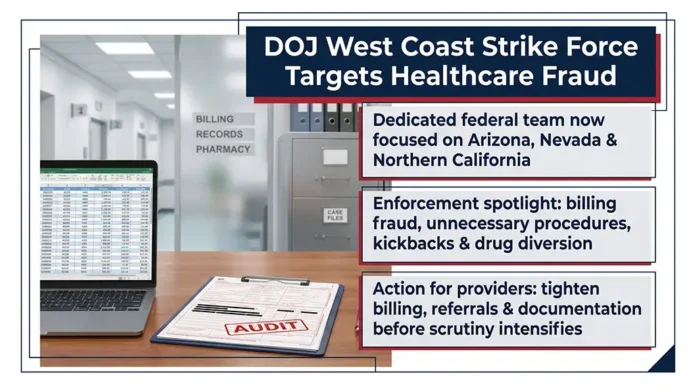
The United States Department of Justice has launched a dedicated West Coast Strike Force aimed at prosecuting healthcare fraud across Arizona, Nevada, and Northern California. The move signals a concentrated federal push to address what authorities describe as a significant and growing volume of fraudulent activity in these regions.

A Targeted Federal Response to Regional Fraud

The newly established strike force is part of the DOJ’s broader Health Care Fraud Strike Force program, which has operated across various regions of the country for years. The West Coast expansion brings structured, multi-agency investigative resources to three states that federal prosecutors have identified as areas with elevated levels of healthcare fraud activity.

The strike force will be staffed by prosecutors from the DOJ’s Criminal Division and supported by agents from the Department of Health and Human Services Office of Inspector General, the FBI, and other law enforcement partners. This collaborative model mirrors the operational structure that has been applied in other regional strike forces across the United States.

For healthcare industry executives operating in Arizona, Nevada, and Northern California, the formation of this DOJ West Coast Strike Force represents a direct escalation in federal scrutiny of billing practices, provider conduct, and program integrity across both public and private payer environments.

Focus Areas and Enforcement Priorities

Federal authorities have indicated that the West Coast Strike Force will concentrate on healthcare fraud schemes, including fraudulent billing and other forms of abuse affecting federal healthcare programs. These align with the broader enforcement priorities that have defined DOJ strike force operations in other regions.

Healthcare fraud remains one of the most prosecuted areas of federal law, and the DOJ has historically used strike forces to drive up both the number of cases pursued and the speed at which they move through the criminal justice system. The regional concentration of resources in this new formation reflects the scale of alleged fraudulent conduct that investigators have identified across the three-state area.

Healthcare fraud activity in these markets has drawn increasing attention from federal investigators, prompting the formal establishment of a dedicated prosecutorial unit rather than relying on existing district-level resources alone.

What This Means for Healthcare Organizations

For executives, compliance officers, and legal counsel operating within the designated states, the launch of the DOJ West Coast Strike Force underscores the importance of robust internal compliance programs. Organizations operating in Arizona, Nevada, and Northern California should treat this development as a prompt to review billing procedures, referral arrangements, and documentation standards in line with federal requirements.

The DOJ has consistently demonstrated through its existing strike force operations that prosecutions can involve a wide range of cases, and that the presence of a regional strike force accelerates the timeline from investigation to indictment.

Healthcare compliance programs that are proactive, well-documented, and regularly audited remain a critical safeguard against federal enforcement actions. With the DOJ West Coast Strike Force now operational, the regulatory environment in these three states is likely to face heightened scrutiny, and healthcare organizations would be well-served to ensure their internal controls reflect this increased oversight.

The DOJ’s Health Care Fraud Strike Force program has, since its inception, charged thousands of defendants and recovered billions of dollars in fraudulent billings. The West Coast expansion adds another layer of federal enforcement capacity to a program that continues to be one of the government’s primary tools in addressing healthcare fraud at scale.

AI Emergency Triage Study Shows Superior Clinical Accuracy

AI Emergency Triage

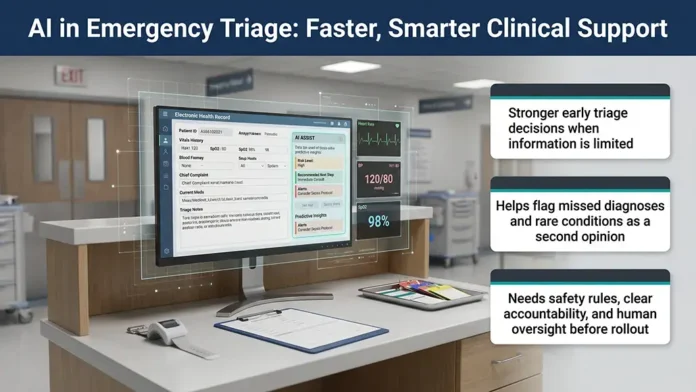
A Harvard-led study has found that advanced artificial intelligence systems can outperform human physicians in emergency room diagnostics and management tasks, marking a significant development in clinical decision-making capabilities. The findings, published in Science, demonstrate that AI models can match or exceed expert-level performance in high-pressure medical environments, particularly during early-stage triage when limited information is available. This AI emergency triage advancement signals a notable shift in how digital tools may be integrated into frontline healthcare delivery.

Study Design and Key Findings

The research, conducted by teams from Harvard and Stanford, evaluated OpenAIโ€™s โ€œo1 previewโ€ reasoning model across multiple clinical scenarios. The AI system was tested on 76 real emergency room cases in a Boston hospital, with performance assessed at three critical stages: initial triage, first physician interaction, and patient admission.

Key outcomes include:

  • The AI achieved diagnostic accuracy of 67% in early-stage triage, compared to 50โ€“55% for human physicians
  • Accuracy increased to 82% with additional patient information, versus 70โ€“79% for doctors
  • In management reasoning tasks, including treatment planning, the AI scored 89%, significantly outperforming physicians at 34%
  • The system demonstrated strong capability in identifying rare and complex diseases using established clinical case benchmarks

These findings highlight the growing capability of AI emergency triage systems to process structured medical data and deliver high-quality clinical reasoning under time-sensitive conditions.

Clinical and Operational Implications

The study underscores the potential of AI to augment healthcare workflows, particularly in emergency departments where rapid decision-making is critical. Researchers noted that AI systems could serve as a second-opinion tool, helping physicians identify diagnostic errors or overlooked conditions by analyzing electronic health records in real time.

According to the findings, AI models excel in environments where data is primarily text-based, enabling them to synthesize patient histories, vital signs, and clinical notes efficiently. This capability positions AI as a valuable support mechanism in triage processes, where incomplete or noisy data often complicates decision-making.

Regulatory and Safety Considerations

Despite the promising results, researchers emphasized that the study does not support replacing physicians with AI. The evaluation was limited to text-based inputs, excluding critical clinical elements such as imaging, physical examinations, and patient interaction cues.

Concerns around accountability, liability, and patient safety remain unresolved. There is currently no standardized regulatory framework governing AI-driven clinical decisions, raising questions about responsibility in cases of diagnostic error. Additionally, experts highlighted the risk of over-reliance on AI outputs, which could influence independent clinical judgment.

The study calls for controlled, prospective clinical trials to assess the safe deployment of AI systems in real-world healthcare environments.

Strategic Outlook for Healthcare Systems

The findings suggest that AI will play an increasingly collaborative role in clinical practice rather than acting as a replacement for human expertise. Researchers anticipate a hybrid care model where physicians, patients, and AI systems operate in tandem to improve outcomes.

The technologyโ€™s strength in complex case analysis and rare disease identification further reinforces its potential as a decision-support tool in specialized care pathways. However, its limitations in interpreting non-textual data and contextual patient factors highlight the continued importance of human oversight.

From an industry perspective, HHM Global notes that this development reflects a broader shift toward AI-enabled healthcare delivery, where digital tools are positioned to enhance and not replace clinical expertise.

How Hospitals Reduce Waterborne Infection Risks

hospital waterborne infection risk reduction

One overlooked sink can trigger a serious infection. Water systems in hospitals are not just background infrastructure, they are living environments where biofilm, stagnation, and temperature shifts create risk. Reducing waterborne infections takes coordination between infection prevention, facilities, and leadership.

Hospitals that succeed treat water as a clinical asset, not just a utility. They follow structured programs such as ASHRAE 188 and CDC water-management guidance, and they audit plumbing the same way they audit hand hygiene.

Why Waterborne Infection Risks Demand A Systems Approach

According to the CDC, millions of waterborne illnesses occur each year in the United States, and biofilm-related pathogens account for a disproportionate share of hospitalizations and deaths. In a hospital, that translates to vulnerable patients who cannot afford even a small microbial exposure.

The CDC also notes that complex plumbing systems, with long pipe runs and multiple fixtures, create environments where pathogens can persist and spread. In large healthcare campuses, that complexity increases with every renovation, idle wing, and added device.

A water-management plan aligned with ASHRAE 188 formalizes hazard analysis, control measures, monitoring, and corrective actions. It shifts teams from reactive outbreak response to proactive risk reduction.

Controlling Sink Splash And Drain Biofilm

Research highlighted by CIDRAP shows contaminated hospital sinks and drain systems can act as reservoirs for resistant organisms. Splash from faucet flow or drain turbulence can move organisms from the trap to nearby surfaces.

That risk is influenced by sink design, water pressure, and what is stored in the splash zone. Bedside sinks placed too close to patient-care supplies increase exposure pathways.

Facility teams can reduce risk by focusing on:

  • Separating sinks from medication preparation and clean supply areas
  • Standardizing drain-cleaning protocols that disrupt biofilm without aerosolizing debris
  • Adjusting faucet flow and basin design to limit splash-back

These are engineering and workflow decisions, not just housekeeping tasks. When infection prevention and facilities review sink placement together, risk drops.

Preventing Backflow And Waste Room Exposure

Backflow events are not theoretical. The CDC water guidance explains how contaminated drainage systems have exposed patients when connectors and lines were compromised.

Waste rooms should be maintained under negative pressure to prevent aerosol migration into adjacent corridors. Floor drains need regular inspection, trap priming, and verification that seals are intact.

Laboratories and endoscopy units add another layer of concern because effluent may contain high microbial loads or chemical residues. Pretreatment before discharge protects both internal plumbing and downstream municipal systems.

Choosing the right mechanical or membrane stage for pretreatment is not a quick purchase decision. Working with a reputable partner that provides a detailed wastewater treatment guide helps facility leaders understand sizing, contaminant profiles, and compliance expectations before installation. Education upfront prevents costly retrofits later.

Building A Culture That Sustains Waterborne Infection Prevention

Hospitals reduce risks by treating plumbing as a patient-safety priority. Temperature checks, corrective-action logs, and verified maintenance must be routine, not occasional. When updating water-management plans or pretreatment systems, involve facilities, infection prevention, and engineering early. Coordinated planning keeps care safer and risks controlled.

Husky and SEM Plastik Announce Strategic Collaboration to Advance Blood Collection Tube Manufacturing in Tรผrkiye

Husky SEM Plastik blood collection tubes

Husky Technologiesโ„ข, a global leader in precision injection molding solutions and services is collaborating with SEM Plastik San. ve Tic. A.ลž., under its SEM BIOTECH division, to support the companyโ€™s entry into blood collection tube manufacturing with the deployment of the ICHORโ„ข integrated medical system. The collaboration marks a significant milestone in SEM Plastikโ€™s diversification strategy and strengthens Tรผrkiyeโ€™s position in the medical device supply chain for this region. The official opening ceremony for the system launch was held on April 16, 2026, with the participation of H.E. Mehmet Fatih Kacฤฑr, Minister of Industry and Technology of the Republic of Tรผrkiye, along with high-level representatives from SEM Plastik and Husky Technologies.

Husky Technologiesโ„ขEstablished in 1983 and headquartered in Istanbul, SEM Plastik is a leading regional plastics manufacturer with a strong legacy as one of Tรผrkiyeโ€™s pioneers in sustainable packaging and, more recently, advanced medical manufacturing. SEM Plastik continues to expand its global presence, building on more than 25 years of engineering excellence.

To support this transition into medical manufacturing, SEM Plastik selected Husky as a long term supplier, recognizing the value of the companyโ€™s ICHORTM integrated medical system technology platform, and comprehensive service offering. As an early adopter, SEM Plastik invested in a complete solution designed to deliver consistent quality, operational efficiency, and regulatory compliance from day one.

High End Quality and Regional Impact

Through its SEM BIOTECH division and under its Vacusem brand, SEM Plastik has entered the medical components market and operates one of the most precise and high-capacity vacuum blood collection tube production lines in the world, with an annual production capacity of 500 million tubes, delivering the highest quality standards in Tรผrkiye.

Vacusem tubes are fully automatically manufactured in an ISO 8 cleanroom environment and packaged under the highest hygiene standards, using best-in-class chemical formulations and components. The production is designed to meet European Union market standards, with a strong focus on export-oriented growth. This investment makes a strong contribution to Tรผrkiyeโ€™s high value-added and high-technology exports.

โ€œDiversifying into medical manufacturing required a trusted supplier and a proven technology platform. We are proud to serve the region with best in class blood collection tubes, and Huskyโ€™s support as an early adopter partner was essential in helping us turn this ambition into a successful and sustainable operationโ€, said Yavuz EroฤŸlu, SEM Plastikโ€™s Owner-Chairman and President of PAGEV, the Turkish Plastic Packaging Manufacturers Association.

Husky Technologiesโ„ขThe collaboration supports Tรผrkiyeโ€™s emergence as a reliable producer of high quality blood collection tubes, strengthening local supply chains while establishing a foundation for continued innovation and market expansion.


System Level Solution Enables Rapid Market Entry

Huskyโ€™s solution combines the ICHORโ„ข integrated medical system, advanced Schรถttli Medical Molds, and Advantage+Eliteโ„ข proactive monitoring support, enabling SEM Plastik to establish a scalable, high performance production platform for blood collection tubes. The integrated system approach reduces operational complexity while delivering enhanced throughput, reduced material waste, and consistent part quality.

โ€œWe are proud to support SEM Plastikโ€™s growth with the deployment of the ICHORโ„ข system, the fastest platform solution to produce blood collection tube in the market. By combining speed, precision, and full system integration, we are helping SEM Plastik establish a world class medical production platform in Tรผrkiyeโ€, said Thomas Bontempi, Huskyโ€™s General Manager Medical Business.

Huskyโ€™s advanced technology contributes to reduced cycle times and improved efficiency, while full traceability and process stability support compliance with stringent international medical standards. Additionally, dedicated training programs for running the system have been delivered to support medical injection molding and process optimization, enabling long-term operational excellence.

Husky Technologiesโ„ข

Johnson & Johnson to Acquire Atraverse Medical Platform

Johnson & Johnson

Johnson & Johnson has entered into a definitive agreement to acquire Atraverse Medical, bringing the developer of a novel transseptal access platform into its cardiovascular portfolio. The transaction, expected to close in the second quarter of 2026 subject to customary conditions, will add the companyโ€™s Hotwire system to Johnson & Johnsonโ€™s expanding suite of cardiac ablation technologies. Financial details of the deal were not disclosed.

Atraverse Medical is known for its Hotwire transseptal access system, a radiofrequency guidewire designed for left-heart access. The device enables zero-exchange access while also functioning as a support rail for catheter-based therapies. Developed by Steven Mickelsen alongside co-founder Eric Sauter, the system reflects continued innovation in electrophysiology tools. Mickelsen previously founded Farapulse, which was acquired by Boston Scientific in 2021. The system has already been deployed in more than 3,000 clinical procedures, underscoring its early adoption in interventional cardiology settings.

Regulatory milestones have supported the platformโ€™s progress. The device initially received clearance from the U.S. Food and Drug Administration in May 2024, followed by an additional clearance in December 2025 for the Hotwire RF generator integrated with the guidewire. This generator is designed to mitigate the risk of uncontrolled energy delivery once access to the left atrium is achieved, while also allowing activation within the sterile field to improve procedural control. Earlier this year, Atraverse reported positive clinical findings associated with the system.

According to Johnson & Johnson, the addition of Atraverse Medical will enhance its cardiac ablation portfolio, which includes platforms such as Varipulse and the Carto 3 mapping system. The Hotwire systemโ€™s features โ€” including impedance sensing with automatic energy shutoff, compatibility with multiple sheaths, and visibility under intracardiac echocardiography โ€” are expected to complement existing technologies. The Atraverse Medical acquisition reflects the companyโ€™s continued focus on advancing minimally invasive solutions in electrophysiology.

US Speeds Insurance Coverage for Breakthrough Medical Device

Breakthrough Medical Device

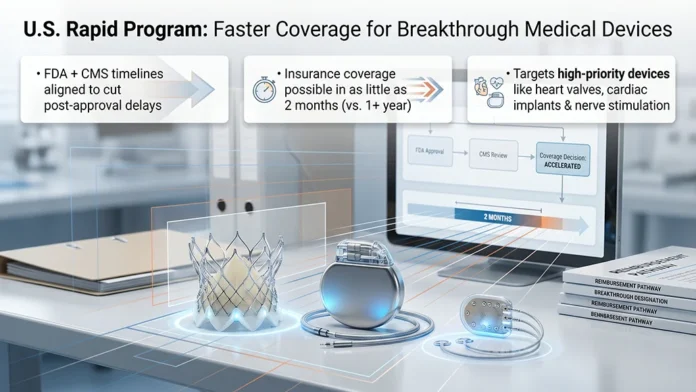
A new federal initiative in the United States is set to significantly shorten the timeline for securing insurance access to advanced medical technologies, addressing a long-standing bottleneck in patient availability and commercial rollout. The program introduces a coordinated approach between regulatory approval and reimbursement decisions, allowing certain high-priority innovations to move more swiftly from development to real-world use. Under this framework, a Breakthrough Medical Device could receive insurance coverage in as little as two months substantially faster than the traditional process, which often extends beyond a year.

The initiative, jointly introduced by the Centers for Medicare and Medicaid Services and the U.S. Food and Drug Administration, is formally known as the Regulatory Alignment for Predictable and Immediate Device, or Rapid. It is designed for technologies that already qualify for expedited regulatory review due to their potential to address unmet medical needs. By synchronising FDA evaluation timelines with CMS coverage considerations, the program integrates reimbursement planning earlier in the product lifecycle, reducing delays that typically arise after regulatory clearance.

โ€œThe American people deserve timely access to meaningful treatments without red tape or high costs,โ€ FDA Commissioner Marty Makary said in a statement.

Devices expected to fall within the scope of the program include artificial heart valves, cardiac rhythm management technologies, and nerve-stimulation implants used in disease treatment. According to CMS chief policy and regulatory officer John Brooks, approximately 40 devices currently meet eligibility criteria, with an additional 20 potentially qualifying. These products are often developed by leading medical technology companies such as Medtronic Plc, Boston Scientific Corp., and Abbott Laboratories, reflecting the high level of innovation targeted by the pathway.

  • The program aligns FDA approval timelines with CMS reimbursement decisions
  • Coverage timelines may shrink from over a year to as little as two months
  • Around 40 devices are immediately eligible, with 20 more under consideration
  • Focus areas include cardiac devices, implants, and nerve stimulation technologies

For device manufacturers, delays in securing reimbursement have long represented a critical commercial and operational challenge, frequently extending development cycles and limiting market entry. The fragmented nature of coverage where access varies by region has further complicated adoption. Central to this issue is the National Coverage Determination process, which defines whether Medicare and Medicaid will reimburse specific technologies. Although private insurers are not formally bound by these decisions, they often align with federal determinations, amplifying their industry-wide impact. The new framework aims to reduce these inefficiencies and provide a more predictable pathway for each Breakthrough Medical Device entering the healthcare system.

FDA Flags Nitrosamine Impurity Risk in Combination Products

Nitrosamine Impurity Risk

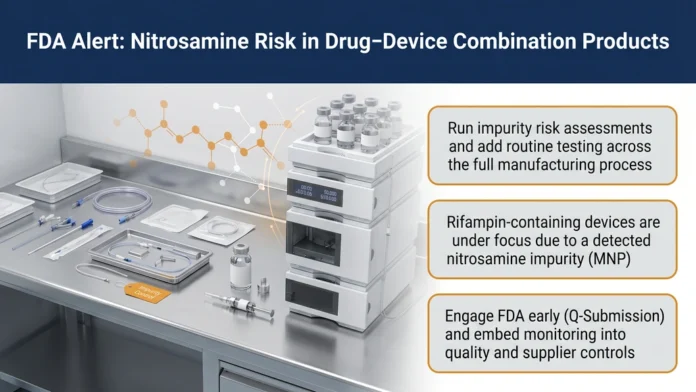
The U.S. Food and Drug Administration (FDA), through its Center for Devices and Radiological Health (CDRH), has issued a formal communication to manufacturers of CDRH-led combination products, highlighting the nitrosamine impurity risk and outlining regulatory expectations for risk identification, mitigation, and ongoing monitoring. The move underscores increasing regulatory scrutiny on drug-device combination products, particularly those incorporating pharmaceutical components such as rifampin.

The agencyโ€™s letter provides detailed guidance on manufacturer responsibilities, while reinforcing the need for proactive engagement with regulators to ensure continued product safety and effectiveness.

Regulatory Direction and Manufacturer Responsibilities

The FDAโ€™s communication establishes a clear compliance framework for healthcare manufacturers. It emphasizes that organisations must take full responsibility for identifying potential nitrosamine impurities originating from both pharmaceutical ingredients and manufacturing processes.

Manufacturers are expected to:

  • Conduct comprehensive risk assessments as part of biocompatibility evaluations
  • Develop and deploy analytical testing methods to detect and control impurities
  • Assess patient exposure levels relative to FDA-defined acceptable intake limits
  • Investigate all possible contamination pathways, including manufacturing, sterilisation, and storage

The agency also advises manufacturers to consult existing FDA guidance, including standards related to nitrosamine control and biological evaluation frameworks such as ISO 10993-1.

Identified Risks in Drug-Device Combination Products

CDRH has identified the presence of 1-methyl-4-nitrosopiperazine (MNP) a nitrosamine impurity in certain combination products containing the antibiotic rifampin. Nitrosamines are classified as probable carcinogens, and prolonged exposure above acceptable thresholds may elevate cancer risk.

While no specific products or manufacturers have been named, the agency highlighted multiple categories of devices where rifampin is commonly used:

  • Antimicrobial-coated catheters, including central venous and ventricular variants
  • Cardiac implant accessories such as antibacterial envelopes used with implantable cardioverter defibrillators (ICDs)
  • Neurostimulation and neuromodulation implants
  • Prosthetic devices incorporating antibiotic surface treatments

Ongoing Investigation and Regulatory Engagement

The FDA confirmed that investigations into the root causes and scope of nitrosamine formation are ongoing. At present, the agency has not identified any adverse events linked to these impurities in CDRH-regulated products. However, the absence of reported cases has not reduced the urgency of regulatory action.

CDRH is working closely with manufacturers to:

  • Determine the mechanisms behind nitrosamine formation
  • Evaluate the applicability of interim or alternative exposure limits
  • Standardise risk assessment methodologies across product categories

Manufacturers identifying potential risks are advised to engage with the FDA via the Q-Submission process, enabling early regulatory feedback and alignment on mitigation strategies.

Operational and Compliance Implications for Healthcare Management

From a healthcare management perspective, the FDAโ€™s directive introduces heightened compliance expectations across product lifecycle management. Organisations must integrate impurity risk assessment into broader quality systems, particularly in areas involving supply chain oversight, raw material sourcing, and manufacturing validation.

As observed by HHM Global, this development signals a shift toward more integrated regulatory oversight of combination products, where pharmaceutical and device standards increasingly converge. HHM Globalย notes that manufacturers will need to strengthen cross-functional coordination between regulatory affairs, quality assurance, and production teams to manage emerging risks effectively.

The emphasis on nitrosamine impurity risk also reinforces the importance of data-driven monitoring frameworks, ensuring that potential contamination sources are identified early and mitigated before reaching clinical use.

Strategic Industry Relevance

The FDAโ€™s action reflects a broader regulatory trend toward tighter control of impurities in complex healthcare products. For manufacturers, this translates into increased investment in analytical capabilities, enhanced supplier collaboration, and more rigorous validation protocols.

In practical terms, HHM Global highlights that this move could reshape compliance strategies for combination product manufacturers, particularly those relying on antibiotic-impregnated devices. The regulatory focus on impurity pathways from raw materials to finished products positions nitrosamine risk management as a critical component of long-term product safety governance.

Translate ยป