Close
Digital Health & Ai Innovation summit 2026
LiGHT26

SS Innovations Advances SSI Mantra Telesurgery Innovation

SS Innovations

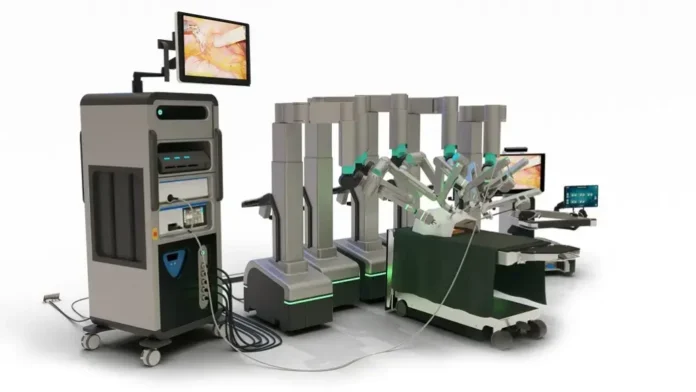
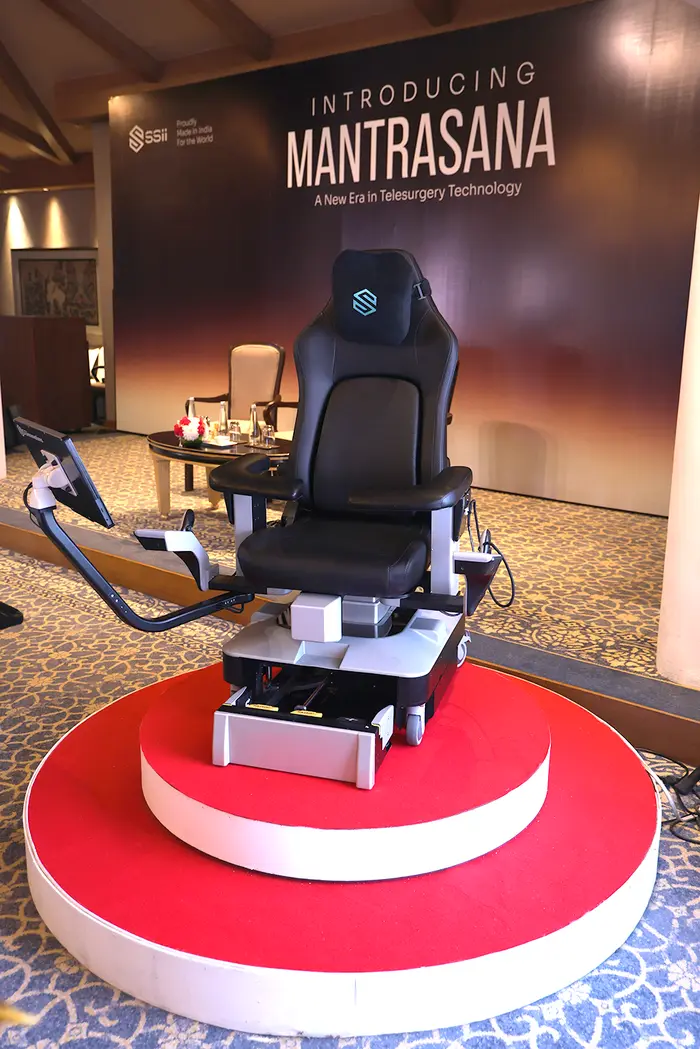
SS Innovations International, Inc. has completed a long-distance robotic telesurgery linking Perth, Australia, with Indore, India, using its indigenous SSI Mantra Surgical Robotic System and the portable MantrAsana Tele-Surgeon Console. The procedure covered a distance of more than 10,000 kilometres and marked another milestone in the advancement of remote robotic healthcare delivery. During the operation, Dr. Mohit Bhandari remotely conducted a robotic gastrojejunostomy on a patient in Indore while stationed in Perth. The surgery, considered highly complex, was completed in nearly three minutes with round-trip transmission latency for video and data maintained below 150 milliseconds.

MantrasanaThe telesurgery demonstration took place during the Annual Scientific Congress 2026 of The Royal Australasian College of Surgeons (RACS), held in Perth between April 30 and May 3, 2026. The live procedure highlighted the ability of robotic surgery platforms to enable advanced surgical interventions across international borders while maintaining operational precision and responsiveness. The surgical system combined ultra-low latency connectivity, high-definition visualisation, and precise robotic instrument control through the SSI Mantra and MantrAsana platforms.

SS InnovationsDr. Mohit Bhandari, President, IRCAD India and Founder & Director of Mohak Bariatric and Robotic Surgery Centre, Indore, said, โ€œThis telesurgical milestone demonstrates that distance is no longer a barrier in delivering advanced surgical care. Performing a complex robotic gastrojejunostomy from Perth on a patient in Indore with such precision validates the robustness of the made in India SSI Mantra platform and the transformative capabilities of MantrAsana. This is not just a technological achievement, it is a new model for global, collaborative, patient centric healthcare.โ€

Speaking about the achievement, SS Innovations Founder, Chairman and CEO Dr. Sudhir Srivastava said, โ€œI would like to congratulate Dr. Mohit and the entire team on successfully achieving this landmark 10,000-kilometre telesurgery between Australia and India. This milestone marks a significant step forward in advancing connected healthcare globally and reflects our core vision of making advanced robotic surgery accessible across geographies and healthcare systems. Powered by our indigenous SSI Mantra and MantrAsana platforms, this achievement reinforces Indiaโ€™s growing leadership in surgical innovation and demonstrates the potential of technology to enable seamless, borderless care delivery. We remain committed to our vision of democratizing robotic surgery and expanding access to high-quality, technology-enabled healthcare worldwide.โ€ The successful demonstration drew attention from surgeons, clinicians, and delegates attending the congress, underlining the growing role of robotic telesurgery in expanding access to specialised surgical expertise worldwide.

How Advanced Nursing is Saving Primary Care

Advanced nursing in primary care

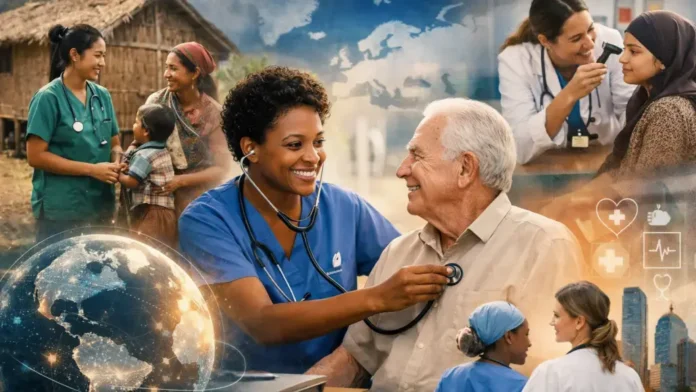
The global healthcare system is currently navigating a quiet but significant crisis: a massive shortage of primary care physicians that is leaving rural and underserved communities behind. While the traditional response has been to wait for more medical school graduates, the reality is that the evolution of advanced practice registered nurses (APRNs) is already filling the gap. These professionals have moved far beyond the bedside to become the primary providers managing patient health across entire lifespans.

The Shift from Support to Front-Line Provider

For decades, the nursing role was often viewed primarily as a support function to physician-led care. However, the last thirty years have seen a dramatic transformation as nursing education has evolved to include advanced pathophysiology, pharmacology, and diagnostic reasoning. Today, advanced practice nurses are not just following orders they are diagnosing acute conditions, managing chronic diseases, and prescribing medications independently in many regions.

This evolution is driven by the realization that a holistic, nursing-centered approach often yields superior outcomes in primary care. Nurses are trained to look beyond immediate symptoms to evaluate a patient’s lifestyle and environment, which is critical for long-term health promotion. Because of this, healthcare systems are increasingly relying on accelerated FNP programs online to prepare experienced nurses for these high-stakes clinical roles without forcing them to leave the workforce during their studies.

Why Specialized Nursing Works for Global Health

The versatility of the APRN role is what makes it a sustainable solution for global health challenges. By decentralizing care and moving it out of overcrowded hospitals, these providers bring essential services directly into community clinics. This model allows for specialized care that targets specific demographic needs, which is far more efficient than a one-size-fits-all medical approach.

Key areas where advanced nursing is making a global impact include:

  • Family Health: Providing comprehensive care for patients of all ages, from infants to seniors.
  • Gerontology: Managing the complex needs of aging populations who require frequent chronic disease management.
  • Psychiatric Care: Addressing the worldwide deficit in mental health services through direct diagnosis and therapy.
  • Womenโ€™s Health: Ensuring access to reproductive health and prenatal services in underserved areas.

Navigating the Academic Rigor of Advanced Roles

Transitioning from a registered nurse to a family nurse practitioner requires more than just years of experience it demands an academically rigorous curriculum. For instance, a high-quality Master of Science in Nursing program typically involves approximately 46 credit hours of coursework focused on advanced research and clinical management. This isn’t a passive learning process, as students often need to dedicate 15 hours of study time weekly for a standard three-credit course.

Beyond the classroom, the clinical component is where the theoretical meets the practical. Students must complete hundreds of hours of hands-on practice under licensed preceptors, conducting screenings and ordering lab tests. This ensures that when they enter the field, they have the specialized expertise required to manage patient care independently and safely.

Leading Systems from the Inside Out

The final stage of this professional evolution is leadership. Many nurses are now pursuing doctoral-level expertise to advocate for policy changes and redesign clinical workflows. These leaders don’t just follow existing protocols they develop evidence-based research that improves patient safety and reduces clinical errors across entire healthcare organizations.

By integrating these highly trained professionals into the highest levels of management, healthcare systems become more resilient. Advanced practice nurses bridge the gap between clinical science and daily practice, ensuring that healthcare delivery evolves as quickly as the needs of the population. Ultimately, the expansion of these roles is the most direct route to ensuring that every patient, regardless of location, has access to a qualified and compassionate provider.

Dr. Joel Ross: Integrating Preventive Medicine into Senior Healthcare

Preventive medicine in senior healthcare

Maintaining health and independence is a shared goal among seniors, families, and healthcare providers alike. Preventive medicine has become a cornerstone of senior care, focusing on strategies that not only extend life but also improve its quality. The growing awareness around early detection, healthy lifestyle choices, and regular screenings has contributed to a shift in how people approach aging. As Dr. Joel Ross notes, communities and policymakers are working to address common barriers such as access, cost, and education, ensuring that more seniors benefit from these proactive measures.

The Role of Preventive Medicine in Senior Health

Preventive medicine focuses on reducing the risk of illness and supporting long-term wellness, especially important for older adults. As people age, they become more susceptible to chronic diseases, making proactive health management crucial. The emphasis on prevention helps shift attention from treating illness to maintaining vitality and independence for as long as possible.

Routine checkups and early interventions help seniors maintain better health and avoid complications. Taking steps such as managing blood pressure and adopting healthy habits can delay the onset of conditions like diabetes or heart disease. Communities with strong preventive care programs often see seniors living more independently and enjoying a higher quality of life. These programs may include regular health fairs, educational seminars, or partnerships with local fitness centers to encourage participation in wellness activities.

Essential Preventive Services for Older Adults

Health screenings are a pillar of preventive care, allowing early detection of conditions such as high cholesterol or cancer. Seniors benefit greatly from routine assessments, as timely intervention can make treatment more effective and less invasive. Vaccinations, including those for influenza and shingles, also play a key role in protecting older adults from serious illness.

Mental health evaluations and cognitive assessments help identify issues like depression or memory decline at an early stage. Incorporating gentle exercise routines, such as walking groups or tai chi, further supports overall well-being by promoting mobility, balance, and social connection, while counseling and medication reviews ensure that seniors receive comprehensive care tailored to their unique needs.

The Positive Outcomes of Preventive Approaches

Proactive health measures often lead to fewer hospital visits and help seniors manage chronic illnesses more effectively. Many older adults who engage in preventive care routines find they need less assistance with daily activities, fostering independence and confidence. Over time, these practices contribute to better management of ongoing health issues like arthritis or high blood pressure, reducing the need for emergency interventions.

Communities that prioritize prevention tend to report lower healthcare expenses and better health outcomes among their senior residents. By staying ahead of potential health problems, older adults can maintain a more active and fulfilling lifestyle. Local wellness initiatives, such as group fitness classes or nutrition workshops, foster camaraderie and motivation among participants, making healthy habits easier to maintain.

Overcoming Barriers to Preventive Care

Access to preventive care can be challenging for seniors who face transportation difficulties or limited mobility. Some may find it hard to reach medical appointments, especially in rural areas where healthcare facilities are few and far between. Financial worries, such as concerns about co-pays or insurance coverage, can also deter older adults from seeking routine services. Language barriers and lack of digital literacy further complicate access for some individuals, highlighting the need for tailored outreach.

Raising awareness is vital. When seniors and their families are well-informed about the benefits and availability of preventive care, participation increases. Support from community programs can make a significant difference in bridging these gaps, ensuring more people receive the care they need. Simple solutions, such as organizing transportation services or providing educational workshops, can empower seniors to take charge of their health.

Pathways to Effective Integration

Policy adjustments and community initiatives are playing a growing role in making preventive care more accessible. Telemedicine has enabled many seniors to consult with healthcare providers from the comfort of their homes, reducing the impact of mobility challenges. Wearable health devices, which track vital signs and activity levels, are becoming popular tools for monitoring health between visits. These advances allow for more personalized care and early intervention when issues arise, providing peace of mind to seniors and their families.

Collaboration among healthcare professionals, community leaders, and family members strengthens the network of support around older adults. These partnerships often lead to more coordinated care and better health outcomes, as multiple resources are aligned toward shared goals. Regular communication and shared decision-making further reinforce the effectiveness of preventive strategies and ensure that seniors’ unique preferences are respected.

Empowering Seniors and Their Support Networks

Education is a powerful tool in motivating seniors to take charge of their health. When older adults understand how preventive measures can enhance their independence, they are more likely to adopt healthy habits and seek regular screenings. Family members and caregivers also play a crucial role by encouraging appointments and a trusting environment. Sharing knowledge about available resources, community programs, and new technologies further empowers seniors and their support networks.

Stories of older adults who have maintained active lives through preventive care can inspire others to do the same. These accounts highlight the positive impact of staying engaged with health services and building supportive relationships.

How Automated Clinical Notes Improve Accuracy and Reduce Risk

automated clinical notes improve accuracy and reduce risk

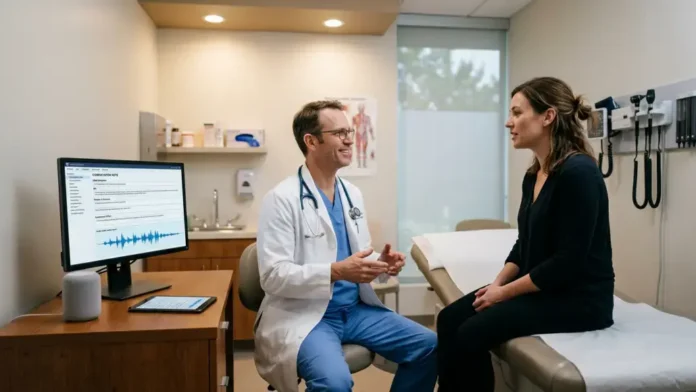
Healthcare systems across the globe are under mounting pressure to improve patient outcomes while reducing administrative burden. One of the most promising solutions emerging in recent years is automated clinical documentation. By leveraging artificial intelligence and natural language processing, automated clinical notes are transforming how healthcare providers capture, manage, and utilize patient information.

This shift is not just about efficiency it plays a critical role in improving accuracy and reducing clinical and legal risks.

The Challenge of Manual Clinical Documentation

Traditional clinical note-taking is time-consuming and prone to human error. Physicians often juggle multiple responsibilities, from patient care to administrative reporting, which increases the likelihood of incomplete or inconsistent documentation.

Common challenges include:

  • Missed details during patient interactions
  • Delayed note entry leading to memory gaps
  • Variability in documentation styles
  • Increased cognitive load and burnout

These issues can compromise patient safety, disrupt care continuity, and expose healthcare providers to compliance risks.

How Automated Clinical Notes Enhance Accuracy

Automated clinical documentation systems use advanced AI models to capture and structure patient information in real time. By doing so, they significantly improve the accuracy and completeness of medical records.

Real-Time Data Capture

Automated systems can transcribe and organize conversations during patient visits, ensuring that no critical detail is overlooked. This real-time capture reduces reliance on memory and minimizes omissions.

Standardized Documentation

AI-driven tools follow structured templates and clinical guidelines, ensuring consistency across all patient records. Standardization helps reduce ambiguity and improves communication among care teams.

Reduction of Human Error

Manual data entry often leads to typographical errors, incorrect coding, or missing fields. Automation minimizes these risks by validating inputs and prompting clinicians for missing information.

Improved Clinical Decision Support

Accurate and structured data feeds into clinical decision support systems, enabling better diagnosis and treatment planning. This ultimately enhances patient outcomes.

Reducing Risk in Healthcare Settings

Beyond accuracy, automated clinical notes play a crucial role in mitigating various risks associated with healthcare delivery.

Enhanced Compliance and Audit Readiness

Healthcare providers must adhere to strict regulatory requirements. Automated documentation ensures that records are complete, time-stamped, and compliant with industry standards, reducing the risk of penalties during audits.

Better Legal Protection

Incomplete or inconsistent documentation is a common factor in medical malpractice cases. Automated systems create detailed and reliable records, providing stronger legal protection for healthcare professionals.

Data Security and Integrity

Modern automated solutions incorporate robust security measures, including encryption and access controls. This safeguards sensitive patient information and ensures data integrity.

Reduced Burnout and Cognitive Load

By handling repetitive documentation tasks, automation allows clinicians to focus more on patient care. Reduced burnout leads to better attention to detail and fewer errors, indirectly lowering clinical risk.

Applications Across Specialties

Automated clinical notes are not limited to general practice they are increasingly being adopted across various specialties, each benefiting in unique ways.

In mental health, for example, an ai scribe for psychiatrists can capture nuanced patient conversations, preserving critical context that might otherwise be missed. This improves diagnostic accuracy and continuity of care.

Similarly, in fast-paced environments such as emergency departments, automated documentation ensures that critical information is recorded promptly and accurately.

Integration with Healthcare Ecosystems

Modern automated documentation tools are designed to integrate seamlessly with electronic health record (EHR) systems. This interoperability ensures that data flows smoothly across departments, enhancing collaboration and care coordination.

Healthcare organizations that adopt these systems often report:

  • Faster documentation turnaround times
  • Improved billing accuracy
  • Enhanced patient satisfaction
  • Better operational efficiency

The Role of Intelligent Medical Writing Solutions

Advanced platforms like Medwriter are helping bridge the gap between clinical expertise and efficient documentation. By combining AI capabilities with domain-specific knowledge, such tools support healthcare professionals in generating precise and compliant clinical notes.

These solutions are particularly valuable in high-volume settings, where accuracy and speed are equally critical.

Challenges and Considerations

While the benefits are substantial, implementing automated clinical documentation requires careful planning.

Key considerations include:

  • Ensuring data privacy and regulatory compliance
  • Training staff to use new systems effectively
  • Maintaining human oversight to validate AI-generated content

Healthcare providers must strike a balance between automation and clinical judgment to achieve optimal outcomes.

The Future of Clinical Documentation

As AI technology continues to evolve, automated clinical notes will become even more sophisticated. Future advancements may include predictive analytics, personalized documentation workflows, and deeper integration with diagnostic tools.

Ultimately, the goal is to create a healthcare environment where accurate, real-time documentation supports better decision-making and safer patient care.

Conclusion

Automated clinical notes represent a significant advancement in healthcare documentation. By improving accuracy, standardizing records, and reducing human error, these systems play a vital role in minimizing risk and enhancing patient safety.

As healthcare organizations continue to adopt AI-driven solutions, the focus will increasingly shift from administrative burden to delivering high-quality, patient-centered care.


ARPA-H Launches IGoR Program for AI in Biomedical Research

AI in biomedical research

The Advanced Research Projects Agency for Health has officially launched a new initiative titled the Intelligent Generator of Research, or IGoR, aimed at streamlining the discovery process within the health sector. By integrating advanced computational systems, the program seeks to address persistent obstacles in scientific study, such as fragmented workflows, a lack of interdisciplinary cooperation, and the replication crisis currently impacting the field. The core mission of this initiative is to leverage AI in biomedical research to generate, validate, and refine studies more efficiently, with a particular focus on complex and chronic conditions like Alzheimerโ€™s disease, Parkinsonโ€™s disease, and various autoimmune disorders.

System Infrastructure and Objectives

To facilitate this, the IGoR program will provide funding to multidisciplinary teams specializing in artificial intelligence, computational biology, experimental science, and laboratory infrastructure. These teams are tasked with constructing connected systems capable of modeling diseases, identifying critical knowledge gaps, and recommending specific experiments that improve overall scientific understanding. Furthermore, the agency intends to establish standardized experimental protocols alongside a network of labs designed to replicate studies and produce validated data. This resulting dataset is expected to continuously enhance underlying disease models, fostering a more adaptive and systematic research ecosystem.

Enhancing Data Validation and Collaboration

ARPA-H Director Alicia Jackson emphasized that the initiative aims to modernize how evidence is generated, shared, and validated, noting that families should not have to wait for breakthroughs while knowledge moves slowly through existing literature. The agency expects this approach to allow research, including work beyond its current accelerated science portfolio, to deliver results in years rather than decades. By fostering these new partnerships with startups, technology companies, and academic researchers, the program represents a significant move toward advancing AI in biomedical research in a way that directly addresses the biological complexity that has historically outpaced traditional research methodologies.

Laboratory Automation Advancing Diagnostic Workflows

laboratory automation advancing diagnostic workflows

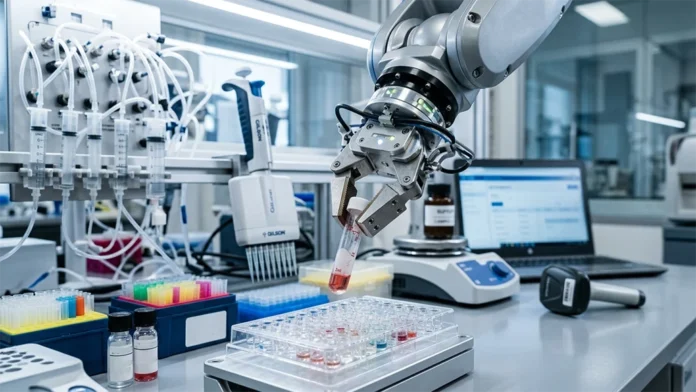
The rapid expansion of the global healthcare sector has placed immense pressure on diagnostic facilities to deliver faster, more accurate, and more comprehensive results than ever before. In response to this growing demand, the integration of laboratory automation advancing diagnostic workflows has become a cornerstone of modern medical science. For decades, clinical laboratories relied heavily on manual labor for sample preparation, testing, and data entry a model that was prone to human error and limited by the physical capacity of staff. Today, the landscape is being redefined by a seamless fusion of robotics, sophisticated software, and high-throughput testing capabilities. This transition is not merely an upgrade in equipment it represents a fundamental change in the philosophy of diagnostics, moving toward a model where precision and speed are built into the very architecture of the lab.

The Technological Core of Laboratory Automation

At the heart of this revolution is a suite of technologies designed to handle the most repetitive and delicate tasks with a level of consistency that human operators cannot match. Laboratory automation advancing diagnostic workflows involves the deployment of modular systems that can manage everything from initial sample sorting to final result archiving. These systems utilize advanced robotics in labs to perform precise liquid handling, plate movements, and reagent dispensing. By automating these foundational steps, laboratories can operate around the clock, significantly reducing the “turnaround time” for critical tests. This is particularly vital in acute care settings where a delay of even a few hours in receiving a diagnostic result can have a significant impact on a patient’s treatment plan and eventual outcome.

Robotics in Labs: Enhancing Precision and Safety

The introduction of robotics in labs has addressed two of the most significant challenges in the clinical environment: accuracy and safety. Manual pipetting and sample handling are not only tedious but are also the primary sources of pre-analytical errors. A single misplaced sample or a slight variation in reagent volume can lead to skewed results, necessitating costly and time-consuming retests. Automated robotic arms, guided by sophisticated optical sensors and AI-driven software, eliminate these variables by performing every action with mathematical exactness. Furthermore, robotics play a crucial role in biosafety. By minimizing the direct contact between laboratory personnel and potentially infectious biological samples, automation creates a safer working environment. This was never more evident than during recent global health crises, where automated systems allowed for the safe processing of thousands of highly contagious samples daily without putting staff at undue risk.

Streamlining Diagnostic Workflows through Intelligent Integration

Efficiency in a laboratory is not just about how fast a single machine can run it is about how smoothly samples move through the entire facility. Laboratory automation advancing diagnostic workflows focuses on the “total laboratory automation” concept, where disparate instruments are linked together by conveyor tracks and managed by a centralized Laboratory Information System. This integration allows for a continuous flow of samples, from the moment they are logged in at reception to the final verification of results. Intelligent software can prioritize urgent samples, automatically rerouting them to the front of the testing queue without human intervention. This level of orchestration ensures that the laboratoryโ€™s total capacity is utilized effectively, preventing the bottlenecks that often occur in manual or semi-automated environments.

The Impact of High Throughput Testing on Public Health

One of the most transformative aspects of this technological shift is the advent of high throughput testing. This capability allows laboratories to process thousands of samples in a single shift, a requirement that has become standard in modern epidemiology and large-scale screening programs. For instance, in the realm of genetic sequencing and molecular diagnostics, high-throughput systems can analyze vast amounts of data in a fraction of the time it took just a decade ago. This is essential for the burgeoning field of precision medicine, where diagnostic workflows must identify specific genetic markers to tailor treatments to individual patients. By making these complex tests more accessible and affordable, laboratory automation is playing a direct role in the democratization of advanced medical care, ensuring that cutting-edge diagnostics are no longer restricted to elite research institutions.

Data Management and the Reduction of Cognitive Load

A significant but often overlooked benefit of laboratory automation advancing diagnostic workflows is the management of the massive data streams generated by modern testing. As sample volumes increase, the cognitive load on laboratory professionals the pathologists and technicians who must interpret results grows exponentially. Automated systems assist in this by performing initial data validation and flagging any results that fall outside of pre-defined normal ranges. This allows specialists to focus their expertise on the most complex and ambiguous cases rather than spending time on routine, normal results. Furthermore, the integration of automation with digital archives ensures that historical patient data is instantly accessible, allowing for the longitudinal tracking of health trends which is vital for managing chronic conditions and identifying emerging health threats.

Overcoming Implementation Barriers and the Human Factor

Despite the clear advantages, the path to laboratory automation advancing diagnostic workflows is not without its complications. The initial capital investment required for state-of-the-art robotics and software is substantial, which can be a deterrent for smaller clinics or regional laboratories. Additionally, there is the challenge of “workforce transition.” As machines take over routine tasks, the role of the laboratory professional is shifting from manual operator to system manager and data interpreter. This requires a significant investment in retraining and a cultural shift within the organization. However, those who have successfully navigated this transition report higher levels of job satisfaction, as staff are freed from mundane tasks to engage in more intellectually stimulating and clinically significant work.

Future Trends: AI and the Autonomous Laboratory

The next frontier for laboratory automation advancing diagnostic workflows is the full integration of artificial intelligence and machine learning. We are moving toward the concept of the “autonomous laboratory,” where AI systems not only manage the flow of samples but also perform real-time quality control and predictive maintenance on the hardware. An AI-driven system could, for example, notice a subtle drift in a machineโ€™s performance and automatically calibrate it before it affects the accuracy of any results. Moreover, as AI becomes better at pattern recognition, it will assist in complex diagnostic tasks like identifying rare cellular abnormalities in pathology slides or predicting drug resistance in bacterial cultures. This will further enhance the accuracy and clinical utility of the laboratory, making it a proactive partner in patient care rather than a reactive service.

Sustainability and Environmental Considerations in the Lab

Modern laboratory automation also offers a path toward more sustainable operations. Manual processes often involve a significant amount of single-use plastic and reagent waste due to human error or the need for redundant testing. Automated systems are designed for maximum efficiency, using the precise amount of reagent required and optimizing the use of consumables. Furthermore, consolidated automated platforms often have a smaller total footprint and lower energy requirements than a collection of older, standalone instruments. As healthcare systems globally look to reduce their carbon footprint, the efficiency gains provided by advanced clinical lab technology will be an important factor in achieving environmental goals without compromising on the quality of patient care.

Enhancing Reliability in Global Diagnostic Networks

Finally, laboratory automation advancing diagnostic workflows is a key driver in standardizing the quality of care on a global scale. In a manual system, the quality of a test result can vary significantly based on the skill level of the individual technician. In an automated system, the process is standardized, meaning that a test performed in a metropolitan hospital in Europe should yield the same reliable results as one performed in a newly automated lab in an emerging economy. This consistency is vital for international clinical trials and for global efforts to track and manage infectious diseases. By providing a reliable, standardized foundation for diagnostics, automation is helping to build a more resilient and interconnected global health infrastructure.

Conclusion: The Backbone of Modern Medicine

In conclusion, the movement toward laboratory automation advancing diagnostic workflows is one of the most significant developments in the history of clinical medicine. By embracing robotics, high-throughput testing, and intelligent data integration, we are creating a diagnostic infrastructure that is not only faster and more efficient but also inherently more reliable and safe. While the transition requires careful planning and significant investment, the long-term benefits for patient care and public health are undeniable. The laboratory is no longer a hidden room where manual tasks are performed in isolation it has become a high-tech engine of innovation that drives clinical decision-making and empowers doctors to save lives with greater confidence. As we look to the future, the continued evolution of these systems will remain the backbone of a smarter, more responsive, and more equitable healthcare system for all.

Telemedicine Platforms Expanding Access to Remote Care

telemedicine platforms expanding access to remote care

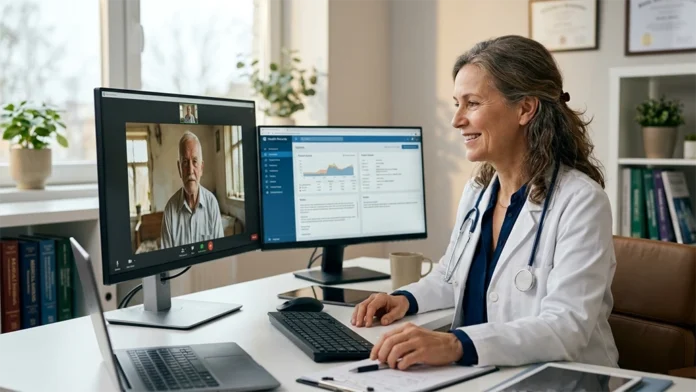
The global healthcare landscape is currently witnessing a tectonic shift, driven by the rapid evolution and integration of digital technology into traditional clinical practices. At the heart of this transformation lies a powerful catalyst: the deployment of sophisticated telemedicine platforms expanding access to remote care for populations that were previously marginalized by geography or socioeconomic constraints. For decades, the primary hurdle in public health has been the physical distance between high-level medical expertise and the patients who need it most. Today, that distance is being collapsed by a web of interconnected devices and secure communication protocols that bring the doctorโ€™s office directly into the patientโ€™s home. This is not merely a matter of convenience; it is a fundamental restructuring of how we define medical presence and patient interaction.

The Architectural Foundation of Modern Telehealth Solutions

To understand how telemedicine platforms expanding access to remote care function so effectively, one must look at the underlying technological architecture that supports them. These platforms are far more than simple video conferencing tools. They are comprehensive ecosystems designed to handle sensitive health data, facilitate real-time diagnostics, and manage complex scheduling workflows across multiple time zones. By integrating electronic health records with secure video interfaces, these systems provide clinicians with a holistic view of a patientโ€™s history while they are engaged in a virtual session. This synergy ensures that the care provided is as informed and precise as any face-to-face encounter. Furthermore, the scalability of these platforms allows healthcare organizations to reach thousands of individuals simultaneously, leveraging cloud computing to ensure that service remains stable even during peak demand periods.

Breaking Down Geographical Barriers in Rural Communities

One of the most profound impacts of telemedicine platforms expanding access to remote care is visible in the revitalization of rural healthcare. In many isolated regions, the shortage of specialists is a chronic issue, often forcing patients to travel for hours to receive basic consultations or follow-up care. The introduction of virtual consultations has effectively eliminated this “distance tax” on health. Patients in remote townships can now connect with top-tier cardiologists, neurologists, or mental health professionals without leaving their local clinics or, in many cases, their own living rooms. This democratization of expertise is critical for early intervention, where the time saved in travel can be the difference between a manageable condition and a life-threatening crisis. By providing a direct link to urban medical centers, these platforms empower rural general practitioners with a support network of specialists, creating a collaborative environment that elevates the standard of care for the entire community.

The Role of Digital Triage in Optimizing Patient Flow

A key component of these systems is the implementation of digital triage, which serves as the first point of contact for many patients entering the virtual care stream. Digital triage utilizes sophisticated algorithms and clinician-supervised questionnaires to assess the severity of a patient’s symptoms before they ever speak to a human provider. This process is essential for telemedicine platforms expanding access to remote care because it ensures that limited medical resources are directed toward those with the highest acuity. Instead of clogging emergency rooms with non-urgent cases, patients can be routed to the appropriate level of care, whether that is a same-day virtual consultation, a prescription refill, or advice for home management. This efficiency not only reduces the burden on physical hospital infrastructure but also minimizes the risk of infectious disease transmission, a lesson that has become permanently etched into the consciousness of the modern medical establishment.

Enhancing Patient Engagement and Longitudinal Care Management

Beyond the immediate crisis or acute consultation, telemedicine platforms expanding access to remote care are proving to be indispensable tools for chronic disease management. Conditions like diabetes, hypertension, and chronic obstructive pulmonary disease require constant monitoring and frequent adjustments to treatment plans. Traditional models of care often see patients falling through the cracks between quarterly appointments. Digital health platforms fill these gaps by facilitating regular, low-friction touchpoints between the patient and their care team. Through integrated wearable devices and mobile health apps, data on vital signs can be transmitted in real-time, allowing clinicians to notice trends and intervene before a complication arises. This proactive approach fosters a stronger sense of partnership between patients and providers, as individuals become more engaged in tracking their own health metrics and understanding the impact of their lifestyle choices.

Overcoming the Challenges of Digital Literacy and Infrastructure

While the promise of telemedicine platforms expanding access to remote care is immense, the transition is not without its hurdles. The “digital divide” remains a significant concern, as those who could benefit most from remote services often lack the high-speed internet or the technical proficiency required to navigate complex software. To address this, forward-thinking developers are focusing on “low-bandwidth” versions of their platforms and designing user interfaces that are intuitive for elderly populations or those with limited tech experience. Moreover, public-private partnerships are increasingly targeting infrastructure improvements in “last-mile” areas, recognizing that broadband access is now a social determinant of health. As these barriers are systematically dismantled, the reach of virtual consultations will continue to expand, ensuring that the benefits of the digital health revolution are shared equitably across all demographic sectors.

The Future of Remote Diagnostics and Integrated Care

Looking forward, the capabilities of telemedicine platforms expanding access to remote care will only grow as they incorporate emerging technologies like artificial intelligence and augmented reality. We are moving toward a future where a virtual consultation might include a remote physical exam assisted by AI-powered diagnostic tools that a patient can use at home. Imagine a scenario where a platform guides a patient through the use of a digital stethoscope or a handheld ultrasound device, with the data interpreted instantly by an AI and verified by a remote physician. This level of integration would further close the gap between virtual and in-person care, making the platform a truly comprehensive medical hub. As these technologies mature, the distinction between “telemedicine” and “medicine” will likely vanish, as digital interaction becomes a standard, seamless part of every patient’s healthcare journey.

Economic Implications and Healthcare Sustainability

From an economic perspective, the shift toward telemedicine platforms expanding access to remote care offers a pathway to more sustainable healthcare spending. By reducing the overhead costs associated with maintaining large physical facilities and decreasing the frequency of unnecessary hospital admissions through better triage and monitoring, these platforms can significantly lower the per-patient cost of care. For insurance providers and national health systems, this represents an opportunity to reallocate funds toward preventative measures and the development of new treatments. For the patient, it means fewer lost wages from travel and time off work, as well as more affordable access to specialized services. In an era where healthcare costs are spiraling upward globally, the efficiency gains provided by digital health tools are not just a luxury but a necessity for the long-term viability of public health systems.

Ethical Considerations and Data Privacy in a Virtual World

As we lean more heavily on telemedicine platforms expanding access to remote care, the ethical implications of data privacy and security take center stage. The transition of medical interactions to the digital realm creates a vast trail of highly personal information that must be protected against breaches and misuse. This requires a robust regulatory framework and a commitment from platform developers to utilize end-to-end encryption and rigorous identity verification. Beyond security, there is the ethical question of maintaining the “human touch” in medicine. While virtual consultations are efficient, the empathetic connection between a doctor and patient is a cornerstone of healing. The most successful telemedicine platforms will be those that use technology to enhance, rather than replace, the human element, providing a space where patients feel heard, understood, and respected despite the digital medium.

Conclusion: A New Era of Inclusive Healthcare

The expansion of telemedicine platforms is fundamentally a story of human ingenuity meeting a critical social need. By leveraging the power of connectivity, we are finally beginning to solve the age-old problem of medical scarcity. Telemedicine platforms expanding access to remote care have proven that quality healthcare is not a fixed point in space but a service that can be delivered wherever a signal can reach. As we continue to refine these tools, improve our digital infrastructure, and integrate virtual care into the broader tapestry of the medical system, we move closer to a world where a person’s zip code no longer determines their life expectancy. The journey toward fully accessible, remote-first healthcare is well underway, and its success will be measured by the millions of lives improved through timely, expert care delivered right where it is needed most.

Medline Launches AI-Powered Supply Chain Platform in Partnership with Microsoft

AIPowered Supply Chain Platform

Medline Industries has unveiled a new artificial intelligence-driven supply chain platform developed in collaboration with Microsoft, marking a concrete move toward modernizing healthcare logistics and distribution operations. The platform is designed to bring greater efficiency, predictive intelligence, and operational clarity to one of the most complex supply chains in the healthcare sector.

A Strategic Alliance Driving Healthcare Supply Chain AI

The partnership between Medline and Microsoft centers on the use of Microsoft’s cloud and AI capabilities to power this new supply chain platform. By integrating Microsoft’s technology into its core operations, Medline aims to enhance how it manages inventory, forecasting, and distribution across its extensive healthcare network. The AI-powered supply chain platform is built to process large volumes of operational data in real time, enabling smarter decisions at every stage of the supply chain.

Medline, one of the largest privately held manufacturers and distributors of healthcare supplies in the United States, serves hospitals, long-term care facilities, and other healthcare providers. The scale of its operations makes supply chain automation not just a convenience but a critical operational requirement.

What the Platform Is Built to Do

The AI-powered supply chain platform leverages advanced data modeling and machine learning to improve demand forecasting and inventory management. The system is intended to reduce waste, minimize stockouts, and allow Medline’s teams to respond more dynamically to fluctuations in demand a challenge that became especially visible during global supply disruptions in recent years.

Through the Medline Microsoft partnership, the platform also aims to provide deeper visibility across the supply chain, giving stakeholders access to more accurate, real-time information about product availability and logistics performance. Supply chain automation of this nature allows the company to move away from reactive decision-making toward a more proactive and data-informed operational model.

Microsoft Azure AI at the Core

Microsoft Azure AI serves as the foundational technology layer for the platform. This infrastructure enables Medline to scale its AI capabilities without the limitations typically associated with on-premise systems. The use of Microsoft Azure AI also positions Medline to continuously evolve the platform as new AI tools and capabilities become available through Microsoft’s ecosystem.

The collaboration reflects a broader industry trend in which large healthcare organizations are increasingly turning to AI-powered supply chain platform to manage the growing complexity of medical product distribution. For Medline, the Medline Microsoft partnership represents a long-term technology investment rather than a standalone deployment.

Implications for Healthcare Supply Chain Operations

Healthcare supply chains carry unique pressures product recalls, regulatory compliance, cold-chain requirements, and the direct impact on patient care all make precision and speed non-negotiable. The introduction of an AI-powered supply chain platform of this scope brings a new level of responsiveness to these challenges.

Supply chain automation, as implemented through this platform, is expected to streamline procurement cycles, reduce operational costs, and support better service delivery to healthcare providers. The real-time intelligence that the platform offers is particularly relevant for large-scale distributors like Medline, where even minor inefficiencies can translate to significant operational and financial impact.

The AI-powered supply chain platform developed through the Medline Microsoft partnership is a direct response to the increasing demand for technology-driven solutions in healthcare logistics, and it places Medline at the forefront of supply chain automation in the sector.

Point of Care Devices Accelerating Clinical Decisions

point of care devices accelerating clinical decisions

The landscape of modern medicine is currently defined by a relentless pursuit of efficiency and accuracy, particularly in the realm of diagnostic capabilities. For decades, the standard protocol for clinical testing involved the collection of samples followed by their transportation to a centralized laboratory facility. While these laboratories offer high throughput and comprehensive testing panels, the inherent delay between sample collection and the delivery of results often creates a bottleneck in patient management. In response to this challenge, the emergence of point of care devices accelerating clinical decisions has fundamentally altered the trajectory of patient care, allowing for immediate insights at the very moment they are needed most.

Decentralization of Diagnostics Through POCT

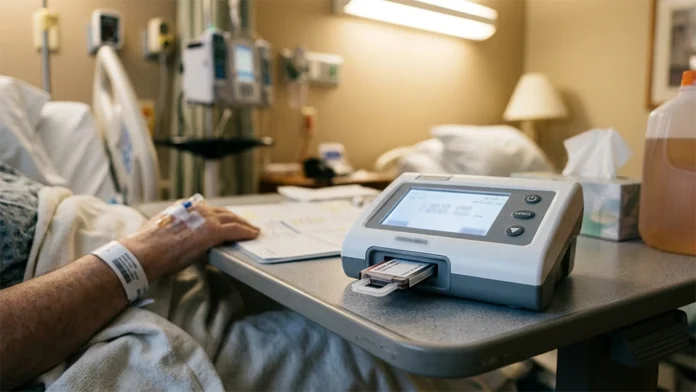
The philosophy behind point of care testing (POCT) is rooted in the decentralization of healthcare services. By miniaturizing complex laboratory processes into portable, hand-held, or bedside units, the medical community has successfully bridged the gap between diagnosis and treatment. These devices are no longer restricted to simple glucose monitoring or pregnancy tests they now encompass a vast array of sophisticated applications, including cardiac biomarker analysis, infectious disease screening, blood gas monitoring, and even genetic testing. This technological leap ensures that clinicians are equipped with real-time data, which is especially critical in high-stakes environments like the emergency department or the intensive care unit.

Rapid Response in Cardiovascular Emergencies

One of the most profound impacts of point of care devices accelerating clinical decisions is seen in the management of cardiovascular emergencies. In cases of suspected myocardial infarction, every minute that passes without intervention increases the risk of permanent heart tissue damage. Traditional lab-based troponin tests can take an hour or more to yield results. However, modern POCT systems can provide highly sensitive troponin readings within minutes of a patient’s arrival. This rapid turnaround allows emergency physicians to confirm a diagnosis and initiate life-saving protocols, such as catheterization or thrombolytic therapy, with unprecedented speed. The reduction in door-to-needle time is a direct consequence of integrating these portable tools into standard triage workflows.

Beyond the walls of the hospital, the decentralization offered by these technologies extends to primary care clinics, pharmacies, and even the patient’s home. In rural or underserved areas where access to a full-scale laboratory may be limited by geography or infrastructure, point of care devices accelerating clinical decisions serve as a lifeline. A clinician in a remote outpost can screen for malaria, HIV, or tuberculosis and receive an answer immediately, allowing for the initiation of treatment before the patient leaves the clinic. This capability not only improves individual patient outcomes but also plays a vital role in public health surveillance and the containment of infectious outbreaks.

Advanced Technologies Behind POCT Devices

The underlying technology that powers these devices is a testament to the synergy between biology, microfluidics, and digital engineering. Modern POCT systems often utilize advanced biosensors and microfluidic lab-on-a-chip designs that require only a tiny volume of blood, saliva, or urine. These systems are designed to be user-friendly, minimizing the need for specialized laboratory training and reducing the potential for human error. Furthermore, the integration of artificial intelligence and machine learning algorithms into these devices is beginning to offer predictive insights, helping clinicians identify subtle patterns in patient data that might indicate a worsening condition before clinical symptoms become obvious.

Connectivity is another cornerstone of the modern POCT revolution. No longer do these devices operate in isolation they are increasingly integrated into hospital information systems and electronic health records. This digital synergy ensures that point of care devices accelerating clinical decisions contribute to a holistic view of the patient’s history. When a test is performed at the bedside, the result is automatically uploaded to the patient’s file, where it can be reviewed by specialists in real-time. This seamless data flow enhances collaboration across multidisciplinary teams and ensures that the clinical decision-making process is informed by the most recent and relevant information available.

Despite the clear advantages, the adoption of these technologies requires a nuanced approach to quality control and regulatory compliance. Maintaining the same level of accuracy and precision found in a centralized laboratory is paramount. Hospitals must implement rigorous training programs for nursing staff and other non-laboratory personnel who operate these devices. Furthermore, the cost of consumables and the maintenance of a fleet of portable units can be significant. However, when measured against the broader benefits such as reduced length of stay, fewer unnecessary hospitalizations, and improved patient satisfaction the value proposition of point of care devices accelerating clinical decisions remains incredibly strong.

As we look toward the future, the scope of what can be achieved at the point of care continues to expand. We are seeing the development of devices capable of performing complex molecular diagnostics that were once the exclusive domain of high-complexity labs. The ability to perform rapid PCR testing at the bedside for respiratory viruses, for instance, has already proven indispensable during global health crises. This trend is likely to continue, with a focus on making diagnostics even more accessible, affordable, and integrated into the daily lives of patients.

The human element of healthcare is also significantly enhanced by these advancements. When a doctor can share a diagnostic result with a patient immediately, it fosters a more transparent and collaborative relationship. Instead of the anxiety-filled wait for a phone call or a follow-up appointment, patients receive answers in real-time. This immediacy allows for a more meaningful discussion about treatment options and lifestyle changes, empowering patients to take an active role in their own recovery. The psychological benefit of knowing cannot be overstated, particularly when dealing with chronic conditions that require frequent monitoring.

The integration of point of care devices accelerating clinical decisions is not merely a technical upgrade it is a paradigm shift in how we conceive of the clinical environment. It represents a move toward a more agile, responsive, and patient-centered model of medicine. By removing the barriers of time and distance that have traditionally separated the patient from the laboratory, we are creating a healthcare system that is better equipped to meet the challenges of the 21st century. The continued innovation in this field promises to further refine our diagnostic precision, ensuring that the right treatment reaches the right patient at the exactly right time.

A Shift Toward Patient-Centered Diagnostics

In conclusion, the evolution of diagnostic technology has reached a tipping point where the laboratory is no longer a destination but a capability that follows the patient. The strategic implementation of point of care devices accelerating clinical decisions is a cornerstone of this movement. Through the combination of miniaturization, connectivity, and rapid data analysis, these tools are providing the clarity needed to navigate complex clinical scenarios. As these devices become more ingrained in every level of the healthcare system, their role in enhancing patient safety, improving operational efficiency, and ultimately saving lives will only continue to grow.

Medical Imaging Innovations Enhancing Diagnostic Precision

medical imaging innovations enhancing diagnostic precision

The field of medical diagnostics has been revolutionized by the rapid advancement of visualization technologies that allow physicians to see deep within the human body without an incision. In the current era of healthcare, the focus has shifted from merely capturing images to extracting deep, actionable data from every scan. This transition is characterized by medical imaging innovations enhancing diagnostic precision, a movement that combines physics, engineering, and digital intelligence to redefine how we identify and treat disease. From the early days of blurry X-rays to todayโ€™s high-fidelity 3D reconstructions, the journey of imaging has always been about reducing uncertainty and improving the resolution of human health.

AI Integration in Radiology Workflows

At the heart of this transformation is the integration of artificial intelligence into the radiological workflow. For many years, the primary challenge in imaging was not just capturing the data, but interpreting it. A single CT or MRI scan can produce thousands of individual images, creating a massive cognitive load for radiologists. Today, AI algorithms are acting as a second pair of eyes, flagging subtle abnormalities that might be missed by the human eye, such as early-stage lung nodules or minor intracranial hemorrhages. This synergy between human expertise and algorithmic speed is a prime example of medical imaging innovations enhancing diagnostic precision, ensuring that a diagnosis is not just fast, but incredibly accurate.

Advancements in MRI Technology

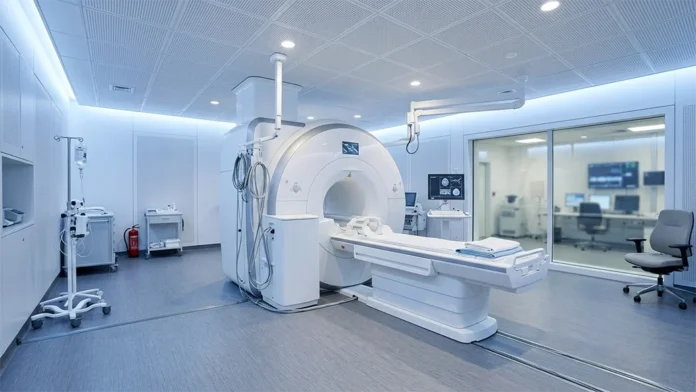
Magnetic Resonance Imaging (MRI) has seen some of the most impressive hardware upgrades in recent years. The move toward higher field strengths, such as 7-Tesla magnets, has unlocked levels of anatomical detail previously thought impossible. These high-field systems allow researchers and clinicians to see the microscopic structures of the brain, aiding in the early diagnosis of neurological disorders like Alzheimer’s and multiple sclerosis. Furthermore, the development of silent MRI and faster scanning protocols has improved the patient experience, making it easier for children or claustrophobic patients to undergo necessary diagnostics. These improvements in hardware are essential components of medical imaging innovations enhancing diagnostic precision, as they provide the raw data quality necessary for complex clinical analysis.

Next-Generation CT Imaging with Photon Counting

Computed Tomography (CT) technology has also made significant strides, particularly with the advent of photon-counting detectors. Traditional CT scanners convert X-rays into light before turning them into electrical signals, a process that can lose detail and increase noise. Photon-counting CT, however, measures each individual X-ray photon, providing much higher spatial resolution and the ability to differentiate between different types of tissues and materials with greater clarity. This advancement is particularly beneficial in cardiovascular imaging, where it allows for better visualization of coronary arteries and the detection of plaque that might otherwise be obscured. By improving the fundamental way X-rays are detected, medical imaging innovations enhancing diagnostic precision are providing a clearer map of the patient’s internal anatomy.

Molecular Imaging and Nuclear Medicine

Another critical area of development is molecular imaging and Nuclear Medicine. The combination of Positron Emission Tomography (PET) and CT or MRI (PET/CT and PET/MRI) has allowed doctors to see both the structure and the function of organs simultaneously. Using specialized radiotracers, clinicians can observe the metabolic activity of tumors, which often changes long before structural changes are visible on a standard scan. This functional insight is crucial in oncology, as it allows for the precise staging of cancer and the monitoring of a patient’s response to therapy. The ability to visualize disease at a cellular level is perhaps the ultimate expression of medical imaging innovations enhancing diagnostic precision, moving us closer to the goal of truly personalized medicine.

3D and 4D Visualization in Surgical Planning

The rise of 3D and 4D visualization techniques has also changed the surgical landscape. Surgeons can now use patient-specific 3D models, generated from high-resolution scans, to plan complex procedures before entering the operating room. In some cases, augmented reality (AR) is being used to overlay these imaging data directly onto the patient during surgery, providing a GPS for the surgeon’s instruments. This real-time guidance reduces the risk of complications and ensures that interventions are as targeted as possible. This integration of pre-operative data into intra-operative reality is a direct result of medical imaging innovations enhancing diagnostic precision, showing that the value of an image extends far beyond the diagnostic phase.

Data management and interoperability are also playing a vital role in the effectiveness of these innovations. In a modern hospital, imaging data must be accessible to specialists across different departments and even different locations. Cloud-based Picture Archiving and Communication Systems (PACS) have made it possible for a specialist in one city to review a scan taken in another in real-time. This connectivity ensures that the expertise of a sub-specialist radiologist is available to any patient, regardless of where they are located. When the best minds are combined with the best technology, the result is a significant boost in medical imaging innovations enhancing diagnostic precision.

Patient safety is another pillar of the innovation process. Historically, the radiation dose associated with CT scans was a concern for many. Modern reconstruction algorithms, however, can now produce high-quality images from much lower doses of radiation. These low-dose protocols are particularly important for patients who require frequent monitoring, such as those with chronic lung conditions or pediatric patients. By balancing the need for clarity with the need for safety, medical imaging innovations enhancing diagnostic precision are ensuring that the benefits of imaging always outweigh the risks.

The field of ultrasound is also experiencing a renaissance, driven by portability and miniaturization. Hand-held ultrasound devices that connect to a smartphone or tablet have become a reality, allowing for point of care imaging in environments ranging from sports medicine clinics to emergency helicopters. While these devices may not yet match the resolution of high-end console systems, their ability to provide immediate diagnostic information is invaluable. This democratization of imaging technology is a key trend, reflecting how medical imaging innovations enhancing diagnostic precision are becoming more accessible to a wider range of clinicians.

Looking ahead, the next frontier in imaging lies in radiomics the extraction of large amounts of quantitative data from medical images that are not visible to the naked eye. By analyzing the texture, shape, and intensity patterns within an image, researchers are finding signatures that can predict how a tumor might behave or whether a patient is likely to respond to a specific drug. This move toward quantitative imaging transforms the radiologist’s report from a descriptive narrative into a data-driven prediction tool. It represents the pinnacle of how medical imaging innovations enhancing diagnostic precision can contribute to the broader ecosystem of precision health.

Advancing Diagnostic Precision Through Innovation

In conclusion, the evolution of medical imaging is a testament to the power of human ingenuity and its application to the most complex machine of all the human body. Through the integration of AI, the refinement of hardware, and the emergence of molecular techniques, we are entering a new age of diagnostic clarity. These medical imaging innovations enhancing diagnostic precision are not just making images clearer; they are making the path to recovery more certain. As we continue to push the boundaries of what is visible, we provide clinicians with the tools they need to diagnose earlier, treat more effectively, and ultimately improve the quality of life for patients around the world.

Translate ยป