








Close
Digital Health & Ai Innovation summit 2026
LiGHT26

Brainomix joins TIPAL trial to evaluate its AI-powered e-Lung platform

UK-based AI-powered imaging solutions provider Brainomix has teamed up with the TIPAL trial group to run a sub-study to evaluate the performance of its advanced e-Lung platform.

The TIPAL trial is financed by the National Institute of Health Research (NIHR) and is sponsored by the Norfolk and Norwich University Hospitals (NNUH) NHS Foundation Trust.

It is a placebo-controlled 52-week multi-centre study designed to evaluate the impact of lansoprazole on patients with a confirmed diagnosis of Idiopathic Pulmonary Fibrosis (IPF).

IPF is characterised by a persistent decline in lung function, with a variable disease trajectory.

Lansoprazole is a commonly prescribed medication for indigestion, heartburn and gastroesophageal-reflux-disease (GORD).

The study is expected to enrol 298 patients, who will perform home spirometry tests to measure their forced vital capacity (FVC).

It will compare the daily assessments taken at baseline and 12 months post-randomisation, to analyse the impact of lansoprazole on change in predicted FVC.

TIPAL chief investigator Andrew Wilson said: โ€œIt is great to have the chance to incorporate the cutting-edge CT scanning technology developed by Brainomix into the TIPAL study.

โ€œNot only will this venture tell whether lansoprazole improves the scarring detected on CT scans, but it will allow us to compare CT scan abnormalities to home-based lung function tests.โ€

The UK-based medical software company said that the sub-study will be conducted using its e-Lung platform, in parallel to the TIPAL trial main study.

The e-Lung is an AI-powered image processing module that standardises the assessment of lung fibrosis on high-resolution (HR) CT scans, to accurately identify patients with progressive fibrosis.

A novel imaging biomarker, the Weighted reticulovascular (WRV) score, serves as the core of the e-Lung platform.

WRV quantifies the extent of the lung affected by reticulovascular abnormalities and provides superior prognostic value compared with traditional measures.

The sub-study primarily aims to determine the difference in change in WRV score between treatment with lansoprazole and placebo, said the British medical software company.

Brainomix senior medical director and ILD at Royal Brompton Hospital in London clinical lead Peter George said: โ€œWe are excited to have the opportunity to collaborate with the TIPAL study group and to incorporate our pioneering AI technology into a prospective trial to help assess the efficacy of lansoprazole in IPF patients.

โ€œWe are highly motivated by the potential to harness our technology in a way that helps to speed up clinical trials, identify more effective drugs, and improve the lives of IPF patients.โ€

Mindray Introduces Groundbreaking 2-in-1 Handheld Ultrasound Device

Mindray Introduces Groundbreaking 2-in-1 Handheld Ultrasound Device

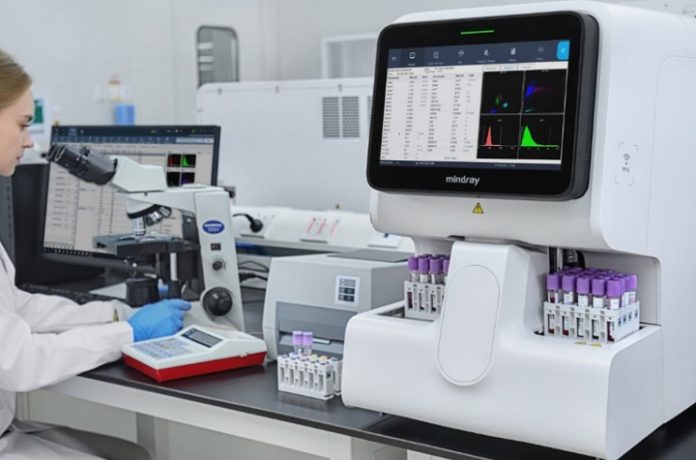
Mindray, a global leader and developer of healthcare solutions and technologies in ultrasound, patient monitoring, and anesthesia, announced the launch of its TE Air Wireless Handheld Ultrasound, a new imaging solution that improves ultrasound accessibility. This compact, wireless technology enables healthcare professionals to carry comprehensive scanning capabilities in their pockets, adapting to a wide array of clinical scenarios. The TE Air is the industryโ€™s first handheld ultrasound device that can connect to either a mobile device or the touch-based TE X Ultrasound System, expanding its utility and accessibility.

The launch of TE Air builds on Mindrayโ€™s dedication to the point of care ultrasound (POCUS) industry and its continued efforts to diversify and introduce revolutionary products to the Emergency Medicine and Critical Care markets. With its compact, wireless design, the TE Air slips conveniently into a pocket, so itโ€™s always with you and ready for use. Its versatility, coupled with flexible charging options, ensures itโ€™s not just mobile but reliably accessible, empowering users to navigate even the most unexpected clinical scenarios with confidence.

โ€œThe TE Air is a leap forward in ultrasound technology, offering comprehensive functionality inside or outside the hospital environment,โ€ said Wayne Quinn, President of Mindray North America. โ€œThe new 2-in-1 innovative solution empowers clinicians to overcome the traditional constraints of cords and confined spaces giving them access to premium scanning capability when and where they need it.โ€

The TE Air App, available on iOS, perfectly balances simplicity and efficiency by allowing one-handed operation in any location. It can also seamlessly integrate with hospital information systems to help improve workflow. Furthermore, the app works to onboard patient data management solutions to provide connected patient care.

Revvity unveils next-gen preclinical imaging technologies for breakthrough discoveries

Revvity unveils next-gen preclinical imaging technologies for breakthrough discoveries

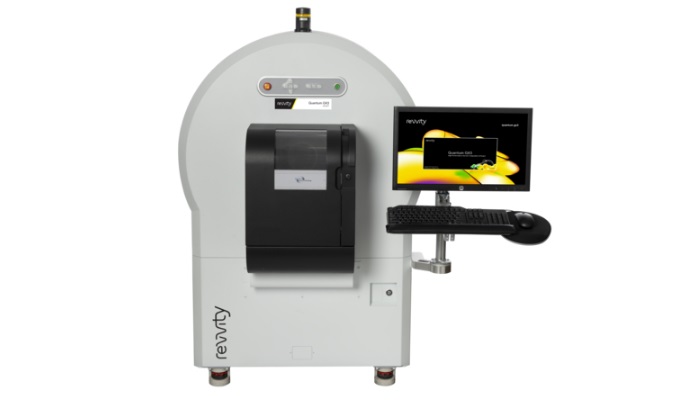
Revvity, a US-based life sciences and diagnostics company, has expanded its imaging portfolio with the addition of next-generation preclinical imaging technologies to help researchers develop breakthrough discoveries.

The new products include the next-generation IVIS Spectrum 2 and the IVIS SpectrumCT 2 imaging systems, the Quantum GX3 microCT imaging solution, and the Vega preclinical ultrasound system.

The IVIS Spectrum 2 platform enables real-time and non-invasive longitudinal disease tracking, analysis of cell movement, assessment of drug safety, evaluation of treatment efficacy, and exploration of biological processes at the molecular level.

It comes with an advanced camera with eXcelon coating for high sensitivity imaging and a posing station that allows high-throughput imaging and enhanced workflow.

IVIS Spectrum 2 also combines 2D optical and full 3D imaging for simultaneous imaging of up to 10 specimens, Revvity said.

The IVIS SpectrumCT 2 system is said to integrate all the features of the IVIS Spectrum 2 along with integrated, low-dose CT, combining functional and anatomical imaging into a single device for maximum ease and flexibility.

The Quantum GX3 microCT system is said to be a high-resolution structural imaging solution built for enhanced image quality and versatility. It has updated five-micron spatial resolution, step-scanning, active ring reduction, and improved gating.

According to the diagnostics company, the Quantum GX3 has an 8mm to 86mm field of views to image a wide range of specimens from ex vivo biological samples.

The Vega solution is claimed as a hands-free, automated preclinical ultrasound imaging system. It is intended to swiftly provide 2D and 3D images for in vivo ultrasound studies within minutes.

Vega has an automated transducer and widefield imaging to help accelerate non-invasive research and drug development in areas such as oncology, liver, kidney disease, and cardiology.

Revvity life sciences SVP Alan Fletcher said: โ€œIn a time when innovative technologies steer medical advancements, we are committed to delivering versatile, high-throughput solutions that enhance preclinical R&D productivity.

โ€œOur growing portfolio equips researchers with robust capabilities to illuminate scientific discoveries and can expedite the journey from discovery to cure.โ€

Chung-Ang University Researchers Develop Novel DNA Biosensor for Early Diagnosis of Cervical Cancer

news - 11082-dna-science.jpg

Molybdenum disulfide (MoS2) has recently garnered attention among materials science researchers owing to its ability to form two-dimensional nanosheets like graphene. The nanosheets are created by the stacking of Sโ€“Moโ€“S layers interacting viaย Van der Waalsย interactions. Additionally, the unique structural, optical, thermal, and electrochemical properties of MoS2 have opened up multiple research avenues across several fields, including the development of biomolecule sensing and chemical detection platforms, optoelectronics, supercapacitors, and batteries.

Traditionally, carbon nanostructures have been employed as an immobilization platform for DNA. In order to substitute carbon with MoS2ย as an effective electrochemical DNA sensor, the electrical conductivity of MoS2ย needs to be improved considerably. Against this backdrop, Associate Professorย Eunah Kangย and Mr.ย Youngjun Kimย from the School of Chemical Engineering and Material Science at Chung-Ang University, Korea have recently come up with an elegant solution. The duo has developed an electrochemical DNA biosensor using a graphitic nano-onion/molybdenum disulfide (MoS2) nanosheet composite, which effectively detects human papillomavirus (HPV)-16 and HPV-18, and can serve as an early diagnosis of cervical cancer.

The researcher duo prepared the novel electrode surface for probing DNA chemisorption by enabling chemical conjugation between two functional groups: acyl bonds on the surfaces of functionalized nano-onions and amine groups present on the modified MoS2ย nanosheets. Cyclic voltammetry experiments revealed that a 1:1 composite electrode had an improved rectangular shape compared to that of an MoS2ย nanosheet electrode.ย “This indicated the amorphous nature of the nano-onions with curved carbon layers that facilitated anย enhancement in electronic conductivity compared to MoS2ย nanosheet alone,” highlights Dr. Kang.

Additionally, the duo measured the sensitivity of their novel electrochemical DNA biosensor device towards HPV-16 and HPV-18 by employing differential pulse voltammetry (DPV) technique in the presence of methylene blue (MB) as a redox indicator. Dr. Kang elaborates:ย “The DPV current peak was lowered after probe DNA chemisorption and target DNA hybridization. Since the hybridizedย DNA was double-stranded, it induced less effective MB electrostatic intercalation, resulting in a lower oxidation peak.”

The duo found that, compared to the MoS2ย nanosheet electrode, the nano-onion/MoS2ย nanosheet composite electrode attained higher current peaks, indicating a greater change in the differential peak. This was attributed to an enhanced conductive electron transfer owing to the nano-onion.

Notably, the target DNAs produced from HPV-16 and HPV-18 Siha and Hela cancer cell lines were detected by the proposed sensor effectively and with high specificity. Consequently, MoS2ย nanosheets with improved electrical conductivity facilitated by complexation with nano-onions provides a suitable platform for developing effective and efficient electrochemical biosensors for the early diagnosis of a wide variety of ailments, including cervical cancer.

Furthermore, combining nano-onions or nanodiamonds with different organic biomaterials can facilitate chemical functionality, electron transfer conductivity, light absorption, and more. These, in turn, can lead to innovative disease sensing, targeted drug delivery systems, and biomedical imaging and diagnostics.

Malaysia Sets Course For Healthcare Digitization By 2030

Malaysia Sets Course For Healthcare Digitization By 2030

The Ministry of Health (MoH) has set a goal to fully modernize all its facilities by 2030 to prioritize the delivery of high-quality healthcare services to patients, according to Minister Dr. Zaliha Mustafa.

During a press conference at the Hospital Management Asia (HMA) 2023 event in Southeast Asia, Dr. Zaliha emphasized the mission of digitizing healthcare shortly, ideally achieving this by 2030. She stressed the importance of digitizing hospital systems and various aspects of hospital management.

The digitization of healthcare in Malaysia has been a recurring topic of discussion since 2020, aimed at improving healthcare accessibility for all citizens. In May, Dr. Zaliha announced the development of a health information exchange platform to consolidate patient data nationwide into a single digital platform. This platform will streamline access to patients’ health records and enable more comprehensive treatment.

Datuk Dr. Kuljit Singh, President of the Association of Private Hospitals Malaysia, highlighted the significance of embracing change and innovation in healthcare. He expressed enthusiasm about the HMA conference as an opportunity to learn about healthcare facilities in Asia and improve healthcare delivery in the region.

Dr. Kuljit emphasized that recognizing the intersection of technological advancements, patient care, and administrative progress empowers the healthcare industry to create a more efficient system, benefiting both providers and recipients of care.

Stacey A. Rizza, a US medical expert, discussed Mayo Clinic’s international initiatives, including healthcare consulting, partnerships, and educational efforts in Southeast Asia and other global markets. Mayo Clinic is committed to clinical practice, education, and research, aiming to provide comprehensive care to individuals needing healing.

Regarding general practitioner (GP) consultation fees, Dr. Zaliha mentioned the Skim Perubatan Madani (SPM), designed for the bottom 40% of income group (B40) patients seeking treatment, particularly at nearby clinics. She explained that there is a cap on the fees paid to GPs, but these prices are under review and may increase based on examinations and procedures, possibly reaching a cap of 170 for each patient’s visit. SPM is a pilot initiative by the Malaysian government and MoH to cater to the health needs of the B40 group in 21 districts, focusing on Acute Primary Care Services.

Navigating The Future of Healthcare Financing In Malaysia

Navigating The Future of Healthcare Financing In Malaysia

The Association of Private Hospitals of Malaysia has proposed the establishment of a regulatory body to oversee reimbursement processes carried out by private payors in the domain of private healthcare financing. APHM has raised concerns regarding the Ministry of Health’s (MOH) active exploration of a public-private partnership model for healthcare delivery, which involves outsourcing services and introducing private financing initiatives. Dr. Kuljit Singh, the president of APHM, expressed apprehension that these private payors might hinder access to appropriate healthcare coverage and treatment for patients in the pursuit of reducing healthcare costs. He emphasized the importance of maintaining ethical payment practices by payors while controlling healthcare costs. APHM is willing to collaborate with the government, payors, and private hospital members to address this issue and make healthcare costs sustainable for all parties involved.

One example of a public-private partnership is the Madani Medical Scheme (SPM), where the government allocated RM100 million for a nationwide pilot project to fully cover the treatment of acute conditions at private general practitioner (GP) clinics for low-income earners. However, medical professionals have complained about the reimbursement rates set by ProtectHealth Corporation Sdn Bhd, a company owned by the MOH, as they are below market rates for consultations, medications, tests, and basic procedures. Health Minister Dr. Zaliha Mustafa announced at the HMA conference that the reimbursable fees for panel GP clinics are currently under review.

The HMA conference also delved into discussions regarding strategies to address the shortage of nursing professionals, reimagining the roles of nurses, tackling the issue of brain drain, and emphasizing empowerment through task delegation and the utilization of automation.

In addition to exploring public-private partnerships, Dr. Kuljit highlighted the reform of healthcare services in Malaysia through the Health White Paper (HWP), which outlines healthcare reforms over 15 years. He mentioned that transitioning to the proposed healthcare system in the HWP would involve adopting revolutionary technologies like generative artificial intelligence, which has the potential to generate text, images, and other media using generative models, promising advancements in healthcare.

Dr. Kuljit also expressed satisfaction with the government’s collaboration with prominent Big Tech companies to develop the National Health Records system, which aims to transform how health information is handled and accessed. Furthermore, he mentioned collaborations with entities such as Bank Negara, EPF (Employees Provident Fund), KWAP (Retirement Fund, Incorporated), and Perkeso (Social Security Organisation) to address social healthcare financing issues, intending to enhance healthcare services and achieve seamless integration across sectors. Dr. Kuljit emphasized that the private healthcare sector is actively working to build a more efficient and comprehensive healthcare system that benefits everyone.

In his keynote address, Dr. Kuljit emphasized the importance of embracing change in healthcare as a catalyst for innovation. He acknowledged that healthcare stands at the intersection of technological change, patient care, and administrative advancements, and this recognition empowers healthcare providers to create a more efficient system. He emphasized that healthcare comes with a premium cost, driven by profit and technology expenses.

Technology And Data, The Key To Better Hospital Management

Technology And Data, The Key To Better Hospital Management

Hospital administration is significantly transforming in the ever-changing healthcare landscape, driven by various factors. This shift presents challenges and opportunities for healthcare professionals. This discussion explores the factors influencing the future of hospital management, including the integration of advanced technology, data-driven decision-making, and the growing emphasis on patient-centric care.

The 3rd Edition of the ETHealthworld Healthcare Leaders Summit featured a panel discussion titled “Trends Transforming The Future Of Hospital Management: Challenges & Opportunities,” moderated by Rashmi Mabiyan Kaur, Principal Correspondent at ETHealthworld. The panel included Gautam Khanna, CEO of PD Hinduja Hospital & Medical Research Centre; Dr. Atul Mohan Kochhar, CEO of NABH; Dr. O P Yadava, CEO & Chief Cardiac Surgeon at the National Heart Institute; and Dr. Shuchin Bajaj, Founder Director of Ujala Cygnus Hospitals.

Dr. Yadava began the discussion by highlighting the challenges faced by healthcare practitioners. He pointed out deficiencies in etiquette, ethics, and pharmaceutical resources, exacerbated by the rapid growth of medical institutions and a shortage of educators and mentors. Burnout and mental health issues among medical professionals, reaching up to 30 percent in some studies, were also a concern. A prevailing distrust between society and the medical profession further complicated matters.

Dr. Yadava emphasized infrastructure, compliance, and regulation challenges in healthcare. These complexities often deter healthcare professionals from adopting new technologies due to their rapid obsolescence. These issues reflect broader societal problems that hinder the medical profession’s ability to excel.

The importance of healthcare investment was underscored, as healthcare tends to be undervalued compared to other products and services. Political polarization during the COVID-19 pandemic and prioritizing welfare over empowerment in healthcare policies were also highlighted as detrimental factors.

Dr. Khanna noted a shift in patient attitudes, with patients increasingly adopting a consumer-like approach to healthcare. Patients seek instant gratification and often mistrust medical professionals, relying on online sources for information.

He pointed out the challenge of healthcare funding in countries like India, where more than government resources may be needed, leading to a significant role for the private sector. However, patients perceive healthcare as expensive and hesitate to invest in insurance, contributing to healthcare system challenges.

Dr. Bajaj raised concerns about the shortage of medical resources, doctors, and hospital beds and the prevailing scarcity mindset. He advocated for a shift in perspective to address these issues, particularly in rural areas where healthcare facilities are scarce.

Infrastructure improvements and reduced regulatory barriers were suggested to attract healthcare professionals to underserved areas. A conducive environment, financial security, and access to good schools are essential to retaining a diverse and capable healthcare workforce.

Dr. Kochhar emphasized the role of technology in bridging healthcare gaps, citing India’s technological advancements and their impact on healthcare. Technology integration, including Health Management Information Systems (HMIs) and Electronic Medical Records (EMRs), is crucial for improving healthcare outcomes and monitoring patient well-being.

Dr. Bajaj highlighted the importance of technology adoption by doctors and stressed the need for cautious evaluation in mergers and acquisitions within the healthcare sector. He emphasized aligning organizational cultures and objectives to ensure successful collaborations.

Dr. Yadava concluded the discussion by noting the challenges of preparing for emergencies and the importance of authentic information dissemination in crises to counteract myths and fears.

Innovation In The Healthcare Via Virtual Ward Technology

Innovation In The Healthcare Via Virtual Ward Technology

Established in 2019, Doccla has quickly become a leading provider of virtual ward services to the NHS. The company has expanded its presence in numerous NHS trusts and integrated care boards (ICBs), now operating in one-third. A recent strategic acquisition has significantly expanded Doccla’s global reach, serving clients in 13 countries, including ten in Europe, and marking its entry into the Singaporean market. This development marks a major milestone for Doccla, positioning it as Europe’s virtual hospital and solidifying its role in the healthcare sector.

Doccla has also forged immediate partnerships with existing clients of OTH, such as Siemens Healthineers in Scandinavia and TeleCare North, Denmark’s largest telehealth program, established in 2013. The acquisition aligns with OTH’s decade-long dedication to showcasing the effectiveness of remote health management, reflecting the seamless synergy between the two entities.

A Crucial NHS Objective

The NHS has prioritized establishing and expanding virtual wards to alleviate the strain on acute healthcare services, exacerbated by staff shortages and post-COVID health challenges. The government’s ambitious plans in January aimed to scale up virtual wards, targeting the treatment of up to 50,000 patients monthly and expanding their use to cover falls and frailty cases.

Doccla’s virtual ward technology plays a pivotal role by allowing patients to remain at home while undergoing continuous digital monitoring by healthcare professionals. Patients receive a customized kit, including a pre-configured smartphone and wearable medical devices that measure vital signs such as the heart rate, respiration rate, body temperature, oxygen levels, and blood pressure. Impressively, the Doccla system encompasses over 40 clinical pathways and can be deployed swiftly within a few weeks.

In a market analysis conducted by independent analyst Lloyd Price for Digital Health Intelligence, major players like BT Health and Cisco were identified as offering NHS solutions, including video consultations, phone consultations, and remote monitoring. What sets Doccla apart, according to Price, is its provision of a comprehensive cloud-hosted virtual ward service staffed by in-house clinicians. This unique offering allows Doccla to serve large acute care facilities and community settings within the NHS.

As co-founder Martin Ratz described, Doccla’s monitoring team operates as a “mission control center” with experienced nurses, doctors, and specialists. Being the first UK-based virtual ward provider registered with the Care Quality Commission (CQC), the independent regulator of health and social care in England, Doccla adheres to the same rigorous regulatory standards as traditional hospitals and GP practices. Consequently, the company maintains its team of clinicians to support healthcare workers, effectively bolstering capacity and patient care.

Addressing a Common Challenge

Doccla’s use of clinical staff enables the company to address a common issue in virtual care โ€“ false alarms in remote monitoring. Lloyd Price noted that when a patient’s health indicators deviate from the norm due to non-health-related factors, Doccla can sift through these signals by having its clinical staff reach out to patients and verify the authenticity of the alarm before involving NHS staff. This proactive approach enhances the efficiency of patient care.

Furthermore, Doccla boasts an impressive patient compliance rate of over 95% and has substantiated savings for the NHS, with every ยฃ1 invested resulting in a ยฃ3 saving, as independently verified.

A Personal Journey Inspires Innovation

Doccla’s establishment during the pandemic is rooted in a deeply personal experience. Co-founder Martin Ratz, who experienced a heart attack, recognized the significant benefits of virtual ward and monitoring technology for patients and healthcare systems. Since its inception, Doccla has made substantial progress, saving thousands of bed days for the NHS and achieving a 29% reduction in emergency admissions and a 20% reduction in the A&E attendance for client health trusts.

The Key to Success: Clinical Champions

Greg Edwards, the company’s Chief Medical Officer, emphasized the importance of identifying clinical champions to facilitate the implementation of Doccla’s solutions and identify suitable patients. He highlighted that adopting virtual wards requires a behavior change and necessitates support for clinical champions in making this transition and referring patients.

The Patient Verdict

Doccla’s patient-centric approach has received high praise, with 99% of patients rating the service as good or very good. This overwhelming vote of confidence underscores the value and effectiveness of Doccla’s virtual ward services in enhancing patient care and healthcare outcomes.

Orion Health launches new healthcare AI-enabled patient navigation services

Orion Health launches new healthcare AI-enabled patient navigation services

Orion Health this week announced the launch of new digital front door services that are already being used by 15 million people in Ontario, and will soon be more generally available. The tools are designed to streamline care and tasks for overburdened healthcare workers and reduce reliance on emergency departments, the company says.

WHY IT MATTERS

The platform, called Virtuoso, is a multichannel interface where patients have a single point of contact with the health system, according to Orion. It includes a symptom-assessment tool enhanced with artificial intelligence that can help guide platform users to more targeted information and advice on available care.

“This isn’t some dressed-up patient portal,” saidย Brad Porter, Orion Health’s global chief executive officer, in an announcement Monday. “Virtuoso is a tailored, community-specific, highly accessible platform that integrates complex healthcare systems. It enables average joes like you and me to take control of our own health.”

New Zealand-based Orion Health, which also offers a clinical and medication management portal and health intelligence on its unified health information exchange platform, leverages existing technology, like electronic health records, and integrates it with patient portals and other systems.

The consumer-facing extension of the HIE allows users to view their health information and access an array of available self-service features.

“For the first time, people will be truly active participants in their own healthcare. They’ll have streamlined access to their complete medical history from primary care and specialists, through to hospital interventions,” Porter added.

The company says thatย because digital front door technology enables health systems to create tailored self-service features for their patient populations, the systemsย can free up time for clinicians as they broaden access to care.

Dr. Chris Hobson, Orion Health’s chief medical officer, said digital front door technology can ease medical practitionersโ€™ workload by shifting care to patient homes or community clinics and save “frontline healthcare workers for the jobs only people can do,” in a separate statement on the company’s website.

“Access to healthcare hasnโ€™t evolved much in my lifetime,” Hobson said in a statement. “Weโ€™ve got the same waiting rooms, the same routine questions and the same paper-based prescriptions.”

“It all depends too much on the nursesโ€™ and doctorsโ€™ availability, which is creating unsustainable pressure,” he added. “Weโ€™re seeing far too much care occurring in hospitals. So weโ€™ve got to find ways to lighten the load of healthcare workers and reduce physical contact between people and the health system where appropriate.”

Additional healthcare navigation services offered on the new Virtuoso platform include:

  • Accredited health knowledge hub.
  • Verified medical library.
  • Accredited health services directory.
  • Find-a-service.
  • Access to digital health records.
  • Translation service.
  • Website or mobile app.
  • 24/7 online chat and nurse-led call center.
  • Virtual consultations.
  • Health service navigation support.
  • Wellness support and groups.
  • Feedback forms and surveys.
  • Appointment booking and scheduling.
  • Insurance coverage checker.
  • Payment gateways.

THE LARGER TREND

After a major financial downturn in 2019 and restructuring that followed a loss of government contracts dating from the Obama Administration, Andrew Bowater, Orion Health’s global vice president of corporate affairs and marketing, reported thatย the company pivoted to a start-up operation structure focused on innovation in order to become profitable again.

Before the pandemic, it began working on its DFD offerings and was focused on developing a “tailored, community-specific HIE platform” for state and territory health departments in Australia.

“For the first time, people will be truly active participants in their own healthcare. Theyโ€™ll have streamlined access to their complete medical history from primary care, allied health professionals through to hospital interventions,” Orion Health founder and former CEO Ian McCrae said in a statement at that time.

ON THE RECORD

“Hospitals globally are overloaded,” James Rice, Orion Health’s executive vice president of North America, said in a statement. “We’ve got the same processes, and care happening in the wrong places. If we want to ease the burden on medical practitioners, then patients need to be treated in locations that make sense for the level of care required for their circumstances.”

Infinite Brain Technologies and ATLATL Innovation Centre Collaborate to Address Brain Health Challenges

 Stentrode brain-computer interface receives breakthrough device designation from FDA

Infinite Brain Technologies and ATLATL Innovation Centre form collaborative partnership to advance brain health technology through AI integration

With this development, Infinite Brain Technologies and ATLATL Innovation Centre have formalised a memorandum of understanding to propel the evolution of brain health technology in conjunction with artificial intelligence.

This partnership with ATLATL, leverages its extensive R&D services and vast bio-tech networks, and IBT work towards the mission of creating cutting-edge AI-powered digital therapeutics. Moreover, this partnership provides effective clinical solutions for individuals battling mental disorders.

IBT specialises in the meticulous development of digital therapeutics tailored to global brain health challenges. This strategic collaboration with ATLATL is poised to pioneer precise digital therapeutics for brain health, leveraging cutting-edge AI technologies.

Recognised for its proficiency in crafting precise digital therapeutics through advanced AI techniques, IBT is honoured to unite with ATLATL to catalyse global innovation in the realm of brain health.

Translate ยป