Close
Digital Health & Ai Innovation summit 2026
LiGHT26

Beyond Air and Goetz Healthcare Partner to Commercialise LungFit PH in Asia-Pacific

Beyond Air has entered into an agreement with Goetz Healthcare to facilitate the commercialisation of its LungFit PH device in specific countries within the Asia-Pacific region.

According to the agreement, Goetz Healthcare will make a milestone payment to Beyond Air once the LungFit PH obtains CE mark certification in the European Union. This CE mark certification not only signifies compliance with European standards but also serves as a route for potential approval in specific Asia-Pacific nations.

Through this partnership, healthcare institutions in a diverse range of countries, including Australia, New Zealand, Thailand, Philippines, Taiwan, Hong Kong, Malaysia, Pakistan, Singapore, and Vietnam will have the opportunity to leverage the benefits of the LungFit PH device.

LungFit PH, a cylinder-free phasic flow generator and delivery system with FDA premarket approval, presents a transformative solution for healthcare facilities in multiple countries. This innovative device is compatible with ventilators and can efficiently generate nitric oxide (NO) from ambient air on demand, enabling precise delivery to the lungs with concentrations ranging from 1 ppm to 80 ppm.

In the hospital setting, LungFit PH holds the potential to replace cumbersome high-pressure NO cylinders, offering a range of significant advantages. These include a substantial reduction in inventory and storage requirements, enhanced safety through the elimination of NO2 purging procedures, and a host of other benefits.

Mitsubishi Electric, Okayama University, and Osaka University Develop Magnetic Particle Imaging Device Capable of Producing Images of Human Brain

Mitsubishi Electric Corporation, Okayama University and Osaka Universityโ€™s Graduate School of Engineering announced that they have developed a magnetic particle imaging device capable of sensitive imaging of magnetic particles in an area equivalent in size to that of the human brain, in a project supported by the Japan Agency for Medical Research and Development (AMED). The device operates at low frequencies of 1 kHz or less, a world-first, allowing the use of a significantly smaller power supply unit.

The utilization of this device to image magnetic particles that bind to amyloid-ฮฒ, the causative agent of Alzheimer’s, will allow the accumulation and distribution of amyloid-ฮฒ to be quantified. The aim is to allow imaging-based assessments of the likelihood of Alzheimer’s developing prior to the onset of the disease.

The number of dementia patients aged 65 and older in Japan is expected to reach 7 million in 2025. Significant statistical findings indicate that Alzheimer’s accounts for 67.6% of these dementia cases. In June of this year, Japan enacted the Dementia Basic Law, aimed at advancing dementia prevention efforts. In August, a panel of experts from Japan’s Ministry of Health, Labour and Welfare gave a green light for the manufacture and sale of a drug that targets the accumulation of amyloid-ฮฒ in the brain, a potential factor in the development of Alzheimerโ€™s, thereby inhibiting the progression of the disease.

Initiating medication early during a phase of low amyloid-ฮฒ accumulation in the brain has been shown to help suppress the onset of the disease. This underscores the necessity for technology capable of measuring both the accumulation and distribution of amyloid-ฮฒ.

Israel’s largest healthcare provider to use Sectra’s digital pathology solution for improved cancer diagnostics

International medical imaging IT and cybersecurity company Sectraโ€™s solution for digital pathology will be utilized by Israelโ€™s largest healthcare provider Clalit Health Services. The solution was sold through Sectraโ€™s distribution partner in Israel, VaRay Oncology Systems. It aims to simplify the work of Clalitโ€™s pathologists in reviewing and collaborating on cases, leading to more precise cancer diagnostics.

“We are looking forward to implement Sectraโ€™s digital pathology solution,โ€ says Dr. Orly Weinstein, Deputy Director General, Head of Hospital Division, Clalit Health Services. “It will definitely enhance diagnostic capabilities, efficiency, collaboration and research potential. Digitizing pathology will allow us to take advantage of our networkโ€™s capacities, as well as improve our reporting time and by doing so we will provide diagnosis faster and in a more efficient way”.

The solution was sold by Sectraโ€™s distribution partner in Israel, VaRay Oncology Systems, to Clalit Health Services, a healthcare network encompassing nine sites and serving over 4.9 million members.

The contract, signed in August 2023, includes Sectraโ€™s digital pathology solution and cloud-based storage service using Microsoft Azure. This addition will enhance the capabilities of their pathologists by introducing a digital solution alongside traditional microscopes, enabling them to collaborate and review cases in a way that was previously impossible. The digital workflow provides instant access to digital images of tissue samples, allowing for remote access as needed. This eliminates the need to rely on physical glass slides viewed through microscopes.

Sectraโ€™s digital pathology solution is part of its enterprise imaging offering. It provides a unified strategy for all imaging needs while lowering operational costs. The scalable and modular solution, with a VNA at its core, allows healthcare providers to grow from ology to ology and from enterprise to enterprise. Visit Sectraโ€™s website to read more about Sectra and why itโ€™s top-ranked in โ€œBest in KLASโ€.

Doctor Anywhere named Telehealth partner by Allianz Partners in latest collaboration

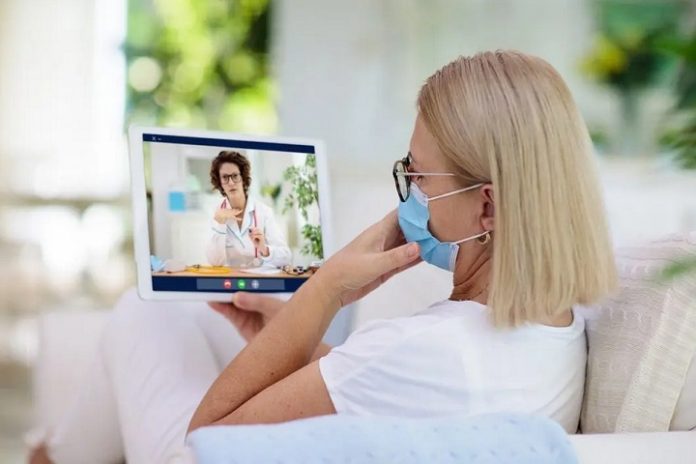
Doctor Anywhere (DA), a technology-led healthcare company headquartered in Singapore, is proud to announce its latest collaboration with Allianz Partners, a global leader in B2B2C insurance and assistance. The partnership aims to deliver comprehensive telehealth services to Allianzโ€™s international health members across four Southeast Asian countries Singapore, Malaysia, Thailand, and the Philippines.

In response to the growing demand for efficient and patient-centric healthcare services, the partnership will enhance access to quality healthcare in local communities. From 1 August 2023, Allianzโ€™s international health members who have an outpatient plan can enjoy a seamless experience using Doctor Anywhere’s mobile app, providing convenient access to trusted medical advice through video consultations with locally-certified doctors, complimentary medication delivery to their doorstep, and secure appointment scheduling and health record management.

โ€œThrough our strategic collaboration with Allianz Partners, we are shaping the future of healthcare in the region. By empowering individuals with timely access to medical treatment and fostering a path towards long-term, holistic health, we aim to make a meaningful impact on the health and well-being of our local communities,โ€ said Lim Wai Mun, Founder & CEO, Doctor Anywhere.

โ€œAt Allianz Partners, we are committed to deliver innovative solutions to provide exceptional value and peace of mind to our members. Our collaboration with Doctor Anywhere allows us to offer our members easy, convenient access to digital medical services as part of their insurance plan. This partnership reinforces our dedication to delivering comprehensive, customer-centric solutions that prioritize well-being,” said David Myers, Chief Sales Officer, Health at Allianz Partners.

The partnership between Doctor Anywhere and Allianz Partners is a testament to the transformative potential of telehealth and digital healthcare solutions in enhancing efficiency, saving time, and providing improved access to high-quality healthcare for individuals and communities alike.

Erectile Dysfunction: Exploring the Latest Developments in Penile Prosthetics

Erectile Dysfunction (ED) is a condition that affects millions of men around the world, impacting not only their physical health but also their mental well-being and relationships. With advancing technology and medical research, new treatments are constantly being developed. One of the most promising of these is penile prosthetics. This article explores the latest developments in this field, offering hope to men who have been struggling with ED.

The Basics of Penile Prosthetics

A penile prosthesis, also known as a penile implant, is a device that is surgically placed inside the penis to enable a man to achieve an erection. This treatment is usually considered when other options, such as medications or lifestyle changes, have proven ineffective.

There are generally two types of penile prosthetics: malleable (semi-rigid) and inflatable. The malleable prosthesis remains firm but can be bent into different positions, while the inflatable prosthesis uses a pump to inflate the device, allowing for more natural-looking erections.

A Front Runner in Penile Prosthetics

The Urocare Private Urologist stands at the forefront of medical professionals specialising in erectile dysfunction treatments. With an emphasis on individualised care, this practice offers a comprehensive approach to ED, guiding patients through various treatment options and helping them make informed decisions based on their unique needs.

With penile prosthetics being one of the key treatment options they offer, patients can rest assured knowing they are in capable and experienced hands.

Recent Advances in Prosthetic Design

In recent years, significant progress has been made in the design of penile prosthetics. The newer models are designed to be more comfortable, less noticeable, and more natural in appearance and function. For example:

  • Bioflex Material: Recent developments in materials science have introduced Bioflex, a supple, body-safe material that makes the implant feel more natural to the touch.
  • Streamlined Surgical Techniques: As with all surgical procedures, the technique is vital. Advances in minimally invasive surgeries have reduced the risks and recovery time associated with penile implant procedures.
  • Remote Control Functionality: Some of the latest inflatable prosthetics can be controlled remotely, allowing for more spontaneous and natural engagement in sexual activity.

The Psychological Impact of Penile Prosthetics

One of the often overlooked aspects of ED treatment is the psychological impact. For many men, the inability to achieve or maintain an erection can lead to significant mental health issues, including depression and anxiety.

Penile prosthetics can offer not just a physical solution but a psychological one, too. By restoring a manโ€™s ability to engage in sexual activity, these implants can significantly improve self-esteem and mental well-being, restoring a sense of normalcy and intimacy in relationships.

The Future of Penile Prosthetics

While current prosthetic options are highly effective, research is ongoing, and the future holds promise for even more advanced solutions. For example, scientists are exploring the potential for โ€˜smartโ€™ prosthetics that could respond to physiological signals, effectively automating the process of achieving an erection in a way that closely mimics natural function.

Additionally, ongoing work in the fields of regenerative medicine and tissue engineering may one day allow for the development of biological implants that use a patientโ€™s own cells.

Conclusion

Erectile Dysfunction is a deeply personal and often distressing condition, but the latest developments in penile prosthetics are offering new hope. From advanced materials and design improvements to streamlined surgical techniques and the potential for smart, responsive devices, the field of penile prosthetics is advancing rapidly.

With dedicated professionals, like the Urocare Private Urologist, leading the charge, men with ED have increasingly effective and sophisticated treatment options to consider. These advances signify not only a leap in medical science but also a profound improvement in the quality of life for men living with ED.

Health Benefits of Learning a Second Language

Learning a new language can be beneficial in a wide variety of ways. Armed with a second language, you will find it easier to travel around relevant countries and chat with locals, for instance. You will also open up a whole new range of job options.

Furthermore, learning a foreign language can actually be good for your mental and physical health.

The Mental Health Benefits of Learning Another Language

Maintaining good mental health is just as important as ensuring you are in great physical shape. So, let us begin by looking at some of the benefits that learning a second language can bring to your mental health.

Learning a Second Language Can Boost Your Cognitive Functionsย 

The process of learning a second language involves myriad cognitive skills. It requires simultaneous utilization of analysis, memory recall, and creativity, which effectively gives your brain a workout.

Like physical exercise strengthens the body, mental exercise elevates cerebral productivity. An actively engaged brain tends to perform better in several cognitive areas, including problem-solving and decision-making. So, learning another language could help to stave off cognitive decline.ย 

Learning a Second Language Can Help to Improve Your Memoryย 

Giving your memory a regular workout by learning new words and grammar rules enhances its capacity tremendously. Linguistic pursuits demand learners to recall and apply learned knowledge frequently, thereby promoting improved retention capabilities over time. Again, that can lead to optimal mental health.ย 

Learning a Second Language Can Help to Stave Off Symptoms of Alzheimerโ€™s Diseaseย 

Multiple studies show that being bilingual or multilingual can delay Alzheimer’s disease and dementia by several years. That is because the brain regions involving executive functions and attention systems are larger in bilinguals, which helps improve cognitive reserve.

For example, in May 2020, researchers at the Centre for Addiction and Mental Health and the Department of Psychology at York University in Toronto, Canada, discovered that bilingualism can delay the symptoms of Alzheimerโ€™s disease by up to five years.ย 

The Physical Health Benefits of Learning Another Languageย 

While learning a second language may not directly translate into physical health advantages like improved heart health or stronger muscles, the indirect impact on mental well-being often carries over to physical states.

Physical health benefits associated with learning a second language may be indirect, but they are still significant.ย 

Learning a Second Language Can Reduce Stress Levelsย 

The process of learning a second language can help people to manage stress effectively. Dedicating time to learning new vocabulary, grammatical structures, and pronunciation patterns introduces an element of discipline into one’s daily routine.

This disciplined approach often leads to a boost in self-confidence and overall mood improvement, which plays a vital role in reducing stress levels. High stress levels can escalate to severe physical health conditions such as heart disease, back pain, and alcohol and drug dependency, to name just a few.ย 

Learning a Second Language Could Improve Auditory Capabilities

Investing time in learning an additional language demands acute listening skills as different languages are made up of unique sounds and intonations. Studies show that consistent exposure to these varied sounds enhances auditory perception, which can translate into improved hearing over time.

Better hearing has direct ties with safety precautions, such as being able to detect potential hazards on the road or at work more efficiently.

Learning a Second Language Leads to Better Multitasking and Sleep Qualityย 

The cognitive maneuvering involved with learning another language lends itself directly toward improved multitasking capabilities. Efficient multitasking capability not only aids in productivity but also reduces the stress levels that come with having to manage several tasks at once.

Additionally, an efficiently working brain often correlates with better sleep patterns because reduced stress allows for more restful sleep. And getting a good nightโ€™s sleep is essential for optimal physical and mental health.

The Best Ways to Learn a New Language

While there is no one-size-fits-all approach to learning a new language, some methods have proven to be more effective than others. Acquiring language skills through immersion in a community that speaks the language, while also studying from books or online resources, is one of the best options as it naturally facilitates the most profound learning.

In this modern age, taking language courses online is probably the best method of learning for most people. In particular, you could learn your chosen language more easily by enrolling in an online course with a native-level tutor. You can then engage with personalized French learning, for example, and adapt your learning style to suit your individual preferences.

You should also supplement your learning, whatever method you choose, with passive exposure, such as watching films, listening to music, and reading books in your target language.

Final Thoughtsย 

Learning a second language fosters significant health benefits, both mental and (indirectly) physical. So, choose the right learning method for you and begin your new language journey.

How Does Dental Health Affect Your Mental Health?

Depression, anxiety, poor self-esteem, and other mental health issues can significantly impact your oral health. When you’re feeling down, it’s hard to remember to take care of yourself, including brushing and flossing your teeth regularly.ย 

Also, gum problems or other oral health issues can affect how you feel about yourself and your overall quality of life. Thus, ensuring that your dental health is in good condition is essential.

Why Do You Need To Care For Your Teeth?

Happy smiles begin with healthy teeth! Taking proper care of your teeth helps you look and feel good and improves your overall health. Plaque buildup on the surface of your teeth leads to gum inflammation and increased risk for tooth decay, cavities, and other dental issues.

Good oral hygiene habits like brushing twice daily for two minutes with fluoride toothpaste, flossing daily, and visiting your dentist regularly can help keep your teeth clean and healthy. Looking for a family Dentist SE Calgary office or close to your location can help you take care of your and your family’s oral health.

You can introduce going to the dentist as a routine for your child. As for adults, maintaining good oral health is also vital to staying healthy. Regular check-ups and proper brushing techniques can help prevent discomfort or pain due to the onset of tooth decay, cavities, and gum disease.

How Can Good Oral Health Help Your Mental Health?ย 

Taking care of your mouth may also be beneficial for your mental health.ย 

Periodontal Care Reduces Depression

Depression has been linked to various factorsโ€”like genetics, chronic illnesses, and hormones. However, there is some evidence that periodontal care can help reduce depression as well.ย 

People who receive periodontal treatment show improved symptoms of depression due to the increase in self-confidence they achieve from their improved oral health.

Better Oral Health Helps Reduce Stress

Maintaining good oral hygiene habits helps keep your teeth and gums healthy. This, in turn, reduces the number of visits to the dentist to get your teeth fixed or for major dental procedures. This can help reduce stress associated with dental problems.ย 

Itโ€™s also important to remember that practicing good oral hygiene habits can help prevent halitosis (bad breath), a source of embarrassment for many. Keeping your teeth clean and healthy can help you feel more confident in social situations, boost your mental health, and even reduce stress.ย 

Reduced Pain

Adults, particularly women through menopause, are more likely to suffer from toothaches due to periodontal disease. These aching pains can make concentrating hard and may even lead to insomnia.ย 

Pregnant women also lose significant calcium from their teeth and can suffer from toothaches, decay, or even brittle teeth.ย 

Getting regular check-ups at your family dentist close to you can help prevent any serious dental issues before they arise and keep unwanted pains away.ย 

Improved Confidenceย 

Improving your oral health helps boost confidence significantly. Feeling better about their teeth can lead to better self-esteem, improved relationships, and a higher quality of life.ย 

Can Dental Problems Affect My Brain?

Dementia is a complex disorder that affects cognitive functions like memory, decision-making, and language. While thereโ€™s no single cause for this condition, research shows that poor oral health can increase your risk of developing dementia.ย 

Having gum diseases or other dental issues can lead to increased levels of inflammation in the body, contributing to dementia. The bacteria from the gums can travel to the brain, causing damage and leading to mental decline.ย 

Studies also suggest that periodontal treatment may help slow down the progression of dementia in some cases.ย 

Other Contributing Factors To Mental Health

While poor oral health can contribute to mental health problems, other factors are at play. Genetics, diet, lifestyle choices, and environment all impact your mental health.ย 

Itโ€™s essential to take care of yourself by making healthy lifestyle choices like exercising regularly and eating a nutritious diet. Additionally, practice stress management and get enough rest. If youโ€™re having difficulty dealing with stress or depression, talk to a mental health professional about it.ย 

In summary, these factors are:

  • Geneticsย 
  • Dietย 
  • Lifestyle choicesย 
  • Environmentย 
  • Stress managementย 
  • Exerciseย 
  • Adequate restย 

Tips On How To Improve Your Oral Health

  • Brush your teeth twice a day with fluoride toothpaste
  • Floss dailyย 
  • Visit your dentist regularly for check-ups and professional cleaningsย 
  • Avoid cigarettes and limit sugary foods and drinksย 
  • Use an electric toothbrush to make sure youโ€™re brushing effectivelyย 
  • Use a mouthwash to reduce bacteria in your mouthย 
  • Stay hydrated and drink plenty of waterย 
  • Chew sugar-free gum to help remove food particles from between teethย 

Fruits like apples, strawberries, and oranges are great options for promoting oral health. These fruits contain acids that help break down plaque and keep bad breath away.ย 

Final Words: Seek Professional Help When Neededย 

If youโ€™re having trouble managing your oral hygiene routine or dealing with a dental problem, donโ€™t hesitate to seek professional help. Your family dentist can provide you with advice and treatment options that are tailored to your individual needs.ย 

The oral-mental connection is real, and taking care of your teeth can positively impact your mental health. Regular visits to the dentist, brushing twice daily, flossing, and eating a balanced diet can help keep your teeth healthy and your mind strong.ย 

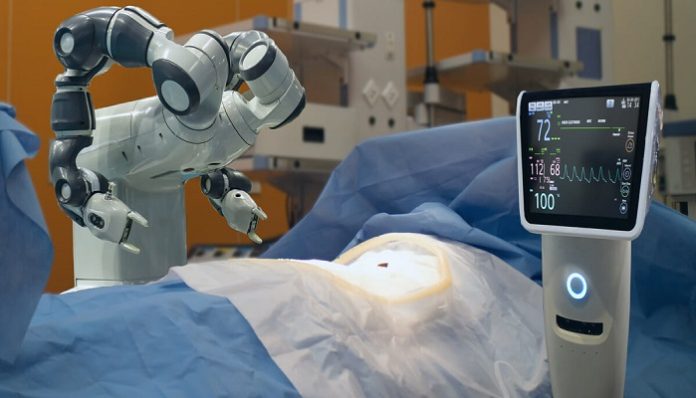
Annual Growth of 13.7% Predicted For Robotic Surgery Market

A recent study conducted by Roland Berger indicates that the global robotic surgery market is poised for significant growth, with an estimated annual average growth rate of 13.7%. By the year 2030, this industry is anticipated to reach a substantial value of US$21.5 billion. The most rapid expansion is expected in the Asia Pacific (APAC) region.

Roland Berger, a renowned consultancy firm, predicts a remarkable surge in annual sales within this sector, nearly tripling from US$4.4 billion in 2022 to the projected US$21.5 billion in 2030. This growth is attributed to the increasing awareness and adoption of robot-assisted surgical procedures. Notably, between 2018 and 2022, the sector experienced an average annual growth rate of 15%.

In terms of geography, the Asia Pacific region is set to exhibit the swiftest growth rate, with its market share expected to rise from 17% in 2022 to 24% by the end of the decade. Key drivers of this growth include China, Japan, and South Korea. Meanwhile, North America will maintain its position as the largest market, though its global revenue share is predicted to decrease from 60% in 2022 to 50% in 2030.

Robotic-assisted surgery is projected to be predominantly utilized in various medical fields, including general surgery (48%), urology (16%), gynecology (13%), and orthopedics (12%).

Thilo Kaltenbach, a senior partner at Roland Berger, noted that the growing potential of the robotic-assisted surgery market has attracted an increasing number of participants, resulting in more competitive pricing and fostering further innovation.

However, despite its substantial growth prospects, the sector faces several challenges, as revealed by the study. Manufacturers of robotic-assisted surgical systems encounter obstacles such as high investment and operating costs in comparison to laparoscopic and traditional surgery methods. Additionally, the adoption of this technology has been slower than anticipated, and its utilization remains limited in certain areas.

What is RLE and What Does it Treat?

Refractive Lens Exchange (RLE), also known as Lens Replacement Surgery, is a sophisticated vision correction procedure that goes beyond traditional methods to address refractive errors and age-related vision changes.

This procedure is particularly beneficial for patients with presbyopia, high degrees of nearsightedness or farsightedness, and even cataracts. Let’s delve into what RLE entails and whom it benefits.

How Does it Work?

RLE involves removing the eye’s natural lens and replacing it with an artificial intraocular lens (IOL) that is carefully selected to correct the patient’s refractive error. Unlike procedures like LASIK and PRK that reshape the cornea, RLE focuses on the lens, making it a versatile option for various visual problems.

Hereโ€™s the general process:

  1. Consultation: An eye surgeon evaluates your eye health, refractive error, and overall vision goals to determine if RLE is suitable for you.
  2. Measurement: Precise measurements are taken to determine the appropriate power and type of IOL for your unique visual needs.
  3. Anesthesia: Before the procedure, numbing eye drops are administered to ensure your comfort.
  4. Lens Removal: The natural lens is gently removed through a tiny incision, and the customized IOL is inserted in its place.
  5. Healing: The incision is usually self-sealing and requires minimal stitches, leading to a relatively quick recovery.

RLE Benefits

RLE is versatile, treating nearsightedness, farsightedness, astigmatism, and presbyopia, often eliminating the need for glasses or contact lenses.

The implanted IOL remains in the eye permanently, providing lasting vision improvement. Many patients notice improved vision immediately or shortly after the procedure.

RLE can restore clear vision at various distances by implanting multifocal or accommodating IOLs. It can also correct high refractive errors that may not be suitable for laser-based procedures such as LASIK and PRK.

Is it Right for Me?

If youโ€™re looking for refractive lens exchange near me, then we recommend you consult with an eye clinic for an evaluation before deciding on the particular route to go with.

RLE is often recommended for individuals who are not suitable candidates for LASIK, PRK, or other vision correction methods. It is particularly beneficial for those with significant refractive errors, presbyopia, or cataracts. A consultation with an experienced eye surgeon will determine if RLE aligns with your eye health and vision needs.

Check this list below to make sure youโ€™re an ideal candidate for RLE:

  1. Significant Refractive Errors: If you have high degrees of nearsightedness, farsightedness, or astigmatism that may not be effectively corrected with other procedures, RLE could provide substantial visual improvement.
  2. Over 40: RLE can be particularly beneficial for individuals in their 40s and beyond who are experiencing presbyopia, a natural age-related loss of near vision.
  3. Cataracts: RLE can treat cataracts by removing the cloudy natural lens and replacing it with a clear intraocular lens (IOL).
  4. Long-Term Results: RLE provides lasting vision correction since the implanted IOL remains in the eye permanently.

We canโ€™t stress this enoughโ€”Before opting for RLE, it’s important to have a comprehensive consultation with an eye surgeon or ophthalmologist. They will assess your eye health, medical history, and visual needs to determine if RLE is the best course of action for you.

During the consultation, you can expect a thorough examination of your eyes, discussions about your vision goals, and an explanation of the procedure’s benefits and potential risks.

A number of factors are used to determine your eligibility for RLE. For example, your overall health plays an important role here. Apart from that, your visual needs (such as reducing the dependency on glasses) are also taken into consideration.

Like any surgical procedure, RLE carries some risks. Your doctor will discuss these risks and help you understand the likelihood of complications based on your unique circumstances.

What Can RLE Treat?

RLE can treat several conditions. This includes:

1. Presbyopia: As people age, the natural lens of the eye loses its flexibility, leading to difficulty focusing on close objects. RLE can address presbyopia by replacing the aging lens with a multifocal or accommodating IOL, restoring clear near, intermediate, and distance vision.

2. High Refractive Errors: RLE can effectively correct high levels of nearsightedness or farsightedness that might not be suitable for other procedures like LASIK or implantable contact lenses (ICL).

3. Cataracts: RLE is often performed as a cataract surgery. A cataract occurs when the natural lens becomes cloudy, causing blurry vision. During RLE, the clouded lens is removed, and a clear IOL is inserted, restoring clear vision. Cataract surgery Chicago can cost anywhere from a few hundred to a few thousand dollars per eye.

We donโ€™t recommend directly going for RLE in the case of myopia and astigmatism before consulting with an eye care specialist. Notably, LASIK for myopia is still a better option for the majority of patients. And on the other hand, an astigmatism specialist can help you explain the pros and cons of different processes. After an evaluation, they can help you tell which is the best procedure that you should go for. Some people, for example, have very thin corneas that make them unable to undergo certain eye procedures and surgeries.

In Conclusion

Refractive Lens Exchange offers a comprehensive solution for a range of vision problems, providing a clear vision and reducing dependence on corrective eyewear. However, like any medical procedure, it’s important to consult with an experienced eye surgeon to determine if RLE is the right option for your unique needs and visual goals.

Water Purification Process for Pharmaceutical Use

In the realm of pharmaceutical production, water plays a crucial role not only in medication manufacturing but also in dissolutions, cleanings, and disinfections, among other applications. The pharmaceutical industry’s demand for water is substantial, accounting for approximately 60% to 80% of the total water consumption in the sector.

The concept of “pure water” takes center stage in this context. Natural water sources rarely provide water in its pure form, and due to its chemical properties, water can dissolve, absorb, or suspend various compounds. Consequently, the water purification process is a vital aspect of pharmaceutical production, aimed at achieving optimal water quality. However, water for pharmaceutical use must begin as potable water suitable for human consumption.

To attain this quality, a two-tier decontamination process is employed: first, adhering to regulations for obtaining potable water, and subsequently, meeting the criteria set by internationally recognized pharmacopeias such as the European Pharmacopoeia (Ph Eur) or the United States Pharmacopeia (USP). This meticulous process ensures that the water can be used as a raw material in pharmaceutical applications.

Types of Water for the Pharmaceutical Industry

Pure Water โ€“ Purified Water (PW)
Pure water serves as an appropriate resource for manufacturing products that require high-quality water with minimal biological content. This type of water is commonly used in pharmaceutical liquid and solid formulations and serves as a base for producing even higher-quality water, such as water for injection.

Highly Purified Water โ€“ Highly Purified (HPW)
Similar to purified water, highly purified water is utilized in preparing pharmaceutical products that necessitate water of superior biological quality, excluding cases where water for injection is required.

Water for Injection โ€“ Water for Injection (WFI)
Water for injection is indispensable for sterile preparations intended for parenteral administration. It also finds application in equipment cleaning for sterile production and certain chemical processes.

Water Treatment Processes for Pharmaceutical Use

The specifications for water used in pharmaceutical applications are established by pharmacopeias. The selection of a water treatment process depends on various factors, including the quality of the source water, the type of water required, the necessary quantity, operational costs, and maintenance considerations.

The pharmaceutical industry commonly employs the following treatment methods to obtain suitable water:

  • Reverse Osmosis (RO): This process involves pressurizing water through a semipermeable membrane, allowing water molecules to pass through while retaining contaminants such as salts, acids, bases, colloids, bacteria, and endotoxins.
  • Ion Exchange or Deionization: Water is passed through ion exchange resins to remove ions from salts present in the water. Cations are removed by H+ ions, and anions are removed by OH- ions. The resins are regenerated using acids and alkalis, and equipment can be mixed-bed or separate (cationic and anionic resins).
  • Ultrafiltration (UF): In this process similar to reverse osmosis, water passes through a semipermeable membrane. The water flows parallel to the porous ultrafiltration membrane, and differential pressure drives water through the membrane, rejecting most contaminants except low molecular weight species like ions.
  • Distillation: Distillation involves the purification of water through phase change. Water is vaporized, leaving behind most contaminants. The produced vapor is then condensed. It’s important to note that some low molecular weight contaminants can be carried along with the water vapor.
  • Continuous Electrodeionization: This technology effectively removes waterborne salts by combining ion exchange membranes, ion exchange resins, and a continuous direct current electric field.

The water purification process for pharmaceutical use is a complex endeavor that involves multiple stages and technologies to ensure water is of the utmost quality. This clean water serves as the foundation for the production of safe and effective pharmaceutical products that contribute to human health and well-being.

Translate ยป