




Close
Digital Health & Ai Innovation summit 2026

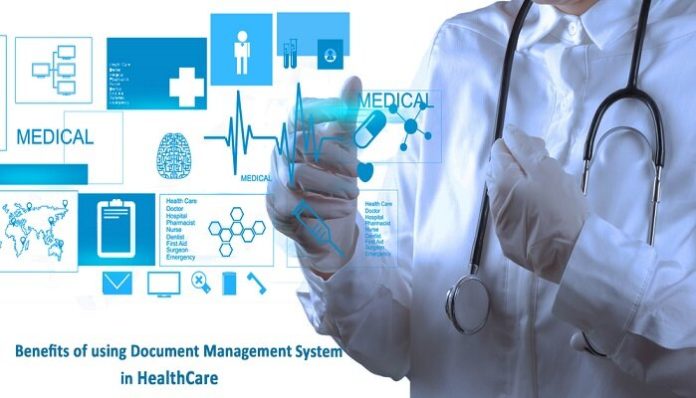
How Healthcare Organizations Can Benefit from Using a Document Management System

The healthcare sector is a crucial institution saddled with the responsibility of maintaining the health and wellbeing of people. As such, itโ€™s essential that it operates with utmost accuracy and efficiency. However, these organizations are often swamped with a plethora of documents, which can lead to potential errors and inefficiencies.

This is where a DMS (document management system) comes into the equation. Using one can significantly streamline operations, reduce the risk of errors, and promote a more patient-centric approach. Here we will explore how healthcare organizations across the board can highly benefit from using a DMS in their operations.

The Problems with Traditional Document Management

Healthcare organizations across the country deal with an overwhelming level of documents. Whether itโ€™s insurance forms, patient records, or medical histories, thatโ€™s a lot of paperwork to keep on top of. Regarding traditional document management methods, they tend to involve manual data entry and physical filing systems.

As you can imagine, these tasks can be incredibly time-consuming. Whatโ€™s more, thereโ€™s a higher risk of misplacing documents, transcription errors, not to mention unauthorized access to sensitive patient data. This predicament calls for a more efficient and secure document management strategy.

The Power of Document Management Systems

Now we move onto the benefits of a document management system. In a nutshell, a DMS is a digital solution designed to capture, track, store, and manage documents. Such systems provide healthcare organizations with a reliable and efficient method for managing their extensive and ever-growing documentation requirements.

Also, DMSs are equipped with advanced search features. This means healthcare professionals can quickly retrieve any document they need within a matter of seconds. Such a benefit significantly lowers time spent on administrative tasks and enables them to concentrate more on patient care.

Enhanced Efficiency and Productivity

The first and most apparent benefit of using a DMS in healthcare organizations is simple โ€“ to increase efficiency and productivity. Thanks to a DMS, healthcare professionals can quickly access and update patient records. Because thereโ€™s no need to manually file or retrieve documents, thereโ€™s a lot of time saved which can be redirected into other important areas of the organization.

Administrative roles like scheduling, billing, and reporting will become significantly streamlined too. This enables the organization to operate more smoothly and keep everything running in the right direction. Once you have a DMS in place, you can use tools to manage your PDF files better too. Small pdf have a PDF compressor tool which is designed to reduce file sizes, meaning you can send documents over to other members of the team quicker, helping to keep productivity levels up.

Ensures Data Security and Compliance

In the digital era we live in, data security and regulatory compliance are essential for healthcare organizations. A DMS addresses both of these concerns effectively. Thanks to inbuilt security measures like encryption and user access controls, a DMS makes sure that sensitive patient data is safeguarded from unauthorized access.

A DMS aids in regulatory compliance too. It can keep track of document-related activities while maintaining a complete audit trail that proves invaluable during audits. This helps to make sure healthcare organizations can demonstrate compliance with regulations like GDPR and HIPAA, thereby avoiding penalties and maintaining their business reputation.

Improved Patient Care

A DMS can be instrumental in providing superior patient care. Understandably, this will be the primary objective for any healthcare organization. The system ensures quick and easy access to patient information, which facilitates better decision-making by healthcare professionals.

When youโ€™re able to provide full access to a patientโ€™s entire medical history, including diagnoses, medications, and treatment plans, a DMS allows doctors and nurses to provide personalized care. You can also automate workflows like prescription refills and test result notifications. With the help of a DMS, this will eliminate delays and ensure timely delivery of care.

Lowering Costs

A DMS isnโ€™t only about enhancing efficiency and improving patient care, itโ€™s about the bottom line too. By automating administrative tasks, a DMS lowers the need for additional staff and physical office space dedicated to document management. In todayโ€™s world, digital storage is far more cost-effective than physical storage, especially given the ever-increasing volume of medical records.

Whatโ€™s more, a DMS lowers the risk of data breaches and non-compliance penalties by providing robust security measures and compliance tools. Because youโ€™re able to prevent such costly incidents from occurring, a DMS can result in significant financial savings for healthcare brands.

Boosting Interdepartmental Collaboration

One of the less talked about benefits of a DMS is its ability to enhance collaboration among different departments within a healthcare business. With a DMS, documents are readily accessible to all authorized personnel, which promotes effective collaboration and a unified approach to patient care.

Doctors can instantly share a patientโ€™s medical history with a specialist for a second opinion. This goes a long way in speeding up the diagnostic process. Also, real-time updates ensure all healthcare professionals involved in a patientโ€™s care have the most accurate and current information, which can foster effective collaboration and comprehensive patient care.

Facilitates Business Continuity

Business continuity is crucial in healthcare settings where the stakes are high, and delays can be detrimental. A DMS equips healthcare businesses with the tools they need to ensure continuous operations, even during unforeseen circumstances. By hosting documents in the cloud, a DMS ensures that critical patient information is accessible from anywhere, at any time. This remote accessibility is critical in situations like natural disasters or pandemics where physical access to the healthcare facility might be compromised.

A DMS also provides automatic backups and disaster recovery features. Such features protect valuable patient data from loss due to system failures, cyberattacks, or other unexpected events. As a result, healthcare organizations can maintain uninterrupted services, which ensures patient care never suffers during challenging times.

Adopting a document management system in your healthcare organization is a transformative step that can elevate how you run your business. DMSs enhance efficiency, safeguard data security, ensure compliance, and most importantly, improve patient care.

As the healthcare industry continues to evolve and the demand for personalized, patient-centric care grows, leveraging technology like a DMS isnโ€™t only an advantage โ€“ itโ€™s a necessity.

Seoul Asan Medical Center to export medical systems to UAE

Asan Medical Center, which treats the most severe patients in Korea, such as cancer, organ transplant, and heart disease, is exporting its medical system to the United Arab Emirates (UAE).

Seoul Asan Medical Center will establish a 65-bed specialized hospital for gastroenterology in Dubai Healthcare City II in the United Arab Emirates in 2026. Improve the quality of life of severely ill patients in the Middle East, including the United Arab Emirates, who had to visit distant countries to receive treatment through difficult treatments such as gastric and colorectal cancer, liver transplant management, and severe obesity surgery, and transfer medical technology to local areas. It is expected to improve the level of medical care.

Established in 2026, UAE Asan Gastroenterology Hospital (tentative name) will be in charge of operating and managing the overall medical system, including treatment and education, as Seoul Asan Medical Center, and Scope Investment, an investment company located in the United Arab Emirates, will lay the foundation for the business. It is operated.

In the morning of the 22nd (Thu), the contract signing ceremony for establishment and operation was held in the conference room of Asan Medical Center, Seoul Asan Hospital Director Park Seung-il, Planning and Coordination Director Park Soo-seong, Director of Overseas Hospital Business Director Choi Jong-woo and Scope Investment CEO Fareed Bilbeisi. , Saeed Aldayeh, Head of Medical Business Division, and others attended.

In the United Arab Emirates, one in five people suffer from digestive diseases such as acid reflux, ulcerative colitis, and irritable bowel syndrome, and colorectal cancer has the second highest prevalence among all cancers.

In addition, in the UAE, obesity has recently emerged as a serious social problem due to reduced activity due to the heat and meat-oriented eating habits. The prevalence of obesity is about twice the world average.

Considering this medical environment, Scope Investment has proposed cooperation in establishing a hospital in 2019 to Asan Medical Center, which is leading the treatment of severe and difficult conditions at a world-class medical level. Asan Medical Center signed a joint venture contract in 2021 after two years of careful review, and then signed an operating contract on the 22nd after going through procedures such as site purchase, hospital design, and joint venture establishment. It is the first global hospital of Seoul Asan Medical Center and the first integrated gastroenterology hospital in the GCC* country.

GCC (Middle East Gulf Cooperation Council): A regional cooperation organization consisting of Saudi Arabia, UAE, Kuwait, Qatar, Oman, and Bahrain.

UAE Asan Digestive Care Hospital has 2 floors below the ground and 7 floors above the ground, with a total floor area of โ€‹โ€‹22,150mยฒ, and will have a total of 65 beds, including an intensive care unit. Six to seven doctors and four to five nurses are dispatched to Asan Medical Center, and Asan Medical Center is in charge of overall hospital operation as well as treatment. It transfers the medical system and management know-how without separate investment, and receives operating fees such as personnel expenses, a portion of sales for the next 15 years, and incentives when achievements are achieved.

At UAE Asan Gastroenterology Hospital, it is possible to treat all digestive diseases such as stomach, large intestine, liver, biliary tract, and pancreas. Minimally invasive gastrointestinal disease treatment through endoscopy, surgery-centered early gastrointestinal cancer treatment, and severe obesity surgery are also provided. It also plans to professionally perform pediatric digestive disease treatment, which was lacking in Dubai.

Integrated management before and after liver transplantation is also provided. Due to limitations in medical technology, many transplant surgeries have not yet been performed in the Middle East, so you can use the medical system of Asan Medical Center from before and after surgery, such as liver transplantation at Asan Medical Center and pre- and post-operative care at Asan Medical Center in the UAE. An integrated service model is applied.

Asan Medical Center is already receiving steady visits from patients from the United Arab Emirates who are unable to receive treatment in their home countries. In the past 10 years, 65 patients received liver transplants at Asan Medical Center and returned to their home countries in good health. Of the 17,835 foreign patients who visited Asan Medical Center last year, they accounted for 18%, the second highest rate.

Asan Medical Center plans to focus its efforts on improving the level of local medical care through the transfer of know-how. It is expected to serve as an educational hub in the Middle East as it has passed on the latest medical technology to more than 3,700 overseas medical scientists in about 90 countries over the past 10 years.

Last year alone, Asan Medical Center performed 2,800 surgeries for stomach cancer, 2,600 for colorectal cancer, and 1,100 for liver cancer. The Gastrointestinal Endoscopy Center is the second largest in the world and treats an average of 400 patients with digestive diseases a day. In addition, specialized clinics such as liver center, stomach cancer center, inflammatory bowel disease center, and biliary tract and pancreas center are operated to provide specialized treatment for each disease.

Asan Medical Center ranked 29th in the world in the ‘2023 Best Hospitals in the World 2023’ conducted by Newsweek in the U.S., and ranked 6th in gastroenterology and 7th in cancer in the evaluation by clinical field, and is being evaluated at a world-class level.

Choi Jong-woo, head of overseas hospital business at Seoul Asan Medical Center (professor of plastic surgery), said, โ€œUAE Asan Gastroenterology Hospital treats early cancer with advanced endoscopic treatments such as endoscopic submucosal dissection (ESD) and endoscopic mucosal resection (EMR), manages liver transplantation, and manages severe obesity. We will contribute to improving the quality of life of patients in Middle Eastern countries, including the United Arab Emirates, by leading difficult treatments such as surgery.โ€

Park Seung-il, Director of Asan Medical Center, said, โ€œBased on the medical experience and know-how accumulated by Seoul Asan Medical Center, we faithfully perform the role of a specialized hospital for treating severely ill patients in the UAE and contribute to improving the level of medical care in the Middle East through training of local medical staff. We will strengthen our international status,โ€ he said.


Mediso receives FDA approval for InterView nuclear medicine image processing software

Mediso has announced the FDA Clearance of the InterViewโ„ข FUSION and InterViewโ„ข XP multimodality (PET/SPECT/MRI/CT) image processing and reporting software which is specifically adapted for nuclear medicine and molecular imaging workflows.

The vendor independent InterViewโ„ข software offers a complete solution for image visualization, post-processing and reporting specifically adapted for the routine nuclear medicine and molecular imaging workflow. Workflows and specialized tools cover the most common nuclear medicine studies including bone, cardiac, central nervous system, thyroid, parathyroid, kidney, liver, digestive system and lung. Fast and standardized reporting is available for all nuclear medicine procedures. The software improves SPECT image quality with iterative reconstruction and reach absolute quantitation with Tera-Tomoโ„ข SPECT reconstruction engine, making fast and accurate personalized dosimetry possible. It also features a variety of state-of-the-art modules to enhance clinical and preclinical research work such as automatic lesion detection, and automatic segmentation and image denoising. The InterViewโ„ข software seamlessly integrates to any hospital information system either running on stand-alone workstation, or on physical or virtualized server.

“Receiving the FDA nod for our image processing software marks the next step in marketing our clinical products in the USA,” said Istvan Bagamery, founder and CEO of Mediso. “The InterViewโ„ข software together with the AnyScan SPECT and SPECT/CT clinical systems provide a complete solution for all nuclear medicine routine and research application and they demonstrate our continuous commitment to the molecular imaging market.”

Mediso, works in the field of medical imaging for 30+ years with a profile of development, manufacturing, selling and servicing standalone and multi-modality imaging devices. The company offers complete solutions from hardware design to evaluation and quantification software for clinical patient care and preclinical research.

Mediso has a leader position in the clinical nuclear medicine market with over 1500 commissioned systems around the world. Beyond the market leading AnyScan TRIO SPECT/CT, Mediso also offers an integrated SPECT/PET/CT triple modality system that is unique on the market. Products are sold directly or through a distribution network in 100+ countries worldwide.

Holmusk Partners with Streamline Healthcare Solutions

Holmusk recently made an announcement about its partnership with Streamline Healthcare Solutions, with the aim of leveraging advanced analytics to enhance care delivery.

Through this ongoing partnership with Streamline Healthcare Solutions, as well as the new collaboration with Mental Health Partners, Holmusk expands the presence of MaST in the United States.

MaST, the Management and Supervision Tool developed by Holmusk, is an advanced software platform designed to assist healthcare professionals in making informed decisions. It utilises predictive analytics to support decision-making processes, particularly in prioritising individuals who may be at risk of a mental health crisis.

The tool rapidly identify clinically relevant information from patient electronic health records (EHRs) at a speed surpassing human capacity. MaST empowers providers to make more accurate decisions regarding resource allocation. Through the utilisation of MaST, healthcare professionals can leverage predictive analytics to improve decision-making, leading to more effective care delivery.


Cybersecurity Collaboration in Healthcare: Unlocking the Power of Partnership between Health Technology and Identity Theft Experts

Cybersecurity, in today’s increasingly digitized healthcare sector, has transcended from being just a buzzword to a critical protective component.

Ensuring the confidentiality and security of sensitive patient information stands central to the reputation and trust of healthcare services.

Rapid digital transformations have ushered in considerable benefits, yet simultaneously opened doors to an array of vulnerabilities that malicious actors can exploit. The antidote? A powerful alliance between health technology experts and identity theft specialists. A collaboration marrying two interlinked domains aiming to strengthen our digital healthcare infrastructure.

The Current Cybersecurity Landscape in Healthcare

Understanding healthcare cybersecurity necessitates a deep dive into the types of threats that exist. These range from ransomware attacks, where perpetrators lock access to critical medical systems, to deceptive phishing scams designed to trick healthcare staff into divulging sensitive data.

The threats aren’t speculative; they are real and present dangers. Data breaches have seen a disconcerting rise in recent years, impacting millions of patients worldwide, damaging trust, and incurring significant financial implications.

Health technology, the superhero in this narrative, helps manage these risks. It provides robust digital solutions, such as encryption and secure network design, thereby protecting health data from unauthorized access and exploitation.

Identity Theft: A Dire Consequence

In the aftermath of a data breach, one of the most significant threats lurking is identity theft. With the healthcare sector storing a wealth of sensitive personal health information, the risk is particularly acute. In this environment, personal dataโ€”ranging from medical histories to financial information, social security numbers, and other identifiersโ€”can become a veritable goldmine for identity thieves.

Just consider the ramifications: once in possession of a patient’s personal information, an identity thief can commit medical fraud, obtain prescription drugs, file false insurance claims, or even create fake identities. The harm extends beyond the immediate financial loss. Victims often face misdiagnoses, incorrect medical records, and damage to their credit scores that can take years to resolve.

As such, several solutions are available. While healthcare providers have utilized a wealth of technologies, patients should be proactive as well. They can turn to identity theft protection like IdentityForce. But take due diligence first and see how IdentityForce compares to other options.

Technologies for Cybersecurity in Healthcare

The rapidly evolving landscape of healthcare cybersecurity necessitates the use of advanced technologies to ensure the safety and integrity of sensitive health information. Several cutting-edge technologies are being used and developed to create a fortress-like defense against the varied cyber threats healthcare institutions face.

Encryption

Encryption has long been a staple in data security across various sectors, and healthcare is no exception. It involves converting readable data (plaintext) into coded form (ciphertext) that is unreadable without the correct decryption key. This technology is critical in protecting sensitive health data during storage and transmission, ensuring that even if a breach occurs, the data remains unintelligible to unauthorized users.

Blockchain

Known for powering cryptocurrencies, blockchain technology offers significant potential for cybersecurity in healthcare. Its decentralized nature and use of cryptographic hashes make it nearly impossible for cybercriminals to alter or tamper with data. In healthcare, blockchain could be used to create immutable logs of patient health records, ensuring data integrity while providing a transparent audit trail.

Artificial Intelligence and Machine Learning

Both Artificial Intelligence (AI) and Machine Learning (ML) are transforming healthcare cybersecurity. AI algorithms can sift through vast quantities of data to identify patterns, anomalies, and potential threats far more quickly than human analysts. For example, AI can detect unusual login attempts, data access patterns, or network traffic, which could signify a cyber attack.

Meanwhile, Machine Learning, a subset of AI, learns from the data it analyses. It improves its predictive and detection capabilities over time, allowing for proactive identification and mitigation of threats. For instance, ML can learn from previous phishing attacks to recognize future attempts, even if the tactics used by the attackers change.

Biometric Authentication

Biometric authentication uses unique physiological or behavioral characteristics, like fingerprints, facial recognition, voice patterns, or iris scans, to verify identity. It adds an additional layer of security since these features are significantly more challenging for cybercriminals to replicate. In healthcare settings, biometric authentication can secure access to electronic health records (EHRs), ensuring that only authorized individuals can access sensitive patient data.

Behavioral Analytics

Behavioral analytics is particularly beneficial in an environment with a large number of users accessing diverse datasets, a scenario common in healthcare facilities. Additionally, with advancements in machine learning algorithms, these systems are continually improving, becoming more accurate in detecting anomalous behavior and reducing false positives. This dynamic learning allows healthcare institutions to respond swiftly and precisely to potential threats.

Future of Cybersecurity Collaboration in Healthcare

Cyber threats are ever-evolving, constantly adapting and presenting new challenges. Therefore, the healthcare sector must stay a step ahead, ensuring the protection of sensitive patient data. The continued collaboration between health tech and identity theft experts is critical. With artificial intelligence and machine learning becoming increasingly integrated into healthcare systems, these partnerships will need to evolve, innovate, and tackle the new wave of cyber threats.

Technological advancements may usher in newer challenges, from AI-driven phishing attacks to intricate ransomware. The future could see health tech experts and identity theft specialists working on predictive models and advanced detection systems, powered by machine learning, to counteract these threats proactively.

Conclusion

In an era where data breaches are becoming an unfortunate norm, the importance of collaboration between health technology and identity theft experts in healthcare cannot be overstated. It’s an essential, not a luxury.

By bridging the gap between these two critical domains, healthcare organizations can bolster their defenses and build a safer digital future for patients. It’s a resounding call to action for more healthcare institutions to embrace this collaborative approach, leveraging its multifold benefits to ensure the highest level of data security.

Enhancing Women Healthcare Outcomes With Digital Technology

Women’s health has often been overlooked despite involving 50% of the population. However, there is growing recognition of the differences in health needs and outcomes between men and women. Scientific breakthroughs, new technologies, and policies provide unique opportunities to improve women’s health and reduce societal and economic costs.

In our digital era, data holds immense value as it drives innovation, growth, and progress. The challenges in women’s healthcare are extensive and intricate, but leveraging evolving technologies, especially those focused on data collection, can lead to better, faster, and more efficient healthcare for women. Without measurement and adjustment, improvements are difficult to achieve.

AI has significantly improved women’s health by reducing medical errors, providing accurate predictions, and making healthcare more efficient. It aids in the early detection of cancer by identifying hidden abnormalities and helps identify disorders like gestational diabetes and congenital birth defects, leading to improved pregnancy outcomes.

AI has evolved in screening programs, serving as a decision support tool in breast cancer imaging and enabling more intensive screening and preventative techniques. It also creates digital images of cervical smear slides to detect Human Papilloma Virus (HPV), the main cause of cervical cancers.

The UK Government’s ยฃ16 million investment in AI companies for diagnosis and treatment reflects the industry’s direction. Efficient screening programs are crucial, and AI, along with increased data capture, continues to play a dominant role in detecting, diagnosing, and enhancing women’s health outcomes.

Personalized healthcare, tailored to individual factors, is crucial for women’s health. AI technology is advancing risk stratification for more targeted treatments. Recent investments in AI technology have focused on determining the risk of pre-eclampsia and assessing breast cancer risk.

Digital technology is transforming women’s health with the rise of accessible apps, online trackers, and wearable devices. This growth fuels the femtech industry, empowering women to lead healthier lives. Femtech apps offer convenient care options like virtual clinics and prescription delivery, while wearable technology and menstruation-tracking apps are popular among millions of women worldwide. The vast data captured holds great potential for innovative healthcare solutions that address cultural and structural barriers.

Malaysian Township Project To Fuse Healthcare And Wellness

Malaysian Township Project To Fuse Healthcare And Wellness

The inaugural purpose-built township project in Southeast Asia, KL Wellness City (KLWC), that aims to foster a lifestyle seamlessly integrated with healthcare and wellness, was formally inaugurated on June 1st. The ceremony took place at the KL Wellness City Gallery in Bukit Jalil and was officiated by Malaysia’s Minister of Health, YB Dr Zaliha Mustafa.

Spanning over 26.49 acres and valued at RM11 billion, this development is designed to foster a lifestyle that seamlessly integrates healthcare and wellness. The Nobel Healthcare Park, the KL International Hospital (KLIH), innovation laboratories, clinical research and development facilities, office towers, retirement resorts, a Healthcare Hub, wellness-centric serviced apartments, a Central Park, and more are at its core. Phase 1 of KLWC is underway, focusing on constructing the KLIH and The Nobel Healthcare Park, set to open in 2026.

As a trailblazer in Southeast Asia, KLWC will significantly contribute to Malaysia’s reputation as a leading medical travel destination and an all-encompassing haven for healthy living, catering to both local and international travelers. KLWC believes in collaboration to advance healthcare and wellness.

Backed by several top government agencies in Malaysia, KLIH within KLWC will receive an initial investment of RM860 million, creating more than 3,000 job opportunities in the field. Furthermore, numerous other medical facilities are planned for advancement within KLWC.

Viable Medical Device Sector Reality With Better Regulations

The medical device sector has witnessed worthy enhancements when it comes to their sustainable practises; however, the researchers have asked for better regulations as well as a greater level of cooperation between stakeholders so as to avail a long-term solution, as per GlobalData, the data analytics as well as consulting firm.

As per the industry report, the analytics and consulting firm has traced the regulatory and policy changes that happen to promote commitment to the environment in the medical device sector and also the actions that are taken by companies so as to better manage the resources and lessen their respective carbon footprint.

The insight opined that numerous companies have begun to transition to sustainable sources of packaging, have chosen efficient consumption of energy, and have embraced telemedicine applications in order to make sure that emissions get reduced. That said, regulators need to make sure to step up the quality parameter and see to it that it remains intact when manufacturing products as per their eco-friendly methodology, according to the medical analyst at GlobalData, Ashley Clarke.

He adds that device quality needs to be the priority, and quick eco-friendly transitions will not be made at the expense of the health of a patient. Wider and longer-term changes when it comes to medical devices as well as manufacturing will solely rely on the mitigation of risks and efficient regulation.

The insight also urged the industry to enhance environmental, social, and governance transparency and also promote open communication that too within the sector post the greenwashing allegations and excessive scrutiny forced certain companies to move away from disclosing their sustainability objectives.

According to Clarke, change cannot occur unless there is proper communication between organisations, consumers, employees, and also investors when it comes to environmental progress, its initiatives, and its challenges.

Another survey showed that awareness of ESG within the industry has grown in recent times, but there is still plenty of room to enhance it. The report revealed that around 45% of the respondents happen to have either zero ESG plans or are not aware of their organisationโ€™s recent initiatives, which is a down percentage from the 68% that was witnessed in the previous quarter.

It is well to be noted that a large portion of the respondents also opine that the legislature as well as pressure from the government have to be the main forces for decisions that are ESG-related, not just the desire to enhance the financial standing.

This comes as organisations use ESG as a marketing ploy to attract loyal customers, despite the fact that they are not completely committed to the change themselves.

How To Make Senior Life Worth Living

In our society, we praise people whoโ€™re able to make it to become senior citizens. Elderly people are treated with reverence and respect. As healthcare develops and the modern world becomes much more advanced, people are living to be older and older, with records being broken on a yearly basis.

If you are somebody who cares for an elderly person, you need to do everything you can to make their life worth living. This post will tell you how you can do that and how you can ensure your loved one enjoys their senior years.

Consider Placement Services

If you are somebody whose loved one has reached a point where they can no longer look after themselves, consider senior placement services. Whether itโ€™s professional senior placement services in Arizona or ones in California or New York, these services can help you decide whatโ€™s right for your loved one, based on their health, condition, and ability to care for themselves. Make sure that when you are looking for one of these companies to work with that you take reviews into consideration. A serviceโ€™s reviews can tell you a lot about it and will definitely make deciding whether to work with them or not a lot easier. Prioritise reviews posted off-site as on-site ones have a tendency to be exaggerated.

Moving to a Retirement Home

For many elderly people, the best option is to move to a retirement home. Unfortunately, a lot of people are reluctant to move their relatives into retirement homes, for fear of judgment from their peers. Because many people are reluctant to put their elderly loved ones in retirement homes, this means that they end up living very unfulfilling and unsatisfying lives, around people who are much younger than them. In a retirement home, your loved one can talk to them and meet with people of their own era. This means that they can build meaningful relationships and live out the end of their days around people to who they can relate.

Improving Home Safety

if you insist upon keeping your elderly loved one with you at home, make sure that you improve your home so that it’s safe for them. You can do this by adding in a stairlift, as well as making other additions, like investing in a medical alert system. Improving your home safety will make your home a much more comfortable place for them and ensure that they do not injure themselves. Whether you have an elderly person or a very young person living with you, you need to do everything you can to ensure that it is a safe environment for them.

Taking the steps covered in this post will help you to ensure that your home is safe for an elderly person. Make sure you do what is right for them, not you. Donโ€™t let your desires or wishes for your loved one cloud your judgment. Ultimately, it is up to them what happens, so make sure you talk it through with them before making a decision.

ย 

Speech And Language Therapy: Enhancing Quality Of Life For All

Communication is crucial to how we interact with others and express ourselves. If someone has trouble communicating, it can greatly impact their independence, quality of life, self-confidence, and productivity. An important service that helps children and adults overcome these difficulties is speech and language therapy.

When it comes to communication, it’s not just about the words we say but how we say them. That’s why speech and language therapy are important for those struggling to express themselves. Keep reading to learn more about the different types of therapy that can help with communication difficulties.

Differences Between Speech And Language Therapy

It’s important to note that there is a distinction between speech and language therapy. ‘Speech’ refers to the physical act of producing sounds, whereas ‘language’ encompasses the entire system we use to communicate, including words, gestures, and writing: everything that affects a person’s ability to understand or use words effectively.ย 

A speech disorder affects how sounds are made, while a language disorder affects a person’s ability to understand or use words effectively. By clarifying these differences, we can better understand the depth of this therapeutic approach and its impact on people’s lives. To complicate things further, some conditions like autism stem from childhood, but manifest later.ย ย 

Speech And Language Difficulties In Adults

Adults with communication difficulties may experience a range of negative impacts on their daily lives. For example, they may struggle to communicate effectively with coworkers or supervisors, leading to misunderstandings, reduced productivity, and even job loss. They may also have difficulty participating in social activities or forming meaningful relationships, which can lead to feelings of isolation, loneliness, and depression.ย 

Communication difficulties can also make it challenging to access healthcare services or advocate for oneself in medical settings, potentially leading to inadequate care or misdiagnosis.

Some of the common communication disorders that adult speech and language therapy services can be helpful for the following:

  • Apraxiaย 

Apraxia, a motor speech disorder that impacts a person’s ability to articulate words correctly, causes problems with sequencing words and syllables. The severity of apraxia can vary, meaning that speech may be slightly or more severely impacted. Despite knowing what they want to say, people with apraxia find it challenging to move their lips, tongue, and jaw in a way that produces clear speech.

For instance, a person suffering from apraxia may say: “Put dish… in over… No, oven.”

In this case, the person with apraxia struggles to organize and sequence the correct words to convey their intended message. Apraxia can cause difficulties with word selection and placement, often leading to pauses and the use of incorrect or nonsensical words.ย 

  • Dysarthriaย 

A motor speech disorder like dysarthria can make it difficult to produce clear speech. It causes weak, imprecise, slow, or uncoordinated movements of the speech muscles, resulting in slurred or slow speech that can be challenging to understand.

People with dysarthria may speak slowly, with slurred or soft speech, or in a hoarse or breathy voice. The severity of dysarthria can vary from mild, where speech is somewhat understandable, to severe, where speech might be unintelligible. Dysarthria can affect the person’s ability to articulate words and control their speech’s pitch, loudness, rhythm, and voice qualities.

  • Stutteringย 

Stuttering is a fluency disorder that interrupts the flow of speech. People who stutter might repeat words, prolong sounds, or experience involuntary silent pauses, making communicating difficult.

Stuttering varies in severity from person to person and even from situation to situation for the same person. It’s also important to note that stuttering may not be due to physical findings alone. People who stutter may also experience anxiety, fear, or shame about their speech, which can exacerbate the condition and create a cycle that can be difficult to break without professional help.

  • Frequent Hoarseness

Voice disorders, like frequent hoarseness, can affect the voice’s pitch, volume, tone, and other qualities. They are often a result of vocal cord damage or misuse.

  • Accent Reduction

For individuals who wish to modify or reduce their accent, accent modification is a specialized service that can help. Non-native English speakers or those with regional accents often seek this service.

  • Aphasia

Aphasia, unlike purely speech disorders, is a language disorder that results from brain damage, often due to stroke. It affects a person’s ability to speak, write, and understand verbal and written language. This disorder can be particularly challenging, as it impacts multiple aspects of communication.

Stroke, brain surgery, and trauma patients may suffer long-term sequelae and require holistic rehabilitation, which includes various therapists in clinical or outpatient settings. By seeking adult speech and language therapy services, individuals can receive the support they need to overcome these communication disorders and improve their quality of life.

Speech And Language Difficulties In Children

Children may also suffer apraxia, dysarthria, stuttering, and voice disorders. Some of these difficulties are associated with Down’s Syndrome, Autism Spectrum Disorder, Deafness, and other developmental disorders. These can also stem from infectious or iatrogenic (medically induced) origin.

Communication difficulties can have a significant impact on a child’s daily life, particularly in academic and social settings. For example, children who struggle with speech or language may have difficulty expressing themselves effectively in the classroom, leading to frustration and poor academic performance.ย 

They may also struggle to understand instructions or follow directions, which can impact their ability to participate in group activities or complete assignments. Even play and leisure activities are affected with these children having trouble making friends or engaging in social interactions. Eventually, this leads to feelings of isolation and low self-esteem.ย 

Some of the conditions that affect children are:ย 

  • Tongue Thrust

Tongue thrust is a pediatric concern, where the tongue moves forward exaggeratedly during speech and swallowing. This condition can impact the child’s ability to articulate certain sounds and may influence their dental health.

  • Speech Sound Disorders

Speech Sound Disorders include articulation and phonological disorders. These conditions involve difficulty learning and making sounds, impacting a child’s speech clarity.

  • Language Disorders

Language disorders can affect how children express themselves or comprehend others’ speech. These disorders can be receptive (difficulty understanding language) or expressive (difficulty using language).

  • Language-based Learning Disabilities

Language-based learning disabilities include problems with age-appropriate reading, spelling, and writing. Dyslexia is an example of a disability where a child struggles with reading and understanding written words.

  • Selective Mutism

Selective mutism is a perplexing anxiety disorder where a child who can speak chooses not to speak in specific situations or settings, often at school or community events.

What Speech And Language Therapy Can Do

A personalized approach, such as speech and language therapy, can play a pivotal role in helping individuals overcome their speech and communication difficulties. Speech and language therapists (SLTs) typically have a master’s degree in speech-language pathology or a related field, as well as supervised clinical experience and a state license or certification. They must also complete continuing education courses to maintain their licensure or certification.

Here’s a closer look at how speech and language therapy can help:

1. Improved Communication: The primary goal of speech and language therapy is to improve overall communication. It’s done by enhancing speaking, understanding, reading, and writing skills. With improved communication, individuals can express their thoughts, feelings, and needs more effectively.

2. Swallowing Difficulties: Speech therapists also help individuals with dysphagia, or swallowing difficulties, often associated with conditions like stroke, brain injury, or certain neurological disorders. Through targeted exercises and strategies, they assist individuals in swallowing safely and efficiently.

3. Voice Disorders: Therapists work on voice disorders such as hoarseness, breathiness, or abrupt changes in voice. They guide individuals to control their pitch, volume, and quality of voice through specific vocal exercises.

4. Fluency Disorders: For people struggling with fluency disorders, like stuttering or cluttering, therapy aims to improve the flow of speech. Techniques could include controlled fluency, slowed rate of speech, or rhythmic speech.

5. Augmentative and Alternative Communication (AAC): For those who cannot speak at all or have severe speech difficulties, speech therapists can provide AAC methods. These might include sign language, writing, or the use of technology like speech-generating devices.

6. Social Communication Skills: This is particularly useful for individuals with autism or similar conditions. Therapists aid in understanding and using verbal and non-verbal communication, conversation skills, and eye-contact.

7. Cognitive-Communication Disorders: Therapy can also help individuals with cognitive-communication disorders resulting from stroke, brain injury, or dementia. It helps improve attention, memory, problem-solving, and executive functioning skills, which can impact communication.

Conclusion

Being understood, the crux of effective communication, improves quality of life and productivity. Adults and children alike may suffer from conditions that make communication difficult. Speech and language therapy can vastly impact the quality of life for those with communication difficulties, enabling them to lead more fulfilling and connected lives.

Translate ยป