Close
Digital Health & Ai Innovation summit 2026

Why Endocrine & General Surgeons Are Key Players in Managing Complex Medical Conditions?

In the vast realm of medicine, certain specialists play crucial roles in managing complex medical conditions. Among them, endocrine and general surgeons stand out as key players due to their unique skill sets and expertise. These specialists possess the knowledge and experience necessary to tackle intricate health issues, ensuring optimal patient care and outcomes. In this blog post, we will explore five key reasons why endocrine and general surgeons are essential in managing complex medical conditions.

Expertise in Endocrine Disorders

Endocrine surgeons specialize in disorders affecting the endocrine system, which includes the thyroid, parathyroid, adrenal glands, and pancreas. These conditions often require surgical intervention to restore hormonal balance and alleviate symptoms. According to Dr. Ben Lancashire, an experienced Brisbane surgeon, endocrine surgeons need to be skilled in performing delicate procedures such as thyroidectomy, parathyroidectomy, adrenalectomy, and pancreatic surgery. Their precise surgical techniques and in-depth knowledge of endocrine disorders make them invaluable in treating complex conditions that impact hormone production and regulation.

Comprehensive Cancer Care

General surgeons play a pivotal role in the multidisciplinary approach to cancer treatment. They are responsible for diagnosing and surgically managing various types of cancer, including breast, colorectal, gastric, and liver cancer. General surgeons work closely with oncologists, radiologists, and other specialists to develop tailored treatment plans that encompass surgery, chemotherapy, radiation therapy, and targeted therapies. Their expertise in surgical oncology ensures that cancer patients receive comprehensive care, addressing both primary tumors and metastatic disease.

Management of Acute Surgical Emergencies

Endocrine and general surgeons are adept at managing acute surgical emergencies that may arise due to various underlying conditions. Conditions such as acute appendicitis, bowel obstruction, perforated ulcers, and acute pancreatitis require prompt surgical intervention. Surgeons with expertise in general surgery can swiftly assess the situation, make critical decisions, and perform emergency procedures to save lives. Their ability to handle complex surgical emergencies is vital in preventing complications and improving patient outcomes.

Minimally Invasive Techniques

Advancements in surgical techniques have revolutionized patient care, and endocrine and general surgeons are at the forefront of these developments. With their expertise in minimally invasive procedures, such as laparoscopy and robotic surgery, these specialists can effectively manage complex medical conditions with smaller incisions, reduced pain, and faster recovery times. Minimally invasive techniques are particularly beneficial when dealing with conditions such as gallbladder disease, hernias, and endocrine disorders. The precision and efficiency of these techniques result in improved patient satisfaction and overall treatment outcomes.

Collaborative Approach and Continuity of Care

Endocrine and general surgeons are skilled collaborators who work closely with other healthcare professionals to ensure seamless patient care. They actively participate in multidisciplinary teams, which include physicians, nurses, radiologists, pathologists, and oncologists, among others. This collaborative approach facilitates comprehensive assessments, accurate diagnoses, and effective treatment plans.

Additionally, these surgeons often provide continuity of care by following up with patients postoperatively, monitoring their progress, and adjusting treatment plans as necessary. This continuity ensures a holistic approach to managing complex medical conditions, leading to better long-term outcomes.

Endocrine and general surgeons play vital roles in managing complex medical conditions. Their expertise in endocrine disorders, comprehensive cancer care, management of acute surgical emergencies, proficiency in minimally invasive techniques, and collaborative approach are instrumental in delivering optimal patient care. With their skills and knowledge, these surgeons provide critical contributions to the field of medicine, ensuring that individuals with complex medical conditions receive the specialized care they need for better health outcomes.

What Are The Top Benefits Of Rehab Centres?

It’s time to get assistance when substance use harms both your life and the lives of those close to you. By going to a drug rehab facility for addiction treatment, you can obtain the expert assistance you need to quit using drugs and begin or resume living a productive life.

Substance use disorder cannot be cured, but it can be successfully treated. Giving up alcohol or drugs is also the first step in addiction recovery, however, it is not the only one. One of the most efficient ways to recover from drug addiction is through drug rehab programs, and doing so has several advantages.

Health Improvement

Abuse of alcohol and other drugs can cause your body to lose nutrients. As a result, you start to feel weak and have symptoms like headaches and insomnia. When you stop using drugs or alcohol, you get the same terrible feeling, which increases your risk of relapsing. You can focus on your whole welfare, including your mental and physical health, in rehab. Half the battle is won with a reputable rehab facility, like drug rehab in Melbourne, which makes the rehabilitation process as effective as possible. A rehabilitation facility provides balanced meals to help your body replenish nutrients.

It improves your health and disposition while reducing your desire for drugs or alcohol. Additionally, the facility offers a variety of workout classes to promote a healthier physique. These practices aid in habit formation so that you can maintain a healthier lifestyle even after treatment.

Encourages Accountability

You can meet people in rehab who will help you stay sober. Attending group sessions, for example, enables you to assess your development in front of an impartial party. The accountability you feel is also increased by being around people who are recovering from addiction. Knowing that a support group is eager to hear from you makes you less likely to relapse.

The support group also fosters a sense of community aside from accountability. It is made up of individuals who have had comparable experiences, so they are better able to comprehend your difficulties. Genuine friendships built on love and optimism that provide one another with a shoulder to cry on are possible.

Addresses Core Issues

Understanding the driving force behind substance use is essential for overcoming addiction. What triggers your use of your preferred substance? Is it a strategy for winning favor? Does it aid in your emotional numbing? Do you employ it as a stress-reduction technique?

You can address the underlying issues that are the cause of your addiction. Counselors can help you identify these issues and develop fresh, drug-free coping mechanisms through a variety of therapy programs.

Establishes Structure

One of the most crucial advantages that rehab may provide is the framework. It enables you to stick to a schedule that directs your initial efforts toward recuperation. Treatment facilities promote everyday routines that support beneficial routines and activities. Clients typically combine these actions with a variety of therapies and treatments.

An active routine encourages better habits and helps addicts stop self-destructive behaviors. You can establish a straightforward yet effective daily routine that focuses on preserving sobriety thanks to the framework of recovery. Additionally, you can use this methodical technique at home to maintain a healthy lifestyle after therapy.

Promotes Addiction Education

Recovery in rehab frees your mind, so you can research substance misuse. Your knowledge of addiction might help you identify the particular situations, individuals, or experiences that set off your cravings. You can recognize your triggers in rehab centers, which helps you be more deliberate in your attempts to avoid them.

Understanding addiction can also improve your ability to empathize with and assist those in need. You can deter others from making the same mistake by setting an example for them. Additionally, since you are familiar with their circumstances, you can support people in treatment more effectively.

Establishes Healthy Boundaries

One of the causes of damaged families and relationships is addiction. It damages you and the people you care about on a physical, psychological, and emotional level. Your loved ones and you can learn to establish appropriate boundaries with the aid of drug addiction treatment. As a result, it stops you from accepting less responsibility and your loved ones from accepting too much.

The lack of a direct solution to the underlying addiction issue causes uncertainty and anxiety when boundaries are poorly established. Your loved ones and you may blur these limits, which treatment helps you identify. It teaches you how to maintain your health, enhancing everyone’s well-being and healing.

Connecting with those who genuinely share your feelings is essential for long-term recovery.ย  At the rehab facility, you’ll start taking part in group discussions with other patients who are also discovering what it takes to maintain sobriety. Together, you will discuss your successes and setbacks, as well as what has worked and what hasn’t.

InterSystems Positioned as a Strong Performer in Independent Analyst Report Ranking Data Management for Analytics Capabilities

InterSystems debuts in analyst report that cites strengths in deployment options, performance and data integration

SYDNEY, Australia & SINGAPORE, June 16, 2023 โ€“ย InterSystems, a creative data technology provider dedicated to helping customers solve the most critical scalability, interoperability, and speed problems, was recognised as a Strong Performer in The Forrester Waveโ„ข: Data Management for Analytics, Q1 2023 that ranks top data management and analytics (DMA) vendors.

The Forrester Wave Data Management for Analytics report evaluated DMA vendors based on 26 criteria that include architecture and data modelling capabilities, performance, scale, and use cases.

InterSystems was named as a Strong Performer, and received the highest scores possible in four criteria, which were: product vision, data integration, deployment options, and performance. The report recognises InterSystems IRISยฎ data platform for โ€œcomprehensive DMA capabilities that are proven at massive scaleโ€ and strengths in performance, data integration, and deployment options. The report notes that the company is โ€œa good fit for large companies looking for a high-performance DMA solution across several key use cases that want to extend their architecture toward data fabric.โ€

โ€œOur debut as a Strong Performer in the Forrester DMA Wave report is, for us, a testament to InterSystems ongoing commitment to delivering high performance data management solutions,โ€ said Scott Gnau, Global Head of Data Platforms at InterSystems. โ€œBusiness leaders need faster time-to-insight to empower their decision-making, so we focus on making real-time, predictive, and prescriptive insights easy. Our customersโ€™ success is our top priority.โ€

The next generation InterSystems IRIS data platform combines operational and analytic capabilities with a comprehensive interoperability platform to deliver high performance for real time analytics and mission-critical applications to enable companies extending their architecture toward smart data fabrics.

See: The Forrester Waveโ„ข: Data Management for Analytics, Q1 2023.

Patient Safety in Sacramento Hospitals through Sterilizer Monitoring Services

Ensuring patient safety is a top priority for hospitals in Sacramento. To maintain the highest standards of healthcare, it is essential to address the challenges and embrace the latest trends in patient safety practices. One crucial aspect is the implementation of sterilizer monitoring services in hospitals. In this blog post, we will delve into the significance of sterilizer monitoring services and how they contribute to enhancing patient safety in healthcare facilities.

The Role of Sterilizer Monitoring Services

Sterilizer monitoring services play a crucial role in the healthcare industry by actively working towards preventing healthcare-associated infections (HAIs) and prioritizing patient well-being. These services encompass a wide range of activities, all aimed at ensuring the effectiveness of sterilization processes, equipment maintenance, and staff training. By leveraging the expertise of sterilizer monitoring services, hospitals and healthcare facilities can establish robust protocols that minimize the risk of HAIs, consequently promoting a safe and secure environment for patients. One of the primary functions of sterilizer monitoring service is the meticulous monitoring of sterilization processes. This involves conducting regular checks on autoclaves, sterilizers, and other sterilization equipment to verify their functionality and performance. By closely monitoring these processes, any potential issues or deviations can be promptly identified and rectified, guaranteeing that medical instruments and equipment are consistently and reliably sterilized. This level of scrutiny is essential in preventing the transmission of harmful microorganisms and reducing the occurrence of HAIs.

Improved Efficiency and Accuracy

Incorporating advanced technology in sterilizer monitoring services has revolutionized patient safety practices in hospitals. Real-time monitoring systems equipped with sensors and automation can accurately track critical parameters such as temperature, pressure, and sterilization cycles. Any deviations or malfunctions are promptly identified, enabling immediate corrective actions. This improved efficiency and accuracy in monitoring contribute to reducing the potential risks associated with inadequate sterilization.

Compliance with Regulatory Standards

Sacramento hospitals recognize the importance of complying with regulatory standards to maintain patient safety. Government bodies and accrediting organizations have established strict guidelines for sterilization practices and monitoring protocols. By employing sterilizer monitoring service in Sacramento, hospitals can ensure compliance with these standards. Regular inspections and adherence to regulations not only enhance patient safety but also build trust and confidence among patients and the community.

Continuous Staff Training

A well-trained and knowledgeable healthcare workforce is paramount when it comes to maintaining and enhancing patient safety within hospitals. In the bustling healthcare environment, hospitals recognize the critical importance of investing in regular education and training programs for their healthcare personnal. These programs are specifically designed to equip healthcare providers with comprehensive instruction on sterilization techniques, infection prevention protocols, and the proper utilization of monitoring equipment. By prioritizing continuous staff training, hospitals in Sacramento empower their healthcare professionals with the necessary knowledge and skills to ensure effective sterilization practices, thereby minimizing the risk of healthcare-associated infections (HAIs).

The education and training initiatives implemented in Sacramento hospitals are multifaceted and encompass a wide array of areas related to sterilization and infection control. Healthcare professionals receive comprehensive instruction on the various sterilization techniques utilized in healthcare settings, such as steam sterilization, ethylene oxide sterilization, and hydrogen peroxide sterilization. They are trained on the proper handling, loading, and packaging of medical instruments and equipment to facilitate optimal sterilization outcomes. By understanding the intricacies of each sterilization method and adhering to established protocols, healthcare providers can contribute to the prevention of HAIs and ensure the safety of patients.

Data Analytics for Continuous Improvement

Data analytics plays a crucial role in identifying areas for improvement in patient safety. Sacramento hospitals can leverage data from sterilizer monitoring services to analyze trends, detect potential risks, and implement proactive measures. By utilizing data-driven insights, hospitals can continuously improve their sterilization processes, streamline workflows, and reduce errors. This proactive approach contributes to a safer healthcare environment for patients.

Conclusion

Sterilizer monitoring services have emerged as a vital component of patient safety practices in Sacramento hospitals. By prioritizing the implementation of these services, healthcare facilities in Sacramento can significantly reduce the risk of healthcare-associated infections and enhance patient well-being. Through advanced technology, compliance with regulatory standards, continuous staff training, and data-driven improvements, hospitals in Sacramento demonstrate their commitment to providing a safe and secure healthcare environment for every patient.

Creating A Comfortable Study Haven: Medical Student Housing Essentials

Creating a space that encourages focus and productivity while providing comfort and practicality is the key to thriving in a demanding academic environment such as medical school. The significance of a comfortable study haven cannot be overstated.ย 

This piece will provide an in-depth analysis of every medical student’s essentials for their housing, creating an environment conducive to rigorous studying with a blend of homely comforts. Read on.ย 

Selecting The Ideal Locationย 

When deciding on your future abode, location becomes a significant factor. Your housing needs to be more than just a place that fits your budget. Look for strategically located accommodation, such as Delta Phi Apartments, which provides utmost convenience, thus saving your precious time and energy.ย 

Proximity to the medical school is vital, preferably somewhere within walking distance. This can considerably lessen commute time, freeing up more hours for studying, resting, or even socializing. In addition, your new home should also be conveniently close to the necessary amenities. Quick access to grocery stores, medical facilities, and recreational areas can add a layer of comfort to your demanding academic life.ย 

With these in mind, finding the perfect location becomes an achievable task. The right place can undoubtedly contribute to creating your ultimate study haven, fostering both productivity and relaxation.ย 

Furnishing For Function And Comfortย 

In the journey of medical school, the importance of having the right furniture in your living space cannot be overstated. The goal is to select pieces that enhance your study sessions while providing comfort. The ideal furnishing should merge the domains of function and relaxation, creating an environment that supports your rigorous academic regimen.ย 

Think of those extended study hours. A comfortable chair and robust desk become indispensable. Ideally, Your desk should have plenty of storage space, making organizing your textbooks, notebooks, and other study materials easier. However, comfort isn’t only essential for studying and plays a pivotal role in your sleep. A high-quality mattress, integral for proper sleep and memory consolidation, is a worthy investment for maintaining your overall well-being.ย 

To aid you in your furniture selection, consider these tips:ย 

  • Opt for an ergonomically designed chair. This will support good posture during long study sessions.ย 
  • Select a desk with ample storage space to easily organize and access your study materials.ย 
  • Invest in a quality mattress. Your sleep quality can directly impact your academic performance.ย 
  • Consider adding a small side table for a lamp or keeping your essential study supplies at arm’s reach.ย 
  • Don’t overlook lighting. A good desk lamp can reduce eye strain during late-night study sessions.ย 

With these pointers, you can create a study space that seamlessly combines function with comfort. This balance can contribute significantly to your productivity and academic success in medical school.ย 

Having Proper Lighting And Ventilationย 

Lighting and ventilation are often overlooked, but they form the backbone of a study-friendly environment. Proper lighting, both natural and artificial, plays a pivotal role in your study area. Natural light not only enhances your mood but also boosts focus and productivity. So, seek housing that offers plenty of natural light through ample windows. Quality task lighting is vital for nighttime studying to avoid eye strain.ย 

Similarly, adequate ventilation is another crucial aspect. A well-ventilated space is refreshing and helps in alleviating stress and preventing fatigue. Good air circulation can significantly improve the overall quality of your study sessions.ย 

Consider these tips for optimizing your study area:ย 

  • Look for housing with plenty of windows for natural light.ย 
  • Invest in good quality task lighting for nighttime studies.ย 
  • Use lightbulbs that mimic natural light for the best lighting conditions.ย 
  • Keep windows open for fresh air whenever weather permits.ย 
  • Consider investing in an air purifier for better air quality, especially in city apartments.ย 

By paying attention to these elements, you can create an environment that is not only comfortable and inviting but also promotes effective study habits. This balance of light and fresh air can significantly enhance your ability to focus, learn, and retain information.

Organizing Your Spaceย 

An orderly space reflects an orderly mind. Organizing your study area is an invaluable step in creating a conducive environment for learning. Efficient storage solutions such as bookshelves, filing cabinets, or even storage boxes can be instrumental in keeping your study materials, notes, and textbooks tidily arranged. With everything neatly in place, you can avoid the frustration of misplacing items and can devote more time and energy to your studies.ย 

Consider these tips for organizing your space:ย 

  • Use bookshelves for textbooks and reference materials for easy access.ย 
  • Utilize filing cabinets or folders for your notes, organized by subject.ย 
  • Invest in storage boxes for less frequently used materials.ย 
  • Designate specific spots for your stationery to avoid clutter.ย 
  • Use labels to identify the contents of boxes or folders quickly.ย 

Remember, an organized space not only saves you time but also boosts productivity and reduces stress. So, invest some effort in keeping your study area neat. This simple act can play a significant role in enhancing your study sessions and, ultimately, your success in medical school.ย 

Setting Up A Relaxation Zoneย 

While dedication to studies is vital in medical school, it’s equally crucial to remember the need for relaxation. It’s critical to carve out a specific area in your home where you can unwind and recharge. This zone could be as modest as a cozy chair for reading, a tranquil corner for meditation, or a spot for enjoying music. Maintaining a balance between your study area and relaxation space is crucial for preventing academic burnout.ย 

To establish your relaxation zone, consider these tips:ย 

  • Dedicate a comfortable chair or corner for relaxation activities.ย 
  • Personalize the space with items that bring you joy, such as plants or artwork.ย 
  • Keep this area free of study materials to maintain a clear mental separation.ย 
  • Include items for relaxation activities, like books, headphones, or meditation cushions.ย 
  • Consider a small table for a cup of tea or coffee during your downtime.ย 

By setting up a relaxation zone, you’re not only creating a physical space for relaxation but also sending a reminder to your brain to switch off from study mode. This simple act can help maintain your mental well-being, ensuring you’re refreshed and ready for each new day of learning in medical school.ย 

Utilizing Technology To Your Advantageย 

In this digital era, technology plays a vital role in a medical student’s academic journey. From digital note-taking to participating in online study groups or video conferencing with professors, technology can truly enhance your study experience.ย ย 

Here are some tips on how to utilize technology to your advantage:ย 

  • Invest in a reliable laptop or tablet that can handle multiple tasks efficiently.ย 
  • Ensure a strong, stable internet connection for uninterrupted online study sessions.ย 
  • Consider a printer if you prefer physical notes or printed study materials.ย 
  • Use digital note-taking apps for organized and accessible notes.ย 
  • Look into online study groups or forums for additional support and collaboration.ย 

By thoughtfully integrating technology into your study haven, you’ll not only streamline your study process but also open up a world of resources at your fingertips. It’s about transforming your space into a hub of productivity and knowledge, accelerating your journey through medical school.

Setting Up A Simple Kitchenย 

In the demanding world of medical school, your body requires ample energy to keep up with the rigorous academic demands. Therefore, setting up a well-equipped kitchen is crucial to creating your ideal study haven.

To set up your simple yet practical kitchen, consider these tips:ย 

  • Stock essential appliances like a microwave, toaster, and blender for quick meal prep.ย 
  • Maintain a supply of healthy snacks for quick energy boosts.ย 
  • Invest in a water filter or a reusable water bottle to encourage hydration.ย 
  • Keep a good stock of non-perishable healthy foods like whole grain pasta, rice, and canned beans.ย 
  • Make a habit of meal planning to ensure balanced meals and reduce stress during busy periods.ย 

Remember, your body is the vehicle driving you through this journey and needs the right fuel to function optimally. By investing in a well-equipped kitchen, you’re setting yourself up for success, both academically and health-wise.

Considering Soundproofingย 

During focused study hours, noise pollution can be a significant distraction. Therefore, soundproofing your space might be a wise decision, mainly if you reside in a bustling neighborhood.ย ย 

Here are some valuable tips for soundproofing your space:ย 

  • Hang heavy curtains or blinds on windows to absorb outside noise.ย 
  • Use rugs and carpets to dampen sounds.ย 
  • Install sound-absorbing panels on your walls, if feasible.ย 
  • Consider a white noise machine to mask distracting sounds.ย 
  • Opt for noise-canceling headphones for an immersive study experience.ย 

These steps towards soundproofing might require effort and investment, but the peaceful study sessions you’ll experience will undoubtedly be worth it.ย 

Key Takeaway

The journey of a medical student is indeed demanding. However, the right housing with all the essentials can make it a much smoother ride. Your home should be more than just a place to rest after long hours at school; it should be a nurturing environment that supports and promotes your academic pursuits.


Bioplastics For Medical Device Packaging- To Go Ahead Or Not

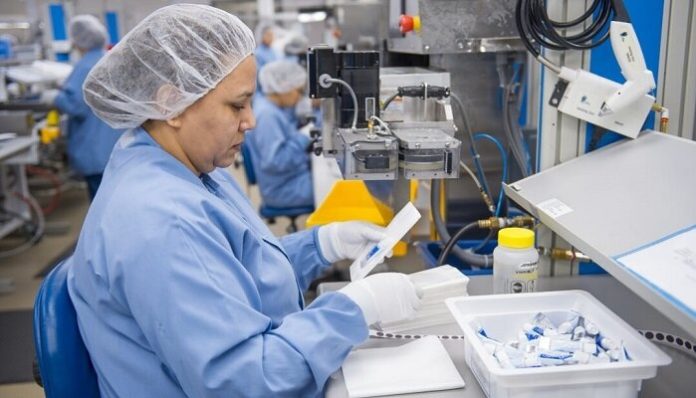
In todayโ€™s world, coming up with products that are sustainable happens to be of utmost significance for many medical device companies. In terms of packaging, there are many companies that are playing their part, like going all out in exploring single barrier packaging as opposed to double barrier packaging for some of their products so as to lessen the packagingโ€™s size as well as weight.

Apparently, making use of bioplastics in medical device packaging would seem like a reasonable second step. Although used across numerous implant applications, bioplasticsโ€™ usage when it comes to medical device packaging still happens to be at a nascent stage. There most definitely are benefits and then there are drawbacks too.

Let us list out some pros and cons when it comes to making use of bioplastics in medical device packaging. 

Some Pros

ยท         Sources of Renewable Energy: Unlike the sources of petroleum used in conventional plastics, bioplastics can arise from renewable sources of energy, thereby having a less negative impact on the environment.

ยท         Compostable and biodegradable: Bioplastics can go on to be biodegradable as well as compostable, and hence reduce the amount of waste that happens to go into landfills.

ยท         Toxicity thatโ€™s lower: Probable leach products from packaging that are made from bioplastics are more likely to be less harmful as compared to those from conventional plastics that happen to contain additives such as bisphenol-A (BPA) that are proven to be detrimental when it comes to human health.

Some Cons

ยท         Availability thatโ€™s limited: It is well to be noted that bioplastics are not available as widely as their conventional counterparts, which makes them extremely expensive to manufacture and thereby makes them costly for medical packaging.

ยท         Durability challenges: As bioplastics happen to be more biodegradable as compared to conventional plastics, there may also be challenges so as to maintain a packaging shelf life, which both companies as well as end-users have become accustomed to. Besides this, the sterilisation process can go on to have a negative impact on bioplastic packaging.

ยท         Challenges in terms of processing: Bioplastics may go on to require varied processing techniques vis-ร -vis conventional plastics, thereby making them more challenging to function with, or they may as well want more resources in order to manufacture them. Numerous processing techniques may come with higher costs, which some may not be able to afford.

In totality, while there happen to be potential environmental as well as safety benefits when it comes to using bioplastics for medical device packaging, there are indeed some issues that need to be overcome. That said, at the end of the day, it is highly likely that packaging professionals are going to go ahead with bioplastics in terms of medical device packaging as organisations look out for ways to lessen their carbon footprint and also be more resourceful than ever.

Global Medical Device Packaging To Hit $20.9bn In Ten Years

As per a report that was published in May this year, the worldwide medical device packaging market is anticipated to reach $12.4 billion in 2023 and also witness a CAGR of 6.1%, thereby making the figures climb to $20.9 billion by 2033. All this is due to the growing popularity of packaging that happens to be durable as well as eco-friendly.

Given the fact that the US is now responsible for three-quarters of the entire North American medical device packaging spectrum, analysts anticipate the market to continue on its current trajectory, thereby surging to a value of $5 billion in the next 10 years.

To put this into perspective, Germany, which happens to generate more than 20% of the entire continentโ€™s income, will go on to offer an additional opportunity of around $1 billion.

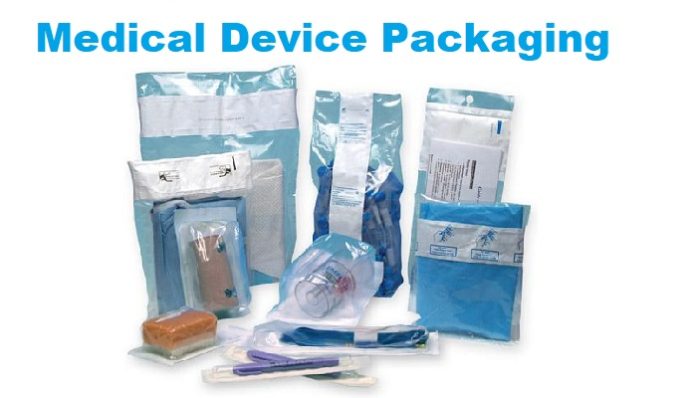
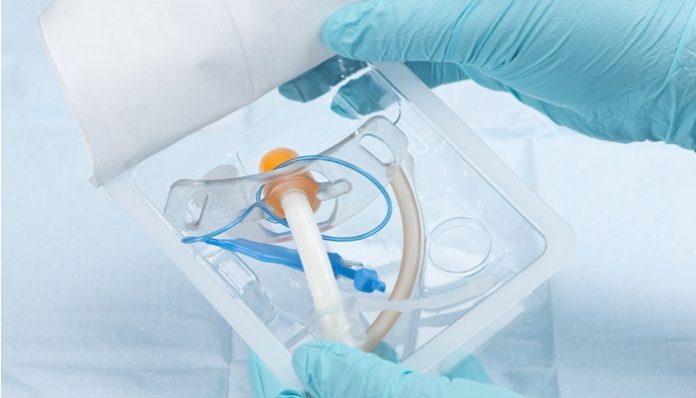
It is well to be noted that medical device packaging goes on to include pouches, bags, trays, clamshell blister packs, boxes, and containers, all of which account for a huge chunk of the worldwide device packaging market.

There also happens to be a wide range of materials that are found in this market, such as polystyrene, polypropylene, polyethylene, polyvinyl chloride, aluminium, PET, paper laminates, glass, and fabric, as well as others like biopolymers such as polyhydroxyalkanoates- PHA, polylactic acid- PLA. Apparently, disposable consumables are anticipated to dominate, both when it comes to volume and value.

Elements that influence the growth of medical device packaging

Worldwide demand for medical devices like stents and pacemakers, as well as replacement joints, happens to be rising because of an ageing population and the growth of chronic diseases. It is well worth noting that new medical devices have been developed due to advancements in medical tech, thereby necessitating packaging solutions from developers to secure them during storage as well as transportation.

Notably, as governments globally go on to develop requirements so as to safeguard the integrity and safety of the gadgets, strict laws pertaining to medical device packaging are also majorly influencing the demand, which, by the way, is also being fuelled by an elevating understanding of how crucial adequate packaging is so as to prolong the shelf life of medical devices.

Though one can expect medical device packaging usage to expand to a significant extent, manufacturers still face obstacles such as the requirement to meet strict standards of compliance so as to guarantee safety and integrity when it comes to medical devices and also making sure that packing materials happen to be in line with the devices so as to safeguard themselves from damage.

Research Gives Single-Use Medical Packaging A Go Ahead

Research Gives Single - Use Medical Packaging A Go Ahead

Surgical retractors happen to play a pivotal role when it comes to spinal injuries. That said, traditional reusable instruments go on to present numerous challenges, such as surgical site infection (SSI) risk and certain environmental issues that are associated with sterilisation.

Making use of single-use retractors in cases of spinal injuries can go on to address several challenges that are related to reusable retractors, as per one of the analyses. According to the analysis made in the report, the retractors lessen the SSIs, decrease the cost and prep time, and also lessen the impacts on the environment.

Single-use medical packaging aids in reducing infections

As per the insight, one of the primary advantages of single-use, sterile, and prepackaged retractors is the lessening of SSIs in cases of spinal injuries. As per one of the studies, the usage of disposable instruments in cases of spinal surgeries reduced the SSI risk by 44%1. On the other hand, yet another study found that the use of disposable instruments in spinal surgeries reduced the infection risk by 61%2 as compared to reusable instruments. According to the third study, the dip in the SSIs from 8.5% with the usage of reusable instruments to 1.7%3 ย  took place by way of making use of single-use instruments.

REFERENCES:


  1. Yi, S., et al. (2019). Single-use instrumentation in posterior spinal fusion for degenerative lumbar spine disease: a systematic review and meta-analysis.ย Spine Journal, 19(11), 1855-1864.
  2. ย Zhang, Y., et al. (2019). Single-use versus reusable instruments in spine surgery: a retrospective cohort study.ย Spine, 44(18), 1303-1309.
  3. Fessler, R.G., et al. (2017). A randomized controlled trial comparing the use of single-use versus reusable instruments in spinal fusion surgery.ย Clinical Orthopaedics and Related Research, 475(11), 2736-2744.
  4. Guo, J., et al (2019). The impact of single-use instruments on surgical efficiency, cost, and infection rates in spinal surgery: a comparative study.ย Journal of Spine Surgery, 5(4), 455-462.
  5. Macario, A., et al. (2012). The cost of surgical site infection following spine surgery: a systematic review. American Journal of Infection Control, 40(6), 510-513.
  6. Jaber, S., et al. (2012). Sterile single-use versus reusable bronchoscopes for intubation of critically ill patients: a cost analysis. Anesthesiology, 116(6), 1298-1305.
  7. Thiel, C.L., et al. (2015). Environmental impacts of surgical procedures: life cycle assessment of hysterectomy in the United States. Environmental Science & Technology, 49(3), 1779-1786.
  8. Vozikis, A., et al. (2016). Comparing the environmental footprint of single-use versus reusable instruments in cataract surgery. Journal of Cataract and Refractive Surgery, 42(8), 1155-1163.

Apart from this, the reduction of SSIs because of single-use instruments goes on to have a positive effect on outcomes. Various studies report that they go on to reduce median hospital stays post-spine surgery by almost 10%3, lessen the occurrence of complications arising from the post-operative scenario, and also dip the subsequent revision surgeries by around 69%4.

Instruments within single-use medical packaging lead to savings

It is well to be noted that transitioning to single-use instruments goes on to play a critical role in relieving the commercial burden that is associated with the SSIs. As per one of the studies, SSIs for spinal injuries can go on to range from $14,500 to $37,500 per case5. By moving towards SSP instruments, ambulatory surgery can go on to save thousands of dollars with every surgery and thereby increase profitability.

One of the studies claims that the single-use instruments can help save up to an average of $2245 every year per patient because of the reduced SSI rate2. This goes on to give a savings of $1.1 billion per year across the US because of the reduced SSIs associated with the single-use instruments1.

Apparently, statistics also go on to support the savings in staff as well as prep times by making use of SSI instruments. As per one of the studies, the single-use instruments went on to lessen the time required for instrument counting and also verification by 29%;ย however, another found out that the reprocessing times of the instruments dropped by 22%5.

Moreover, the report goes on to credit the single-use retractors with enhanced surgical efficiency as well as volume in spinal surgeries, with one study reporting 10%3 reduction in operative times and another reporting 12%6 surge in the number of surgeries that could be scheduled every day.

Environmental stewardship when it comes to single-use medical packaging in the case of instruments

The insight concludes by referring to numerous statistics that go on to address as to how the SSP instruments offer increasingly sought-after environmental advantages. If compared to the single-surgery lifecycle impact in the case of sterilising as well as preparing reusable instruments, SSP instruments go on to lessen the total usage of energy by 36%7 and also lessen the water usage by 32%8, besides reducing the overall greenhouse gas emissions by almost 27%8.

Interproximal Reduction: A Safe and Effective Procedure for Creating Space for Orthodontic Movement

Interproximal reduction (IPR) is a dental procedure that involves removing a small amount of tooth structure from the sides of teeth to create more space for orthodontic movement. IPR Orthodontics is a minimally invasive procedure that can be performed in a single office visit.

Materials and Methods

Several different techniques and methods can be used to perform IPR. The most common technique is to use a handpiece with a round bur. The bur is used to remove a small amount of tooth structure from the sides of the teeth. The amount of tooth structure that is removed is determined by the orthodontist.

Results

IPR is a very effective procedure for creating space for orthodontic movement. IPR can be used to treat a variety of orthodontic problems, including crowding.  IPR is a safe and effective procedure that can help patients achieve the smile they desire.

Complications

IPR is a very safe procedure, but a few things must be kept in mind.  A common complaint after IPR is sensitivity. Sensitivity is usually temporary and can be managed with over-the-counter pain medication.

Recovery

IPR is a minimally invasive procedure, so recovery is usually quick and easy. Patients may experience some sensitivity for a few days after the process, but this can be managed with over-the-counter pain medication. There is no need to miss work or school after IPR.

Risks

As mentioned earlier, the most common risk associated with IPR is sensitivity. This is usually temporary and will go away on its own within a few days. If you are concerned about the risks of IPR, talk to your orthodontist.

Conclusion

IPR is a safe and effective procedure that can be used to create space for orthodontic movement. IPR is a minimally invasive procedure that can be performed in a single office visit. IPR is a valuable tool that can help orthodontists achieve the best possible results for their patients.

Additional Information

In addition to the techniques and methods mentioned above, several other factors can affect the success of IPR. These factors include the amount of tooth structure that is removed, the technique that is used, and the skill of the orthodontist.

It is important to note that IPR is not a cure-all for orthodontic problems. IPR can only be used to create space for orthodontic movement. It cannot be used to correct bite problems or to close large gaps.

If you are considering IPR, it is important to talk to your orthodontist about the risks and benefits of the procedure. Your orthodontist can help you decide if IPR is the right treatment for you.

Safeguarding Our Ecosystem: Responsible Handling and Disposal of Pharmaceutical Waste

Pharmaceuticals play a vital role in modern healthcare, aiding in treating and preventing various illnesses. However, improper handling and disposal of pharmaceutical waste can pose significant environmental and public health risks.

Safeguarding our ecosystem requires responsible practices throughout the lifecycle of pharmaceuticals, from manufacturing to consumption and, crucially, their ultimate disposal.

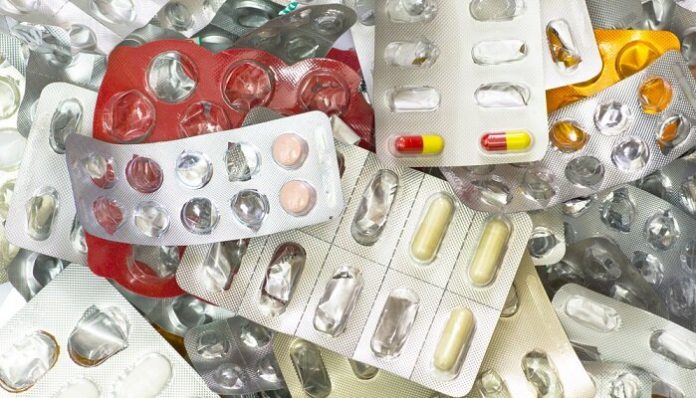
The improper disposal of pharmaceutical waste can result in environmental contamination, water pollution, and the emergence of drug-resistant bacteria. It can also endanger wildlife, compromise the quality of our water sources, and even impact human health.

Therefore, it is imperative to prioritize the responsible handling and disposal of pharmaceutical waste to mitigate these risks and preserve the delicate balance of our ecosystem.

This article highlights the importance of responsible practices andย strategies in managing pharmaceutical waste and provides guidance on how individuals, healthcare facilities, and waste management authorities can contribute to this crucial endeavor.

Join us as we delve into the best practices for handling and disposing of pharmaceutical waste, exploring strategies to minimize environmental impact, protect public health, and promote sustainability.

Risks of Improper Disposal of Pharmaceutical Waste

  • Environmental Contamination: Improper disposal of pharmaceutical waste can lead to the release of harmful substances into the environment, including water bodies, soil, and air. These substances can have long-lasting effects on ecosystems, wildlife, and plant life.
  • Water Pollution: Pharmaceutical waste that is improperly disposed of can contaminate water sources, such as rivers, lakes, and groundwater. This contamination can affect drinking water supplies and harm aquatic life.
  • Drug Resistance: When pharmaceutical waste is disposed of inappropriately, it can contribute to the development ofย drug-resistant bacteria and other pathogens. These resistant strains can pose a significant risk to public health and make treating certain diseases more challenging.
  • Human Health Risks: Improperly disposed of pharmaceutical waste can expose individuals, such as waste workers or the general public, to hazardous substances. This can occur through direct contact, inhalation of toxic fumes, or ingesting contaminated food or water. Long-term exposure to such substances can have detrimental effects on human health.
  • Accidental Poisoning: Pharmaceutical waste not properly secured or disposed of can be accessed by unauthorized individuals, including children or pets. This can lead to accidental ingestion or poisoning, resulting in severe health consequences or even fatalities.
  • Drug Diversion And Illegal Activities: Improper disposal of pharmaceutical waste increases the risk of drug diversion, where unused or expired medications are obtained and used for non-medical purposes. This can contribute to substance abuse, illegal drug trafficking, and other criminal activities.
  • Regulatory Non-Compliance And Legal Consequences: Improper pharmaceutical waste disposal often violate environmental regulations and laws. Individuals or organizations that dispose of waste improperly can face legal consequences, including fines, penalties, and reputational damage.
  • Ecological Imbalance: Improper pharmaceutical waste disposal can disrupt natural ecosystems and ecological balance. It can harm beneficial microorganisms, pollinators, and other important components of the environment, leading to cascading effects on biodiversity and ecosystem health.
  • Groundwater Contamination: Pharmaceutical waste not disposed of correctly can seep into the soil and contaminate groundwater, which serves as a source of drinking water for many communities. Contaminated groundwater poses significant risks to human health and can be costly and challenging to remediate.
  • Negative Impact On Wildlife: Improperly disposed of pharmaceutical waste can harm wildlife through direct exposure or ingestion. This can lead to reproductive issues, behavioral changes, and even population decline of certain species.

It is crucial to prioritize proper disposal methods and adhere to local regulations to mitigate these risks associated with pharmaceutical waste.

How To Handle And Dispose OF Pharmaceutical Waste Responsibly?

Handling and disposing of pharmaceutical waste responsibly is crucial to protect the environment and public health.

Here are guidelines to follow for responsible management of pharmaceutical waste:

Segregation

Separate pharmaceutical waste from other types of waste at the source. Use designated containers specifically labeled for pharmaceutical waste. This prevents contamination and ensures proper handling.

Identify Hazardous Waste

Determine which pharmaceuticals are classified as hazardous waste according to local regulations. Examples include cytotoxic drugs, certain antibiotics, and some controlled substances. Handle hazardous waste with extra care.

Follow Storage Guidelines

Store pharmaceutical waste in a secure and designated area to prevent unauthorized access. Ensure containers are tightly sealed and clearly labeled to avoid confusion. Keep waste away from children, pets, and sensitive environments.

Consult Local Regulations

Familiarize yourself with local, state, and national regulations regarding pharmaceutical waste disposal. Understand the specific requirements and guidelines applicable to your region. Compliance is essential to ensure proper disposal.

Seek Professional Guidance

Contact waste management authorities, environmental agencies, or local health departments for guidance on proper disposal methods. They can provide information on authorized disposal facilities, collection programs, and best practices.

Utilize Authorized Disposal Services

Engage in the services of authorized waste management companies or pharmacies that specialize in pharmaceutical waste disposal. They have the expertise, infrastructure, and resources to handle and dispose of waste safely and comply with regulations.

Return Unused Medications

Encourage the return of unused or expired medications through take-back programs or collection sites. Many pharmacies, healthcare facilities, and community organizations offer such programs to ensure proper disposal. Check local resources for the nearest collection points.

Properly Package And Label

Package pharmaceutical waste securely in leak-proof, puncture-resistant containers. Use designated waste bags or containers specifically designed for pharmaceutical waste. Clearly label the containers with the appropriate information, including the name of the waste, the date, and any hazard warnings.

Do Not Flush Or Drain

Do not dispose of pharmaceutical waste by flushing it down the toilet or pouring it down the drain. Wastewater treatment facilities are not designed to remove all pharmaceutical compounds, leading to environmental contamination. Follow proper disposal methods instead.

Educate And Raise Awareness

Promote responsible pharmaceutical waste management practices among healthcare professionals, patients, and the community. Provide information on the potential risks associated with improper disposal and the importance of following responsible practices.

Take Help From Professionals

Absolutely,ย hospital waste should be removed by accredited professionals for better results. Seeking help from professionals is highly recommended for the disposal of pharmaceutical waste.

Professional waste management companies and pharmacies specializing in pharmaceutical waste disposal have the knowledge, experience, and resources to handle such waste safely and in compliance with regulations.

Translate ยป