












Close
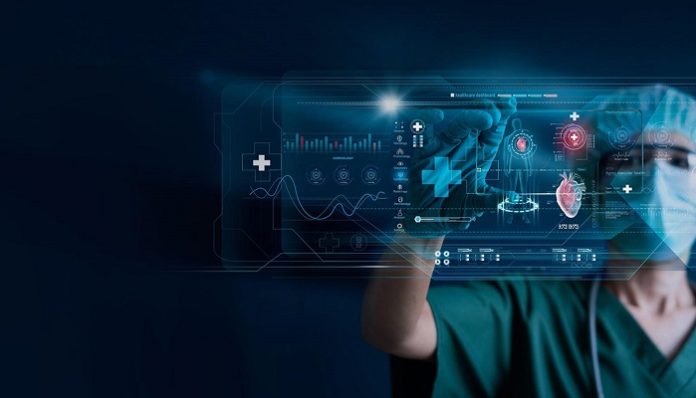
Digital Health & Ai Innovation summit 2026

6 Healthy Changes to Embrace in Your 20s

In their 20s, people hardly worry about their long-term health. Your body is strong and immune enough to get over most health problems!

However, it is never too early to accept healthy changes in your life. WHO states that almost 60% of an average human being’s health depends on their lifestyle choices!

Therefore, you can definitely assume that lifestyle changes can mitigate some of the common health concerns.

That’s why the earlier you get started on your healthy routine, the easier it becomes to maintain it later.

Keeping that in mind, c’mon, let’s jump into this article to know how!

1. Find a suitable exercise for yourself

It is no secret that exercise can do wonders for your health. And your 20s are actually a great time to embrace this habit!

If you introduce exercise into your daily routine, you’ll have the drive to keep at it later.

For instance, if you spend a year or two boxing, lifting, or doing yoga. You’re more likely to make time for that activity even when life becomes hectic.

Moreover, exercise is one of the best stress relievers and helps release the ‘happy hormones!’ This, in turn, also keeps you mentally healthy!

2. Get the necessary nutrients

Even if you maintain a healthy and balanced diet, it just might not provide you with all the essential nutrients.

Nowadays, products undergo a lot of processing and preservatives before they reach your table. Thus, your food may not always contain the goodness it must have.

On the bright side, you can instead opt for Vitamins and Supplements to make up for the nutrients your body needs!

3. Check your alcohol consumption

In the early 20s, most people used alcohol for all sorts of moods and recreational activities. However, regular drinking can affect your health in the long term. Thus, it is important to set your boundaries right from the start!

Moderation is the key for you here. A drink or two won’t hurt your overall health! However, make sure that your other lifestyle choices help you balance out the effects of drinking.

4. Turn away from opioids and tobacco

Opioids and tobacco abuse can lead to chronic health risks. Smoking, on the other hand, causes cancer almost anywhere in the body and messes with fertility, among several other ill effects.

You may even get exposed to such substances out of peer pressure. People around you are all about ‘experimenting.’ But do not let that define you, as your life can be fun even without substance abuse.

The decision, however, lies in your hands. You know better than to let a few moments of fun turn into a habit that can bear lifelong consequences.

5. Get enough sleep

You are at your prime. So, a few hours of sleep might seem more than enough!

However, the downsides of sleep deprivation aren’t just limited to irritation and grogginess the next day.

If you’re already prone to issues like anxiety and depression, chronic sleep deprivation can make you more vulnerable!

So avoid this by prioritizing 7-9 hours of rest every night. Practice a good sleep routine by sticking to a consistent and healthy sleep schedule as much as possible.

6. Don’t miss your annual appointment

People often skip their yearly medical checkups, especially if nothing major turns up in the reports. Some people avoid it due to their busy schedules. So, they assume they are clearly healthy as they didn’t feel any major issues!

However, remember that regular routine checkups will help you in the long run. So, book an appointment and speak to your doctor about your lifestyle choices.

So schedule and maintain annual checkups with your doctor. This will help you stay updated on your general health status and build a clinical history. Thus, any time in the future, if a problem arises; your doctor will have a prognosis in-hand!

Wrap It Up!

It is easy to feel overwhelmed and preoccupied with everything that’s happening in your busy life. But don’t let that come between you and your health. It’s never too early to make healthy choices for a better future.

Start by following some of the mentioned ways. For more ideas, seek professional guidance and talk to people around you. Identify what works for you and follow that!


Healthcare Vulnerabilities – Hackers Exploit Medical Devices

Medical devices face a looming danger from hackers, which further intensifies the ongoing struggle of the healthcare industry to enhance its cybersecurity measures. This threat is further exacerbated by the growing reliance on connected devices, remote work, and Bring Your Own Device (BYOD) policies. Consequently, healthcare organizations must prioritize securing their endpoints promptly to safeguard against cyber attacks that could jeopardize patient data and safety. There is a constant presence of criminals seeking to exploit vulnerabilities in hospital systems, aiming to pilfer sensitive data with the potential to be sold on the dark web.

Medical devices serve dual purposes in the healthcare industry. Not only do they gather and transmit patient data, but they also play a crucial role in regulating and administering patient treatment. For instance, these devices can monitor vital signs or deliver medication doses. However, unlike regular PCs, they have specialized software and hardware, making them incompatible with standard security solutions. Due to regulatory and operational constraints, they often lack regular updates and patches, making them vulnerable to cyber attacks that can disrupt functionality and compromise data integrity. These devices are akin to operational technology devices used in manufacturing but are even more sensitive, as they both receive and transmit vital treatment information.

Network segregation

Healthcare institutions should take into account additional measures beyond simply installing endpoint security software. An effective option is to implement network segregation, wherein a distinct network is established for medical devices, separate from regular devices. This approach helps prevent unauthorized access and minimizes the potential for attacks. Another viable solution involves utilizing specialized software and solutions specifically designed for the healthcare industry. Nevertheless, it is important to note that these solutions are not extensively embraced in South Africa or globally. The healthcare industry faces more than just concerns about managing medical devices in terms of cybersecurity. It must also address the potential impact of personal devices owned and used by healthcare professionals within hospitals or other healthcare settings.

Healthcare professionals often prefer to use their own equipment and may be hesitant to install endpoint security software or adhere to the hospital’s security policies. Furthermore, their devices may lack adequate security controls or be susceptible to accidental loss, which increases the likelihood of data breaches or malware infections. The dynamic nature of hospital operations involves a distinction between the hospital group and individual doctors who have their own practices within the hospital. As a result, doctors tend to be cautious or possess a sense of control when it comes to connecting their personal devices to the hospital network.

Healthcare organizations should establish a BYOD policy that outlines guidelines and responsibilities regarding the use of personal devices within the hospital network. Additionally, it is crucial to educate doctors and staff members about the significance of endpoint security and the potential consequences of disregarding best practices. Additionally, they should employ endpoint security tools to monitor and ensure adherence to the policy, effectively identifying and resolving any threats.

Maintaining endpoint security requires ongoing attention and caution. To uphold a strong level of endpoint security hygiene, healthcare organizations must regularly update their software, examine devices for vulnerabilities, and conduct risk assessments to detect and address any weaknesses or gaps.

Reclaiming COVID-19 Funds – Debt Limit Approval By Biden

President Joe Biden, on June 3, approved a debt limit agreement that incorporates minor reductions for healthcare programs. This action was taken just before the federal government faced the possibility of defaulting on its debt, which would have had adverse effects on the funding of Medicare and Medicaid, destabilizing them.

As per insights, the agreement will reclaim $27.1 billion in unused COVID-19 relief funds from various programs, including certain programs overseen by the CMS, a portion of which is allocated for healthcare purposes. Considering the risks faced by Medicare and Medicaid during the negotiation process, the final legislation could have been even more disruptive for the healthcare sector.

After extensive negotiations, the Fiscal Responsibility Act of 2023 received overwhelming support from both parties in the House of Representatives, with a vote of 314-117. Following this, the Senate passed the act by a vote of 63-36 on Thursday, albeit after rejecting several proposed amendments. The approval of this act was crucial before Monday to prevent the U.S. Treasury Department from running out of funds, which would have caused delays or missed payments for Medicaid and Medicare.

The agreement, which suspends the debt ceiling until January 2025, largely preserves healthcare-related federal entitlement programs, a significant achievement highlighted by the White House. Despite being targeted by Republicans in the negotiations, Medicare, Medicaid, and the Inflation Reduction Act remained unaffected by the deal, although Medicaid came close to being impacted.

The agreement excludes Medicaid work requirements, which were proposed in a debt ceiling bill passed by House Republicans in April. These requirements would have resulted in around 600,000 people losing their safety-net insurance coverage. The deal provides flat funding for non-defense spending in fiscal year 2024, with a 1% increase in 2025. Despite COVID-19 funding reductions, the Biden administration will retain approximately $5 billion for developing coronavirus vaccines and treatments in Project NextGen and covering the cost of these therapies for uninsured individuals.

However, there are concerns that the agreement’s funding limitations will hinder disease research, with the Association of Clinical Oncology calling it a “significant blow” to cancer research. The deal does establish work rules for federal food stamp recipients and those on family welfare benefits, exempting veterans and homeless individuals. While very low-income older adults may face risks to food assistance, the Congressional Budget Office anticipates increased spending on federal nutrition programs.

Evaluating The Potential of AI In Healthcare Innovation

The healthcare field has immense potential for innovation, with artificial intelligence (AI) being a promising solution. AI can tap into the vast amount of healthcare data to provide valuable insights. The pharmaceutical industry seeks faster drug development processes, and AI holds the potential to revolutionize it. By enabling efficient management practices, AI can ensure the right medications are delivered in optimal quantities to patients. However, the practical implementation of AI in healthcare is still in its early stages, creating a significant gap between theory and application. To bridge this gap, tangible evidence of AI’s effectiveness is crucial, moving beyond its promising scientific aspects.

Research and development

Artificial intelligence (AI) could enhance drug success rates in clinical trials, but it will take time. Even if AI boosts drug development, competitive advantages may not arise. Widespread adoption of AI to speed up time-to-market could diminish its benefits and pressure pricing. While there may be significant PR, profitability remains uncertain.

Clinical trials

AI can help optimize clinical trial logistics by quickly identifying suitable sites and streamlining patient enrollment. It also enables the identification and rectification of underperforming sites, enhancing trial efficiency and patient outcomes.

Commercial development

AI has the potential to identify ideal doctors for new products and targets effective events to create buzz around drugs. This aspect may be less glamorous than AI in R&D, but it is vital for pharmaceutical companies’ business formula.

The human experience

Most consumers may not be aware or concerned about AI-accelerated drug trials, but every patient seeks the best diagnosis from their doctor. AI has the potential to make a significant difference here, with a smart physician’s AI assistant aiding in pinpointing rare disorders based on symptoms. These tangible benefits are what consumers would pay more for, contributing meaningfully to healthcare provider’s bottom line.

The success of AI in these areas will be determined by its ability to deliver enhanced healthcare outcomes.AI has the potential to expedite the process of transforming data into valuable insights, allowing employers and insurers to gain a comprehensive understanding of the various factors influencing an individual’s health. Strategic implementation of AI in this context can result in enhanced decision-making in healthcare and decreased costs for healthcare organizations.

Leading US and Irish companies have started integrating AI into commercial tools, with advancements expected in the clinical field. Intuitive Surgical collects data from millions of procedures to address surgical anomalies, while other prominent firms are continuously making efforts to develop an AI model for the early detection of lung cancer, improving treatment possibilities. AI’s growing role in healthcare shows promises for transforming diagnostics and surgical practices and enhancing patient outcomes.

How Should Investors Asses the Evaluation of AI in Healthcare?

Investors evaluating AI in healthcare should prioritize long-term profitability over predicting transformative initiatives. Similar to the uncertainty of drug development, forecasting the impact of AI technology on the future of healthcare offers no advantage. Disruptive technologies often face failures before eventually transforming industries and creating profitable businesses. The AI revolution will progress gradually, and technological advancements alone do not guarantee business success. In fact, if a successful AI application becomes commoditized, it may reduce profitability. When considering healthcare investments, investors must inquire about revenue generation, time to market, and competitive strategies. Focusing on sustainable businesses that reinvest above their cost of capital is essential. If these businesses also execute a promising AI plan, investors can benefit further, but even if the AI initiative fails, a profitable business serves as a cushion.

Better Care Accessibility – MCP Model Benefits Primary Care

  • The CMS introduced a new model to enhance primary care and enable small and rural organizations to participate in value-based care arrangements.
  • The Making Care Primary (MCP) Model is set to operate for a duration exceeding 10 years across eight states: Colorado, New Mexico, New York, Massachusetts, Minnesota, New Jersey, North Carolina, and Washington.
  • Primary care is vital for better health outcomes and cost reduction. Medicare and Medicaid patients often have multiple chronic conditions, and primary care providers are responsible for prevention, screening, and management.

In the MCP Model, primary care providers who participate will receive increased payments to strengthen their infrastructure, enhance care accessibility, and improve coordination with specialists. Participating organizations, such as federally qualified health centers, tribal clinics, and Indian Health Service facilities, will be categorized into three groups based on their familiarity with value-based care and alternative payment models.

In track one, participants will establish infrastructure, staff recruitment for chronic disease management, conduct risk stratification for populations, and perform social needs screenings. Organizations will receive fee-for-service payments while receiving additional financial support from the CMS to enhance their capabilities.

In track two, organizations will receive a hybrid payment model consisting of both fee-for-service and prospective, population-based payments. They will collaborate with social service providers and specialists to conduct behavioral health screenings.

In track three, participants will completely shift away from fee-for-service reimbursement while further building upon the progress made in the previous tracks. As organizations progress through each track, the additional financial support from the CMS will gradually decrease.

The MCP Model represents a strategic approach adopted by CMS to enhance both access and quality of care, with a specific focus on underserved populations and rural areas. This model emphasizes the improvement of care management and coordination, empowering primary care clinicians with tools to establish partnerships with healthcare specialists and collaborate with community-based organizations. The ultimate goal is to support individuals in effectively managing their health conditions and achieving their desired health outcomes. The program will be implemented over a span of 10 and a half years, starting from July of the following year until the end of 2034. Primary care organizations operating in eligible states will have the opportunity to apply for participation in the program during the late summer period.

The MCP Model builds upon previous initiatives such as the Comprehensive Primary Care (CPC), Primary Care First models, CPC+, and the Maryland Primary Care Program. Insights indicate that the CPC initiative led to a reduction in emergency department visits. However, it did not result in overall cost reductions. Another insight based on both CPC and CPC+ revealed slower growth in hospitalizations and emergency department visits in practices involved in the intervention. Nevertheless, there was no significant change observed in Medicare Part A and Part B expenditures.

Certain organizations are not eligible to participate in the MCP Model, including rural health clinics, current Primary Care First (PCF) organizations,ย  concierge practices, participant providers in ACO REACH, and grandfathered tribal Federally Qualified Health Centers (FQHCs). Additionally, primary care organizations will not be able to simultaneously participate in the Medicare Shared Savings Program and the MCP Model after the initial six months.

For a smooth transition to total cost of care models like CMS should allow concurrent participation or offer comparable options within the Medicare Shared Savings Program during the launch of the Making Care Primary initiative. Without a population-based payment option for ACOs, practices may choose to transition to Making Care Primary instead of staying in the total cost of care models.

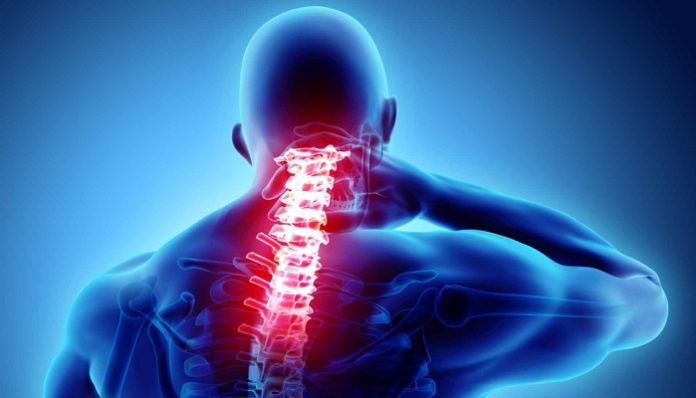
9 effective tips for neck pain

Do you suffer from chronic or acute neck pain? You are not alone. Neck pain, known as cervicalgia, is a pain that surrounds the spine underneath the head.

Neck pain can happen due to injury or constant sitting in a bad posture. Or it may be a symptom of a medical condition. Neck pain may be axial, meaning you feel it only in your neck. Or it can be radicular, which you feel in other parts, like the arms and shoulders.

People who constantly use their phones or laptops will suffer from severe neck pain. Thankfully, most cases are not severe, and you can get relief. For chronic pain, going to a physiotherapist and taking a few measurements can help. Letโ€™s see the best ways to treat neck pain and get relief.

Causes of neck pain

Muscle strain and tension can lead to neck pain. It happens due to bad posture, working at a desk for long periods without changing positions, or sleeping in a bad position. Also, jerking the neck while working out leads to neck pain.

  • An injury due to an accident while playing or working out can lead to neck pain.
  • Meningitis is the inflammation of thin tissues surrounding the spinal cord and brain. Other than neck pain, symptoms include a stiff neck, headache, vomiting, sensitivity to light, and fever.
  • Mental stress also leads to neck stiffness and pain.
  • Other causes include spinal stenosis, aging, osteoporosis, rheumatoid arthritis, herniated discs, and fibromyalgia.

Treating neck pain

Taking muscle relaxers and pain medication

For acute neck pain due to improper posture or muscle strain, taking painkillers like ibuprofen works well.

For others, taking NSAIDs is an option. It can help relieve pain in many instances. It is also the first line of treatment for most neck pain issues.

Ice and heat therapy

If you feel neck pain after waking up or working out, use this option. Using ice therapy reduces inflammation and swelling. Thus, it relieves pain.

Heat therapy helps loosen the muscles, ensuring blood flows again. Alternating between these two can help with neck pain. You can use an ice pack or a heating pad or even take hot and cold baths or showers.

Take physical therapy.

Physical therapy is one of the best ways to relieve neck pain. They can help relieve the pressure in your neck and reduce pain without surgery or excess pain medicines. They provide you with movements and exercises to strengthen the tendons and muscles of the neck. It helps with flexibility and releases pain.

It will take time, and you will need to continue the therapy for the best results. A physical therapist in your location with the best reviews is the way to go.

Darlinghurst Physio, for instance, is perfect for local people as it saves time and provides instant relief.

Cognitive behavioral therapy

Did you know depression, anxiety, and mental health issues can also lead to neck pain? It is a silent symptom that causes severe pain.

If all your reports, MRIs, and other scans show no reason for pain, it might be psycho-sympathetic. In this scenario, working with a mental health expert or therapist can help. They can figure out the reason and help you cope with the pain and relieve it.

Get a massage.

A gentle neck massage stimulates blood flow, helping to release pain. But before you go for neck pain, ask your doctor if massaging will help or worsen the pain.

Gentle exercises

Gentle neck exercises and yoga postures for neck pain relief can do wonders for your neck pain. It helps improve posture and releases stress, which helps with pain management. Also, perform these under guidance so you do not overexert the neck area.

Try acupuncture

A traditional Chinese holistic approach involves inserting needles and pins in the body part in pain. It triggers your bodyโ€™s natural response to pain, helping alleviate the pain.

Steroid injections

For people suffering from extreme neck pain, steroid injections can help. Doctors insert them near the nerve root, reducing pain and inflammation.

Surgery

If nothing relieves your chronic pain, surgery is your last option.

Never ignore neck pain, especially after an injury or when you feel it in your arms too. It can signify a serious disease. Get a doctorโ€™s opinion, go for physical therapy, and correct your posture.

The best way to lose weight and keep it off

Losing weight and maintaining it is the goal for many people. Everyone understands that being at optimal weight is necessary to stay healthy and keep chronic illnesses at bay. However, losing weight is not as easy.

The amount of information on the internet is overwhelming. Some claim to eat a low-fat diet; others want you to give up carbs completely, and others claim intermittent fasting is the best way to lose the extra calories. And while most of these work and are healthy, they might not suit you.

Everybody is different and requires a different approach to losing weight. In short, there is no easy way to lose weight and maintain it. Not every approach will work for everyone, either. Still, you can take a few steps to lose weight and become healthier.

Say no to emotional eating.

It is a universal truth that humans do not eat to satisfy their hunger. They eat to satisfy their emotional needs too. When you are stressed or angry, do you notice eating more food?

Maybe you binge on chocolate or start eating packs of chips. It happens when you eat to satisfy your emotions instead of your hunger. If you do this often, you will wreck your body and put on weight.

Eating your favorite food, even if it’s pizza, mindfully is okay. But binging on it when you are emotionally distraught is not the answer. The best tip to avoid this is to find your triggers. Then find ways to manage them without turning to food. For instance, if you are eating because you are:

  • Stressed? Find ways to manage them instead of eating chocolate, chips, or sweets. Try meditation, journaling, or yoga.
  • Low on energy? Then listen to music, take a short nap, or walk.
  • Lonely? Instead of eating everything in your fridge, call up friends or family. Take yourself on a date and meet new people.

Make lifestyle changes.

Do not try fad diets like keto or paleo. It is not sustainable because when you start eating normally, you gain weight again. Instead, make lifestyle changes.

For instance, eating clean and mindfully is a lifestyle change that can help you lose weight and maintain it. Limit processed food, say no to sugary drinks, and avoid foods that inflame your body completely. Knowing what works for your body and what does not will help you stay healthier.

Workout regularly

Working out helps your body become flexible and healthy and lose fat. You build muscles and lose fat when you work out three to five times a week. Also, it is best to include a variety of exercises in your routine.

For instance, you can do Pilates on one or two days, go for walks on other days, perform cardio and strength training on one day, and do yoga one day. Find a rhythm that suits you.

Pilates is one of the best forms of exercise to sustainably lose weight. Join an online pilates class to reap its benefits, which surpass just the physical form.

Add protein to your diet.

Losing and maintaining weight becomes easier when you fuel it with the right nutrients. And protein is the best nutrient, as it keeps you full. It reduces your appetite, so you snack less. Also, it takes more energy to digest protein, so it helps ignite the body’s natural metabolism.

Try to add at least 20โ€“30 grams of protein to all your meals. Starting your day with a high-protein breakfast is also the best.

Pay attention to what you drink.

You track everything you eat and under specific calories, yet you gain weight.

The reason?

You are not tracking your liquid calories. Intaking sugary drinks, like frappuccinos, sugary teas, sodas, and juices, will increase your weight. They are empty calories, as they have no health benefits but increase your calorie consumption.

Take charge of the food environment.

Successfully lose weight and maintain it by taking charge of what and how you eat.

For instance, cook at home, eat an early dinner, and do not eat anything till breakfast. It will give your body time to digest food and help you lose weight.

Remember, the goal should be to stay healthy. Weight will come off with time, but don’t try to lose it exceptionally fast. Otherwise, you will end up with health issues.

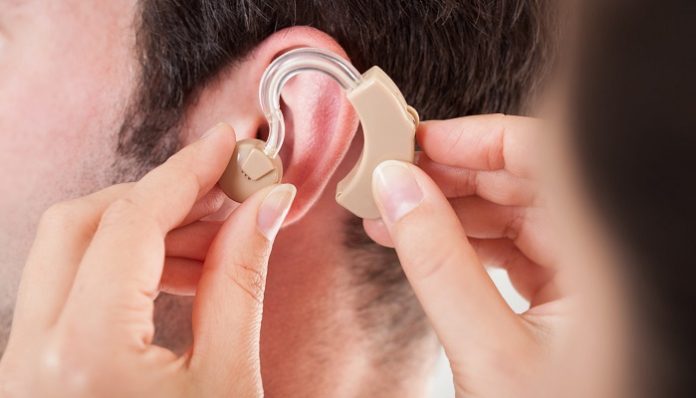
The future of hearing tech in medicine – Will it become obsolete?

The field of hearing technology in medicine has witnessed remarkable advancements. With the rapid development of digital health innovations, there is a growing curiosity about the future of traditional hearing aids and whether they will become obsolete.

As digital health innovators explore alternative options for auditory care beyond traditional in-school tests and hearing aids, audiologists are steadfastly defending the efficacy of these tried-and-true tools. While new audio tools are emerging, experts assert that nothing can replace the essential role of hearing aids. In this blog, we will delve into the exciting world of hearing technology, explore the latest breakthroughs, and discuss the potential for obsolescence in this ever-evolving field.

The Evolution of Hearing Technology:

To understand the future of hearing technology, we must first appreciate its remarkable evolution. Traditional hearing aids have come a long way from their humble beginnings, embracing digitalization and miniaturization. These devices have transformed the lives of millions, providing enhanced sound quality and improved user experience. However, recent advancements have introduced a wide range of alternative options, including hearables, implantable devices, and innovative sound processing algorithms.

The Rise of Digital Health Innovations:

Digital health innovations have revolutionized the healthcare landscape, and the field of auditory care is no exception. Mobile applications, wearable devices, and telehealth solutions have opened new avenues for auditory assessment, monitoring, and rehabilitation. These technologies offer the promise of personalized and accessible care, empowering individuals to take control of their hearing health. You can get free or low-priced hearing aids with the help of healthcare insurance policies. But does this mean that traditional hearing aids will be rendered obsolete?

The Limitations of New Technologies:

While new technologies have undeniably expanded the possibilities for auditory care, they are not without their limitations. Alternative options like hearables and sound amplification devices may provide convenience and discreteness but may fall short in addressing complex hearing impairments. Furthermore, these innovations often lack the customization and precision that traditional hearing aids offer. Audiologists argue that the extensive research, expertise, and fitting process involved in prescribing hearing aids cannot be easily replicated by off-the-shelf devices.

The Indispensable Role of Hearing Aids:

Audiologists and hearing healthcare professionals passionately defend the indispensable role of hearing aids. These devices have a proven track record in effectively addressing various types and degrees of hearing loss. They are designed to be tailored to the unique needs of each individual, providing optimal amplification and sound processing. Moreover, hearing aids offer advanced features like noise reduction, directional microphones, and connectivity options that enhance communication and improve quality of life.

Advancements in Traditional Hearing Aids:

Rather than becoming obsolete, traditional hearing aids are continuously evolving and incorporating cutting-edge technologies. Manufacturers are incorporating artificial intelligence algorithms, machine learning, and sensor technologies into their devices, allowing for adaptive and intelligent sound processing. Furthermore, significant progress has been made in improving battery life, reducing size, and enhancing user comfort. These advancements ensure that hearing aids remain a reliable and effective solution for individuals with hearing loss.

The Synergy of New and Traditional Technologies:

Rather than viewing new technologies as a threat, many experts advocate for the synergy between traditional hearing aids and emerging innovations. The combination of telehealth solutions, smartphone apps, and wearable devices can complement the capabilities of hearing aids, enhancing the overall auditory care experience. For instance, remote programming and monitoring enable efficient adjustments and fine-tuning of hearing aids, ensuring optimal performance. Moreover, smartphone connectivity allows for seamless integration with various audio sources, promoting accessibility and convenience.

The Human Touch: The Role of Audiologists:

While technology continues to advance, one aspect that cannot be replaced is the expertise and guidance of audiologists. These professionals play a crucial role in diagnosing hearing loss, recommending appropriate interventions, and providing ongoing support. Audiologists have the knowledge and skills to navigate the complexities of auditory care, ensuring that individuals receive personalized and evidence-based solutions. The human touch in audiological care is irreplaceable, underscoring the continued relevance of hearing healthcare professionals.

Conclusion:

In conclusion, the future of hearing technology in medicine is a blend of innovation and tradition. While digital health advancements offer exciting possibilities, traditional hearing aids remain an essential and reliable solution for individuals with hearing loss. Rather than becoming obsolete, traditional hearing aids are evolving alongside emerging technologies, incorporating advanced features and intelligent sound processing. The synergy between new and traditional technologies, combined with the expertise of audiologists, ensures that the future of auditory care is bright and promising.

How Should You Take Care Of Your Skin?

Beautiful skin is something that everyone desires. But taking care of your skin can be a daunting task as there are so many products and treatments out there, it’s hard to know where to start. From the basics like cleansing and moisturizing to more advanced techniques such as exfoliation and face masks, it can all seem overwhelming. Fortunately, with a few simple steps you can ensure that your skin remains healthy and glowing for years to come.

1. Laser Facial Treatment

This type of facial treatment is used to improve skin tone and texture, reduce fine lines and wrinkles, treat acne, and even out skin pigmentation. Lasers are highly effective in treating a variety of skin problems without causing any harm to the surface of the skin. You can find a luxurious laser clinic in your city or have one come to you. If laser facials are done regularly, they can help keep your skin looking its best. Also, lasers are a great way to stimulate collagen production, which helps keep skin looking tight and youthful.

2. Exfoliate Regularly

Dead skin cells accumulate on the surface of your skin. They make it look dull and dry. To keep your skin looking healthy, you should exfoliate regularly. This will help to remove dead skin cells and allow products like serums, moisturizers, and masks to penetrate deeply into your skin for better results. Be sure to be gentle when exfoliating as rough scrubbing can cause irritation and inflammation. Use a gentle exfoliator, such as a facial scrub or an enzyme-based exfoliator, no more than two or three times per week.

3. Moisturize your skin

The skin needs to be moisturized in order to keep it healthy and hydrated. Choose a moisturizer that is suitable for your skin type, as different types of skincare products work better with certain kinds of skin. Apply the moisturizer all over your body at least twice a day after showering or bathing, and make sure to pay extra attention to areas like elbows, knees, and feet which tend to get drier than other parts of the body. Additionally, it is important to apply sunscreen when going out in the sun – even on cloudy days – in order to protect yourself from UV rays which can damage the skin cells and cause premature aging.

4. Get enough restful sleep

Getting enough restful sleep is essential for healthy skin. Sleep gives your body time to repair and regenerate so that the cells can produce collagen which will make your skin look smoother and more elastic. Lack of sleep can increase stress, which leads to the release of hormones that break down collagen and lead to wrinkles. It also lowers levels of growth hormone in the body, which helps keep skin hydrated and firm.

In addition, lack of sleep increases cortisol levels which can cause inflammation in the skin leading to acne breakouts. Good quality sleeping habits are just as important as getting enough hours of sleep each night.

5. Eat a healthy diet rich in antioxidants

Eating the right foods can help protect your skin from oxidative damage and keep it looking young and healthy. Include plenty of fruits, vegetables, nuts, and whole grains in your diet for a natural way to provide nourishment. Antioxidants like Vitamin C and E can help neutralize free radical damage that can cause premature aging. Additionally, omega-3 fatty acids can be beneficial for keeping skin hydrated and supple. Avoiding processed or fried foods may also help reduce inflammation that can lead to premature aging.

6. Stay Hydrated

Drinking plenty of water is one of the most important ways to keep your skin healthy. Staying hydrated helps your body flush out toxins, and it also keeps your skin looking plump and hydrated. Aim for at least 2-3 liters of water daily or any other non-alcoholic beverages that contain electrolytes such as coconut water or sports drinks. Additionally, try to reduce your intake of caffeinated beverages like coffee and tea as they can be dehydrating. While alcohol can be a factor in dehydration, moderate consumption may benefit the skin with some antioxidant effects.

Taking care of your skin is essential for achieving beautiful, healthy skin. With the right products and treatments as well as a healthy lifestyle, you can keep your skin looking its best for years to come. Remember to make sure you get enough sleep, drink plenty of water, moisturize regularly, exfoliate gently, and eat a balanced diet rich in antioxidants. Additionally, laser treatments can be a great way to address any specific skin concerns and get the best results for your skin.

6 Obvious Signs That a Chiropractic Visit Is Needed

Are you experiencing ongoing pain or stiffness in your neck, back, head, shoulders, or arms? Have you started to notice strains and aches when engaging in activities that used to be easy for you before? If so, it might be time to consider a chiropractic visit. Chiropractic care can help provide relief from painful symptoms and promote overall joint health – but how do you know it’s the right solution for your needs? Read on for 6 obvious signs that a chiropractor may be able to help.

1.ย  Persistent neck, back, or shoulder pain

Persistent neck, back, or shoulder pain can truly be a living nightmare for the individuals who experience it. It can affect nearly every aspect of daily life and hinder activities that once brought joy and satisfaction. The constant discomfort and pain can lead to a decrease in quality of life, often resulting in depression and anxiety.

It is crucial to seek medical attention if this type of pain continues for an extended period of time. As per the Finesse Chiropractic experts, seeking help from a medical professional can provide the necessary tools and treatment to manage and alleviate the pain, leading to a more comfortable and fulfilling life. Don’t let the pain control your life – take action today and seek out the help you deserve.

2.ย  Loss of range of motion in a joint

Our joints are critical to many of our daily activities. They allow us to move, stretch, and reach. However, when we lose the range of motion in a joint, it can make even the simplest tasks seem impossible. This loss can be caused by injury, disease, or even just aging. It is important to address the issue and work on restoring the lost range of motion.

Ignoring the problem can lead to further complications down the line, such as muscle soreness and stiffness. Physical therapy, stretches, and proper nutrition can all aid in the progression toward regaining the range of motion in the joint. By understanding and committing to this process, we can help our bodies function at their best.

3.ย  Frequent headaches

Headaches are both a common and frustrating occurrence for many people. Whether they are caused by stress, dehydration, lack of sleep, or any number of other reasons, their effects can be debilitating. Frequent headaches can affect one’s ability to focus, work, or enjoy everyday activities.

It’s important to take the time to determine the root cause of your headaches and to establish healthy lifestyle habits that can help prevent them. From maintaining a consistent sleep schedule to staying hydrated and reducing stress, there are many ways to combat chronic headaches and regain control of your day-to-day life.

4.ย  Numbness or tingling in the extremities

Have you ever experienced that pins and needles sensation in your hands or feet? Maybe your fingers or toes felt numb or tingly, almost as if they fell asleep. This is a common condition called paresthesia, and it can be quite unsettling, not to mention uncomfortable. While the sensation is usually temporary and harmless, it’s important to know when it might be a sign of a more serious underlying condition.

Understanding the causes and symptoms of numbness or tingling in the extremities can empower you to seek the proper medical attention if needed and provide peace of mind knowing that you’re taking care of your health.

5.ย  Muscle spasms and cramps

Muscle spasms and cramps are undoubtedly some of the most uncomfortable conditions one can experience. They are involuntary contractions that occur suddenly and can result in sharp, intense pain that lasts for minutes or even hours. While they are common in the legs, they can occur in any part of the body. Muscle spasms and cramps can be caused by dehydration, over-exertion, electrolyte imbalances, or even certain medications.

If left untreated, they can lead to muscle damage or injury. Fortunately, there are several ways to alleviate the pain and prevent future episodes, such as staying hydrated, stretching before exercise, and consuming foods that are rich in electrolytes. With proper care and attention to oneโ€™s body, muscle spasms and cramps can be effectively managed, allowing for a pain-free, active lifestyle.

6. Difficulty walking or standing

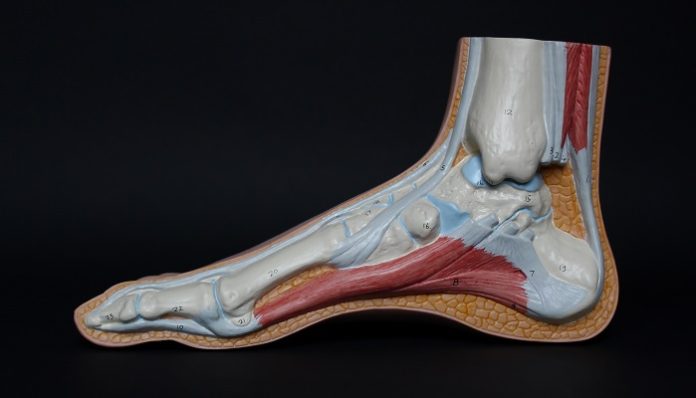
Walking is an essential activity in our daily lives, but sometimes it becomes a real pain. For those who struggle with standing or walking for long periods of time, simple tasks such as grocery shopping or running errands can become a daunting experience. You may feel like your feet and legs are on fire, or you may find that your muscles tire too quickly. Difficulty standing or walking can be caused by a variety of factors, including arthritis, plantar fasciitis, nerve compression, or even just wearing the wrong footwear.

Regardless of the cause, it’s important to take steps to alleviate the issue and prevent further complications. Seeking advice from your healthcare provider, doing exercises, and wearing comfortable shoes can help you to overcome this obstacle and make walking around a more enjoyable and comfortable experience.

The body is an amazing and complex machine that, when functioning properly, allows us to live our lives to the fullest potential. However, when it suffers from persistent pain or movement limitations, it can be frustrating and impede your activities of daily living. If you are suffering from chronic neck, back, or shoulder pain, loss of range of motion in a joint, frequent headaches, numbness or tingling in the extremities, muscle spasms and cramps, or difficulty walking or standing for long periods of time then itโ€™s time to consider seeking treatment from a qualified medical provider.

Translate ยป