Close
Digital Health & Ai Innovation summit 2026
Medical Taiwan 2026

Cadwell launches Arc Voyager for remote wireless access to in-home EEG monitoring with video

Cadwell launches Arc Voyager for remote wireless access to in-home EEG monitoring with video

Cadwell Industries, Inc., a global leader in neurodiagnostic and neuromonitoring solutions, announces the US launch of Arc Voyager™, a remote monitoring solution for wireless In-Home EEG.

Physicians and technologists can now remotely access real-time EEG data and video from patients running in-home, wireless Arc Apollo+ EEG tests via the Arc Voyager and the new Arc 3.1 software. Arc Apollo+ features EEG data capture with automatic data backfill, designed to enable comprehensive real-time review with a complete data set for daily reporting.

Mobile, comfortable EEG
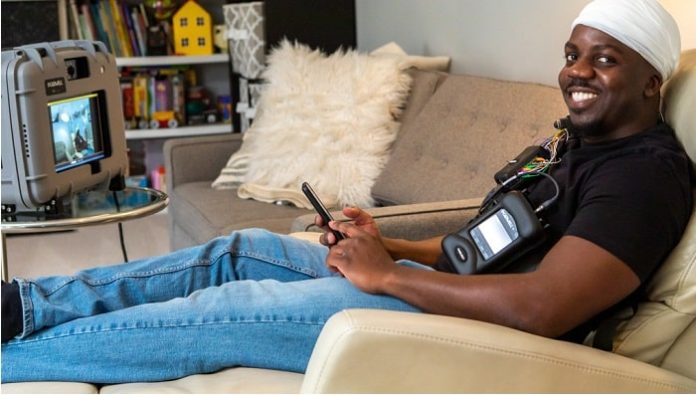
Arc Voyager is a wireless remote monitoring system featuring a durable case, an integrated HD camera with automatic infrared switching, a microphone, and a rugged tablet PC with an on-screen patient video display that enables wireless EEG data capture and real-time remote monitoring with data backfill.

Arc Apollo+ is a wearable 32 or 64-channel EEG solution that communicates the patient’s EEG data to Arc Voyager via Wi-Fi to provide reliable in-home EEG monitoring. Technologists can easily set up patients in the hospital or clinic, and send patients home with simple instructions for use.

Patients benefit from untethered wearable EEG in their homes, maximizing their mobility, comfort, and freedom. Patients who suffer from epilepsy often experience seizures more frequently in their own environments, as compared with clinical studies in Epilepsy Monitoring Units.

EEG Clinical Solutions
Arc Voyager achieves yet another milestone in Cadwell’s dedicated EEG technology development.

“Cadwell’s continued achievements are the direct result of our partnerships and developmental collaborations with clinical experts around the globe,” says Cadwell CEO Patrick Jensen. “We are dedicated to customer-centric clinical solutions, enhancing user experiences, and improving patient outcomes.”

Monoclonal Antibodies Result In COVID-19 Hospitalisation Dip

COVID Hospitalizations In The US Break Last Winter's Record

A study has gone on to find that monoclonal antibodies (mAbs) decreased the risk of hospitalisation or even death by 39% if given within two days to people who are tested positive for COVID-19.

The research compared the patients who were administered this treatment to those who were eligible but did not receive it. Notably, the immunocompromised patients got to experience a further reduced risk, as per the researchers. The risk infection level was determined at a period of 28 days.

The researchers from the University of Pittsburgh Medical Centre, under the trial, evaluated around 2571 patients who got treated with monoclonal antibodies. The details of these patients were then matched with the data from 5131 eligible COVID-19 patients who did not get the treatment. Notably, single-dose intravenous mAb treatment doses were administered with either sotrovimab, bamlanivavimab, bebtelovimab, bamlanivimab-etesevimab, intravenous, or imdevimab. The inferences pointed to the total risk when it came to hospitalisation or death at 28 days, which stood at 4.6% in the patients who were treated as compared to 7.6% in non-treated and controlled patients.

It is well to note that between 2020 and 2022, the US FDA granted emergency use authorization (EUA) to five varied COVID-19 monoclonal antibody treatments. All these treatments ultimately showed a reduction in COVID-19 viral load. Subsequently, they also showed their ability to decrease hospitalisation and death rates in some of the at-risk patients as well.

These authorised treatments somehow have either been suspended or revoked by the FDA ever since, because of the in vitro evidence that involves loss of efficacy surrounding novel COVID-19 variants. That said, this action was taken without the availability of any randomised trial or even any real-world data.

In the current study, the growing real-world efficacy of an early mAb treatment was determined for outpatients suffering from COVID-19 who were treated for almost 2 years. As per the authors, the results indicate that all across the pandemic, early treatment using monoclonal antibodies significantly lowered the severity of COVID-19. These findings are indeed very important since, as of date, there aren’t any FDA-approved monoclonal antibody treatments when it comes to COVID-19 outpatients, the authors emphasise.

Dealing With Medical Bills After the Loss of a Spouse or Parent

Unlike other forms of debt, medical debts are usually unplanned. In the United States, two-thirds of such obligations result from one-time or short-term debts due to expenses incurred to cover acute healthcare needs.

If your spouse or parent just died, and they have unpaid medical expenses, how do you deal with their hospital bills after their death? To whom does the responsibility of paying the medical bills get passed?

Paying the medical bills of individuals who have died can be challenging for some people, especially if the deceased loved one was their spouse or parent. The money owed may not necessarily disappear upon death, so learning how to manage medical bills can help those left behind pay off those debts without too much worry.

If you’re among those people with this burden, you can seek help from institutions providing solutions to pay medical bills. Solutions can include financing or repayment plans to help you consolidate your debt.

Read on to learn how to deal with medical debts after losing your loved one.

How to Manage Medical Bills After the Loss of a Loved One

Financial stability is often associated with one’s capacity to pay medical expenses. But when such costs for one family member become too big, they can adversely affect the rest of the family.

In the U.S., more Americans find unexpected healthcare costs unaffordable, and many end up delaying required care. This issue is a growing problem in the country with limited public health insurance coverage like Medicare and Medicaid.

So, how do you manage the medical bills of a loved one, like a parent or spouse, after their death?

First, determine if medical debt gets passed to you. Laws regarding this debt can vary between states. For example, most states do not require surviving partners to become liable for their spouses’ personal debts.

After your loved one passes away, their estate is born, meaning the estate pays its debts and distributes any balance to the heirs.

An estate executor takes care of this matter. All debt-related correspondence gets directed to the executor.

Sometimes, creditors can write off small medical debts upon death. This situation depends on how you or the executor negotiates with those owed.

You can consider negotiating the medical charges for larger bills, especially if the estate has insufficient assets to pay off those bills. The medical provider can offer to settle the debt all at once or through a payment plan. The settlement offer is usually lower than the owed amount.

If a person dies without an estate, creditors can consider the debt unrecoverable and forgiven. If you’re uncertain about your state’s laws, ask your lawyer for more information.

Who Becomes Responsible for Medical Expenses After a Spouse’s or Parent’s Death?

Your deceased loved one’s estate usually pays for their medical debt. In other words, you’re generally not responsible for your deceased loved one’s debt unless you’re the estate executor.

The executor, usually appointed by a court or named by the testator (the person giving the will) before death, can be anyone as long as they are over 18 and have no felony convictions. Eligible individuals who can become executors include:

  • Family members
  • Lawyers
  • Accountants

Suppose you’re a surviving family member of the deceased. You can become responsible for their medical bills if you’re:

  • An estate administrator or representative
  • A surviving spouse living in a state known as a community property state where you jointly own marital assets under the law
  • A cosigner who guarantees a debt with the deceased individual
  • A spouse or parent living in a state with laws considering you responsible for specific costs like healthcare

Laws regarding healthcare and debt can vary among states. Consider contacting a financial advisor or lawyer well-versed in your state’s laws to ensure your loved one’s medical bills are settled after they pass.

References

  1. Medical debt in the U.S. – Statistics & Facts
    https://www.statista.com/topics/8219/medical-debt-in-the-us/
  1. Problems Paying Medical Bills: United States, 2021
    https://www.cdc.gov/nchs/data/nhsr/nhsr180.pdf
  1. What Is an Executor? Definition and Responsibilities
    https://www.investopedia.com/terms/e/executor.asp#toc-being-an-executor

Wise Advice On How To Find A Good Lawyer For Medical Cases

Having a reliable lawyer to represent you in important medical cases can help determine whether or not you receive proper compensation, justice, and legal advice. The process of finding an appropriate and reputable lawyer for these critical matters should not be taken lightly; one must find the best available professional for their medical case needs.

If you live in Chicago and need some guidance on how to find a competent lawyer for your medical case, this post has the key advice to make sure you know what resources are out there and what steps are necessary when forming your search criteria.

By following the tips provided herein, you will be well on your way to making an informed decision about selecting an attorney who meets your specific requirements — so read carefully!

The differences between malpractice and medical negligence

Medical malpractice is a civil action brought by a patient against a health care professional or institution based on an alleged breach of the standard of care that resulted in injury, while medical negligence occurs when a medical provider fails to provide services that meet the accepted standards of such services. This can lead to injury, disease, or death due to the healthcare provider’s substandard actions or failure to act.

Additionally, you should be aware of the differences between a medical malpractice attorney and a personal injury lawyer. The former specializes in cases involving medical negligence and malpractice, while the latter focuses on civil cases of personal injury due to negligence or intentional wrongful acts.

Knowing these distinctions can help you make more informed decisions about who can best represent your interests in court and will ultimately lead you to find a lawyer for any case regarding medical issues in Chicago.

The Importance of Local Medical Malpractice Lawyer

When looking for a malpractice lawyer, you need someone who understands local regulations and the subtleties of cases involving medical negligence or malpractice. They should be able to recognize the right kind of evidence quickly, investigate it fast and take appropriate steps for resolving the issue at hand.

With good counsel from an experienced lawyer, you can make sure that your interests are well represented in court proceedings—for instance, by facilitating timely settlements or helping you receive maximum compensation from litigation. According to Chicago Attorney Tom Plouff, your attorney should be familiar with state laws and regulations, as well as have an understanding of the medical field related to your claim. The stakes are too high when it comes to medical cases, so it pays to find a savvy lawyer suited to your needs.

Check a lawyer’s experience and qualifications

When choosing a lawyer for your medical case, do your research! Make sure the lawyer you hire is suitably experienced and qualified. Gather all the necessary information about them—where did they study, and how long have they been practicing?

Are they experts in both the healthcare system and the judicial process? Do they have any relevant certifications or awards that demonstrate their knowledge of medical cases? Collecting this data will give you greater context on which to base your decision.

Additionally, reach out to trusted sources who may have had similar experiences and inquire about recommendations. Starting strong with a highly accomplished legal team could make all the difference in the outcome of your medical case.

Consider the lawyer’s reviews and ratings

Reviews and ratings are a great way to narrow down your search and determine if a certain lawyer is knowledgeable about the subject and could be a good fit for your needs. Reading what other clients have said about their experiences with a particular attorney can help you decide whether their services and expertise would be suited to your case.

Additionally, you can use legal rating websites to search for ratings and reviews of lawyers in your area. Doing so could save you time while helping you find the right attorney for your medical case.

Bear in mind that while reviews can be very helpful in making an informed decision, they should never replace getting to know the lawyer yourself; there’s no substitute for a face-to-face meeting where you can ask questions and get a better sense of who they are and what services they offer.

Make sure the lawyer is familiar with medical terminology

Especially when it comes to medical cases, lawyers need to have an extensive understanding of the medical language that could be used in court. If there is a misunderstanding between you and the lawyer due to a lack of familiarity with certain terms or jargon, then that can significantly harm your case.

Fortunately, numerous lawyers in Chicago specialize in legal matters tied to medicine and undoubtedly have a comprehensive understanding of all relevant elements. For instance, if you have faced a medical error or misdiagnosis, the lawyer should be well-versed in these issues and have enough experience to comprehend the complexities of your case.

Ask questions to gauge how well they understand your case

When interviewing prospective lawyers, ask them specific and detailed questions about your situation and listen carefully to their responses. Ask how they think your case should be handled, what strategies they would use, and how much experience they have in this type of law. Make sure their answers satisfy you before making a decision.

Some of the other questions should include:

• How long is the process likely to take?

• What resources do you have available to help me with my case?

• What can I expect from working with you?

• Have you successfully handled a case like mine before?

By asking these questions, it can help ensure that you’ve found an attorney who will apply all the wisdom at their disposal to win your case.

By understanding the differences between medical malpractice and negligence, researching recommended lawyers from the area, double-checking their experience and qualifications, considering reviews and ratings, making sure they’re familiar with medical terminology, and asking important questions about your case – you will be better prepared to make an informed decision regarding which lawyer would best suit your needs.

With this information in mind, you will have the expert guidance needed to move forward in finding sufficient legal representation for your particular medical case. Good luck!

Why Is Language Translation Crucial In Healthcare?

Healthcare greatly relies on language translation to aid healthcare providers in effectively communicating with patients with limited language proficiency in the region’s spoken language. This process involves translating spoken or written language from one language to another, facilitating efficient communication between healthcare providers and patients. 

A robust translation strategy ensures all patients receive the necessary care. In the present times, where connectivity has reached unprecedented heights, language translation services in healthcare have become more important than ever. By employing translation services, healthcare providers are better equipped to cater to patients’ needs and provide top-notch care. 

Read on to dig deeper into the significance of language translation in healthcare.  

  • Access To Healthcare Services 

Obtaining healthcare services can be exceedingly challenging for patients with limited language proficiency. Communicating with healthcare providers may be difficult, leading to misunderstandings and potentially ineffective treatment. 

Thankfully, translation services offer numerous benefits to both patients and healthcare providers. Patients can communicate their symptoms and concerns more effectively, comprehend their diagnoses and treatment options, and feel more comfortable during medical encounters. 

On the other hand, healthcare providers can enhance communication and ensure that all patients receive the necessary medical care. Providing professional interpreters and translating written material into multiple languages can expedite care delivery, foster stronger patient relationships, and offer better outcomes.  

  • Patient Safety 

Indeed, establishing effective communication between patients and healthcare providers is imperative in the healthcare industry to deliver safe and exceptional healthcare services. Limited language proficiency in patients can lead to confusion and errors that may pose a significant risk to their safety. These risks include poor comprehension of their medical conditions, wrong diagnoses, and postponed treatment. 

Language translation services play a vital role in mitigating these risks. By providing professional interpreters and translating written materials, healthcare providers can ensure patients comprehend their diagnoses, treatments, and medications. This process lessens the possibility of misunderstandings that can result in medical errors, enhancing patient safety. 

Moreover, language translation services encourage patients to participate in their healthcare, promoting patient engagement and increasing their willingness to ask questions when they need clarification. Consequently, it can lead to better health results and a more satisfying patient healthcare experience. 

Language translation services are crucial to ensure accuracy and avoid miscommunication. It would be best for healthcare providers to prioritize training their staff on how to work effectively with interpreters and translate written materials precisely.  

  • Cultural Sensitivity 

Cultural sensitivity is critical to providing exceptional healthcare services to patients from diverse backgrounds. Healthcare providers must acknowledge the cultural disparities between themselves and their patients since this factor can considerably influence patients’ convictions, principles, and healthcare preferences

By employing culturally proficient interpreters who can translate written materials in a contextually appropriate manner, healthcare providers can better comprehend and respect their patients’ cultural dissimilarities. 

For instance, diverse cultures may exhibit different attitudes toward medication, diet, and alternative therapies. By knowing these disparities, healthcare providers can customize their care to fulfill patients’ needs and preferences, resulting in a more positive healthcare experience and better health outcomes. 

Furthermore, language translation services can aid in eradicating cultural barriers and building trust between patients and healthcare providers. Patients are more likely to trust providers who demonstrate an understanding and regard for their cultural backgrounds, leading to stronger relationships and improved communication.  

  • Compliance With Regulations 

Healthcare providers are mandated by federal and state laws to ensure that patients who possess limited English proficiency are furnished with language interpretation amenities. These regulations aim to obliterate healthcare disparities, ensure patient safety, and provide equal access to healthcare services for all patients. 

Title VI of the Civil Rights Act of 1964 prohibits discriminatory treatment based on race, color, or national origin in any federally funded program, such as medical care. Additionally, the Affordable Care Act mandates that healthcare providers offer language access services, such as professional interpreters and translated written materials, to patients with limited English proficiency. 

Healthcare providers who neglect these regulations risk severe repercussions, such as penalties, litigation, and the revocation of federal funding. More importantly, patients may be at risk if they can’t communicate effectively with their healthcare providers. 

Thus, healthcare providers must take compliance with language access regulations seriously and invest in language translation services to ensure that all patients receive appropriate care. By doing so, they can improve patient safety and satisfaction and avoid the negative consequences of noncompliance.  

Conclusion 

Language translation is vital for advancing patient safety, equity, and quality in healthcare. By recognizing its importance and investing in language translation services, healthcare providers can deliver more effective, patient-centered care that meets the needs of all patients. 

Cynerio and Sodexo Announce Partnership to Get Ahead of Risks and Attacks on Network-Connected Medical Devices

Cynerio, the leading provider of healthcare IoT cybersecurity, announced a new partnership with Sodexo, a global leader in healthcare technology management, to provide hospitals and healthcare systems with unparalleled visibility into their IoMT footprint that allows for the immediate remediation of identified threats through step-by-step mitigation recommendations for each attack and risk.

The Cynerio partnership with Sodexo HTM provides healthcare organizations with the threat intelligence they need to compile a precise inventory of all network-connected medical and enterprise IoT devices on the network. This inventory is then evaluated for potential attacks such as ransomware that could compromise patient care, device functionality, or sensitive personal healthcare data. All identified threats and vulnerabilities are accompanied by detailed recommendations for remediation so that a hospital’s IoMT and IoT infrastructure remains resilient in the face of ongoing cyberattacks on healthcare providers.

Additional capabilities offered by the partnership include:

  • A medical-first network segmentation sandbox that gives hospitals a virtual environment to test potential segmentation configurations before execution.
  • Attack Detection and Response that empowers hospitals to immediately identify and safely address malicious activity, followed by thorough remediation and recovery procedures.
  • Comprehensive medical device utilization data, to enable informed decisions about new device purchases, capacity planning, and emergency response.

“A recent survey we carried out with the Ponemon Institute with hospital security leaders found that more than half of US hospitals have been the victim of a cyberattack within the past two years that affected IoMT or IoT devices,” said Leon Lerman, CEO of Cynerio. We are excited to be joining together with Sodexo to provide their healthcare customers with enhanced options to protect themselves, their patients and their medical devices from the onslaught of cyberattacks they are currently experiencing.

Network-connected medical devices have increased the attack surface of vulnerable hospitals and proven difficult to secure due to varied operating systems, lack of IT security and other technological challenges. The Cynerio-Sodexo partnership aims to reduce cyber risks present in this crucial piece of healthcare infrastructure.

“Our healthcare customers are looking for ways to optimize the security of their medical devices to ensure the safety of their patients, and Cynerio fills in an important need when it comes to improving the overall defense posture of their patient care devices”, says Christopher Falkner, Senior Director of Digital Strategy and Cybersecurity.

For Sodexo’s current customers, Cynerio offers complimentary CMMS data analysis to provide a quick snapshot of the risks presented by medical and IoT devices. To learn more about the joint offering, view the CMMS datasheet or reach out to your Sodexo representative.

Scivita Medical enters into Strategic Agreement with Boston Scientific in China

Scivita Medical enters into Strategic Agreement with Boston Scientific in China

Medical technology company Scivita Medical Technology Co., Ltd. and Boston Scientific, one of the leading medical technology companies worldwide, have officially signed a Strategic Agreement for Scivita’s Single-Use Percutaneous Choledochoscope. Through this business cooperation and distribution agreement, Scivita Medical and Boston Scientific plan to establish a long-term partnership in the commercialization, marketing and promotion of Scivita’s Single-Use Percutaneous Choledochoscope in China.

Under Scivita Medical’s comprehensive product lineup of reusable endoscopes, single-use videoscopes and related systems and equipment, this cooperation further broadens its market penetration of its Single-Use Percutaneous Choledochoscope. Through the strong alliance with Boston Scientific, the penetration rate of the Single-Use Percutaneous Choledochoscope in China is expected to increase benefiting more hospitals and patients.

Scivita Medical said, ‘Thanks to Boston Scientific for its recognition of Scivita Medical. This is another important initiative for Scivita Medical in establishing its vision of becoming a global company, and another milestone following its strategic cooperation with Fujifilm for the European market. I believe this strategic cooperation with some of the world’s leading medical technology companies and our company will accelerate the process of bringing China’s medical innovations to the world.’

As a result of the growing demands of mitigating the risks of cross-contamination and hospital-acquired diseases, particularly amid the outbreak of COVID-19 pandemic, the global single-use videoscope market is also rapidly growing. The global market value of single-use videoscope was USD 0.5 billion in 2020, and is estimated to increase to USD 9.2 billion in 2030, according to Frost & Sullivan. Scivita Medical’s single-use videoscopes have covered multiple clinical departments at a high risk of cross-infection, such as Gynecology, Respiratory, Urological Surgery and Hepatobiliary Surgery. Many of its products have already been approved in China, the United States, European Union (EU), Japan and other countries and regions.

This cooperation can be seen as strong evidence of Scivita Medical’s comprehensive product lineup of reusable endoscopes, single-use videoscope and related systems and equipment, which further accelerates its commercialization and penetration in the field of single-use videoscope. In the future, Scivita Medical will further strengthen its innovation, improve market penetration by offering unique products and strive to become the preferred brand for doctors and patients worldwide.

Wellstar Health System Enters into Agreement with Augusta University Health System

Wellstar Health System Enters into Agreement with Augusta University Health System

Wellstar Health System and Augusta University Health System (AUHS) have reached an agreement to form an innovative new partnership that expands Augusta University’s health sciences training and research across the state and builds a broader affiliation between Wellstar Health System and the university’s Medical College of Georgia (MCG).

This partnership, enables to make a transformational impact on improving the health and well-being of every patient. In addition, it combines the strengths of AUHS, Augusta University and Wellstar to advance medical education and research and provide more access to quality health care where people need it most, especially in rural Georgia.

Upon regulatory approval, the partnership will focus on five areas to create a healthier future for Georgia:

  • Access to Expertise: Creating an ecosystem of care that provides the most advanced clinical care, innovative academic teaching models and lifesaving research to all corners of the state and beyond.
  • Expanding the Pipeline of Clinicians: Making significant investments to increase the number of physicians trained in Georgia at the Medical College of Georgia.
  • Care Innovation: Creating new and innovative clinical care offerings and models to enhance the health and well-being of patients they serve.
  • Paediatric Care: Bringing Wellstar and AUHS’s exemplary paediatric care to more Georgians across the state through Children’s Hospital of Georgia and Wellstar’s dedicated Paediatric care and emergency departments.
  • Digital Health: Making significant investments in improving clinical IT, modernising digital care centres and adding remote care offerings backed by the academic medical expertise of the Medical College of Georgia.

Everything You Need To Know About Non-Surgical Facial Rejuvenation

In an appearance-conscious world, people are seeking ways to maintain a youthful and radiant complexion without the risks and downtime associated with surgical procedures. As a response, non-surgical facial rejuvenation treatments have emerged as a popular alternative. 

These treatments have piqued the interest of individuals looking for a safer, more affordable, and less painful way to achieve their aesthetic goals. And this is while they also enjoy natural-looking results. 

If you are keen on getting a treatment done, you can find an anti-ageing provider on https://www.inmode.com.au/pages/find-a-provider. However, if you’re still unsure about having a procedure done, you can read on to learn more about the science behind non-surgical facial rejuvenation, available treatment options, and choosing the right treatment provider.

The Science Behind Non-Surgical Facial Rejuvenation

At the core of non-surgical rejuvenation is the stimulation of the body’s natural healing processes and collagen production. Collagen, an essential protein in our skin, is responsible for maintaining skin elasticity and firmness. As you age, collagen production decreases, resulting in wrinkles and sagging skin.

Non-surgical rejuvenation techniques aim to reignite collagen synthesis, providing a fresher, more youthful appearance. In addition to boosting collagen production, many of these treatments also help shed damaged skin cells, promoting the growth of fresh, healthy skin cells. This powerful combination results in a radiant, even-toned complexion with improved skin texture and tone.

Harnessing the power of cutting-edge technology and scientific advancements, non-surgical rejuvenation offers a safe, effective, and minimally invasive path to recapture the essence of youth, transforming the way we approach anti-aging treatments.

Types Of Non-Surgical Facial Rejuvenation Treatments

The non-surgical rejuvenation market has grown significantly in recent years, providing consumers with a variety of options for achieving a more youthful appearance. Some of the most popular non-surgical rejuvenation methods include:

  • Botox And Dermal Fillers

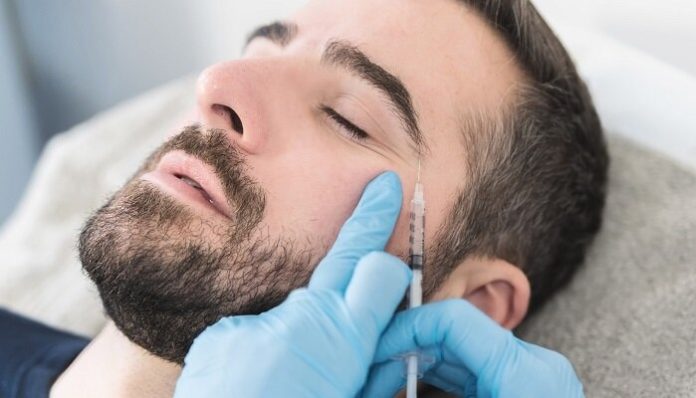
You can try injectable treatments, such as Botox and dermal fillers, to reduce the appearance of wrinkles and fine lines. Botox works by temporarily relaxing the muscles responsible for facial expressions, while dermal fillers add volume to the skin, filling in lines and wrinkles. 

Both treatments can be completed in a matter of minutes and require little to no recovery time.

  • Chemical Peels

In chemical peels, a chemical solution is applied to the skin, resulting in the removal of the outer layers. This process reveals fresher, smoother, and more youthful-looking skin. The peels can also be customized to address various skin concerns, such as fine lines, sun damage, and uneven skin tone. 

Chemical peels can vary in intensity, with some requiring minimal downtime and others involving a more extended recovery period.

  • Laser And Light Treatments 

Laser and light treatments use targeted energy to address various skin concerns. These treatments can include intense pulsed light (IPL), fractional laser resurfacing, and radiofrequency skin tightening. 

Consider them for improving the appearance of sun-damaged skin, reducing fine lines and wrinkles, and stimulating collagen production for firmer, more youthful-looking skin.

  • Microdermabrasion And Microneedling 

Both microdermabrasion and microneedling are minimally invasive procedures that work to rejuvenate the skin by removing dead skin cells and stimulating collagen production. Microdermabrasion uses a handheld device to exfoliate the skin, while microneedling employs tiny needles to create micro-injuries that trigger the skin’s natural healing process. 

You can take advantage of these treatments to improve the appearance of fine lines, acne scars, and uneven skin tone.

  • Ultrasound And Radiofrequency 

Ultrasound and radiofrequency treatments use energy to heat the deeper layers of the skin, stimulating collagen production and resulting in firmer, tighter skin. You can start one of these treatments to address sagging skin on the face and neck, as well as reduce the appearance of fine lines and wrinkles.

Selecting The Ideal Treatment For Your Needs

With a multitude of non-surgical rejuvenation treatments to choose from, finding the perfect one for your unique needs can be a daunting task. To make an informed decision, take the following factors into account:

  • Skin Concerns

Each treatment targets specific skin issues, such as wrinkles, sagging skin, or uneven skin tone. Make sure to identify your primary concerns to help you narrow down the most suitable treatment options.

  • Downtime

The recovery period varies across non-surgical rejuvenation treatments. Some require minimal downtime, while others may entail a longer recovery. Hence, it is essential to consider your schedule and how much downtime you’re willing to accommodate when selecting a treatment.

  • Budget

Costs for non-surgical rejuvenation treatments can differ, so it’s crucial to set a budget before embarking on the process. Remember that some treatments may necessitate multiple sessions for optimal results, potentially increasing the overall cost.

  • Provider

Choosing a qualified and experienced provider to perform your chosen treatment is essential. This not only helps minimize potential risks but also ensures that you achieve the best possible results.

  • Results

Think about the results you want and how long you’d like them to last. Some treatments, such as Botox and dermal fillers, yield temporary results that require ongoing maintenance. Others, like laser and light treatments, deliver more long-lasting improvements.

  • Safety And Side Effects

Although non-surgical rejuvenation treatments generally pose fewer risks than surgical procedures, it’s vital to investigate the potential side effects and complications associated with each treatment. Make sure to discuss any concerns with your provider and gain a thorough understanding of the risks involved before proceeding.

Conclusion

Non-surgical facial rejuvenation has revolutionized the world of cosmetic treatments. It offers a vast array of options for those seeking to address common signs of ageing in a safe, effective, and minimally invasive manner. 

With the advances in non-surgical rejuvenation techniques, the future of anti-aging looks brighter than ever, providing individuals with effective, minimally invasive options for maintaining their youthful glow.


The Diverse Methods Nurses Use to Support Patient’s Overall Wellness

Hospitals are filled with stress, worry, and sometimes negativity. Fear of unfamiliar things is one of the most common fears that patients and their families face. But one of the nurses’ numerous responsibilities is mitigating that very fear. Nurses are the healthcare professionals who get to spend the majority of their time with patients and their families during hospital stays. Not only do they provide the patients with everything they need when it comes to medical support, but they also provide you with emotional support as well. Basically, they are the ones who are spending their time with the patients from day one to the very last, all day and night.

As the hospitals usually intend on finding ways to provide you with the best quality care, they are also intending on finding the most experienced, most qualified medical professionals that will make sure that the patients are satisfied. However, even medical systems are dealing with staff shortages, and one of the ways to fill vacant positions is by hiring travel nurses. So, we have prepared a couple of methods that the travel nurses use, so they may promote the patient’s overall wellness and health, as well as the benefits of having traveling nurses as part of your organization.

Higher Patient Satisfaction

Nurses can be overworked and stressed out indeed, and it inevitably shows the burden of this job. Even in situations where they are giving their best, they can still feel the effects of burnout. Hence, travel nursing turns out to be the last straw, as it eases the burden on hospital staff members, who can be overexposed to the stress of their job and even stretched thin. Using the benefits of travel nurses will eventually result in more positive experiences for the patients spending time in the hospital. In addition, this may also lead to a reduced number of mistakes that can occur in nursing jobs, which will result in better patient reviews.

Flexibility in the Hospitals

One of the most important aspects of travel nurses is flexibility. It is typically a win-win solution for the contractor and the hospital team as well. Normally, travel nurses earn more money and have a better work/life balance. They are also provided with choices, as they can choose if they want to work in the state hospitals or spend time in the clinics, travel to the places they choose, and spend their time in the various working environments. At the same time, travel nursing provides nurses with a better, more rounded experience, which later proves to be one of their biggest advantages.

Staffing Shortages

Not only do hospital management, medical teams, and the entire profession suffer from the shortages, but at some points, even patients get to feel the effects of that. According to the statistics provided by the Bureau of Labor and Statistics, there will be about 194,500 job openings at the position of registered nurses by 2030, given the fact that the majority of current healthcare workers will retire or change their occupations. High burnout makes nurses give up on this profession, causing significant shortages. Luckily, travel nurses are the ones who can fill in these positions in no time while hospital management and healthcare organizations are dealing with recruiting new staff. They can also fill-in in situations when the staff needs to leave for maternity leave, vacation, or some other reason.

Significant Cuts in Personnel Costs

Technically speaking, travel nurses are often signed on as independent contractors. Unlike some paid workers, their contracts typically include benefit packages and expenditures related to people, in contrast to the contracts of certain salaried employees. In addition, because hospitals are able to be a part of the travel nursing agency, they will be able to spend less time and money on the processes of recruitment, onboarding, and interviewing, which will free up more time for HR staff to focus on their own work. This will allow hospitals to better serve their patients.

Quality of Care

According to some research, it is notable that there is a strong link between inadequate nursing and negative patient experiences, and that these are one of the most common causes of the ruined reputation of certain healthcare organizations. Inadequate nursing staffing levels can be the ones causing failure of the hospital administration and eventually patient mortality, mostly as the outcome of surgical complications. This is the reason why travel nurses are the ones benefiting the patients. When healthcare organizations are using travel nurses as fill-ins for staffing management, the patients get a much better quality of care.

Dealing With the Nurse Burnout

Nurses who are happy in their jobs and are satisfied with the arrangements in their business are the ones who create much better patient outcomes. One of the many benefits of travel nurses is flexibility and freedom. Working as a travel nurse will provide you with more time to spend with your family and friends, extended vacation periods, and some other benefits regarding your personal time planning. The autonomy and control you get to have over your time and career will result in greater job satisfaction, more positive patient experiences, and much-reduced nurse burnout. It appears that being a traveling nurse can be an effective solution to the majority of problems that hospitals are facing nowadays.

The positive impacts of travel nursing are one of the main reasons why healthcare organizations are cooperating with the agencies. One of the main concerns of hospitals is to keep a good eye on the patients and provide them with the highest possible care. It is not the solution for medical workers to ignore the needs of the patients and leave them half-done just because they need more help. Patients can get hurt and even suffer complications in their states, besides feeling lonely. Luckily, traveling nurses are the ones that can provide the patients with the necessary care and significantly help the other medical workers. Travel nurses possess huge amounts of knowledge in this field and are trained to work with a wide variety of patients.

Translate »