Close
Digital Health & Ai Innovation summit 2026
Medical Taiwan 2026

Novel Methods By Hong Kong To Screen HIV Patients Heart Risk

Although there happen to be existing calculators that predict the coronary artery disease risk in any individual, the fact is that they are often not accurate since they fail to take into account many host attributes such as ethnicity or any underlying medical conditions like HIV.

It is well to be noted that the Faculty of Medicine from the Chinese University of Hong Kong, the Centre for Clinical Research and Biostatistics, and the Department of Medicine and Therapeutics have all examined and evaluated the effectiveness when it comes to a single tool, and thatโ€™s Automatic Retinal Image Analysis- ARIA technology, so as to assess cardiovascular risk in people who happen to be suffering from HIV.

The results have gone on to show that model that incorporates both retinal attributes as well as traditional cardiovascular risk elements carries with it sensitivity as well as specificity of more than 90% when it comes to assessing the coronary atherosclerosis and obstructive coronary artery diseaseโ€™s existence.

The fact is that people living with HIV have twice the risk of developing cardiovascular conditions as compared to healthy individuals. They also happen to be having higher prevalence when it comes to diabetes and hypertension, that in turn contributes to the risk of getting cardiovascular diseases.

Although interventions happen to be available as far as reducing the risk of coronary artery disease is concerned in at-risk individuals, a simple and accurate tool is the prime requirement to pinpoint the individual risk of the condition.

Top 5 RPA use cases in the pharmaceutical industry

While the pharmaceutical industry is seemingly thriving due to the growing demand for medicine, many companies grapple with some considerable workplace challenges. According to PwC, pharmaceutical companies deal with stretched budgets, tight regulations, extensive paperwork, and large amounts of data that need to be collected and analyzed, so there’s an ever-growing need for pharma software, as well as hardware.

Robotic process automation (RPA) technology comes as a solution to a number of persisting issues in the pharmaceutical industry. RPA bots mimic human interactions with digital systems and are programmed to autonomously make calculations and simple decisions and carry out repetitive, rule-based processes with defined logical steps. Implemented in pharmaceutical companies, bots can automate repetitive manual processes, enhance operational efficiency, and reduce costs.

This article covers the five most common RPA use cases pharmaceuticals and explores how automation can help streamline operations and gain competitive advantage. To learn about other applications of RPA beyond pharmacology in the sector, you can read this article on RPA use cases in healthcare.

5 RPA applications for the pharmaceutical industry

The potential of RPA implementation is wide and exceeds the typical data-intensive administrative tasks and financial and human resources operations. RPA can enhance efficiency of the core pharmaceutical industry processes as well.

1.Clinical trials management

Clinical trials are associated with abundant data entry, collection, and analysis, all of which can be streamlined with RPA.

Patient management

RPA optimizes the time-consuming and laborious procedure of building a patient population and managing it at different stages:

โ€ข Recruitment. Bots can send queries to databases to search for prospective trial candidates or perform patient data prescreening.

โ€ข Matching. RPA bots can match patients to the trials where they meet inclusion criteria and have no exclusion characteristics. Additionally, patients can be selected based on their location.

โ€ข Enrollment. Once patients are registered for a trial, bots can save their medical information in the clinical trial database.

โ€ข Follow-up visits. RPA tools can record patient treatment progress and set appointments for tests and medical examinations in calendars.

Trial master file management

All trial-related information has to be recorded in a trial master file (TMF), including study documents, clinical site details, and patient visit reports. In many cases, investigators enter data manually, and the task becomes even more challenging when studies are extensive and have multiple treatment arms.

Integrated with optical character recognition tools, RPA bots can digitize handwritten or print materials and automatically store them in a single electronic TMF, accelerating document upload and ensuring proper data structure. Additionally, bots can prevent data loss by checking for missing data.

Pharmacovigilance cases processing

According to Ernst & Young, a large pharma company processes approximately

700,000 adverse event cases annually. Applying RPA, companies can handle such a high caseload without hiring extra staff. In addition, automated processing of data varying in amount and quality reduces pharmacovigilance time and helps save money.

2. Compliance assurance

Pharmaceutical companies not only have to handle vast numbers of documents but also verify their compliance with regulations. As the amount of data in the pharmaceutical industry is only increasing, RPA adoption is becoming the need of the hour.

RPA bots can check regulatory websites for requirement changes, verify the internal documentationโ€™s consistency with the regulations, automate regulatory submissions, and provide audit trails for analysis. This way, companies can minimize compliance issues and prepare regulatory submissions faster.

3. Supply chain and inventory management

RPA solutions can process purchase orders and manage invoices faster and more accurately, freeing up the staff for tasks requiring human judgment. Bots can also automatically schedule and track shipments and notify the responsible parties of delays.

Moreover, RPA streamlines inventory and warehouse management by gathering and consolidating information about the stock, such as the quantity of a specific product, its location, and condition. Besides, bots detect dangerous changes in the data on the storage temperatures from sensor data, track drug expiration dates, and notify warehouse managers of discrepancies.

4. Medication sales forecasting

One major obstacle to effective medication sales forecasting is the lack of historical sales data for some of them due to modifications over time.

Bots simplify data collection from various resources, including old legacy systems, and can perform a range of data manipulation and presentation tasks. This way, RPA can prepare data for further historical data analysis and future drug sales prediction by AI tools.

5. Customer experience personalization

Conversational RPA bots can be implemented in pharmaceutical companiesโ€™ websites or customer portals to help physicians or patients seeking additional information about medication.

Mobile app bots, in turn, can serve as virtual companions to check if the patient took medicine, ask about current symptoms, or record biometric readings, instantly helping hundreds of users if necessary.

RPA benefits for pharmaceutical companies

The reason why RPA is particularly well-suited for pharmaceutical companies is a large number of menial tasks in their daily operations. By automating them, companies can reap multiple benefits.

Improved performance

RPA solutions can perform many times more actions and tasks than humans over a specific period, streamlining business operations with minimum human involvement. Moreover, RPA can work around the clock with equal efficiency and accuracy.

Reduced costs and increased revenue

Pharmaceutical companies can allocate routine tasks to RPA bots and free up employeesโ€™ time for activities that require creative thinking and can generate more revenue.

What is more, RPA can be implemented at a relatively low cost and within a short time. In the long run, the improved business outcomes together with cost savings and low upfront costs can bring a tangible ROI.

Guaranteed accuracy

While employees can make errors from time to time, RPA are scripted to handle tasks in a standardized manner, which guarantees error-free results. According to the Deloitte Global RPA Survey, 90% of respondents noted an improvement in the accuracy and quality of their companyโ€™s operations.

Moreover, if RPA does make a mistake, there is a transparent auditable trail, allowing companies to spot the moment the mistake was made and correct it.

Wrapping up

Although RPA bots cannot replace human employees in every task, they significantly enhance efficiency, reduce costs, and enable effective collaboration. Pharmaceutical companies that implement RPA to improve clinical development, sales effectiveness, and precision marketing will be able to better adapt to constant changes in the industry and deliver safer and more effective drugs faster at a lower cos


CDC Looks For Digital Health App To Support Its Workforce

The US Centres for Disease Control Prevention- CDC has said that it plans to identify a digital health app that it could offer to its more than 10,000 employees in order to help their wellbeing and mental health.

According to a contract opportunity document that is published by the agency, the vendors can go on to provide subscription-based licenses when it comes to a commercially available digital mental health mobile app with meditation and mindfulness features that specifically fit the requirements of government employees.

The respondents, however, will have to be quick, as the proposal for such a task will have to be received by the WorkLife Wellness Office (WWO) of the CDC by March 30.

The CDC, apparently, is looking for such apps that enhance the psychological wellbeing of employees by sharing links that have access to stress education, physical activities, and self-help intervention that is based on mindfulness as well as guided meditation.

The move ties in with the broader trend in the US employers to share well-being programs with their staff, which gathered pace during the pandemic, while following the rationale that happier and healthier employees happen to be more productive, leading to lesser absenteeism, and there is a likelihood that they suffer less work-related stress as well as injuries.

According to a CDC survey that was published in 2022, 40% of the public health workforce in the US was looking to leave their respective jobs in the next five years after facing high levels of burnout and stress post-pandemic.

The CDC stresses the fact that this isnโ€™t going to be a formal tender process but a data-gathering exercise for the purpose of planning. That said, the agency adds that it could lead to a yearly contract with another four 12-month option periods.

The WWO has already signed up for the eight dimensions of the wellness framework when it comes to its employees, which cover environmental, commercial, emotional, social, physical, as well as spiritual wellbeing.

One of the studies in 2021 reported that 79% of the employees were of the opinion that their companyโ€™s wellness programs did help them to be as productive as possible, and almost the same numbers also believed that such programs had helped them avoid sickness.

All the applicants have to do is show that they have mobile as well as web capabilities and will be able to accommodate a signup page on the CDC portal for employees with an administrative dashboard, usage reporting based on aggregate data, updated content when it comes to mindfulness and meditation every week, as well as webinar content.

The applicants will also have to go live within a month of the contract being awarded. Besides this, they will have to provide a customer engagement manager as well as monthly performance and status reports apart from being authorized by FedRAMP, a government program, when it comes to assessment, consistent, and continuous tracking for cloud services and products if the app is being offered via the cloud.

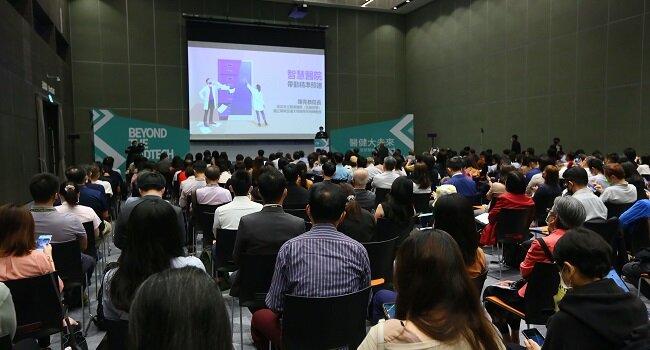
Medical Taiwan 2023: Digital Healthcare, Innovation, and Sustainability Sign Up Now and Explore Business Opportunities with Us in June!

Population aging has become a global demographic โ€˜mega-trend,โ€™ and the demand for the treatment and management of chronic illnesses and acute diseases and health care is also increasing. Governments and companies around the world are going out of their way to develop healthcare technologies, hoping to assemble healthcare models and services that are efficient and precise.

Taiwan leads the world in multiple medical technologies and plays a key strategic role in chip-making and ICT (information and communication technology), giving it an exclusive advantage to develop a cross-field value chain. Medical Taiwan, hosted by TAITRA (Taiwan External Trade Development Council) annually in June, gathers Taiwan’s top-notch medical device suppliers and smart healthcare companies. It is undoubtedly the best platform for professionals from the global healthcare industry to find supply chain partners and digital healthcare solutions.

Taiwan scored 86.43 and ranked No.1 in the world for the 7th consecutive year according to Numbeoโ€™s โ€˜Health Care Index by Country 2022,โ€™ a crowd-sourced global database of quality of life data. Besides providing healthcare services of excellent quality, the Taiwan government has spared no efforts in promoting the medical industryโ€™s development. It has listed precision health as one of the nationโ€™s six core strategic industries, while laser-focusing on elderly care and technologies by mobilizing the industry, government, academia, and research institutions to accelerate the commercialization of products and services and to energize the market. The aim is to make the home healthcare and well-being market worth more than US$10 billion by 2025. In response to the latest industry trends and government policies, Medical Taiwan 2023 features a total of 250 exhibitors who will demonstrate their best on the following 5 themes: โ€˜Digital Leap,โ€™ โ€˜Supply Chain,โ€™ โ€˜Innovation Force,โ€™ โ€˜People-centric Future,โ€™ and โ€˜All Age Healthcare.โ€™

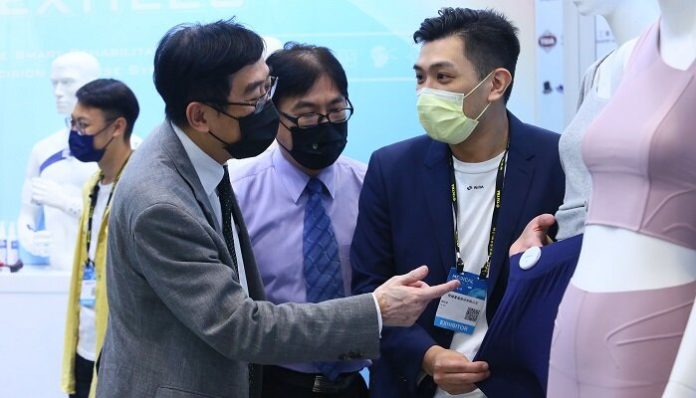
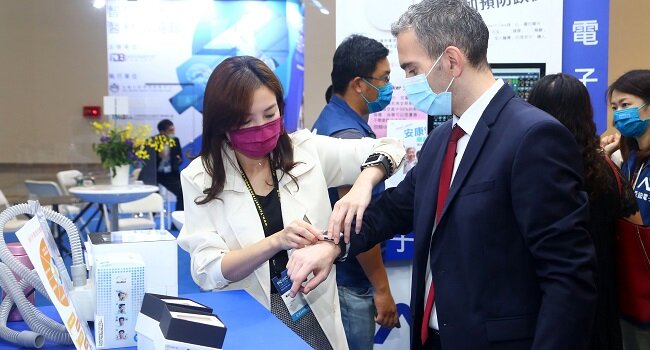
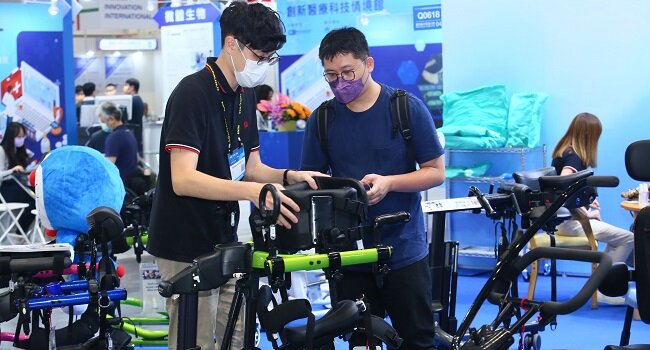
Visitors who see โ€˜Digital Leapโ€™ may explore the latest solutions in the Digital Health and Smart Medical areas, where leading smart medical device makers such as Faspro, iXensor, dBio, QT Medical, Winnoz, Huijia Health, and ThinkCloud will showcase health detection analyzers, wearable stethoscopes, smart monitoring, cloud systems, and other cutting-edge technological products.

โ€˜Supply Chainโ€™ will feature an integrated procurement platform for clinic and hospital equipment, medical consumables, and medical components put together by the well-established MOTEX, CSD, Apexcare, D.C. MEDICAL, Nam Liong H&H, SIGMA-CARE, and Joson-Care. Industry associations including the Taiwan Medical and Biotech Industry Association and the Taipei Medical Instruments Commercial Association will also be participating with big delegations of member companies, showing what Taiwan has to offer to the world.

The โ€˜All Age Healthcareโ€™ theme that centers around aged care/assistive devices and support technologies for elder people addresses the rising demand for the aging population, whereas the โ€˜M-novatorโ€™ is staged for the first time in this year’s Medical Taiwan not only to underscore the importance of innovation but to facilitate exchanges between investors and healthcare service innovators via a variety of forums, pitches, and networking events.

The Future Pavilion is another highlight of the show that on one hand demonstrates how health promotion, personal health management, precision care, and medical care at home can be facilitated in the โ€˜Home Healthcare Zone,โ€™ while the โ€˜Sustainable Healthcare Zoneโ€™ gives visitors a glimpse into how smart and digital applications and end-to-end medical services are practiced in a sustainable way, presenting a new healthcare business model as well as a vision of a โ€˜People-centric Future.โ€™

Medical Taiwan will be held at the Taipei Nangang Exhibition Center, Hall 2 (TaiNEX 2) from June 8 to 10, 2023, and is the most important business matching trade show for Taiwan’s medical device industry. TAITRA, with more than 60 overseas offices, will be inviting global industry players to visit the exhibition and will be enhancing connections with emerging markets that have huge demographic dividends and growth potential. The โ€˜Health+ Conferenceโ€™ and a number of events, such as one-on-one procurement meetings, will be held to share whatโ€™s new in the industry and provide business opportunities for whoever visits the show. Register online right now and join us in exploring whatโ€™s next in healthcare!

Technology Trends in the Dental Industry

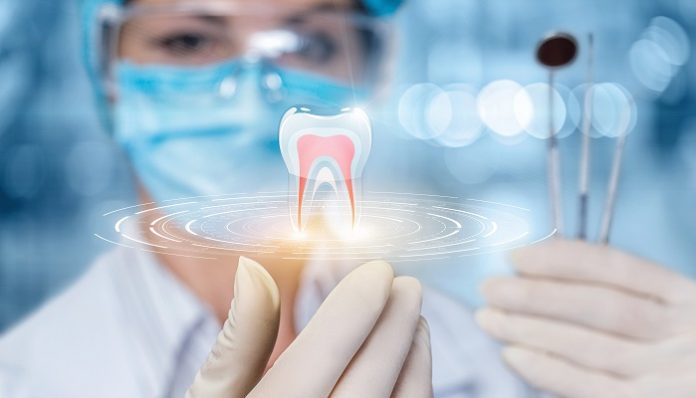
As technology around the world continues to advance, dentistry is becoming more efficient and precise than ever before. From diagnostics to treatment, dental practitioners are leveraging cutting-edge tools and software to improve patient outcomes and enhance the overall dental experience by minimizing discomfort and reducing anxiety and fear among children and adults as well. In this article, we will get through a few of the top tech trends in dentistry in whichย  practitioners need to be well oriented.

Digital Impressions

Digital impressions have risen to a new standard in dentistry and replaces traditional impression materials like Alginate and rubber base impression materials. Using a small wand-like device,ย  an intra-oral scanner captures images of the patientโ€™s gums and teeth and creates a 3D model of the mouth. These impressions are accurate if the proper brand is used and the right capturing procedure is followed. The digital images can be used to create restorations such as crowns, bridges, and veneers. These impressions are also faster and far more comfortable for the patient making them a valuable addition to dental practices.

3D Printing

3D printing has made a significant impact on the dental industry and the way that practitioners approach patient care. โ€œ3D printing has revolutionized the customization of dental prosthetics, aligners, and implants. This technology allows for more accurate and personalized care because of the customization options,โ€ shares California dentist Dr. Guneet Alag.ย  A few examples:

โ€ข Customized aligners, like the Invisalign aligner system, utilizes 3D printing software to create custom aligners for orthodontic treatment in patients.

โ€ข Prosthetic implants such as dental crowns and bridges are now more affordable and easier to create, thanks to 3D printing.

โ€ข Surgical guides based on a 3D model of the patientโ€™s jaw are assisting in dental implant procedures to ensure precise placement of implants.

Digital Radiography

X-rays are still widely used in daily operations across the dental industry, but thanks to the advanced form of digital radiography, the slow and costly process of film x-rays are becoming a pain point of the past. Direct digital radiography quickly renders both intraoral and extraoral radiographic images and displays them on a screen where they are then stored in a digital file or uploaded to the cloud, making it much easier to disseminate and offer immediate feedback to the patient.ย 

Cone Beam Computed Tomography (CBCT)

CBCT technology is a type of digital imaging that provides a 3D view of the patientโ€™s mouth, including teeth, jawbone, and soft tissue. This is particularly useful for dental implants and allows practitioners to precisely place dental implants while avoiding injury of vital structures of the mouth like nerves, blood vessels, and maxillary sinus and nasal cavity. CBCT is also valuable for diagnosis of complex dental conditions such as oral tumors or impacted teeth.

Laser Dentistry

Laser dentistry is an advanced technique utilizing laser energy to treat a variety of dental conditions including tooth decay, gum, disease, and teeth whitening. Laser dentistry is considered a far more eco-friendly alternative to traditional dental procedures as it does not require the use of harsh chemicals or excessive water waste. These laser techniques are also less invasive and more precise than traditional techniques meaning less discomfort and quicker recovery for the patient.

Zirconia Crowns

In the past, dental crowns used to be made from metal,porcelain fused to metal, or porcelain jacket crowns. As each of the above-mentioned restorations has a certain drawback, they are being replaced by superior and non-metal alternatives such as zirconia and zirconia-based ceramics. These crowns are proven to be stronger and more durable and have unique advantages such as:

Superior strength properties to other ceramic restorations

Biocompatibility, meaning that the material is non-toxic, hypoallergenic, and metal-free

Color matching ensures the crown blends naturally with the patientโ€™s other teeth specially with translucent Zirconia

Intraoral Cameras

These small, handheld devices allow practitioners to capture high-resolution images of their patientโ€™s mouths which can then be displayed on a monitor in real-time giving the patient a clear and detailed view of their dental condition. Intraoral cameras are particularly useful in educating patients on oral health and detecting early signs of dental issues.

Artificial Intelligence (AI)

The use of AI has become increasingly popular in dentistry, particularly in the field of diagnostics. AI algorithms can analyze large datasets of patient information using x-rays and medical history to identify patterns and predict future health conditions. Specific AI-powered imaging tools such as Pearl AI, Kavo Diagnodent, and Orca Dental AI, can be used to detect early signs of cavities and predict how a patientโ€™s teeth may shift during orthodontic treatment. As AI technology continues to advance, these dental and orthodontic imaging tools will advance too, offering the best treatment outcomes.Additionally, AI-powered chatbots and virtual assistants can automate many administrative tasks which frees up the time of practitioners so that they can focus on patient care.

Robotic Assistance

AI is currently laying the groundwork for dental robotics to perform functions such as filling cavities, and cleaning and extracting teeth. This year, the FDA gave permission for robotic assistance in a dental implant surgery during the preoperative and intraoperative phases by performing guided bone reduction of the mandible and maxilla. Robotic and navigational technology can be used to increase the success rate and decrease the risk involved in oral surgery thanks to its enhanced precision and consistency.

Digital Records and Charts

Many dental clinics still rely on outdated paper charts and filing documentation for their record keeping which can be messy and disorganized, not to mention incredibly time-consuming. Maintaining records digitally has become a superior and more efficient method thanks to the strengthened privacy and security of patient data, ease of disseminating information with the patient/ other clinics, and reduction in cost and time from an administrative standpoint. Maintaining comprehensive, accurate, and organized patient records is essential in providing top-notch dental care and appointment follow-up.

Many dental practitioners and clinics stay up-to-date with the latest technological trends and advances to ensure that they are providing a higher level of care and treatment to their patients while streamlining their practice operations. If you are a dental professional, be sure to keep an eye out on these emerging and advanced tech trends and consider how they might benefit your practice.

Exploring the Different Types of Radiology Imaging Techniques

When it comes to medical imaging technology, radiology plays a crucial role in diagnosing and treating illnesses. Whether you’re an experienced radiologist or curious about what kind of images are produced with this innovative technology. Learning about the different types of radiology imaging techniques can help us better understand our health and how a diagnosis is made possible. To help you understand this topic, we’ll explore some common types of radiology. Also, we will discuss what each technique offers patients regarding diagnostics.

What is Radiology Imaging and Its Importance?

This is a medical discipline involving the use of various technologies to diagnose and treat illnesses in patients. For example, radiology involves the production of images that can be used to detect and diagnose diseases and health conditions. Technology has been around for many years but has advanced significantly over time. It is now an essential tool for medical professionals. This gives a wealth of information to help them make informed decisions about their patients’ care.

The importance of radiology imaging lies in its ability to detect many diseases. It allows doctors to diagnose illnesses early on and start treatment right away. Radiologists also use this technology to monitor the progress of treatment. It also helps them identify any changes that may need to be made. Gold Coast Radiology offers a comprehensive range of imaging techniques to help patients get the best possible diagnosis and care.

Types of Radiology Imaging Techniques

More and more, radiologists are relying on various imaging techniques to capture detailed images of the body. There are several different types of radiology imaging techniques used in diagnostics. Here are some of the most common:

Spectral CT

Spectral CT is a powerful tool that can be used to examine materials with different x-ray densities. It works by shooting two distinct spectrums of x-rays at the same time, analyzing not only the raw data. But also how these separate energies interact with the substance being studied. Physicians and technicians can better identify object characteristics and any abnormalities inside of them using this detailed information. In addition, it allows for diagnoses that would not have been possible without them. Simply put, spectral CT is transforming healthcare in more ways than one. This way, you can get a better and more efficient diagnosis of your condition.

3T Magnetic Resonance Imaging

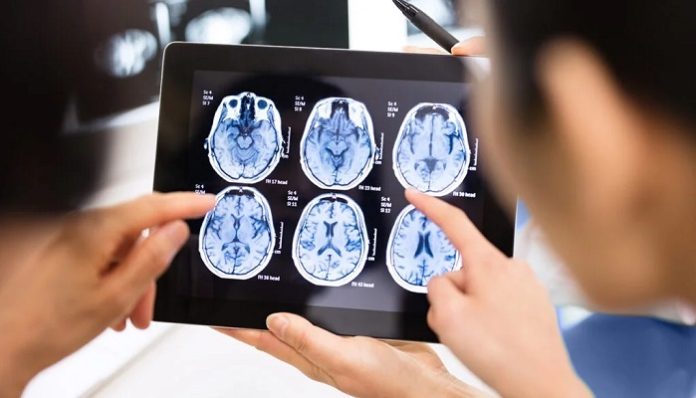
MRI scans are a truly incredible diagnostic tool. By combining radio waves, powerful magnets and computers, doctors can now gain an unprecedented level of insight into what’s happening inside our bodies – from spotting healthy versus unhealthy tissue to uncovering physiological issues! This revolution in medical diagnosis ensures that any ailments you may have will be quickly identified so treatments can begin as soon as possible for the best results. This way, your doctor can diagnose any medical issues you may have.

Whole Body MRI Scan

A whole-body MRI scan can provide an in-depth look at the various components of your body, from head to toe. Doctors can detect and check any potential cancers or chronic inflammations through scanning. It can also pick out brain masses, slight shrinkage, and signs of past strokes. Also, sense blockages that may be occurring in the sinuses or nasal cavities. It’s a painless and reliable way to keep tabs on your overall health – giving you peace of mind that everything is running.

3D and 4D Ultrasound

3D and 4D ultrasounds are truly remarkable advancements in prenatal imaging technology. With just a few sound waves, you can get a detailed look at your baby’s size and shape or even see them kick and smile. It offers a 3-dimensional view of your baby’s features. In comparison, the amazing 4D experience provides an almost movie-like preview of your future little one in action. If you’re expecting, these exciting ultrasound options may be something to consider.

Digital X-ray

Digital X-rays are revolutionizing the way doctors make diagnoses by reducing turnaround times compared to traditional X-rays, instead of having to use photographic film and wait up to several hours for the results. It yields images instantly organized into readable digital data. This way, they can be interpreted and analyzed immediately. This new technology is also generally safer than traditional X-rays because it reduces patient exposure to radiation. It makes it simpler and faster for doctors to diagnose their patients. This way, modern medicine can progress even more.

Conclusion

Imaging technology is an essential part of modern medicine. Also, many innovations are making it easier for doctors to diagnose their patients. From Spectral CT scans to Digital X-rays, the possibilities for diagnostics have never been greater. So consider the above-listed innovations in diagnostic imaging when you visit your doctor. They’re sure to make the diagnosis process a lot smoother.

The Future of Ventilator Care

Despite facing perhaps the greatest challenge seen in a lifetime, the COVID-19 pandemic highlighted what makes the healthcare industry such a resilient field. When thinking about the past three years, words like adaptability, collaboration and innovation come to mind.

One example is how hospitals modified previously established protocols during COVID-19 to provide resource-intensive care to patients, while also continuing routine hospital care. With each major COVID-19 outbreak, frontline healthcare providers were deployed to areas outside their clinical area of expertise to address an increased number of admitted patients.1 While this exhibited hospitalsโ€™ ability to evolve during a crisis, it also amplified the need to rethink daily protocols and incorporate multidisciplinary care models and dedicated care units to more efficiently care for patients.

This is something TriVent Healthcare incorporated long before the pandemic.ย 

Taking A Multidisciplinary Approach

As many have come to realize, prolonged dependence on mechanical ventilation is an emerging public health problem, especially after a critical illness. Nearly 40% of patients entering the intensive care unit (ICU) require mechanical ventilation and nearly 20% of these patients are expected to have increased ICU stays due to difficulty weaning.2

Itโ€™s become vital to incorporate a multidisciplinary approach for patients receiving prolonged mechanical ventilation (PMV). Patients receiving PMV generally exceed the median length of stay in a hospital and have a disproportionate readmission rate as compared to those ICU patients who do not require PMV.3 Typically, these patients are treated by a dedicated team within the ICU led by a pulmonologist who is responsible for making decisions and writing orders.

While a focus on the lungs is important when treating ventilated patients, moving to a multidisciplinary approach with respiratory therapists leading patient treatment, along with a dedicated team of physical therapists, occupational therapists, speech pathologists, acute care trained nurses and dedicated case managers is suggested for future care models. This allows for more time with the patient, which enables early mobility and enhanced rehabilitation opportunities.

Studies show that a dedicated, multidisciplinary weaning unit for PMV patients not only reduces overall length of stay, but also shows an improvement in patient survival, functional status, reduction in ventilator days or mechanical ventilation at discharge, and quality of life.3 This clearly illustrates an increased need for dedicated ventilator care units within hospitals.

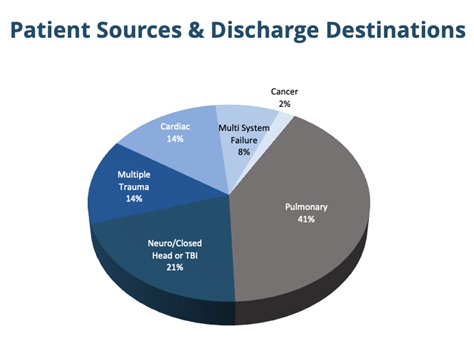
There are numerous reasons why patients are placed on ventilator care. Often, respiratory failure is secondary to the trauma that requires the use PMV. Thatโ€™s why itโ€™s important to have a dedicated team who know how to properly care for patients with varying primary health issues including trauma, stroke and congenital heart failure.ย 

Dedicated Ventilator Rehabilitation Units

In addition to a multidisciplinary team, PMV patients benefit from hospitals establishing one central location for care.

For example, TriVent Healthcare partnered with the University of Alabama at Birmingham Hospital (UAB Hospital) in October 2016 to open a Special Care Unit dedicated to improving the care for patients experiencing PMV for more than 21 days. The goal was to reduce ventilator days, improve patient quality and reduce the overall length of stay. The Special Care Unit is consolidated into a designated section of the hospital, which provides an optimal care flow, and all patients in the unit receive individualized daily, multidisciplinary care. This allows for more patient interactions with a higher patient-to-clinician ratio, which results in more opportunities for early rehabilitation.

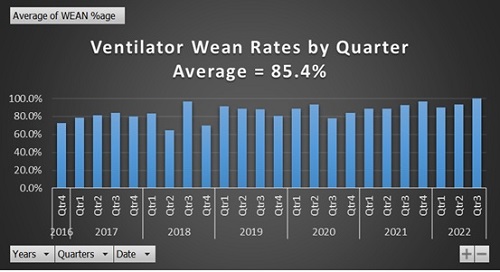
From October 2016 to July 2022, patients discharged from the Special Care Unit at UAB Hospital showed an achieved ventilator liberation rate of 85.4%, nearly 40% higher than the national average. Whatโ€™s more, the success rate of weaning patients from the ventilator in a typical ICU is only between 30% and 53%.4 Moving these patients from the ICU to a dedicated ventilator care unit enhances liberation success as patients receive individualized care from a multidisciplinary team.

This confirms previous studies and strongly suggests the correlation between successful liberation in PMV patients.

Updating Industry Terminology for Care Clarity

While some hospitals report high wean rates like those achieved by TriVent Healthcare, itโ€™s important to have updated protocols to address the difference between โ€œwean ratesโ€ and โ€œliberation rates.โ€

Many hospitals define wean rate as the process of removing all admitted patients from ventilator care โ€“ including post-operative and short-term trauma patients who may not have been intubated, but not received a tracheostomy. Dedicated ventilator liberation units like TriVent Healthcare prefer the term liberation rate as opposed to wean rate as they are referring to complex PMV patients who received a tracheostomy and have since been successfully removed from ventilator care altogether. Itโ€™s important for hospitals to make this distinction between wean rate and liberation rate when reporting ventilator liberation rates, as short-term ventilated patients and PMV patients are cared for differently.

More and more, hospitals are incorporating dedicated ventilator units with multidisciplinary teams like TriVent Healthcare into their facilities. This type of care model improves the care flow within the hospital and helps reduce the length of stay of the patient โ€“ ultimately resulting in shorter recovery times and lowering the chances for readmission.

Sources:

  1. https://www.ncbi.nlm.nih.gov/pmc/articles/PMC7918807/
  2. https://www.ncbi.nlm.nih.gov/pmc/articles/PMC7483008/#:~:text=The%20success%20rate%20of%20weaning,failure%20%5B3%2D5%5D
  3. https://pubmed.ncbi.nlm.nih.gov/12602416/
  4. https://journals.lww.com/ccmjournal/Abstract/2008/03000/Prolonged_acute_mechanical_ventilation,_hospital.9.aspx

Mediwhale selected for the MedTech Accelerator program

Mediwhale selected for the MedTech Accelerator program

Mediwhale, the AI-empowered health diagnostics company that uses retina scans to diagnose future cardiac and kidney disorder risk quickly and easily, will be heading to the US this month to enter the highly competitive Health Care Program.

The MedTech Accelerator is a flagship program of the Mayo Clinic and Arizona State University Alliance for Health Care, providing early-stage medical device and healthcare technology companies with an entrepreneurial curriculum and personalized business development plans to accelerate go-to-market and investment possibilities. Mayo Clinic is the top-ranked hospital in the U.S. and ASU is the top-ranked university for innovation.

The Programโ€™s mission is directly aligned with Mediwhaleโ€™s, to improve the science of health care delivery and practice while advancing patient care. Mediwhale focuses on early detection to avert potentially irreversible health problems. Kevin Choi, co-founder and CEO of Mediwhale, has been on a mission to increase early detection since his own glaucoma diagnosis came too late, costing him 40 percent of his vision.

โ€œIt is an honor to be a part of this accelerator program, the reputation of Mayo Clinic is second to none and Arizona State has a proven track record of enabling incredible innovations.โ€ said Kevin Choi, co-founder and CEO of Mediwhale.

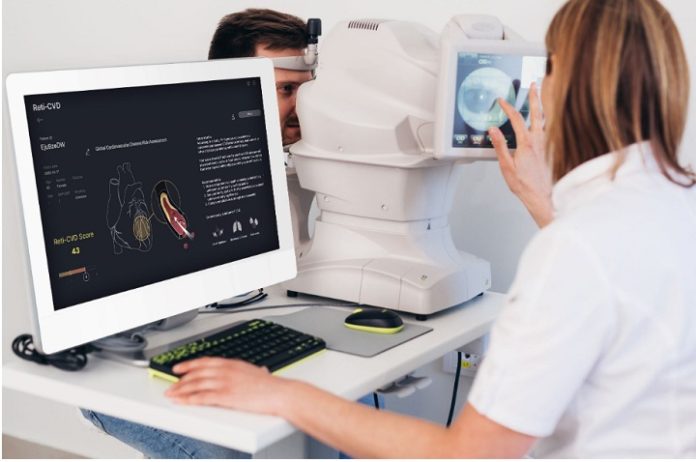
Mediwhale is now active in three accelerator programs, including the Stanford University StartX and the health tech accelerator HeartX. Mediwhale was an innovation honoree at CES 2022 and gave presentations at the ASN Kidney Week conference and the American Heart Association Scientific Session, all in 2022. Mediwhaleโ€™s Reti-Intelligence technology that focuses on heart health (Reti-CVD) is in pre-application stages for FDA approval. The technology is already approved by 8 separate regulatory boards including in South Korea, EU, UK, and Australia.

Reti-Intelligence technology uses deep learning algorithms to holistically assess a patientโ€™s health using retinal images and can detect disease risks even before symptoms appear. Reti-Intelligence leverages non-invasive retinal scans through a common fundus camera combined with extensively trained algorithms to diagnose disease risks conveniently for both the patient and physician in less than one minute. The initial assessment by a family doctor can save patients both money and time, with wait times to see specialists often exceeding a month.

Mediwhaleโ€™s focus areas are cardiovascular (Reti-CVD), kidneys (Reti-CKD), eyes (Reti-Eye), and aging (Reti-Age). Reti-Eye shows a minimum of 96% accuracy and Reti-CVD predicts cardiovascular risk as accurately as a cardiac CT.

The immersive program developed by MedTech Accelerator runs in March, 2023 followed by 12 months of close collaboration, guidance and tracking. The timing is ideal as Mediwhale prepares for the FDA approval process and explores reimbursement mechanisms in the US.


Aptamer launches Optimer-Fc as a new reagent solution for immunohistochemistry

Aptamer Group plc, the developer of novel Optimerยฎ binders to enable innovation in the life sciences industry, announces that it has developed a new reagent, Optimerยฎ-Fc, for use in automated immunohistochemistry (IHC) workflows.

Optimer-Fc tools consist of an Optimer binder conjugated to the Fc domain of an antibody. The Company has successfully demonstrated the functional integration of different Optimer binders into this conjugate format. This allows the broad target range of Optimer tools to be applied in IHC applications. IHC is a staining process predominantly done on fresh or frozen clinical tissue samples removed during a biopsy. IHC is used to detect if cells have cancer or other disease markers. The Optimer-Fc is an antibody alternative for use within existing workflows replacing the primary, detecting, antibody. Capitalising on the highly selective and tuneable nature of Optimer binders, this development will enable life scientists to pursue novel and existing disease biomarkers and offer increased accuracy and selectivity in detection, with the generation of a suite of new reagents to enable improved research, diagnostics, and forensics.

IHC remains the gold standard test for clinical diagnostics (including cancer), and its use is increasing with the advent of personalised medicine approaches. The IHC market was valued at $2.3BN in 2021, with 45.5% accounted for by the antibody segment. However, the imminent expiry of current patents for IHC antibodies is a significant challenge facing the major players in this field, with an expected decrease in revenue and profitability. Innovative products, such as Optimer-Fc, are actively being sought to overcome these issues.

Aptamer is working with one of the top three companies within the IHC market (that jointly command over 70% of the market) to validate the performance of Optimer-Fc within their automated IHC platform and is in current negotiations with two top 10 pharmaceutical companies seeking to trial Optimer-Fc. Aptamer is also currently working with four of the top ten pharma companies and additional biotech partners to develop Optimer binders for IHC โ€“ a deep pipeline of potential future products to advance research and diagnostics for the benefits of life science.

Dr Arron Tolley, Chief Executive Officer, commented:ย โ€œOur new Optimer-Fc meets an urgent need for the IHC market to develop new patentable reagents. Over the past several months, we have innovated to support this market need, and developed and validated our new platform to develop these reagents. We have already seen keen interest from major companies within the IHC space and top pharma. This demonstrates the need and applicability of aptamers for such tools. We are now actively working with these partners to supply and support them in the use of Optimer-Fc. Optimer-Fc offers the ability to pursue new targets, that have proven previously intractable with antibodies, and improve assay selectivity. We anticipate this will open up further opportunities for emerging biomarkers in research and diagnostics, which could further increase the potential of our new IHC tools.โ€

Singapore Transnational Care Facilities To Be Retained

The transnational care facilities, also known as TCFs, that were setup during the pandemic so as to prevent the hospitals from being overwhelmed have proven to be so valuable that they are now going to be retained as a significant part of Singaporeโ€™s healthcare system, as per Ong Ye Kung, the health minister of Singapore.

They will now be dedicated to medically stable patients from public hospitals who have been waiting for long-term care arrangements like home or nursing home care.

It is well to note that as there are currently no TCFs in the west, a new one will be opened in the next few months, confirmed the health minister during a debate on the white paper concerning Singaporeโ€™s response to COVID-19.

The paper got released on March 8, and as expected, the Singapore government is drawing lessons from it so as to better prepare for the next pandemic.

Notably, during COVID-19, Singapore set up 500 TCF beds across five locations, all of which were run by private operators. According to Ong Ye Kung, it will be as good as adding 500 more beds to the acute hospitals, and hence they have decided that TCF will go on to become either a medium or even a long-term trait of their healthcare system.

He added that Singapore will keep expanding the community as well as step-down care sectors like nursing homes and community hospitals. All this will help meet the increasing demand for hospital beds.

Singapore, according to him, is determined to grab key takeaways from the crisis and enhance numerous aspects when it comes to its healthcare system so as to make it more resilient.

Translate ยป