Close
Digital Health & Ai Innovation summit 2026
Medical Taiwan 2026

Tax Exemption Greater Than Charity At Nonprofit US Hospitals

TransUnion partners with VisitPay to transform patient financial experience

A 2022 report from the Lowe Institute stated that the nonprofit hospitals in the US must go ahead with providing charity care or free or discounted services to patients who cannot afford care, and apart from that, they must also provide community benefits as well as investments as part of their tax-exempt status.

That said, nonprofit hospitals have been criticized as they have been receiving tax breaks more than the charity they are into and the benefits that they provide. The report analyzing 275 community hospitals has found that 227 hospitals went on to spend less in terms of charity care and community investments than the tax exemption they got.

Although charity care represents only a section of the overall community benefits which the nonprofit organizations must give out when it comes to their status, the startling fact is that nonprofits spent around $16 billion in terms of charity care in 2020 while getting $28 billion in tax exemptions, as per the KFF report.

These hospitals account for 58% of the total community hospitals across the US, and as per the seven out of nine years that have been analyzed on, the value of tax breaks rose for them as compared to the charity that was done.

KFF further added that the $5.7 billion decrease in tax cuts took place in 2018 and coincided with the Tax Cuts and Jobs Act that was under the Trump administration. This further reduced the federal corporate income tax rates and diminished the value of the elements that were exempt from federal income taxes.

Apparently, the highest single-year surge took place in 2020, when the tax exemption value for nonprofits rose to approximately $4 billion. This boost was driven by a jump that took place in the net income of nonprofit hospitals, which went from $47 billion in 2019 to $64.5 billion in 2020.

In 2020, the nonprofit hospitals were ultimately exempted from around $14.5 billion in federal taxes, mainly for not having to pay their corporate income taxes. Although, due to the pandemic, the net income decreased from patient care and government relief, investment income offset losses, and thereby the boost in the net income led to an increase in the value of not paying taxes, as per KFF. It is well to note that nonprofits were also exempted from around $13.2 billion in state and local taxes in 2020.

Understanding the Impact of Poor Oral Hygiene on Your Health

Why Focusing On Oral Health Is More Important Now Than Ever

Did you know there’s more to brushing and flossing than rocking a dazzling smile? Turns out that taking care of your pearly whites is super important for your whole body. Slacking off in the dental department can lead to some nasty health problems, so it’s essential to know how to master mouth care. To help you get through this topic, we will discuss the effects of poor oral hygiene. Also, what tips can you use to maintain good oral hygiene?ย 

What Are the Effects of Poor Oral Hygiene?

Like any other body part, your mouth needs regular care to stay in tip-top shape. Poor oral hygiene can have a real and sometimes serious impact on your overall health.

Here are some common conditions that can arise if your mouth isn’t properly taken care of:

Tooth Decay

Bacteria can build up on teeth for those who don’t practise the basics of oral hygiene. This buildup leads to tooth decay, cavities and eventually gum disease. Left untreated, tooth decay can lead to loss of teeth and even other health complications. Reviewing veneer treatment options can help protect your smile and reduce the risk of tooth decay. It is beneficial for those who are prone to cavities and decay due to poor oral hygiene.

Bad Breath

A major culprit behind that unpleasant odour is bacteria buildup in your mouth. You can kick its butt by doing the usual brushing and flossing, but if you really want to up your fresh breath game, give tongue scraping a go. This little-known gem has done wonders for many people’s oral health and can help you say goodbye to bad breath for good. This can give you a huge confidence boost, especially when you’re speaking in public or going on a date.

Gum Disease

It’s super common and can sneak up on you if you don’t stay on top of your dental hygiene game. Plaque can build up around your teeth and cause your gums to get all inflamed. Worst case scenario? You could lose a tooth! So, better to catch those early signs and handle them. But wait, it’s not just about a pretty smile – there are health risks too. The good news is with a solid dental care routine, and you can totally prevent gum disease.

Oral Cancer

Do you know that oral cancer might seem scary, but if detected earlier, there’s real hope for a complete recovery? It shows up as unusual bumps, sores, or lumps, and sometimes even bleeding or pain in the mouth or throat. Regular checkups are super important to catch any early signs, and always let your dentist know about any changes you notice โ€“ it can make a big difference in early diagnosis and treatment.

Tips for Maintaining Good Oral Hygiene

Did you know that taking care of your pearly whites isn’t just about avoiding cavities and gum issues? It turns out that keeping your mouth clean and healthy can actually lower the risk of some serious illnesses too.

Here are some helpful tips on how you can maintain good oral hygiene:

Ensure to Brush Your at Least Twice a Day

Do you know that the secret to a dazzling smile involves brushing your pearly whites twice a day? It’s all about kicking that pesky plaque to the curb and keeping gum disease at bay. Just grab a toothbrush with gentle bristles and fluoride toothpaste, and you’re on your way to oral health greatness.

Floss Daily

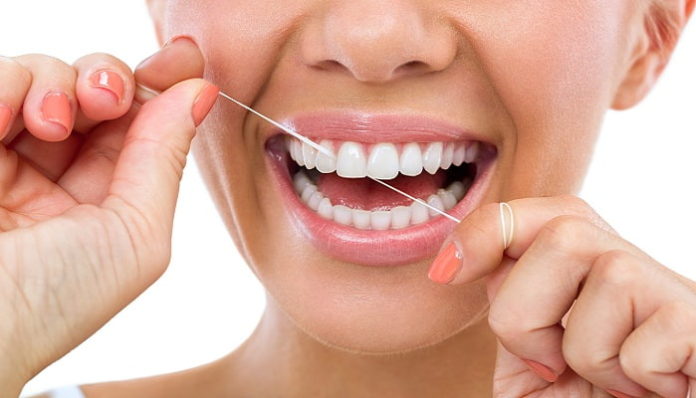
Flossing at least once a day can help remove the plaque and food particles between your teeth that brushing alone cannot reach. Flossing also helps to stimulate your gums, keeping them healthy.

Rinse With Mouthwash

An antibacterial mouthwash can help kill bacteria that brushing and flossing may miss. Look for a rinse that contains fluoride, as this will help to prevent tooth decay and gum disease.ย 

See Your Dentist Regularly

Visiting your dentist is like clockwork every six months. They’re like tooth wizards, catching any sneaky issues like tooth decay or gum nastiness before it becomes your worst nightmare. Trust me, and you don’t wanna miss those checkups and pro cleanings.

Final Thoughts

Poor oral hygiene can potentially have a large and long-lasting impact on your overall health. A great way to help prevent these issues is by maintaining good dental hygiene โ€“ brushing, flossing and rinsing with mouthwash twice daily. Don’t forget to visit your dentist regularly for checkups and pro cleanings. Following these simple steps above can help ensure you keep a healthy, bright smile and optimal oral health. Good luck!ย 

Understanding the Signs of Hearing Loss

Understanding the Signs of Hearing Loss

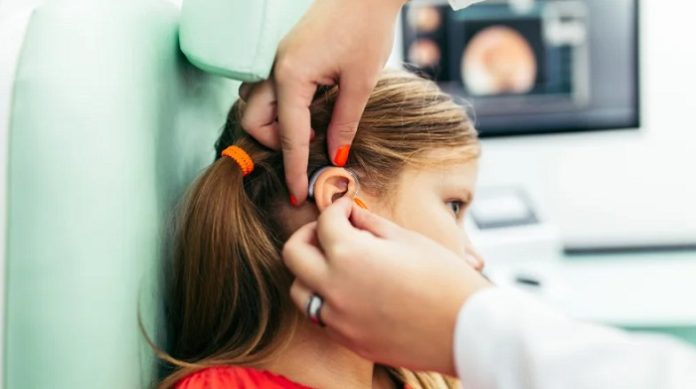
Hearing loss is a common problem that can affect people of all ages and backgrounds. It is important to be aware of the signs and symptoms of hearing loss so that you can seek medical help if necessary.

If you suspect that you or someone you know may have hearing loss, the first step is to consult a doctor or audiologist. Hear & Say Brisbane is one company that provides hearing tests and assessments to help diagnose the severity of the hearing loss.

Let us dive deeper into the signs of hearing loss, so you can be better informed and get help if needed.

What Are the Signs of Hearing Loss?

There are a few indicators of hearing loss, each with its unique characteristics. Below are some of the most common signs:

Difficulty Understanding Conversations When There Is a Lot of Background Noise

One of the most common signs of hearing loss is difficulty understanding conversations when there is a lot of background noise. This can be especially noticeable in noisy environments but also in quieter places such as restaurants or meetings.

Having to Turn the Volume Up Higher than Usual

Another sign of hearing loss could be that you have to turn up the television or radio volume higher than usual. This could be a sign that it is becoming increasingly difficult to hear voices and sounds clearly.

Asking People to Speak Louder or Closer

Do you find yourself asking people to speak louder or closer? If you find yourself doing this more frequently, it may be a sign of hearing loss. This is because you may be struggling to hear the sounds around you and need to ask people to speak louder or more clearly.

Muffled Sounds

If conversations, music, and other sounds sound muffled, it could be a sign of hearing loss. This is because your ears are not able to receive a full range of sound frequencies that make up normal sounds.

What Are the Most Common Causes of Hearing Loss?

Hearing loss can have many causes, including the following:

Ear Infections

One of the most common causes of hearing loss is ear infections. If an infection occurs in or around the ear, it can lead to hearing impairment or even deafness if left untreated.

Age-Related Hearing Loss

Age-related hearing loss, also known as presbycusis, affects people over the age of 50 and is caused by changes in the inner ear. It can also be caused by exposure to loud noises over a long period of time.

Exposure to Loud Noises

Exposure to loud noises for extended periods of time is another cause of hearing loss, as it can damage the tiny hairs within the inner ear that are responsible for transmitting sound signals to the brain. Often times this type of hearing loss is temporary, but if it persists for more than a few days, you should seek medical help.

Head Injuries and Illnesses

Finally, head injuries and illnesses can cause hearing loss. This includes viruses such as mumps or measles, as well as physical trauma to the ear or head. This is because the inner ear is very sensitive, and any disruption can affect its ability to process sound.

By understanding the signs and causes of hearing loss, you can help prevent further damage or even take steps to improve your hearing health. It is important to consult a medical professional if you are experiencing any signs or symptoms of hearing loss so that they can properly diagnose and treat it. With the right care and treatment, you can help protect your hearing health and enjoy sound-filled life.

What Happens if I Donโ€™t Seek Treatment?

If you do not seek treatment for your hearing loss, it can worsen over time. This could mean that it becomes increasingly difficult to hear and understand conversations, music, television shows, and other sounds in the environment. You may also experience a decrease in balance or difficulty focusing on tasks due to the lack of sound stimulus.

Finally, untreated hearing loss can have a negative effect on your mental and emotional well-being. This is because it can be difficult to socialize and interact with people when you cannot fully understand what they are saying, which can lead to feelings of isolation and loneliness.

Conclusion

Hearing loss is a common condition that can affect people of all ages. It is important to understand the signs and causes of hearing loss so that you can take steps to protect your hearing health. Early diagnosis and treatment are key in preventing further damage, so it is important to consult a medical professional if you are experiencing any signs or symptoms of hearing loss. This way, you can take the steps necessary to enjoy a healthy life.

Podiatric Care: Why You Should Visit a Specialized Clinic

Podiatric Care: Why You Should Visit a Specialized Clinic

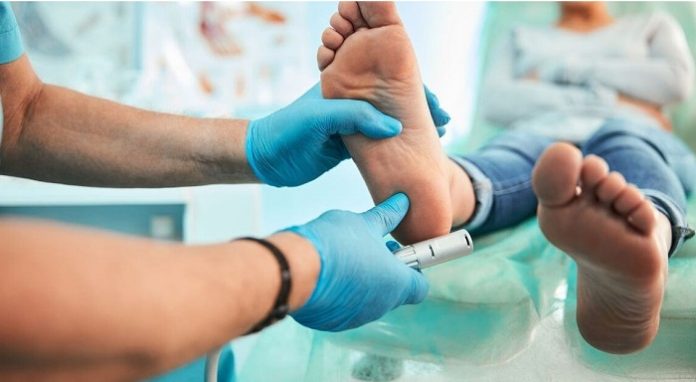
Do foot problems have you frustrated and in pain? Do you avoid going to the doctor because of fear or embarrassment? You’re definitely not alone. According to recent studies, one out of every four adults experiences frequent discomfort in their feet. Yet surprisingly, only a small percentage seek professional podiatric care. But did you know that specialized podiatry clinics offer a wide range of treatments custom-tailored uniquely for your needs? Visiting an experienced foot doctor can effectively relieve these issues while preventing more serious ones from forming down the road.ย 

What Is Podiatric Care and Its Importance?

Your feet are much more than just a foundation – they need some care too. So why not give your toes the VIP treatment? Podiatrists, both MDs and DPMs, specialize in providing specialized foot pampering to keep those little lower extremities feeling their best. From basic callus removal and trimming nails to more advanced treatments such as treating bunions or hammertoe repair – for all kinds of foot needs, there’s an expert out there ready to help you have healthy, happy feet again.

There are many excellent clinics that are dedicated to providing specialized podiatric care. The Feet People Podiatry clinic is one such example. You can receive a variety of treatments and services that are tailored to your individual needs when you visit a specialized podiatric care clinic.

Benefits of Visiting a Specialized Clinic Over Other Healthcare Providers

When it comes to your feet, you want to give them the best care possible. Visiting a specialized podiatric care clinic is one of the most effective ways to ensure quality care for any foot-related issues you may be experiencing. Here are just some of the benefits of visiting a specialized clinic:

Coordinated Care Experience

When visiting a specialized podiatric clinic, you can expect to receive an integrated care experience. Unlike general healthcare providers who may not be familiar with the specific foot and ankle conditions that require a specialist’s attention, these clinics specialize in providing expert diagnosis and treatment for these ailments. In addition, they will collaborate with your primary care physician or other healthcare providers to ensure you get the best possible treatment.

Get More Personalized Care

If you’re dealing with foot discomfort, the podiatric clinics on your radar should be staffed by experts in all things feet-related. These knowledgeable pros recognize even small aches and discomforts can stop day-to-day activities โ€“ like walking or standing for long periods of time – dead in their tracks. Plus, they specialize in potentially nipping issues in the bud before any serious complications have a chance to blossom.

Expert Diagnosis and Treatments

A specialized podiatry clinic has access to advanced diagnostic tools and technologies. It will help to provide an accurate diagnosis of your condition. This detailed information allows the medical professionals in the clinic to design a precise treatment plan tailored to your individual needs. They will also be able to provide education about the diagnosis and recommended treatments.

Access to a Range of Specialized Services

When it comes to taking care of your feet and ankles, you deserve the absolute best. That’s why a specialized podiatry clinic is so great – they provide access to an extensive range of services that can help with almost any condition! From correcting poor biomechanics through custom orthotics, using braces when needed, or even performing surgery if necessary, these clinics have every angle covered โ€“ ensuring each patient gets the treatment and attention their feet need.

On-Going Care and Support

No treatment plan ends when you’re discharged from a specialized clinic. Continuing care and support are essential to ensure your progress stays on track, and regular follow-ups are arranged just for that purpose! Should any questions arise during the course of your journey, our team of experts are available throughout to provide guidance – so don’t hesitate to approach them with doubts or queries at any time.

Conclusion

Regular visits to the clinic can help monitor and prevent conditions before they worsen. They can also provide accurate diagnoses and treatment plans tailored to your individual needs. The team of experts at the clinic can not only diagnose you with precision and accuracy but also provide detailed education about your condition and the available treatments. With so many benefits, it’s easy to see why visiting a specialized podiatric care clinic can be one of the most effective ways to ensure quality care for any foot-related issues you may be experiencing.

The Science Behind Infrared Saunas: How They Work and Why They are Effective

If you’re looking for a way to relax and detoxify your body, an infrared sauna might be just what you need. These saunas use infrared radiation to heat your body directly, rather than heating the air around you like traditional saunas. But how do they work, and why are they effective?ย 

In this article, we’ll explore the science behind infrared saunas and their numerous benefits. And if you’re interested in trying one out for yourself, companies like TH7 Body Labs offer high-quality infrared sauna sessions to help you feel your best.

How Infrared Saunas Work

Infrared saunas are a form of heat therapy that has gained popularity in recent years due to their potential health benefits. Unlike traditional saunas, which use heated air or steam to warm the body, infrared saunas use light to penetrate the skin and heat the body from within. In this article, we’ll explore how infrared saunas work and why they may be effective for improving your health.

The main difference between traditional saunas and infrared saunas is the way they generate heat. Traditional saunas use a heater to warm up rocks or water, which then heats the air around you. As you sit in the sauna, your body absorbs this hot air through your skin and lungs, causing you to sweat and raising your core temperature.

In contrast, infrared saunas use special lamps or heaters that emit far-infrared (FIR) radiation. This type of radiation is similar to natural sunlight but does not contain harmful UV rays. When FIR radiation enters your body, it penetrates about 1-2 inches below the surface of your skin and starts heating up your tissues directly.

This direct heating effect makes infrared saunas more efficient at raising your core temperature compared to traditional saunas. In fact, studies have shown that infrared saunas can produce sweat that is composed of up to 20% toxins compared to only 3% from traditional sauna sweat.

There are three types of infrared wavelengths used in saunas: near-infrared (NIR), mid-infrared (MIR), and far-infrared (FIR). Each type has different effects on the body:

Near-infrared

This wavelength penetrates only a few millimetres into the skin but can help improve circulation and boost collagen production.

Mid-infrared: This wavelength penetrates deeper into the tissues (up to several centimetres) and can help reduce pain and inflammation as well as improve circulation.

Far-infrared

This wavelength penetrates deepest into the tissues (up to several inches) and can help with detoxification by promoting sweating as well as improving cardiovascular function.

Benefits of Infrared Saunas

Infrared saunas have become increasingly popular in recent years due to their potential health benefits. In this article, we’ll explore some of the most commonly cited benefits of using an infrared sauna and examine the scientific evidence behind them.

Detoxification

One of the primary benefits of using an infrared sauna is that it can help your body detoxify by promoting sweating. Sweating allows your body to eliminate toxins such as heavy metals, pesticides, and other harmful chemicals. In fact, studies have shown that sweat produced during an infrared sauna session is more concentrated with toxins than sweat produced during exercise or traditional saunas.

Pain relief

Infrared saunas may also be effective at reducing pain and inflammation in the body. This is because the heat from the sauna can increase blood flow and circulation, which can help ease sore muscles and joints. A study published in the Journal of Alternative and Complementary Medicine found that patients with chronic pain who used infrared sauna therapy experienced significant reductions in pain levels.

Improved Circulation

As mentioned above, infrared saunas can improve circulation by increasing blood flow throughout the body. This can lead to various health benefits, including improved cardiovascular function, lower blood pressure, and reduced risk of heart disease.

Relaxation

Another benefit of using an infrared sauna is its ability to promote relaxation and reduce stress levels. The heat from the sauna can help relax muscles and soothe tension in the body, leading to feelings of calmness and well-being.

Skin Health

Infrared saunas may also be beneficial for improving skin health by boosting collagen production, reducing wrinkles and fine lines, and improving overall skin tone.

Conclusion

Infrared saunas offer a variety of potential health benefits, including detoxification, pain relief, improved circulation, relaxation, and skin health. Despite these promising benefits, it’s important to note that more research is needed to fully understand the effects of infrared sauna therapy. By consulting with a medical professional and understanding the risks, you can decide if infrared saunas are right for your needs.

How do you maximize reimbursement with ASC billing services?

Ambulatory surgical centers (ASCs) provide affordable and convenient care to patients. However, ASCs often struggle with coding and billing issues.

Outsourcing ASC billing services can help surgery centers maximize reimbursement and reduce days in A/R. These companies have specialized coders and billing specialists who will work with your team to review accounts, identify problems and fast track them for resolution.

Maximize Reimbursement

Increasing patient volume, technological advancements, and cost savings are driving specialized procedures such as orthopedics, spine, and cardiology to ambulatory surgery centers. This is good news for patients, providers, and payers.

However, this also means more complexity and time for ASCs to manage their revenue cycle process. As such, it is essential for them to employ proficient ASC billing services to minimize claim denials and reduce days in A/R.

The ASC billing process includes ensuring that the reimbursement is issued in accordance with medical procedure codes and that all patient care details are included. This will help in avoiding penalties and ensure the highest reimbursement for your center.

In addition to coding and billing, ASCs need to maintain an in-depth knowledge of insurance payersโ€™ policies and dynamic governing guidelines to maximize reimbursement for the practice. This is an area where an ASC billing company can make a real difference in the financial health of your center.

Reduce Days in A/R

If your medical facility is struggling with a high number of days in A/R, there are several things you can do to reduce them. One of the first steps is to determine what goals you want to achieve and set them as a target for your billing staff.

Another important step is to review all coding and billing documentation so you can see what inefficiencies are impacting your collection process. This will make it easier to identify what needs to be corrected and get it done.

Often, the solution to a high number of AR days is outsourcing your medical billing services to a third-party company. These companies have experienced coders and billing specialists who can ensure clean claim submission, fast-track denials for resolution, and manage outstanding accounts.

Keep Up With Coding Changes

Ambulatory surgery centers (ASCs) are subject to a seemingly never-ending influx of contractual and coding changes, which can have an impact on cash flow. Managing these changes requires attention to detail, compliance and effective revenue cycle management.

Maintaining compliance with regulations is essential to ensure the ASC receives timely payments and avoids fines or penalties. It also helps to ensure that insurance companies approve claims on time.

Coding requirements change frequently, so a coder must stay up to date on all new rulings. ASCs can use a variety of strategies to stay informed and on top of these changes.

One way to stay informed on coding changes is to attend ASC-specific webinars. These can be a great way to learn about the latest changes in coding rules and reimbursement rates. Alternatively, coders can consult with their vendor.

Conclusion

Ambulatory surgery center ASC billing services are a critical component of maintaining a profitable, efficient operation. As a result, they should be outsourced to a medical billing company that has extensive experience with ambulatory surgery centers.

ASC billing is unique and varies greatly from physician or facility billing. It also involves multiple specialties and complex procedures.

As a result, it is important to hire a medical billing company that understands ASC-specific coding and billing regulations. A well-trained coding team can ensure accurate reimbursements for all procedures and help lower days in A/R.

Having a strong coding practice also requires in-depth knowledge about insurance payers’ policies and dynamic governing guidelines. An ASC billing company that can negotiate varying insurance policies and dynamic guidelines controlling out-of-network coverage will improve its chances of collecting more reimbursements.

In addition to optimizing revenue, outsourcing medical billing also allows ASCs to focus on other important initiatives. These can include improving staff recruitment and retention, reducing administrative costs, and investing in new initiatives that enhance patient care.

Medical Tourism Hospital Initiative Announced By Malaysia

Malaysia has gone on to debut its first-of-its-kind flagship medical tourism program by announcing the four shortlisted finalists. These finalists happen to be the National Heart Institute, Island Hospital, Subang Jaya Medical Centre, and Mahkota Medical Centre.

This step forward is very significant when it comes to the Malaysian healthcare sector’s goal of providing patients with the most ideal Malaysian healthcare travel experience by 2025.

The shortlisted finalists happened to be selected through an elaborate and pretty difficult qualification procedure last year, which involved on-site assessments as well as data analysis. Furthermore, the finalists now will be upgrading themselves to the next phase of the program, which is going to be the acceleration period, in which, as the name suggests, there will be a continuous assessment of each hospitalโ€™s growth and development vis-ร -vis the benchmarks and best practices when it comes to medical and service excellence, as well as international branding, over a period of three years.

The program, which is spearheaded by the Malaysia Healthcare Travel Council (MHTC), has witnessed Malaysiaโ€™s top-tier hospitals elevating their commitment and pushing to raise the level of excellence in terms of giving out end-to-end services to the patients. All this is done with the aim to reinforce the countryโ€™s position as a safe as well as trusted destination when it comes to providing top-notch medical services and, at the same time, elevate excellence as far as offerings based on medical and other services are concerned. All this will help raise Malaysia Healthcareโ€™s profile as a hub for globally recognized healthcare treatments. This flagship medical tourism hospital program happens to be a collaboration between MHTC, IQVIA, the global medical accreditation bodies, and Joint Commission International.

Telehealth In Cancer Care – Challenge For Hospitals To Dwarf

In a new study conducted by the University of Sydney and Duke University in the United States, people living with cancer experienced significant stress during the pandemic as a result of strict rules prohibiting a close relative, support person, or informal guardian from attending consultations and treatments.

Experts believe that all patients should have access to a caretaker or support person.

As per Professor Alex Broom of the Sydney Centre for Healthy Societies, they need to plan for the next pandemic and ensure that infection prevention measures do not leave irregular caretakers out in the cold.

Rather than debating whether telehealth or in-person appointments are superior, one must try exploring how to use technology to involve a support worker in an appointment even if they are not physically present.

He added that there is a need to speak with patients about the types of appointments they would like to be able to do virtually. One can learn from these painful pandemic experiences to improve cancer care for patients and their caregivers today and in the future in the event of a worldwide health emergency.

Broom also observed that the care provided by friends and family is sometimes overlooked in the health system, whether there is COVID or not. He stated that as healthcare professionals continue to limit access to in-person consultations for COVID-positive patients or caregivers, physicians must evaluate how caretakers can be included, especially when they are unable to attend appointments.

Broom concluded that comprehensive support from family as well as friends made the difference between coping and not coping for many cancer patients.

The study was conducted by Broom and Dr. Katherine Kenny of the University of Sydney’s Sydney Centre for Healthy Societies in collaboration with Professor Mustafa Khasraw of Duke University, who is also an honorary professor at the University of Sydney, and was published in the journal of American Association for Cancer Researchโ€™s Clinical Cancer Research.

According to Broom, the research team questioned 65 cancer patients and 28 caregivers, including family and friends, in Australia and the United States. They expected challenges, but many of them were unforeseen.

They anticipated the rapid transition to telemedicine to generate clinical communication issues, but an unexpected issue was not how it caused challenges in doctor-patient communication but how it diminished the involvement of family, friends, and caretakers in cancer care.

This, together with lockdowns and restricted mobility, obliterated crucial social networks and supports. Those networks are not only incidental; they are vital to existence.

In addition, there was a sense of cancer’s cultural vanishingโ€”that it had dropped off the agenda in comparison to COVID, which continued to capture society’s attention.

While participants appreciated the use of telehealth for stable customers, many discovered that their healthcare providers struggled with the technology, resulting in unsatisfactory appointments with a disembodied voice attempting to deliver big things, and they felt they had the opportunity significantly reduced to ask questions or receive reassurance.

For cancer patients, many consultations and medications were still delivered face-to-face, even with pandemic restrictions. Nevertheless, this proved to be unpleasant for patients who were unable to bring a caretaker with them due to hospital regulations about visitors during the pandemic.

A fundamental recommendation of the study paper is for healthcare setups to allow remote participation of a caregiver who is not allowed to attend in person, like setting up a different room with a video connection.

According to Khasraw, the largest issues revolved around increased social isolation, fewer social supports, and the experience of societal distraction, all of which increased the difficulties of cancer survivorship.

Going forward, one should learn from these events and take measures to compensate for disrupted social networks and diminished support. One must also make better use of technological advances to combine the comfort of distance while retaining crucial connections with formal and informal caretakers.

Prenatal Care: An Essential Guide

Pregnancy can be both an exciting and scary journey for any woman. With so many people telling you what to avoid, what to eat, when to kick back, and when to hustle, you can easily get lost on what to do.ย ย ย 

The important thing is to enjoy this journey with your little one and reach its end without much apprehension and worry.ย ย 

This post will explore the basics of prenatal care: what it involves, why it’s essential, and when to begin receiving help from professionals. It wonโ€™t cover every single case, but it should give you a broad idea of what to expect to keep your pregnancy free of confusion and avoid crises.

First, letโ€™s start with the definition.

What Is Prenatal Care?

Prenatal care is the medical attention received by a woman during her pregnancy. This ensures that the mother and the developing baby in her womb are healthy and safe. A huge chunk of it involves addressing potential complications or risks that may arise and providing guidance and support to the mother as they come.ย ย 

Prenatal care entails a series of checkups with a healthcare provider, particularly an obstetrician. This care practitioner may order a series of tests, physical exams, and ultrasounds at different stages of the pregnancy to better grasp the mother and baby’s condition.ย ย 

Each checkup is tracked using a baby book or journal, making monitoring more manageable. It also allows you to ask whatever you want to know. It’s best that before you go to your doctor, you list all your questions, so you remember them.

Your doctor will do their best to answer all of them, however trivial you may think they are. Questions like โ€˜is acetaminophen safe for pregnancy?โ€™ or โ€˜how can I tell when I should go to the hospital?โ€™ are things you should discuss. You may also ask other common questions, like whether it’s safe to have sex during pregnancy or if you can drink coffee or tea.

Why Is Prenatal Care Important?

Every expecting motherโ€™s goal is to have a safe, healthy delivery. The thing is that the process of pregnancy puts a lot of pressure on a womanโ€™s body. So, they must receive as much assistance as possible to avoid serious medical issues.

For example, some women develop gestational diabetes during pregnancy. It’s a condition where the body cannot produce enough insulin to regulate blood sugar levels during pregnancy. When your doctor sees you have a potential risk for this, you will be advised to make some dietary changes, increase your physical activity, or use pregnancy-approved medications. It will go away on its own after the baby has been delivered. But if not addressed, it can lead to severe complications.ย 

Another reason this is important is to help monitor the growth of your baby. Ultrasounds can show if your baby has the right weight and if it’s positioned correctly. If you want to know the baby’s gender, you can request that from your doctor within 18 to 22 weeks.

What Does Prenatal Care Involve?ย 

That varies depending on the healthcare provider and on your needs. But it typically involves the following:ย 

  • Regular Checkupsย ย 

Beginning around 8-12 weeks after conception, you’ll meet with your healthcare provider to discuss your and your baby’s health and answer any questions. Though the frequency of visits differs for each case, they usually go this way:ย ย 

  • Every four weeks until 28 weeks of pregnancyย 
  • Every two weeks from 28 to 36 weeks of pregnancyย 
  • Every week from 36 weeks until deliveryย 
  • Ultrasoundsย 

As previously mentioned, ultrasounds are performed at various points during pregnancy. These include:ย 

  • Dating ultrasound:

    Between 8-14 weeks to determine the date of delivery and check the baby’s heartbeat

  • Anatomy ultrasound:

    Between 18-22 weeks to evaluate the baby’s organs to check for any abnormalities and the baby’s gender

Your doctor may request more ultrasounds, depending on your pregnancy situation.ย 

  • Blood Tests

These provide an in-depth analysis of your condition. Blood tests are vital for catching problems like gestational diabetes, anemia, or infections. In turn, this helps your doctor work on addressing them to prevent serious harm to you and your baby.

  • Prenatal Vitaminsย 

Your body will change drastically to meet the needs of your developing baby. This will take a lot out of you, so you must take vitamins and supplements like folic acid, calcium, and iron. This reduces the risk of nutritional deficiencies, which are detrimental to you and your baby.

  • Education And Counsellingย 

New mothers will have many questions they want to be answered. Healthcare providers gladly offer education and counseling on various topics, including nutrition, childbirth options, exercise, postpartum depression, breastfeeding, and home preparations.

  • Screening Testsย 

Even inside your womb, you can determine if your baby is developing as expected. Some tests can be done to identify any potential genetic or chromosomal abnormalities. These include Down syndrome, trisomy 18, Tay-Sachs disease, sickle cell anemia, and thalassemia. Knowing this lets you know who to work with to improve your babyโ€™s well-being as they grow.ย 

When Should Prenatal Care Begin?

A woman usually misses their period within 8 to 12 weeks after conception. Prenatal care should start at this time. If you find developing a proper prenatal care routine challenging, you can contact your doctor to refer you to professionals who can aid you.

Get The Care You And Your Baby Deserve

Comprehensive prenatal care can ensure a healthy pregnancy and successful childbirth. Every visit with your doctor ensures you’re doing your best to keep yourself and your baby safe.ย 

If youโ€™re getting ready for a baby, contact your trusted healthcare provider and start planning today.

A Brief Overview Of Radiology CPT Codes

You can earn a lot of money when you work as a physician throughout the year. But it would help if you billed properly to ensure you get paid what you deserve.

That means you must understand the correct billing procedure when working with patients. If you have experience in radiology procedures, you can optimize your billings through coding.

Be sure to know your radiology CPT codes before you perform procedures to optimize your billing strategy. Here is a quick review of what you should know about these codes.

70010ย 

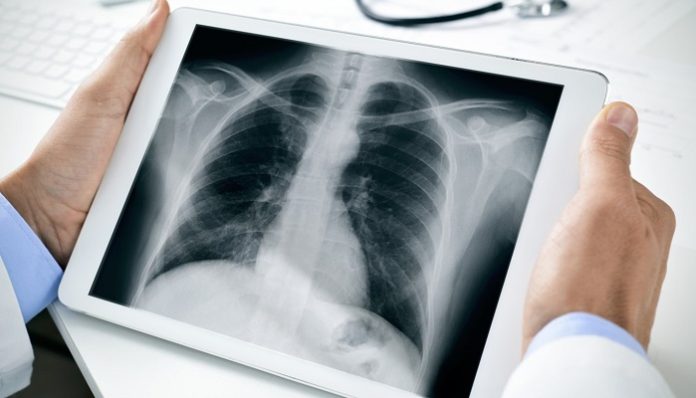
Radiology CPT Code 70010 is used when a patient needs a chest radiograph to diagnose various potential medical conditions. This could include diagnosing cancer, pulmonary fibrosis, heart failure, tuberculosis, etc.

It is a form of x-ray imaging used to evaluate organs and other structures in the chest cavity. A technician will place the patient in a special machine to perform the scan and take chest images.

77080

In radiology, the CPT code 77080 is used to do bone densitometry, which is also called dual-energy X-ray absorptiometry (DXA). This code is used to interpret and report the results of a central DXA of the lower extremities, pelvis, or spine.

The code is also for a joint exam, where several DXA images of the arm or leg are looked at. Patients may need this imaging to check for fractures, keep track of osteoporosis, and diagnose or keep track of other bone-related conditions.

74177ย 

CPT code 74177 is used to report an ultrasound image of the abdomen or retroperitoneum. This test is used to check the liver, gallbladder, pancreas, spleen, kidneys, aorta, and other organs and structures in the abdomen.

This procedure often rules out an abdominal aortic aneurysm, intestinal obstruction, appendicitis, adhesions, and cholelithiasis. As part of the pre-procedure preparation, intravenous contrast may be given to help see organ systems.

72170ย 

Radiology CPT Code 72170 identifies and bills for a radiologic exam of the whole spine. This radiological exam would include at least six (6) views of the spine, including front-to-back, side-to-side, and oblique views.

Depending on the patient’s condition and what the radiologist thinks is best, the patient may need more views. Some of these other views of the spine are flexion/extension, more oblique, and other views of the spine. Most of the time, radiographs or other imaging methods are used to do radiology procedures.

78452ย 

The radiology CPT code 78452 is used for nuclear medicine studies that only look at the thyroid, salivary glands, and pelvis using planar imaging. This code is often used to figure out what’s wrong with things like tumors or infections in these areas.

Most of the time, imaging is done by injecting or swallowing radioactive tracers. By watching where the tracers go, radiologists can determine the shape and size of these organs in the body and decide if they need more testing or treatment.

Suppose you don’t know all of the American Medical Association’s radiology CPT codes. In that case, you should use a medical billing service for radiologists, so you don’t have to try to remember them all.

Understanding the Most Common Radiology CPT Codes

Radiology CPT codes are necessary for accurate billing and reimbursements in radiology. It is important to understand these codes well to maximize utilization.

Providers should double-check medical records and CPT codes to ensure accuracy. For more information on Radiology Current Procedural Terminology (CPT) codes, consult a certified medical coding professional.

Did you find the information in this article useful? If so, make sure to check out our blog for more helpful content and resources.

Translate ยป