











Close
Digital Health & Ai Innovation summit 2026
Medical Taiwan 2026

Seasoned Pharmacists In UK To Receive Mental Health Training

The pathway happens to be a programme that is designed to develop the knowledge of pharmacists with regards to the mental health of patients.

Because of its successful initiation, the University of Bradfordโ€™s mental health program, created specifically for experienced pharmacists, and Health Education England has been awarded a two-year extension.

Notably, the pathway pertaining to the specialist mental health pharmacist training was created in 2021, which was in response to the NHS People Plan as well as the NHS Long Term Plan. The idea of the plan was to develop the experience as well as skills of the pharmacists who are working in new roles and that too within services offered by community mental health.

These positions happen to be of significant relevance to the multidisciplinary team within the new models of integrated primary as well as community mental healthcare for adults who have severe mental health issues. It is well to be noted that the initial cohort of 50 pharmacists is supposed to finish their training by March this year.

The pathway happens to be specific to a 12-month program, which is especially designed to elevate the knowledge of the pharmacists, particularly related to medicine initiation, optimization, and personalization within the mental health gamut.

Moreover, the HEE has now decided to fund this important process for another 2 years, thereby going ahead by imparting training to another 70 pharmacists per year. When it comes to experienced pharmacists, the University of Bradford will function alongside the NHS Foundation Trust’s Bradford District Care.

Dr. Gemma Quinn, the University of Bradfordโ€™s director of studies and postgraduate lead, is in no doubt about the significance of this course. She says that they are pleased to be able to continue with this service programme for specialist pharmacists who are working in innovative roles. Their online national programme has been created to aid the pharmacists to connect with one another so as to learn and elaborate long-lasting networks.

The pathway of all possibilities is going to enable them to provide seamless care for complex patients and also allow them to take the lead in innovation as well as service improvement within the NHS.

This extended training offer that is going to provide ongoing support to the specialist mental health pharmacist taking up new roles is a positive and a welcome move as per National Specialty Adviser-mental health pharmacy, NHS England. Matthew Elswood. According to him, they have evaluated and enhanced the training part to make sure that their workforce has the best support that is available in order to meet the issues when it comes to optimising the medicinal use for people who have had severe and long mental illnesses.

Diane Webb, who is an associate professor from the University of Bradford and also heads this project, says that it is indeed with a sense of accomplishment that they are continuing to play their part in developing pharmacist leaders in new roles throughout England in both primary and community mental health teams. This continuous adaptation as well as evaluation of the pathway is without a shred of doubt what drives partnership, innovation, training, and communication by making use of distance learning as well as team-based learning modules.

Can Seniors Get Dental Implants?

Many seniors get dentures as it is a standard solution for dental problems. But there are also those wondering if dental implants are suitable for them. It’s not uncommon to wonder if they have access to a sophisticated dental procedure because implants look more natural. They may also wonder if their age is a factor in getting them or if they will be allowed to get dental implants. This article will tackle the possibility of seniors having dental implants.

What Are Dental Implants?ย 

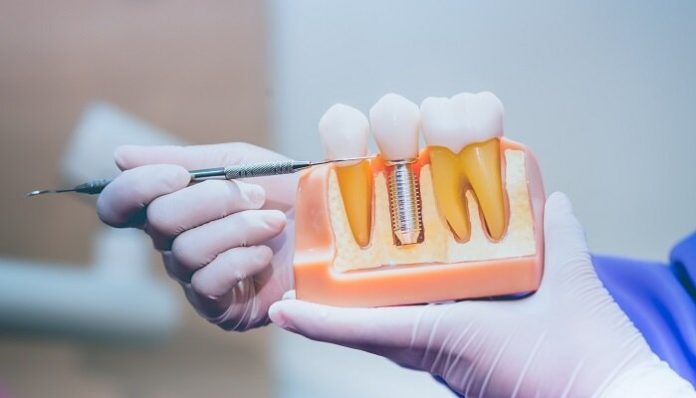
Dental implants are artificial teeth implanted into the jaw bone to accommodate an artificially made tooth. These implants can accommodate one tooth; for those with no teeth, there are all on 4 teeth replacement available for specific patients.

The implant resembles a screw an experienced dentist must place inside the jawbone. Time is needed for the bone to bind with the implant, which becomes the support for artificial crowns designed to match the rest of your teeth to fit inside your mouth and make it feel natural. The connector holds the crown down to the implant. Implants are sought after because they are the safest and strongest option in dental procedures.

Are Dental Implants Also For The Elderly?

The short answer is yes. There are no age restrictions for getting dental implants. Many seniors ages 60, even up to 90, could get dental implants successfully with excellent results. Implant costs vary depending on the procedure; many could afford it and enjoy the results of getting all their teeth back. Many find dental implants a likely solution, especially for fixed dentures and bridges.

Exceptions Why Seniors Won’t Be Able To Get Implants

In general, implants are for adults with fully developed jawbones. It is a procedure that excludes children and teenagers. While seniors can get them, some won’t be able to have the procedure for these valid reasons:

  1. Poor Oral Hygiene

Individuals who lose teeth from to gum disease and decay are unlikely to receive a recommendation for dental implants. If they are unwilling to improve their oral hygiene, the implant may start having problems from poor maintenance.

While dental implants are strong against tooth decay, the surrounding area is still susceptible to peri-implantitis that could result from oral maintenance neglect. Peri-implantitis is an inflammation that develops on the gums and bone. It is the result of the bone around that area. It is crucial that the person who receives the implant become strict with oral hygiene.

  1. Inadequate Bone Structure

Not all individuals have enough bone to support dental implants. Before you get approved for the procedure, you will be screened first to see if you have the proper jawbone structure. Lack of bone structure also results from osteoporosis and gum diseases that cause bone deterioration in the mouth. It can be remedied by bone grafting, which is a process of rebuilding the jawbone with a separate bone obtained from another part of your body. You can ask your dentist about it to get more information and if this option is available to you.

  1. Bruxism

Some individuals have an unconscious grinding, gritting, or clenching of the teeth called bruxism. It is considered a psychological release from stress and anxiety. But it will also prevent you from getting dental implants. Implants are resistant to the shock created by grinding and clenching.

The issue comes from the implants not having the same structure as your teeth resulting from bruxism. Implant failure may occur if the implant cannot bind appropriately into the jawbone because of the pressure applied by bruxism.

  1. Tobacco Smokers And Chewers

If you smoke cigarettes, pipes, cigars, or chew tobacco, dentists won’t recommend that you have dental implants. Tobacco contains hydrogen cyanide, nicotine, and carbon monoxide that hinder the steady flow of blood supply for the jaw to heal appropriately. Smoking is also a factor that contributes to implant failure.

Individuals who are extremely into smoking are considered high-risk, and dentists would opt not to recommend the procedure. Doing so would waste time and resources because it is highly likely to fail. Since integrating the implant into the jawbone can take up to six months or more, the procedure will be wasted on patients who cannot control their bad habits.

Takeaway

Seniors can also get dental implants because the procedure is for adults with fully developed jawbones. Many seniors could get dental implants and a complete set of teeth. But some conditions may prevent individuals from getting implants, such as poor oral hygiene, bruxism, habitual smoking and chewing tobacco, and insufficient bone structure. The last one can be remedied with bone grafting, but it may only work for some.

Seniors who want to get implants can seek advice from their dentists to find out more and if they can be candidates for the procedure.

How To Protect Healthcare Workers From Seasonal Illnesses

Although working in a healthcare facility, healthcare workers are still susceptible to seasonal illnesses like influenza, cold, and cough. Most of these ailments are contagious, so every worker in your facility will start feeling sickly sooner or later. They may display symptoms such as diarrhea, vomiting, chills, body, mild cough, headaches, muscle pains, or sore throats.

Therefore, taking precautionary measures in your facility helps decrease the intensity of the spread, evade contraction altogether, and also avoid transmitting the illness to young children or persons with chronic conditions at home. With that in mind, below are eight ways to protect your healthcare workers from seasonal infections:

  1. Encourage And Conduct Yearly Vaccination

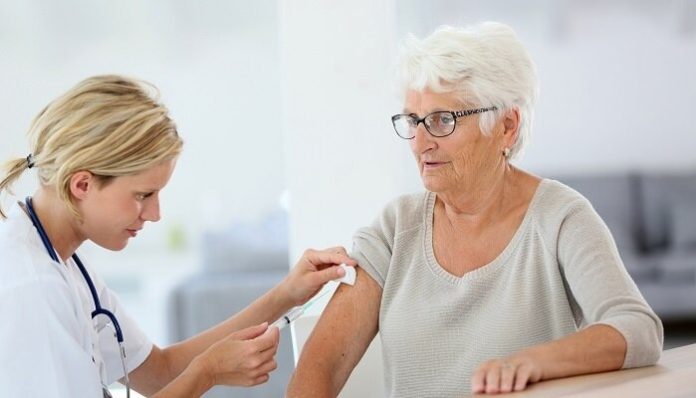
Vaccinations are essential in healthcare facilities to help prevent seasonal illnesses. They help ensure your healthcare workers don’t get infected by patients they come into contact with. Thus, it is best to explain to your workers the importance of vaccinations so they can make informed decisions on how and when they should get vaccinations.

However, you wouldn’t want them to leave their jobs and queue for several hours to get their shots. An excellent option for a healthcare facility is onsite vaccination at the workplace, for which you can enlist the help of mobile health service providers like Onsite Health.

It significantly saves time and is convenient for most workers, as they won’t have to change their daily routine, which may result in numerous downtimes. Moreover, your staff will genuinely appreciate your kind gesture that shows you value their health. You can also give your healthcare workers incentives, like snacks and drinks, to encourage them to go for the shots. Since the vaccine’s potency decreases after some time, conduct annual on-site vaccinations to help strengthen their immunity.

  1. Ask Unwell Workers To Stay At Home

If one of your healthcare workers isn’t feeling well and presents symptoms such as fever or chills, advise them to stay home and rest until they feel better. It’ll minimize disease transmission to other healthcare workers or patients in the hospital. Create a rule allowing your sick workers to stay home without penalizing them. Encourage them to file a sick leave whenever this happens, so the rest know why they can’t come to work. If they feel unwell after a flu vaccine shot, allow them to stay home.

  1. Provide Workers With Personal Protective Equipment (PPE)

PPE kits can help protect your healthcare workers from illnesses and also help in minimizing the spread. Thus, give your workers protective gowns, gloves, respirators, and surgical masks to help them handle patients with colds, flu, or other contagious seasonal illnesses.

  1. Encourage Proper Hygiene Practices

You must encourage your workers to reinforce proper hygiene habits to help prevent seasonal illnesses. For instance, you can tell your health workers to do the following:

  • Clean their surroundings by regularly wiping off the surface and the floors
  • Dispose of gloves and masks after use. For the coverall scrubs, it’s best to wash them thoroughly after a day’s work
  • Maintain the cleanliness of kitchen appliances
  • Wipe the doorknobs, telephones, and tables within the hospital facility
  • Wash their hands regularly using soap and water or sanitizers

On top of this, provide workers with disposable towels to sanitize the surfaces they come into contact with within the hospital. Also, teach them to cover their mouth when coughing or sneezing. These little precautions go a long way to curbing the spread of diseases.

  1. Be Cautious When Doing Aerosol-Generating Activities

Since seasonal illnesses are highly contagious, inform your healthcare workers to exercise precaution when conducting aerosol-generating procedures on patients, like respiratory tract suctioning, bronchoscopy, and dental and postmortem procedures. Your healthcare workers should use a respirator, gowns, and gloves when conducting these activities to limit the transfer of diseases to them. If possible, they can postpone the procedures if they’re not necessary during an outbreak.

  1. Ensure The Facility Is Well Ventilated

Proper ventilation promotes the circulation of fresh air into the rooms, minimizing the chances of infection. That is why itโ€™s imperative to keep the windows and doors open during the daytime for fresh air.

Also, regularly check on your Heating, Ventilation, and Air Conditioning (HVAC) systems to ensure they work efficiently. If there’s any damage to your system, have it repaired and inform the technicians to perform the necessary maintenance procedures.

  1. Monitor Visitor Entry And Motion Within The Hospital

If there’s any outbreak of seasonal illness, put up barriers in the hospital so you can monitor movement within the healthcare facility. You can put screening centers where you check all the healthcare workers and patients coming into the facility. You’ll be able to spot those with seasonal illnesses and isolate them before they spread.

  1. Train And Educate Workers On Precautions To Avoid Transmission

Various variants of seasonal illness erupt from time to time. For this reason, you must train and teach your healthcare workers to protect themselves from such ailments. You can teach them how to identify the symptoms of seasonal illnesses, how they’re transferred from one person to another, and how to minimize the exposure. You can also inform them about the essential PPE kits they must wear while in the hospital and how to dispose of them properly after use.

Conclusion

Protecting your healthcare workers from seasonal illnesses can help keep them healthy and productive because they won’t miss work. Therefore, conduct vaccination to prevent the diseases they may contract while interacting with patients and colleagues. An onsite vaccination would be appropriate because of its convenience and time-saving. Also, educate your healthcare workers on the precautions they should undertake to protect themselves. By following the valuable tips above, your healthcare facility can prevent downtime and operate successfully.

Top Reasons for Kids to Use Tech-Based Materials When Learning About Health

The rise of technology has revolutionized the way we learn. With so much information available at our fingertips, itโ€™s no wonder that tech-based materials have become an integral part of education. From virtual classrooms to online resources, there are countless ways for students to access knowledge and gain valuable skills. When it comes to learning about health, tech-based materials can be especially useful for kids. Not only do they make the subject more engaging and enjoyable, but they also provide a wealth of information in a format that is easily digestible and accessible. Weโ€™ll discuss some of the top reasons why kids should use tech-based materials when learning about health topics such as nutrition, exercise, and mental well-being.

Increased Engagement

One of the primary advantages of using technology to learn about health is that it can help keep students engaged. By utilizing interactive tools and educational games, kids are encouraged to actively participate in their learning process. This helps them stay focused and retain more knowledge than if they were simply reading a textbook or listening to a lecture. When you’re teaching anatomy and the reproductive system for kids, this is especially important. For example, providing a 3D visualization of the organs and systems can help them to better understand how things work.

Accessibility

Technology-based materials make it easy to access vast amounts of information about health topics from anywhere in the world. With just a few clicks, students can access educational websites, blogs, and apps to learn more about nutrition, exercise, mental well-being, and much more. This helps create an immersive learning experience that provides a comprehensive overview of various health topics in an accessible format. Of course, this is especially beneficial for students in regions with limited access to traditional learning resources.

Variety of Learning Materials

When using tech-based materials for health education, kids have access to many different types of media such as videos, simulations, and virtual reality experiences โ€“ all designed to keep their interest piqued. From building a virtual human heart to exploring the effects of exercise on the body, thereโ€™s no limit to what they can learn and experience when using interactive materials. For some topics, such as anatomy, having an interactive 3D model can provide a more immersive and engaging learning experience than simply reading about it in a textbook.

Real-Life Applications

Tech-based materials have real-world applications and can help kids understand how their health habits impact their daily lives. For example, if they are learning about nutrition, they can use an app to track their food intake and see how it affects their energy levels. This hands-on approach encourages them to make healthier choices to achieve better results. And, if theyโ€™re learning about exercise, they can use a fitness tracker to monitor their progress and set goals. Some examples include:

  • Health and nutrition tracking applications: Apps such as MyFitnessPal allow kids to track their meals, water intake, exercise routines, and health goals.
  • Online fitness resources: Websites like Fitbit provide users with tutorials about the different types of exercises, along with tips for staying active and motivated.
  • Wearable technology: Smartwatches, activity trackers, and other wearable devices allow kids to monitor their physical activity and progress in real-time
  • Virtual reality software: Kids can explore virtual worlds and get a better understanding of how healthy choices impact them through interactive games.
  • Online health education tools: With the help of online resources, kids can learn about different health topics in an engaging way.

Fun and Exciting

Finally, kids learn best when they have fun. Tech-based materials make learning about health topics enjoyable, which encourages them to stay engaged and motivated. From gamified exercises to virtual reality experiences, there are plenty of ways to make the process exciting โ€“ making it more likely that they will remember what theyโ€™ve learned in the long run. For some ideas on how to have fun while learning, check out some of the activities created by tech companies specifically for educational health initiatives. You and your kids can also create customized games or competitions that make understanding these topics a blast!

Tech-based materials are an invaluable resource for kids who are learning about health topics. Not only do they keep students engaged in the material and make it more accessible, but they also provide a variety of tools and real-life applications that help them gain a deeper understanding of the subject matter. Whether youโ€™re a teacher or parent looking to teach your child how to stay healthy, using technology as part of your lesson plan can be an incredibly effective way to get the job done.

JB Pharma records revenue growth of 32% to INR 793 crores in Q3 FY23 Operating EBITDA grew by 26% to INR 193 crores

JB Pharma underlined its tested track record of being one of the fastest growing pharmaceutical companies in the subcontinent by announcing impressive numbers in the financial results for the third quarter ended 31st December 2022.

When comparing the quarterly financial performance for the same period in the previous year, JB Pharma recorded revenue of INR 793 crores in Q3 FY23 versus INR 601 crores in Q2 FY22, registering growth of a whopping 32%. Operating EBITDA* (Earnings Before Interest Depreciation and Taxes) increased by 26% to INR 193 crores as compared to INR 153 crores and the Profit after Tax stood at an imposing INR 106 crores as compared to INR 84 crores registering growth of 26%, for the same period.

Commenting on financial results, Mr. Nikhil Chopra, CEO and Wholetime Director, JB Pharma mentioned, โ€œJB continues its growth journey delivering strong financial performance in the quarter. Our organic business outpaced the market, whereas our inorganic portfolio added to the upsides with better than anticipated momentum. Our inorganic strategy is built around growing the India business and increasing share in the chronic segment. During the quarter we acquired Razel, a leading brand for lipid-lowering. This further strengthens our chronic presence, as we enter the โ€˜Statinsโ€™ category – the largest segment in cardiology. Our strong prescriber base and existing chronic teams will help in further growing the brand and drive operating leverageโ€. He further added โ€œThe CMO business continued its revenue traction, while other parts of international business have also witnessed good growth. We are equally cautious about the inflationary environment and continue to build on productivity and cost optimization initiatives to enable us to maintain our operating margins.โ€

For Three Quarters or Nine months of the Financial Year 2022-23, the Company recorded revenue of INR 2387 crores as compared to INR 1800 crores for the same period in the previous year, registering growth of 33%. Operating EBITDA (Earnings Before Interest Depreciation and Taxes) increased by 28% to INR 584 crores as compared to INR 457 crores. Profit after Tax was INR 322 crores as compared to INR 301 crores.

Financial Performance

Q3 FY23

Particulars (INR Crores) Q3 FY23 Q3 FY22 YoY Growth
Revenue 793 601 32%
Operating EBITDA 193 153 26%
Op. EBITDA Margin (%) 24.3% 25.5%  
Profit Before Tax 141 114 24%
Profit After Tax 106 84 26%

9M FY23

Particulars (INR Crores) 9M FY23 9M FY22 YoY Growth
Revenue 2387 1800 33%
Operating EBITDA 584 457 28%
Op. EBITDA Margin (%) 24.5% 25.4%  
Profit Before Tax 433 402 8%
Profit After Tax 322 301 7%

ย 

Sales Performance

Q3 FY23

Particulars (INR Crores) Q3 FY23 Q3 FY22 YoY Growth
Domestic Formulations 407 286 42%
International Formulations 386 315 23%
Total Revenue 793 601 32%

9M FY23

Particulars (INR Crores) 9M FY23 9M FY22 YoY Growth
Domestic Formulations 1260 904 39%
International Business 1127 896 26%
Total Revenue 2387 1800 33%


As per IQVIA MAT Decโ€™22 data, JB Pharma continues to be the fastest growing company among the top 25 in the industry, growing by over 19.5% as compared to IPM growth at 6.5%. JB registered YoY revenue growth of 32% in Q3 FY23 and 33% for the 9 months of FY23. Domestic business continued to record over INR 400 crores in revenue for the third quarter in a row, out-pacing industry growth, while the international business grew at 23% to INR 386 crores in Q3 FY23 and by 26% to INR 1127 crores in the 9 months of FY23.

Domestic formulations business maintained its market beating performance growing at 42% in Q3 FY23 and 39% in 9M FY23, and excluding sales from the acquired brands, growth was mid-teens for Q3 and 9M FY23. International formulations and CMO business recorded strong growth, with the CMO business crossing INR 300 crores in the 9 months ofย  FY23 recording a growth of 92% in Q3.

Operating EBIDTA grew by 26% in Q3 FY23 and 28% in 9M FY23. Operating EBIDTA margin was at 24.3% in Q3 FY23 vs 25.5% in Q3 FY22. Gross margins were at 62.3% in Q3 FY23 vs 65.7% in Q3 FY22. Higher Azmarda sales and Cost Inflation continue to impact gross margins.

Excluding non-cash ESOP cost, Employee cost as a percentage to sales improved to 15.1% in Q3 FY23 vs 15.6% in Q3 FY22. Non-cash ESOP cost as a percentage to Reported EBITDA was at 10.3% in Q3 FY23 as compared to 19.5% in Q3 FY22. Other expenses as a percentage to sales improved to 22.8% in Q3 FY23 from 24.5% in Q3 FY22. Profit after Tax grew by 26% to INR 106 crores in Q3 FY23

Domestic Business

Domestic business continued to record over INR 400 crore revenue for the third quarter in a row. Domestic business, excluding sales from acquired brands, grew at mid-teens, out-pacing industry growth. New Product contribution was at 5% to domestic sales for Q3 FY23

As per IQVIA MAT Decโ€™22 data, JB Pharma continues to be the fastest growing company among the top 25 in the industry, recording growth of over 19.5% as compared to IPM growth at 6.5%. JB Pharma is also the fastest growing company in the Cardiology segment amongst the top 10 players. As per IQVIA Q3 FY23 vs Q3 FY22 data, the acquired portfolios recorded growth ofย  over 34% with Azmarda recording a growth of 50% and Sporlac growing by 41%. As per IQVIA MAT Decโ€™22, Azmarda ranked #270 and Sporlac #361, gaining in ranks

International Business

International business continues its strong performance with revenue growing at 23% in Q3 FY23 and 26% in 9M FY23. International formulations recorded highest ever quarterly sales with the Rest of the World and the US region recording strong sales growth, while Russia-CIS business showed improved revenue traction.

CMO business recorded 92% growth in Q3 FY23 to INR 96 crores. CMO accounted for 27% of international revenue for the first 9 months of FY23 as compared to 18% in FY22. New launches in specific markets showed good progress.

Medtronic LINQ Insertable Cardiac Monitor detects 10 times more atrial fibrillation in ischemic stroke patients at three years compared to standard of care

Medtronic announced late-breaking clinical data from the STROKE AF clinical study, which showed large and small vessel disease stroke patients had a 10-fold increase in AF detection with the Reveal LINQโ„ข insertable cardiac monitor (ICM) at three years compared to patients randomized to standard of care who did not receive continuous, long-term monitoring. The latest results, presented today as a late-breaking clinical trial at the American Stroke Associationโ€™s International Stroke Conference (ISC) 2023, build on the STROKE AF study 12-month primary endpoint results published in JAMA in June 2021.

Over the first year, 12.5%* of patients in the ICM arm had AF detected compared to 1.8% of patients randomized to standard of care (consisting of external cardiac monitoring such as 12-lead ECGs, Holter monitoring, telemetry, or event recorders). At three years, the rate of AF detection increased to 21.7% of patients in the ICM arm compared to 2.4% in the control arm, resulting in a statistically significant hazard ratio of 10 (95% CI 4.0-25.2, p<0.001). The study also showed that 67% of patients (31 out of 46) in the ICM arm had clinically relevant AF episodes lasting more than one hour in duration, while 88% of AF episodes were asymptomatic.

โ€œWhat these data show us is that we canโ€™t always rely on patients to tell us they are having palpitations or irregular heartbeats because the majority of AF detected in the study was asymptomatic,โ€ said Lee H. Schwamm, M.D., chief digital advisor, Mass General Brigham, C. Miller Fisher endowed chair in vascular neurology and professor of Neurology at Massachusetts General Hospital and Harvard Medical School. โ€œImportantly, these outcomes underscore the criticality of long-term monitoring with ICMs in these patients as much of the AF detected would have been missed at 30 days. AF is a risk that we can’t afford to miss for patients who have already suffered a stroke โ€” the consequences could be devastating.โ€

Stroke impacts more than 795,000 people every year. More than 87% of strokes are ischemic strokes, which occur when vessels that allow blood to flow to the brain are blocked.[1] Patients with AF are at a five-fold increased risk for ischemic stroke.

While the STROKE AF study was not designed to detect or explain treatment differences, only 70% of patients with AF detected in the ICM arm were subsequently started on anticoagulation therapyโ€”medication that helps prevent blood clots.

New Insights on Predictors of AF

The one-year outcomes from the STROKE AF study Predictors of AF analysis recently published in JAMA Neurology, add insights for predicting AF in patients with small or large vessel ischemic strokes. Patients with either congestive heart failure (CHF) and/or left atrial enlargement (LAE), for example, had an AF detection rate of 23.4% compared to 5% for patients with neither attribute, suggesting these patients are at greater risk of having AF.

โ€œThe STROKE AF Predictors analysis helps us better identify the patients who are most at-risk of unsuspected AF, which can inform stroke prevention strategies,โ€ said Schwamm. โ€œNot every ischemic stroke patient may need an ICM, but these data suggest some patients are more likely to experience AF and should be monitored more closely.โ€

The STROKE AF study is a prospective, randomized study of 496 large and small vessel stroke patients across 33 centers in the U.S. The Reveal LINQ ICM was cleared in the U.S. in 2014 and is available worldwide.

Kenya Eyes Biometric-Led Kids Vaccination Management System

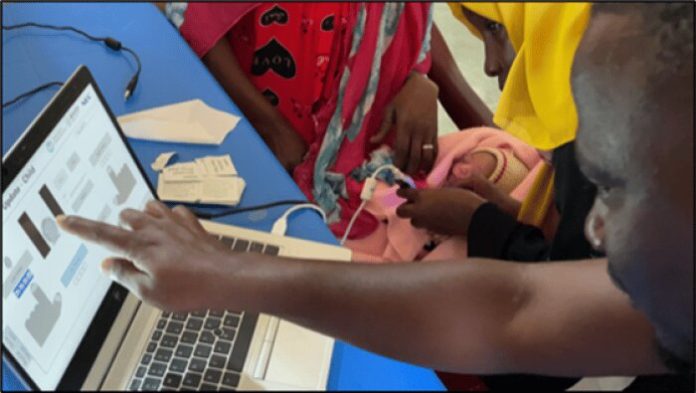
Nagasaki University, Japan, Kenya Medical Research Institute- KEMRI, and NEC have created a digitally inclined biometric-based vaccination management system, especially for the newborn children in Kenya. There is a clinical trial being conducted through KEMRI since September 2022 to validate the system, and notably, the initial results that have come out look very encouraging.

The digital systems are being provided by NEC, which happens to be a stalwart in the integration of IT as well as network technologies, and on the other hand, KEMRI, which is one of Africaโ€™s leading research institutions, will seamlessly and effectively manage the vaccination history as well as the scheduling by making use of fingerprint identification when it comes to newborn kids and also voice recognition for the caregivers.

This tech is perhaps the first time that biometric identification is being used in a hospital setting to identify newborns not only at the time of vaccination but also those right after delivery. As per the data from last November, more than 300 carers as well as newborn kids are registered, and this information also includes the history of vaccination in more than 150 newborn kids.

This novel technology tags fingerprint identification for kids as well as voice recognition for the carers so as to confirm not just their identity but also keep track of the vaccination histories and schedules, thereby ensuring that the first 24 months in the life of the newborns have everything thatโ€™s appropriate and as per the plan.

With this having a positive impact, there will be demonstration tests that will network multiple hospitals, starting with an aim for a full-scale deployment across Kenya by 2023 end. There are plans for other international deployments as well in the near future.

AI Making Its Way To Gauge The Progression of Alzheimers

Commonwealth Scientific and Industrial Research organizations scientists in collaboration with the Queensland university of technology, Australia have gone on to develop in what could be an AI-based yardstick for measuring brain atrophy. Apparently, this is going to be a world first.

The scientists used AI to come up with a set of artificial MRI images of the brain that had predefined signs of neurodegeneration across the cortex region, which happens to be a brain area that is the most affected by Alzheimerโ€™s.

This AI-based benchmark lets scientists set the location and amount of the brain degeneration to analyse how a methodology pertaining to cortical thickness quantification fares. Based on the inferences that were published in the Medical Image Analysis journal, this technique can take into account the sensitivity of measuring brain atrophy methods to a level that is as miniscule as 0.01 mm.

The thinning of the brainโ€™s cortex or Cortical Atrophy may as well start ten years before the Alzheimersโ€™ clinical symptoms surface as per Dr. Filip Rusak who happens to be a CSIRO scientist. That said, measuring the progression has been pretty challenging as the variable changes that take place in the brainโ€™s cortex happen to be very small.

As per Dr. Rusak, accurate measures are required more than ever in order to observe the signs in the images of the brain when they start to make an appearance so that they can be taken into account sooner rather than later.

Although there happen to be AI based techniques to assess the progressionsโ€™ onset of neurodegenerative diseases, there is still a lack of actual datasets imparting truth in order to check the sensitivity. The latest CSIRO development is to ensure that this gap is being filled. This benchmark dataset happens to be publicly available so as to be used by clinicians as well as scientists when it comes to their own assessments of methods for quantifying the thickness of the cortical.

As per CSIRO, their AI benchmarking technique can in fact lead to a better dementia understanding as well as the gauging of other debilitating diseases related to the brain. The technique can also be used to forecast the anticipated level of cortical degeneration with time.

In Asia-Pacific, there were apparently other tech innovations too concerning Alzheimer’s that were reported recently. In January 2023, the Korea Institute of Machinery and Materials announced that it is on the path of manufacturing of an intraocular eye lens which can help in the early Alzheimerโ€™s detection. This artificial eye lens is made up of a biresponsive hydrogel that comes with a Moire pattern, which is a reaction to target the biomarker in Alzheimer’s.

Deficient Metabolic Health Spikes Obesity Related Cancer

As per a recently conducted research, people who have a poor metabolic health happen to be at a higher risk of certain form of cancer irrespective of the fact that what their body weight is.

This study has followed around 800,000 people across Norway, Sweden, and Austria for the last 40 years with an eye on their body mass index as well as metabolic health. The study tracked the individuals’ blood glucose levels, blood fats, as well as blood pressure. Now, the scientists have used this data to comprehend how these elements affect obesity-related cancer risks.

It is already a known fact that obesity is associated with ten different kinds of cancer. As part of a European collaboration led by Lund University, scientists have studied the bond between body weight, metabolic health, and cancer. This study has got itself published in the journal of National Cancer Institute.

The researchers took consideration of the data from health surveys as well as national registries that contained information on 800,000 people across 1972-2014. The data on blood glucose, blood fats in the form of triglycerides, and blood pressure were used, allowing the scientists to gauge if the people were considered metabolically healthy or not. The participants were also segregated based on the fact that whether they were normal weight, overweight, or fell under the obese category.

Tanja Stocks, the epidemiology scientist who led the study, revealed that being obese is more often linked to being metabolically unhealthy, but one also doesnโ€™t have to be overweight to have a metabolically unhealthy status. Hence, it makes sense to conduct research on how this status plays a role in the bond between obesity-related cancer and the BMI.ย 

In the 40-year follow-up period, 23,630 people were diagnosed with obesity-related cancer, and as the scientists expected, those individuals with a higher BMI had an increased risk of cancer, as did those with poor metabolic health.

The highest rate of risk was found in people who had poor metabolic health and were obese as well. This combination was particularly associated with a high risk of liver and kidney cancer and, in women, endometrial cancer.

As per the researchers, poor metabolic health also led to a high risk of cancer related to obesity regardless of whether the participant had a normal weight, was overweight, or was obese.

That said, the research was not able to identify the cause of these associations. The researchers did find that metabolic health and obesity gelled in a way that caused a surge in the risk of certain cancers more than what was thought previously. The study brings out the fact the significance of analysing varied kinds of metabolic risk profiles besides obesity so as to be able to pin-point the group that can take away the most from these interventions and thereby reduce the chances of suffering from cancers related to obesity, remarked the first author of the study, Ming Sun.

Australia Gets Into Future Pandemic Plans- Suggestions Made

An Australian studies assessment in the household transmission of COVID-19 has led to four novel recommendations when it comes to preparedness for future. The initial study was based on the national protocol and was held early in the early part of the pandemic in 2020 in order to share necessary data to inform the public health response in Australia.

The co-author of the study, who also happens to be a PhD candidate at the University of Melbourne, Adrian Marcato, the Few X Household Transmission Project for COVID-19 was quickly adapted as per the WHO protocols.

The original FFX project was designed to meet the informational requirements as early as possible in the pandemic. Baseline information of early SARS strains from adults and children in Australia got a space in the Lancet Regional Health Western Pacific.

Apparently, the 2020 FFX project had to face many hurdles, and the current follow up analysis has been designed so as to document the strengths and issues that were there in the original approach.

As per the evaluation process, four recommendations emerged for future preparedness, which included issues such as study designs as well as logistics, data management, and also ethics and governance.

Partnerships

The researchers and public health officials’ partnership is pivotal in implementing the FFX study, and hence the initial recommendation is to make mature partnerships, strengthen them, and also collaborate in order to enable more quick activation of the study, as per Marcato.

Integrated Data

There is a requirement for better integration of FFX studies in the public health response. Effectively, a national FFX data system would help with the rapid collection of the desired information infrastructure across all government levels in order to provide the best pandemic outcomes in Australia.

Approved In Advance Protocols

The pre-approved FFX protocol’s development in advance of an emergency due to infection is bound to be more effective and efficient. According to Marcato, protocols which are well-designed can be adapted quickly in order to take care of the emergency. With approvals and protocols in place, the collection of data that is culturally appropriate can be enabled for individuals who are at greater disease risk.

ย 

National Data Infrastructure

Investment in the national data infrastructure happens to be the final recommendation. In Australia, healthcare is taken care of by local, state as well as territory and central governments. All this leads to many gaps around how information is collected as well as shared.

It is well to note that the original 2020 project had the jurisdiction of the WA, SA, QLD, and NSW health departments as well as Victoriaโ€™s Royal Children’s Hospital, and at least one collaborator from the FFX site was asked to be a part of the evaluation.

Translate ยป