












Close
Digital Health & Ai Innovation summit 2026
Medical Taiwan 2026

Rural Hospitals Need to Adopt New Strategies to Overcome Healthcare Challenges

Rural hospitals should develop and implement strategies that will help them successfully navigate a challenging healthcare environment this year, says Jim Kendrick, president and CEO of Community Hospital Corporation (CHC).

Kendrick says that some of the biggest healthcare trends will be perhaps the most difficult ones facing rural hospitals and health systems. They include clinical staff shortages and rising labor costs, higher interest rates and inflation, the need for federal funding to keep many rural hospitals financially solvent, and new healthcare delivery models, among other trends.ย ย 

On the topic of federal aid, many rural hospitals still require governmental financial assistance to maintain an optimal level of care. Since 2010, more than 140 rural hospitals have been shuttered, according to the North Carolina Rural Health Research Program.

Financially strapped hospitals, however, can request relief funding from newly launched programs including USDAโ€™s Emergency Rural Health Care grants. Additionally, the Rural Emergency Hospital designation, the first of its kind introduced in decades, provides an option for rural hospitals most at risk of closing to change their service offering, Kendrick says.

He added that more funding may be made available in response to increased recognition of the important role that rural hospitals play in the nationโ€™s healthcare delivery system.

For instance, proposed federal funding, such as The Rural Hospital Support Act and the Assistance for Rural Community Hospitals Act, can help keep hospitals running smoothly, if and when the funding receives congressional approval.

But rural hospitals should not rely solely on federal aid as a panacea for their financial ills. โ€œBecause federal funding may or may not materialize, hospital leaders need to adapt in order to keep pace with changes in the way healthcare is delivered and compensated,โ€ Kendrick says.

Other challenges impacting rural healthcare include:

ยทย ย ย ย ย ย ย  High Labor Costs: To develop a long-term solution for staffing needs, hospitals must focus on skill-mix optimization. This allows bedside staff to work at the top of their license to contain costs by reducing reliance on premium labor. One strategy is for hospitals to partner with nursing schools and vocational schools to capture healthcare workers early in their training. Some hospitals are collaborating with schools to develop fast-track education paths leading to full-time employment. A team staffing model approach is an innovation used at several CHC hospitals.

ยทย ย ย ย ย ย ย  Rising Interest Rates and Cost of Debt Service: Hospitals saddled with debt may require restructuring. One example is shifting a bond structure over to HUD financing to obtain lower interest rates. โ€œThis strategy gives hospitals breathing room from high-interest rates and offers an opportunity to expand or add profitable services,โ€ Kendrick says.

ยทย ย ย ย ย ย ย  Adopting New Care Delivery Models: Ever-evolving changes to healthcare are shaping the way rural hospitals deliver care. One example is hospital-at-home care. This model transitions certain diagnostic studies, treatments and skilled nursing services to the home environment. Like telehealth and remote patient monitoring, hospital-at-home care provides another innovative way to better serve rural communities.

Because the path to sustainability is different for every hospital, hospitals must chart their own strategic roadmap. CHCโ€™s operational assessment can begin to uncover opportunities for improvement and innovation. โ€œThis assessment shows hospitals where they stand and identifies routes to pursue and attain goals,โ€ Kendrick says.ย 

Community Hospital Corporation owns, manages and consults with hospitals through CHC Hospitals, CHC Consulting and CHC ContinueCARE.


CareLineLive expands partnership with Mid and South Essex NHS Foundation Trust to release 60 hospital beds per day

CareLineLive, the all-in-one home care management software provider, has announced the expansion of its partnership with Mid and South Essex NHS Foundation Trustย (MSEFT) to free up 60 beds per day of patients that would otherwise remain in hospital awaiting discharge.

With many hospitals in the UK suffering from the โ€˜bed blockingโ€™ crisis โ€“ where patients deemed fit to leave hospital are waiting for social care packages to be arranged โ€“ A&E waiting times are increasing and long delays for ambulances are adding to the backlog.

During the height of Covid-19 in 2021, MSEFT first partnered with CareLineLive, which digitises operations such as rostering, client visits and eliminates the need for paper-based administration, to help scale up its Bridging Service. This service provides short term domiciliary care directly to patients leaving hospital, while waiting for the local authority to commission a longer, more sustainable care package.ย This resulted in over 11,000 bed days being saved between April-November 2021. Subsequently, between April and December 2022 this service alone saved 11,500 bed days.

Building on the Bridging Service, the Trust pioneered a more holistic service in June 2022 called the Southend Enhanced Discharge Service (SEDS).ย SEDS is a Discharge To Assess Serviceย that provides a full and complete therapy-led hospital discharge assessment at homeย for Southend residents rather than an assessment being provided by the hospital beforeย discharge. It enables patients to leave hospital sooner with appropriate provision of care at home where they then tend to recover more quickly.

Between June and December 2022, the SEDS service resulted in 5,070 saved bed days which, combined with the Bridging Service, gave a total saving of 16,570 bed days. The projected saving for the year April 2022-March 2023 is predicted to be around 22,000 bed days, equating to 60 beds per day.

John Walter, General Manager of Integrated Care at MSEFT, said: โ€œCareLineLive has helped us take our service into the 21stย century. It is a fantastic electronic record solution for any service that has a need for remote patient care in the community. It enables staff to work remotely, document remotely and be scheduled electronically. It has enabled us to improve efficiency, capacity and reimagine patient care.โ€

โ€œCareLineLive is a great solution if you want to be more efficient, transform your services and future proof your ways of working and delivering patient care. It helps services be more sustainable, be more GDPR compliant and mitigate against data issues. It is also scalable and functions in real time so we always have an up-to-date assessment of what is happening with each patient.โ€

Josh Hough, Founder and MD at CareLineLive, added: โ€œWeโ€™re proud to be working with MSEFT to help ease the backlog and free up a significant amount of bed spaces, so that more patients can receive the care that they need. We recently put out a freedom of information request and found that only 16 of the 33 services that responded had a Bridging Service in place and most of these were providing re-ablement rather than domiciliary care. We now want to encourage the roll out of more Bridging Services from NHS Trusts across the UK to ease the strain on hospital bed capacity.โ€

Common Threats Kids Come Across On Social Media

The internet can be a dangerous and overwhelming place for everyone, especially children.ย Kids on social mediaย can encounter varying threats, from inappropriate content and cyberbullying to scams and cyber predators. According to ExpressVPNโ€™s survey, 59% of respondents said they were most worried about their child being bullied online, followed by concerns about their kid being groomed.

A lot has changed since new parents of today would likely have become acquainted with social media for the first time. Back in 2005, only about 5% of American adults used social media. But as per Pew Research Center, more than 90% of teens today use social media.ย A new study showsย that teens and kids in America spend more time on social media and digital screens than ever. The number of hours they spend online has increased considerably during the COVID-19 pandemic.

Findingย children on social mediaย is not too uncommon today. Unfortunately, there are many dangers lurking around that may cause a lot of mental distress to young kids and even haunt them later in life.

Cyberbullying

School buying is not a new trend, but the ability of online bullies to follow their victims everywhere they go definitely is. Traditional bullying depends on power imbalance caused by verbal harassment or physical intimidation. But the threat of cyberbullying often comes from the ability for bullies to stay anonymous and/or imbalance of power surrounding technological fluency.

Predators targeting children

Grooming is a hugeย social media riskย for children. Interactions on social media can start with just a message or friend request. Online predators start conversations with children and gradually try to manipulate them. Children have a level of natural curiosity that the predators exploit and pivot into sexual territory.

Inappropriate Content

Sex, racism, violence, and drugs all find their way into social media feeds. Hence, parents must fine-tune content control on every app and even consider monitoring tools. In case dangerous content does slip through these filters, parents must be ready to discuss it calmly with their children.

Sharing posts to regret later

In their spontaneity and excitement, kids might not realize the long-term consequence of what they post online. Sharing personal information and images can open the door to predators and scammers. Therefore, parents need to monitor what their child posts online.

To wrap up

Social media websites are considered to be โ€œcoolโ€ by children, and their friends very often pressure them into joining them.ย Social media risksย are not too different from those that exist elsewhere online. The biggest danger is that these threats exist in a new environment that your child might not be familiar with. In addition to cyberbullying and grooming, your children might also be unable to protect their personal information online and fall prey to phishing scams.

Proper cyber security software and open communication are important to ensure your childrenย stay safe online. Your kids should feel comfortable telling you if they are contacted by a stranger online or have experienced bullying on social media.

Remote Monitoring End, A Challenge In Store For The CHI

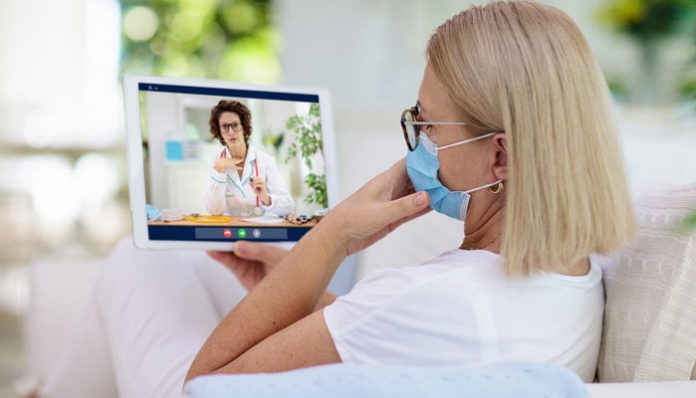
To keep telehealth and acute hospital care at home for two years, Congress added protections as the public emergency ended, but there are still concerns about how the PHE waiver expirations are going to affect these two programmes and others, as per experts from the Connected Health Initiative (CHI).

Morgan Reed, who happens to be the president of ACT, remarked that he had always been concerned about this day and that it would come.

One of the most common concerns is the remote monitoring end, which is made use of by hospitals in at-home programs. It is well to be noted that Hospital-at-Home may remain intact for 2 years, but the digital connection that allows the programme to function may not.

Brian Scarpellil, CHI Executive Director, said that they are sceptical that CMS will be able to continue the remote monitoring at home.

Both Reed as well as Scarpelli opine that with the PHEโ€™s end, the patients in all probabilities will end up paying more money in terms of care, while there existing communication with the physician through existing devices will not be allowed. The urgency here is a promise of waivers that envelope digital healthcare. Although the conversations with political leaders have been heading in the right direction, there arenโ€™t any forthcoming bills, and the divided house and senate make it even harder for the legislators.

It is estimated that 43% of physicians across the US are using telehealth services at present, along with patient appointments as per the CHI, which is asking Congress to give out maximum flexibility for CMS so as to cover the telehealth visits wherever they are appropriate. Besides these recommendations, the CHI also wants the Congress to permanently let Medicare get live audio and video visits covered irrespective of the patient’s location and to also concentrate on long-term digital health delivery, which includes software programmes as well as wearable devices, both of which are eligible in terms of reimbursement.

Leading experts in the field of fertility gather for ANNO 2023, the first international conference by ART Fertility Clinics in India

The conference focused on how ART has made significant strides in patients’ medical and clinical care over the past two decades. It alsoย underscored the importance of ART’s active involvement in human reproductive research.

India’s IVF market size was estimated at $793.27 Million in 2020 and is expected to reach $3,721.99 Million by 2030 at a CAGR of 16.45%. The market growth can be attributed to the rising prevalence of infertility among couples, growing awareness of assisted reproductive treatments, and supportive government initiatives.

The conference highlighted that the practice of commercial surrogacy or hiring a surrogate mother in India is prohibited in all its forms by any surrogacy clinics, gynaecologists, embryologists, or other medical professionals. This will now facilitate more avenues for research related to more advanced fertility treatments.

Furthermore, India’s 2021 Act permits the option of altruistic surrogacy. Also, Assisted Reproductive Technology (Regulation) Act 2021, passed by the Parliament in December 2021, provides regulations for assisted reproductive technology clinics and banks, prevents misuse, and ensures the safe and ethical practice of ART services.

Speaking at the conference, Prof. Dr. Human Fatemi, Group Medical Director, of ART Fertility Clinics said, “Assisted reproduction technology (ART) has come a long way in recent years, with advancements in areas such as preimplantation genetic testing, in-vitro maturation, time-lapse imaging, artificial intelligence, and gene editing. These developments have not only improved success rates in ART but also enabled individualized medicine, where treatment is tailored to a patient’s specific medical and genetic needs. The integration of personalised medicine and telemedicine in ART have also ensured better diagnosis, management, and access to care for patients.”

ANNO 2023 provided IVF experts with the perfect platform to exchange scientific ideas on infertility – a global health issue affecting millions of individuals of reproductive age.

This event was unique in that it brought together specialists from around the world to discuss the latest developments in IVF treatments and share their collective knowledge and experience towards the goal of expanding access to effective infertility solutions.

Top Healthcare Industry Facts for 2023

The healthcare field is changing rapidly, especially in the wake of the first worldwide pandemic that shut down dozens of national economies. As governments and institutions claw their way back from near collapse, many of the predictions about health-related industries are coming true. Not only have costs begun to rise after a slow pause, but medical care is quickly getting back to its old upward trajectory in terms of price rises, delays in service, and complex insurance scenarios.

The leading stories that are already unfolding in 2023 include not only the return to business as usual for pricing but also a new trend in financing education for future medical students and doctors. Additionally, other major changes are taking place in government sponsored care, Medicaid and Medicare, both of which are gaining enrollees at record rates. Finally, medical myths still abound even in the information age. The irony is that misinformation seems to spread as quickly as accurate, reliable scientific facts. Here are details about the stories that are proving to be the most significant developments in health and wellness for the current year.

Healthcare Costs are Still Rising

According to a recent authoritative survey (WebMD, 2022) about 70% of consumers have delayed going to the doctor or seeking treatment due to the high cost of healthcare services. While the number is not a universal indicator of rising medical costs, it does provide a keen insight into the minds of people who can otherwise afford to visit doctors and take care of themselves via medical insurance coverage. But after a short break in price hikes during the first two years of the COVID pandemic, working adults are witnessing a return to the normal state of affairs, which is a routine rise in their out-of-pocket expenses and increases that outpace inflation.

One of the unique features of the current situation is that adults under the age of 45 tend to be more reluctant to fork over their hard-earned cash for procedures or regular office visits. Older adults, perhaps because they better understand the importance of consistent care, are less likely to delay getting the help they need for minor injuries and serious conditions. Oddly, only about half of the survey population said that they engage in any price shopping when it’s time to visit the doctor.

Student Loan Cosigners Help Future Doctors Afford Med School

While it’s true that many applicants don’t use cosigners on government loans, students who intend to seek private sources of funding should seriously consider finding a cosigner. There’s no better way to increase one’s chances for approval. The common reason is that young adults just don’t tend to have very much credit history, if any at all. That one fact can sink a loan app faster than anything else. A working adult who serves as an Earnest student loan cosigner can significantly improve a student’s chances for approval and advantageous rates.

Just by appending your name to someone’s application, whether the future grad is a child, employee, or friend, you not only give them a better shot at approval and favorable interest rates but also lower their total lifetime cost of the loan. Consider that after a four-year course of study, many graduates need about 10 years or more to finish paying off their education debt. However, when you cosign for them, it means they’ll potentially be able to repay the entire balance much sooner.

Medicare Advantage & Medicare are Growing Rapidly

In the US, one of the most significant health-related changes is the transition to government-funded care. As of late 2022, more than 90 million US adults are receiving some form of assistance (Forbes, 2023) from Medicaid. However, an even more shocking statistic is the number who get Medicaid, Medicare, or subsidized healthcare from ACA (Affordable Care Act) providers. That number is 158 million or close to half the national population.

Five years ago, when all those programs were already in place, those stats would have been considered extreme. That’s mainly because those receiving any form of Medicaid have always been quite small, and ACA subsidies were not yet in full swing. The pandemic gave legislators unique reasons to write laws that granted widespread subsidies to the majority who were paying the full price for ACA plans through their state programs.

Like Medicaid, there’s big news from the Medicare front as well, where the usage rate for Medicare Advantage plans is now nearly as common as traditional Medicare coverage. When it first went into effect in 1997, few opted for the non-basic coverage, which came with lower or no premiums but restricted choices for doctors and specialists. However, it appears that 2023 will be a watershed year due to the increasing popularity compared to regular Medicare coverage. Look for more older adults to choose specific HMO-like offerings from their growing list of choices.

Medical Myths Still Abound

Even in 2023, there are plenty of myths to go around. Even in the information age, it’s easy to fall for the most common myths in this category. The good news is that it’s easy enough to verify any fact you hear from a friend or in a discussion forum. The top offenders include misinformation like the following:

  • Deodorant causes breast cancer
  • It’s important to drink 8 glasses of water every day
  • Multivitamins are a core part of personal well-being
  • Knuckle-cracking leads to arthritis
  • Greenish mucous is a sign of a cold or flu
  • Eating eggs is bad for the heart

All six items on the list have been around for decades, some for more than a century. However, not only does deodorant have no relation to breast cancer, but eggs are a healthful food for most. Additionally, the color of a person’s mucous has no relation to their overall wellness, multivitamins are generally unnecessary, arthritis is not connected to cracking one’s knuckles, and most get plenty of water from their regular daily intake. Whenever you hear something that sounds like a myth, check it out on an authoritative website or ask your doctor. Get the facts before blindly following unverified practices.

Breast MRI More Effective Across Other Supplemental Methods

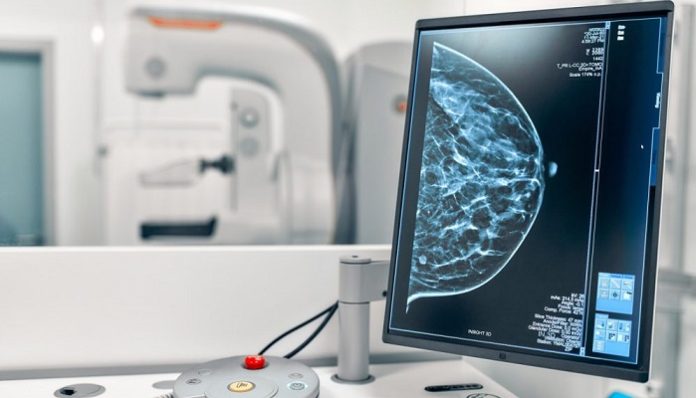
Breast cancer happens to be one of the leading causes of cancer death in women. Around 47% of women across the US have dense breasts, which is one of the independent risk factors as far as breast cancer is concerned. Apparently, women who have dense breasts have a high amount of fibrous connective and glandular tissues and low amounts when it comes to fatty tissues.

Although screening mammography precisely detects almost 98% of cancer in fatty breasts, breast cancer largely gets missed when it comes to dense breasts. This goes on to show a negative mammogram, thereby giving false reassurance to patients. As per the studyโ€™s co-author, Dr. Vivianne Freitas, MD ad M.Sc. from the university of Toronto, the breast cancer masses appear white on a mammogram, and even the dense tissues appear to be white, which makes finding breast cancer in a patient with dense breasts significantly harder.

Additional screening may thereby be required in order to assist cancer detection in women who have dense breasts. The four most general supplemental breast tests are automated breast ultrasound, hand-held breast ultrasound, breast MRI, and digital breast tomosynthesis. According to Dr. Freitas, their study was meant to analyse the role of every supplementary screening test in any woman who has an intermediate breast cancer risk, has dense breast tissue, and has also had a negative mammogram.

To evaluate which screening method was perfect to those with dense breasts, scientists conducted a meta-analysis on around 22 studies which had 261,233 patients being screened for breast cancer. While ten studies focused on hand-held breast ultrasound, four covered automated ultrasound, eight studies took digital breast tomosynthesis into account, and three covered breast MRI. Of all the individuals who were screened, 132,166 patients had a negative mammogram but dense breasts. In order to identify patients who have an average or intermediate risk of developing breast cancer, risk assessment models have been taken into account. It is well to be noted that the women in the US with a lifetime risk estimation of 12 to 13% of breast cancer development are considered to have an average risk. Elements that elevate the risks to intermediate have a breast cancer treatment history or previous breast biopsies. High-risk patients having a lifetime risk of 20% or even higher were excluded from the study as the breast MRI benefit was already established across high-risk populations.

Meta-analysis showed that from 132,166 patients who had dense breasts, 541 breast cancers got missed on mammography initially and were detected via supplemental methods of screenings. Breast MRI was a superior screening method and could detect even the smallest of cancers. Dr. Freitas added that MRI happens to be a far more superior method when it comes to cancer detection as compared to other sources. It is well to be noted that the results on the MRI’s role when it comes to supplementary screening will help stakeholders guide healthcare policies and also direct further research.

Although the study lays out the effectiveness of breast MRI when it comes to cancer detection, there is still a requirement for more research. According to Dr. Freitas, before one can advocate for wider MRI application in women, an analysis of its cost effectiveness compared to other techniques, its role in reducing mortality, etc. will have to be studied. At this point in time, as per her, the cost of the breast MRI as well as its availability can be seen as the biggest hurdle in its widespread implementation.

2023 Will See A Grant of โ‚ฌ130 Million To The WHO By Germany

Following Germanyโ€™s health minister Karl Lauterbachโ€™s meeting with the UN health agencyโ€™s head on February 2, it has been decided that Germany will pledge 130 million euros to the World Health Organization this year. As per the data from WHO, this announcement did not make it return to the top spot in terms of donation after Berlin, even though temporarily had overtaken the major historical contributor, Washington, in the last funding period, i.e., between 2020 and 2021, because of the Trump-era funding cuts.

As per what Karl Lauterbach had to say to the reporters following a meeting with WHO Director-General Tedros Adhanom Ghebreyesus at the Geneva headquarters, they are happy to go ahead and pledge 130 million euros this year to WHO. He added on his official twitter handle that it is imperative WHO gets financially strengthened so that one is better equipped to fight the next pandemic.

The minister met the WHO Director-General on the sidelines of the executive board meeting of the top healthcare body, which happens to be seeking reinforcement when it comes to global health but is still unsure on how to do it. The World Health Organizationโ€™s funding system has a gap of $1 billion and is widely seen as wanting to go through a much-needed reform considering its over-reliance on donors.

Speaking on Berlinโ€™s latest contribution, Tedros said that they do appreciate its strategic support. Apparently, Germany was one of the countries that helped Tedros, who hails from Ethiopia, get re-elected to a second term. The country has already contributed $776 million as per the latest findings against $1.12 billion which has been contributed by the United States, as per the WHO data. These figures, however, do not include the latest announcement on the funds.

6 of the Best Options for Treating Knee Pain

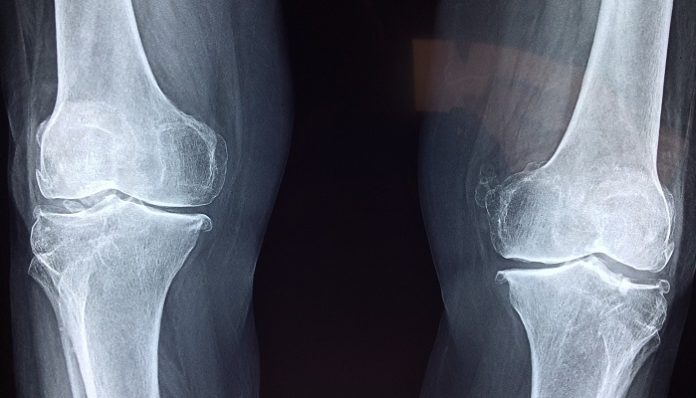
Knee pain is a common medical condition that affects everyone, irrespective of age. While the condition is often caused by arthritis among the elderly, it can result from many causes, with injury and overuse being the most common causes among most people.ย 

In severe instances, knee pain can be debilitating and affect a personโ€™s quality of life and mobility. If you have knee pains affecting your life or know someone with such a problem, it is essential to consider the available treatment options.

Non-Surgical Treatment Options

There are two main options when seeking treatment for your knee pain; surgical and non-surgical treatment. In most cases, a doctor may prescribe a surgical knee treatment where all other options may not be applicable. Some common types of treatment for knee pain without surgery worth looking at include:

ย ย  1. Medication

Medication is almost always the first go-to option for treating knee pain. This option is most applicable in the initial stages of pain. The first option when medicating knee pain is over-the-counter pain and anti-inflammation medication such as ibuprofen and acetaminophen. This option should be used for not more than several days.

If your pain is severe, your doctor can prescribe more effective pain medications such as no steroidal anti-inflammatory drugs (NSAIDs) or corticosteroids. Pain and anti-inflammatory medication are best used for a short period. If the pain persists, the treating doctor will often pair the pain medication with other treatment regimens.ย 

ย ย  2. Joint Fluid Therapyย 

Joint fluid therapy is a non-surgical option for treating knee osteoarthritis. This procedure aims to improve the quality of the joint (synovial) fluid through a series of injections administered to the knee to cushion, lubricate, and protect the joint.ย 

Increasing the synovial fluid improves the joint’s mobility and reduces pain. This therapy is non-invasive and does not require any form of anesthesia, making it an appealing option for individuals seeking to manage their knee pain. Studies show that the effectiveness of this option lasts around six months, so you may have to get it once or twice each year.

ย ย  3. Physical Therapy

Physical therapy involves exercises and activities to strengthen and stabilize the knee joint. This option helps treat knee pain resulting from several causes, such as osteoarthritis, ligament injuries, and overuse.ย 

The best approach to physical therapy is starting small and building on your progress based on your therapistโ€™s advice. So only ensure that you get physical therapy from a certified physiotherapist to increase your chances of better outcomes.

Surgical Options

If your pain keeps getting worse and non-surgical options do not yield desired results, your doctor may prescribe surgical options such as:

ย ย  4. Knee Arthroscopy Surgery

Knee Arthroscopy surgery is a minimally invasive surgical procedure where the doctor makes a small incision on the knee and then inserts a fiber optic camera. The doctor relies on the camera to view the inside of the knee, repair injury, and clean out debris such as bone chippings.ย 

The procedure is used for various knee conditions such as torn cartilage, ligament injuries, and osteoarthritis. The surgery takes less than an hour under local anesthesia and requires a short stay at the hospital for recovery.

ย ย  5. Knee Replacement

Total knee replacement is almost as the name sounds. It involves removing the damaged part of the knee and replacing it with metals or a plastic implant. This option is often recommended to patients with severe degenerative knee problems and can be invasive.ย 

Also, the healing process can be quite lengthy, and the patient often requires physical therapy to regain normal function of the knee after repair.

ย ย  6. Osteotomy

Osteotomy is a surgical procedure involving the cutting and repositioning of the thigh and the shin bones to realign the weight-bearing line and relieve pressure from the affected part of the knee.ย 

This procedure aims to delay or avoid knee replacement which is more invasive and has lesser chances of success. Like knee replacement procedures, you may require physical therapy after an osteotomy.

A New Beginning: Understanding the Different Types of Drug Addiction Treatment

Drug addiction is a major issue facing many people today. It can be a difficult problem to overcome, but with the right treatment, individuals can begin to make a successful recovery. There are several different types of drug addiction treatment available, each with its own unique approach. Knowing the different types of treatment available can help individuals make the right decision for their situation.ย 

Inpatient Care

The first type of drug addiction treatment is inpatient care. Inpatient care is the most intensive type of treatment and involves individuals living at the treatment facility for a certain amount of time.ย 

This type of treatment provides a safe and secure environment for individuals to focus on recovery, away from any triggers or negative influences that might contribute to relapse. Inpatient care often consists of individual and group therapy, medication management, and educational activities.

Overall, inpatient care for drug addiction treatment is a powerful tool for those seeking to end their addiction and start a journey of recovery. Inpatient care for drug addiction treatment is comprehensive, comprehensive care that is designed to treat an individualโ€™s substance use disorder. This is typically provided in a residential setting, such as a rehabilitation center or a hospital.ย 

Here is our recommendation for the best drug rehab in South Carolina 2023 for inpatient care.

Outpatient Care

Outpatient care is an important part of drug addiction treatment, providing a safe and supportive environment for individuals seeking recovery. Outpatient care can be provided in a variety of settings, including hospitals, private treatment centers, and community clinics. Outpatient care resembles some principles found in Sophros medical providers, offering flexible treatment options to aid recovery while maintaining one’s daily lifestyle.

Outpatient care typically includes individual and group therapy, education, and life skills training. During individual and group therapy, clients are guided through their recovery with an emphasis on building a support system and developing coping skills to help manage the triggers and stressors of addiction.ย 

Education focuses on understanding the disease of addiction, and how to identify and manage relapse triggers. Life skills training helps clients develop the tools and understanding to create a supportive and healthy lifestyle. Outpatient care is a vital part of drug addiction treatment, allowing clients to practice their newfound knowledge and skills in a real-world setting.

Intensive Outpatient Care

Intensive Outpatient Care (IOP) is a form of drug addiction treatment that focuses on providing patients with a supportive and structured environment that allows them to recover from addiction while maintaining their regular life activities.ย 

IOP is a great option for those who may struggle with the traditional, inpatient model of drug addiction treatment, as it provides a more flexible and individualized approach. IOP typically consists of individual, group, and family therapy sessions, as well as other therapeutic interventions to help patients address the underlying issues of their addiction.ย 

These services also typically include medical and psychiatric care, medication management, rehabilitation services, and relapse prevention planning. IOP can be a great option for those seeking drug addiction treatment, as it allows individuals to work towards recovery at their own pace without completely disrupting their current lives.

Partial Hospitalization Program

A partial hospitalization program (PHP) for drug addiction treatment is a type of intensive outpatient treatment. It provides patients with intensive treatment for their drug addiction without the need for hospitalization or overnight stays.ย 

Patients engage in intensive psychotherapy, counseling, and other therapies such as art, meditation, and yoga, as well as medication management atย rehab centersย near me. PHP programs are designed to support and provide structure while helping individuals learn the skills necessary to live a drug-free life.

No matter what type of treatment an individual chooses, it is important to remember that recovery is a process and requires dedication and hard work. With the right treatment and support, individuals can begin to make a successful recovery and start a new beginning.ย 

Drug addiction is a disease that has had a devastating effect on individuals and society alike. It has been estimated that drug addiction costs the United States more than $600 billion annually in lost productivity, healthcare, and crime-related expenses.ย 

The good news is that there are effective treatments available for people fighting drug addiction. Effective drug addiction treatment helps individuals break the cycle of drug abuse, providing them with the tools and skills to live healthier, more productive lives.

Translate ยป