








Close
Digital Health & Ai Innovation summit 2026
Medical Taiwan 2026

6 Medically-Approved Treatments That Might Help You With Spine Injury

6 Medically-Approved Treatments That Might Help You With Spine Injury

If you have been injured in a car accident, or if you have suffered a spinal cord injury, you know that the road to recovery is often long and difficult. There are many different treatments available for spine injuries, but not all of them are equally effective. In this blog post, we will discuss six medical treatments that have been shown to be effective in helping people with spinal cord injuries recover!

Stem Cell Therapy

One medical treatment that has shown promise in helping people with spinal cord injuries is stem cell therapy. In this treatment, stem cells are injected into the injured area of the spine. These stem cells can then help to repair and regenerate damaged tissue.

There have been many promising studies conducted on stem cell therapy, and it is a treatment that is worth considering if you have suffered a spine injury. When it comes to advanced stem cell therapy, the best results have been seen in patients who receive treatment within the first few months after their injury. The quicker you can receive treatment, the better your chances are of seeing a positive outcome.

Spinal Cord Stimulation

Another medical treatment that can help people with spinal cord injuries is spinal cord stimulation (SCS). In this treatment, electrical impulses are delivered to the spinal cord in order to help relieve pain. SCS has been shown to be effective in reducing pain and improving the quality of life for people with spinal cord injuries. In addition, SCS can also help improve motor function and sensation in some people with spinal cord injuries.

If you are considering SCS for your own treatment, it is important to speak with your doctor about the potential risks and benefits of this treatment. SCS is a safe and effective treatment for many people with spinal cord injuries, but it is not right for everyone. Your doctor can help you determine if SCS is right for you.

Medication

There are many different types of medication that can be used to help with a spine injury. Some of the most common include pain medication, anti-inflammatory medication, and muscle relaxers. Each type of medication can help to relieve different symptoms associated with a spine injury. Your doctor will likely prescribe a combination of these medications depending on your specific situation.

Make sure you follow your doctorโ€™s instructions when taking any medication. This is especially important with pain medication, as it is easy to become addicted if not used correctly. If you are having trouble managing your pain with medication, talk to your doctor about other options that may be available.

6 Medically-Approved Treatments That Might Help You With Spine Injury

Surgery

Surgery is one of the most common treatments for spinal cord injuries. There are many different types of surgery that can be done, and the type that is best for you will depend on your individual injury. Surgery can be used to relieve pressure on the spinal cord, repair damaged vertebrae, or fuse together vertebrae. It is important to talk to your doctor about all of your options before deciding if surgery is right for you.

The typical recovery time for surgery is six to twelve weeks. During this time, you will likely need to stay in the hospital so that your doctor can monitor your progress. After you are released from the hospital, you will need to continue your rehabilitation at home or in an outpatient facility. There is always a chance of problems following surgery, and it is not always successful. However, many people with spinal cord injuries are able to return to their previous level of function after surgery. Talk to your doctor to see if surgery is a good option for you.

Physical Therapy

There are many different types of physical therapy, but all aim to help the patient regain movement and function. Exercises, massages, and electrical stimulation are just a few of the methods physical therapists employ. They also teach patients how to properly use assistive devices such as canes and walkers. Physical therapy is often used in conjunction with other treatments, such as surgery or medication.

Most people who receive physical therapy experience an improvement in their symptoms. Physical therapy can be used to treat a wide variety of conditions, including spinal cord injuries. If you have suffered a spine injury, talk to your doctor about whether physical therapy might be right for you.

Massages

There are many benefits to massage therapy, and it is a great way to help alleviate pain from a spine injury. Massages can help improve blood circulation, increase range of motion, and decrease muscle tension. Massagers come in all shapes and sizes, so finding one that fits your needs should not be difficult. You may even want to consider investing in a portable massager so that you can take it with you wherever you go.

In conclusion, there are many different treatments that can help with a spine injury. SCS, medication, surgery, physical therapy, and massages are all great options that you may want to consider. To find out which treatment is best for you, consult your doctor.
Why You Should Do LASIK Vision Correction?

Why You Should Do LASIK Vision Correction?

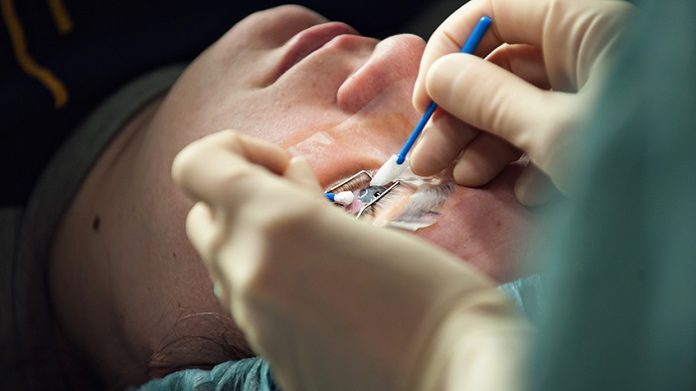
There are a lot of options for you if youโ€™re looking to improve your vision. Some people may opt for glasses, others may opt for contact lenses. However, if you want a permanent solution to your vision woes, youโ€™ll need to opt for surgical intervention.

You may be curious about the LASIK price. Though many health plans may not cover LASIK, it may be more affordable in the long term. Since glasses are expensive and often broken, LASIK appears like a permanent answer to your vision problems.

Many people who want better eyesight use LASIK. The operation has a high success rate and offers several advantages in most circumstances. It’s not hard to understand why it’s so well-liked, given how its many advantages far exceed its few disadvantages. Considering the delicate nature of the eye, it’s imperative that you get care from experts in a modern facility.

What is LASIK?

Doctors are seeing an alarming rise in the number of people who face vision problems. Fortunately, there is one surgical procedure that has been developed and tested for over 20 years. LASIK is by far the most popular vision-correcting surgery because of how simple it is!

A lot has changed since LASIK was introduced. Recently, countless studies and extensive research have shown that LASIK is highly effective in correcting vision problems. The procedure can treat astigmatism, refractive, and many other eye-related problems!

Most people who get LASIK surgery report better eyesight after the procedure. Most individuals can get rid of their glasses following the surgery. However, there are others for whom they will be necessary for particular tasks. That shouldn’t stop you from thinking about having this operation, though!

If youโ€™re considering LASIK surgery, the first question on your mind may be about safety! The success rate of LASIK is astonishing, which is why the procedure has gained widespread praise. Since the chances of side effects are minimal, you donโ€™t have to worry about it being safe.

However, just like any surgical procedure, youโ€™ll have to ensure youโ€™re in safe hands. That is why youโ€™ll need to go to the best doctors in your area. If youโ€™re living in Missouri state, you may be interested in finding a Kansas City eye clinic.

Benefits of LASIK Eye Surgery

#1 Cost Effective in the Long run

If youโ€™re looking for a cost-effective solution to fix your vision problems, nothing beats LASIK. Glasses and contacts are not only fragile but require frequent replacement. In most cases, patients who opt for LASIK wonโ€™t need to wear glasses or contacts, so you donโ€™t have to ask how much LASIK will cost.

#2 Lasik is Convenient

After going through LASIK, most patients can ditch their glasses and contacts. Most people prefer having their eyesight back over wearing glasses and contact lenses. With one simple treatment, you can have near-20/20 vision!

#3 Highly effective

LASIK is a surgical treatment that alters the eye such that the patient’s vision is permanently improved. That means you simply need annual eye examinations, not extra sessions, to change your prescription.

You can benefit much from better eyesight. No longer will you have to question if it is possible to drive without wearing glasses, put on contact lenses or worry about how your glasses match your outfit. In order to find a list of clinics that can perform this type of surgery, it will be faster and more accurate to get the results via searching โ€œLASIK Kansas Cityโ€ on the internet.

What Are the Other Options?

If you’re looking for a LASIK alternative, there are three options: PRK, ICL, and SMILE. All these procedures can be effective in correcting vision, but there are some key differences to consider before making a decision.

PRK Eye Surgery

PRK is a laser eye surgery procedure that uses a different method to correct vision than LASIK. With PRK, the laser removes a thin layer of tissue from the surface of the eye. This helps to correct vision by reshaping the curvature of the eye. PRK is often recommended for people who have thin corneas or who are not good candidates for LASIK surgery.

ICL Eye Surgery

ICL is a type of implantable contact lens. This LASIK alternative involves placing a contact lens inside the eye to correct vision. ICL is often recommended for people who have very high levels of nearsightedness or farsightedness.

What is SMILE?

A newer, less invasive procedure called SMILE eye surgery is also available at eye surgery clinics. With the latest method for correcting eyesight, SMILE laser eye surgery requires a little incision and a short recovery time.

The SMILE procedure is the most recent breakthrough in laser refractive surgery. The treatment treats refractive problems, astigmatism, and other disorders. The outcomes of SMILE and LASIK are the same, yet the two procedures are very distinct.

SMILE takes 10 minutes, nearly half as much as LASIK takes. Anti-anxiety medicine is provided to assist the patient in relaxing throughout the treatment. Vision Centers’ medical staff can complete the operation quickly.

Final Thoughts

With the success rate of LASIK, it isnโ€™t hard to see why many patients opt for the procedure. If youโ€™re looking to heal your vision, youโ€™ll need a reliable eye clinic. The clinic is the one-stop shop for all your eye care needs, including checkups, surgeries, and more.

Eye surgery may seem scary, but qualified clinics are equipped to manage the operation. If you go with a top-notch center, you won’t have anything to worry about.

After The Pandemic, What Will Telehealth Policy Look Like?

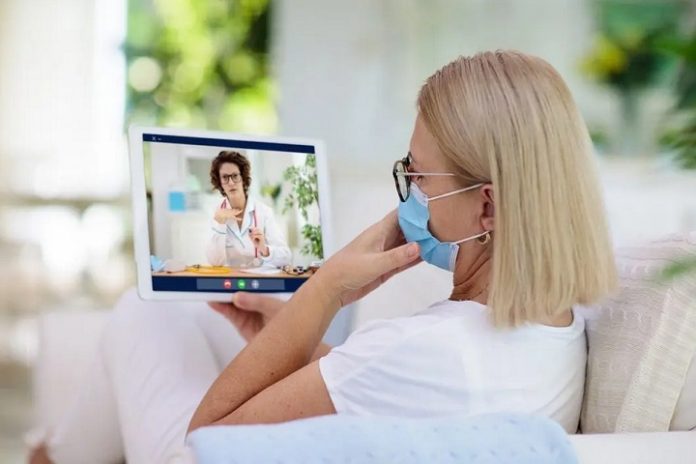
With the COVID-19 pandemic, telehealth services saw a sharp increase in demand. The American Telehealth Association is collaborating with Congress and a number of federal agencies to determine the future of rules and funding for these services.

The ATA’s Telehealth Awareness Week policy update webinar examined how federal and state telehealth policies may change as Congress considers whether or not to end the public health emergency now that President Joe Biden has pronounced the COVID-19 pandemic over. With the pandemic, government priorities in telehealth have changed, and Congress has decided whether or not to permanently relax some prohibitions.

According to political analysts who spoke at the online event, because the PHE must be evaluated every 90 days, Congress will need to review the extension by mid-October. Megan Herber, a director at Faegre Drinker who counsels ATA and ATA Action on all matters of federal policy, said, as people know, President Biden has stated in recent times that the pandemic is over, so it’s conceivable that the technical public medical crisis might lapse sometime in the very near future.

Quinn Shean, strategic adviser at Tusk Ventures and the state policy advisor for ATA and ATA Action, said that federal regulations governing telehealth payments and provider practises are stringent.

However, Herber continued, Medicare policy trickles down, even if doctors do not serve Medicare clients. For instance, before the pandemic, patients needed to be in a hospital or clinical environment in a remote place in order to be eligible for telemedicine coverage.

So long as the COVID-19 public medical crisis is in effect, that is the current situation, according to Herber. However, all of these exemptions go away eventually unless Congress does anything in around five months.

According to speaker Alexis Gilroy, co-leader of Jones Day’s healthcare and life sciences practise, approaches to policy might vary depending on the circumstances. Based on the precise lane it sits in, how does one approach it?

Because states take different approaches to telehealth coverage criteria for public and private health coverage, reimbursement for services supplied via telehealth, and qualification to provide reimbursable services, there are several state objectives in terms of telehealth policy at the state level. The ways that states govern simultaneous and delayed telehealth and remote monitoring vary as well. They differ in terms of what qualifies as a legitimate patient-provider connection, the types of providers that can conduct telehealth, and whether or not practitioners from other states are permitted to treat residents of the state distantly without a licence, according to Shean.

There are 50 distinct state requirements there, she added, calling it a jumble.

The ATA has concentrated on creating a uniform regulatory framework so that telehealth can be used across states and to its full potential.

The ATA is dedicated to modality-neutral regulations, she said, rather than imposing rules on the telehealth delivery methods that practitioners must utilise. The ATA is fighting for equitable compensation for home health and telehealth services as well as cross-state licensure flexibility.

She added that the United States is advancing swiftly, and it’s really connecting its frameworks with the 21st century care model. Numerous pieces of legislation have been introduced to modernise state telehealth policies. In order to address the issue of the future of online prescriptions for controlled substances, the organisation is also collaborating with Congress and the U.S. Drug Enforcement Agency.

Although Shean noted that telemedicine has frequently provided care where there had hitherto been no access to healthcare, a lot of the obstacles to telehealth policies have been founded on assumptions that it is somehow inferior to and romanticises in-patient care.

They must acknowledge the accessibility gaps that telemedicine can close as well as the barriers that exist in telehealth as well as other care settings, according to Shean. As additional retail providers, like as CVS, Amazon, and many others, enter the marketplace through mergers and acquisitions, the future of telehealth regulation, particularly how to handle the patient data these companies will have increased access to, may change.

Having a wider tent now helps highlight the various patient populations that can be handled here and attracts more attention, Shean noted, as more stakeholders fight for telehealth on the state level. Congress gave the Centers for Medicare & Medicaid Services the right to waive some requirements for Medicare coverage of telehealth under the CARES Act. The organisation was able to eliminate geographical limitations, improve the number of Medicare-covered services provided through telehealth, and do a lot more.

Additional legislative initiatives, such as the Telehealth Extension Act and Telehealth Benefit Expansion for Workers Act, call for extending access to telehealth.

Tim Walberg, a Republican from Michigan, said after the bill’s presentation at the Capitol in March that telehealth has proven to be a key tool for Americans to access timely and quality healthcare from their own home throughout the pandemic. Telemedicine has lowered barriers to care, increased access to specialists, and enhanced health outcomes, especially for remote regions.

There is a pressing need for Congress to take action right away; Herber urged them to do so before the pandemic ends in 4 months and 20 days. It’s not truly new, she added, but they would love to make it last, and a lot of these rules they have already been pushing for since before the pandemic.

South Korean Hospital Myongji To Develop Dementia Robots

An AI-driven care robot is being developed at Myongji Hospital, a tertiary healthcare facility in Gyeonggi Province, South Korea, to help patients with dementia. The recently concluded technological development partnership with Whydots, a regional robot manufacturer, will include the creation of the AI robot known as PIO.

In early dementia sufferers, the PIO robot, which looks likeย a parrot, seeks to foster affiliation and feelings. Through the use of its LED eyes and body movements, it can convey emotions. It contains a camera that can recognise its user’s face and facial gestures.

Myongji, which oversees the hospital’s community-based dementia action plan, will offer its expertise and clinical data on dementia patients gathered from the Baekse-chongmyung School to its development. Additionally, the hospital will develop cognitive intervention materials.

PIO can help treat depression and enhance users’ emotional maturity and cognitive function, claims a news release. Early this year, the device underwent its first trial, which revealed that it assisted patients at the Baekse-chongmyung School by enhancing their mental and emotional health. Additionally, users gave it high marks for satisfaction. PIO is anticipated to communicate with patients while assisting in the care of their conditions, which will lessen the burden for nursing staff.

In order to enhance the wellbeing of single people and people dealing with mental health concerns, local governments in South Korea have deployed companion robots. As part of its attempts to prevent suicide, the government of Chungnam Province, for example, is now experimenting with AI-based care robots that are used to help communicate with solitary residents and those who are struggling with mental health concerns. Following suit, the Gwanak neighbourhood of Seoul introduced the AI robot Channy to act as a personal companion for solitary adults living in their neighbourhood.

The elderly population in South Korea is rapidly increasing, accounting for 8.53 million people, or 16% of the country’s total population, in 2017. Statistics Korea projects that this upward tendency will likely continue, with populations perhaps reaching 13 million in 2030 and 17 million in 2040. People aged 65 and older could make up more than 40% of the whole population by 2050.

According to Kim Jin-gu, director of Myongji Hospital, appropriate and effective therapy and administration of dementia is urgently needed since the number of dementia patients is predicted to rise because of the rapid ageing of the population.

He continued by saying that the Myongji Hospital would continue to use its knowledge and skills gained through running the Baekse-chongmyung School to build technology and create content for AI-care robots that are dementia-friendly.

President Biden To Pledge $1.5 Billion For Opioid Problem

According to the White House, U.S. President Joe Biden will announce that almost $1.5 billion will be allocated to supporting access to drugs to treat opioid overdoses, penalties for traffickers, and greater money for law enforcement.

The Biden administration is anxious to demonstrate that it is acting to address the nation’s escalating opioid crisis, which, according to data from the US Centers for Disease Control and Prevention, contributed to more than 107,000 overdose deaths in 2021, an increase of almost 15% from the year before. In just a single year, there will be 108,000 overdose deaths in the country. That is one life lost every five minutes, nonstop, said Dr. Rahul Gupta, the White House’s head of national drug control policy.

The Biden-Harris administration is announcing several significant investments and initiatives to minimise overdose deaths, ensuring public health and law enforcement officers on the front lines have the tools they need, support people in recovery, and finally overcome this pandemic, Gupta said during a press call with reporters.

The U.S. Department of Health and Human Services will announce funding totalling around $1.5 billion to tribal lands, states,ย and territories, according to Miriam Delphin-Rittmon, assistant secretary for mental health and substance use. According to Delphin-Rittmon, the money will be used to treat substance use disorders and remove obstacles to vital resources like naloxone, a drug that can reverse opioid overdoses.

As per her, the grants will also support overdose prevention programmes, peer support experts in emergency rooms, and treatment for disorders associated with stimulant use and misuse, such as cocaine and methamphetamine. According to Gupta, the U.S. Food and Drug Administration will issue new recommendations to loosen naloxone limits.

Since patients are more likely to receive a medication if they have had a prior diagnosis of opioid misuse or reliance along with an overdose than if they have had those diagnoses without an overdose, there are currently legal obstacles restricting access to naloxone in some states, and in some it is not always available to those most at risk of an overdose.

In addition to the $275 million announced in April, Biden is proposing $12 million more in support for law enforcement in regions most affected by drug trafficking, as well as sanctions against individuals and organisations linked to drug cartels.

India Starts To Build Medical Datasets For Its Population

Syntegra Partnering with NIH to Democratize Access to the Largest Set of COVID-19 Patient Records

A national programme is being worked on to create high-quality medical datasets that reflect the diversity of the Indian population by the Indian Council of Medical Research, the country’s leading biomedical research organisation.

They and the Indian Institute of Science (IISc) have signed a memorandum of understanding to work together on this project, and ARTPARK (AI & Robotics Technology Park), a not-for-profit organisation supported by IISc, will be their partner for technology development and programme management.

In accordance with a news release, the initiative’s staff will assist in standardising the data gathering from partnering medical institutions and curating those data in order to make them accessible to the country’s larger community of academics and entrepreneurs.

According to a statement from IISc, creating high-quality and carefully curated medical imaging datasets that reflect the diversity of people, environments, and needs in India will speed up research and innovation to recognise AI’s promise to expand access to healthcare and increase worker productivity.

This data, it continued, will also be crucial in the evaluation of AI-based solutions, speeding their adoption. In order to better understand their respective health concerns and requirements, other population health projects across Asia-Pacific also aim to use population-level data.

For instance, Singapore’s Precision Health Research is working with the genomics technology company Illumina to create an extensive precision medicine database that will provide insights into the variety of the Asian genome and diseases that are unique to Asia. The National Cancer Centre Singapore, a distinct Singaporean organisation, is working to create a regional clinico-genomic database in order to collect knowledge that would improve the outcomes for cancer patients.

Professor and Director of IISc, Govindan Rangarajan, praised this national effort and said that to improve healthcare, they want to combine the greatest elements of technology, data science, and medical research. Through their collaboration with the ICMR, they will be able to achieve just that by generating priceless datasets that will catalyse the next wave of innovations for both India and the rest of the world.

COVID Elevates Long-Term Brain Injury Risk, States US Study

How Traumatic Brain Injuries Can Affect Other Organs

According to a study published on September 22ndย by U.S. researchers, those who had COVID-19 were more likely to experience a variety of brain damage a year later than those who had never had the coronavirus. This result may have implications for millions of Americans.

The one-year study, which was reported in Nature Medicine, used anonymized medical records from millions of U.S. veterans to evaluate brain health across 44 distinct illnesses. Compared to a similar sample of veterans who had never been infected with COVID, 7% more of those with COVID had brain and other neurological abnormalities. According to the team, this amounts to around 6.6 million Americans who experienced brain damage as a result of their COVID infections.

According to senior author Dr. Ziyad Al-Aly of the Washington University School of Medicine, the results reveal the terrible long-term effects of COVID-19.

Al-Aly and colleagues at the Veterans Affairs St. Louis Health Care System and Washington University School of Medicine examined the medical files of 154,000 American veterans who had tested positive for COVID between March 1, 2020, and January 15, 2021.

These were contrasted with data from 5.6 million individuals who were COVID-free during the same time period and a separate sample of 5.8 million people during the time just before the coronavirus entered the United States. Prior research, according to Al-Aly, focused mostly on patients who were hospitalised and looked at a smaller number of illnesses, but his study covered both hospitalised and out-of-hospital patients.

The most prevalent symptom was memory loss, sometimes known as brain fog. People with COVID showed a 77% higher probability of having memory issues compared to the control groups.

Those who had the virus were also 50% more likely than those who had never had it to get an ischemic stroke, which is brought on by blood clots.

In comparison to the control groups, those with COVID were 82% more likely to experience seizures, 43% more likely to experience mental health conditions like worry or despair, 35% more likely to experience headaches, and 42% more likely to experience movement disorders like tremors.

Governments and healthcare systems must create plans for a post-COVID era, according to researchers. Given the enormous magnitude of the pandemic, Al-Aly stated that urgent and coordinated global, national, and regional response measures are needed in order to face these difficulties.

VeriSilicon Announces the One-Stop VeriHealth Chip Design Platform for Smart Healthcare Applications

VeriSilicon (688521.SH), a leading Silicon Platform as a Service (SiPaaSยฎ) company, announced the launch of its customizable one-stop health chip design platform-VeriHealthโ„ข. Based on VeriSiliconโ€™s own low-power IP series and advanced SoC customization technologies, VeriHealth provides a complete wearable health monitoring solution from chip design to reference application development at a platform level, and supports different levels of licensing and custom design services including software SDK, algorithm, intelligent hardware and applications, offering a variety of options with flexible configurations for customers.

The VeriHealth platform provides chip design solutions based on VeriSiliconโ€™s high-performance, low-power ZSP digital signal processing IP, ultra-low power BLE IP, and a mixed signal chip design platform, which significantly improves algorithm efficiency while lowering chip power consumption. The platform also provides a scalable software platform that includes firmware SDK, mobile SDK and mobile reference applications to enable a multi-level software framework design involving the driver, hardware abstraction layer, middleware and application layers.

Built with a deployment framework for machine learning and deep learning, the VeriHealth platform is equipped with more than 10 self-developed health and exercise physiology algorithm modules, providing customers with an algorithm platform for quick development and convenient further development, to meet various application scenarios such as nursing service for elders and kids, exercise monitoring, virus prevention, etc. VeriHealth can furthermore provide a variety of reference solutions. To date, VeriSilicon has developed two types of smart devices-wristband and patch, as well as Apps for iPhone, Android phone and iPad.

โ€œWith the development of digital healthcare, more and more people are using wearable devices and smartphones for real-time assisted health monitoring at homes, which is facilitating peopleโ€™s lives in terms of basic-level healthcare,” said Wiseway Wang, Senior Vice President, General Manager of System Platform Solution Division and Design IP Division at VeriSilicon. โ€œBased on our health chip design platform, VeriSilicon helped customers design industry-leading chips for health monitoring, gene sequencing, and capsule endoscopy. In addition, we have established a Smart Medical Treatment and Healthcare Innovation Laboratory with university for industry-university-research cooperation and successfully held the VeriSilicon National Embedded Software Contest to promote studentsโ€™ understanding of the chip industry and facilitate talent cultivation for the healthcare industry. In the future, VeriSilicon will continue to contribute to the development of the healthcare and smart healthcare ecosystem.โ€

About VeriSilicon

VeriSilicon Microelectronics (Shanghai) Co., Ltd. (VeriSilicon, 688521.SH) is committed to providing customers with platform-based, all-round, one-stop custom silicon services and semiconductor IP licensing services leveraging its in-house semiconductor IP. Under the unique “Silicon Platform as a Service” (SiPaaS) business model, depending on the comprehensive IP portfolio, VeriSilicon can create silicon products from definition to test and package in a short period of time, and provides high performance and cost-efficient semiconductor alternative products for fabless, IDM, system vendors (OEM/ODM), large internet companies and cloud service provider, etc. VeriSilicon’s business covers consumer electronics, automotive electronics, computer and peripheral, industry, data processing, Internet of Things (IoT) and other applications.

VeriSilicon presents a variety of customized silicon solutions, including high-definition video, high-definition audio and voice, in-vehicle infotainment, video surveillance, IoT connectivity, smart wearable, high-end application processor, video transcoding acceleration and intelligent pixel processing, etc. In addition, VeriSilicon has six types of in-house processor IPs, namely GPU IP, NPU IP, VPU IP, DSP IP, ISP IP and Display Processor IP, as well as more than 1,400 analog and mixed signal IPs and RF IPs.

Founded in 2001 and headquartered in Shanghai, China, VeriSilicon has 7 design and R&D centers in China and the United States, as well as 11 sales and customer service offices worldwide. VeriSilicon currently has more than 1,200 employees.

BrightInsight and bioMerieux Announce Partnership to Launch Clinical Digital Solutions for Diagnostics

BrightInsight and bioMerieux Announce Partnership to Launch Clinical Digital Solutions for Diagnostics

BrightInsight, Inc., provider of the leading global platform for biopharma and medtech regulated digital health solutions and bioMรฉrieux, a world leader in the field of in vitro diagnostics, announced a partnership to develop and bring to market a Clinical Digital Solution for diagnostics enabling clinical decision support for disease areas across their diagnostic tests.

As healthcare providers are increasingly charged with delivering better patient outcomes at a lower total cost of care, it is critical that clinicians leverage the insights delivered by high value diagnostics in a timely, optimal manner. To address this healthcare need, bioMรฉrieux will launch a digital solution for diagnostics leveraging the compliant BrightInsightยฎ Platform and BrightInsight Disease Management Solution; technology which can be configured to meet the highest regulated digital health Software as a Medical Device (SaMD) classifications. This solution will improve clinical workflows, contextualize disease awareness, and ultimately enable a more holistic patient view to support clinicians in making actionable, informed decisions. bioMรฉrieuxโ€™s Clinical Digital Solution will launch first in the US, with planned global expansion.

โ€œWe have found in BrightInsight a partner who shares our commitment to advancing public health with innovative, customer-centric solutions. Our engagement with BrightInsight will enable us to bring our digital health solutions to market faster with the goal of improving patient outcomes,โ€ said Brian Armstrong, Senior Vice President, Clinical Operations โ€“ North America.

โ€œWe are honored to partner with bioMรฉrieux to support the development of their Clinical Digital Solution for diagnostics that include clinical decision support tools used in the ICU, to assess risk and help reduce incidence of preventable diseases,โ€ said Kal Patel, M.D., CEO & Co-Founder, BrightInsight. “bioMรฉrieux is a recognized in vitro diagnostics leader, joining a stellar group of life science companies leveraging our proven, compliant BrightInsight Platform as the foundation for their transformational SaMD and digital health solutions.โ€

โ€œAs a global organization, we need a partner with a global footprint and platform,โ€ said Marc Bonnet, Senior Vice President, Global Health Data Insights at bioMรฉrieux. โ€œBrightInsightโ€™s Disease Management Solution is scalable and configurable to the regulatory, privacy and security requirements of myriad healthcare markets. We look forward to working with Brightinsight to bring innovative and needed digital solutions to market.โ€

About BrightInsight, Inc.
BrightInsight provides the leading global platform for biopharma and medtech regulated digital health solutions. When speed matters, we help companies accelerate time to market for regulated digital health offerings across therapeutic areas, including apps, healthcare provider interfaces, analytics dashboards, algorithms, medical devices, connected combination products, diagnostics and Software as a Medical Device (SaMD). BrightInsight replaces the need for lengthy and complex โ€˜build from scratchโ€™ implementations by offering configurable software solutions and a proven platform built on Google Cloud under a Quality Management System to support global security, privacy and regulatory requirements. When building digital health products on the BrightInsight Platform, compliance is future-proofed as intended use changes scale across geographies.

About bioMe?rieuxย 

A world leader in the field of in vitro diagnostics since 1963, bioMรฉrieux is present in 45 countries and serves more than 160 countries with the support of a large network of distributors. In 2021, revenues reached โ‚ฌ3.4 billion, with over 90% of sales outside of France.

bioMรฉrieux provides diagnostic solutions (systems, reagents, software and services) which determine the source of disease and contamination to improve patient health and ensure consumer safety. Its products are mainly used for diagnosing infectious diseases. They are also used for detecting microorganisms in agri-food, pharmaceutical and cosmetic products.

Roche granted FDA clearance for cobas pure integrated solutions for low- to mid-volume laboratories

Roche granted FDA clearance for cobas pure integrated solutions for low- to mid-volume laboratories

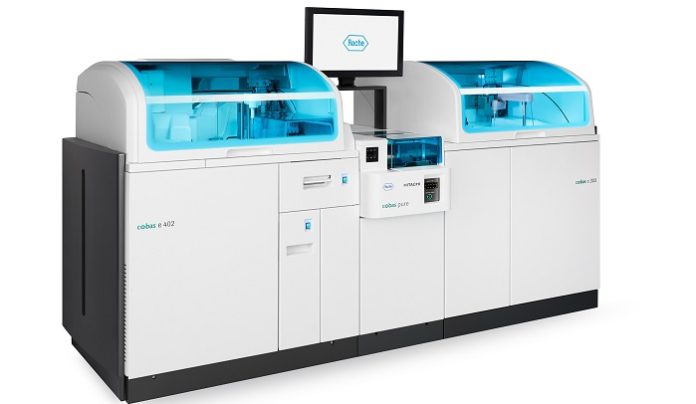
Roche received 510(k) clearance from the U.S. FDA for the cobasยฎ pure integrated solutions, the next generation of innovation in the cobas family of Serum Work Area solutions. The new compact and modular solution combines three technologies โ€“ clinical chemistry, immunoassay and Ion-Selective Electrode (ISE) diagnostic testing โ€“ on a single platform, helping to optimize space and resources for low- to mid-volume labs to support the delivery of the best patient care.

Built on the latest technology, cobas pure integrated solutions focuses on the automation of manual tasks, reducing the hands-on maintenance time of technicians to just five minutes per day.2 This can help to improve the productivity of lab personnel while also supporting fast delivery of patient results and clinical decision-making.

Laboratory testing provides essential information for the prevention, diagnosis, treatment and management of disease. This helps patients receive the best care and highest quality outcomes. The cobas pure system delivers test results in short and predictable turnaround times using low-volume patient samples.

“The cobas pure integrated solutions marks a significant milestone in evolving standardization in lab diagnostics,” said Matt Sause, president and CEO of Roche Diagnostics North America. “Lab professionals are charged with providing life-impacting results quickly, accurately and efficiently. This system delivers a broad menu of medical assays while simplifying operations and reducing hands-on time for laboratorians so that they can focus on the tasks that matter most.”

With a footprint of about 21 square feet, cobas pure integrated solutions is up to 30% smaller than previous generation systems.2-5 It is able to perform up to 870 tests per hour with access to Roche’s full clinical chemistry and immunochemistry assay menu. Within the first year after launch, the menu will include more than 186 diagnostic tests2 across a wide-range of disease areas such as infectious diseases, oncology and cardiology. The system will enable low- to mid-volume labs to make better use of their space and expand their offering of high medical value tests for the benefit of patients.

Furthermore, to ensure effective and efficient work within healthcare networks, the cobas pure system operates seamlessly with Roche’s cobas pro integrated solutions for mid- to high-volume labs. Standardization helps labs do more work on fewer instruments, deliver consistent results and facilitate flexible staffing strategies through features including consolidated workflows, shared reagent packs, standard reference ranges and common system interfaces.

About Roche

Founded in 1896 inย Basel, Switzerland, as one of the first industrial manufacturers of branded medicines, Roche has grown into the world’s largest biotechnology company and the global leader in in-vitro diagnostics. The company pursues scientific excellence to discover and develop medicines and diagnostics for improving and saving the lives of people around the world. We are a pioneer in personalized healthcare and want to further transform how healthcare is delivered to have an even greater impact. To provide the best care for each person we partner with many stakeholders and combine our strengths in Diagnostics and Pharma with data insights from the clinical practice.

In recognizing our endeavor to pursue a long-term perspective in all we do, Roche has been named one of the most sustainable companies in the pharmaceuticals industry by the Dow Jones Sustainability Indices for the thirteenth consecutive year. This distinction also reflects our efforts to improve access to healthcare together with local partners in every country we work.

Genentech, inย the United States, is a wholly owned member of the Roche Group. Roche is the majority shareholder in Chugai Pharmaceutical,ย Japan.

Translate ยป