













Close
Digital Health & Ai Innovation summit 2026
Medical Taiwan 2026

A Useful Guide That Will Make Recovering From Your Accident Injuries Easier

A Useful Guide That Will Make Recovering From Your Accident Injuries Easier

If you have been injured in an accident, you are probably feeling a range of emotions. You may feel scared, confused, or frustrated. It can be difficult to know what to do next. This guide will help make the process of recovering from your injuries easier. We will discuss everything from seeking medical attention to filing a claim with the insurance company. We hope that this information will help you get on the road to recovery as quickly as possible!

1. Hiring a personal injury lawyer

One of the first things you should do after being injured in an accident is to hire a personal injury lawyer. A personal injury lawyer will help you navigate the legal process and ensure that you receive fair compensation for your injuries. If you are not sure how to find a personal injury lawyer, you can ask friends or family for referrals, or you can search online. When meeting with potential lawyers, be sure to ask about their experience handling cases like yours. You should also inquire about their success rate and fees. For example, a Kentucky personal injury lawyer will have different prices than a Michigan lawyer. Once you have selected a lawyer, he or she will handle all aspects of your case, from filing paperwork to negotiating with the insurance company. This will allow you to focus on your recovery.

2. Seeking medical attention

After an accident, it is important to seek medical attention as soon as possible. Even if you do not think you are seriously injured, it is always better to be safe than sorry. A doctor will be able to properly assess your injuries and recommend a course of treatment. If you wait too long to see a doctor, the insurance company may try to argue that your injuries are not as serious as you claim. In some cases, you may be able to see your regular doctor. However, if your injuries are more serious, you may need to be seen by a specialist. For example, if you have broken bones, you will need to see an orthopedic surgeon. Once you have been seen by a doctor, be sure to keep all of your medical records and bills. These will be important when it comes time to file an insurance claim or personal injury lawsuit.

3. Filing an insurance claim

After you have been seen by a doctor and treated for your injuries, the next step is to file an insurance claim. If you were injured in a car accident, you will need to file a claim with the other driverโ€™s insurance company. If you were injured at work, you will need to file a workersโ€™ compensation claim. And if you were injured due to someone elseโ€™s negligence, you may need to file a personal injury lawsuit. The process of filing an insurance claim can be complicated. It is important to have an experienced lawyer on your side who can help ensure that your claim is filed correctly and that you receive the maximum amount of compensation possible. Also, if the insurance company denies your claim or offers you a low settlement, a lawyer can help you negotiate for a higher amount.

4. Going to court

If you are unable to settle with the insurance company, you may need to take your case to court. This is usually a last resort, as cases can be expensive and time-consuming. If you do need to go to court, your lawyer will handle all aspects of the case, from gathering evidence to questioning witnesses. If you win your case, you will receive a monetary award that can be used to cover medical expenses, lost wages, and other damages. Even if you do not win your case, you may still be able to recover some compensation through a settlement offer from the insurance company. Sometimes, the threat of going to court is enough to get the insurance company to offer a fair settlement.

5. Getting your life back on track

The next step in recovering from your accident injuries is getting your life back on track. This may include going back to work, returning to your normal activities, and spending time with family and friends. It is important to take things slowly at first and not try to do too much too soon. If you attempt to do too much, you may end up causing yourself more harm. As you recover, you will likely have good days and bad days. Some days you will feel like you are making progress and other days you may feel like you are taking two steps back. This is normal. Just remember to be patient with yourself and listen to your body. Eventually, you will make a full recovery and be able to return to your life as usual.

Why is it important to talk to a lawyer before you do anything?

If you have been injured in an accident, it is important to talk to a lawyer before you do anything. This is because the legal process can be complicated, and many deadlines must be met. A lawyer will be able to advise you on the best course of action and help ensure that your rights are protected. For example, if you plan on filing an insurance claim, a lawyer can help you gather the necessary evidence and paperwork. If you need to go to court, a lawyer will be able to represent you throughout the entire process. Talking to a lawyer as soon as possible after your accident will give you the best chance of getting the compensation you deserve.

Some common injuries that occur in accidents include broken bones, cuts and bruises, whiplash, and concussion. More serious injuries can also occur, such as spinal cord damage and traumatic brain injury. These injuries can result in long-term complications or even death. If you have been injured in an accident, it is important to seek medical attention as soon as possible so that your injuries can be treated.

Accidents can happen anytime, anywhere. If you are unfortunate enough to be involved in one, it is important to know what to do next. This guide provides some useful information that will help you recover from your accident injuries. By following these steps, you can ensure that you receive the compensation you deserve and get your life back on track. Good luck!

A Step-By-Step Guide To Cycling Essentials: What To Take On a Bike Ride

A Step-By-Step Guide To Cycling Essentials: What To Take On a Bike Ride

If you’re like most cyclists, you probably enjoy getting out on a bike ride as often as possible. But before you head out on your next ride, it’s important to make sure that you have all the essentials packed and ready to go. In this article, we will provide a step-by-step guide to packing for a cycling trip. We’ll cover everything from what clothes to wear to what snacks to bring along! So whether you’re a beginner cyclist or an experienced rider, be sure to read on for some helpful tips.

Protective Gear

Perhaps the most important thing to remember when packing for a bike ride is to bring along all of your protective gear. This includes items like a helmet, gloves, and eye protection. You should also consider bringing along a first-aid kit in case of any emergencies. If you get injured while riding your bicycle, it’s important to have a way to treat your injuries right away. It’s also a good idea to pack a small pump so that you can inflate your tires if they happen to go flat.

Clothing

Another essential item to pack for a bike ride is clothing. Depending on the weather, you’ll want to dress accordingly. If it’s hot outside, be sure to wear light-colored and breathable fabrics. And if it’s cold outside, you’ll want to dress in layers so that you can easily adjust to the changing temperature. Don’t forget to pack a rain jacket too, just in case! When it comes to shoes, you’ll want to make sure that you’re wearing shoes that are comfortable and provide good support. Choose shoes that have thick soles to protect your feet from the pedals. Look for shoes with Velcro straps or laces that won’t come undone while you’re riding.

Backpack

Of course, you’ll also need a backpack to carry all of your gear. When choosing a backpack, look for one that is specifically designed for cyclists. These backpacks usually have features like reflective strips and built-in pumps. They also tend to be more lightweight and comfortable to wear than regular backpacks. Look for a backpack that has enough space to hold all of your gear, but isn’t too bulky or heavy. It should also have a comfortable strap system that won’t rub against your skin. This way, you can focus on enjoying your ride, rather than being uncomfortable the whole time!

Snacks and Water

Be sure to bring along some snacks and water for your ride. Depending on how long you’ll be riding, you may need to pack more than just a few granola bars. If you’re planning on being out all day, you may want to pack a lunch and some additional snacks. And of course, it’s important to stay hydrated while riding, so be sure to bring plenty of water. You can even freeze some water bottles the night before so that they’ll stay cold during your ride.

Your Phone

Don’t forget to bring your phone! This is important for a few reasons. First, if you have an emergency, you’ll be able to call for help. Second, you can use your phone to track your ride using a cycling app like Strava. You can use your phone to take pictures and share your experience with your friends and family. You can also listen to music or podcasts while you ride. Your phone could also be used as a GPS device if you’re not familiar with the area. So be sure to pack your phone and charger before heading out on your next ride!

Additional Items

There are a few other items that you may want to consider packing for your ride. If you’re riding in an unfamiliar area, it’s always a good idea to bring a map. You may also want to pack some cash in case you need to make any purchases along the way. You could also bring a bike lock if you’re planning on making any stops. And don’t forget to pack your sunscreen! A pair of sunglasses could also be helpful to keep the sun out of your eyes.

As you can see, there are quite a few things to remember when packing for a bike ride. But as long as you have all of the essentials, you’ll be ready to hit the road! Of course, depending on the length and type of ride you’re taking, you may need to pack additional items. But this list should give you a good starting point for packing your next cycling trip! So grab your gear and get ready for an adventure. And don’t forget to have fun! We hope this article was helpful.

Top Tips To Help You Maintain Your Elderly Loved One’s Health

Top Tips To Help You Maintain Your Elderly Loved One's Health

As our loved ones get older, it becomes increasingly important that we do what we can to help them stay healthy. Unfortunately, many elderly people don’t receive the care they need, either because their families don’t have the time or knowledge to provide it, or because the elderly person is resistant to change. In this blog post, we will discuss some top tips for maintaining your elderly loved one’s health. Follow these tips and you can be sure that your loved one will live a long and healthy life!

Our elderly loved ones will have to rely on us at a certain point

Our elderly loved ones will have to rely on someone’s help at a certain point in their life. They might not be able to do things by themselves and might need our help to stay healthy. Professionals at Nurse Next Door say that elderly people most often require a sense of independence, as well as somewhat of social life. After spending their entire life working, and helping others, it is time to do the same for them. Elder people will most of the time want to do things on their own, but there would be limits, logically. Hence, having someone by their side to help them go through situations in life will help them, mostly mentally.

Educate yourself about the health risks that come with age

As our loved ones age, they become more susceptible to various health risks. It is important to understand the health risks that come with age so that you can be proactive in preventing them. Some of the most common age-related health risks include osteoporosis, arthritis, heart disease, and Alzheimer’s disease. If you are aware of these risks, you can take steps to help your elderly loved one avoid them. For example, you can make sure they get regular checkups and screenings so that any potential problems can be caught early on. You can also help them stay active and healthy by encouraging them to exercise and eat a healthy diet. By taking these steps, you can help your loved one stay healthy and enjoy a long, healthy life.

Make sure they are eating healthy foods

A healthy diet is crucial for maintaining good health at any age. However, it becomes even more important as we get older. Make sure that your elderly loved one is eating plenty of fruits, vegetables, and whole grains. Talk to them about the importance of avoiding processed foods and sugary drinks. However, many elders will generally refrain from eating such food anyway. Eating a healthy diet is essential for keeping your body healthy and strong. This becomes even more important as we age, as our bodies are less able to fight off disease and illness. Make sure that your elderly loved one is eating a balanced, healthy diet so that they can stay healthy and enjoy a long life.

Encourage them to stay active

Exercise is important for everyone, but it becomes even more important as we age. Encourage your loved one to stay active by joining a gym, going for walks, or taking up a new hobby. Staying active is crucial for maintaining good health in the elder years. Exercise helps keep the body strong and healthy and can help prevent age-related health problems.

Make sure they are getting enough sleep

As we get older, our sleep patterns often change. Hence, it is crucial that you ensure that your elderly loved one is getting enough sleep. If they are having trouble sleeping, talk to their doctor about possible solutions. Poor sleep can lead to a host of health problems, including obesity, high blood pressure, and heart disease. It can also lead to cognitive decline and an increased risk of Alzheimer’s disease. So make sure your loved one is getting at least 7-8 hours of sleep per night!

Help them maintain their social life

It is important for elderly people to maintain their social life. Help them by arranging regular get-togethers with friends and family. You can also encourage them to join social clubs or take up new hobbies. This way, elders will not feel ostracized from society and this will help them maintain their daily routine. In a way, this is probably the best thing you can do for your elderly loved ones, that will help them maintain their mental health.

Maintaining your elderly loved one’s health can be a challenge, but it is definitely worth the effort. By educating yourself about the health risks that come with age, you can be proactive in preventing them. You can also help your loved ones stay active and healthy by encouraging them to exercise and eat a healthy diet. By taking these steps, you can help your loved one stay healthy and enjoy a long, healthy life.

Moderna Fine Tunes Booster Pitch Ahead of The Upcoming Fall

The question is whether to boost or not to boost. The answer is a resounding yes, as per officials at mRNA expert Moderna. Moderna’s chief medical officer, Paul Burton, M.D., Ph.D., stated that the SARS-CoV-2 omicron variant’s meteoric rise and fall this winter persists to illustrate the amazing adaptive potential of this virus.

As one gets towards spring and early summer, when one believed case counts would be dropping, the slowdown in booster uptake implies there will also be people who are under-vaccinated and under-protected, the biotech’s chief scientist noted. Given COVID-19’s contagious potential, the company is recommending a variant-tailored stimulant push this fall, according to Burton.

Moderna is relying on a variety of studies to show that its current shot works even after a first or second booster dosage. For example, while resistance against subvariants BA.1 and BA.2 dwindles over time after getting Moderna’s, Pfizer-BioNTech’s, or AstraZeneca’s shots, a booster dose using Pfizer’s or Moderna’s mRNA vaccines tends to increase vaccine efficiency and protection, according to research from the United Kingdom. As per Burton, a second booster dosage of Moderna’s shot boosted vaccine effectiveness against omicron infection, symptomatic disease, and poor outcomes in the study’s high-risk cohort of almost 55,000 long-term care residents across Ontario, Canada.

Meanwhile, according to the executive, Moderna has a good idea of who would profit the most from the annual COVID-19 hike. Older folks over 50, adults over 18 with various health risk factors such as kidney illness, cancer, or even HIV, as well as first responders and those living in high-density environments, such as pupils, military personnel, and prisoners, may benefit the most. 

In a note to clients, Jefferies analysts noted that the stimulant debate has continued to weigh on COVID-19 players this year.

The fact is that companies cannot make any big predictions beyond 2022, other than a notion that boosters will be used, notably for the aged, high-risk, and others, as varieties arise. Moderna is working hard to build enhancements to the available boosters in anticipation of the need for follow-up doses in the fall, as per Stephen Hoge, the company’s president. Moderna’s primary research and development focus has been on developing a bifunctional vaccine, wherein the biotech has moved three into clinical trials. Moderna’s lead contender for a booster programme in the Northern Hemisphere this fall is mRNA 1273.214, which covers 32 spike protein mutations, as per Hoge.

Moderna stated that it has secured around $21 billion in advanced procurement for Spikevax sales this year. On the other hand, there’s a risk from the scheduling of COVAX deliveries if COVAX is unable to demonstrate demand linked to their contractual volume in the 2022 calendar year, according to outgoing Chief Financial Officer David Meline.

Moderna’s Spikevax sales projection may also rise if the business obtains more orders for a fall booster dose, according to Meline. He predicts that in 2022, the SARS-CoV-2 virus will transform into an endemic stage with a more significant seasonal pattern adding that as a result, Moderna expects a greater timing of revenues in the second half of 2022.

According to the CFO, Moderna would most likely be able to offer their vaccine at a higher price at that point. To the extent that the market transitions to a private sector, one normally experiences higher prices in private markets based on market needs as opposed to when dealing with government-acquired goods in this pandemic situation. In total, Moderna earned $6.1 billion in the first quarter of 2022, a significant increase over the $1.9 billion it made in the same period of 2021. According to the business, product sales of the COVID-19 vaccination amounted to $5.9 billion of the total. Moderna maintained its $21 billion in advanced purchase agreements prediction for this year’s shot.

Officials Believe Annual COVID-19 Jabs May Be Necessary

According to a trio of prominent US Food and Drug Administration experts, the US may need to update its COVID-19 vaccines every year, and “a new normal” may comprise a yearly vaccine alongside a seasonal flu shot.

The advent of efficient medicine, together with widespread vaccine-and infection-induced resistance, could help to mitigate the impact of forthcoming outbreaks. Regardless, it’s time to recognise that SARS-CoV-2, the virus that produces COVID-19, is the new reality. It will most likely travel around the world in the near future, with other widespread respiratory viruses like influenza. It will almost certainly necessitate the same level of annual consideration for vaccine formulation revisions. In a study published in the medical journal JAMA, head of the FDA’s Center for Biologics Evaluation and Research, Dr. Peter Marks, Dr. Janet Woodcock, Principal Deputy Commissioner, and Dr. Robert Califfand, the new FDA Commissioner, wrote. It is critical to recognise that the autumn season will present a key opportunity to boost COVID-19 vaccination coverage with the goal of minimising future societal disruption and preserving lives during the 2022โ€“2023 COVID-19 vaccine preparation and selection process. The experts added that with the strategy for this year’s vaccine selection procedure, things are moving toward a new normal, which might include yearly COVID-19 inoculation alongside seasonal flu vaccination.

FDA officials could make a decision in June about the mix of COVID-19 doses for the fall and winter seasons as well as vaccination strategies. Marks, Woodcock, and Califf stated that choices will need to be made by this summer on who should be qualified for more COVID-19 doses in the fall and that the formulation of the vaccinations will need to be established by June.

The FDA said last week that its Vaccines and Other Biological Products Advisory Committee will meet on June 28 to assess whether the current COVID-19 vaccine composition should be changed, and if so, which improvements should be chosen for the autumn. Marks, Woodcock, and Califf wrote that there seemed to be relatively uniform agreement at the recent VRBPAC meeting that a monovalent vaccine structure used by all makers was preferable and that information would be required to notify and push the choice of a monovalent, bivalent, as well as multivalent COVID-19 vaccine.There was also broad consensus that, if a new vaccine composition were to be recommended based on all known clinical and epidemiologic information, it should be suitable for both main and booster vaccination.

Members of the VRBPAC met in April to explore how the COVID-19 vaccine’s composition could adapt to target any new or emerging coronavirus strains. The group concluded that a mechanism for how and when these adjustments occur is required. In the following months, the advisers intend to continue their discussion.

By the summer, choices over who should be qualified for extra booster doses and vaccine formulation for the 2022โ€“2023 season will need to be made. Additional COVID-19 vaccine doses given to relevant people this fall, around the time of the usual influenza vaccine campaign, have the potential to prevent vulnerable individuals from being hospitalised and dying, and will be subject to FDA assessment.

In the United States, certain immunocompromised patients and adults aged 50 and up are eligible for further booster shots of the COVID-19 vaccination. The FDA authorities also stated that for people who have not yet been vaccinated or boosted, obtaining a vaccine dosage now will not prevent them from receiving another dose in the fall.

Current vaccination formulations could be altered to target circulating coronavirus strains. As per Marks, Woodcock, and Califf, three variables may combine in autumn and winter to put the country at greater risk of COVID-19: decreasing immunity; periodic waves of further coronavirus transmission; and the coronavirus’s continued evolution, leading to new strains.

Because of the time required to manufacture the necessary doses, the timeline to ascertain the proportion of the COVID-19 vaccine for the 2022โ€“2023 season, to use along with the seasonal influenza jab for administration in the Northern Hemisphere beginning in about October, is squished, the officials wrote, and by June 2022, a composition choice must be made in the United States.

EKF launches middleware connectivity solution for POC analyzers and data management

EKF launches middleware connectivity solution for POC analyzers and data management

EKF Diagnostics, the global in vitro diagnostics company, announces the launch of its new EKF Link digital connectivity solution for the secure management of point-of-care (POC) analyzers and associated data on one centralized platform. An open, flexible solution, EKF Link middleware can be interfaced to all vendorsโ€™ POC analyzers, including EKFโ€™s own portfolio, to enable real-time remote management of data, such as patient test results, QC results, operator management and analyzer configuration.

EKFโ€™s portfolio of POC diagnostic devices includes Hemo Control and DiaSpect Tm hemoglobin analyzer ranges, as well as Quo-Lab and Quo-Test HbA1c analyzers. All of these can now be digitally connected from anywhere and securely accessed remotely at any time using EKF Link, thereby enhancing their capabilities.

EKF Link is a downloadable software package that allows POC analyzers to connect to a hospital or laboratoryโ€™s IT system, enabling data transfer from these remote analyzers for subsequent processing. This provides hospitals, laboratories and clinicians with the functionality to manage and evaluate their patient and operator data easily and securely.

Due to its simple set-up, intuitive interface and user-friendly graphics, EKF Link can be successfully implemented in multiple situations wherever POC analyzers are deployed. For example, in addition to hospitals and laboratories, the flexible connectivity solution can also be used effectively in doctorโ€™s offices, clinics, pharmacies and blood banks.

Safely and securely connecting POC analyzers via EKF Link enhances their functionality. As it can network multiple analyzers, EKF Link provides the functionality for the remote configuration and status checking of them all from one central location. With just a few clicks, remote operators can capture patient information, perform a QC test, lock-out unauthorized users and transfer information directly into the LIMS. In addition, test results can be reviewed in tables and charts to check integrity and report management functions enable these results to be exported as PDF or CSV files.

EKF Linkโ€™s advanced architecture maximizes its flexibility, enabling it to be installed wherever it is needed – on a PC, or a central server (Physical or Virtual). Data can be securely accessed by authorized users via most web browsers (e.g., Google Chrome, Safari, Microsoft Edge, Mozilla Firefox) using a security protocol without requiring the installation of an additional module. EKF Link can bidirectionally communicate using all key protocols, including HL7, LIS2A and POCT1A, and is only limited by the capabilities of the instruments to which it is connected.

โ€œWe designed EKF Link working together with hospital POC managers to ensure that our new middleware connectivity solution would meet their specific needs for a single, comprehensive and flexible platform to centrally manage all of their POC analyzers plus data generated,โ€ said Jo Nicol, Head of IT Solutions, EKF Diagnostics. โ€œOur new EKF Link software delivers this essential digital connectivity with traceability that is increasingly required for safe, secure and effective POC testing using analyzers in many differing locations.โ€

Which Illnesses Can Cannabis Products Help With? Find Out Here

Which Illnesses Can Cannabis Products Help With? Find Out Here

Cannabis products have been used to treat a variety of illnesses for centuries. In recent years, there has been a renewed interest in the potential medical applications of cannabis, and scientific research has begun to catch up with traditional knowledge. While more research is needed, there is evidence to suggest that cannabis products may be effective in treating several conditions, including:

Muscle Stiffness and Spasms

Cannabis products can also help to relieve muscle stiffness and spasms. This is likely due to their anti-inflammatory and analgesic effects. Cannabis products help reduce inflammation and pain, contributing to muscle stiffness and spasms. What’s more, cannabis products can also help to relax the muscles, making them less likely to spasm. This can be especially helpful for those with multiple sclerosis or cerebral palsy conditions. If you suffer from muscle stiffness or spasms, incorporating cannabis into your routine may help to provide some relief.

One way to use cannabis is to smoke or vaporize the plant using a water pipe. The water in the bong helps filter out harmful toxins, and the heat from the smoke or vapor helps relax muscles and reduce inflammation. By using a bong, users can control the amount of cannabis they consume, making finding the most effective dose easier.

Insomnia

Insomnia can be due to various factors, including stress, depression, and even certain medications. Patients with insomnia typically experience difficulties sleeping through the night or waking up too early in the morning. Although there is no one “cure” for insomnia, cannabis products help address some symptoms.

By acting on cannabinoid receptors in the brain and nervous system, cannabis helps to promote a sense of calm and relaxation that is essential for falling asleep. It also increases adenosine levels in the body, which promotes sleep and helps alleviate the pain sensation. Additionally, research suggests that certain terpenes found in cannabis plants may help ease anxious thoughts or intrusive thoughts that make it difficult to fall asleep.

Anxiety

Anxiety is a feeling of worry, nervousness, or fear often accompanied by physical symptoms such as a racing heart, sweating, and difficulty breathing. Anxiety can be caused by several factors, including genetics, stress, and underlying medical conditions. Anxiety is a chronic condition that significantly interferes with the quality of life for many people.

Cannabis products have long been used to help alleviate symptoms of anxiety and stress. These natural remedies interact with the body’s endocannabinoid system, a complex network of receptors responsible for regulating various biological processes, including mood and emotion. By acting on this system, cannabis products can reduce worry and anxiety, helping people relax and feel calmer. Many cannabis products also contain other ingredients that can help soothe the mind further, such as essential oils or herbs like lavender or chamomile.

Kill Cancer Cells and Slow Tumor Growth

The active compounds found in cannabis have potent anti-cancer effects. It can kill cancer cells and slow tumor growth. Scientists believe this is possible due to their ability to modulate the body’s endocannabinoid system, something that many cancers are overactivated to allow rapid cell proliferation. By downregulating this pathway, cannabinoids can help disrupt tumor growth and help prevent cancer from spreading throughout the body.

What’s more, many cannabinoids are also chemopreventive, meaning they can help remove carcinogens from the body before they have a chance to damage cells and lead to further tumor formation. Additionally, cannabis can help reduce symptoms associated with cancer treatments, such as nausea, pain, and anxiety.

Improve Heart Health

Cannabis products can also improve heart health by reducing some of the damaging effects of high blood pressure, such as oxidative stress and inflammation. Cannabis products help to lower blood pressure and improve circulation. They also help to prevent blood clots and reduce inflammation. In addition, cannabis products can help to improve cholesterol levels and protect against heart attacks and strokes. These effects are likely due to the ability of cannabinoids to interact with the body’s endocannabinoid system, which plays a role in regulating many of the body’s vital functions, including heart rate and blood pressure. Incorporating cannabis products into your health routine may help to reduce your risk of developing cardiovascular disease.

Help Reduce Sebocytes

Cannabis products can also help reduce sebocytes, which are the cells that produce sebum. Sebum is a type of oil that helps to keep the skin moisturized. However, too much sebum can lead to acne by trapping dirt and bacteria in the pores. Cannabis products help to regulate sebum production and prevent excessive oiliness. They help to reduce inflammation and kill bacteria. This can help to clear up existing acne and prevent future breakouts. Cannabis products may also help reduce the appearance of scars and other blemishes left behind by acne.

Cannabis products have a wide range of potential health benefits. However, if you’re interested in trying cannabis products, talk to your doctor first. They can help you determine if cannabis is right for you and advise you on how to use it. You should also be aware that some countries have not legalized cannabis, so it’s essential to check the laws in your area before purchasing or using any products.

NDIS Registered Providers: Everything You Need to Know

NDIS Registered Providers: Everything You Need to Know

The National Impairment Insurance Scheme (NDIS) offers financial assistance to Australians under 65 who have a specific type of disability.

The Disability Support Pension, administered by Centrelink and offers financial support to persons who are unable to work due to a disability, is not the same as the NDIS.

The NDIS offers additional financing for expenses such as purchasing a wheelchair or the payment of different types of home or community-based assistance.

What is an NDIS Service Provider?

Individuals, enterprises, sole traders, and non-profit organizations can register as NDIS providers. NDIS registered providers are registered with the NDIS and have met specified government standards.

You can now only utilize registered NDIS Provider for your assistance if your NDIS funding is administered by the National Disability Insurance Agency (NDIA).

If you self-manage or have a Plan Manager who administers your payments for you, on the other hand, you might opt to engage with non-registered support providers.

What Can NDIS Funding Be Used For?

The NDIS pays for a variety of services, some of which are provided at home and others outside of the house. Daily chores such as personal grooming, food preparation, and minor housekeeping may require assistance.

Your NDIS money can be used to help you go to social, communal, and economic events, as well as medical and other appointments. You can get support in the workplace to help you find or keep a job or pursue education or training.

Physiotherapy, speech therapy, occupational therapy, audiology, and behavior support are just a few therapeutic supports. Your funds can also design and build house improvements, car modifications, and mobility devices.

Support that isn’t connected to your handicap, day-to-day living costs that aren’t related to your support requirements, and goods that are the responsibility of another government or community agency are all things that it can’t be used for.

Difference Between Registered and Non-Registered NDIS Providers

NDIS registered providers are service providers that have satisfied stringent government quality and safety criteria to be approved by the NDIS Commission.

In Western Australia, an individual or organization can apply to the National Disability Insurance Agency (NDIA) to become a Registered Provider of Supports (RPoS).

NDIS registration is a seal of approval that gives you peace of mind about the provider. You can trust them because they’ve been independently evaluated, and their service standards are high.

Non-registered providers may be just as excellent as registered ones, but the NDIS has not evaluated their criteria.

Advantages of Becoming a Registered NDIS Provider

  • Access to NDIA-managed participants
  • Seen as more trustworthy and credible by participants
  • Higher quality service due to the NDIS’ stringent standards
  • Quicker cash flow as payments are handled through the NDIS portal
  • Easier access to financing from in-depth documentation requirements

Disadvantages of Becoming a Registered NDIS Provider

  • Higher start-up and ongoing costs for registration and audits
  • Stricter compliance requirements
  • More paperwork
  • Legal matters can arise if the quality of service offered is not up to standard

Advantages of Becoming an Unregistered NDIS Provider

  • Starting up is quicker and easier
  • Fewer costs as there are no licensing or audit fees
  • Able to work directly with participants (instead of through the NDIA), making it easier to build relationships
  • Able to offer more competitive prices as it is not subjected to the NDIS price guide

Disadvantages of Becoming an Unregistered NDIS Provider

  • May be seen as less trustworthy (participants are warier)
  • Need to focus more on building a solid reputation in the community, especially as a new business
  • No access to NDIA-provided lists, making it harder to scale the business
  • No documentation or auditing requirements could lead to lower quality services or legal liabilities

Can You Only Use Registered NDIS Providers

That depends on how you want to use your NDIS funds. You can select any supplier if you manage your money yourself or have a Plan Manager. Whether you choose, a registered or non-registered supplier is entirely up to you.

Because non-registered providers cannot be paid directly by the NDIS, they will submit their invoices to you or your Plan Manager.

You can only pick registered providers if the NDIA administers your NDIS money on your behalf.

It might be challenging if you already have a non-registered provider you like and trust, but now you have an NDIS Plan handled by the NDIA.

If you want to maintain your present non-registered provider, the best course is to urge them to get registered.

Are Non-Registered NDIS Providers Less Qualified?

Certainly not. They may be just as knowledgeable, committed, and compassionate as licensed professionals. Perhaps they lacked the time, funds, or capacity to complete the NDIS registration procedure. Many smaller businesses do not.

Non-registered providers could already meet or surpass the NDIS’s quality and safety standards. They don’t have to, though. That is a significant distinction. The NDIS does not conduct audits or assessments of their abilities. You’ll never know how excellent non-registered providers are until you give them a go.

There’s no better time than now to apply for the NDIS if you haven’t already. Even though approval might take time, the sooner you submit your application and start the procedure, your eligibility will be decided.

You can still get the help you need until your financing starts flowing, but you will be responsible for the expenses.

Even before your NDIS application is granted, you may create a connection and a routine with your new support workers. Remember that you have the option of hiring many individuals to meet your demands.

You may take advantage of extra services that will get you socializing and even pursuing your objectives and the necessary help, such as mobility, grooming, and transportation to appointments.

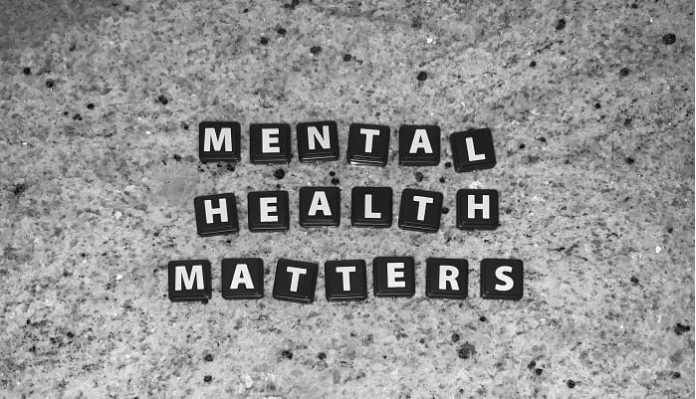
Boost Your Mental Health The Easy Way – Our Top Tips

Boost Your Mental Health The Easy Way - Our Top Tips

Life has a way of just throwing curveballs at us, especially when we least expect it.

Sometimes, itโ€™s not even major things but little ones that weigh on us in ways we didnโ€™t even think about. Thatโ€™s just the thing about mental health; unless weโ€™re actively taking care of it, putting it first, it slowly declines and becomes worse over time. But it doesnโ€™t have to be that way.ย 

There are extremely easy things you can do on a regular basis that will give your mental health the boost it needs, and in this post, thatโ€™s exactly what weโ€™re going to be talking about!ย 

5 Ways to Boost Your Mental Health

Boosting your mental health doesnโ€™t have to be difficult, here are our top 5 tips on how you can boost yours, instantly!ย 

ย ย ย  1. Sleep Better

35% of all adults in the US donโ€™t get enough sleep. Lack of sleep has been proven to have a link with poor mental health. Thatโ€™s not just something that happens over the years; it can happen when your sleep cycle is off just by a couple of days too. If youโ€™re not sleeping well, not only does your mental health deteriorate, but your physical health does too. Thatโ€™s why itโ€™s important to make sure youโ€™re getting at least 6-8 hours of sleep.ย 

One of the easiest ways to do that is by unplugging. Make it a habit to not use your phone while youโ€™re in bed. Plug it into the charger, away from the bed, and focus on relaxing and sleeping. That way, youโ€™ll fall asleep faster, sleep better, and in turn, wake up better too!ย 

ย ย ย  2. Get Movingย 

Staying active is really important for the body and the mind. But that doesnโ€™t necessarily mean hours of strenuous exercise. It can be as easy as getting up 30 minutes earlier, and going out for a simple stroll, or even getting a 10-minute morning and night yoga or stretching session in. Anything that takes your body away from the daily troubles, and to healthy activity, no matter how short the activity may be. When you decide to consciously shift the focus of your life from trying to keep up to getting up and doing something that will help your body and mental health, it will keep getting little boosts that will make a massive difference in the long run!ย 

ย ย ย  3. Prioritize Socializingย 

With the way things have been in the past couple of years, weโ€™ve collectively become homebodies, even if we werenโ€™t like that before. With that, itโ€™s become easy to forget that humans need to socialize, even if itโ€™s for a little while. So reach out to your family, or your friends, and socialize! Even if you meet them for 15 minutes here and there, getting out there and socializing will help improve your mental health immensely!ย 

ย ย ย  4. Listen to your body

A lot of people start to ignore the signs their body is giving them when theyโ€™re feeling down. Thatโ€™s the opposite of what you should be doing. Craving that delicious cake? Go get it! The squeezy ball is the only thing that helps you focus? Let it! Want to just have a little crazy dance part on your own to let out the pent-up feelings? Do it! Listen to what your body wants from you, and make sure you give it! Youโ€™ll be surprised how massive of a mental health boost youโ€™ll get that way!ย 

ย ย ย  5. Practice Mindfulnessย 

Finally, one of the easiest and most effective ways of improving your mental health in the long term is by practicing mindfulness. Be mindful of all the changes happening around you. Learn how to be aware of everything that youโ€™re doing, and everything thatโ€™s happening to you. Itโ€™s a great way to make sure that your body and mind have the time to process everything safely, no matter how hard the times are, and it helps you relax and boost your mental health constantly! This isnโ€™t something super difficult either. You can even learn how to practice mindfulness with an app like Yours App! With it, you can stay mindful, learn how to relax, and even how to sleep better. With the little tweaks to your daily life with mindfulness, youโ€™ll be able to keep giving your mental health the boost it needs, and get to a much healthier, happier place!ย 

Put Your Mental Health First – Everydayย 

Mental health may be something not a lot of us actively talk about, but that doesnโ€™t mean that itโ€™s not important. Making sure youโ€™re doing little things here and there to protect your mental health and improve it is something that needs to be everyoneโ€™s priority. With all the tips mentioned in the post above, youโ€™ll be able to make a conscious decision to protect and improve your mental health, putting it first every day!ย 

Omicron Fitter Heirs Start Driving Their Coronavirus Waves

Omicron Cousin BA.2 Spread Puts Scientists On High Alert

The data is undeniable: COVID-19 instances and hospitalizations are on the rise in the United States, despite patchy documentation. Most states are witnessingย an upsurge, with Washington, Georgia, Mississippi,ย South Dakota, Nevada, Maine, Hawaii,ย and Montana seeing more than a 50% rise in cases compared to the prior week. Well over a quarter of New York’s population lives in a state with a “high” COVID-19 community level, implying that indoor masking is recommended by the US Centers for Disease Control and Prevention.

According to data obtained by the US Department of Health and Human Services, daily average hospitalizations have increased by roughly 10% since last week. This time, the perpetrator seems to be BA.2.12.1, an offshoot of Omicron’s BA.2 subvariant that was first identified by New York state health officials in April. According to recent CDC estimates, BA.2.12.1, which is spreading approximately 25% faster than its parent virus, BA.2, accounts for at least 37% of all COVID-19 infections in the United States.

Last week, BA.2 was believed to be responsible for 62% of all COVID-19 cases, down from 70% the week before. BA.2.12.1 isn’t the only Omicron branch being studied by experts.

After weeks of dips, COVID-19 cases in South Africa have risen dramatically in the last two weeks. Scientists have witnessed two relatively novel subvariants, BA.4 and BA.5, control transmission in that country. As per South Africa’s National Institute of Communicable Diseases, it accounted for nearly 60% of all new COVID-19 cases by the end of April. These new Omicron subvariants are gaining traction all around the world. According to one of the portals, which is managed by a consortium of academic research institutes and funded by the National Institutes of Health, BA.4 patterns have been detected in 15 countries and 10 US states, while BA.5 sequences have been detected in 13 countries plus 5 US states.

BA.4 and BA.5 have quite a significant edge over BA.2, just like BA.2.12.1. A recent preprint report stated before peer review reveals why BA.4 and BA.5 are gaining momentum: They are immune to antibodies produced by past infections with the first Omicron virus, BA.1, the variation responsible for the massive wave of infections that hit numerous nations in December and January. They can also get through antibodies in people who have been vaccinated and have had breakthrough BA.1 infestations, though to a smaller extent than in people who have just been exposed.

In a laboratory, South African scientists evaluated the ability of antibodies in the blood to deactivate the BA.4 and BA.5 viruses. Non- vaccinated individuals who had recently suffered from a BA.1 infection observed a seven-fold reduction in their antibodies’ ability to neutralise BA.4 and BA.5 viruses. The decreases were smaller, almost three times lower, in people who had been immunised but recently had a breakthrough illness caused by BA.1.

By way of reference, the World Health Organization considers an eight-fold decline in neutralisation to be the point at which seasonal influenza vaccines need to be updated. The findings lead the researchers to conclude that BA.4 and BA.5 have the potential to result in a new virus surge, emphasising the importance of COVID-19 vaccines and booster shots in preventing the next outbreak.

So, first and foremost, Omicron isn’t a wonderful vaccine in and of itself. The study was directed by a virologist named Alex Sigal at the Africa Health Research Institute. Just because one hasย been infected doesn’t mean they willย be immune to whatever is happening next.They’ve been first-rate all the way through the pandemic,ย said Dr. Eric Topol, a cardiologist and the Scripps Research Translational Institute’sย founder and director.ย 

At location 452 in their genomes, the BA.4 and BA.5 viruses, as well as BA.2.12.1, have mutations. This area is responsible for a portion of the virus’s receptor binding domain, which is the section of the virus that connects to a door on the surface of the cells. This is where the Delta variant and a few others have picked up mutations. Researchers believe that the alterations help the virus attach more securely to human cells and hide from antibodies, which are frontline immune fighters that try to prevent the virus from infiltrating the cells.

Scientists have started working to learn more about BA.2.12.1, which has been found in 22 nations, with the majority of sequences coming from the US. Andy Pekosz, a virologist and professor of molecular microbiology and immunology at Johns Hopkins University,ย said he has been cultivating BA.2.12.1 copies in his laboratory and has recently sent specimens of the virus to other research teams for analysis. Scientists have only recently begun discussing trials to try to answer two critical issues, likeย how fast is it replicating itself and how well does it evade immunity?

Scientists believed coronaviruses hadn’t changed much until the SARS-CoV-2 virus.ย The virus will continue to evolve as long as it finds new hosts to infect. This virus evolved slowly at first, but once it started picking up beneficial modifications, they just kept coming,ย he said.

Translate ยป