







Close
Digital Health & Ai Innovation summit 2026
Medical Taiwan 2026

Oxygen Generators Saving Lives in the Philippines

Oxygen Generators Saving Lives in the Philippines

Recent figures released by the Philippines health department revealed that over 1,000 people receiving treatment for Covid-19 are severe or critical cases. As with other hospitalised patients, a continuous flow of life-saving Oxygen is crucial for their recovery but can supply be guaranteed when ordering traditional cylinders?

To achieve self-sufficiency with this vital gas a growing number of medical facilities in the Philippines are switching to Oxygen Pressure Swing Adsorption (PSA) technology from Oxair, supplied in the country by distributor and hospital systems specialist Brilliant Metal Craft & Machine Design (BMC).

PSA systems are high quality, robust medical devices designed to last and deliver consistent, high purity oxygen on tap to hospitals and healthcare facilities โ€“ even in the remotest locations around the world. BMC has now installed almost 40 Oxair PSA solutions in hospitals across the region, from Isabela to Tagum City, with more in the pipeline.

Australia-based Oxair, a global leader in gas processing systems, offers a simpler, safer alternative to dependence on cylinder-stored medical oxygen. As it extracts its supplies directly from the atmosphere, PSA oxygen provides better patient care with a permanent flow of high-quality oxygen.

This system saves room space, offers output pressure and a flow rate to suit the needs of the hospital and is capable of piping oxygen to every department where it is needed. Many medical centres across Philippine islands now have peace of mind, free from the worries associated with deliveries of cylinders โ€“ thanks to the dedicated work from BMC.

Oxairโ€™s system delivers constant oxygen of 94-95 per cent purity through PSA filtration, a unique process that separates oxygen from compressed air. The gas is then conditioned and filtered before being stored in a buffer tank to be used directly by the end user on demand. Oxair has expanded its operations in order to keep up with demand for standalone Oxygen PSA units.

BMCโ€™s Kristine Belle, explained: โ€œPSA systems enable self-generated oxygen so supply for the hospital is secured. No more worries and red tape associated with deliveries of cylinder-stored oxygen. Handling and storage difficulties are also effectively eliminated.โ€

The cost to a Philippines health facility generating its own oxygen is a fraction of purchased oxygen, meaning fast equipment investment payback and great savings in the long term.

David Cheeseman of Oxair added: โ€œWeโ€™ve seen terrible consequences from a lack of life-saving medical oxygen, especially when treating Covid-19 patients. Medical facilities in the Philippines can rely on our technology for their oxygen needs as it is tried and tested over many years and the installations are carried out by BMC to an extremely high standard.โ€

The covid-19 pandemic is far from over and is continuing to place additional pressure on oxygen supplies. More and more hospitals in the Philippines are recognising that PSA systems provide almost instant access to vital oxygen supplies under significantly safer conditions.

 

Houston Methodist and BioIntelliSense Announce Strategic Collaboration to Advance New Remote Care and Clinical Intelligence Solutions

Biofourmis Selected by Vanderbilt University Medical Center for CAR T-Cell Therapy Study Utilizing Tech-Enabled Remote Patient Monitoring

Houston Methodist and Colorado-based BioIntelliSense, a continuous health monitoring and clinical intelligence company, announced a new collaboration to advance cutting-edge remote monitoring and analytics technologies across the healthcare continuum, from in-hospital to at-home. The recently executed Memorandum of Understanding (MOU) identifies several areas of strategic focus for improving patient care, increasing clinical workflow efficiencies, and reducing the burden on healthcare systems.

BioIntelliSenseโ€™s FDA-cleared BioStickerโ„ข and medical grade BioButtonยฎ wearable devices, along with its algorithmic-based data services, enable effortless remote data capture and continuous multi-parameter monitoring of 20+ biometrics for up to 30 days on a single device. These patient-friendly wearables capture and wirelessly transmit up to 1,440 sets of vital sign measurements per day at a fraction of the cost of traditional, manually-collected vital sign measurements 4-6 times per day. In combination with BioIntelliSenseโ€™s advanced BioCloudโ„ข data analytics, patient-specific trending and clinical intelligence allow for early detection of adverse trends and proactive interventions.

โ€œThis new strategic collaboration with BioIntelliSense exemplifies Houston Methodistโ€™s continued commitment to advancing world-class expertise and greater efficiency to deliver the highest quality and most impactful care,โ€ said Dr. Sarah Pletcher, Vice President and Executive Medical Director, Strategic Innovation, Houston Methodist. โ€œThis collaboration keeps the patient at the center as we continue to maximize our leadership in healthcare innovation.โ€

The collaboration will also address the rising costs and burdens of the growing healthcare workforce shortage. BioIntelliSense and Houston Methodist will jointly design and develop a state-of-the-art virtual care control center at Houston Methodist to enable seamless, scalable, continuous monitoring of patients across in-hospital to home care settings.

โ€œData-driven remote patient monitoring that is simple, clinically accurate, and cost-effective, is the future of healthcare delivery,โ€ said James Mault, MD, Founder and CEO of BioIntelliSense. โ€œWe are proud to work alongside our partners at Houston Methodist to pioneer a continuous care model that provides actionable data and clinical intelligence to enable our overburdened healthcare workforce take better care of patients in any care setting.โ€

The MOU further establishes the use of leading biosensor technology and the development of advanced algorithms, care models, and data analytics for monitoring and treating a range of complex conditions spanning heart and vascular, orthopedics, oncology, infectious diseases, transplants, and others.

ABOUT HOUSTON METHODIST

Houston Methodist is one of the nationโ€™s leading health systems and academic medical centers. The health system consists of eight hospitals: Houston Methodist Hospital, its flagship academic hospital in the Texas Medical Center, six community hospitals and one long-term acute care hospital throughout the Greater Houston metropolitan area. Houston Methodist also includes a research institute; a comprehensive residency program; international patient services; freestanding comprehensive care, emergency care and imaging centers; and outpatient facilities. Houston Methodist employs more than 27,000 people and had more than 1.6 million outpatient visits and more than 132,000 admissions in 2021. For more information on Houston Methodist, see houstonmethodist.org

ABOUT BIOINTELLISENSE

BioIntelliSense is ushering in a new era of continuous health monitoring and clinical intelligence for Remote Patient Monitoring (RPM). Its medical-grade Data-as-a-Service (DaaS) platform seamlessly captures multi-parameter vital signs, physiological biometrics and symptomatic events through an effortless patient experience. The FDA-cleared BioStickerโ„ข and medical-grade BioButtonยฎ devices make remote monitoring and early detection simple. Through the platformโ€™s advanced analytics, clinicians have access to high-resolution patient trending and reporting to enable medical grade remote care from in-hospital to home.

UC Davis Health and BioIntelliSense Form Strategic Collaboration to Advance Continuous Remote Care Models for In-Hospital to Home Monitoring

C Spire partners with Delta Regional Medical Center on remote patient monitoring

California-based UC Davis Health and Colorado-based BioIntelliSense, a continuous health monitoring and clinical intelligence company, announced a strategic collaboration that advances remote patient monitoring (RPM) across care settings using the FDA-cleared BioIntelliSense wearable technology and algorithmic-based BioCloudโ„ข data analytics.

The BioIntelliSense BioStickerโ„ข and BioButtonยฎ medical grade wearable devices enable continuous multi-parameter monitoring of a comprehensive range of 20+ vital signs and physiologic biometrics for up to 30 days on a single use device. The award-winning wearable device portfolio and advanced analytics provide a comprehensive set of leading indicators for the early identification and detection of adverse trends to facilitate improved patient monitoring safety and efficacy from in-hospital to home. The recent introduction of the BioButton Rechargeable device is an evolutionary step forward in delivering a simplified and cost-effective continuous monitoring solution for in-patient and longitudinal care management of patients with chronic, complex conditions.

The UC Davis Health and BioIntelliSense Collaboration

At the center of this strategic collaboration is a committed virtual care strategy that includes the deployment of BioIntelliSenseโ€™s data-driven clinical intelligence platform, to create a new standard of remote care, that reduces the cost and burden of traditional methods of vital sign collection.

โ€œRemote care represents a safe and effective way for many people, especially in rural and low-income communities, to access necessary health care services in more convenient ways. As one of the nationโ€™s leaders in telehealth, weโ€™ve seen how real-time technology connects expertise with need, closing large time-lapse gaps in health care delivery,โ€ said David Lubarsky, CEO of UC Davis Health. โ€œNow, with continuous and simultaneous Internet connectivity enabling even more remote care, we can have hospital-level monitoring of multiple vital signs wherever patients are in-hospital, traveling, or at home. Patients will benefit from lower levels of human monitoring and shorter hospital stays. Providers will immediately be able to note any deviations from expected recovery or response to treatment, and communicate with the patient, family caregivers and other providers as soon as the continuous monitoring predicts a potential or real negative turn in health. This near real-time remote monitoring will lead to more timely interventions and better health outcomes, achieved in lower acuity settings that are more patient- and family-friendly, such as the patientโ€™s home.โ€

As a leading academic medical center with a patient-centered focus on digital transformation, UC Davis Health is poised to rapidly advance remote care initiatives with BioIntelliSense that combine an effortless user experience with medical grade clinical accuracy. The introduction of BioIntelliSenseโ€™s medical grade continuous data and smart alerting technology within the in-patient setting, beyond the Intensive Care Unit, provides clinicians a unique opportunity to gain a high-resolution view of a patientโ€™s health status. The passive collection of continuous multi-parameter data and sophisticated algorithms enables better recognition of hemodynamic stability that can lead to earlier hospital discharge, resulting in increased patient satisfaction and savings. The benefits of this continuous care model extend beyond the hospital to the home by providing a scalable platform for monitoring vital signs, symptoms, and physiologic biometrics for earlier detection of adverse trends without the cost and complexity of traditional RPM.

โ€œWe formed CoLab at UC Davis Health to support open innovation with industry, pharma and payers by co-designing, co-validating and co-transforming breakthrough technologies in digital health, devices and AI,โ€ said Ashish Atreja, CIO and Chief Digital Health Officer at UC Davis Health. โ€œWe are thrilled about partnership with BioIntelliSense that supports our strategic goal of delivering high acuity care at home that is grounded in equity so no patient gets left behind.โ€

In the coming months, UC Davis Health and BioIntelliSense will bring together their brightest minds and best resources to co-validate continuous care models and iteratively learn how best to deliver an exceptional patient and clinical experience while prioritizing patient safety and efficacy at scale. And in the process, theyโ€™ll expand access to BioIntelliSenseโ€™s remote care solution to create a more equitable, accessible and affordable continuous monitoring experience across patient populations and care settings.

โ€œWe are proud to embark on this strategic collaboration with UC Davis Health to advance remote care for patients across the care continuum,โ€ said James Mault, MD, Founder and CEO of BioIntelliSense. โ€œWith cost effective, data-driven continuous care, we can bend the cost curve and extend the reach of advanced remote care technologies to improve how we treat and care for patients with complex conditions including oncology, orthopedics, cardiac, infectious disease and renal disease.โ€

ABOUT UC DAVIS HEALTH

UC Davis Health is improving lives and transforming health care by providing excellent patient care, conducting groundbreaking research, fostering innovative, interprofessional education, and creating dynamic, productive partnerships. UC Davis Health harnesses the power of an entire universityโ€™s nationally-ranked resources and research to tackle the most pressing health care issues facing the world today. As the northern California region’s only academic health center, UC Davis Health is focused on discovering and sharing knowledge and providing the highest quality of care and serves as a hub of innovation that encompasses UC Davis Medical Center, UC Davis School of Medicine, The Betty Irene Moore School of Nursing at UC Davis, and UC Davis Medical Group.

ABOUT BIOINTELLISENSE

BioIntelliSense is ushering in a new era of continuous health monitoring and clinical intelligence for Remote Patient Monitoring (RPM). Its medical-grade Data-as-a-Service (DaaS) platform seamlessly captures multi-parameter vital signs, physiological biometrics and symptomatic events through an effortless patient experience. The FDA-cleared BioStickerโ„ข and medical-grade BioButtonยฎ devices make remote monitoring and early detection simple. Through the platformโ€™s advanced analytics, clinicians have access to high-resolution patient trending and reporting to enable medical grade remote care from in-hospital to home.

For Parkinson Cure, A UK Hospital Explores Brain Implant

A hospital in the United Kingdom is the first worldwide to insert a brain gadget to repair Parkinson’s symptoms, and the test patient describes it as “wonderful.” A tiny deep brain stimulation (DBS) device is being implanted into the skull by physicians at Southmead Hospital in Bristol, England.

It compensates for Parkinson’s disease’s faulty brain-cell firing patterns. Twenty-five individuals have been considered for inclusion in the North Bristol NHS Trust experiment, which will run until next year. If the experiment is successful, additional Parkinson’s sufferers will be able to get treatment more easily. Tony Howells, who was diagnosed with Parkinson’s disease nine years ago and was the trial’s first patient, described the impact as “wonderful.”

Before the surgery, heย went on a walk with his wife on Boxing Day and got 200 yards fromย the actual car,ย Howells, who acquired his device in November, said. He had to turn backย and return since heย couldn’t go much further.

However, a year after the procedure, on Boxing Day, he went for another 2.5-mile stretch, and perhaps heย could haveย gone even farther.

He described it as incredible.ย 

Parkinson’s disease leads toย progressive deterioration of areas of the brain over time and has no cure presently. Unconscious tremors, delayed movement, loss of natural movement, and tight and stiff muscles are some of itsย symptoms.

The majority of people acquire signs after they are 50, but about 5% of all those who suffer from it do so before they reach 40. Traditional Parkinson’s surgery involves inserting a huge battery in the chest with cables hanging under the skin all the way to the crown of the head. The new DBS system uses a small battery pack for the gadget that is transplanted into the skull, making it the smallest ever constructed.

The device sends electric signals straight to certain parts of the brain. Electric probes are inserted into the subthalamic nuclei, which is an area deep in the centre of the brain that is significantย in regulating movement through the skull to accomplish this. The new procedure takes only three hours, which is about half the time it took with the bigger battery.

The trial’s principal investigator, a consultant neurologist at North Bristol NHS Trust, Dr. Alan Whone,ย said that they are extremely pleased with how this initial case performed in the operating room, as well as how the patient’s condition has improved over the past year. If these findings stay in place, then theyย will have a significant technical breakthrough by which to enhance Parkinson’s care throughout the world,ย says the researcher. According to Howells, you won’t realise how aggravating the conditionย is until it strikes you.

The far harder thing to recognise is the gradual reduction of everyday chores, such as knot tying, which now takes three or four minutes rather than seconds. It has a significant impact on one’s day-to-day life. Howells is now capable of playing golf again, much to his pleasure, and feels DBS is a great way of giving people their lives back.

Around 60% of Americans Currently Have COVID-19 Antibodies

According to updated information from the US Centers for Disease Control and Prevention, about 60% of adults plus 75% of children have antibodies suggesting that they’ve been exposed to COVID-19.

The information comes from a long-term examination of blood specimens sent out to commercial labs across the United States. At the beginning of December, an estimated 34% of Americans had antibodies suggesting that they had been exposed to the virus that induces Covid-19. After an outpouring of cases caused by the Omicron strain, that number had grown to 58 percent by the end of February. Dr. Kristie Clarke, a paediatrician who headed the study for the CDC, said, the biggest surge in antibody detection was among children and teens.

According to the study, over 75% of kids under the age of 18 had acquired antibodies to COVID-19 by February. Adults 65 and older saw the lowest rise, with the CDC estimating that 33 percent of elders have indeed been affected by the virus. However, it’s unknown what these test results indicate in terms of personal or community resistance to future diseases. Researchers really don’t know how much longer virus-induced immunity lasts, and oneย can’t tell from the study whether all people who screened positive for SARS-CoV-2 antibodies are still shielded from their previous infection, Clarke said.

As a result, the CDC advises that all Americans keep up to date on their COVID-19 immunizations and receive the required shots and boosters. Clarke says people who have been diagnosed within the last three months may be willing to wait on their second booster shot.

The figures are based on random, anonymous blood tests conducted by commercial laboratories in the United States. The testing detects antibodies to components of the virus that causes COVID-19; as vaccinations do not produce these antibodies, the testing is used to determine how many people have been infected with the SARS-CoV-2 virus. According to the CDC, the antibodies used in the study stay positive for at least 2 years following exposure, indicating that the study should capture infections that have occurred since the start of the pandemic.

According to Clarke, the CDC does not advise anyone to get an antibody test. They don’t encourage this on an individual basis,ย she explained, since it doesn’t change the advice in terms of what oneย should do,ย such as getting the vaccines up to date and addressing other precautionary actions with the doctor.

The research comes as more contagious new strains, BA.2 and BA.2.12.1, are taking control of transmission in the United States, producing more cases and hospitalizations. Dr. Rochelle Walensky, director of the Centers for Disease Control and Prevention, saidย that the department is closely monitoring COVID-19 instances in the Northeast. They areย seeing a larger number of cases in various parts of the country, especially in the Northeast, and they are also beginningย to see some hospitalย admissions go up,ย she added.

Walensky explained that the numbers had not risen as quickly as they would have previously in the pandemic, thanks to, sheย believes, a great level of community protectionย and vaccinations. However, one must keep a close eye on this,ย she explained.

Medtronic announces first enrollment in pivotal trial of patients with moderate, symptomatic aortic stenosis

research_insight - 10891-medronic-medical-technology.jpg

Medtronic announced the first patient enrollment in the EXPAND TAVR II Pivotal Trial, the first randomized clinical trial evaluating the self-expanding, supra-annular Evolutโ„ข TAVR platform in patients with moderate, symptomatic aortic stenosis (AS), a population outside of current guidelines and indications for transcatheter aortic valve replacement (TAVR). The first patient in the EXPAND TAVR II pivotal trial was enrolled by the team led by Shigeru Saito, M.D. and Tomoki Ochiai, M.D. at Shonan Kamakura General Hospital in Kamakura, Japan.

The EXPAND TAVR II Pivotal Trial is a muti-center, international, prospective trial to be conducted in the U.S., Canada, Japan, EMEA regions, Australia, and New Zealand. Investigational Device Exemption (IDE) approval was received in October 2021 from the U.S. Food and Drug Administration (FDA) and Clinical Trial Approval was received from the Japan Pharmaceutical and Medical Device Agency (PMDA) in February 2022. This global trial will evaluate the safety and effectiveness of the Medtronic Evolut PRO+ TAVR System and guideline-directed management and therapy (GDMT) compared to GDMT alone in the moderate, symptomatic aortic stenosis patient population. The data may be used to support future regulatory submissions to expand the current indications for the Evolut TAVR platform.

“There are many patients living with varying levels of aortic stenosis, including moderate symptomatic, who may benefit from the less invasive TAVR procedure even though they fall outside of the current indications,โ€ said Paul Sorajja, M.D., Headrick family chair, Valve Science Center at the Minneapolis Heart Institute Foundation, and principal investigator in the study. “We are excited to add to the growing body of clinical evidence to support the safety and benefits of TAVR in new patient populations.”

More than two million patients live with moderate aortic stenosis in the U.S., which represents more than two times the population of patients with severe aortic stenosis. Moderate AS remains undertreated due to a lack of clinical evidence informing treatment guidelines. Currently, the recommended management of patients with moderate AS includes periodic monitoring with transthoracic echocardiography every 1-2 years (or with any change in symptoms or findings).

The EXPAND TAVR II pivotal trial will enroll up to 650 patients at up to 100 sites globally and will include two co-primary endpoints to evaluate the safety and efficacy of the Evolut TAVR system with follow up out to ten years. The primary safety endpoint is a composite of all-cause mortality, all-stroke, life threatening or fatal bleeding, acute kidney injury, hospitalization due to device or procedure-related complication, or valve dysfunction (requiring reintervention) at 30 days. The primary effectiveness endpoint is the composite rate of all-cause mortality, heart failure event, or aortic valve replacement or reintervention at two years.

โ€œWe are thrilled to have the first patient enrolled in this important trial as we assess the performance of the Evolut TAVR platform in new patient populations,โ€ said Jeffery Popma, M.D., chief medical officer of the Structural Heart and Aortic business, which is part of the Cardiovascular Portfolio at Medtronic. โ€œDemonstrating our leadership in Structural Heart and continued commitment to generating robust clinical evidence, results from this study will support our clinical strategy to pursue a broader indication of the therapy as we work to treat more patients around the world.โ€

The Evolut TAVR platform is approved for severe symptomatic aortic stenosis patients worldwide.

Cross Country Healthcare Launches New Study on the Use of Vendor Management System to Manage Labor Shortages

Cross Country Healthcare Launches New Study on the Use of Vendor Management System to Manage Labor Shortages

Cross Country Healthcare, Inc., a market-leading workforce solutions tech-enabled talent platform, staffing, recruitment, and advisory firm, announced the launch of a study on the use and benefits of Vendor Management Systems to streamline the hiring of contingent and permanent staff. The study, titled “Vendor Management Systems: The Lifeline Healthcare Systems Need Now,” includes responses from more than 150 healthcare leaders and gauges a pulse on this critical component of the healthcare technology ecosystem.

A Vendor Management System (VMS) can provide an automated process to find, schedule and manage healthcare staff. Users receive valuable and meaningful data to make informed hiring decisions, allowing control of staffing via one centralized platform. These tech platforms can be used for Managed Service Programs (MSPs) as well as neutral VMS systems. Work processes are streamlined, and efficiencies are gained, saving time and resources.

“The global Healthcare IT market will reach $821.1 billion by 2026 from $326.1 billion in 2021[1],” said Dan White, Chief Commercial Officer at Cross Country Healthcare. The growth of this market stems from government mandates and support for healthcare IT solutions, rising use of big data, high returns on investment associated with healthcare IT solutions, the need to curtail escalating healthcare costs, and the growing demand for solutions due to COVID-19 and related remote and telehealth patient options. Vendor Management Systems are proving to be the lifeline that hospitals and healthcare facilities need. It is a critical part of their technology ecosystem.”

“According to the study, 40% of the survey participants said they currently use a VMS, 31% didn’t know if they did or not, and 29% said they did not use a VMS,” said Gerald Purgay, Chief Marketing Officer at Cross Country Healthcare. “The participants cited more than 30 different VMS platforms, ranging from sophisticated and comprehensive end-to-end systems to rudimentary systems based in SharePoint, Google or Microsoft. When asked what they liked most about their current VMS, the survey participants said security of data (57%), improved processes and efficiencies (49%), and reduced time to fill (38%) as the top three benefits.”

According to Purgay, “A robust VMS will find, engage and manage staff to fill labor shortages. There are significant benefits, including increased workforce visibility and transparency, organizational efficiencies, reduced costs, confidence with compliance, lower risks, greater flexibility, and time savings. “

New simulation data from the STROKE AF study shows insertable cardiac monitors detect 4 times more AF than intermittent monitoring

New simulation data from the STROKE AF study shows insertable cardiac monitors detect 4 times more AF than intermittent monitoring

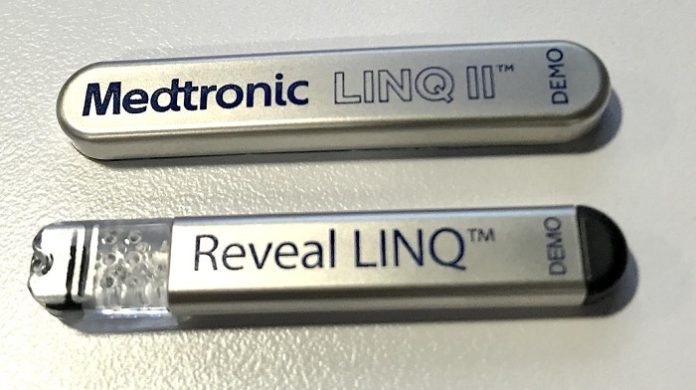
Medtronic announced new data from the STROKE AF clinical trial, which showed that large and small vessel ischemic stroke patients who receive short-term or intermittent monitoring (i.e., holter monitors and 30-day external monitors) may not be optimally managed for recurrent stroke prevention versus those who received continuous monitoring with insertable cardiac monitors. The data will be presented at the Heart Rhythm Society’s annual Heart Rhythm meeting in San Francisco on Sunday.

In the analysis, which used simulation methods to evaluate 242 patients, the rate of AF incidence (โ‰ฅ2 minutes) was 12.1% at one year in patients with the Reveal LINQโ„ข Insertable Cardiac Monitor (ICM), while intermittent monitoring showed an AF incidence rate between 0.2 – 2.5% during the same period. Results indicated that even the most aggressive intermittent monitoring strategy would have missed 79% of patients who had โ‰ฅ2 minutes of AF detected.

“Based on the primary findings from the STROKE AF study we know that detection of AF after stroke is important because it often leads to an evidence-based change in therapy that can prevent secondary stroke from occurring,โ€ said Jonathan P. Piccini, M.D., electrophysiologist and associate professor of medicine at Duke University Medical Center in Durham, N.C. โ€œThis analysis using simulation methodologies tells us just how much AF would be missed in these ischemic stroke patients when intermittent monitoring strategies are used instead of continuous monitoring. The majority of patients with AF after stroke would have eluded detection with even the most comprehensive intermittent monitoring strategy; therefore, the absence of AF with intermittent monitoring does not always imply freedom of AF.โ€

The sub-analysis is part of the STROKE AF, a prospective, multi-site, randomized (1:1) clinical trial comparing ICM monitoring to site specific standard of care (SOC) in patients with stroke attributed to large artery atherosclerosis (LAA) or small vessel occlusion (SVO). Primary results from the STROKE AF trial demonstrated the superiority of the Reveal LINQโ„ข Insertable Cardiac Monitor (ICM) to detect AF in both large and small vessel stroke patients compared to standard of care. The findings wereย publishedย in the June 1, 2021 issue of the Journal of the American Medical Association (JAMA).

Task Force Advice Suggests No Daily Aspirin For Heart Health

Over-The-Counter Medications: How To Choose What's Right For You?

After years of prescribing aspirin to avoid heart attacks and strokes, researchers now believe it has little benefit for the majority of healthy subjects, and that it may increase the risk of stomach or brain haemorrhage as one getsย older.

In most circumstances, the US Preventive Service Task Force’s current guidelines on low-dose aspirin regimens have been finalised, and adults over 60 should not begin taking aspirin for preventive care of heart issues. If one isย between the ages of 40 and 59, the USPSTF recommends that the patientย and doctor discuss whether he or sheย should take regular aspirin in certain situations.

Someone will do more damage than good with daily aspirin if the person isย extremely healthy, such as a healthy 40-year-old with no key risk factors. The risk of bleeding outweighs any benefits, agreesย Dr. Steven Nissen, Cleveland Clinic’s chair of cardiovascular medicine, who has not been involved in the new guidelines. People have toย realise that aspirin is not 100% harmless.

If one has had a heart attack, stroke, or even other heart issues or poor circulation and the doctor has prescribed daily aspirin, don’t quit taking it; instead, discuss the updated guidelines with them. Aspirin is important in secondary prevention. It is effective for people who have a stent, have had a myocardial infarction, or have had a stroke. It delivers a small but significant benefit,ย Nissen remarked.

The USPSTF is an impartial committee of disease prevention and specialist doctors from all over the country that makes recommendations to assist doctors in making better decisions. Their opinions have an influence on insurance companies’ reimbursement decisions. Aspirin works by inhibiting the production of certain natural chemicals that cause pain and swelling in the body. It can help reduce blood clotting, which is why doctors have suggested it for decades to reduce cardiovascular issues such as heart attack and stroke.

If one isย in the 40-to-59 age bracket and hasย a 10% or higher 10-year risk of cardiovascular disease, the doctor may want to explore an aspirin regimen, as per the recommendations. This implies that the chances of having a heart attack or stroke in the next ten years are higher than normal, based on a formula that takes into account characteristics such as age, gender,ย diabetes status, race, cholesterol levels,ย blood pressure, medication use, and smoking status. According to the task team, a daily aspirin only offers a minor net benefitย for this group.

The task force’s amended recommendations are based on a study of several large randomised trials on low-dose aspirin use, which indicated a link to a lower risk of myocardial infarction as well as stroke but not mortality. Low-dose aspirin was also linked to an increase in bleeding risk. The task committee last updated these recommendations in 2016, when it stated that everyday aspirin could help prevent colorectal cancer. However, the new guidelines state that there is insufficient evidence that it lowers the risk of colorectal cancer or mortality from the disease.

According to the 2016 guidelines, daily aspirin use had some merit for people aged 50 to 59 who had a 10-year risk of cardiovascular issues greater than 10%, were projected to live longer than 10 years, and were not at an elevated risk of bleeding. People aged 60 to 69 who have a 10% or greater cardiovascular risk must make an independent decision about whether or not to take a daily aspirin, as per the 2016 guidelines.

The task force emphasises that bleeding difficulties in adults without high-risk diseases such as peptic ulcer disease, NSAID use, or corticosteroid use are uncommon, although the risk increases with age. Depending on the specific modelling statistics, it may be safe to cease taking aspirin around the age of 75.

According to the US Centers for Disease Control and Prevention, cardiovascular disease is the leading cause of death in the United States, accounting for more than 1 in every 4 deaths. The more theย data, the more one can witnessย that while the risk of coronary disease and heart attack increases with age, the risk of bleeding appears to increase even faster, says medical director of the Harrington Heart & Vascular Institute,ย Dr. James Cireddu, who was not involved in the guidelines’ development.

Changes to cardiac recommendations that were made previously

These aren’t the sole guidelines for taking aspirin on a daily basis. According to Dr. Roger Blumenthal, who co-chaired the working group that developed the ACC/AHA guidelines, the new USPSTF rules are now more in alignment with the American College of Cardiology/American Heart Association guidelines and standards for the average person who has never had a cardiac event.

When oneย looksย at all of the new trials, it appears that the minor advantage of aspirin in otherwise low-risk individuals is often overshadowed by the increased risk of long-term GI issues and bleeding because of it,ย Blumenthal stated.ย While it has beenย stated that giving aspirin to someone who has not had a heart attack or stroke could be considered, it should likely be the last thing on the priority list.

As per the president of the American Heart Association, Dr. Donald Lloyd-Jones,ย aspirin may still have a role in heart health. Perhapsย the prescription drugs are too expensive or a country’s health system is unable to distribute them, in which case aspirin may continue to make sense, but heย believesย aspirin now makes a lot less sense in many situations in this country, where individuals have good healthcare access and are managing other risk factors.

Director of wellness at University Hospitals,ย Ohio Dr. Roy Buchinsky, who was not involved in the creation USPSTF guidelines, noted that oneย may take additional steps to boost overall heart health with just a little effort.

UNICEF And WHO Warn of Measles Outbreaks Harming Children

UNICEF And WHO Warn of Measles Outbreaks Harming Children

According to WHO and UNICEF, a rise in cases of measles in January and February 2022 is a significant indication of an elevated risk for the spread of vaccine-preventable diseases and might ignite larger outbreaks, notably of measles, which could affect millions of children in 2022. Pandemic-related interruptions, rising inequities in vaccination access, and shifting resources away from vaccination programs leave far too many children vulnerable to measles as well as other vaccine-preventable illnesses.

As communities loosen social distancing practises and other COVID-19 prevention measures taken during the peak of the epidemic, the danger of massive outbreaks has grown. Furthermore, with millions of citizens dislocated as a result of the conflict and emergencies in Ukraine, Ethiopia, Somalia, as well as Afghanistan, disruptions in routine immunisation and COVID-19 vaccination assistance, a lack of clean water and sanitation, and congestion, all raise the danger of vaccine-preventable disease outbreaks.

In January and February 2022, about 17,338 measles incidents were identified worldwide, compared to 9,665 in the first two months of 2021. Since measles is extremely infectious, cases tend to emerge quickly when vaccination rates drop. The organisations are concerned that measles cases could presage an outbreak of other diseases that spread more slowly.

Apart from its potentially fatal effects on the body, the measles virus damages the immune system and makes a kid more susceptible to other infectious illnesses such as pneumonia and diarrhoea, even months after the measles disease has passed. The majority of cases occur in areas that have experienced social and economic problems as a result of COVID-19, violence, or other crises, as well as health system infrastructure that is chronically poor and insecure.

Measles is more than just a nasty and potentially fatal illness. It is also an early sign that there are vulnerabilities in our global immunisation coverage that underprivileged children simply cannot afford, says UNICEF Executive Director Catherine Russell. It’s heartening to see that people in many places are feeling a bit safe enough outside of COVID-19 to engage in more social activities. However, doing so in areas where children are not routinely immunized creates a perfect storm for a disease like measles to proliferate.

In 2020, 23 million children would have missed out on normal vaccinations, the largest number since 2009 and 3.7 million more than in 2019. As of April 2022, there have been 21 major and disrupting measles infections all around the world in the previous 12 months, according to the agencies. The majority of measles cases are reported in Africa and also the East Mediterranean. Since the pandemic has disturbed surveillance systems around the world, the numbers are likely to be higher, with underreporting a possibility.

Somalia, Nigeria, Yemen, Ethiopia, and Afghanistan have had the highest measles outbreaks over the last year. Poor measles vaccine coverage is the main cause of outbreaks, irrespective of where they occur. The COVID-19 pandemic has disrupted immunisation services, healthcare systems have indeed been overburdened, and fatal illnesses like measles have resurfaced. The consequences of these disruptions in immunisation programmes will be felt for decades for many other illnesses, warned World Health Organization Director-General Dr Tedros Adhanom Ghebreyesus. Now is the time to get essential vaccinations back on track and conduct catch-up programmes to ensure access to such life-saving vaccines.

Since the commencement of the pandemic, 57 vaccine-preventable disease programmes in 43 countries have been postponed, effecting 203 million people, the majority of whom are children. Measles campaigns account for 19 of them, putting 73 million children at risk of contracting the disease owing to missed vaccines. The measles catch-up effort in Ukraine was halted in 2019 due to the COVID-19 outbreak and, later, the war. Routine and catch-up efforts are needed wherever access is available to help prevent outbreaks like the one that occurred in 2017โ€“2019, when the country experienced over 115,000 cases of measles and 41 fatalities, the highest occurrence in Europe.

Children can be protected against measles if they have at least 95% coverage with 2 doses of the effective and safe measles vaccination. However, problems caused by the COVID-19 pandemic have led to the second dosage of the measles vaccination being delayed in many nations. As countries work to respond to measles and other vaccine-preventable diseases flare ups and regain lost ground, UNICEF and WHO, in collaborative partnerships like Gavi, the Vaccine Alliance, the Measles & Rubella Initiative (M&RI), the Bill & Melinda Gates Foundation, and many others, are bolstering immunisation systems by:

  • Reinstating facilities and vaccination programmes so that countries can administer routine immunisation in a safe manner to fill the gaps created by backsliding.
  • Assisting health care providers and local leaders in actively communicating with caregivers about the need for immunizations.
  • Finding communities and individuals who were not vaccinated during the pandemic, as well as identifying the gaps in immunisation coverage.
  • Ensuring that the COVID-19 vaccine is self-funded and well-integrated into the overall vaccination strategy so that it does not come at the expense of childhood or other vaccination services.
  • As part of COVID-19 recovery efforts, the implementing nation plans to prepare for and respond to incidents of vaccine-preventable diseases, as well as strengthen vaccination infrastructure.
Translate ยป