









Close
Digital Health & Ai Innovation summit 2026
Medical Taiwan 2026

Phase I Clinical Trial Promises New HIV Antibody Delivery

Normal
0

false
false
false

EN-IN
X-NONE
X-NONE

/* Style Definitions */
table.MsoNormalTable
{mso-style-name:”Table Normal”;
mso-tstyle-rowband-size:0;
mso-tstyle-colband-size:0;
mso-style-noshow:yes;
mso-style-priority:99;
mso-style-parent:””;
mso-padding-alt:0in 5.4pt 0in 5.4pt;
mso-para-margin-top:0in;
mso-para-margin-right:0in;
mso-para-margin-bottom:8.0pt;
mso-para-margin-left:0in;
line-height:107%;
mso-pagination:widow-orphan;
font-size:11.0pt;
font-family:”Calibri”,sans-serif;
mso-ascii-font-family:Calibri;
mso-ascii-theme-font:minor-latin;
mso-hansi-font-family:Calibri;
mso-hansi-theme-font:minor-latin;
mso-bidi-font-family:”Times New Roman”;
mso-bidi-theme-font:minor-bidi;
mso-ansi-language:EN-IN;}

Multiple clinical trials have explored potential vaccines against HIV since the first reports of infection in the early 1980s, but HIV possesses numerous immune defences that prohibit a person’s immune system from creating an accurate response following HIV inoculation. The Vectored ImmunoProphylaxis (VIP) approach, developed by researchers at the Ragon Institute at MGH, MIT, and Harvard, and Massachusetts General Hospital (MGH), uses an adeno-associated viral (AAV) vector to transmit signals to muscle cells to churn out antibodies that block the virus. The method showed promise in a phase I clinical trial carried out by the National Institute of Health, which was recently described in Nature Medicine.

AAV vectors can safely transfer DNA to cells in humans, and two AAV-based genetic treatments have already been licenced by the FDA. The AAV vector used in this clinical trial contains the genetic sequence for a broadly neutralising HIV-1 antibody, which hinders HIV’s ability to connect to CD4, an immune cell protein that HIV targets before invading the cell. When the AAV therapy (called AAV8-VRC07) is injected into a patient, it inserts into the muscle cells, where the genetic pattern is perused and interpreted to produce large amounts of the broadly neutralising antibody (called VRC07), which is pumped out of the cells and travels through the blood to pursueย their target. As a result, a large number of antibodies circulate that inhibit HIV’s interaction with the CD4 receptor on immune cells, thus blocking HIV’s entry into the cells.

Eight HIV-positive people who had been on stable antiretroviral medication for at least three months were enrolled in the phase I clinical research. The researchers discovered that injecting AAV8-VRC07 into the muscle was generally well tolerated. All eight people had detectable levels of VRC07 in their blood, with three of them having the highest levels. For up to three years, these quantities were steady and near their peak concentration in six people. (The trial is still continuing, and some volunteers have been followed for a shorter period of time than others.) Three of the eight participants had an anti-drug immune reaction directed against a component of VRC07, and this reaction appeared to reduce VRC07 synthesis in two of them.

This is the first successful AAV-based production of any monoclonal antibody in individuals,ย says Alejandro B. Balazs, PhD,ย co-authorย who created the vector used for the trial and is a lead researcher at the Ragon Institute of MGH, MIT, and Harvard, where his lab is continuing to develop this technology. It isย also the first time they haveย got a method that can produce broadly antibody responses against HIV in humans,ย he adds.

The findings, according to Balazs, have far-reaching clinical implications for the prevention and treatment of HIV and other infections. The results show that the platform they developed is capable of establishing long-lasting antibody expression from a single dose. They may be able to develop efficient preventive medicines for a broad range of infectious diseases, from malaria to COVID-19, thanks to their capacity to encode any required antigen into these vectors. He confirms that this method could also be used to deliver other biologic medications to treat a variety of illnesses, ranging from autoimmune to cancer.

Balazs created the technology while a postdoctoral fellow at the California Institute of Technology in the laboratory of Nobel winner David Baltimore, PhD. The clinical research, which took place at the National Institutes of Health Clinical Center, was funded by the NIH’s Vaccine Research Center.

Vytalize Health raises over $50M Series B to advance value-based care

Vytalize Health, a leading value-based care platform for seniors, announced it has closed over $50 million in Series B financing led by Enhanced Healthcare Partners. The company will use the new capital to continue investing in its care delivery infrastructure, partner with Medicare Advantage and commercial plans, and expand its team. The round was also joined by Series A lead Kittyhawk Ventures, as well as Kawn Ventures, North Coast Ventures, and other existing investors.

โ€”Our goal is to strengthen the special relationship between patients and their primary care doctors, which becomes the foundation for realizing the full potential of value-based care,” said Vytalize Health CEO Faris Ghawi. “We’re witnessing new frontiers that were previously unimaginable in healthcare, and we’re excited to enable our doctors to be at the cutting edge of this next chapter.”

Vytalize Health has grown its patient base 150% year-over-year and is now partnered with 280 primary care practices across 16-states. The company’s all-in-one, vertically integrated solution for value-based care delivery is responsible for $2 billion in medical spending. The company is expanding into new markets while increasing the concentration of practices in existing ones and has begun contracting with regional and national Medicare Advantage plans.

โ€œWe have been actively searching for the right Medicare at-risk platform for the past 18 months. We are very excited to back Faris and the team as they continue to activate value-based care across the healthcare market, โ€œ said Enhanced Healthcare Partners General Partner Samarth Chandra. โ€œVytalize Health and its network of practices have repeatedly demonstrated they can improve the quality of care for patients while also better managing healthcare spending overall.โ€

Vytalize Health started as a Medicare-focused primary care practice in New York in 2014. The company developed a vertically integrated solution combining a risk-bearing entity, virtual and in-home clinic, and broad technology platform, which they then began offering to other primary care practices in 2017. Today, the company leverages this dynamic approach to support physicians caring for 130,000 senior patients. Last year, Vytalize acquired patient communication company MedPilot to allow them to manage the last mile of patient engagement. The company is now integrating the rest of the downstream network, including hospitals, specialty networks, ancillary providers, and digital health companies, to streamline the delivery ecosystem from end to end.

โ€About Vytalize Health

โ€Vytalize Health is a leading value-based care platform helping primary care doctors strengthen relationships with their patients through data-driven, holistic, and personalized care. Vytalize provides an all-in-one solution including value-based incentives, smart technology, and a virtual clinic that enables small and large independent practices to succeed in value-based care arrangements. Vytalize’s care delivery model transforms the healthcare experience for more than a hundred thousand Medicare beneficiaries across 16 states by helping them manage their chronic conditions in collaboration with their doctors.

โ€About Enhanced Healthcare Partners

โ€Enhanced Healthcare Partners is a leading healthcare-focused private equity firm dedicated to making minority and majority investments in founder and entrepreneur-led lower middle-market companies. The EHP team has managed approximately $1 billion in equity capital and is comprised of professionals with deep healthcare, operations, consulting and investment management experience. The firm seeks to invest in companies between $50-$250 million in enterprise value, driving deep partnerships with management and founders to catalyze growth and build great organizations.

CipherHealth Announces CipherConnect: Conversational Engagement Solution that Leverages Patient Data to Personalize Engagement and Keep Patients in Network

CipherHealth Unveils Next-Generation Patient Engagement Platform for Enhanced Personalization, and Scale to Improve Patient Experiences

CipherHealth, a recognized leader and innovator in patient-centered communications, engagement, and insights for the nation’s leading healthcare systems,ย  announced CipherConnect, a new conversational engagement solution that automates the many manual scheduling, intake, and virtual waiting room tasks that consume precious frontline resources. CipherConnect manages patient-provider communication via a frictionless, conversational, web-based chat interface that captures relevant conversational patient data and seamlessly integrates with EMRs, delivering a more comprehensive and up-to-date view of patients’ health and wellness.

Healthcare is facing an existential threat: Overextended nurses and physicians are abandoning their jobs at unprecedented levels, while consumers have growing expectations for more seamless, convenient, and personalized experiences from their healthcare providers. According to Adam Cherrington, Senior Research Director at KLAS Research, “Recent research of ours has shown that digital front door solutions โ€”particularly those focused on pre-care activation and preparationโ€”not only improve patient convenience and satisfaction, but also reduce the administrative burden on a nursing community that is increasingly burned out and leaving the profession at unprecedented levels.”1

“Removing friction in pre-care workflows has never been more important for both providers and patients,” said Jake Pyles, CipherHealth CEO. “CipherConnect does just that by automating many of the critical interactions that patients have with their providers as they prepare for their appointments. But CipherConnect goes far beyond the capabilities of a mere chatbot, allowing providers to capture and leverage conversational context and data for richer and more informed interactions later in the patient journey, from point-of-care to post-care through preventative care. As data gathered at one point along the care continuum can be applied to any other part, providers can truly deliver personalized care at scale.”

CipherConnect is interoperable with over 85 Electronic Health Record (EHR) systems, including Epic and Cerner. By interconnecting dynamic, conversational data from CipherConnect with clinical information held in the EHRs, providers have a more complete and up-to-date picture of their patients, enabling them to be better prepared and agile to resolve issues that impact the patient journey and result in better outcomes downstream. Later this year, CipherHealth will augment CipherConnect with additional “virtual waiting room” capabilities and more advanced scheduling and referral management solutions that keep patients interacting with providers between visits.

In addition to its current pre-care solutions, including Appointment Reminders, Procedure Preparation, and Patient Screening solutions, CipherHealth is using the conversational engagement capabilities of CipherConnect to roll out a new set of digital front door solutions:

Booking Confirmation: Share booking details for newly scheduled appointments including time, provider name, and location.

Appointment Prep: Inform patients on next steps for arrival, such as safety instructions, remote registration, and check-in.

Data Intake: Collect data for consent, forms, screeners, and other paperwork before arrival; upload images of insurance cards and identification as well as documents for billing or from a previous provider.

“We’re operating in a different world than we were two years ago on so many different levels. Notably, we have a patient base that places an ever-growing value on convenience, personalization, and compassionate care,” said Shawn R. Smith, MBA, CPXP, Assistant Vice President: Clinical Enterprise, Patient Experience at Inova. “CipherHealth’s vision for the future of patient engagement tightly aligns with ours: Patients should feel known and welcomed from the very first interaction they have with us, and that experience should be carried through every time, every touchโ€”to each person in every community we have the privilege to serve. CipherHealth’s tools and solutions for engagement, and particularly their new set of pre-care engagement tools, allow us to execute on that vision in new and comprehensive ways.”

About CipherHealth
CipherHealth is an award-winning digital patient engagement company committed to enhancing communication and coordination throughout the care continuum. Since 2009, CipherHealth has helped define the patient engagement category, delivering groundbreaking tools and superior services to help health systems deliver patient-centric, quality care that improves clinical outcomes, drives operational efficiency, and creates sustainable financial value through a full suite of communications solutions. CipherHealth’s automated, scalable platform empowers healthcare organizations to drive meaningful conversations among patients, provider staff and caregivers, regardless of care setting, thereby achieving new standards for patient care and accelerating the digital transformation of the industry.

Emirates Health Services elevates the patient journey with SEDCO’s advanced PEM solution

Emirates Health Services elevates the patient journey with SEDCO's advanced PEM solution

In line with its vision to deliver an exceptional patient experience, Emirates Health Services (EHS), the largest health organization in UAE, in cooperation with Emitac Healthcare Solutions has implemented SEDCOโ€™s patient experience management solution in 126 centers and over 700 healthcare departments distributed across the country. These centers include primary healthcare centers, specialized healthcare centers, preventive medicine centers, happiness centers, blood donation centers, and hospitals.

The advanced patient experience management solution by SEDCO streamlines the patient journey at every touchpoint from pre-arrival to post-service, while automatically routing patients across the different centers and healthcare departments to ensure smooth operations, reduce waiting time, and provide a stress-free patient experience. The features of the solution include mobile appointment booking and check-in, sms notifications, instant e-ticket issuance, queue management, digital signage system, and central management and business intelligence system.

An added benefit of the solution is to provide the healthcare authority with real-time data to plan and use their resources more efficiently by delivering insights into the day-to-day operations, identify areas of improvement, provide analysis of historical data, manage staff distribution, promote better communication within each department and overall provide a blueprint of a patientโ€™s journey in the entire healthcare facility.

According to the latest study published by The Insight Partners, the global patient flow management solutions market size is driven by the rising adoption of a patient-centric approach by healthcare providers, rising numbers of start-ups, and shortage of medical staff. The industry is forecasted to reach $3.62 Billion by 2028 from $0.88 Billion in 2021; and is expected to grow at a CAGR of 22.3% during the said period.

Director of Technical Support Department at Emirates Health Services, Amal Karmostaje stated, โ€œWe are committed to implementing the latest innovations in accordance with the best international standards, to deliver an exceptional healthcare experience. SEDCOโ€™s patient experience management system applies the smart journey concept; it automatically routes patients within the different departments of our centers and facilities, giving them the experience they deserve while giving us full control over our operations.โ€

Commenting on the implementation of the solution at EHS, Majdi Shawish, CEO at SEDCO, commented, โ€œAdvancements in technology have always had a major impact on the healthcare industry. The increasing use of smartphones is triggering the adoption of mobile based applications by the healthcare providers to streamline operations and thereby provide a better patient experience. We are immensely proud to partner with Emirates Health Services to take their patient experience to a new level. The system increases service efficiency at the organizationโ€™s centers, reduces opex costs, and optimizes staff allocations while increasing patient happiness.โ€

SEDCO system also streamlines between pre-booked and walk-ins, where EHS patients can issue a ticket for an appointment, pharmacy, lab, and radiology orders, ensuring a smooth routing across all of the organizationโ€™s facilities.

The systemโ€™s smart digital signage is integrated with an audio announcement system to call the next patient in queue. The digital screens also display healthcare tips and targeted ads to promote new medical services.

With live dashboards and advanced reporting system, EHS can centrally monitor each healthcare facility, operation, and KPIs such as service quality, utilization, and turnaround time. SEDCO system generates strategic reports to make more informed decisions in order to provide exceptional healthcare services while ensuring best resource allocation.

The patient experience management system is integrated with the CRM and other healthcare systems at the organization, including Khadamati, Customer Pulse, Blood Bank Management, and WAREED various services (appointments, pharmacy, lab, radiology, and smart journey management), enhancing the patient experience and EHS operations.

EHS patients can give their feedback about the service quality through SMS messages, together with the โ€œCustomer Pulse Systemโ€, empowering Emirates Health Services to measure and evaluate the patient feedback in order to enhance its healthcare services and increase patient satisfaction.

Philips signs long-term strategic partnership with Oulu University Hospital Finland to deliver advanced image-guided specialist care

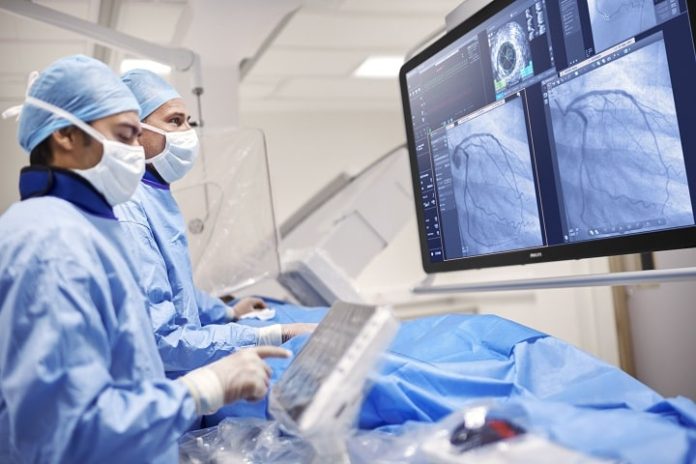
Philips signs long-term strategic partnership with Oulu University Hospital Finland to deliver advanced image-guided specialist care

Royal Philips, a global leader in health technology, today announced late-breaking results of a large-scale, real-world analysis of U.S. Centers for Medicare & Medicaid Services (CMS) data on the rates of guideline adherence and associated mortality in patients with CIED infection [1]. Results were presented at the American College of Cardiologyโ€™s 71st Annual Scientific Session by Sean Pokorney, M.D., Assistant Professor of Medicine at Duke University School of Medicine (U.S.) and member of the Duke Clinical Research Institute. The data demonstrated that approximately 4 in 5 patients are not treated according to HRS/EHRA Class I consensus recommendations and guidelines for CIED infection (full system extraction)[2,3]. Moreover, complete hardware removal (extraction) within 6 days was associated with a 42.9% lower risk of death compared with patients who did not undergo extraction.

The study examined 1,065,549 patients in Medicare in the USA who received a CIED between January 1, 2006 and December 31, 2019. Patients included in the CIED infection group were those that had an implant greater than 12 months old, had a primary diagnosis for infection of a device implant, and had documented antibiotic therapy. The study was an independent analysis conducted by Duke University and supported by a research grant from Philips. Philips had no role in the design or conduct of the analysis.ย 

โ€œThis study highlights the life-threatening nature of device infections and the significant opportunities to improve care in these complex patients. The findings also emphasize the importance of timely diagnosis and complete treatment. Making things better for patients tomorrow will require working with clinicians across various specialties to advance education to help diagnose CIED infections and deliver timely care,โ€ said Jonathan P. Piccini, MD., M.H.S., the lead investigator of the study, the Director of Cardiac Electrophysiology section at the Duke Heart Center. โ€œThe opportunity to ensure all patients have access to guideline-recommended care is not only imperative, but life-saving for patients across the world.โ€

CIEDs are life-saving devices and improve quality of life for many patients. Each year one million CIEDs are implanted worldwide [4] (which include pacemakers, implantable cardioverter-defibrillators and cardiac resynchronization devices). However, one in 20 of these patients will develop a CIED infection [5] within three years. Patients diagnosed with CIED infections are often treated with antibiotics, which is not an effective treatment option alone โ€“ 50-100% of patients treated with only antibiotics will experience an infection relapse [6,7]. Often medical professionals lack awareness and experience in CIED infection management resulting in patients being misdiagnosed or receiving suboptimal treatments which can lead to negative health outcomes. Current clinical practice guidelines recommend extraction for all patients with a definite CIED infection, including complete device and lead removal. It is estimated that globally more than 16,000 CIED patient lives are at risk each year due to improper treatment. CIED extraction is proven safe and effective, especially with earlier diagnosis, which can reduce mortality rates and long-term costs.ย 

โ€œThis CIED Infection Medicare Study clearly demonstrates that increasing adherence to Class I guideline care can potentially save lives,โ€ said Chris Landon, Senior Vice President and General Manager Image Guided Therapy Devices at Philips. โ€œAt Philips, we are committed to supporting evidence-based medical approaches and innovating solutions to help physicians improve outcomes and decrease mortality for CIED infection.โ€

Philips lead management solutions

Lead extraction, when indicated, is a highly successful, potentially life-saving procedure, with a clinical success rate of 97.7% and a procedural safety rate of 99.72% [10]. When lead extraction is indicated, Philips supports physicians with Lead Management solutions through a broad portfolio of tools designed for safety and predictability, including both laser and mechanical lead extraction devices. Philips is dedicated to helping physicians manage every lead safely, predictably, and responsibly by providing expert tools, training, and ongoing support.

About Royal Philips

Royal Philips is a leading health technology company focused on improving people’s health and well-being, and enabling better outcomes across the health continuum โ€“ from healthy living and prevention, to diagnosis, treatment and home care. Philips leverages advanced technology and deep clinical and consumer insights to deliver integrated solutions. Headquartered in the Netherlands, the company is a leader in diagnostic imaging, image-guided therapy, patient monitoring and health informatics, as well as in consumer health and home care. Philips generated 2021 sales of EUR 17.2 billion and employs approximately 78,000 employees with sales and services in more than 100 countries.

Carevive Systems and Blue Spark Technologies Partner to Conduct Real-Time Remote Patient Monitoring Pilot

Carevive Systems (Carevive), the leading oncology-focused health technology company centered on understanding and improving the cancer patient experience, announced today a partnership with Blue Spark Technologies, a leader and an innovator in wearable wireless medical device solutions.

The study will integrate Careviveโ€™s expertise in Patient Reported Outcomes (ePROs) data with Blue Sparkโ€™s disruptive TempTraq continuous wearable remote temperature monitoring solution to investigate how early fever detection can guide clinical decision-making for adult oncology patients who are at increased risk for infection. The study will be conducted across three sites with the potential to add more site locations, as needed.

โ€œWeโ€™re proud to be putting patientsโ€™ real-world experiences at the heart of the care process,โ€ said April Boyd, Sr. Clinical Content Developer, Carevive Systems, Inc. โ€œElectronic patient-reported outcomes data are crucial for proactive symptom management – helping patients live more comfortably, and for longer, while studying them together provides us with an important resource for improving patient-centered care. Weโ€™re really excited by the potential outcomes of this study to help countless more cancer patients.โ€

According to the Centers for Disease Control and Prevention (CDC), people with cancer who are treated with chemotherapy are more likely to develop infections. Cancer and chemotherapy can reduce the effectiveness of the immune system by reducing the number of infection-fighting white blood cells. Often the first sign of infection is an increase in body temperature (fever).

Patients in the study will report their symptoms through Careviveโ€™s PROmptยฎ while wearing Blue Sparkโ€™s TempTraqยฎ, a soft wearable patch that continuously, safely and comfortably monitors body temperature, allowing clinicians to also monitor real-time patient health data. The opportunity to learn from clinicians about these data value and patients about their reporting experience are key pilot goals.

โ€œTempTraq has been clinically proven to detect fevers hours before the standard of care in high-risk chemotherapy treatments, bone marrow transplants and CAR-Tโ€™s, and those hours are critical in this patient population,โ€ said Ruth Phillips, Director of Medical Affairs at Blue Spark Technologies. โ€œOur team has created a soft, comfortable patch, and weโ€™re delighted to be able to use it to support this revolutionary approach to improving cancer care.โ€

โ€œThe use of a symptom monitoring and high frequency temperature dataset can allow for targeted triage and efficient clinical decision making with the goal of early intervention,โ€ said Sung Choi, M.D., Associate Professor of Pediatric Hematology/Oncology at the University of Michigan and Lead Investigator on the pilot study. โ€œThe TempTraq and Carevive project has the potential to lay a strong foundation for the design of a larger study looking at remote patient monitoring in the oncology setting.โ€

About Carevive Systems

Carevive Systems, founded in 2013, is a health technology company focused on understanding and improving the cancer patient experience. Our platform enables providers to monitor and manage their patients remotely, which improves survival outcomes and patient quality of life. Use of Carevive in the oncology clinic unlocks a critical data view of the real-world cancer patient experience to continuously improve patient care today and advance cancer drug development.

About Blue Spark Technologies

TempTraqยฎ, Blue Spark Technologiesโ€™ patented innovation, is the only disposable Bluetoothยฎ, wearable temperature monitor in the form of a soft, comfortable patch that continuously, safely and comfortably monitors body temperature for up to 72 hours and sends notifications to Appleยฎ or Androidโ„ข compatible mobile devices.

TempTraq Connect is the HIPAA-compliant cloud service supported by Google Healthcare Cloud Platform that enables patients and caregivers to monitor body temperature from anywhere. It can also directly integrate with healthcare provider electronic medical record (EMR) systems and nurse monitoring stations, providing a secure method of storing patient healthcare data. The system is FDA, CE and TGA cleared.


Texas Oncology Organizes Expanding Surgical Capabilities to Improve Patient Care

Texas Oncology Organizes Expanding Surgical Capabilities to Improve Patient Care

Texas Oncology announced today the establishment of Texas Oncology Surgical Specialties, organizing the diverse, specialized surgical capabilities of the practice to better serve patients. Texas Oncologyโ€™s surgical team has expanded significantly in recent years and now includes 124 surgeons, including specialists in breast, gynecologic, urologic, colorectal, neuro-oncology, thoracic, and surgical oncology. Texas Oncology surgeons performed more than 53,000 procedures last year.

โ€œTexas Oncology is committed to providing comprehensive cancer care in the communities where our patients live. For many cancer patients, surgery is a critically needed method of treatment, whether alone or in combination with immunotherapy, chemotherapy, or radiation therapy,โ€ said Steven Paulson, M.D., president and chairman of the board at Texas Oncology. โ€œOur surgeons address varied and complex surgical cases with leading edge surgical techniques, working in collaboration with top tier hospitals across the state.โ€

Texas Oncologyโ€™s surgical specialty capabilities include robotic-assisted and minimally invasive procedures for patients with benign and malignant conditions. Techniques such as Hidden Scarโ„ข in breast cancer surgery, Whipple procedures for pancreatic cancer, hyperthermic intraperitoneal chemotherapy (HIPEC) surgery for certain cancers in the abdomen, and limb preserving bone cancer surgeries are among the many procedures performed.

Austin physician Michael G. Teneriello, M.D., FACOG, has been named chief surgical officer of the new Texas Oncology Surgical Specialties organization. In his 26 years with Texas Oncology, Dr. Teneriello has built the gynecologic oncology practice in Austin, actively participates in residency training at The University of Texas-Austin OB/GYN program and has conducted more than 30 clinical cancer trials as a national or principal investigator. Board certified in gynecologic oncology, obstetrics, and gynecology, he received his medical doctorate from Mount Sinai School of Medicine, New York, NY. A Navy veteran, Dr. Teneriello completed his internship and residency at the National Naval Medical Center, Bethesda, MD and fellowship training at Walter Reed Army Medical Center in Washington, D.C.

โ€œTexas Oncology Surgical Specialties reflects our commitment to exceptional patient care. Establishing an effective organizational structure will enable the practice to continue to grow its surgical capabilities to provide patients enhanced, integrated multi-disciplinary care wherever they are in Texas,โ€ said Dr. Teneriello.

Gati Diagnostic Centre Pvt. Ltd. is now equipped with India’s first DRX Compass by Carestream India

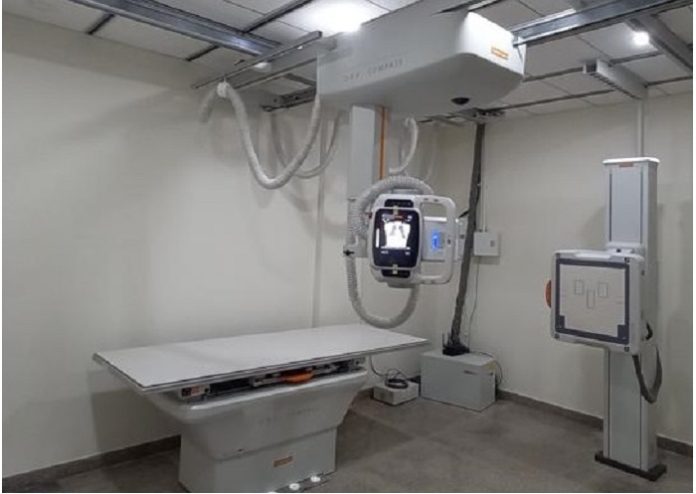
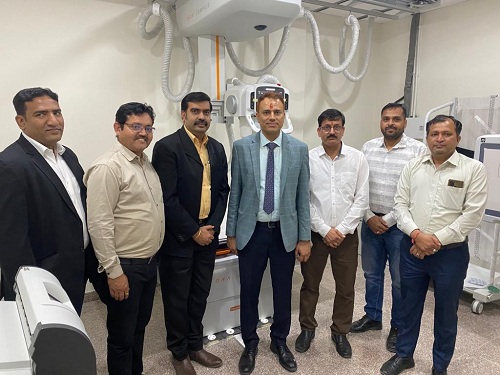
Adding to its diagnostic capabilities, Gati Diagnostic Centre Pvt. Ltd., Sikar, became the first diagnostic centre to add the Carestream DRX Compass to its diagnostics repertoire. Shri Dinesh M.N. (IPS), Additional Director General-ACB, inaugurated the installed, state-of-the-art radiology solution in the centre.

The early launch was attended by 200 doctors and roughly 800 other people who were impressed with the Full Room DR System. The investment in the DRX Compass allows Gati Diagnostic to become a fully-fitted diagnostic center while pushing the envelope of digital radiology towards the less prominent cities of India.

Speaking about the launch, Mr. Niraj Srivastava, General Manager- Sales North Carestream India, said, โ€œDuring our discussions, we understood that the centre wanted to have a world-class digital radiology solution with superb image quality that supports the accurate diagnosis, enhances workflow efficiency, increases the productivity of radiology department and caters to the demands of patient convenience as well. With our recently launched DRX Compass, we believe we have presented a system that will help Gati navigate all current & future requirements and accelerate their radiology practice. We are indeed proud to have partnered with Gati Diagnostics in their endeavor to build a world-class facility.โ€

The DRX-Compass helps NAVIGATE and ACCELERATE towards superb performance with a solution that grows with its customers. DRX Compass is US-FDA and EU approved and compliant with ALARA principle. It also offers Radiologist the flexibility to customize their fully featured room as per the floor space, workflow and budget.

Speaking about the DRX Compass and its capabilities, Mr. Mahipal Khedar, Director of Gati Diagnostics, said, โ€œOur vision is to provide best-in-class healthcare facilities with the latest equipment in all segments. To this end, we met with many company officials, but with our vision, we felt that Carestreamโ€™s DRX Compass is the best fit for all our requirements. Whether it is the latest technology, first-in-class features, future-ready, or scalable, we are happy to associate with Carestream with their latest device.โ€

About Carestream Health India:

Carestream Health is a US-based MedTech Corporation with worldwide operations focused on X-ray imaging systems for medical, industrial, and electronic applications.

FedEx Wins โ€œBest Clinical Trial Logistics Providerโ€ and โ€œBest Last Mile Implementationโ€ at the Asia Pacific Bioprocessing Excellence Awards 2022

Cold Chain Logistics: Powering Asiaโ€™s Biopharma Boom

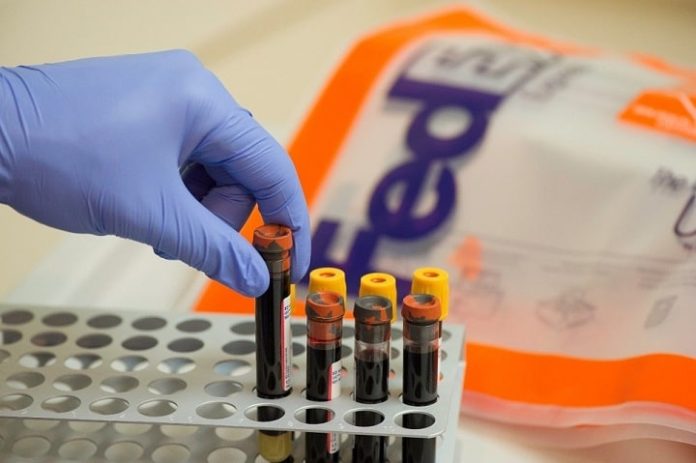
FedEx Express, a subsidiary of FedEx Corp. and one of the worldโ€™s largest express transportation companies, has been recognized for being the โ€œBest Clinical Trial Logistics Providerโ€ and for providing the โ€œBest Last Mile Implementationโ€ at the annual IMAPAC Asia Pacific Bioprocessing Excellence Awards 2022. These two awards recognize the exceptional healthcare expertise, services and technologies at FedEx that facilitate biomanufacturing excellence at enhanced speed, reduced costs and superior quality. The Asia Pacific Bioprocessing Excellence Awards 2022 was held in conjunction with the sixth Annual Biologistics World Asia 2022.

FedEx was shortlisted among the top five various logistics providers for both awards, with FedEx emerging as the winner for the two categories. Nominations were vetted by IMAPACโ€™s scientific board who are experts in the respective fields.

โ€œThis recognition is testament to our industry leading tech-led solutions that provide the precision and reliability needed to move temperature sensitive and time-critical shipments. We are proud of our advanced cold-chain solutions that have clearly gained the trust and recognition of our healthcare customers. During the COVID-19 pandemic, end-to-end logistics support has become even more important,โ€ said Kawal Preet, president of Asia Pacific, Middle East and Africa (AMEA) at FedEx Express, โ€œWith the Asia Pacific region being the worldโ€™s fastest-growing clinical trial market, and the AMEA region estimated to be an $8.4 billion market for clinical trials by 2027, we will continue to innovate our healthcare solutions to support the rapid growth in this sector.โ€

โ€œWe are honoured to have our healthcare leadership recognized. FedEx is committed to pushing the boundaries of what the logistics industry can do for the healthcare sector through continuous innovation to enhance our solutions,โ€ said Audrey Cheong, regional vice president, South East Asia, FedEx Express. โ€œThis award affirms our work as an organisation that has innovated and upheld the highest level of standards in Clinical Trial Logistics and Last Mile logistics solutions.โ€

The award comes amidst global recovery from the pandemic, during which FedEx teams have supported customers and the broader community through innovative cold chain technology that facilitates the delivery of key essential medical items. One example is the industry-first SenseAware, a sensory device that travels with high-value, time, temperature, and shock-sensitive shipments, enabling customers full access and round-the-clock visibility on the condition of a package enroute to its destination. For its leading role in protecting shipment integrity and keeping vaccines moving across the globe, FedEx was also named โ€œAsiaโ€™s Best 3PLs for Vaccinesโ€ at the 2021 Asia Pacific Vaccine Excellence Awards.

Can NFTs Be Repurposed For The Healthcare Industry?

Can NFTs Be Repurposed For The Healthcare Industry?

A non-fungible token, often simply called an NFT, is a digital asset created with blockchain technology. They got their start in the world of art. It was a way for people to buy and sell digital artwork that was guaranteed with a digital contract. Analysts are wondering whether or not NFT contracts could also be used in other markets, such as healthcare. A team of ethics researchers and law and informatics specialists at the Baylor College of Medicine recently wrote a commentary about the uses of NFTs in healthcare.

In a commentary article in the prestigious journal Science, the physicians, informatics specialists and lawyers argued that NFTs could assist patients with maintaining more control over their private health information. The digital contracts offer an opportunity for patients to permit use of their personal health information and to track who accessed it, when, how and why.

The paper’s first author, Dr. Kristin Kostick-Quenet, stated that a person’s health information is outside of their control after it gets digitized. Once the information is contained in an electronic health record, it is often shared and exchanged. Dr. Kostick-Quenet is an assistant professor at Baylor’s Center for Medical Ethics and specializes in health policy. Continuing, Dr. Kostick-Quenet explained that NFTs could be used to help an individual take back control about who can see their health information and to participate in how their health information is used.

In this era of big data, health information is essentially a currency. It functions as a commodity, and companies make big profits from it. According to Dr. Amy McGuire, who was the senior author of the commentary piece in Science, using NFTs for health data could be the perfect solution for handling the large and rapidly changing marketplace of health information. Dr. McGuire went on to say that there are a lot of social, ethical and legal considerations that healthcare providers will need to keep in mind. The complexity and popularity of cryptocurrency make this a rapidly evolving situation.

Baylor’s research team points out that security flaws are still a major concern for NFTs. Privacy is also an issue. There are also disputes over who has the intellectual property rights of the healthcare information once it is digitized. The complex nature of NFTs means that the average person might not know how to make the most of the tool’s potential. Each of the paper’s authors stated that policymakers will need to consider both the benefits and the challenges of using NFTs to upend healthcare data as it is known today.

According to Dr. Kenneth Mandl, another co-author of the paper, there are current federal regulations that give patients the right to use an app of their choice to download their own healthcare data from their providers. These regulations allow individuals to receive their own data in a format that can be analyzed, such as a .csv file. Dr. Mandl states that there is a lot more research to do into whether or not NFTs or similar technologies could be used for enabling purposeful sharing of healthcare data. Smart contracts could also play a role.

Translate ยป