Close
Digital Health & Ai Innovation summit 2026
Medical Taiwan 2026

Medxcel Appoints Carla Shade to Leadership Team

Medxcel Appoints Carla Shade to Leadership Team

Indianapolis-based Medxcel, the largest sole provider of healthcare facilities services in the U.S., announced the hiring of Carla Shade as its newest area vice president.

As area vice president, Shade will oversee service operations for multiple hospitals and facilities over a broad geographic area. She will also be accountable for achieving service, financial, regulatory compliance and organizational development goals to ensure service excellence to Medxcel clients.

Shade brings 20 years of healthcare leadership to her new position, which includes serving as a regional director of operations, regional director of emergency management and safety, regional emergency management officer, safety officer, and various positions in ambulatory management, community affairs and regulatory and compliance. She joined the Medxcel team in 2016 where she helped the Michigan market earn numerous operational awards.

“Moving into a new role as area vice president is an exciting step in my career, and I can’t wait to dive in and explore how we can continue to elevate our services and provide a high level of care to those in need,” Shade said. “Healthcare often serves as a critical pillar in communities, and we must continue finding ways to better serve our facilities that are tasked with the ultimate responsibility to treat the individuals who come through our hospital doors.”

“Carla’s strong track record on our team is one of many reasons why she is the perfect person to assume this position and lead our efforts in Michigan,” said Michael Argir, CEO of Medxcel. “We are looking forward to seeing her leadership drive excellence in the hospitals and communities we serve.”

Shade earned her bachelor’s degree from Spelman College in Atlanta where she majored in sociology and minored in pre-medicine. She currently holds professional licenses from International Board For Certification Services and Management as a Certified Healthcare Safety Professional (CHSP).

COVID-19 Admissions Low However, Hospitals Are Stressed

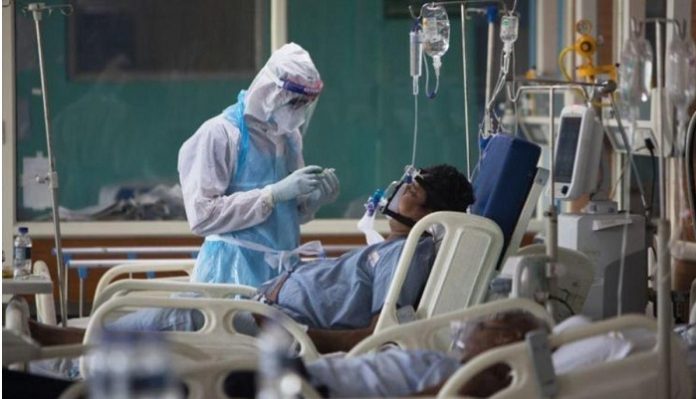
There are 16,138 people in hospitals with COVID-19ย as of April 8, which is the lowest number since the US Department of Health and Human Services began tracking in July 2020. Only 2% of beds are now allocated to COVID-19 users.

The previous low point occurred in late June 2021, right beforeย Delta became the country’s main variant. COVID-19 admissions peaked in January 2022, during the Omicron outbreak, when over 160,000 people were admitted to hospitals with the virus. While the load on the US hospital system directly tied to treating COVID-19 patients has been greatly eased, experts say many hospitals are still dealing with understaffing and alsoย other patients who are arriving sicker after postponing treatment during the peak of the pandemic.

Nancy Foster, Vice President for Quality and Patient Safety Policy at the American Hospital Association, says she can’t hear hospitalisation data without shouting “hallelujah.”However, there are a number of things going on right now that keep hospitals and their employees incredibly busy, she adds. Nancy opines that hospitals were expecting an inflow of patients who had postponed treatment, whether by preference or because the medical centre couldn’t handle them. But according to her, the biggest challenge right now is the combination of having more individuals needing care than they expected and having more staff shortages than they anticipated.

The COVID-19 Community Levelย map by the CDC, which monitors new hospitalizations and beds in use particularly for COVID-19 patients, stands in contrast with the overall picture of hospital capacity. The CDC map is almost entirely green, with 95 percent of US states classified as having a minimal COVID-19 community level. However, according to HHS data, upwards of three-quarters of inpatient beds are presently in use in medical centers, with nine states having more than 80% of all beds occupied. Experts think it’s critical to keep an eye on both overall hospital capability and the load posed by COVID-19.

From an endemic monitoring standpoint of COVID-19,ย that isย where they aim to be heading. Oneย needsย to be able to detect whether there isย a state where public health measures are required, says Kaiser Permanente’s national infectious disease leader,ย Dr. Stephen Parodi.

However, the pandemic has had a massive effect on how hospitals operate. Prior to the pandemic, there was usually a seasonal difference in how many beds were occupied, with more patients anticipated during the flu season in the winter and a lower volume expected during the summer.

What’s different today, after the pandemic, is that hospitals are essentiallyย always filled,ย Parodi explained. When it concerns staffing those beds, having the workforce accessible, the doctors, nurses, and support services like lab and radiology, that computation of a plan is shifting our thinking on what we need to prepare for the full year rather than just one season.

According to Parodi and others, the capacity crunch will last at a minimum until the end of the year. According to CDC data, there have been around 4.6 million cumulative hospitalizations for COVID-19 in the United States through August 2020. Seniors aged 70 and up account for more than a third of all hospital admissions. COVID-19 has hospitalised more than twice as many black and Hispanic people as white people, and American Indians have been hospitalised more than three times as often.

How to Choose Proper Treatment Institution to Help With Your Addiction

A lot of people don’t know how to choose a proper treatment institution for their addiction. They might end up going to a place that is not equipped to deal with their specific addiction, or they might not be getting the help they need. Here are some tips on how to choose the right treatment institution for you or someone you love.

Based On Their Reputation

The first thing you want to do when looking for a treatment institution is to research its reputation. Are they well-known in the addiction community? Do they have a success rate? What do other people say about them? Reputation matters because it can give you a good idea of what to expect from the institution. This also shows how many renowned professionals are working in the institution. You can consult with the professionals from HillcrestRecovery.com to see what you can expect from working with experts in that field. A recovery center with a reputation and history will likely have more successful outcomes. This also means looking at the accreditation. This shows that they meet certain standards and that their staff is qualified to help you with your addiction. Make sure to ask about accreditation when you’re considering an institution.

The Quality of Their Services

The next thing you want to look at is the quality of services that the facility offers. This includes everything from the detoxification process to the therapy and counseling sessions. You want to make sure that they have experienced and qualified staff who can help you through every step of your addiction treatment. The facility should also be clean and comfortable so that you can focus on your recovery. You’ll then want to look at the institution’s success rate. This will give you an idea of how effective their treatment methods are. Make sure to ask about this before you make your decision.

Their Treatment Methods

The treatment methods used by a recovery center are important to consider because they will play a big role in your recovery. Make sure that they use evidence-based methods that have been proven to be effective in treating addiction. They should also offer a variety of methods so that you can find one that works best for you.

Their Cost and Location

The cost of treatment is another important factor to consider. You want to make sure that you can afford the necessary fees without going into debt. Many institutions offer financing options or sliding-scale fees, so be sure to ask about these options. The location of the institution is also important to consider. You want to make sure that it’s in a safe and quiet area so that you can focus on your recovery. It should also be close to your home so that you can have support from your loved ones during treatment.

The Competence of Their Staff

Last but not least, you want to make sure that the staff at the center is qualified and experienced. They should be able to answer any questions you have about addiction and treatment. They should also be able to provide you with the resources you need to recover. These are just a few of the things you should look for when choosing an addiction treatment facility. Be sure to do your research so that you can find the best possible institution for your needs. Additionally, consult with a professional from an already established institution to get their opinion on the best place for you to receive treatment.

Check Reviews and Referrals

When you are looking for any kind of business, you should always check the reviews first. The same goes for treatment institutions. Checking the reviews can give you an idea of what other people’s experiences have been like. You can also get an idea of the staff’s competence and the quality of care you can expect. Checking the reviews should be one of your first steps in choosing where to go for recovery. If you have friends or family members who have gone through addiction treatment, they may be able to give you referrals. These referrals can be extremely helpful because they come from people who have first-hand experience with the center. You can trust that their opinion is based on their own experience.

When you’re looking for a treatment institution, it’s important to consider all of these factors. Doing your research can help you find the right place for you or your loved one to get the help they need. There are so many great online resources for finding reputable and accredited treatment and recovery centers. Be sure to check them out so that you can make an informed decision.

5 Million 5-11 Year Olds Get COVID-19 Vaccine By The NHS

5 Million 5-11 Year Olds Get COVID-19 Vaccine By The NHS

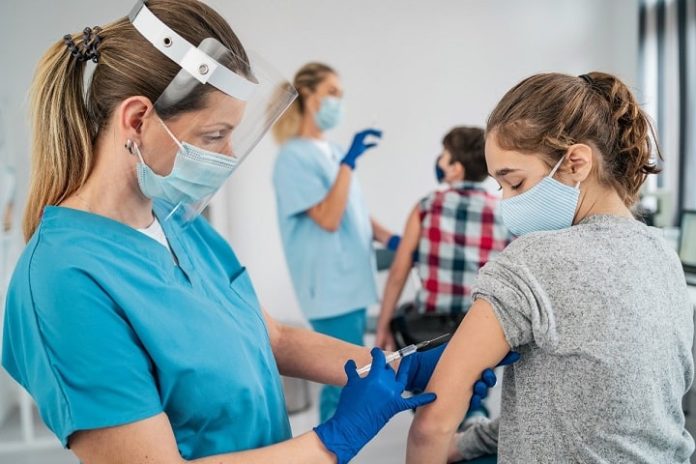
As the largest and most successful vaccination effort in health service history continues to the next phase, the NHS has begun inoculating children aged 5-11. Following updated JCVI guidelines, nearly five million children in this age range are entitled to two doses of the vaccine, which recommends that children can benefit from a non-urgent vaccine offer.

Hundreds of sites will be offering vaccinations, with more sites going online throughout the week since some schools have already broken for the Easter vacation. The bulk of immunizations for children aged 5 to 11 will be administered outside of school hours at community vaccination facilities or community pharmacies, and can be scheduled online or by phoning 119.

Vaccine walk-in clinics are also available around the UK, which families can discover on the NHS grab a jab portal. Children aged 5 to 11 who have medical issues that put them at a higher risk of COVID-19 or who live with someone who has a weaker immune system have already been vaccinated by NHS workers.

On April 2nd, the NHS National Booking System enabled families with children aged 5 to 11 to order a COVID vaccine for their kids, and 37,000 people have already done so. In forthcoming weeks, the NHS plans to send out invites to let parents and guardians learn that they can now arrange an appointment for a vaccine, and some individuals will be approached by their GP teams.

Since Margaret Keenan received the first immunisation outside of a clinical trial in Coventry in December 2020, the NHS in England has provided upwards of 119 million immunizations, along with more than 32 million boosters. NHS staff continue to work hard across the country to deliver the COVID vaccine to all eligible groups, and this gathering of 5 to 11s is the newest to actually receive theirs, helping protect against potential future waves of COVID, said Dr Nikki Kanani, GP and Deputy Lead for the NHS COVID-19 vaccination programme.

By offering things like games and therapy dogs, local immunisation sites are attempting to make it as easy as possible for families and a less frightening experience for children, and it’s amazing to see so many kids aged 5 to 11 already booked in.The vaccine is effective and safeโ€”her 10-year-old daughter will get hers this weekโ€”and she would recommend all parents study the literature and consider scheduling a vaccination for their child as soon as possible, added Kanani. 

The NHS has gone to great lengths to make vaccinations as painless as possible for children, including a therapy dog named Ruby in Nottingham who helps to calm nerves and a mini-toy town in the Black Country where children can go on a treasure hunt as well as play hopscotch, & snakes and ladders during their appointment. Longer appointment durations are also being offered on some sites so that families may discuss their options and ensure that meetings with youngsters are as strain-free as possible.

Parents and guardians are also advised to read the consent materials before making an appointment for their child, as they will be asked to grant consent for their child’s vaccination on the day of the visit. The JCVI has recommended that all children aged 5 to 11 receive two 10 microgram doses of the Pfizer-BioNTech COVID-19 vaccine called Comirnatyยฎ with an interval of at least 12 weeks between doses, which is a third of the strength given to all children over the age of 12. 

Once their kid has been vaccinated, parents will be handed a vaccination log card to keep in a safe location. The name of the vaccine, the batch number, and the date the jab is given are all stated on the vaccination record card.

US High School Students Mental State Suffered Amid COVID-19

US High School Students Mental State Suffered Amid COVID-19

According to survey results1 published on April 1st and even prior to that by the US Centers for Disease Control and Prevention, mental health concerns amongst high school students in the United States were intensified by the COVID-19 pandemic. Throughout the last decade, there has been a considerable increase in high school students expressing persistent feelings of despair or hopelessness, and also thinking or trying suicide, and findings from the latest CDC survey imply that youth mental health was considerably worse during the pandemic.

According to the CDC survey, more than a third (37%) of high school students across the United States had poor mental health at least almost all of the time during the COVID-19 pandemic. More than two-fifths of students (44%) reported feeling chronic despair or hopelessness, which led them to abandon some of their customary activities. One out of every five students has strongly contemplated suicide, and one out of every ten students has tried it.

As per the survey, poor mental health was quite common amongst lesbian, homosexual, and bisexual teens, as well as female high school students. At a media event, Kathleen Ethier, head of the CDC’s department of adolescent and school health, stated that youth are in crisis.

This and other data indicate that during the pandemic, youth and their familiesย were under a tremendous amount of stress. The data reveals faults and adds to the understanding of the severe disruptions that some young people experienced as a result of the pandemic. According to the CDC poll, students who indicated they felt close to their classmates or felt virtually connected were considerably less likely to report poor mental illness during the outbreak.

Students who identified as gay, lesbian, or bisexual have been less prone than heterosexual students to feeling a connection with others at school. More than a third of high school students said they had experienced prejudice before or during the pandemic, with almost two-thirds of Asian students and much more than half of black students expressing it. Those who reported having been treated unfairly or badly at school due to their ethnicity or race were also much less likely to feel linked to their peers and were more likely to have poor mental health and difficulties focusing, recalling, or making choices.

The CDC designated racism as a severe public health problem last year. COVID-19 has had a disproportionate impact on communities of colour, as per a statement2 by CDC Director Dr. Rochelle Walensky, however wider structural injustices throughout decades have resulted in significant racial and ethnic health inequalities that are serious, far-reaching, and unacceptable.

Around two-thirds of pupils claimed it had been more difficult to do their schoolwork since the outbreak began. More than half of pupils said a parent or other adult in their home had abused them emotionally, and a quarter said they were hungry. Both of these events were tied to difficulties in accomplishing schoolwork. CDC’s National Center for HIV, Viral Hepatitis, STD, & TB Prevention, Director,ย  Dr. Jonathan Mermin, ย said thatย mental health issuesย in youth are often connected with other behavioural risks such as narcotic use, experiencing violence, and greater risk sexual behaviors. And these issues can have long-term consequences well into adulthood.

In the first half of 2021, approximately a third of high school students indicated they had been using tobacco, alcohol, marijuana, or misused prescription opioids, and nearly one in three said they had been using these things more during the pandemic than previously. Mermin said one must do everything to assist academic institutions with their good policies as schools play such a vital safeguarding role in the lives of young people.

A representative sample group of over 8,000 high school students was surveyed by the CDC between January and June 2021. The COVID-19 Response Team at the CDC worked with specialists from the agency’s Division of Adolescent and School Health to adjust the Youth Risk Behavior Survey, which was developed with funds through the Coronavirus Aid, Relief, & Economic Security (CARES) Act.

References:

1 –ย ย  https://www.cdc.gov/mmwr/ind2022_su.html

2 – https://www.cdc.gov/media/releases/2021/s0408-racism-health.html

Normal
0

false
false
false

EN-IN
X-NONE
X-NONE

/* Style Definitions */
table.MsoNormalTable
{mso-style-name:”Table Normal”;
mso-tstyle-rowband-size:0;
mso-tstyle-colband-size:0;
mso-style-noshow:yes;
mso-style-priority:99;
mso-style-parent:””;
mso-padding-alt:0in 5.4pt 0in 5.4pt;
mso-para-margin-top:0in;
mso-para-margin-right:0in;
mso-para-margin-bottom:8.0pt;
mso-para-margin-left:0in;
line-height:107%;
mso-pagination:widow-orphan;
font-size:11.0pt;
font-family:”Calibri”,sans-serif;
mso-ascii-font-family:Calibri;
mso-ascii-theme-font:minor-latin;
mso-hansi-font-family:Calibri;
mso-hansi-theme-font:minor-latin;
mso-bidi-font-family:”Times New Roman”;
mso-bidi-theme-font:minor-bidi;
mso-ansi-language:EN-IN;}

Normal
0

false
false
false

EN-IN
X-NONE
X-NONE

/* Style Definitions */
table.MsoNormalTable
{mso-style-name:”Table Normal”;
mso-tstyle-rowband-size:0;
mso-tstyle-colband-size:0;
mso-style-noshow:yes;
mso-style-priority:99;
mso-style-parent:””;
mso-padding-alt:0in 5.4pt 0in 5.4pt;
mso-para-margin-top:0in;
mso-para-margin-right:0in;
mso-para-margin-bottom:8.0pt;
mso-para-margin-left:0in;
line-height:107%;
mso-pagination:widow-orphan;
font-size:11.0pt;
font-family:”Calibri”,sans-serif;
mso-ascii-font-family:Calibri;
mso-ascii-theme-font:minor-latin;
mso-hansi-font-family:Calibri;
mso-hansi-theme-font:minor-latin;
mso-bidi-font-family:”Times New Roman”;
mso-bidi-theme-font:minor-bidi;
mso-ansi-language:EN-IN;}

Healthy.io and Innovive Health Announce Groundbreaking New Partnership That Could Change the Future of Wound Care Management

Healthy.io, the global leader in transforming the smartphone camera into a medical device, and Innovive Health, a data-driven home health care agency serving complex behavioral health patients, announced a new partnership through which up to 700 Innovive nurses will use Healthy.io’s digital wound management service, Minuteful for Wound to enhance and extend patient care. The partnership illustrates how clinicians can use smartphone technology to track and treat chronic wounds like diabetic ulcers while enabling them to do their job more efficiently.

Innovive Health aims to revolutionize the treatment and care of chronic wounds in its vulnerable patient population by combining the company’s patient-centered, data-driven approach to home health care with Healthy.io’s smartphone-based service designed to enable healthcare providers to perform consistent and accurate wound measurement. Innovive Health’s ultimate goal is to improve continuity of care and allow clinicians to focus more of their time on patient care.

“We are thrilled about this partnership with Innovive Health,” said Healthy.io US General Manager Paula LeClair. “Innovive provides care to some of society’s most vulnerable and underserved communities, which aligns perfectly with Healthy.io’s mission. Together, we can change the way nurses use technology to monitor patients quickly and efficiently. COVID-19 brought to light the need for technology like our wound care product, which is key to helping nurses save precious time monitoring patients.”

“We’ve seen the ways Healthy.io has successfully changed wound care management and we are excited to partner with them to help our nurses accurately and consistently monitor chronic wounds. Any nurse can use this technology, which will result in more equitable patient care,” said Innovive Health’s CEO Joseph McDonough. “Innovive Health’s commitment to excellence coupled with Healthy.io’s vision-based medical technology can improve patient care for those suffering from particularly complex chronic wounds.”

Through this partnership, Innovive Health’s nurses use a smartphone to scan a wound before uploading the scan into a portal that allows them to assess whether the healing is proceeding properly. The AI-powered computer vision system analyzes wounds with optimal accuracy, automatically calibrating images for scale, lighting, dimensions, and 3D structure.

Healthy.io is confident this partnership will make it easier for nurses to manage wound care. Nurses using the Healthy.io wound management tool reported 85% faster documentation compared to standard methods and 67% reduction in their time for follow-up visits.

About Healthy.io

Healthy.io transforms the smartphone camera into a medical device to deliver healthcare at the speed of life. The company’s at-home urinalysis and digitized wound care services enable providers and healthcare systems to close gaps in access and care while increasing patient satisfaction. Healthy.io is a global leader in digital health and is a recipient of the CNBC 2020 Disruptor 50 Award, Fast Company’s World’s Most Innovative Companies 2020 Award, and the Financial Times 2020 Boldness in Business Award. The company is based in Tel Aviv and has offices in Boston and London.

About Innovive Health

As one of the leading home care health agencies in Massachusetts, Innovive Health has been delivering strong clinical outcomes for more than two decades and is transforming healthcare through an innovative model of patient-centered, data driven, full-service home care. Innovive Health provides high quality nursing, therapy and services to some of the region’s most vulnerable and underserved populations in the safety and comfort of their homes and communities. For more information, visit https://innovivehealth.com.

Intermountain Healthcare and SCL Health Complete Merger

Intermountain Healthcare and SCL Health Complete Merger

Intermountain Healthcare and SCL Health, two leading nonprofit healthcare organizations, have completed their merger, creating a model health system that provides high-quality, accessible, and affordable healthcare to more patients and communities in Utah, Idaho, Nevada, Colorado, Montana, Wyoming, and Kansas.

Intermountain Healthcare and SCL Health together create a model system to provide high-quality, affordable healthcare. This combination employs more than 59,000 caregivers, operates 33 hospitals (including one virtual hospital), and runs 385 clinics across seven states while providing health insurance to one million people in Utah and Idaho.

With the close of this merger, Intermountain Healthcare is the eleventh largest nonprofit health system in the United States.

Mike Leavitt will serve as the new Board Chair for the combined organization. In previous roles, he served in the Cabinet of President George W. Bush as Administrator of the Environmental Protection Agency and Secretary of Health and Human Services and as a three-time elected governor of Utah.

The Board includes representation from the pre-merger boards of both Intermountain Healthcare and SCL Health. The most recent Intermountain Healthcare Board Chair, Gail Miller, and most recent SCL Health Board Chair, Michael L. Fordyce, will continue as members of the combined board.

Fordyce will serve as Board Vice-Chair of the Intermountain Healthcare Board and as Board Chair of the Intermountain region board based in Broomfield, Colorado, and Miller will serve as Board Chair of the new region board based in Salt Lake City.

The new organization, named Intermountain Healthcare, is headquartered in Salt Lake City, with regional offices in Broomfield, Colorado, and Las Vegas, Nevada.

Intermountain Healthcare President and CEO Marc Harrison, MD, is confident about this united effort.

With this merger, we’ll create a model for the future of healthcare that focuses on keeping people healthy and proactively addresses causes of illness through high-quality, affordable, and accessible care to more patients,” Dr. Harrison said. “The merger provides a model for healthcare for the rest of the country.”

Dr. Harrison leads the new organization. Lydia Jumonville, as the Executive Sponsor, will lead the integration of the two systems and work in partnership with Dr. Harrison and serve as a member of the new Intermountain Board.

In addition to the newly integrated Board of Trustees, the enterprise leadership team has been selected from both systems as the dynamic integration process is now moving forward.

“We’re pleased with how our organizations have come together,” said Jumonville. “Our work is well underway, and we are being very thoughtful about moving the best of our systems forward to continue providing the highest quality of care in the communities we serve. We will advance our mission and better serve the entire region together.”

SCL Health’s Catholic hospitals retain their distinctive Catholic names and continue to operate according to existing practices.

MemorialCare Partners with TytoCare to Expand Telehealth Offerings with Remote Physical Examinations During Virtual Visits

MEDITECH Launches Expanse Virtual Assistant through Strategic Conversational AI Collaboration with Nuance

TytoCare, the global healthcare industryโ€™s first all-in-one modular device and examination solution for AI-powered, on-demand, remote medical exams, announced a partnership with MemorialCare, a leading, innovative nonprofit health system in Orange and Los Angeles Counties. MemorialCare is the only health system in the region to offer this capability to its patients. The partnership was announced at MemorialCareโ€™s Presidentsโ€™ Partnership event on Friday April 1, 2022.

The integration of the TytoCare solution into MemorialCareโ€™s current telehealth appointments enables physicians to provide patients with enhanced remote care with in-depth, physical examinations. Through the partnership with TytoCare, MemorialCare will expand its virtual care options, differentiating it from other local providers, while ensuring that telehealth remains a pillar of patient care. Beyond the COVID-19 pandemic, telehealth will remain a vital resource for patients and health systems as they increasingly adopt virtual primary care, enabling patients to stay on top of their health without the need for in-person visits. This is especially true for those with mobility issues.

โ€œMemorialCare is committed to finding ways to enable patients to manage their health through a personalized healthcare experience and ensure that no matter their circumstance, they have easy access to clinic-quality examinations from the comfort of home,โ€ said Barry Arbuckle, Ph.D., President and CEO of MemorialCare. โ€œTytoCare enables us to do just that.โ€

TytoCareโ€™s FDA-cleared handheld examination kit enables users to perform comprehensive physical exams of the heart, skin, ears, throat, abdomen, and lungs, and measure heart rate and body temperature, which are key for treating many acute and chronic conditions. This allows health care clinicians to gain the vital clinical data they require to monitor, diagnose, and treat patients remotely.

โ€œWeโ€™re excited to work with MemorialCare to offer comprehensive virtual care that’s intuitive and accessible for both patients and providers,โ€ said Dedi Gilad, CEO and Co-Founder of TytoCare. โ€œAs health systems look to permanently incorporate and expand their telehealth options in the post-pandemic landscape, theyโ€™ve come to realize that audio/video-only telehealth isnโ€™t enough to provide patients with the quality of care they demand. TytoCareโ€™s reimagining of triage and virtual primary care will allow patients to benefit from simple, efficient, and accurate exams from the comfort of home.โ€

MemorialCare is using TytoCare to enable patients to perform guided medical exams with MemorialCare providers remotely. Once they have a device, patients can access enhanced video visits 24/7 via MemorialCareโ€™s Virtual Urgent Care
. During a TytoCare appointment, providers can diagnose and treat conditions as well as provide a prescription, if needed. TytoCare exam data is sent via an encrypted, secure network and is stored on MemorialCareโ€™s HIPAA-compliant cloud. The visit is also downloaded into MemorialCareโ€™s electronic medical record system and integrates seamlessly with myChart, enabling flexibility and ease-of-use for both patients and providers. In the coming months, MemorialCare plans to expand its partnership with TytoCare to employer worksites with the TytoClinic solution, enabling employees to be assessed and treated on-site.

โ€œThe pandemic really brought to life how virtual equipment can be used,โ€ said Dr. Mark Schafer, CEO, MemorialCare Medical Foundation.ย  โ€œBy expanding our virtual care options, we support our patients in receiving secure, convenient, and quality care at home, at work, or on-the-go.โ€

TytoCare devices are available for purchase here via MemorialCare and the device is HSA and FSA eligible. MemorialCare patients, as well as non-patients, can purchase the devices and connect with MemorialCare providers.

Intel Invests $100K to Enhance Remote Patient Safety Monitoring

Biofourmis Selected by Vanderbilt University Medical Center for CAR T-Cell Therapy Study Utilizing Tech-Enabled Remote Patient Monitoring

Intermountain Healthcare will use the funds to expand remote patient safety monitoring aiming to reduce patient falls, decrease healthcare costs, and improve patient confidence.

Intermountain Healthcare has been awarded $100,000 by Intel to enhance remote patient safety monitoring throughout its facilities in Utah, the healthcare system announced.

The Intel grant will help fund the purchase of 70 new camera systems, supporting the Intermountain Patient Safety Monitoring (PSM) program.

โ€œAt Intermountain, we strive to offer the best possible care to our patients and caregivers,โ€ Andrew Davis, project lead for Patient Safety Monitoring at Intermountain Healthcare, said in the press release. โ€œWhile this pandemic has been taxing on both parties, it is gratifying that there are ways to help alleviate the burdens of the pandemic one way or another to these populations.โ€


โ€œWe are always strategizing and finding ways to improve safety, and this grant helps fulfill that,โ€ Davis added.

These additional camera systems will serve as a second set of eyes for Intermountain caregivers and will be placed in rooms where patients may be at risk for falling, pulling out an IV, or other safety concerns.

Caregivers can monitor patients remotely with these new capabilities and notify on-site clinicians of any necessary interventions. Through a built-in microphone, patients will be notified that assistance is on its way.

Similar remote monitoring programs have been effective in significantly reducing patient falls, increasing confidence among patients and families, and decreasing overall costs for patients and hospitals.

Aside from improving patient safety, the system will also enhance the safety of clinicians caring for patients during the ongoing COVID-19 pandemic.

The system will allow a single caregiver to monitor 12 patients at once. Remote patient monitoring reduces the risk for potential COVID-19 exposure by decreasing the number of patients clinicians have contact with.

In addition, the program frees up certified nursing assistance, which eases the burden staffing shortages place on both clinicians and patients.

The patient safety monitoring program also creates remote opportunities for caregivers unable to continue in-person work for reasons such as having a compromised immune system.

Remote patient monitoring gained popularity during the COVID-19 pandemic. In 2020, Yale New Haven Health System (YNHHS) partnered with Capsule to provide remote care to ventilated COVID-19 patients.

The technology streams live data from ventilators to deliver clinically actionable notification to respiratory therapists, pulmonologists, and intensivists, enhancing patient care.

Tips for Managing Fatigue While Undergoing Breast Cancer Treatment

Tips for Managing Fatigue While Undergoing Breast Cancer Treatment

Just in the US, over a quarter of a million breast cancer cases are diagnosed each year. And yet, each patientโ€™s journey towards recovery is different, made of unique challenges and milestones.ย 

Thanks to the advanced medical treatments available today, breast cancer survival rates are as high as 99%. But this does not take anything away from how hard and challenging the recovery journey might be. And, fatigue is likely to be your companion throughout your therapy.ย 

Here are some simple tips to make coping with it a little easier.

Work With a Specialist

According to studies conducted in 2020, up to 85% of cancer patients deal with cancer-related fatigue on a daily basis. While this is the most common side effect of cancer treatments and a widespread symptom of breast cancer itself, you should not attempt to treat it without the support of a specialist.ย 

Consulting an expert can help you understand how the different drugs interact with your body and which therapy can be fatigue-inducing.ย 

For example, some medications used to prevent nausea or pain contribute to fatigue. From adjusting dosages to changing drugs, a specialist can help you find the right treatment to manage the symptoms of cancer while reducing the side effects of your therapy plan.ย 

Adjust to Your New Pace – and Take Breaks

While fighting breast cancer, it is essential to put your body in the best conditions to support recovery. And, adjusting to your new pace is the first step to doing so.ย 

While you might be longing to return to your normal everyday life, it is important to be patient and listen to your body. While having a routine in place is essential, you should also learn to prioritize your tasks and plan ahead to avoid feeling overwhelmed. And, donโ€™t forget to plan for and take breaks during the day.ย 

Slowing down your pace and breaking down daily activities into smaller tasks can help you better manage your fatigue, thus ensuring that your energy will last throughout the day.ย 

Donโ€™t be afraid to ask for the help of your family, friends, and doctor for tasks that feel too difficult to handle.ย 

Keep Your Body Activeย 

While it might seem counterproductive at first, exercising during your breast cancer treatment can ease fatigue, boost your energy, and improve your mood. Indeed, according to recent studies, aerobic exercise, such as walking, jogging, cycling, and swimming, has been seen to reduce cancer-related fatigue, depression, and anxiety.ย 

While the goal is to practice around 150 minutes of moderate exercise a week, it is important to start slow, build up your routine over time, and work with your doctor. And, listen to your body – after all, not every day will be the same.ย 

Whatโ€™s more, new studies have shown that an exercise program followed after treatment can enhance the life of breast cancer survivors.

Offer Your Body the Rest and Sleep It Needs

Rest and sleep are essential for your body to fight inflammation, strengthen the immune system, and replenish your energy.ย 

While you might not be used to taking breaks during the day, you may consider planning your schedule so that you can take a short nap, rest for 30 minutes, or practice a 15-minute mindfulness meditation session.ย 

Even more importantly, focus on getting at least 7-8 hours of sleep per night. A robust bedtime routine can help you reset your circadian rhythm and establish correct sleep hygiene practices.

Work on Your Mental Wellbeing

A cancer diagnosis can take a toll on a patientโ€™s mental and emotional wellbeing. And, while cancer-related fatigue can worsen feelings of anxiety and depression, a mindset shift is a powerful tool to boost energy levels.ย 

That is why it is important to recognize that a diagnosis might be a life-changing experience and find the support of mental health professionals.

Additionally, according to studies conducted in 2021, mindfulness-based interventions – such as meditation and yoga programs – have been able to reduce feelings of fatigue in breast cancer patients.ย 

Draw Energy From a Balanced, Nutritious Diet

Food is the main source of energy for the body, and adopting a balanced and nutritious diet can make a difference in how a patient can cope with fatigue.ย 

While nutritional needs vary depending on the stage and severity of your cancer diagnosis, there are some general guidelines to adopt. These include avoiding caffeine and alcohol, drinking plenty of fluids, and focusing on unprocessed, nutrient-dense foods (i.e.: legumes, beans, fruits, and vegetables).

Additionally, the Physician Committee for Responsible Medicine suggests adopting a protective plant-based diet to promote breast health and fight cancer.ย 

Every Personโ€™s Journey is Unique – Donโ€™t Compare Yourself To Others

When dealing with a breast cancer diagnosis, patients might feel isolated and distressed, which can worsen existing feelings of fatigue. Learning about other patientsโ€™ stories can offer encouragement and support.ย 

But donโ€™t forget that each case is unique. So, you shouldnโ€™t compare yourself to others, but listen to what your body needs – in terms of exercise, food, and rest.


Translate ยป