Close
Digital Health & Ai Innovation summit 2026
Medical Taiwan 2026

Movia Robotics launches TheraPal digital health aide for neurodiverse individuals

Movia Robotics launches TheraPal digital health aide for neurodiverse individuals

Movia Robotics this week announced that it has launched its TheraPal line of digital health aides for autism spectrum disorder and other intellectual or developmental disabilities.

Bristol, Connecticut-based Movia Robotics released its TheraPal Progress Tracker, TheraPal Home and TheraPal Clinical assist aides for use in homes and clinician offices. The robotic aides are designed to be used by parents, therapists and other healthcare professionals for the development and learning of individuals with neurodevelopmental or intellectual challenges, according to the company.

Moviaโ€™s robot-assisted intervention is a friendly digital tool that uses applied behavior analysis and other evidence-based methods with gamification techniques to allow children and older individuals to practice a broad range of life skills and confidence-building activities.

The fully-configurable system has modules for cognitive training, communication training, practice and educational learning. It assists the individuals in understanding and practicing basic social skills like making eye contact, building confidence, engaging in conversation and other intellectual skills like reading comprehension, basic math and auditory processing learning. The robot-assisted intervention sends data to healthcare professionals who can adjust professional therapies as needed.

Movia Robotics said that its TheraPal product line assists neuro-diverse children with an individualized treatment plan. Its TheraPal Progress Tracker is a medical device dat5a system that is used as an assist tool for homecare individuals and clinicians.

โ€œWe are focused on showing how robotics can improve the lives of individuals with autism and other special needs, and the launch of our TheraPal is the first step in our commitment to FDA digital health certification,โ€ CEO Jean-Pierre Bolat said.

Movia Robotics launches TheraPal digital health aide for neurodiverse individuals

BioIntelliSense and Renown Health Announce Strategic Collaboration to Provide Continuous Medical Grade Patient Monitoring from In-Hospital to Home

MSU Health Care Taps Epion Health to Drive Digital Patient Access

BioIntelliSense, a continuous health monitoring and clinical intelligence company, has entered into a strategic collaboration with Renown Health, a not-for-profit integrated healthcare network of hospitals and care facilities serving over one million people in Nevada and northeast California, to provide more convenient, effective and personalized care to patients via continuous remote monitoring for both in-hospital patient care as well as at-home health management. This innovative program integrates BioIntelliSenseโ€™s FDA-cleared BioStickerโ„ข wearable device into Renown Healthโ€™s state-of-the-art clinical remote monitoring services to address todayโ€™s significant healthcare workforce shortage challenges and enhance their patient-centered model of care.

BioIntelliSenseโ€™s BioSticker continuously monitors data on a patientโ€™s skin temperature, resting heart rate and respiratory rate, step, gait, sleep, activity levels, and more, including infection-like symptom alerts that supports COVID-19 monitoring. The BioStickerโ€™s medical-grade trending and advanced analytics will be visualized and monitored by clinical staff within the Renown Transfer and Operations Center (RTOC).

The Renown Transfer and Operations Center is powered by Renown doctors, nurses, technicians and national technology partners, including BioIntelliSense, to help ensure seamless care for patients and providers. Through this highly coordinated care logistics system, Renown will be able to customize health care to the needs of every patient; delivering the right care, at the right time and place across the integrated delivery system. Renown clinicians will be able to access near real-time information on patientsโ€™ vital signs and symptoms, enabling them to identify adverse changes in health sooner and intervene earlier.

โ€œGiven the growing healthcare workforce crisis, routine patient monitoring has become more expensive and less frequent, especially during the ongoing public health emergency. With the BioSticker, vital signs monitoring can be provided for each patient far more frequently and at a fraction of the cost,โ€ said James Mault, MD, Founder and CEO of BioIntelliSense. โ€œOur strategic partnership with Renown Health serves as a gold standard demonstration project for other hospital systems. What we are learning from patients and providers at Renown will help create fully integrated, continuous care delivery that starts during the patientโ€™s hospitalization, enabling monitoring of their health status throughout their recovery process, and from the comfort of their own home after leaving the hospital.โ€

During the first phase of the collaboration and during this phase one implementation, the BioSticker will be applied to all patients admitted to Renownโ€™s community hospital, Renown South Meadows Medical Center in Reno, Nevada. Patients may wear the device throughout their hospital stay and continue to wear it when they leave for their homes, ambulatory, outpatient surgical, rehabilitation or skilled nursing settings.

โ€œWe are excited to continue to enhance our relationships with patients by integrating technology that supplements our care teams and provides patients with a virtual care solution that will continuously track vital signs, making healthcare more accessible, affordable and convenient,โ€ said Tony Slonim, MD, DPH, CEO, Renown Health. โ€œWe believe patients and their loved ones will have confidence in knowing that their Renown clinical team will be closely monitoring their health data and communicating with them regularly to deliver high quality, personalized care throughout their healing process.โ€

Initially, this collaboration will focus on understanding the logistics of patient monitoring in the hospital and at home or remote sites using the BioIntelliSense remote care technology. Renown Health will then work towards streamlining and operationalizing the clinical workflow, while scaling the program, to measure clinical improvement and the economic impact on patient care.

โ€œWe are entering a new era in continuous health monitoring, as innovative hospital systems like Renown Health are integrating remote care technologies that provide scalable, user friendly and cost-effective solutions for health screening, COVID symptom monitoring and remote patient monitoring,โ€ noted Mault. โ€œWe anticipate that within ten years, our wearable devices will become the standard of care for those not feeling well, giving people peace of mind that they or their loved ones are being monitored 24/7 by a supportive clinical team and have the security of knowing that if their condition worsens, we can elevate their level of care โ€“ immediately and in real-time.โ€

“We are excited to serve as the national training site for BioIntelliSense and continue to bring new technology that improves the patient and provider experience to colleagues. We will continue to develop a well-trained, inter-professional and flexible workforce with technology skills that match the current pace of health care innovation,โ€ added Slonim. โ€œOur team is excited to be improving health care access and affordability across the state, and especially with critical access hospitals serving rural communities. Remote patient monitoring technology offers great benefit to patients at or near their homes, and it may transform hospital care by expanding access to clinical expertise to patients, and extending and increasing workforce capacity for limited hospital physician, nursing and clinical teams. We are pleased to be working with Dr. Mault and the team at BioIntelliSense, on the demonstration project with the BioSticker for vital signs monitoring as we take another bold step in innovating health care for long-term success.โ€

About Renown Health
Renown Health is a locally governed, not-for-profit integrated healthcare network serving northern Nevada, Lake Tahoe and northeast California. Renown is one of the regionโ€™s largest private employers with a workforce of more than 7,000. It comprises three acute care hospitals, the regionโ€™s only childrenโ€™s hospital, a rehabilitation hospital, the areaโ€™s most comprehensive medical group and urgent care network, and the regionโ€™s largest not-for-profit insurance company, Hometown Health. Renown has a long tradition and commitment to improving the care and the health of our community.

About BioIntelliSense
BioIntelliSense is ushering in a new era of continuous health monitoring and clinical intelligence for Remote Patient Monitoring (RPM). Its medical-grade Data-as-a-Service (DaaS) platform seamlessly captures multiparameter vital signs, physiological biometrics and symptomatic events through an effortless patient experience. The FDA-cleared BioStickerโ„ข and medical grade BioButtonยฎ devices make remote monitoring and early detection simple. Through the platformโ€™s advanced analytics, clinicians will now have access to high-resolution patient trending and reporting to enable medical grade care from in the hospital to the home.


Philips receives FDA clearance for its most advanced acute patient monitors

Philips receives FDA clearance for its most advanced acute patient monitors

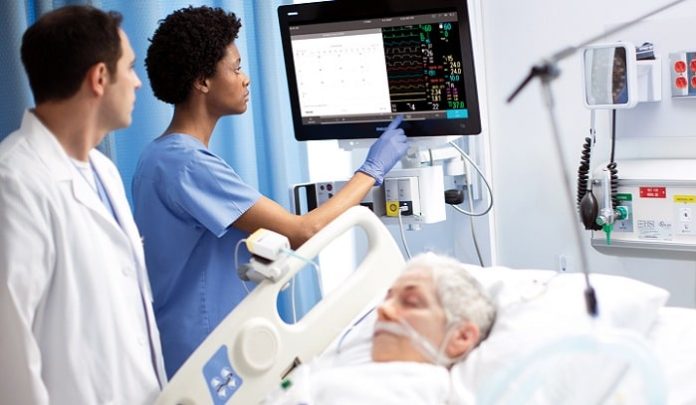
Royal Philips , a global leader in health technology, announced that its Philips Patient Monitors MX750 and MX850 have received 510(k) clearance from the U.S. Food and Drug Administration. Initially cleared for Emergency Use Authorization in 2020, the MX750 and MX850 are Philipsโ€™ most advanced patient monitors uniquely designed to support scalability, alarm management, cybersecurity and enhanced infection prevention within the hospital.

As health systems navigate the digital transformation, patient management solutions that can scale to meet hospital needs are in high demand. The MX750 and MX850 patient monitors are an integrated part of the companyโ€™s future-focused acute patient management solution, enabling hospitals to standardize at a system level and customize the solution in a particular care setting, even virtual or decentralized, to help optimize patient care. The monitors provide full modularity and are interoperable with other devices and applications, including Philips Patient Information Center iX and IntelliVue XDS software, to display critical patient data remotely or at the point of care.

โ€œContinuous patient monitoring plays a vital role in overall patient safety while providing clinicians and caregivers with the holistic view they need to best support their patients and manage their workload,โ€ said Sandra Lesenfants, General Manager, Hospital Patient Monitoring, Philips. โ€œPhilips Patient Monitors IntelliVue MX750 and MX850 are our most advanced patient monitors and a key part of our modular portfolio of hardware, software, services and consumables that can be tailored to provide integrated monitoring solutions that meet the individual needs of each healthcare provider.โ€

Data can also flow seamlessly between the MX750 and MX850 patient monitors and Philips Acute Care Telehealth command center to help to simplify clinical workflow with advanced clinical decision support, helping care teams better manage patient care across the continuum. The integrated system securely feeds patient data to a hospitalโ€™s electronic medical records via continuous, best in class, end-to-end encryption, meeting the industryโ€™s evolving cybersecurity needs. The approach allows for virtually gap-free patient records from admission to discharge, even during transport, and connects care from the ICU to general ward, and across care settings.

This FDA 510(k) clearance allows Philipsโ€™ customers to expand their acute care and monitoring capabilities in the USA with the same MX750 and MX850 technology that has proven successful in hospitals across Europe since receiving CE mark in 2019.

โ€œIn the ICU, conditions can change quickly, so having access to real-time data is important to ensure signs of deterioration are not missed,โ€ said Remko van den Akker, Registered Nurse, intensive care/critical care unit, Adrz Hospital, The Netherlands. โ€œPhilipsโ€™ solutions have helped us to improve the link between essential patient data and our hospital patient data management system, and allow us to automatically and securely share data. This level of interoperability has been key for successfully managing our acute care patients.โ€

Philips MX750 and MX850 patient monitors also feature a rugged design that can withstand the strongest hospital-grade disinfectants to help minimize hospital acquired infections without degrading the device. This helps caregivers to increase efficiency, while ensuring high quality patient care.

About Royal Philips

Royal Philips is a leading health technology company focused on improving people’s health and well-being, and enabling better outcomes across the health continuum โ€“ from healthy living and prevention, to diagnosis, treatment and home care.

Philips leverages advanced technology and deep clinical and consumer insights to deliver integrated solutions. Headquartered in the Netherlands, the company is a leader in diagnostic imaging, image-guided therapy, patient monitoring and health informatics, as well as in consumer health and home care. Philips generated 2020 sales of EUR 17.3 billion and employs approximately 78,000 employees with sales and services in more than 100 countries.

Interhealth to Expand American HealthTech Partnership in Additional Facilities

EHR Software

American HealthTech (AHT), a wholly owned subsidiary of CPSI and a leading provider of electronic health records (EHR) for the post-acute and senior living markets, announced that Interhealth has expanded its partnership with AHT. Interhealth previously selected the Software-as-a-Service (SaaS) licensing agreement for both the AHT EHR solution and the full Revenue Cycle Management (RCM) product suite offered through CPSI subsidiary, TruBridge.

As Interhealth expanded its portfolio of post-acute facilities from 11 to 13 locations in Oklahoma, they needed to decide whether to utilize the existing AHT solution, or retain the solution previously used by the newly acquired facilities. Given the strong partnership already in place with AHT, as well as access to ongoing product enhancements that could create a more efficient workflow, a decision was made to continue working with AHT. As a result, Interhealth will be adding AHT clinical, billing, and financial software solutions to its newest facilities, resulting in one integrated solution for all 13 Interhealth locations.

Tina Whitley, corporate biller for Interhealth, noted that having one system and database made good business sense, and the ongoing partnership with AHT and TruBridge has provided continuity of data and easier oversight, which improves efficiencies. โ€œWhile we do have an existing relationship with AHT, we chose the best system for our organization,โ€ said Whitley.

โ€œItโ€™s exciting to partner with an organization like Interhealth,โ€ said Boyd Douglas, president and chief executive officer of CPSI. โ€œWe look forward to helping them navigate the ever-changing post-acute regulatory environment while supporting their long-term plans for growth.โ€


Indian Immunologicals Ltd donates Oxygen Generation Plant to Telangana Institute of Medical Sciences (TIMS) and Research, Gachibowli

Indian Immunologicals Limited (IIL) – a leading vaccine manufacturer, donated a PSA Oxygen Generation Plant to the Telangana Institute of Medical Sciences (TIMS), Gachibowli for service to patients in need of Oxygen support.

IIL had facilitated the setup of an Oxygen Generation Plant at Telangana Institute of Medical Sciences (TIMS), Gachibowli. This Oxygen plant works on the principle of Pressure Swing Adsorption and enables efficient distribution of Oxygen for the needy patients. The plant is capable of suppling Oxygen to 70 patients at a time. IIL had taken up this initiative as part of their Corporate Social Responsibility (CSR) and executed it through Sambhav Foundation, an initiative of LabourNet, a Bangalore based Social Enterprise. The cost of the plant is Rs. 1 Crore.

Speaking on the occasion, Dr Vimala Thomas, Director, TIMS, had thanked IIL for this timely support. Dr Vimala Thomas had mentioned that with this installation, TIMS is significantly equipped to treat the patients in need of Oxygen support, specifically suffering from COVID related complications.

Dr. K Anand Kumar, Managing Director, IIL thanked TIMS for providing an opportunity to serve. He thanked the medical fraternity and the staff at TIMS for their tireless efforts in treating COVID patients. Dr. Priyabrata Pattnaik, Deputy Managing Director, IIL, also participated in the event.

About Indian Immunologicals Limited (IIL)

Indian Immunologicals Limited headquartered in Hyderabad, India is one of the largest producers of vaccines in Asia. IIL was setup by National Dairy Development Board (NDDB) in 1982. IIL has multiple GMP manufacturing sites and exports to over 50 countries. IIL has a strong R&D pipeline and has launched several animal and human vaccines in the Indian market at affordable prices. IIL specializes in the development of various types of vaccines ranging from inactivated and live viral vaccines, polysaccharide conjugate vaccines, recombinant subunit vaccines, toxoid vaccines, live bacterial vaccines. More details about the company can be viewed on www.indimmune.com.

About Telangana Institute of Medical Sciences (TIMS) and Research

Telangana Institute of Medical Sciences and Research, Hyderabad (Abbreviated TIMS) is a dedicated COVID-19 hospital in Telangana, India. It is later to be developed as a medical school and public hospital. The hospital came into existence with the issue of G.O.Ms.No. 22, Health, Medical and Family Welfare Department on 25 April 2020. In view of COVID-19 pandemic in India, it was decided by the Government of Telangana to establish a hospital in the Sports Hostel Building at G.M.C Balayogi Athletic Stadium, Gachibowli, Ranga Reddy District to provide health services.

___________________________________________________________________

The Radiology Evolution – Is The IT Infrastructure There Yet?

The Radiology Evolution- Is The IT Infrastructure There Yet

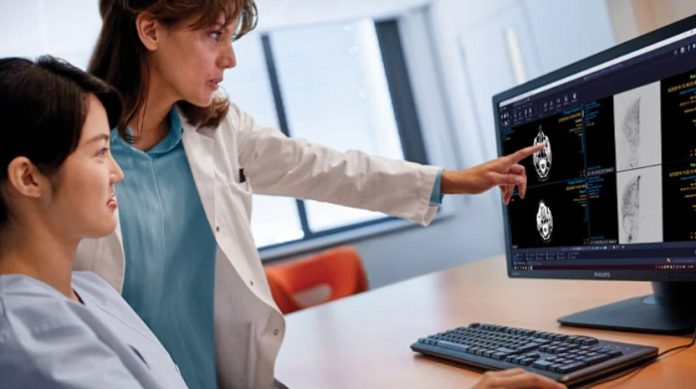
Proper and quick diagnosis is the need of the hour is such an understatement these days. At a time when the pandemic has crippled the world, a quick resurrection through apt medication is implied. Technology in healthcare has a lot to do with how effective things are turning out to be. Radiology is no different where impactful advances have been made to unearth some of the most interesting and important diagnoses that have gone on to help doctors and patients alike.

CIOโ€™s Not Letting The Guard Down

Amidst the unprecedented changes that are taking place in the radiology spectrum and the subsequent theories that are cropping up, it is important that the chief information officers in any healthcare setup ought to understand how Radiology is making inroads in a more detailed way after the wrath the pandemic has caused. Traditional technology is no longer the basis of finding out the reason/s for optimum levels of treatment, more so when we talk of Radiology as a tool for diagnosis. Besides the fact that radiologists and healthcare workers have been doing exceptional work when it comes to calling the shots in case of a right step towards a cure, it is important that the CIOโ€™s deploy the right technology at the right time and place by not only providing a proper medical infrastructure that concerns the software and computers but make sure that their business acumen provides enough support to gather data, maintain it and ensure the privacy of the highest standards. Brick and mortar isnโ€™t an option anymore as we are still apprehensive about the pandemic and how it is going to affect the foreseeable future. While the numbers have decreased dramatically, yet the radiology departments have a lot to look into as far as IT and its support is concerned. For CIOโ€™s, it is high time they develop versatile networks that not only look into interoperability but also adapt to the global environment so the radiologists work with utmost precision wherever they are.

COVID-19 has provided a reason to imply that the IT departments are no longer the behind-the-scenes response resources but are the face of the organization right from the word go. The pandemic has ensured that clinicians and patients are well versed with what is taking place in technology and how it is going to benefit them. It has to be a mutual understanding of how technology works and not just a CIOโ€™s initiative.

Multitude of Challenges

One of the most critical challenges that radiologists face in whichever part they are in is the increased patient volume. A lot of the handling however also depends on the expertise of the staff which accounts as the second most important concern. The third issue in the ranks that everyone faces in the radiology gamut is the staff stress due to an increased workload which has been consistently witnessed during the pandemic.

Although digitization continues to rise in the healthcare industry, there are still certain gaps that need to be addressed. The major roadblock which is quite apparent is a well-organized and reliable IT infrastructure followed by the cost which is involved in the digital transformation.

Adoption of Teleradiology – Is it the way forward?

The pandemic has compelled us to try out newer avenues. Teleradiology is one of them. In countries such as Singapore, Australia, and South Korea, Artificial Intelligence (AI) is considered a force when it comes to the change in the radiology game. AI is slowly but steadily ensuring that it will give a proactive base in diagnosing patients due to its systematic approach. Undoubtedly it will help track down severe cases and provide critical care in no time.

Read more in this study: โ€œPrecision Diagnosis: Radiologyโ€™s Evolution Towards a Digital Healthcare Futureโ€, which surveyed over 100 radiologists in Singapore, Australia and South Korea about their views and challenges in adopting greater digitization.

About the study

According to the survey conducted by Dynata on behalf of Philips across Singapore, South Korea, and Australia, there are a multitude of challenges that Radiologists are prone to at the workplace. Of the many concerns that they go through, high patient volumes, as well as high demands and variability in the staff expertise, stand at 33% and 15%, respectively. Challenges such as staff workload account for 14%, and lack of artificial intelligence (AI) in workplaces standing at 11% results in blockages. Another interesting facet of the challenge is the lack of first-time-right imaging diagnosis, which goes on to inflate the turnaround time.

The survey also puts light on several factors that are hindering technology adoption within the radiology gamut. One of the major roadblocks that concern this scenario is a reliable and well-organized IT environment which as per the survey is pegged at 56%. Besides, the cost of data integration at 47% and staff training and knowledge accounting for 34% are some of the major gaps which need to be addressed. One of the interesting inferences which came out of the survey was that 60% of the radiologists are of an opinion that their setups have turned into teleradiology due to the pandemic and thatโ€™s a whopping number considering that other reasons which are plenty, account for the rest 40%.

The survey further adds that Radiologists still face barriers to streaming workflows. One of the major reasons is lack of interoperability which accounts for 61%, followed by a close second in the form of lack of clinical and imaging expertise and inefficient setup workflows standing at 57% and 55%, respectively. What’s well noted is that the majority of the radiologist surveyed were of an opinion that Artificial Intelligence (AI) must be a part of their routine as it will help in transforming workflows. Having said that, the survey also suggests that AI continues to be hindered due to lack of integration in the clinical workflow suggested by 24% and around 22% feel that there is still a lack of expertise in this spectrum.

The survey opines that as the health care infrastructure continues to grow at a brisk pace, it is important that radiology continues to play a crucial role in its transformation. Healthcare leaders, without a shred of doubt, must ensure to engage as much as they can with radiologists to get a grasp of what they are missing.

Healthcare informatics โ€“ Illuminate a new path through the care continuum


Learn how Philips helps healthcare IT leaders bring to life their vision of precision care.
For more information,
Click Here

PharmAdva enhances Mayo Clinic’s Advanced Care at Home program by leveraging PharmAdva’s MedaCube medication management solution

PharmAdva enhances Mayo Clinic's Advanced Care at Home program by leveraging PharmAdva's MedaCube medication management solution

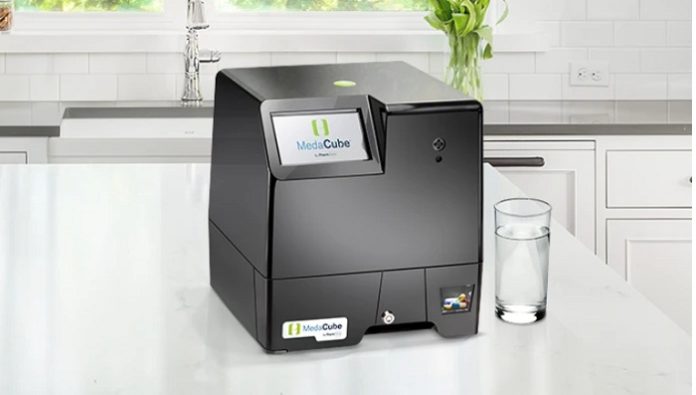
PharmAdva, the manufacturer of a comprehensive medication management and real-time data solution called the MedaCubeโ„ข, has announced a collaboration with Mayo Clinic to enhance their Advanced Care at Home program that offers hospital level care at home. The program is utilizing the MedaCube, an in-home medication management solution that meets the needs of patients with complex medical needs.

The MedaCube is a fully automated, bulk loaded, personal pill dispenser which safely stores, tracks, and dispenses, scheduled or as needed medications, to patients throughout the country. The collaboration will help Mayo Clinic Advanced Care at Home to add additional layers of control and better management of how and when medications are dispensed to the patient at home. It will also help reduce time waste, related cost, and increase overall patient satisfaction.

The MedaCube solution has several unique safety features to provide the care team with real-time data for every step of the medication use process, without having the need for staff to be physically present for every dose. The MedaCube safely stores medications for chronic diseases and acute illnesses (e.g. antibiotics, steroids), while allowing the care team to remotely monitor and manage the patient’s medications. The MedaCube provides access to real-time medication scheduling data, inventory, date/time stamps of every dose dispensed, and alerts the care team if a patient didn’t take their medications according to a prescribed schedule. Based on the aging population, limited hospital beds, along with independent living and assisted living facilities, a real need has developed to better manage individuals in their home setting, especially since the COVID-19 pandemic. Medication is a big piece of that puzzle to keep patients safe and healthy in their homes. For our sicker US population, loved ones and the patient’s care team must be able to access in-home medication management data in real-time, to react proactively.

Jonathan Sacks, PharmAdva’s Co-Founder and CEO says, “Collaborating with Mayo Clinic to truly improve healthcare delivery within their hospital at home model is transformative for our organization. We are thrilled with the Mayo Clinic pilot results and pleased to move MedaCube into their production program.”

Margaret Peinovich, a pharmacist at Mayo Clinic who led the pilot with MedaCube says: “The medication use process in the home hospital care model is the most complex we’ve experienced to date. Automation is a logical next step to improve the safety, quality, and efficiency of acute medication management in our patients’ homes. The collaboration with PharmAdva will be help us gain a better understanding of the potential for positive impact of automation with MedaCube in this space.” Based on the pilot results, Mayo Clinic has decided to put MedaCube units into production as their Advanced Care at Home program expands in 2022.

Earlier this year Mayo Clinic announced a strategic investment in Medically Home to improve access to serious or complex care at home. The successful evaluation of the MedaCube provides Mayo Clinic and Medically Home customers with real-time, remote management of patient medications for the acute population.

About PharmAdva
PharmAdva is the manufacturer of a comprehensive medication management and real-time data solution called the MedaCubeโ„ข, which was invented and patented at University of Rochester Medical Center in Rochester, NY. The MedaCube was designed to be inclusive of the care team and engineered to meet the needs of the complex patient population. Our device is aimed at helping individuals improve their health, stay independent, and age in place while helping healthcare organizations improve quality, outcomes, while reducing hospitalizations and cost. The MedaCube is a leading medication management solution with capacity, safety, and delivery to meet the standard of care to remotely manage patients throughout the US.


How to Minimize Your MRI Expenses in 2022 Thanks to Insurance

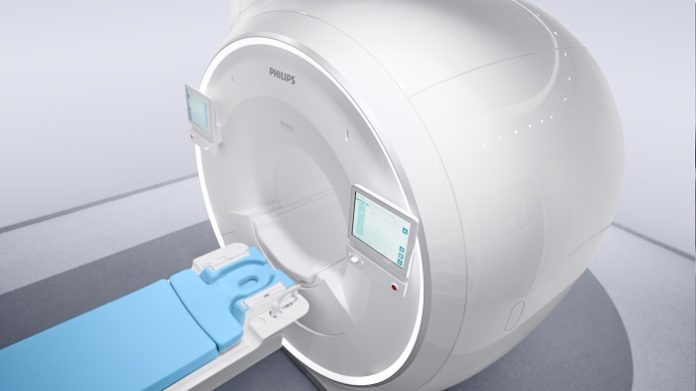
Philips and the Spanish CNIC collaborate on a new ultra-fast cardiac MRI protocol for research purposes with the aim of benefitting clinical practice in the future

MRIs can help doctors diagnose various diseases, but not everyone can afford them. Read this article to learn how to cut down the price of these tests in 2022.

An MRI test is a popular, accurate, and highly reliable medical scan. It’s painless, non-invasive, and doesn’t involve using harmful ionizing radiation. However, its main drawback is that it’s expensive โ€” but if you have Medicare, you won’t need to pay the full price of the procedure. From this article, you’ll get to know how much MRI costs with and without Medicare and what you can do to minimize your expenses.

How Much Will You Need to Pay for an MRI with or without Medicare?

The Medicare Part B medical insurance covers diagnostic non-laboratory tests. This is the category that MRI scans belong to.ย 

If you have the Original Medicare (Medicare Part A and Part B), it should cover 80% of an MRI’s cost. You should be ready to pay the remaining 20% from your own pocket. Your Medicare Part B deductible will also apply. If you have a Medigap policy or Medicare Advantage plan, you might need to pay less.

Please keep in mind that not all healthcare providers support Medicare. If you’re planning to use the services of a facility that fails to support Medicare, you’ll be required to pay the full sum from your pocket.

Now, let’s have a look at exact figures:

  • In 2019, the average price of an MRI was $2,611.
  • In 2021, clients with Original Medicare had to pay $61 for a brain MRI in a hospital outpatient setting and $99 in an ambulatory surgery center. This price included both facility and doctor fees.
  • The cost of the test might vary depending on the state. For instance, it might cost $4,000 in Alaska and $1,000 in Washington.
  • In 2022, the deductible part of Medicare Part B will be $233.

Typically, it’s not enough to have only an MRI scan. You’ll need to pay the doctors who will treat the condition that the MRI detects.

In Which Circumstances Will Medicare Cover an MRI?

Medicare won’t cover just any MRI that you might want to have. You’ll need to meet the following conditions:

  • A medical professional who accepts Medicare ordered you to have an MRI.
  • You need this test to determine the treatment for a medical condition.
  • You’ll have an MRI in a hospital, ambulatory center, or another facility that accepts Medicare.

If you can pay the total price of the test from your own pocket, you don’t need to meet any criteria.

Why Might You Need an MRI?

This technology enables medical professionals to diagnose the following health conditions and monitor their progress:

  • Tumors, cysts, or other abnormalities
  • Liver diseases
  • Joint injuries or abnormalities
  • Heart conditions
  • Breast cancer in women at high risk
  • Brain or spinal cord anomalies
  • Abdominal organ abnormalities or diseases

MRIs use electromagnet and radio waves to create a cross-sectional image of what’s going on inside your organism. The scanner will send the information to the computer, and a detailed picture will be compiled for your doctor to analyze. Unlike CT scans or X-rays, MRIs don’t involve harmful ionizing radiation.

Alternatives to MRI That You Might Consider

If your insurance fails to cover MRI and you’re not sure whether you could afford this procedure, you might want to consider the following alternatives:

  • CT scans. This technology relies on X-rays and enables the medical professional to assess the state of nearly any part of your body. With the help of a CT scan, doctors can diagnose a wide range of health issues: from tumor to bone fracture, from heart disease to cancer.
  • Electrocardiograms. During this test, your heart will start to squeeze and pump blood after receiving a small electrical impulse. The medical professional will measure the electrical activity of your heartbeats to detect whether you might have a fast, slow or irregular heartbeat or other heart problems.
  • X-rays. This method is also known as radiography. Your body is exposed to a tiny amount of radiation that helps to create photographic images of your internal bones, organs, and other tissue. This approach enables doctors to detect breast cancer, pneumonia, and bone fractures.
  • PET scans. This acronym stands for positron emission tomography. Before the scan begins, you’ll be required to swallow or inhale a radioactive drug called tracer. Alternatively, the doctor might inject this substance into your vein. The tracer will collect in areas of your body with higher levels of chemical activity, and they will show up as bright spots on the scan. This type of test comes in handy for patients with cancer, heart problems, and brain disorders.

CT scans might be rather costly, but the prices for all the other services should be much more affordable. Just as in the case of an MRI, you’ll need to pay only 20% of the full price if you have Medicare and have the tests in a facility that supports this type of insurance. The Medicare Part B deductible also applies.

Final Thoughts

Hopefully, this article was informative, and now you better understand the difference between the MRI cost with and without insurance. If you have Medicare and have the test in a healthcare facility that supports this type of insurance, you’ll need to pay only 20% of the total price. If you lack Medicare or opt for a facility that fails to support it, you might need to pay at least $1,000 for an MRI. You might also consider alternatives to MRI to cut down expenses, such as electrocardiograms or X-rays.

Workforce To Remain A Dominant Point of Contention in 2022

It is no news for our caregivers when they see a television channel or flip a newspaper and get to run across a story completely based on how burned out and stressed they are. The American Hospital Association has given it all, just like many of the warriors out there, to float message loud and clear, that as we all move into the third year of COVID-19, facing a surge in the caseload tagged with staffing shortages, the undue pressure on the health workers cannot continue to go on. The fact is that the workforce challenge that we are currently witnessing is as big as an emergency for the nation, which by the way, requires to be looked into.

Talk about the hospitals, and they are doing it all to ensure that adequate steps which are proactive are taken to help and also retain a workforce that is skilled and invaluable. To cite an example, the Mary Washington in Virginia, has partnered along with one of the community college locally, taking into account a model on clinical education which will allow the nurses who are studying to assist the current workforce, thereby looking into the pivotal demand of more nurses that need to step in.

Hospitals and health systems know this all too well, and they are taking proactive steps to assist and retain their skilled, invaluable workforce. For instance, Geisinger in Pennsylvania gives out $40000 in the form of financial support per annum to around 175 workers who are looking to start a career in nursing and thereby committing for five-years to work as inpatient nurses. In Maine, on the other hand, one of the hospital looks for support in terms of finance from the communicated based locally to cover the cost to train nurses of the future through various programs.

There are also steps taken at a federal level to build a robust future pipeline, which can help in checking the workforce shortage to a significant extent. A week ago, success was seen when the administration expedited visas for more trained healthcare personnel who are in the position to contribute to filling the gaps of workforce shortages.

The AHA, among other elements concerning this, shall-

  • Keep working with Congress, as well as the current government, for expansion of residences that are medicare funded for physicians and enhance support for faculties and nursing schools.
  • Look for a quick enactment that concerns the related act.
  • Work with other state hospitals and associations to expand the practice law scope that will allow healthcare workers to practice their licenses as well and at the same time work towards halting insurers’ burdensome practices.

Although none of the above actions furnish an immediate solution, at least there is a way to restore the capacity of the workforce and take some burden off the shoulders of the front line force, which is in the grind every day.

5 Ways CBD is Promoting Health

5 Ways CBD is Promoting Health

CBD is one of the most popular substances on the market today. It can be found in forms of tinctures, oils, edibles, and more, and brands like Smoke Cartel seen here make it easy on people who want to use CBD by offering a wide range of consumer devices and products. What makes this substance so appealing? There are many reasons why people love CBD products but some of the top reasons are that it’s non-addictive with no side effects like THC (which can make you high) or opioids (which can lead to addiction). You don’t have to worry about getting addicted to CBD because there is no intoxicating effect, meaning it won’t get you high.

CBD has also risen in popularity because it is promoting health, and has many benefits such as managing addiction, preventing seizures, alleviating pain, improving anxiety and depression, and more. If you’d like to learn about the various ways that CBD is promoting health, here are a few.

Reduces Depression and Anxiety

One of the main ways that CBD is being used to promote health is by improving depression and anxiety. There are many forms of depression, such as situational depression, psychotic depression, persistent depressive disorder, seasonal affective disorder, and more. Major depression affects around 3.8% of the global population and is thought to be lifelong. Anxiety is another common mental health condition from which around 4% of the global population suffers.

Researchers have looked into the effects of CBD on anxiety and depression. The results show that CBD is effective at improving the symptoms of anxiety and depression, and is thought to do so because of the way it interacts and regulates serotonin in the brain.

Alleviate Pain

Another reason CBD has become so popular is because of its ability to alleviate pain. There are many different types of pain, such as nociceptive pain, chronic pain, neuropathic pain, acute pain, and radicular pain. While CBD is effective at treating various types of pain, the most difficult type of pain to treat is neuropathic pain, which CBD shows promise in alleviating.

The main reason CBD is effective at alleviating pain is that it has anti-inflammatory properties. It also becomes a popular choice because it isnโ€™t addictive like other pain medications such as opioids or OPMS kratom, and does not have very harmful side effects.

Manage Addiction

One of the more interesting uses of CBD, and one way that it is promoting health, is by helping to manage addiction. Quite a large percentage of the world suffers from drug use disorders, specifically around 35 million people. One of the most challenging aspects of overcoming a drug use disorder is the fact that there isn’t just a medication that you can take in order to cure your addiction.

This is why the research into CBD for managing addictions has been quite promising for researchers and those affected by drug use disorder alike. CBD is thought to be effective at managing addiction since it helps with drug-seeking behaviors as well as helping to ease the withdrawal symptoms that are experienced.

Prevent Seizures

Many people aren’t yet aware, but CBD has shown its effectiveness at preventing seizures. It must be said that CBD does not prevent all seizures, only the seizures experienced from Lennox-Gastaut syndrome and Dravet syndrome; two very rare forms of epilepsy.

It is thought that CBD is effective at preventing seizures, or at least reducing the frequency of them, by acting as a regulator. It’s important to note that prescription CBD reduced seizures by 39%, whereas commercial CB increased seizures by 70%. This means that you should always speak to your doctor before consuming any new medication or product.

Alleviate the Symptoms of ALS

ALS, or otherwise known as Lou Gehrig’s disease or amyotrophic lateral sclerosis, is a nervous system disease that essentially reduces the functionality of muscles, and affects one in 50,000 people per year. While amyotrophic lateral sclerosis is incurable, CBD has shown promise in helping to alleviate the effects it has.

Research has shown that when participants consumed CBD, as well as THC, stiffness and muscle tightness were reduced. Participants who suffered from severe muscle tightness and stiffness experienced even more relief. When it comes to consuming CBD and THC, you should always use a dispensary that can accurately give you the correct doses.

Translate ยป