Close
Digital Health & Ai Innovation summit 2026
Medical Taiwan 2026

How CBD can help with mental health

How CBD can help with mental health

Many people suffer from mental health issues such as depression and anxiety. Some turn to prescription drugs, while others seek relief in yoga or meditation. A new trend is emerging that has shown great promise for these disorders: CBD oil. While there are not enough studies done on the topic, those who have used it say it can be a powerful tool for managing their symptoms and improving their quality of life without the risks associated with prescription medication. Here is how CBD can help you maintain your mental health.

The Basics

Cannabidiol, also most commonly known as CBD, is a compound found in the marijuana plant and is the second most active next to THC. There is a misconception that CBD and THC produce the same effects. This is almost true, save for the fact that CBD is not intoxicating whereas THC is – both, however, are psychoactive, just not in the same way.

In terms of how THC can produce an intoxicating effect, this lies in the fact that it has a very similar chemical composition to anandamide, a natural cannabinoid in the human body that binds to CB1 receptors. Because it is so similar. This allows THC to bind to CB1 receptors, and in doing so, restricts the amount of GABA (gamma-aminobutyric acid) that inhibits dopamine release. CB1 receptors also regulate pain, coordination, appetite, and a variety of other functions.

In contrast, CBD doesn’t bind so tightly to CB1 receptors. This actually allows CBD to be more like a modulator, which in turn increases the number of CB receptors and as a result the natural levels of anandamide in the brain, resulting in pain tolerance and mood elevation without the intoxicating effects.

How to use CBD for mental health

When it comes to consuming CBD for your mental health, you’ll need to carefully consider why you are consuming CBD, since the consumption method is very important. There are a variety of different CBD consumption methods, such as vaporizers, dry herb vaporizers, edibles, tinctures, oral sprays, topicals and a lot of these are available at online head shops like Grasscity. Each consumption method has different onset times and duration of effects.

CBD has shown promise in helping people with insomnia to fall asleep. If that is why you are using CBD, for example, then you might want to use a vaporizer since this will allow you to fall asleep relatively quickly as the onset time is between 5 to 10 minutes and lasts around 2 hours. If you have trouble staying asleep then edibles would be your best bet, since they have a duration of between 6 to 8 hours.

If you are needing to consume high concentrations of CBD, then a dab rig might be best for you. If you have anxiety, then you can also consider using a transdermal patch, since this will deliver high concentrations of CBD to your system throughout the day instead of in one large dose.

How your mental health can benefit from CBD

One of the reasons why CBD has risen in popularity is because it seems to have a positive effect on your mental health. Naturally, this has started a lot of research into this topic to see if there are any medical applications of CBD. Two of the most common mental health conditions that CBD has shown promise at treating are anxiety and depression.

More research will need to be done into this topic; however, current research indicates that CBD is effective at reducing anxiety in individuals. One trial had volunteers participate in public speaking. The results of this trial showed that participants who consumed around 300 milligrams of CBD before speaking showed decreased levels of anxiety whilst speaking. Furthermore, research showed that people with social anxiety disorder who consumed 600 milligrams of CBD showed decreased levels of anxiety.

When it comes to treating depression, CBD has shown a lot of promise. Current research indicates that CBD has the potential to work as an antidepressant. This is most likely linked to its ability to interact with serotonin receptors in the brain and affect the way your brain responds to serotonin. CBD has also been shown to have fewer side effects than traditional antidepressant medication.

Auckland District Health Board and InterSystems partner for cloud-based Patient Administration System

Auckland District Health Board and InterSystems partner for cloud-based Patient Administration System

Auckland District Health Board and InterSystems Corporation announced a strategic partnership to deliver a modern, extensible and fit-for-purpose Patient Administration System.

The InterSystems TrakCareยฎ solution will streamline business processes and workflows, replacing three patient management systems.

The TrakCare Patient Administration System will enable proactive communication with care providers across the region and in the community. It will also deliver a better patient and wh?nau experience through new capabilities such as customer centric appointment bookings.

The staff using the system will benefit from a modern, easy to use interface, more efficient workflows and secure access from their mobile devices.

Implementation of the cloud-based system will commence in January 2022. It will serve multiple facilities across Auckland โ€“ including Auckland City Hospital, Starship Childrenโ€™s Hospital and community organisations โ€“ supporting around 145,000 inpatient and one million outpatient visits per year.

TrakCareโ€™s comprehensive capabilities also allow it to be extended to meet Auckland DHBโ€™s longer-term goals. This includes rationalising the number of applications required to meet its functional requirements, and integrating with a new, common identity and access management platform and data services integration layer to provide improved data sharing with other health providers.

โ€œAfter extensive market research and a robust tender process we have chosen InterSystems as a strategic partner because its system best suits the needs of our patients, wh?nau and clinical teams, and aligns to Auckland DHBโ€™s Te Tiriti o Waitangi and Tikanga strategies,โ€ said Shayne Tong, Auckland DHBโ€™s Chief Digital Officer.

โ€œInterSystems is delighted to be working in partnership with Auckland District Health Board,โ€ said Darren Jones, Country Manager, Australia and New Zealand for InterSystems. โ€œTogether, we can deliver long-lasting and meaningful improvements through the adoption of an innovative system โ€“ with a proven track record at six New Zealand hospitals โ€“ to support the health and wellbeing of the people of T?maki Makaurau.โ€

About Auckland DHB

Auckland District Health Board (DHB) provides and funds public health services to the 511,000 people living in central Auckland, as well as regional services for Northland and Greater Auckland and specialist national services for the whole of New Zealand.
We have more than one million patient contacts per year. We operate Auckland City Hospital, Starship Childrenโ€™s Hospital, Greenlane Clinical Centre and several community-based services and fund healthcare services delivered by GPs, midwives, dental care, pharmacies, aged care residential homes, screening programmes and other NGOs.
We are a major teaching institution, providing training for more than 1000 future doctors, nurses, midwifes and other health professionals every year.

Our primary role is to support our local population to achieve the outcomes they want for themselves, their wh?nau and their community, and to ensure they have access to high quality and safe healthcare. Our approach is patient-centred healthcare, which means the needs of our patients are at the heart of everything we do. We want our community to live well, stay well and get well.

About InterSystems

Established in 1978, InterSystems provides innovative data solutions for organisations with critical information needs in the healthcare, finance and logistics sectors, and beyond. Our cloud-first data platforms solve interoperability, speed and scalability problems for organisations around the globe. InterSystems also develops and supports data management in hospitals through the worldโ€™s most proven electronic medical record, as well as unified care records for health systems and governments through a powerful suite of healthcare data integration solutions. The company is committed to excellence through its award-winning, 24ร—7 support for customers and partners in more than 80 countries. Privately held and headquartered in Cambridge, Massachusetts, InterSystems has 25 offices worldwide.

How To Choose The Right Medical Claim Scrubbing Software

How To Choose The Right Medical Claim Scrubbing Software

Medical claims have to be processed at a certain speed in order for all the parties involved to save both money and time. When I mentioned all the parties involved, I had the healthcare provider, the insurer and the patient in mind. If the claim doesnโ€™t go through the first time, all of these parties will be harmed in one way or another.

What if I told you, though, that there was a way for you to ensure that the claim will go through the first time โ€“ every time? Hereโ€™s what I am aiming at. As you might have heard already, medical claim software prevents denials to boost revenue, meaning that you can start using one of those software pieces in order for the entire billing process to run smoothly and efficiently.

There is no doubt in my mind that you have heard about these software pieces by now. Plus, given the fact that youโ€™re here, itโ€™s safe to say that youโ€™ve actually decided to use one of those programs to your advantage. Well, that is undeniably a great decision.

Those programs are called medical claim scrubbers and they are designed to determine if the claim will go through the first time or not. That allows you to make some changes, if necessary, in time, which will lead to the claim being accepted immediately. I suppose you can understand the value of these software pieces right away.

There is, however, one question left. How will you actually choose the right medical claim scrubbing software for you? That is a tricky question, as there definitely are a lot of them out there. Yet, this does most certainly not mean that you wonโ€™t be able to make your choice. It simply means that youโ€™ll need to learn more about these programs in general, as well as get a bit more specific about it all, with the aim of making the right choice.

In other words, youโ€™ll need to do your research before getting any of these scrubbers. If this is your first time searching for software like this, then you are probably a bit confused about how to actually do the necessary research. Well, I get that, which is why Iโ€™ve decided to help you along the way with a few useful tips that you could use in the searching process, as well as in the choosing process.

Talk To Other Professionals

Perhaps you should start your research by talking to other professionals in this industry and letting them give their recommendations about these software pieces. Of course, the key is in talking to those pros that have already used these programs. They will certainly be ready to give you the suggestions you need in order to get a better idea about which programs to get.

Search The Web

Now, it goes without saying that you shouldnโ€™t stop your research after getting those recommendations Iโ€™ve mentioned above. While those people will certainly do their best to provide you with some great suggestions, the simple truth is that they cannot be familiar with all the software pieces that exist on the market nowadays. What does this mean for you, though?

Well, in short, it means that you should also search for these through the World Wide Web. There is no doubt that the Internet will give you some rather useful information and suggestions. So, type in the right words and have a look at the results.

If youโ€™re not sure what the benefits of these scrubbers are, this will help you understand: https://t2conline.com/5-benefits-of-a-clinical-claim-scrubber-facts-you-didnt-know-about-until-now/

Check Out The Features

Once you have a few products in mind, it will be time for you to check out their specific features. While most of them will work on the same principle, donโ€™t be surprised to find out that their features differ. So, compare those and thus get a better idea on which features you would want your claim scrubbing software to have.

Research The Providers

You should keep in mind that the actual providers play a crucial role in the quality of these programs. This just means that you should spend some time researching the providers as well. Check their reputation, among other thing, so as to be sure that you are getting the software from a trustworthy provider.

How New Technologies Are Shaping the Healthcare Industry

How New Technologies Are Shaping the Healthcare Industry

The COVID-19 pandemic ushered in a monumental healthcare crisis. Hospitals were overwhelmed with a surge in the number of patients requiring admission. On top of that, healthcare organizations had to grapple with staff shortages. Then there was the struggle of identifying disease trends and high-risk groups.

The good news is that the healthcare industry swiftly responded by adopting new technologies to overcome these challenges. While tech innovations have always played a crucial role in healthcare, they have now become indispensable to the industry.

From artificial intelligence (AI) and machine learning (ML) to augmented reality (AR) and 3D printing – a plethora of cutting-edge technologies are modernizing the healthcare industry and shaping its future.

These technologies can be used to improve the quality of patient care, identify effective treatments for rare diseases and skyrocket the efficiency of healthcare workers.

This article will take a closer look at a few new-age tech innovations and their impact on healthcare.

Digital Transformation of Healthcare: A Quick Overview

The use of technology in healthcare isnโ€™t a new phenomenon. Technological advancement has facilitated the development of new surgical techniques, diagnostic tools and treatment protocols. Also, it has helped healthcare organizations minimize expenses by automating various routine tasks.

But the modern era of healthcare isnโ€™t going to be restricted to robots performing surgeries and virtual assistants staffing the front desk. It will be all about utilizing digital technologies to optimize various processes and uplift patient experience.

That is the reason many healthcare organizations are already actively investing in digital transformation. According to a recent survey by Deloitte, 60% of respondents believe that their healthcare organizations are already midway through the digital transformation journey.

So, what are the tech innovations influencing the future of healthcare? Let us find out.

AI-Analyzed Crowdsourcing

The concept of crowdsourcing isnโ€™t new in the medical world. Physicians and surgeons have often utilized the technique to diagnose and treat rare ailments. Also, it can be used to identify useful alternative therapies for chronic diseases.

The only catch with crowdsourcing is that it overwhelms medical professionals with a cornucopia of data. Understanding the data to draw meaningful conclusions is a difficult task. It makes the process error-prone and inefficient.

That is where AI steps into the picture. AI-analyzed crowdsourcing platforms like StuffThatWorks deploy powerful algorithms to make sense of crowdsourced medical data. StuffThatWorks gathers data in the form of member reports submitted by patients with various illnesses. StuffThatWorks is proving to be the largest crowdsourced knowledge-base on chronic illnesses today.

The AI algorithm analyzes and interprets the data to identify the most indicative symptoms of a particular disorder. Similarly, the algorithm ranks different treatment methods according to effectiveness and prevalence.

Such platforms can go a long way to empower patients with accurate and reliable information about their health. While it isnโ€™t a substitute for licensed medical professionals, AI-analyzed crowdsourcing can be instrumental in making quality healthcare accessible to patients in rural and remote areas.

Also, it could help patients understand how they can manage chronic ailments better with lifestyle changes and alternative therapies. That kind of information also comes in handy for medical professionals.

While AI has a diverse array of applications in the medical world, its integration with crowdsourcing is a game-changer.

Augmented Reality (AR) and Virtual Reality (VR)

Both AR and VR have been instrumental in modernizing various industries, including manufacturing and construction. The healthcare industry has also realized the benefits of using these technologies. They can be used to improve patient experience, facilitate treatment and train medical professionals.

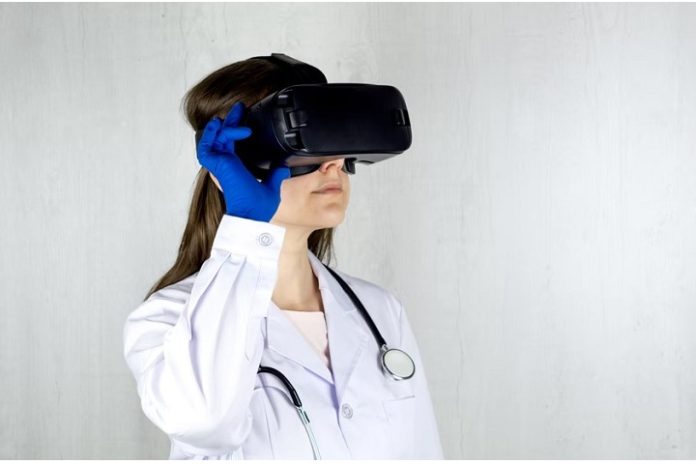
For instance, VR headsets can be used to give patients an overview of critical surgeries. It could go a long way to alleviate a patientโ€™s fear and anxiety before undergoing a surgical procedure.

Similarly, these devices can help mental health patients relax and get a grip on their emotions. They can even be used to help female patients deal with labor pain by visualizing calming landscapes.

Also, VR headsets come in handy for pain management. They can be used to take a patientโ€™s mind away from painful stimuli. That makes them crucial for rehabilitating patients after surgeries and accidents.

Moreover, AR and VR-based software applications can be used to train surgeons. Also, they can be used to help surgeons practice complex surgeries before heading to the operating room. Itโ€™s crucial considering that VR-trained surgeons perform 230% better than those trained using conventional techniques.

AR and VR-powered training also improve the accuracy and speed of surgical procedures.

Additionally, these technologies can be used to familiarize future medical professionals with various equipment and tools. For instance, AR-based solutions were used to virtually train hospital staff and physicians to work with ventilators.ย 

Similarly, AR-powered tech innovations, such as Microsoft HoloLens, are being used to educate medical students about the fine details of human anatomy without the need for actual cadavers.

As these technologies evolve, theyโ€™ll continue to skyrocket the efficiency and accuracy of future medical professionals.

3D Printing

3D printing is revolutionizing various aspects of healthcare – from building prosthetics to developing new drugs. Today, it is even possible to create artificial bio tissues and blood vessels using 3D printers. The technology will be instrumental in making healthcare more accessible and affordable to patients from all classes.

Big Data Analytics

The integration of digital technologies into healthcare has resulted in the emergence of a broad spectrum of data about patients. Data analytics tools play a key role in helping healthcare organizations make sense of the vast amounts of data.

These tools were instrumental in helping healthcare workers predict COVID-19 outbreaks in specific locations. Also, they helped identify patients who were more likely to require hospitalization due to the novel coronavirus. Similarly, these tools can be used to prioritize certain groups during COVID-19 vaccination drives.

Final Takeaway

While the digital transformation of healthcare had already been underway, the COVID-19 pandemic accelerated the process. Organizations are actively investing in various tech innovations, such as VR headsets and AI algorithms, to cut costs, maximize efficiency, and provide quality patient care.

Technologies, such as AI-analyzed crowdsourcing, can go a long way to make healthcare accessible to more patients. Similarly, 3D printing can reduce the cost of developing prosthetic limbs and artificial blood vessels.

Healthcare workers must stay informed of the latest technological advancements and understand their impact on the medical industry.

First-in-Human Use of Investigational NRP-DCD Method Using Paragonix SherpaPak by University of Nebraska Medical Center

First-in-Human Use of Investigational NRP-DCD Method Using Paragonix SherpaPak by University of Nebraska Medical Center

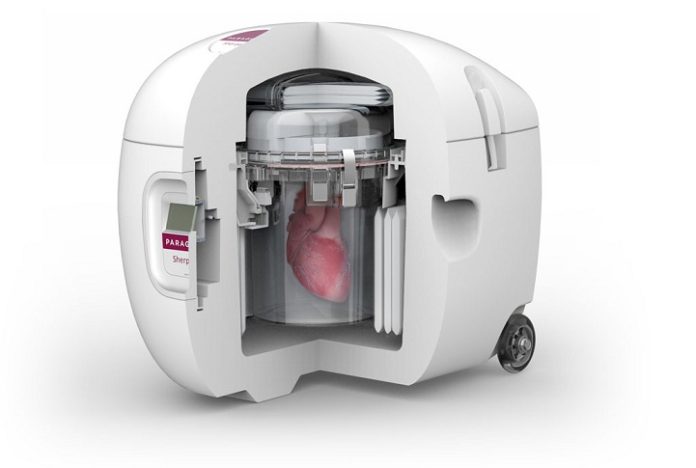
Paragonix Technologies, the leading hypothermic donor organ preservation provider, announced the first-in-human clinical use of the investigational NRP-DCD Method by the University of Nebraska Medical Center to recover a donor heart and transport it utilizing the Paragonix SherpaPakยฎ System. This novel method to advance heart transplantation utilizing DCD (donation after circulatory death) donors is an innovative combination of proven techniques developed by the University of Nebraska Medical Center to increase the distance DCD donor organs can travel, thus increasing the potential donor pool.

In a recovery led by Dr. Marian Urban, the Nebraska team successfully recovered and transported a donor heart with a cold ischemic time of 156 minutes from a distant site of donation to the Nebraska Medical Center, where a 65-year old male suffering from ischemic cardiomyopathy was successfully transplanted with the organ. The patient, critically ill and on the waiting list, was able to secure a matching donor sooner than expected because of the ability to utilize this heart as a result of DCD donation.

The NRP-DCD method combines a technique called Normothermic Regional Perfusion (NRP), which utilizes commonly available circulatory support systems to resuscitate the donor organ function before transport, with advanced preservation and transportation in the Paragonix SherpaPakยฎ Cardiac Transport System (CTS). The University of Nebraska Medical Center and its clinical partner, Nebraska Medicine, recently cited as one of the Top 10 most trusted health system brands, is conducting a NRP-DCD study with oversight from their Institutional Review Board (IRB). The study is registered with the National Institutes of Health (NIH) on ClinicalTrials.gov (NCT 05038943, https://clinicaltrials.gov/ct2/show/NCT05038943).

โ€œOur center has extensive experience in utilizing NRP to transplant donor hearts within our transplant center.โ€ said Dr. Marian Urban, Assistant Professor, Division of Cardiac Surgery, University of Nebraska Medical Center. โ€œNow with the addition of the Paragonix SherpaPak, we have been able to utilize this life-saving approach over a greater distance and ischemic time. With this first-in-human case, the NRP-DCD method has provided a donor heart to a patient who might have not had the opportunity to receive a conventionally donated heart in the near future. We are excited to see this combination of technologies come together with the aim to provide more patients with the donor hearts they desperately require. We believe this approach could be replicated at other transplant centers and has the potential to increase the number of hearts available to donors in need.โ€

Currently, DCD donors are not frequently considered for heart transplantation, because of the potential injury that takes place once the heart stops beating. However, some estimates believe the use of DCD donor hearts could increase heart transplantation by as much as 30%1. The University of Nebraskaโ€™s research using NRP to resuscitate the heart and the Paragonix SherpaPak CTS to transport the heart, will help assess whether donor organs that are unused today can be used to save the lives of transplant patients on the waitlist who desperately need them.

โ€œWe at Paragonix are incredibly proud to be part of this exciting event: the innovative approach developed by Dr. John Um and the team at University of Nebraska Medical Center has already impacted a patient. We are excited about the potential to increase the donor pool and provide more patients with the donor organs they are desperately waiting for,โ€ said Lisa Anderson, PhD, CEO of Paragonix Technologies.

GE Healthcare Announces Three New Alliances to Help Improve Cancer Care

Radiologists turn to new AI tool to improve breast cancer detection on screening mammograms

GE Healthcare announced collaborations with SOPHiA GENETICS, The University of Cambridge and Optellum as part of its vision to advance care, make precision health more accessible, and ultimately improve outcomes for cancer patients.

These alliances are intended to help GE Healthcare support integrated health systems at the local level by providing the technology to deploy software across imaging networks and helping to make the newest innovations accessible across the broader population. It is hoped this will enable local oncologists and medical experts to deliver earlier diagnoses and more accurate treatments โ€” a crucial component in achieving positive health outcomes with cancer patients.

โ€œCross-functional partnerships between organizations are key to the creation of new approaches and intelligent tools that enable cancer to be detected as early as possible and with the greatest degree of accuracy,โ€ said Dr. Ben Newton, Global Head of Oncology Solutions at GE Healthcare. โ€œBy partnering with SOPHiA GENETICS, Optellum, and the University of Cambridge, weโ€™re looking to create a more powerful oncology care pathway that promotes high-quality, personalized, and effective medical care.โ€

GE Healthcare’s comprehensive diagnostic imaging and monitoring portfolio can be deployed throughout the patient’s cancer journey, from initial screening and diagnosis, through therapy guidance facilitating minimally invasive treatment, to monitoring patient progress.

As cases of cancer continue to rise and are predicted to reach 29.5 million new cases per year by 2040[1] there is a growing demand for data-driven medicine, both for clinical practice and clinical trials. GE Healthcare is utilizing its Edison platform to integrate data from diverse sources, such as electronic health records (EHR) and radiology information systems (RIS), imaging and other medical device data. This integrated data can be used to develop and deploy AI enabled solutions to help simplify oncology patient workflows, better understand increasingly complicated clinical patient data, and compare data from patient to patient.

SOPHiA GENETICS and GE Healthcare will be collaborating on opportunities in the healthcare market, including various initiatives and projects in the fields of digital oncology and radiogenomic analysis. The companies will initially work together on the creation of infrastructure to integrate data between GEโ€™s Edison platform and the SOPHiA DDMโ„ข platform, as well as co-marketing and pilot site recruitment across oncology and radiogenomics.

The companies will be deploying GE Healthcareโ€™s extensive medical imaging and monitoring capabilities and Edison platform-enabled data aggregation with the SOPHiA DDMโ„ข cloud-based software-as-a-service analytics genomic insights platform and related solutions, which are available in more than 750 hospitals, laboratories and biopharma companies.

The University of Cambridge, Cambridge University Hospitals and GE Healthcare have agreed to collaborate on developing an application aiming to improve cancer care, with Cambridge providing clinical expertise and data to support GE Healthcareโ€™s development and evaluation of an AI-enhanced application that integrates cancer patient data from multiple sources into a single interface.

Building on research supported by The Mark Foundation for Cancer Research and Cancer Research UK, the collaboration aims to address the problems of fragmented or siloed data and disconnected patient information, which is challenging for clinicians to manage effectively and can prevent cancer patients receiving optimal treatment.

UK-based company Optellum is a leader in AI- decision support for the early diagnosis and optimal treatment of lung cancer. Together, the companies are seeking to address one of the largest challenges in the diagnosis of lung cancer, helping providers to determine the malignancy of a lung nodule: a suspicious lesion that may be benign or cancerous. The majority of incidentally detected pulmonary nodules present an indeterminate cancer risk, which are incredibly challenging for clinicians to diagnose and manage, leading to delayed treatment for cancer patients and invasive procedures on healthy people.

Optellumโ€™s Virtual Nodule Clinic identifies and scores the probability of malignancy in a lung nodule, which is key to determining whether biopsy is necessary, and accelerating diagnosis. It is the only FDA-cleared AI-assisted diagnosis software for early-stage lung cancer[2], and has been shown to improve the sensitivity and specificity of malignancy assessments of indeterminate nodules [3] ยญโ€” enabling pulmonologists and radiologists to make optimal clinical decisions[4].

About GE Healthcare:

GE Healthcare is the $17 billion* healthcare business of GE (NYSE: GE). As a leading global medical technology, pharmaceutical diagnostics and digital solutions innovator, GE Healthcare enables clinicians to make faster, more informed decisions through intelligent devices, data analytics, applications and services, supported by its Edison intelligence platform. With over 100 years of healthcare industry experience and around 47,000 employees globally, the company operates at the center of an ecosystem working toward precision health, digitizing healthcare, helping drive productivity and improve outcomes for patients, providers, health systems and researchers around the world.

About SOPHiA GENETICS:

SOPHiA GENETICS is a healthcare technology company dedicated to establishing the practice of data-driven medicine as the standard of care and for life sciences research. It is the creator of the SOPHiA DDMโ„ข Platform, a cloud-based SaaS platform capable of analyzing data and generating insights from complex multimodal data sets and different diagnostic modalities. The SOPHiA DDMโ„ข Platform and related solutions, products and services are currently used by more than 780 hospital, laboratory, and biopharma institutions globally.

About Optellum:

Optellum is a commercial-stage lung health company providing Artificial Intelligence decision support software that assists physicians in early diagnosis and optimal treatment for their patients. The company was founded so that every lung disease patient is diagnosed and treated at the earliest possible stage, when chances of cure are the highest. Optellum has headquarters at the Oxford Centre for Innovation in Oxford, United Kingdom and a U.S. office at the Texas Medical Center in Houston, TX. For more information, visit optellum.com.

About The University of Cambridge:

The University of Cambridge is one of the worldโ€™s top ten leading universities, with a rich history of radical thinking dating back to 1209. Its mission is to contribute to society through the pursuit of education, learning and research at the highest international levels of excellence.

The University comprises 31 autonomous Colleges and 150 departments, faculties and institutions. Its 24,450 student body includes more than 9,000 international students from 147 countries. In 2020, 70.6% of its new undergraduate students were from state schools and 21.6% from economically disadvantaged areas.

Cambridge research spans almost every discipline, from science, technology, engineering and medicine through to the arts, humanities and social sciences, with multi-disciplinary teams working to address major global challenges. Its researchers provide academic leadership, develop strategic partnerships and collaborate with colleagues worldwide.

The University sits at the heart of the โ€˜Cambridge clusterโ€™, in which more than 5,300 knowledge-intensive firms employ more than 67,000 people and generate ยฃ18 billion in turnover. Cambridge has the highest number of patent applications per 100,000 residents in the UK.

About Cambridge University Hospitals:

Cambridge University Hospitals NHS Foundation Trust (CUH) is one of the largest and best known trusts in the country, delivering high-quality patient care through Addenbrookeโ€™s and the Rosie Hospitals. CUH is a leading national centre for specialist treatment for rare or complex conditions and a university teaching hospital with a worldwide reputation.

CUH is a key partner in Cambridge University Health Partners (CUHP), one of only six academic health science centres in the UK, and is at the heart of the development of the Cambridge Biomedical Campus (CBC), which brings together on one site world-class biomedical research, patient care and education. As part of the Campus development, Papworth Hospital has created a bespoke, purpose-built hospital, and AstraZeneca is building a new global R&D centre and corporate headquarters. The Campus is one of the Governmentโ€™s National Institute for Health Research (NIHR) comprehensive biomedical research centres.

Navient image guided navigation system receives Health Canada approval

Navient image guided navigation system receives Health Canada approval

ClaroNav, a leader in surgical navigation systems with a strong track record of growth and innovation, is pleased to announce that its CKI subsidiary has received Health Canada approval for its Navient ENT and Navient Cranial as Class III medical devices. Previously both devices had been approved as Class II devices.

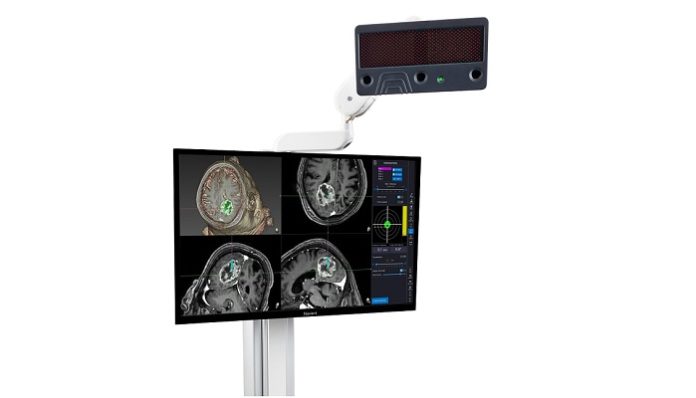
Navient, a computer-assisted surgical navigation system, is like a GPS for the surgeon to navigate inside the patient skull. It provides three-dimensional visualization and assists surgeons with finding their ways inside the patient sinuses and avoid critical structures such as the optic nerve and brain, while safely navigating their way to the diseased area.

โ€œThis updated clearance is critical for Navient systems that are used for critical life enhancing surgeries,โ€ says Ahmad Kolahi, CEO of CKI. โ€œRegulatory agencies worldwide continue to focus on improving patient safety and at ClaroNav, we always strive for maximum compliance. With this additional clearance, Navient is now cleared in over 20 countries supporting our global network of distributors.โ€

Navient Cranial is intended for trans-cranial procedures. Brain tumor is an abnormal growth of cells within the brain. Globally over 2M brain mass removal is done annually. Surgical navigation system is a standard of care for cranial procedure and enables minimally invasive surgery which improves surgical accuracy, reduces tissue damage and recovery time.

Navient ENT is intended for trans-nasal surgeries. Sinusitis is inflammation of the sinuses, which are air-filled cavities in the skull. Sinusitis is one of the most prevalent of human diseases, about 29 million Americans are affected by the chronic form of the rhinosinusitis disease with annual direct cost of over 4 billion dollars. Approximately 500,000 of these patients undergo an endoscopic sinus surgery procedure. The goal of the surgery is to restore ventilation and drainage while preserving mucosa.

CVS Health and Microsoft announce new strategic alliance to reimagine personalized care and accelerate digital transformation

CVS Health and Microsoft announce new strategic alliance to reimagine personalized care and accelerate digital transformation

CVS Health and Microsoft Corp. announced a new strategic alliance focused on developing innovative solutions to help consumers improve their health, while empowering over 300,000 CVS Health employees โ€“ including frontline workers โ€“ with tools to better serve more than 100 million people.

CVS Health logoSince the start of the COVID-19 pandemic, organizations in every industry โ€“ health care in particular โ€“ have grappled with the need to adapt quickly. According to an Economist Intelligence Unit study commissioned by Microsoft, organizations have accelerated transformation initiatives and have begun to rely more heavily on digital tools. From creating hybrid environments to help employees work from home virtually, to deploying new applications to better support frontline workers, digital transformation has become a fundamental necessity for business resilience, accelerating growth, and driving efficiencies.

โ€œWe are rapidly transforming into a consumer-centric, integrated health solutions company, taking a digital-first, technology forward approach to all that we do,โ€ said Roshan Navagamuwa, Chief Information Officer, CVS Health. โ€œBusiness services at this scale requires a new level of partnership. Our collaboration with Microsoft will accelerate this work and empower our employees to provide quality care that is more personal and affordable.โ€

Customized Care

Microsoft logoThe collaboration with Microsoft will help CVS Health accelerate a data-driven, personalized customer experience, while complying with the companyโ€™s patient privacy and confidentiality policies. By combining information from different areas across the company with high agility, CVS Health will enhance its omnichannel pharmacy capabilities and deliver customized health recommendations when and where consumers need them. CVS Health will also scale up retail loyalty and personalization programs that use advanced Machine Learning models running on the cloud computing service Azure.

In addition to creating a more personalized and seamless experience for consumers, data science will also be used to improve access to care and health outcomes. The ability to create a simple, easy-to-use patient experience has been critical to CVS Healthโ€™s role in the national COVID-19 vaccination effort, delivering insights and recommendations to ensure equitable and efficient administration of approximately 43 million vaccines.

Enabling Frontline Workers

Throughout the pandemic, CVS Health retail employees have continued to support their communities by staying focused on their day-to-day responsibilities. Through the use of Microsoft Teams and Office products, CVS Health will be more agile, enabling retail employees to more easily consume key information needed to answer common questions and solve customer needs faster.

Digitalizing Operations

CVS Health currently leverages Azure cognitive services like Computer Vision and Text Analytics for Health that automate tasks. In Specialty Pharmacy, for example, CVS Health has digitized intake using these services โ€“ including the 40 percent of prescriptions that arrive as paper or fax โ€“ helping technicians fill prescriptions, faster and easier than previous methods. Microsoft will continue to expand and partner with CVS Health to reimagine and simplify processes, as part of CVS Healthโ€™s technology-driven digitalization program.

Expanding Cloud Services

CVS Health selected Microsoft as a preferred cloud provider for applications based on a successful history of engineering and co-innovation. As a strategic platform, Azure will play a key role in CVS Healthโ€™s acceleration of its digital transformation by expanding the companyโ€™s already formidable multi-cloud presence to over 1,500 new and existing business applications in Azure cloud.

Innovative Solutions

Microsoft and CVS Health will also explore innovative technology solutions that will support consumers, employees, and ecosystem partners. Microsoft HoloLens, Dynamics 365 Guides, and Remote Assist can simplify complex procedures with intuitive tools to help support CVS Health employees. Microsoft Azure AI and cognitive capabilities can also extend to automate administrative and predictive processes and reduce waste through co-innovation with CVS Healthโ€™s deep community presence and health care expertise.

โ€œWe are excited to partner with CVS Health on its digital transformation journey, collaborating together on how the company manages health data at scale, improves the customer experience, and drives operational efficiency,โ€ said Judson Althoff, Microsoftโ€™s Chief Commercial Officer. โ€œWith the Azure platform and its AI capabilities, we will combine the power of data, the expansive reach of CVS Healthโ€™s world-class solutions, and Microsoft Teams to connect health care experts and create customized care and services that enable people to live healthier lives.โ€

About CVS Health

CVS Health is the leading health solutions company, delivering care like no one else can. We reach more people and improve the health of communities across America through our local presence, digital channels and over 300,000 dedicated colleagues โ€“ including more than 40,000 physicians, pharmacists, nurses, and nurse practitioners. Wherever and whenever people need us, we help them with their health โ€“ whether thatโ€™s managing chronic diseases, staying compliant with their medications, or accessing affordable health and wellness services in the most convenient ways. We help people navigate the health care system โ€“ and their personal health care โ€“ by improving access, lowering costs and being a trusted partner for every meaningful moment of health. And we do it all with heart, each and every day.

About Microsoft

Microsoft enables digital transformation for the era of an intelligent cloud and an intelligent edge. Its mission is to empower every person and every organization on the planet to achieve more.


Philips expands Augmented Reality Surgical Navigation ClarifEye to two new international sites with successful clinical outcomes

Philips expands Augmented Reality Surgical Navigation ClarifEye to two new international sites with successful clinical outcomes

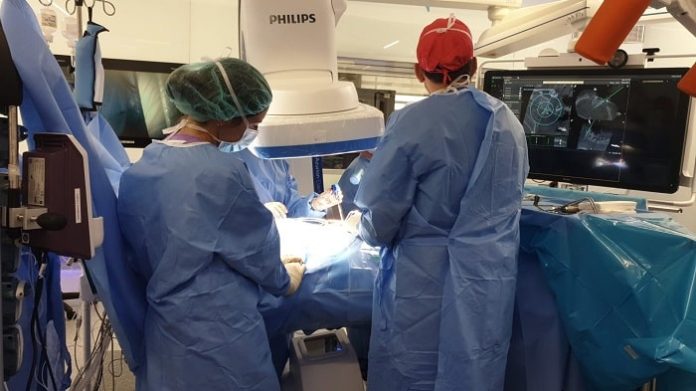
Royal Philips, a global leader in health technology, announced that the first patients have been successfully treated using its innovative 3D Augmented Reality (AR) spine navigation solution at Sant Joan de Dรฉu Barcelona Children’s Hospital, Spain, and the Armed Forces Hospital, Oman. For both cases the surgeons used Philips integrated Spine Suite solution that offers the companyโ€™s Azurion Hybrid Operating Room (OR) with ClarifEye, an industry-first solution that combines 2D and 3D visualisations at low X-ray dose with 3D AR navigation into one system. This enables surgeons to define and navigate along the critical pathway using this advanced real-time image guidance for precise device placement both in open and minimally invasive spine procedures*.

The first patient treated with ClarifEye at Sant Joan de Dรฉu Barcelona Children’s Hospital involved open image guided surgery on a 12-year-old patient with severe congenital spondylolisthesis, a condition where the spine is misaligned due to a defect in one of the joints. Without treatment, it can affect quality of life and increase the risk of several chronic conditions. Using the Philipsโ€™ spine solution, pedicle screws were successfully placed at four spine levels to fuse several lumbar vertebras. โ€œThe level of success of this surgery would not have been possible to reach without ClarifEye,โ€ said Dr. Alejandro Peirรณ, Orthopedic surgeon and pediatric traumatologist at Sant Joan de Dรฉu Barcelona Children’s Hospital.

Head of Department Orthopedics and Spine Surgery at Hospital MoD, Oman
At the Armed Forces Hospital in Muscat, Oman, an adult 51-year-old patient with multi-level degenerative lumbar stenosis, a narrowing of the spinal canal in the lower part of the back, was successfully treated using minimally invasive techniques. โ€œPhilipsโ€™ new technology enables us to perform less invasive procedures and produce better outcomes for patients with spine conditions,โ€ said Dr. Ahmed Al Jahwari, Head of Department Orthopedics and Spine Surgery at Hospital MoD, Oman. โ€œThanks to the high quality of the intraoperative cone beam CT imaging and the positioning flexibility of the ClarifEye system, we can ensure that implants are in place which lowers post-operative CT scans to check implant placements.โ€

Increased clinical accuracy and improved outcomes
Treatment for spine conditions can often be complex and delicate. Surgeons need to take particular care to avoid fragile neurological and vascular structures close to the spine. Such procedures have traditionally been an โ€˜open surgeryโ€™, where surgeons would manually manipulate the patientโ€™s spine to position implants such as pedicle screws. As technology has advanced, there has been a shift to using minimally invasive techniques, such as small incisions in the patientโ€™s skin, minimizing blood loss and soft tissue damage and consequently reducing postoperative pain. In both approaches, surgeons can now use the real-time imaging and 3D navigation of ClarifEye. Intra-operative image guidance increases clinical accuracy and improves outcomes, with patients subject to fewer revision surgeries compared to the previous standard of care [1,2]. Data published in Science Reports demonstrated that ClarifEye performed better in accuracy than open surgery pedicle screw placement without 3D navigation (94% vs 89,6%) [3]. In addition, data from a clinical study using ClarifEye, showed a 98% accuracy of pedicle screw placement during minimally invasive procedures [4].

Growing international adoption

ClarifEye Augmented Reality Surgical Navigation was introduced earlier this year. The sites in Spain and Oman complement the growing international ecosystem of innovation partners that have adopted this new solution such as the University Medical Center Schleswig-Holstein in Kiel, Germany, Karolinska University Hospital, Stockholm, Sweden, the Regional Hospital of Lugano, Switzerland and the Strasbourg University Hospital in France.

โ€œWeโ€™re excited that international access to ClarifEye is expanding, and more hospitals and patients will get to experience its benefits firsthand,โ€ said Karim Boussebaa, General Manager Image Guided Therapy Systems at Philips. โ€œAs the latest addition to Spine Suite, ClarifEye adds a new dimension in surgical precision for patients. It is a great example of how weโ€™re innovating procedures and helping clinicians to deliver on the Quadruple Aim of better health outcomes, improve patient experience and staff satisfaction, and lower cost of care.โ€

Philips is a pioneer in Hybrid OR solutions and innovating surgical navigation technology, which helps surgeons perform image-guided, open and minimally invasive spine surgery. When performing delicate tasks in spine procedures, accuracy is paramount to achieving the best outcome for patients. The integration between ClarifEye and Philips Image Guided Therapy System โ€“ Azurion โ€“ offers key benefits such as intraoperative cone-beam CT scanning with superb image quality at managed doses, 3D spine model based planning for each pedicle, live augmented reality guidance and intraoperative verification. It enables physicians to focus on the patient and procedures while improving the surgical workflow, differentiating it from more conventional surgical navigation methods.

GE Healthcare Unveils New AI and Digital Technologies and Solutions to Help Solve Healthcare’s Most Pressing Problems

GE Healthcare unveiled around 60 innovative technology solutions spanning the healthcare spectrum including patient screening, diagnostics, therapy planning, guidance, and monitoring. Amidst a global pandemic and mounting pressure on the industry, the company accelerated innovations underpinned by artificial intelligence (AI) and digital solutions to help transform healthcare delivery, making it easier and more efficient for clinicians and health systems, and more personalized and precise for patients.

The pandemic exposed the fragility of the global healthcare system, creating an urgent need for technology and solutions that help clinicians manage seriously ill COVID-19 patients, advanced diseases โ€“ such as cancer and heart disease โ€“ a backlog in non-urgent care, and an ageing population, while battling burnout and workforce shortages.

With these circumstances in mind, GE Healthcare is proud to introduce technologies and solutions at #RSNA21 that help healthcare systems:

  • Increase efficiency and productivity;
  • Reduce clinician burnout;
  • Empower clinicians with AI and analytics when, where and how they need it;
  • Create a more resilient and sustainable healthcare industry; and
  • Increase access to care.

โ€œOur goal is to make healthcare more human by breaking down barriers so clinicians can work at the top of their game, healthcare systems can operate more efficiently, and patients can get the best and most personalized care possible,โ€ said Kieran Murphy, president & CEO, GE Healthcare. โ€œHealthcare is at a turning point and at GE Healthcare we are using our clinical expertise and know-how to deliver innovative technologies and solutions that help solve healthcareโ€™s most pressing problems, advance precision health and improve patient lives.โ€

Translate ยป