Close
Digital Health & Ai Innovation summit 2026
Medical Taiwan 2026

B. Braun Medical Launches Next Generation OnGuard2 CSTD

B. Braun Receives the First and Only FDA Approval for Acetaminophen Injection in Multiple Doses

B. Braun Medical Inc., a leading provider of closed system transfer devices (CSTD), announced today that the OnGuard 2 CSTD is now available in the United States. OnGuard 2 incorporates all of the current advantages of OnGuard, while offering upgraded materials and enhanced features to improve its usability.

The National Institute for Occupational Safety and Health (NIOSH) recognizes air-cleaning technology for closed system drug transfer devices to prevent the escape of hazardous drugs into the environment. The enhanced features of this next generation OnGuard are designed to make OnGuard 2 easy to operate and integrate into healthcare practices, and help them meet USP <800> quality standards for handling hazardous drugs. Only OnGuard 2 was tested with actual hazardous drugs for vapor containment and is the market leader in CSTD air-cleaning technology.

A recent publication in the Journal of Oncology Pharmacy Practice demonstrates the effectiveness of the OnGuard 2 CSTD at preventing the release of chemotherapy drug vapors and aerosols under extreme conditions.1 โ€œHaving research that validates the effectiveness of OnGuard 2 on preventing drug vapor and aerosol exposure under extreme conditions will provide healthcare workers with added peace of mind,โ€ said Angela Karpf, MD, Corporate Vice President, Medical Affairs at B. Braun Medical Inc. We are proud to offer this technology to help health systems protect their workers from exposure to hazardous drugs.โ€

โ€œHealthcare worker safety is as important as patient safety,โ€ said Andrew Tavares, Group Product Director, Nutrition, Compounding & Pharmacy Admixture at B. Braun Medical Inc. โ€œWith OnGuard 2, health systems have access to the latest OnGuard CSTD technology designed to provide easy-to-use protection for healthcare workers while working with hazardous drugs.โ€

OnGuard 2 CSTD enhancements include modifications made to the material composition which are intended to provide increased compatibility with known hazardous drugs and an extended microbial ingress claim for the vial adaptor for up to 7 days.2 In addition, the linear membrane-to-membrane connection is designed for a dry disconnect to prevent accidental exposure to hazardous drugs during compounding and administration.

About B. Braun

B. Braun Medical Inc., a leader in infusion therapy and pain management, develops, manufactures, and markets innovative medical products and services to the healthcare industry. Other key product areas include nutrition, pharmacy admixture and dialysis. The company is committed to eliminating preventable treatment errors and enhancing patient, clinician and environmental safety. B. Braun Medical is headquartered in Bethlehem, Pennsylvania and is part of the B. Braun Group of Companies in the U.S., which includes B. Braun Interventional Systems, Aesculapยฎ and CAPSยฎ.

Globally, the B. Braun Group of Companies employs more than 64,000 employees in 64 countries. Guided by its Sharing Expertiseยฎ philosophy, B. Braun continuously exchanges knowledge with customers, partners and clinicians to address the critical issues of improving care and lowering costs. To learn more about B. Braun Medical, visit our website.

Thermo Fisher Scientifics TaqPath COVID-19 Tests can detect the presence of the Omicron variant in SARS-CoV-2 samples

Thermo Fisher Scientifics TaqPath COVID-19 Tests can detect the presence of the Omicron variant in SARS-CoV-2 samples

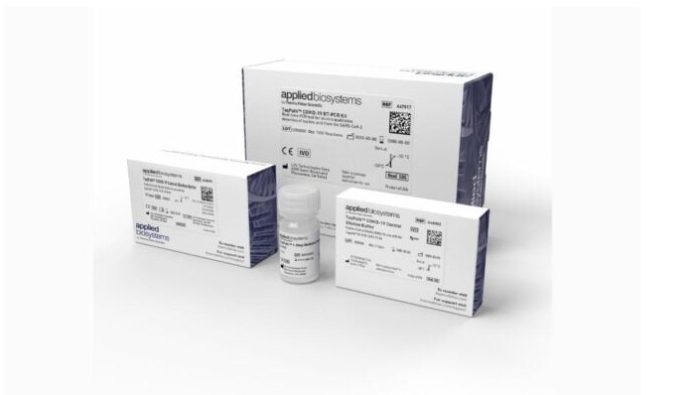
Thermo Fisher Scientific, the world leader in serving science confirmed that its TaqPath COVID-19 Combo Kit*, and TaqPath COVID-19 CE-IVD RT-PCR Kit can accurately detect the presence of the new Omicron variant in SARS-CoV-2 samples. The test works on the primer-probe detection method and is not impacted by the emerging B.1.1.529, or Omicron variant.

The World Health Organization (WHO) classified the Omicron variant as a SARS-CoV-2 “variant of concernโ€ with more than 30 mutations in the spike protein alone. This variant has caused renewed restriction across countries and research to examine the variant’s impact on the efficacy of existing vaccines and tests.

The TaqPath COVID-19 assays detect SARS-CoV-2 infections by identifying the presence of three gene targets from the orf1a/b, S, and N regions of the virus. While the S gene target in the test is impacted in the presence of Omicron variant mutations, the orf1a/b and N gene targets in the TaqPath COVID-19 tests have been determined to not be impacted by any of the mutations.

โ€œThermo Fisher is committed to supporting the world’s pandemic response by developing innovative, adaptive and resilient testing solutions. Our TaqPath Assays are developed with additional built-in checks to ensure that clinicians, researchers and public health officials have access to effective tools to accurately detect for mutations as the virus continues to evolve,โ€ said Amit Chopra, managing director, India and South Asia, Thermo Fisher Scientific.

The Omicron variant has been found to include the 69-70del mutation of the S gene, first identified as a mutation in the Alpha variant. This mutation causes a dropout of the S-gene target in results from the TaqPath test, which could indicate to clinicians and researchers a possible Omicron variant infection. Confirmation must then be performed by sequencing the sample.

About Thermo Fisher Scientific

Thermo Fisher Scientific Inc. is the world leader in serving science, with annual revenue of approximately $35 billion. Our Mission is to enable our customers to make the world healthier, cleaner, and safer. Whether our customers are accelerating life sciences research, solving complex analytical challenges, improving patient diagnostics and therapies, or increasing productivity in their laboratories, we are here to support them. Our global team of more than 90,000 colleagues delivers an unrivaled combination of innovative technologies, purchasing convenience, and pharmaceutical services through our industry-leading brands, including Thermo Scientific, Applied Biosystems, Invitrogen, Fisher Scientific, Unity Lab Services, and Patheon.

QView Medical maintains leadership position in AI-powered breast cancer screening technology through alliance with GE Healthcare

GE Healthcare and the American College of Cardiology Join Forces to Advance AI in Cardiac Care

QView Medical, a breast cancer detection pioneer and maker of the FDA-approved artificial intelligence (AI) software system for breast cancer screening, and GE Healthcare announced that QView’s QVCAD software can be launched on GE Healthcare’s Inveniaโ„ข ABUS 2.0 (Automated Breast Ultrasound), which has an open platform technology that allows the integration of third-party AI tools for the optimization of the reading workflow.

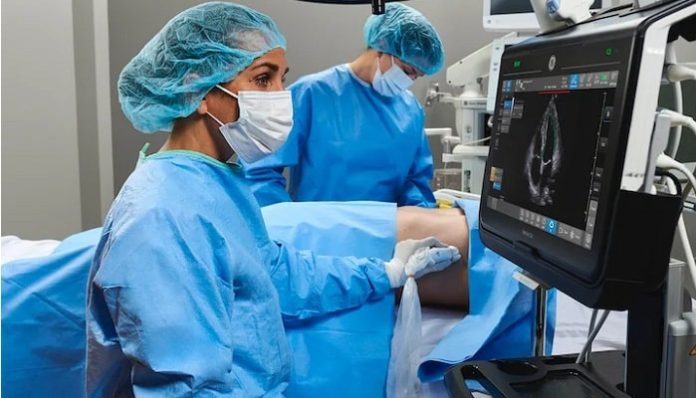
Invenia ABUS 2.0 is the first FDA-approved Ultrasound supplemental breast screening technology specifically designed for detecting cancer in dense breast tissue. The powerful AI Assistant leverages intelligent algorithms to assist in detecting breast lesions, helping physicians increase their reading speed with confidence.

Following years of development, QVCAD, which was previously connected to the Invenia ABUS 2.0 through an external PC and server, is now allowing clinicians to access the software through the Invenia ABUS Viewer, streamlining clinical workflow with reducing reading time by up to 33%1, while improving clinical outcomes with experience up to 93% sensitivity for lesion detection2.

Mammography misses one third of cancers in dense breasts3, and while supplemental screening finds more cancers, it requires reasonable callback and biopsy rates4. Dense breasts increase cancer risk by 4-6 times5, affecting more than 40 percent of women3. Early cancer detection is critical to increased survival rates and improved patient care and can reduce the cost of care6.

“ABUS combined with QVCAD provides the next crucial step in supplemental breast screening for women with dense breasts,” said Bob Wang, Chairman, and CEO of QView Medical.

Brian McEathron, Vice President, General Imaging Ultrasound at GE Healthcare, said, “Our goal is to support clinicians by enabling the timely, accurate diagnosis and treatment of cancer in dense breasts. The integration of QVCAD into the ABUS reading process is a breakthrough for streamlining workflow and enhancing clinical confidence. Identifying breast cancer at the earliest possible stage has important prognostic implications: a greater number of available treatment options, increased survival rates and an improved quality of life.”

QView supports the #AMIDENSE public health effort to raise awareness of breast density as a major risk factor.


Open minds, big opportunities: Continuing learning for a future-fit workforce

Open minds, big opportunities: Continuing learning for a future-fit workforce

Open minds, big opportunities: Continuing learning for a future-fit workforce

A passionate advocate of positive partnerships and purposeful business, Eline Leussinkis Professional Services Lead for Philips APAC. An originator of the Operational Intelligence approach and backer of people-powered progress and soft skills, she has extensive experience of outcomes-driven business transformation and healthcare system change management.

Never stop learning. Itโ€™s a mantra we should all live by but few in the healthcare profession are realistically supported in achieving. Despite 75% of CEOs[1] worldwide agreeing that a skilled, educated, and adaptable workforce should be a key priority, there is a growing lack of experienced and well-trained staff in the healthcare environment around the world.

Commissioned annually by Philips, The Future Health Index 2020[2] highlights that younger healthcare professionals are aware of their future gaps in their careers, citing key areas as needing input. These areas โ€“ identified by 2,867 healthcare professionals under the age of 40 from 15 countries – spanned skills, knowledge data and expectations.

Continuing medical education has never been higher on the agenda for senior leaders, as changes in technology, business models and capabilities transformation create both the demand and an appetite for life-long learning. And yet they find themselves trapped in a double bind. With escalating financial pressures being placed upon health services and short-term constraints, it is difficult to justify spending on education and training beyond the essential. This represents a huge irony at a time when there is an inexorable rise in demand for healthcare, a shortage of appropriately skilled staff and rising numbers of medical professional burn outs.

As healthcare continues to transform and health informatics and technology accelerates this transformation, health professionals must maintain and improve their knowledge and skills throughout their careers. Continuing education ensures that healthcare professionals are suitably trained and capable and is essential to their ability to deliver safe, effective, and high-quality healthcare for their patients and productivity and profitability for healthcare providers. Here are just some of the opportunities an ongoing learning approach offers to the healthcare industry:

Tap into the learning lifestyle: From TED talks to Coursera, self-improvement has become a symbol of personal success and itโ€™s now possible to learn anywhere. As consumers in addition to medical professionals, we must feed and fuel this thirst for knowledge. After all, continued learning expands knowledge, capabilities and commitment, expands networks and resources. There is also evidence-based research that supports the health benefits of lifelong learning as a way to exercise neuroplasticity. Retaining mental acuity is, of course, fundamental for any healthcare professional. However, it is also essential to our personal quality of life. Adopting lifelong learning as a lifestyle choice โ€” not just a means to keeping our jobs โ€” can provide benefits well beyond our caregiving and professional commitments. It requires some effort, but it is certainly well worth the time.

Keep medical minds open: A considerable benefit of continuing medical education is the concept of โ€œwe donโ€™t know what we donโ€™t know.โ€ There is always more to learn to ensure that the care provided is up to date and combines both specialisms and generalism.

Focus on critical learning to fight fake: The flip side of the learning lifestyle is the pursuit of quality and evidence-based information. Itโ€™s vital that the tools, healthcare professionals seek and source are credible and validated.

Keep up to date and upskill as needed: Hospital workforces comprise a vast array of multidisciplinary teams, not to mention a growing array of new roles, supported by administrative and management teams. New technologies and the proliferation and reorganization of roles, require new capabilities.

Plan for the future of work: The pace and scale of new technologies will mean that hospitals will need to develop the human and digital skills of their workforces. In order manage the technological innovation and the transformation of healthcare, senior leaders will need to move to creating a culture of employee participation and foster collaboration and innovation. Moreover, a new combination of cognitive, emotional and analytical skills will be required by health professionals of the future.

New models of continuing learning: Itโ€™s important also to remember that continuing education doesnโ€™t reflect the professional training and development that many senior leaders will be familiar with from earlier in their careers. While the age of the classroom isnโ€™t necessarily completely over, new technologies coupled with the global COVID-19 pandemic have marked the ultimate shift to e-learning, enabling more cost effective and results driven possibilities for provision.

A win: win priority for now: Highly skilled and educated staff always pays off: The advantages of investing into continuous education are obvious: highly skilled staff, high staff retention, an excellent organizational reputation, optimized financial performance, better patient outcomes and a reduction in litigation. The disadvantages are equally obvious. By not investing into its current and future workforce, medical institutions risk losing their experts to other employers or even see them leave the industry, burnt out and frustrated. The loss of valuable, motivated staff and their ongoing knowledge gains can lead to inefficient system usage, frustrated users, and dissatisfied patients โ€“ and consequently to increased healthcare costs and rising levels of dissatisfaction among staff and patients.

And so, while the budget cuts and financial constraints arenโ€™t going away, continuous education must become an everyday essential. Perhaps the successful shift relies on embracing new models of continuing learning? After all, if continuing education no longer represented a sunk cost with staff away from the hospital incurring travel and accommodation fees, and instead could be delivered anytime, anywhere, it suddenly becomes a much more integrated possibility.

With our strong installed based, clinical, technological and operational expertise, Philips Education Services has the infrastructure, trainers and services to make continuous learning a viable proposition. With 1000s of comprehensive programs and spanning traditional and non-traditional models, pre-learning, hands on, on site and virtual methods, Philips Education Services provides access anytime and anywhere to comprehensive education programs via a blended learning approach, embracing the very latest in e-learning, data and analytics alongside behavioural insights to ensure knowledge retention and enjoyment.

With change the only constant in modern healthcare, Professional Services Lead for Philips APAC, Eline Leussinkshares her recommendations for healthcare leaders keen to up and future skill their workforce to stay ahead of the curve:

Act now for future benefits

The clinical workforce takes years to train for a standing start. Doctors can take as long as ten years to initially train and qualify, with high risks of attrition during training and employment. In the fourth industrial revolution and amongst the widespread transformation of healthcare, maintaining high quality care depends on investing in staff wellbeing and satisfaction by helping them to develop new skills and competencies in response to both the transition to value based care and advances in scientific and digital knowledge.

Train to retain

The clinical workforce accounting for between 60 and 70 per cent of hospital expenditure. Yet the WHO predicts a shortfall of up to two million healthcare professionals (or 15 per cent of the workforce) across the EU by 2020[3]

Opt for educational programs fit for the modern era

A medical director interviewed in a recent survey for a management consultancy stated, โ€œWe are training our workforce in a strait jacket educational system, fit for the model of the 1960s.โ€ With many training models for nursing and medical professionals seen as outdated and not fit for purpose in order to meet the demands of professionals working in the industry today and in the future, new approaches to training are required. These include the integration of methodologies such as online, virtual and simulation training and, increasingly for millennial entrants, the gamification and consumerisation of learning.

Talk to Philips Education Services

Philips Education Services can help you unlock the full potential of your people, your technology, and your organization through innovative, meaningful, and evidence-based healthcare education. No other healthcare education program provides you with a broader choice of advanced learning opportunities, flexible access and delivery, and an engaging, interactive experience.

For more information on continuing learning and to discover how Philips is partnering with global health providers and systems to apply its innovative Operational Intelligence approach to hospital operations management and innovation, visit Continuing Learning | Philips Healthcare

Reference

[1]Redefining business success in a changing world CEO Survey, 19th Annual Global CEO Survey / January 2016
[2]The Future Health Index is commissioned by Philips. The 2020 study comprises original research via a survey of 2,867 healthcare professionals under the age of 40 years old across 15 countries: Australia, Brazil, China, France, Germany, India, Japan, the Netherlands, Poland, Romania, Russia, Saudi Arabia, Singapore, South Africa and the United States of America.
[3]Global Strategy on Human Resources for Health: Workforce 2030, World Health Organization, 2020


Eyeglasses for Health and Economic Development

Possible Eye Surgeries That Can Improve Your Sight

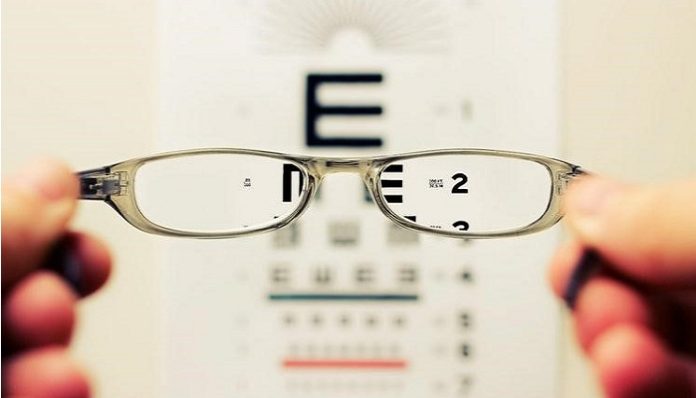
Globally, over one billion people โ€” including workers and schoolchildren โ€” strain to see the world around them.

Uncorrected vision is a major yet under-funded global health problem. It is an international development problem, too. The World Health Organization has estimated that uncorrected and under-corrected vision costs the international economy more than $200 billion annually in lost productivity, with much of this loss concentrated in low- and middle-income countries.

โ€œPeople who do not have access to eye care are prevented from achieving their potential and this is also a major barrier to economic and human progress globally,โ€ said Jennifer Hyde, Executive Director of GoodVision USA. โ€œIn fact, we can help solve this international crisis with simple pairs of eyeglasses that can be produced and distributed for very low cost.โ€

GoodVision introduced the worldโ€™s smallest eyeglass making factory almost 10 years ago โ€” a suitcase sized system that requires no electricity, allowing the glasses to be made on-site with a material cost of around one dollar. The glasses retail for only a few dollars and are free for students. This innovative, sustainable system assists those who do not have access to vision care in some of the most remote communities in the world.

Low- and middle-income countries often lack the human resources and health system capacity to provide quality eye care for their population. Liberia, for one, has fewer than 50 eye doctors and vision technicians for a nation of 4 million people. GoodVisionโ€™s unique system of making affordable glasses utilizes a social business model, training local staff as vision technicians. This model not only improves sight but also contributes to economic development through job
creation.

During the COVID-19 pandemic, GoodVision has continued to provide safe job training, vision screening and free or low-cost eyeglasses. This is terrific news for students like Philipmena, a tenth grader in Monrovia, Liberia who once struggled to make out the words on the chalkboard.

Last year a GoodVision team arrived at her school, screened Philipmena and her classmates for vision problems, and gave her a pair of eyeglasses. Today Philipmena dreams of becoming a medical doctor.

The project in Liberia project saw almost 20 new GoodVision Technicians trained in early 2021. These technicians are now delivering optical and eye care throughout the country. โ€œOver the next two years we are poised to help 30,000 Liberians, like Philipmena, to reach their potential,โ€
Hyde said.

How To Support New Parents Facing Mental Health Challenges

How To Support New Parents Facing Mental Health Challenges

Parenting is a lifetime commitment. Itโ€™s also considered the toughest job in the world as itโ€™s not something you get to learn in school or train at an internship. You only learn and develop your skills as you go through different experiences. But for new parents, the start of their journey can be overwhelming. During the early stage, theyโ€™ll have plenty of sleepless nights, have little time to cater to their needs, and get no time to socialize and connect.

Thatโ€™s why many new parents often experience this mental health issue called postpartum depression. Parents dealing with PPD often feel intense frustration, hopelessness, and anxiety. Theyโ€™ll also begin to isolate themselves, change their appetite, and encounter sleep issues. As it gets worst, untreated PPD could lead the new parents to become paranoid and have thoughts of hurting the baby or themselves.

Thus, if you have new parents in your life dealing with mental health issues, offering support will help them overcome these challenges, get their mental health back in shape, and reinforce positive parenting. Here are some steps to support new parents facing mental health challenges:

  1. Listen To Their Feelings

For new parents with PPD or other mental health issues, theyโ€™re probably bottling up some intense feelings to themselves like guilt, sadness, anger, and the feeling of not being a good mother. One of the best things you can do for them, which they also need, is to listen to their feelings without judgment. Avoid telling them things thatโ€™d invalidate her feelings like:

  • Itโ€™s going to be okay.
  • Itโ€™s all going to pass.
  • Everyone feels that way.
  • Just get on with it.
  • Donโ€™t overthink.

Instead, sit down with them, listen attentively, and try to understand what theyโ€™re going through without any judgment. When they feel understood and supported, theyโ€™ll feel safer, which will remind them that theyโ€™re not alone.

  1. Donโ€™t Compare

One common mistake most people make around new parents is comparing. Comparing may sound like:

  • When I had a baby, I did this.
  • When she had a baby, she did this.
  • You should do it just like how she did it.

These may sound like youโ€™re helping or giving suggestions. In reality, these things will only make them feel worse about themselves, especially if they already feel like theyโ€™re not good parents. So, never compare as this will only worsen their feelings of shame or guilt.

  1. Offer To Help

New parents who often feel self-doubts and think theyโ€™re not good enough will never speak up or reach out if they need help. Unfortunately, doing this can only worsen things for them. So, rather than waiting for them to reach out to you for help, you can initiate to offer specific bits of help.

You can offer them help by:

  • Bringing warm homemade meals
  • Volunteering to take care of the baby for a few hours
  • Helping them clean the house
  • Helping prepare the babyโ€™s food
  • Printing baby pictures and sending them to their far-away relatives
  • Shopping groceries for them
  • Watering their garden

Offering assistance to these tasks will make them feel that theyโ€™re not alone on this parenting journey.

  1. Reassure Them

Whenever they start feeling worthless or tell you they have difficulty bonding with their baby, the best thing you can do is reassure them. Remind them that theyโ€™re good parents even if they donโ€™t feel like it. You can also praise them for every effort and progress they make every day. This type of reassurance will make them feel better about themselves.

  1. Visit For The Parents, Not For The Baby

Most of the time, when people know you recently had a baby, theyโ€™d automatically schedule regular visits into your house to see and hang out with the baby. But despite their good intentions, sometimes, seeing that people have fun with the baby can make them feel alone. This is true, especially if visitors would constantly pop questions about the baby or their parenting skills instead of asking how they are and how they feel.

So, if you schedule a visit, make sure that your visitation is more for the parents than for the baby. You can still have fun with their baby, but make sure to pay attention to the parents and ask them how theyโ€™re doing and offer to help them around the house. Once they feel safe and comfortable about your visitation, itโ€™ll be easier for them to open up their struggles to you.

  1. Support Their Decisions

If the new mother decides to seek treatment and attend a doctorโ€™s appointment for their mental health, the best thing you can do is to go with her. This isnโ€™t about keeping her company, but itโ€™s about making her feel supported about her decisions. Again, while youโ€™re with her on their treatment journey, never raise any subjects about comparison as every parent has unique challenges and experiences.

Takeaway

Whether youโ€™re a friend, a partner, or a family member, your support can mean so much for the new parents and help them overcome these mental health challenges. So, take the steps above or figure out your own ways to help them during this challenging time in their lives.

6 Certifications That Will Pave The Way For You To Jumpstart Your Career In The Fitness Industry

6 Certifications That Will Pave The Way For You To Jumpstart Your Career In The Fitness Industry

Are you looking for a new career path that will allow you to take your fitness skills and turn them into an income-generating business? If so, then this blog post is perfect for you. We are going to go over 6 certifications that will help pave the way to jumpstart your career in the fitness industry.

NSCA Certified Strength and Conditioning Specialist Certification

The National Strength and Conditioning Association (NSCA) is a nonprofit professional organization with over 30,000 members worldwide. The NSCA Certified Strength and Conditioning Specialist (CSCS) certification is the most widely recognized certification in the fitness industry. The CSCS certification is designed for personal trainers, strength and conditioning coaches, physical therapists, athletic trainers, and other professionals who work with athletes or clients who are interested in improving their health and performance. To become certified, you must pass a comprehensive exam that covers all aspects of strength and conditioning theory and practice. The CSCS credential is valid for four years. If youโ€™re planning on getting strength and conditioning credentials and maintaining them, you must earn continuing credits every year. The NSCA offers a variety of continuing education courses, and many other organizations offer CSCS-approved courses.

The CSCS certification is a great way to jumpstart your career in the fitness industry. It demonstrates that you have the knowledge and skills to help clients achieve their health and performance goals. The credential also shows that you are committed to staying up-to-date on the latest research and best practices in strength and conditioning.

Associates Degree in Fitness

An Associate’s degree is a two-year course of study that prepares you for entry into the workforce. It can be an excellent choice for those who want to complete their education quickly and efficiently, but it does not always represent a step up from high school. An associateโ€™s degree is also more likely than other types of degrees to prepare students for immediate employment upon graduation or completion of certificate programs. The most common type of associates program is in health professions such as nursing, medical assisting, dental hygiene, physical therapy, respiratory care, and emergency medical technicians (EMT). There are many options available with today’s online courses.

NASM Personal Trainer Certification

If you are looking to become a personal trainer, the NASM Personal Trainer Certification is a great option. It is one of the most respected certifications in the industry, and it covers all of the basics that you need to know to be successful as a personal trainer. The certification also includes access to an online portal with tons of resources, so you can continue learning even after you earn your certification.

To earn your NASM Personal Trainer Certification, you will need to complete an online course and a practical exam. The online course is self-paced, so you can study at your own pace, and it includes videos, quizzes, and interactive exercises to help you learn the material. The practical exam takes place in a gym setting, and you will be tested on your ability to safely and effectively train clients. If you are looking for a comprehensive personal trainer certification that will prepare you for success in the fitness industry, the NASM Personal Trainer Certification is a great option.

ACE Personal Trainer Certification

ACE is an acronym for the American Council on Exercise. The certification course trains fitness professionals to develop safe and effective exercise programs. To become ACE Certified, you are required to pass a comprehensive examination that covers topics such as anatomy & physiology, nutrition science, CPR/AED training, lifestyle management skills including goal-setting techniques and behavior modification strategies among others. This includes courses in programming strength training exercises safely with or without machines or free weights, designing cardiovascular workout regimens using treadmills, elliptical trainers, and stationary bikes while taking into account individual health conditions of participants; developing group exercise classes based around specific themes like Kids Fitness Programmes (KFPs), becoming proficient in weightlifting technique through the correct use of dumbbells, barbells, and weight machines while lifting safely. This is a great certification for those who want to work in gyms, fitness studios, or at corporate wellness programs where you help employees meet their health & well-being goals.

AFAA Group Fitness Instructor Certification

This certification is perfect for those who want to teach group fitness classes. AFAAโ€™s program provides you with the education and training needed to become a successful group fitness instructor. Upon completion of the program, you will be able to lead safe and effective group exercise classes that cater to a variety of ages and abilities.

AFPA Fitness Nutrition Specialist Certification

The AFPA Fitness Nutrition Specialist Certification is perfect for those looking to specialize in the field of nutrition. This certification will teach you how to create meal plans and nutritional programs that are tailored to the individual, as well as how to assess a client’s current diet and make recommendations. With this certification under your belt, you’ll be able to help clients reach their health and fitness goals through proper nutrition.

These are just a few of the many certifications that are available to help you start your career in fitness. Each of these certifications offers its own unique set of skills and knowledge that will help you become successful in this industry. So, what are you waiting for? Start researching which certification is best for you.

Useful Tips To Help You Deal With Getting Misdiagnosed

Useful Tips To Help You Deal With Getting Misdiagnosed

In a world where research and technology are progressing at an alarming rate, it is more important than ever to make sure that the doctors who diagnose you with a condition know what they’re talking about. You could have a rare medical condition or your symptoms might be misread all together. It’s not uncommon for people to go from doctor to doctor to find someone qualified enough to properly diagnose them without any issue. In these cases, when you finally do get diagnosed correctly, you’ll feel relieved and happy that all of the hard work paid off. In this article, we will discuss why getting misdiagnosed is such a common occurrence in today’s society and ways in which one can deal with the side effects of such events.

The problem with misdiagnosis

Every doctor is entitled to an opinion and no one is all-knowing. However, this should not negatively impact anyone’s health, and unfortunately, this is not always the case. Misdiagnosis can result in incorrect treatment, delayed treatment, and even death in some cases. The professionals from Wichita Medical Malpractice Law Firms explain that some studies have shown that as many as 1 in 20 hospital patients are either misdiagnosed or have their diagnosis delayed. It’s also been reported that diagnostic errors are the 9th leading cause of death in the U.S., which makes this an extremely serious issue that needs to be dealt with immediately.

Misdiagnosis is also costly in terms of money and time, as patients will undergo additional tests, procedures, surgeries, etc. If you are misdiagnosed with something simple like strep throat and you end up having something much more severe, which requires life-saving treatment right away, then this is not ideal. Because misdiagnosis seems to be on the rise, everyone needs to know just exactly what they’re dealing with when entering a doctor’s office. There are many things doctors take into account when diagnosing a patient, including their personal feelings and even the relationships they have with the patients. This is why it’s so important to find a doctor who knows what he/she is doing and will professionally treat you.

What to do if you’re misdiagnosed

Getting misdiagnosed has a lot of potential complications. Aside from the emotional turmoil that often comes with it, there are also physical side effects that can be very damaging. If you’ve been misdiagnosed, your first step should be to ask for a second opinion. This is not only a good idea, but it’s also your right as a patient. You should never feel rushed into deciding your health and, by getting a second opinion, you’re ensuring that you’re making the best decision for yourself.

On the other hand, if the misdiagnosis is impacting your health or finances in any negative manner make sure to contact a specialized lawyer as soon as possible. This will not only ensure that you get compensated for your financial losses and emotional problems, but it will also uncover the reasons as to why such a mistake happened in the first place so it doesn’t happen to anyone else.

Ways for doctors to avoid getting a patient’s symptoms wrongย 

There are several ways in which doctors can avoid getting a patient’s symptoms wrong. One way is to keep up with the latest advancements in technology and research. This will help them stay up-to-date on all of the latest medical procedures and treatments.

Doctors can also avoid misdiagnosing patients by taking their entire medical history into account. For example, if the family of a patient has a history of heart problems, then doctors need to consider that when diagnosing this particular patient.

Finally, it’s also important for doctors to listen to what their patients have to say. If a doctor is rushing through an appointment and they don’t seem to be asking the right questions, then this might indicate that they’re not putting in as much effort as needed. A doctor should always try his/her best to understand a patient’s health concerns and take them seriously.

Misdiagnosis is a serious issue that can negatively impact anyone’s health, and unfortunately, this is not always the case. Misdiagnosis can result in incorrect treatment, delayed treatment, and even death in some cases. It’s important to be aware of the signs and symptoms of misdiagnosis, especially if you think that your doctor is wrong. Remember all about your medical rights and ask for a second opinion, as well as copies of all your tests and results so you can even take them into another medical facility you might have more faith in.

The Importance Of First Aid Training

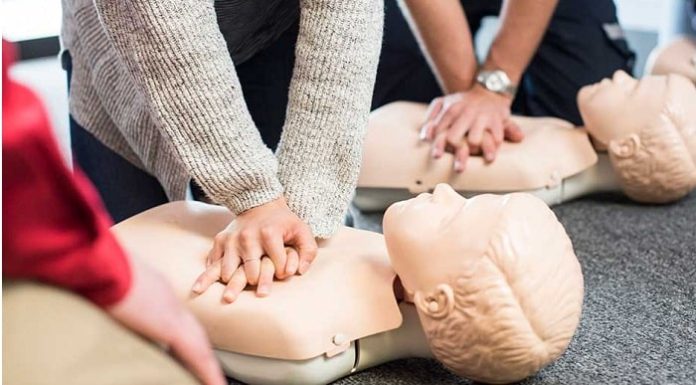
Knowledge of first aid is invaluable and essential for the entire community. Quick action through first aid helps to assist all those injured in the unfortunate event of an accident or some emergency. First aid skills are life-saving and can be applied in your home, workplace, or all public areas. First aid trained people in any community make that community a safer and healthier place to live. The basic definition of first aid is the immediate or first assistance given to any person who is injured or has taken ill suddenly. Basic knowledge of first aid contains few relatively simple techniques and procedures that can be performed on the spot with minimal equipment until professionally qualified help arrives.

It is an accepted fact that accidents will happen irrespective of the control measures implemented. No matter the amount of preventative procedure and care implemented, there will always be some deviation and negligence, which will lead to an accident. Due to this reason, those who are technically trained and certified in first aid and are equipped with adequate equipment always become the caregiving messiahs in emergencies.

If not attended to immediately, a simple injury can sometimes lead to severe complications and, in some rare unfortunate cases, can become fatal. This is why so much importance is being given to first aid training and care. It does not only provide immediate comfort but also helps to save precious lives.

One of the best ways to meet legal, statutory and social obligations is to provide first aid training to all concerned people through certified and qualified training institutions like Glasgow First Aid Courses. They will train people in first aid and ensure that practically they meet all the required norms while in an emergency.

How Does First Aid Help?

When a person is trained in first aid, it benefits that person as an individual and helps their family, friends, co-workers, and the entire neighbourhood community. Accidents and emergencies cannot be wholly prevented, avoided, or made non-existent, which is why trained and certified first aiders play a vital role in such situations. These trained first aiders help the afflicted person with immediate care and comfort until proper medical care arrives so that they can be taken to the medical facility or an emergency room. It helps create a healthy and safe life for all.

One of the critical elements of first aid training is ensuring how to take care of and heal yourself first. If that is understood and done well, extending the care and assistance to others becomes more manageable and better. In the case of workplaces, many of them require all or a minimum number of their employees to be well versed or trained in first aid. This training will be different for different workplaces, and specifics of the requirements will depend entirely on the working environment and some identifiable occupational hazards thereof. It is always recommended that the workers and employees be trained in first aid in identified high-risk work areas. Every business is expected to be accountable for the safety of all its employees.

The main reasons why first aid training is so necessary are:

  • It increases safety
  • It can help save lives by providing comfort to the victim
  • It offers the affected persons immediate support to relieve pain
  • It can prevent the worsening of a critical situation

Knowledge of first aid promotes a healthy, secure and safer environment because fundamental first aid is extremely helpful in emergency trauma conditions. It can most certainly help curtail severe casualties.

When an affected person is given adequate first aid immediately, it will help reduce the severity of the injury, hurt, or illness and assist in recovery time. Proper and certified first aid training includes immediate treatment of injury and illness. It also teaches the values of leading a healthy life and why certain lifestyle choices directly affect health and life risks. Having this knowledge helps the trained individual and the affected persons since the trained first aider can impart the same knowledge ahead while tending to people in emergencies. So, it is essential to be trained in first aid. It makes a bit of a difference in life-threatening situations, especially when professional medical assistance is not readily available or is difficult to access quickly.

Businesses that invest in the first aid training of employees can save on insurance costs, fines, lawsuits, and more. They can also help promote the confidence and safety of all workers.

How Oral Health was Affected by the Pandemic

How Oral Health was Affected by the Pandemic

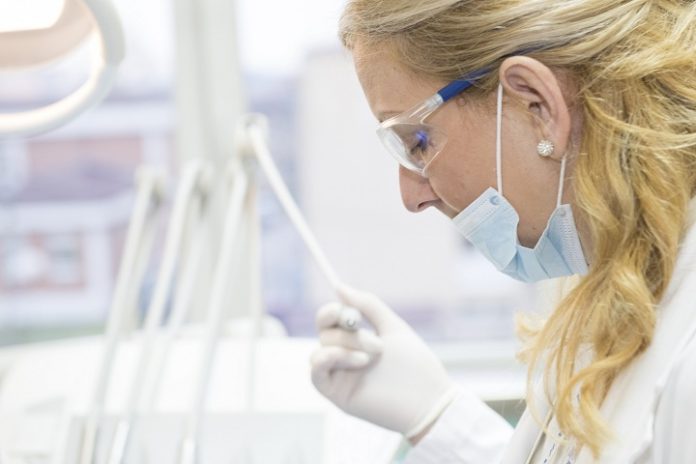
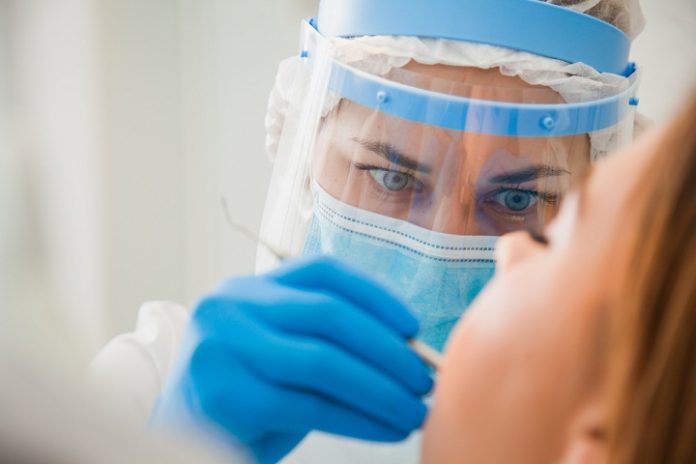
Oral hygiene and oral health of the global population were affected extremely during the covid-19 outbreak and the subsequent waves that occurred after that. Many people weren’t able to make it to their dental checkups or even make it to the offices.

During the first wave, people could not make it to their dental appointments even for a short visit, and most people couldn’t have their 6-monthly visit. Also, in many parts of the world, people have not been able to go for a checkup for a pretty long time, even exceeding a year.

During this time, those who had developed infections or people who already had infections couldn’t get the attention and treatment required. It became almost out of the question for them. However, some managed to use online treatment methods and telemedicine, wherein patients would be examined online. However, there is a huge difference in terms of quality with this sort of approach compared to a person being present in front of a dental practitioner.

Telemedicine Screening and Treatment

Viewing the conditions of a patient on-screen with devices that may not be completely compatible, makes it quite difficult to actually determine the actual conditions in terms of, let’s say, discoloration, texture change, swelling, and any other attributes that could otherwise be more easily discerned.

The inability to have a regular oral hygiene dental checkup has affected people of every age group, including children and the elderly. The reasons why most people do want to get a checkup as soon as possible despite the extreme delay in the ability to actually visit a dental practitioner,ย are quite obvious.

Some people are reluctant and feel defeated because of having been denied the opportunity for treatment in so many months. However, it’s crucial for people to go for medical checkups as soon as they are able to visit a dental expert.

In times of uncertainty, we have to do what we can do with the opportunities that are available, and seeking dental treatment or inspection is immensely important.

People Must Visit a Dentist Sooner Rather than Later

Those who have been affected with dental issues and have not been able to get a checkup have faced some difficulties, including deteriorating health. Just knowing that you have a dental issue can impact the way you work and operate, and deal with people around you.ย Moreover, the pain added to it makes things worse.

Additionally, doctors argue that lack of oral hygiene can result in deteriorating health conditions that even include cardiovascular health.

How Dental Experts Have Suffered During the Pandemic

Apart from patients suffering a great deal by not getting the treatment that they wanted, dental practitioners have suffered. Not only have they suffered because of the lack of income, but some of them also had to take up any alternative professions to make ends meet. And shutting down and restarting dental practices after an extensive break has not been easy.

Many customers who were entertained earlier (before the pandemic) were no longer available, or they decided to opt for other options nearby, such as dental practices that are nearer to them geographically speaking.

Moreover, with the fear of the pandemic infection, a lot of people who would have ordinarily opted for checkups avoid heading to dental clinics. This is even more unfortunate because these kinds of customers or potential customers are delaying dental inspection, which may result in undetected issues that will worsen with the passage of time.

Another crucial aspect to consider regarding the break in services provided, has been the disruption of supply chains that are already the backbone of your operation. Your operations need right reagents and tools and supplies.ย Amid a range of important supplies that dental practitioners needed to have in stock included Dentomycin Periodontal and a few others, as these are vital for treating dental and oral conditions.

Some suppliers may have been around every year before the pandemic, but may have had to shift their focus to direct themselves to another field for the sake of their earnings. This has been the nature of business due to pandemic restrictions.

A lot of people who may have had one business before the pandemic may now be doing something related or something totally different because of the restrictions. For example, one may have been delivering supplies to dental practices such as instruments and reagents used for treating their patients. With demand for these supplies declining, suppliers may have moved in another direction.

The result is that many of the dental practices are left without suppliers, and so they have to pick up from where they left off, and seek out new suppliers and establish new relationships for getting restarted.

Translate ยป