











Close
Digital Health & Ai Innovation summit 2026
Medical Taiwan 2026

The Different Types Of Lawyers And How To Choose One

The Different Types Of Lawyers And How To Choose One

Finding a good lawyer is one of the most important things you can do to win a case. When looking, though, you should be very careful. Concentrate your search on finding a lawyer who has experience with situations comparable to yours and who you get along with. Taking the effort to choose the right lawyer will pay off in the long run since they are more likely to help you win your case. So, let’s have a look at the many sorts of attorneys and how to pick one.

Business Lawyers

Business attorneys, sometimes known as corporate lawyers, guarantee that a company’s operations are carried out within the legal framework of local, state, and federal laws. A business lawyer is involved in a variety of matters, including liability and intellectual property issues, mergers, and the revision of various legal documents. While their focus is often on corporate concerns, they may also need to address complex issues such as aggravated domestic assault if it intersects with business operations or employee conduct.

Defense Lawyers

The two types of criminal attorneys are criminal defense lawyers and prosecutors. Criminal defense attorneys represent those who have been accused of committing a crime. In other words, these criminal defense lawyers protect the rights of the defendant. Defense lawyers have the option of working with public defenders or private attorneys. Criminal defense attorneys generally spend more time in court than their opponents, regardless of which course they follow. They can work as a drug crime lawyer, a violent crime lawyer, or a homicide lawyer, for example, because criminal law is separated into various sections.

Personal Injury Lawyers

Personal injury attorneys are largely concerned with those injured due to negligence and represent those who have been injured by an accident or at work or as a result of substandard medical care. They can help you out in case you meet with an accident.

For example, if you have an accident in Charlotte, it would be better to go with a south carolina truck accident lawyer than a firm from New York. These lawyers are responsible for gathering evidence, documenting injuries, calculating expenditures, and speaking with witnesses.

Bankruptcy Lawyer

Each lawyer must be an expert on highly particular legislation for some sort of law profession. As a bankruptcy attorney, lawyers must be well-versed in the US Bankruptcy Code. There are two categories of bankruptcy attorneys: those who specialize in consumer bankruptcy and those who are well-versed in business bankruptcy.

Intellectual Property Lawyers

Clients who need to safeguard their intellectual capital – ideas, innovations, or patents – turn to intellectual property or IP attorneys. They assist both people and corporations with trademark, copyright, and distribution conflicts, among other things. IP attorneys also assist clients in obtaining licenses and understanding trademark regulations. In addition, they offer guidance on new patent-protection legislation and guidelines.

Constitutional Lawyers

Constitutional lawyers work to interpret and apply the United States Constitution while balancing the interests of government institutions and people. A constitutional lawyer’s responsibilities may include contesting a piece of legislation’s legality, defending persons in discrimination cases, or working as a constitutional law specialist at a university. Civil rights disputes may include constitutional attorneys and may debate legal issues before state supreme courts or even the United States Supreme Court.

Employment and Labor Lawyers

Employment and labor attorneys work with unions, companies, and employees on a wide range of issues. They deal with discrimination, harassment, salary and hour restrictions, benefits, and retirement security in the workplace. While labor attorneys and employment lawyers have similar obligations, labor lawyers specialize in union-management interactions and collective bargaining, whereas employment lawyers deal with non-union workplace issues.

Family Lawyers

A family lawyer handles any domestic relations or family-related concerns, such as adoption and guardianship, paternity, juvenile delinquency, and child welfare. A family lawyer’s typical tasks include preparing contracts or negotiating agreements, drafting prenuptial agreements, consulting clients on legal choices, and settling family issues. Family attorneys might work for small legal firms or charity groups that specialize in family law.

Ask Others

Obtain recommendations and references from friends and relatives. Consult with friends and family members who have employed a lawyer. Find out who they engaged, what sort of service they needed, and whether or not they were satisfied with the results. Inquire if they would suggest the lawyer.

Consultations

Create a list of several lawyers, then meet with each of them for consultations or discovery calls before making any final decisions. You should think about their personality, their experience, your experience, and their fees before hiring a lawyer.

When looking for a lawyer, the most important factor to consider is whether or not you like the person. You will almost probably form a deep and intimate attachment to that person. You’ll probably have to communicate with him or her regularly, so if you get upset or anxious on your first meeting, that person might not be the ideal choice for you.

Hopefully, these tips and pieces of advice will help you choose the lawyer who can help you with your case. Remember, you need to be sure you choose the right person to represent you since legal cases can be extremely challenging and tiresome. So consider someone trustworthy, professional, and maybe the most important, eager to help and understand you.

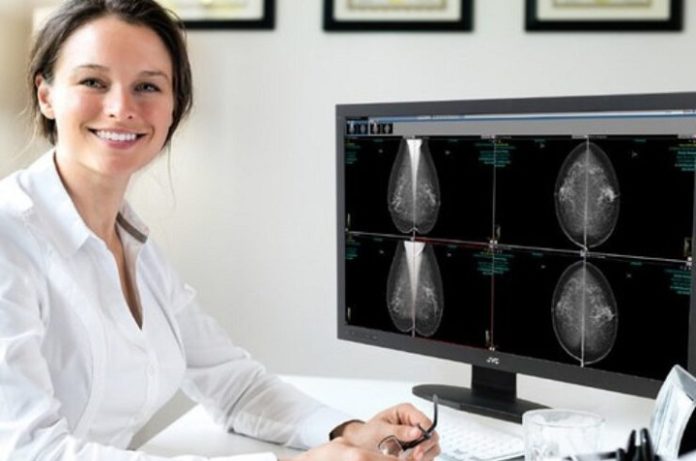
New Version of InterSystems HealthShare Enhances Consumer Health Management

InterSystems, a creative data technology provider dedicated to helping customers solve the most critical scalability, interoperability, and speed problems, announced the availability of HealthShare 2021.2, the latest version of InterSystems HealthShareยฎ suite of connected health solutions. With expanded data and functionality throughout the suite, HealthShare 2021.2 fosters collaboration across the patient care team while enhancing usability and security.

As the healthcare industry continues to navigate the COVID-19 pandemic, it has never been more critical to support collaboration through shared, easy access to patient health records. HealthShare 2021.2 is therefore focused on expanding the breadth and usability of digital health data for care planning and delivery, and analytics to empower not only healthcare providers, but healthcare consumers through one consolidated information hub.

In keeping with governmentsโ€™ health policy goals of promoting information transparency, accuracy and accessibility, the release reflects InterSystems ongoing investment in HL7ยฎ FHIRยฎ based information management. This includes:

  • An expanded standard data set for provider identity management and support for HL7โ€™s DaVinci initiative leveraging FHIR to streamline data sharing and reduce bottlenecks in care delivery.
  • Enhanced FHIR-based care plans to promote community-based care planning with the patient as a full member of the care team.
  • Continued investment in both consumer and clinician data presentation to improve the process of delivering and managing care.

โ€œAcross health organisations, we are seeing a greater demand for digital health solutions to streamline care workflows and make information more accessible, not just to providers, but to consumers,โ€ said Don Woodlock, Head of Healthcare Solutions at InterSystems. โ€œWith the launch of HealthShare 2021.2, we are doubling down on making healthcare data unified, secure and scalable to support a better health and care experience.โ€

The latest HealthShare release is built on the InterSystems IRIS for Health data platform and takes advantage of improvements to data ingestion and expanded analytics capabilities.

HealthShare 2021.2 is now available. To learn more, visit: https://www.intersystems.com/products/healthshare/.

Novarad and PenRad partner to provide further diagnostic tracking functionality to healthcare providers

Novarad and PenRad partner to provide further diagnostic tracking functionality to healthcare providers

Novarad, a leading provider of medical software, announced today that it has expanded its strategic partnership with mammography analytics company, PenRad, Inc. PenRad’s automated tracking and reporting system for lung screening, PenLung will integrate with Novarad’s NovaPACS with enterprise imaging.

The NovaPACS platform is focused on elevating patient health and efficiently managing workflows by providing a simple yet elegant solution to reading and reporting. The fully-integrated platform and its multiple components enable users to view many kinds of studies from a single workstation.

In addition to the products PenConnect and PenTrac, Novarad will be offering PenLung, a lung nodule tracking and reporting platform, as well as PenAlert. PenLung and PenAlert are automated solutions for reporting CT lung screening results for the nearly 50 separate abnormality profiles and 30 Lung-RADS combinations for audit and recall requirements. PenLung also facilitates upload to the National Lung CT Registry, which is a requirement for each lung cancer LDCT screening performed.

“We are pleased to be able to add PenLung and PenAlert to the arsenal of products that arm radiologists with the tools to provide faster and more accurate diagnoses, which results in better patient care and reduced patient vulnerability,” said David Grandpre, Senior Director of Product at Novarad. “Recent changes in LDCT lung screening guidelines and an increase of 37% in payment for outpatient lung imaging will drive demand for more efficient workflow and analytics programs; NovaPACS with PenLung fits the bill.”

“PenLung Low Dose CT screening software provides radiology departments optimized workflow benefits and tracking efficiencies previously only required by women’s imaging programs” said Greg Gustafson, President and CEO of PenRad Technologies, Inc. Gustafson goes on to say, “the growth of PenLung is coincident with the expansion of LDCT lung screening programs across the U.S., and is being driven by the release of new LDCT screening guidelines. This steady expansion gives us hope that early detection rates will rise in the coming years.”

PenRad and Novarad will be attending the 2021 Radiological Society of North America (RSNA) Annual Meeting, scheduled for Nov. 28 โ€“ Dec. 2, 2021 in Chicago, Illinois. Visit PenRad at booth #3117 and Novarad at booth #1729 to learn more about this new partnership and how it can help you meet both current and future healthcare demands.

About Novarad

Novarad enables healthcare providers to take control of their medical images through its full diagnostic suite. Ncompass Enterprise Imaging, along with user-configurable clinical workflow modules, gives facilities the solutions they need to accelerate the quality of care while assuring consistent and predictable costs. The innovative OpenSight augmented reality system overlays medical images directly onto the patient’s body in order to enable accurate registration for surgical planning. Novarad improves the practice of medicine by continually developing and refining our advanced imaging technologies to benefit providers and patients.

About PenRad

PenRad, a software provider for enhancing productivity for: breast imaging – PenRad, LDCT lung screening – PenLung, general radiology – PenAlert, genetic analysis – PenGen. PenRad invests in healthcare community in diagnostic technology, techniques, and analysis. PenRad provides software, and leadership towards standardization. These include HL7 workgroups, Clinical Interoperability Modeling Initiative (CIMI), and the Cancer-Interoperability project supported by the ONC, FDA, CDC, NCI, NIH and RSNA.

Medtronic Completes Enrollment Of PulseSelect Pulsed Field Ablation System Pivotal Trial

Procedure-Related Techniques and Care Pathways from the OPTIMIZE PRO Clinical Study Show Promising Early Outcomes for Patients Implanted with the Medtronic Evolut TAVR System

Medtronic announced it has completed patient enrollment in its pivotal PULSED AF trial evaluating the PulseSelectโ„ข Pulsed Field Ablation (PFA) System, with nearly 400 patients enrolled around the world. The trial is the first global, pre-market, multi-center clinical Investigational Device Exemption (IDE) trial study aimed to examine the safety and efficacy of the PulseSelect System. The novel ablation approach is designed to prevent the recurrence of atrial fibrillation (AF) while avoiding unwanted injury to surrounding structures or tissue, with the goal of providing a new safe and effective treatment option for the most common heart rhythm disorder.

About the PULSED AF trial

The PULSED AF trial has enrolled nearly 400 patients at more than 40ย sites clinical sites in the U.S., Canada, Europe, and Australia, and is the first and only trial of its kind to study PFA in Japan. The enrolled patients have a history of drug refractory, recurrent and symptomatic paroxysmal or persistent AF and will be treated with the PulseSelect System. Patients will be assessed for safety and efficacy at six and 12 months.

Lung Fibrosis is Seen Reversed in COVID Patients: Says Expert

Chronic Obstructive Pulmonary Disease (COPD) is currently the third leading cause of death globally. There are 300 million current cases of COPD in the world. To discuss various aspects of Chronic Obstructive Pulmonary Disease (COPD) and Interstitial Lung Disease (ILD), HEAL Foundation organised a dialogue on โ€˜COPD and Comorbiditiesโ€™ in the sixth episode of the weekly health show series โ€“ โ€˜Health4All Onlineโ€™.

Speaking on Interstitial Lung Disease (ILD), Dr Vivek Nangia, Director & Head, Pulmonology Department, Max Hospital, New Delhi, said, โ€œOnce the lungs get scarring (injury in lungs) called fibrosis is found to be irreversible. However, in the case of COVID patients, we have seen in the last one and a half years that this is a unique kind of fibrosis that is developing in COVID patients in the recovery phase and found to be reversible. Initially, we thought that it might not reverse, but it reversed dramatically. Fibrosis is a kind of Interstitial Lung Disease (ILD). This is a blanket term used for over 100 types of such diseases that could cause damage to the lungs.

Dr Vivek Nangia further said, โ€œ35% of COPD is due to cigarette and tobacco smoking while 65% of COPD patients are non-smokers. Chronic Obstructive Pulmonary Disease (COPD) is common in low-and middle-income countries including India. The leading causes are the emission of noxious stimuli such as Cigarettes and tobacco smoking.โ€

Speaking on Interstitial Lung Diseases (ILD), Dr J C Suri, Director, Department of Pulmonary, Critical Care & Sleep Medicine, Fortis Hospital, New Delhi, said, โ€œILD is a group of heterogeneous lung disorders. They are also called Diffuse Parenchymal Lung Disease (DPLD). In the majority of cases, we do not know the causes. In some cases, like people who are working in coal mines show the clear reason, but in most cases, it is idiopathic (which arises spontaneously or for which the cause is unknown).โ€

Adding further, Dr J C Suri said, โ€œSleep and COPD have a bidirectional relationship. Usually, when we sleep, our breathing becomes low compared to when we are awake. But this doesnโ€™t affect healthy people. However, people suffering from COPD, Asthma, and neuromuscular disorders or any chronic respiratory disease of moderate to severe degree get affected. Because of these diseases, our breathing is compromised, and when we go to sleep, our breathing is further compromised. It can also result in respiratory failure.โ€

He also added, โ€œPatients with COPD are at higher risk of cancer because the factors that cause COPD and cancer are common. When the patients are exposed to biomass fuels and occupational pollutants, the chances of developing cancer increase as cancer takes a long time to develop.โ€

Speaking on the effects of pollutants like particulate matter, the diseases caused due to it and the relationship between lung and heart, Dr Mohammed Sadiq Azam, Cardiologist, KIMS Hospital, Hyderabad said, โ€œHeart and lung are like brothers as they affect each other if not working properly. The Acute cor pulmonale is a form of acute right heart failure produced by a sudden increase in resistance to blood flow in the pulmonary circulation, now rapidly recognized by bedside echocardiography, is caused by lung disease. If we can treat lung diseases, Acute cor pulmonale can be reversed.โ€

Dr Azam further added, โ€œSometimes clots develop in lungs which we call pulmonary embolism, is a fatal disease. But if it is detected on time, it can be treated easily, and the recovery rate of pulmonary embolism is 90-95%. Likewise, when there is a problem in the heart such as heart failure, it can affect lungs too because the blood which comes to heart after getting purified from lungs, gets stuck there and it causes further problems.โ€

High prevalence of psychological distress among healthcare workers during pandemic: study

Doctors more likely to experience depression while anxiety more common among Nurses

A study by a team of researchers from the University of Wollongong (UOW), St George Hospital and the Illawarra Health and Medical Research Institute (IHMRI) has found a high prevalence of anxiety and depression among healthcare workers around the world during the COVID-19 pandemic.

The researchers found that depression was common among doctors, while nurses experienced high levels of anxiety. The prevalence of depression among doctors was 40.4 per cent, with 17 per cent and 19.8 per cent reporting symptoms of anxiety.

The prevalence of depression though, was lower among nurses than doctors, but still high at 28 per cent. At the same time, nurses were more likely to experience symptoms of anxiety than doctors were, with the prevalence of anxiety among nurses between 22.8 per cent and 27 per cent.

The results suggest that strategies to reduce the incidence of anxiety and depression among frontline healthcare workers are urgently required.

The study, a comprehensive umbrella review of research conducted around the world, analysed data from 10 systematic reviews and 100 unique studies which included 169,157 healthcare workers from 35 countries. The results are published in BMJ Open

The studyโ€™s lead author, Professor Ritin Fernandez from UOWโ€™s School of Nursing and St George Hospital, said the review demonstrated the need for greater support for frontline healthcare workers, particularly nurses and doctors.

โ€œThe studyโ€™s results highlight the need for nurses and doctors to be provided with urgent support to assist them with coping while working in high stress environments, especially during disaster conditions,โ€ Professor Fernandez said.

โ€œHealthcare workers need to be well supported with time away from the workplace, as this review has demonstrated that their mental wellbeing is suffering. This could lead to burnout and mass exit from the profession if staff wellbeing is not addressed.

โ€œNurses and doctors are not robots and are prone to psychological distress, just like any other worker. Strategies need to be implemented to reduce their fear of social stigma which is still attached to saying that mental health support is needed.โ€

While anxiety increased among the general population during the pandemic, frontline healthcare workers experienced heightened emotional responses as they were more frequently exposed to the virus and to very sick people.

Professor Fernandez said nurses and doctors experienced many challenges in accessing personal protective equipment, felt added job stress due to increased work demands and lack of effective treatment, and were working under rapidly changing COVID-19 protocols.

โ€œFrontline health workers were witnessing a decline in their own immunity as a result of physical and mental exhaustion. Those looking after the sick were getting sick,โ€ Professor Fernandez added.

โ€œIn this regard, healthcare workers need to be acknowledged for the work that they did and are still doing.โ€

Professor Fernandez offered some strategies to support frontline healthcare workers.

โ€œMost healthcare workers also have families, some are trying to juggle home schooling and work commitments. To know that their children could be cared for at the hospital during their shifts would alleviate some of their stress,โ€ she said.

โ€œProviding health care workers with free parking, nutritional meals and coffee, as well as monetary benefits, would also assist in a practical way.

โ€œAdditionally, having psychological support services readily available and other interventions such as a time out room with mindfulness activities and a place for them to express how they feel would also assist healthcare workers.โ€

ABOUT THE RESEARCH

โ€œAnxiety and depression among healthcare workers during the COVID-19 pandemic: a systematic umbrella review of the global evidenceโ€ by Ritin Fernandez, Nqobile Sikhosana, Heidi Green, Elizabeth J Halcomb, Rebekkah Middleton, Ibrahim Alananzeh, Stamatia Trakis and Lorna Moxham is published in BMJ Open.

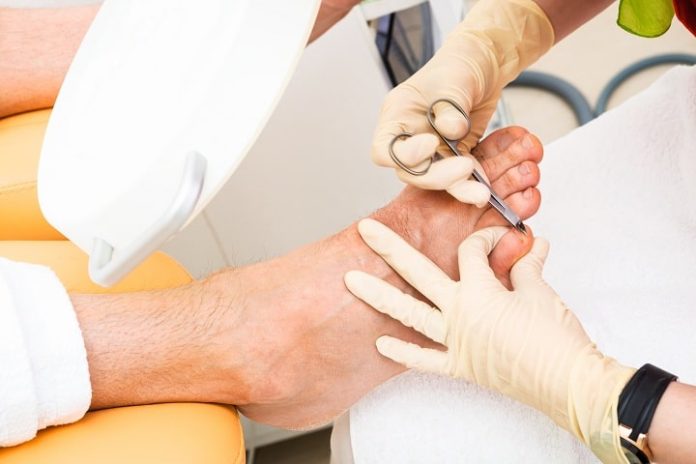
Cosmetic Foot Surgery: 3 Things To Know

Cosmetic Foot Surgery: 3 Things To Know

It’s one thing to be thrilled about a stylish pair of stilettos; it’s quite another to have your feet surgically changed to wear them. The cosmetic surgery fad has spread from the face to the feet, as severe and reckless as it may appear. Men and women are undergoing foot procedures to give their feet a “facelift” and are riding the wave of this trend.

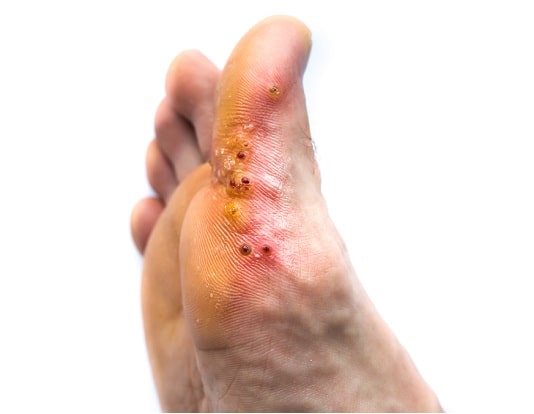
Every year, an increasing number of individuals improve the appearance and feel of their feet. People turn to somewhat invasive cosmetic foot surgery to make sure that their feet look great in open toe sandals and look great in their favorite footwears. Instead of living with painful and ugly issues like bunions, hammertoes, corns, and calluses, seeking professional help is a much more preferred course of action.

Here are some essential things to know before considering cosmetic foot surgery:

  1. What is Cosmetic Foot Surgery?

As the name suggests, cosmetic foot surgery is performed on the lower extremities for aesthetic rather than therapeutic reasons. When performed on an otherwise functional foot, the procedure’s only purpose is to improve its look. Like most cosmetic surgeries, these procedures were created as by-products of medically required procedures and used for aesthetical purposes only.

  1. What are some Cosmetic Foot Surgery Procedures, and what do they do?

The type of surgery or procedure that the patient will undergo generally depends on the foot condition and preferred outcome. Traditional foot surgeries use a somewhat different strategy than these techniques. During cosmetic foot surgery, special attention is paid to incision design and the application of a plastic surgical closure.

Additionally, specific suture materials with minimal tissue reactivity are employed to assist and reduce scarring. Patients should freeze and elevate their feet vigorously during the first four to seven days to minimize edema, discomfort and speed up healing.

Here are some Cosmetic Foot Surgery procedures available in most clinics:

  • Bunion Surgery for Cosmetic Reasons

The uncomfortable lump on top or the side of the big toe joint is removed during bunion surgery. It’s often done to relieve discomfort in the big toe joint or get rid of ugly foot disease. When feasible, the incision is made on the side of the foot for aesthetic reasons rather than on the top of the foot, which leaves a noticeable scar.

  • Hammertoe Surgery For Cosmetic Purposes

This surgery is used to treat painfully constricted toes. It may also be used to get rid of unattractive corns. The incision may occasionally be made between the toes to reduce visible scars. The usual incision location on the top of the toe leaves pronounced scars.

  • Toe-Shortening Surgery For Cosmetic Purposes

The second toe (next to the big toe) is the most common toe to be shortened. However, any toe may be reduced. Incisions are often carefully positioned between the toes, similar to hammertoe surgery, to minimize noticeable scarring. The pinkie toe is slimmed, and unpleasant, ugly corns are removed with this surgical technique. Patients may now easily and painlessly wear fashionable shoes after this treatment.

  • Facelift For The Feet

A combination of the preceding techniques is used to narrow the foot and improve its look. Patients often comment on how “roomy” their shoes are and that wearing elegant shoes or heels is now a comfortable alternative.

  • Nail Surgery for Cosmetic Purposes

This surgical technique removes ingrown toenails and fungal toenails, which make fashionable shoes unpleasant.

  1. Pros And Cons Of Undergoing Cosmetic Foot Surgery

Cosmetic operations for the foot have clear advantages and disadvantages. However, most ethical surgeons will warn you that the disadvantages outweigh the benefits unless there is pain or specific health issues.

Here are some of the Pros and Cons of Cosmetic Foot Surgery

Pros
  • Experience more comfort.
  • Natural deformities are repaired, boosting oneโ€™s self-esteem.
  • Satisfies the desire to modify foot aesthetically.
Cons
  • Thereโ€™s a risk for all sorts of surgical complications.
  • It may lead to an irreparably broken foot.
  • Expected or the desired result canโ€™t be assured.
  • The surgery can be excruciating.
  • Thereโ€™s a long time before full recovery, depending on what type of surgery is undergone.
  • Very costly.

In a nutshell

Cosmetic foot surgery is a type of surgery that deals with aesthetical problems and preferences on a patientโ€™s foot. These surgeries are done not for therapeutic reasons but for personal aesthetic preference and dealing with some conditions tagged as โ€œCosmetic.โ€ There are numerous procedures and techniques present and introduced in the market. Though many doctors donโ€™t recommend undergoing such surgeries for it poses severe consequences, the public is still riding the trend. Anybody modification procedures have their advantages and disadvantages, and the decision solely lies in oneโ€™s hands.

5 Things To Consider Before Moving Your Parent In An Assisted Living Facility

5 Things To Consider Before Moving Your Parent In An Assisted Living Facility

When your parents reach the age where they can no longer provide for themselves, deciding on what should be done can be one of the most difficult decisions to make. Itโ€™s only natural to want to step up and reciprocate years of caring. But while you love and cherish their presence, providing care for them at home may prove to be an impossible balancing act.

During this time, the choice to move into an assisted living facility may be presented. Proper and open discussion can quickly show both sides the benefits of assisted living. Ultimately, this may be the best avenue that addresses most, if not all of the concerns your family is facing.

So, with all that in mind, below are some helpful points to keep in mind when considering assisted living for your parents:

  1. Understand What Your Loved Oneโ€™s Needs Are

When moving your parents into assisted living, itโ€™s important to keep in mind that facilities may not always offer the amenities and services that your loved one needs. Keeping their physical, mental, and medical needs in mind will help you make guided decisions throughout the process.

Relative distance is important as well. Make sure to discuss how often the family plans to visit and action plans in case of emergencies. Having loved ones in a nearby city or town can be a significant stress relief for aging parents. This can serve to ease them should they consider the tips here. Furthermore, it can help make the moving decision an easier one to make.

In the end, it all boils down to what your parents need now and a few years down the line. While experts suggest that moving them in while theyโ€™re relatively healthy is best, an honest discussion will still be the most important aspect to always keep in hand.

  1. Discover How Assisted Living Can Be Financed

Financing an assisted living stay is what some consider to be the worst aspect of the moving decision. And yet, only by discussing it can you cast away misinformation and truly begin to think about your parentsโ€™ future.

Although itโ€™s true that assisted living can be expensive, there can be multiple ways to address the financial needs that arise. Your parentsโ€™ health care insurance can be the simplest place to start. Many insurance plans that cover seniors can come with assisted living benefits.

Additionally, your family can begin discussions on splitting the costs as well. Itโ€™ll be important to approach this topic with honesty and openness to avoid arguments. Discovering what works best for your family will be the best way to manage your seniorsโ€™ finances.

  1. Visit The Facility In Person Or Through The Internet

After your family has decided on a few possible facilities, the next best step will be to arrange for a visit to the site. Visiting the location can give you a better feel of the atmosphere your parents will be living in.

Another important aspect of visiting is it can ground your parentsโ€™ thoughts and anxieties. Seeing and connecting to other seniors at these facilities can assure them of a few things. Firstly, it shows them that theyโ€™ll be surrounded by people their age and with their experiences. An important aspect when allaying fears of loneliness. Also, it can help to show a more accurate portrait of assisted living, one that doesnโ€™t seem akin to living in prison.

Should a physical visit wouldnโ€™t be possible, plenty of assisted living facilities offer virtual tours of their facilities. The experience of sitting next to your aging parents and going along the virtual tour can be an excellent bonding experience.

    1. Compare Facilities Through Different Sources

Although you feel as though youโ€™ve found the perfect facility, itโ€™s always best to do more research and compare with other places before making the decision. The extra time and effort made here can save you a whirlwind of trouble later.

An excellent method of checking a facilityโ€™s reputation is through looking up reviews on search engine sites. Reviews made outside of their official websites can provide unbiased opinions about their services.

Additionally, it can also be a good idea to search for articles and news about your assisted living facilities of choice. All these can be insightful as to how well of a fit these places will be for your parents.

  1. Communicate And Prepare Your Parents For the Move

When all the planning and research are done, the final topic can be the most difficult to challenge. It can only be by overcoming this final key point can you be assured of a successful move for your parents.

While your parents can put up brave fronts through the whole process, they may be just as worried as your family is. An open and heartfelt discussion will be the only method of drawing out their true emotions.

Addressing their fears and concerns before the move will help ease their anxieties. This is why taking control and accessing all the risks is crucial in putting a confident visage before them. When your family presents a united front for their sake, only then can they fully immerse themselves on their journey to wellness.

Conclusion

Moving into assisted living is a frightening time in your aging parentsโ€™ life. But with the presence of their loved ones, you can help show them the benefits to be had at these facilities. Furthermore, extensive study and research will be your best tools in tackling any doubts along the way.

Reasons for Having Life Insurance in Your 60s

Reasons for Having Life Insurance in Your 60s

Life insurance is important at any age when you have a mortgage, a partner or a family to care for. But there are other reasons you may want to take out life insurance for over 60s such as if you have money invested in stocks, own a small or large business and if youโ€™ve built up a steady wealth. Here, weโ€™ll talk you through the reasons for having life insurance in your 60s.

To Protect Your Investments

Most investments carry some degree of risk, and thereโ€™s always the chance that your assets will decrease in value over time. If youโ€™re young, itโ€™s easy to wait out any dips in the market, but as you get older it isnโ€™t always easy to recover! By taking out life insurance when youโ€™re over 60 you can protect your investments in the stock markets or real estate for any time the markets fall. Shop around for a policy thatโ€™s large enough to cover the market value of your assets as they are today and you can insure against the risk of losses in the market during the remainder of your policy. When you die, you can be sure your legacy will remain intact for your family.

To Pass on Your Wealth or Provide Financial Help

If youโ€™ve started building up your financial wealth that will continue to grow through your working years, then if you donโ€™t have the proper life insurance, this can be disposed of at market value meaning your assets wonโ€™t be worth the amount they are at currently. With life insurance for over 60s, you can insure the potential tax liability and the additional estate related expenses like the cost of your funeral, probate and legal fees. You can even plan to pass on some of your wealth to a charity after you die. If you do this, you get some key advantages with your insurers such as leaving a donation that avoids administrative expenses and potential disputes. Also, your estate will gain tax benefits from your gift with the premiums paid!

If You Own a Business

Life Insurance when youโ€™re over 60 should be a serious consideration, and even more so if you own a business. Life insurance will help protect the value of the enterprise youโ€™ve worked hard for. Life insurance can help co-owners buy out the interests of any other co-owner or colleague that dies and proceeds from a policy can help finance the purchase and provide for family members and loved ones of the deceased. Small companies can use life insurance to support the business with the financial support it needs to make it through the term. It can also be used to recruit a replacement.

Takeaway

There are many reasons to take out life insurance when youโ€™re over 60, but more importantly if you have assets, businesses or family members to protect. When shopping around for life insurance, make sure to take into account your age, medical conditions and beneficiaries and always be honest, as if you donโ€™t declare something, your insurance may not be valid after you die.

6 Trends In Medical Device Contract Manufacturing

6 Trends In Medical Device Contract Manufacturing

Medical device contract manufacturing essentially refers to when a medical device company contracts another company to manufacture medical devices on their behalf. It gives medical device companies the ability to increase production volume, decrease lead time, and scale up or down as needed. Contract manufacturing in the medical field allows medical device OEMs to focus more on sales and marketing activities, and less on manufacturing-related processes.

Nowadays, medical technology is advancing at breakneck speeds, with new devices being invented one after another. At no other time in history has the world seen such rapid advancement in the field of medicine and improved healthcare. As these technologies mature, they can be adapted to assist with even more complex medical situations.

Moreover, the technology used every day is getting smaller and more efficient than ever before. As the number of people who need medical devices grows, so does the demand for these products.

Here are some trends in medical device contract manufacturing that will help contribute more to the medical field.

  1. Strategic Supply Chain Management

Advanced medical device companies work closely with suppliers such as medical device contract manufacturing company RBC, implementing the best practices in the industry to bring high-quality products to market.

Manufacturers must balance cost-efficiency and reliability with advanced technology as they look for partners with a good track record. Many of these companies will continue to outsource part of their production process abroad, giving them access to a larger talent pool and lower costs.

Thus, companies are increasingly looking at the device supply chain from a strategic point of view, where they can leverage their technology advantage.

  1. Emergence Of Minimally Invasive Technology

Another trend to look forward to is the minimally invasive techniques that are becoming more common in medicine worldwide, leading to a boom in the minimally invasive technology market.

There are several benefits to using this type of technology. Devices can be introduced without surgically opening the body, allowing for faster healing times and less scarring.

This trend has also extended into the medical device industry as a whole, where more and more companies offer products that can be used without having to go through traditional procedures.

In the years to come, companies will develop new technologies in this space to reduce costs and increase efficiency on a global scale.

  1. Advancement Of Healthcare Analytics

Medical device companies are using data from healthcare providers to help them make better decisions about their products and services. Customer feedback, combined with information on the medical environment, allows companies to innovate and adapt quickly to changing needs. This can result in smaller companies developing innovative technologies that meet a specific requirement for a limited subset of healthcare providers.

Companies will continue to focus on using data to improve their decision-making process. Analytics will also be used to analyze internal needs, identify opportunities for improvement, and expand into new markets where they can find success.

There is a growing need for medical technology both domestically and abroad. As the world continues to grow, so do the needs of people in healthcare. So, companies need to provide quality products and services while also staying up-to-date with market changes to remain successful.

  1. Development Of Wearable Devices

The growth of wearable technology is already being witnessed by the world nowadays. As time goes on, these products will be used for more than just fitness trackingโ€”they could become an essential part of people’s lives.

There is a variety of uses for wearable technology in healthcare. Doctors can use it to monitor their patients without constantly checking in, and patients can use it at home for self-monitoring.

Companies will see a growing demand for smaller devices that donโ€™t require large batteries or outlets in the years to come. Theyโ€™re working on ways to make their products easier to use and more portable.

  1. Medical Innovation

There is a shifting mindset when it comes to innovation in healthcare. Traditionally, doctors would spend their time figuring out the best way to treat a patient’s ailment, which often meant prescribing one-size-fits-all treatments. Changing this mindset requires a shift in understanding the healthcare system and how different organizations should work together to improve patient care.

The push for more innovative thinking has led to an increase in medical crowdsourcing initiatives, where specialists worldwide come together over the Internet to discuss solutions based on their own experiences.

The increasing popularity of telemedicine is another side effect of the movement toward more innovative thinking within the medical system. Telemedicine allows doctors to examine patients remotely, which eliminates unnecessary travel and helps improve access to healthcare services.

  1. Expansion Of Outsourcing

The growing interest in minimally invasive devices has prompted companies to look abroad for highly skilled labor, which gives them direct access to a larger talent pool.

Medical device outsourcing provides cost-effective solutions that increase operational efficiency while giving more minor manufacturers access to products they may not afford or develop on their own.

In the years to come, the world will see a growing demand for medical device outsourcing as companies look for ways to improve productivity and cut costs without sacrificing quality. These manufacturers will specialize in a specific type of technology or device to serve several different customers in many cases.

Conclusion

These are just some of the trends expected to impact the medical device contract manufacturing industry over the next few years. As long as there is a growing need for these products, companies will need to stay on top of current trends and adapt their business strategies accordingly.

Hiring an experienced medical device outsourcing company can help businesses keep up with any changes they might face in the coming years. Most notably, these companies can help enterprises better understand the foreign market theyโ€™re selling to. This will make it easier for businesses to launch new products overseas, streamline their operations, and protect their interests moving forward.

Translate ยป