Close
Digital Health & Ai Innovation summit 2026
LiGHT26

New York Funds $300m to Modernize Hospital IT Infrastructure

Modernize Hospital IT Infrastructure

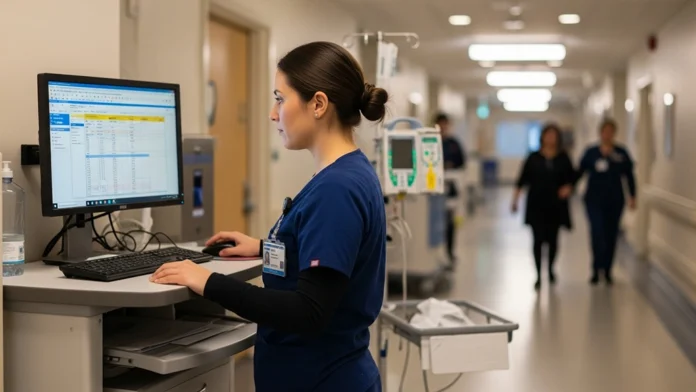
The state of New York plans to invest $300 million in its endeavors to modernize hospital IT infrastructure, make the cybersecurity robust, and also widen the telehealth services portfolio.

Governor Kathy Hochul announced on December 11, 2025, a tranche of new state funding in order to support the healthcare transformation throughout New York. The awards, made by way of the Statewide Health Care Facility Transformation Program IV and V, are going to support 22 projects that are aimed at enhancing health information technology through expanding the patient electronic medical records and making theย cybersecurity and also patient information security more robust, remarked the state officials.

Governor Hochul, in a statement, said that with an intent to Modernize Hospital IT Infrastructure and also safeguarding the patient information, they are strengthening the foundation of the health care spectrum in New York State.

These investments are going to make sure that hospitals have the necessary tools that they need in order toย safeguard the patient data, expand telehealth services, and also deliver a healthier future for all the New Yorkers.

It is well to be noted that the funding awards prioritize projects that support the financially distressed providers and also modernize critical health IT infrastructure, which includes fortifying the hospital cybersecurity and also extending the virtual care services.

Awardees go on to include hospitals across every region of the state, said the officials.

Commissioner of the New York State Department of Health,ย James McDonald, M.D., opines that due toย these investments, they are focused on developing safe, dependable,ย and also connected patient-centered care. Throughย expanding data capabilities and also enhancing cybersecurity defenses, they are indeed improving the clinical decision-making throughout the health care network of the state.

Notably, among the awardees, Montefiore Health System in the Bronx is going to get $41 million in order to fund a cybersecurity project, Richmond University Medical Center located in Staten Island got $54 million pertaining to the electronic health record – EHR transformation project, the Brooklyn Hospital Center gotย awarded $33 million for an Epic EHR executionย project, Mount Sinai Hospital got almost $12 million when it comes to population health management tools, and One Brooklyn Health System plans to make use of almost $26 million in funding in order to strengthen the cybersecurity and also for EHR projects.

In addition to this, SUNY Health Science Center at Syracuse went on to receive $2.4 million in order to fund telehealth services.

Interestingly, Community, mid-sized, as well as smaller hospitals also went on to receive significant funding awards. Rome Memorial Hospital, based in Oneida County, received $19 million so as to replace the six disparate EMRs with a single integrated solution. On the other hand, Samaritan Medical Center was awarded $22 million also for an EHR project.ย  Rochester General Hospital received $15 million for cybersecurity, and Adirondack Medical Center availed almost $5 million so as to bolster cybersecurity.

In addition to this, theย Statewide Health Care Facility Transformation Program has gone on to awardย over $1.75 billion to providers who are working toward improving access and equity as well as quality of care throughout the state of New York. These awards are part of a much broader and long-term commitment, which has directed more thanย $4.7 billion in health care capital funding across the state since 2016, confirmed the office of the governor.

Real-Time Data Analytics from Connected Devices

Realtime healthcare data analytics

Key Takeaways

  • Real-time data analytics from connected devices reduce hospital readmissions by 25-35% through early detection of clinical deterioration
  • Continuous monitoring data enables clinical interventions 24-48 hours before acute events, shifting care from reactive to proactive
  • Predictive analytics from device data streams identify 80-85% of patients at risk for adverse events before clinical manifestation
  • Machine learning models analyzing continuous vital sign data improve diagnostic accuracy by 15-25% compared to episodic assessments
  • Real-time analytics enable medication and treatment adjustments based on actual physiological response, optimizing personalized care
  • Population health analytics from aggregated device data identify community disease patterns and inform targeted public health interventions

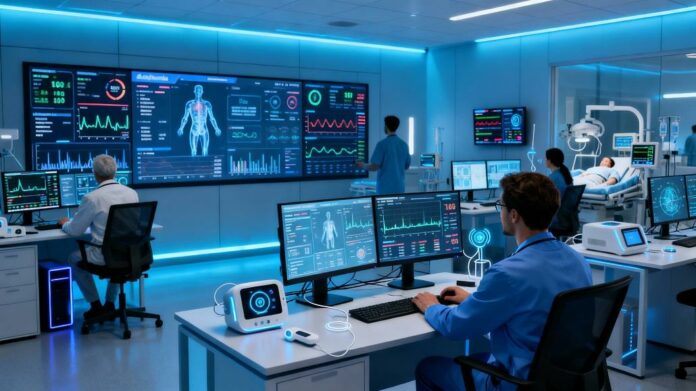
Healthcare traditionally operates on episodic information. Patients see providers at intervals annual physicals, quarterly appointments for chronic disease management, urgent visits for acute problems. Each visit generates a snapshot of health at that moment, which providers use to make decisions. The extensive periods between visits remain mysteries; clinicians don’t know how patients actually function day-to-day, which interventions work, or when problems emerge. Real-time healthcare data analytics from connected devices transforms this model fundamentally, providing clinicians with continuous information streams enabling truly data-informed decision-making.

The Revolution in Healthcare Data Availability

Connected devices wearables, home monitoring equipment, implantable devices, connected medication dispensers generate vast data streams. Heart rate measurements every minute, blood pressure readings several times daily, glucose measurements every 5 minutes from continuous monitors, weight measurements at consistent times. Collectively, these information streams provide extraordinarily detailed understanding of patient physiology and behavior far richer than any traditional assessment.

The volume is remarkable. A single patient using multiple connected devices might generate tens of thousands of data points monthly. Aggregated across healthcare populations, this data volume exceeds petabytes. Traditional analysis methods cannot process this volume manually. Real-time healthcare data analytics systems employing advanced algorithms distill this data torrent into clinically actionable insights.

Continuous Monitoring Versus Episodic Assessment

The contrast between episodic and continuous monitoring reveals data analytics’ power. Consider hypertension management. Traditional approach: patient visits office quarterly, blood pressure is measured once, medication adjusted if needed. Patient goes home unaware of actual daily blood pressure patterns. Perhaps their pressure is consistently elevated; perhaps they have white coat hypertension (elevated only in clinical settings); perhaps readings vary wildly day-to-day. One office visit cannot distinguish these scenarios.

Real-time healthcare data analytics examining 90 days of home blood pressure readings reveals actual patterns. Is pressure consistently elevated (supporting medication increase)? Is pressure normal with occasional spikes (suggesting situational stress, not requiring medication change)? Is there clear circadian pattern with morning elevations responsive to specific interventions? This detailed understanding enables precision treatment adjustments impossible with episodic data.

The advantage extends beyond medication management. Patients often ask “Is my blood pressure controlled?” Traditional answer: “Yes, your office reading was acceptable.” Reality: office measurement might not represent their actual status. Real-time analytics examining comprehensive data provide authoritative answers grounded in actual physiology.

Real-Time Alert Systems and Immediate Interventions

Connected devices integrated with analytics systems enable real-time alerting when dangerous conditions develop. A diabetic patient’s glucose plummets toward dangerous lows; their continuous glucose monitor alerts them to consume carbohydrates immediately, preventing severe hypoglycemia. A heart failure patient’s weight suddenly increases 3 pounds overnight, suggesting fluid accumulation; the system alerts both patient and provider that diuretics might need adjustment.

These real-time alerts transition patient monitoring from information gathering to intervention triggering. Rather than waiting for office visits to discover problems, alerts enable immediate response. Studies demonstrate that this real-time responsiveness reduces hospitalizations, improves outcomes, and increases patient satisfaction simultaneously.

Real-time healthcare data analytics algorithms must distinguish true concerning changes from noise. Normal variation in daily weight (1-2 pounds) shouldn’t trigger alarms; sustained 3+ pound increases warrant attention. Heart rate varies considerably; recognizing abnormal patterns amid normal variation requires sophisticated algorithms. Machine learning models trained on extensive physiological data can make these distinctions reliably.

Predictive Analytics and Preventive Intervention

Beyond identifying current problems, analytics systems predict future risk based on data trends. Machine learning algorithms analyzing vital sign patterns, activity levels, medication adherence, and other factors can identify patients likely to experience adverse events hospitalization, emergency department visit, clinical deterioration within coming weeks or months.

These predictions enable proactive intervention. A patient predicted at high risk of hospitalization receives intensified monitoring, increased provider touchpoints, and preventive interventions. Perhaps their disease-specific treatment is optimized; perhaps they receive additional education; perhaps they’re scheduled for preventive provider consultation. Whatever intervention occurs, it happens before crisis develops rather than reactively after.

The predictive accuracy is often surprising. Algorithms analyzing heart failure patients’ data can identify within 30 days which patients will require hospitalization with 80-85% accuracy. This accuracy enables targeted preventive efforts toward those most likely to benefit, focusing limited clinical resources efficiently.

Machine Learning Models Improving Diagnostic Accuracy

Diagnostic accuracy improves substantially when algorithms analyze comprehensive continuous data rather than episodic information. Consider fever evaluation. Is patient’s elevated temperature indicating infection requiring antibiotics, or benign viral illness resolving naturally? Clinicians use pattern recognition from experience, often imperfectly.

Machine learning models analyzing comprehensive temporal patterns temperature trajectory, associated symptoms, activity levels, immune markers if available can improve diagnostic accuracy by 15-25% compared to single-timepoint assessment. The algorithm learns subtle patterns predicting bacterial versus viral infection, differentiating serious infections from minor illness. While not replacing clinical judgment, these algorithmic insights augment human expertise.

Similar improvements appear across diagnostic scenarios. Algorithms analyzing continuous glucose and physical activity data can differentiate Type 1 and Type 2 diabetes, informing treatment selection. Algorithms analyzing sleep and activity patterns can differentiate depression from other conditions causing fatigue. Real-time healthcare data analytics provides richer diagnostic information than episodic clinical assessment.

Personalized Treatment Optimization

Treatment response varies substantially between individuals. A blood pressure medication that works excellently for one patient proves ineffective for another. A diabetes treatment that achieves perfect glucose control in one individual requires adjustment in another. Traditional medicine manages this variability through sequential trials try treatment, assess response, adjust if needed. This process takes weeks or months.

Real-time healthcare data analytics accelerates this optimization process. Rather than waiting weeks to assess medication response through patient report and office measurements, continuous data provides immediate response information. Did the blood pressure increase follow the medication initiation? Do glucose readings change following dietary modification? Rapid feedback enables faster treatment optimization.

Moreover, algorithms can predict treatment response before initiating therapy. Machine learning models trained on thousands of patients can learn which patient characteristics predict responsiveness to specific treatments. While not perfect, these predictions guide initial treatment selection, reducing trial-and-error cycles. A patient likely to respond poorly to Drug A should trial Drug B instead, accelerating route to effective treatment.

Population Health Analytics and Disease Patterns

While individual patient data provides personalized insights, aggregated population data reveals broader patterns. Real-time healthcare data analytics examining community-level health data identifies disease patterns, environmental influences, and population health trends.

For example, aggregated asthma patient data might reveal correlation between air quality and symptom exacerbation, enabling public health alerts. Cardiovascular data across populations might show seasonal patterns in myocardial infarctions, supporting preventive efforts during high-risk seasons. Disease surveillance systems analyzing connected device data can detect disease outbreaks earlier than traditional surveillance, enabling rapid public health response.

Privacy-preserving analytics techniques enable population health insights without compromising individual privacy. De-identified data aggregated across hundreds of thousands of patients reveals patterns individual records cannot. Health systems and public health agencies increasingly use this approach for surveillance and population health management.

Clinical Decision Support Systems

Connected device data feeds into clinical decision support systems providing providers with evidence-based guidance. When a patient presents with symptoms, the system accesses their continuous monitoring data. Rather than relying on patient memory (“How have your symptoms been?”), the system shows objective data activity patterns, vital sign trends, symptom tracking from patient reports. This objective information guides provider assessment.

Decision support algorithms suggest diagnoses to consider based on symptom patterns and available data. Treatment recommendations incorporate patient-specific factors: medication history, comorbidities, prior treatment response. Rather than generic guidelines, recommendations reflect individualized factors. Providers can accept or override suggestions; the system’s role is augmenting judgment, not replacing it.

These systems improve care quality while reducing cognitive load. Providers don’t need to synthesize vast data streams; algorithms handle this. Providers focus on integrating information, discussing options with patients, and making final treatment decisions.

Integration Challenges and Data Standardization

Despite potential, real-time healthcare data analytics faces integration challenges. Connected devices from various manufacturers generate data in different formats using proprietary standards. Integrating this heterogeneous data into unified health records requires substantial technical work. Standards development efforts like FHIR (Fast Healthcare Interoperability Resources) aim to simplify integration, but progress remains incomplete.

Data quality issues present another challenge. Sensors malfunction, producing erroneous readings. Patients forget to charge devices or wear them inconsistently, generating incomplete data. Algorithms must handle missing data and outliers gracefully without compromising reliability. Machine learning approaches increasingly incorporate uncertainty quantification, reporting confidence levels alongside predictions.

Privacy and security considerations add complexity. Patient data traveling across networks faces interception risks. Storing vast health data attracts criminal attention. Regulatory compliance with HIPAA, GDPR, and other frameworks requires substantial infrastructure. Successfully navigating these challenges enables analytics value while protecting patient privacy.

Addressing Algorithm Bias and Fairness

Machine learning algorithms can perpetuate or amplify existing healthcare disparities. Algorithms trained disproportionately on data from privileged populations may perform poorly for minorities. Algorithms trained on hospital data reflecting healthcare access disparities might inappropriately guide resource allocation. Real-time healthcare data analytics systems must deliberately address bias.

Forward-thinking organizations examine algorithm performance across demographic groups, explicitly testing for disparities. They diversify training data to represent all populations their systems serve. They involve affected communities in algorithm development, incorporating patient perspectives. They remain transparent about algorithm limitations and caveats.

The Future: Edge Computing and Artificial Intelligence at Scale

The trajectory of real-time healthcare data analytics points toward increasingly distributed, intelligent systems. Rather than all data streaming to centralized servers, future systems might employ edge computing processing occurring on wearable devices themselves. Smartwatches would perform sophisticated analysis locally, reporting only clinically significant findings to the cloud. This approach reduces data transmission, improves privacy, and enables faster response.

Artificial intelligence will increasingly automate clinical tasks. Rather than humans manually reviewing trending data, AI systems will execute entirely autonomous interventions within defined parameters. An AI system might autonomously adjust insulin pump infusion rates based on continuous glucose data and predictive models. These autonomous systems, while maintaining human oversight and the ability to intervene, enable truly continuous optimization impossible with human intervention.

Wearable Sensors Driving Preventive Healthcare

Wearable preventive healthcare monitoring

Key Takeaways

  • Continuous wearable monitoring detects subtle vital sign changes 24-48 hours before symptomatic deterioration, enabling early intervention
  • Wearable sensors reduce hospital readmissions by 25-35% in high-risk populations through continuous remote monitoring and early alert systems
  • Early warning detection via wearables enables treatment initiation before acute crises develop, reducing emergency department visits by 20-30%
  • Predictive algorithms analyzing wearable data identify disease progression months before clinical manifestation, supporting preventive treatment
  • Population-level wearable data analytics identify community health trends and disease patterns, informing public health interventions
  • Continuous activity monitoring via wearables increases physical activity compliance by 30-40% through personalized motivation and feedback

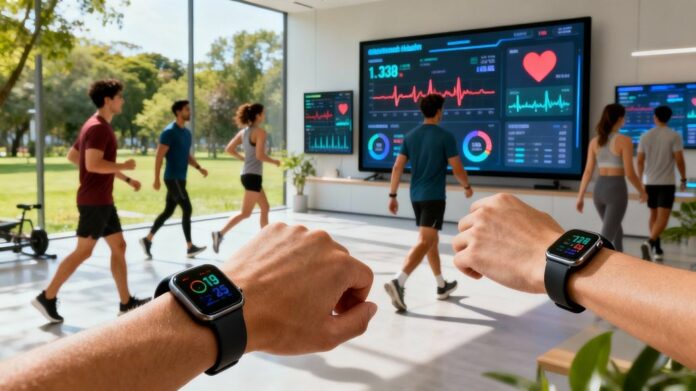
Prevention represents healthcare’s holy grail. Treating disease is expensive, disruptive, and often suboptimal; preventing disease is infinitely preferable. Yet prevention remains underprioritized in healthcare systems designed around acute illness treatment. Patients develop symptoms, seek care, and receive treatment a reactive approach that contrasts sharply with prevention’s ideal of identifying risk before clinical manifestation. Wearable preventive healthcare monitoring transforms this dynamic, enabling detection of emerging health problems before symptoms develop, supporting timely interventions that prevent serious disease.

The Shift from Reactive to Proactive Healthcare

Traditional healthcare operates according to the symptomatic presentation model. A patient with early heart disease experiences no symptoms until a heart attack or stroke occurs. A diabetic’s glucose dysregulation progresses silently until polyuria, weight loss, and fatigue prompt medical evaluation. Blood pressure elevation develops asymptomatically until stroke or heart disease announces itself catastrophically. This approach wastes prevention’s opportunity, treating disease only after substantial damage occurs.

Wearable preventive healthcare monitoring inverts this timeline. Rather than waiting for symptoms, continuous monitoring detects abnormal physiological states before symptomatic development. A wearable device detecting gradually increasing resting heart rate might suggest emerging infection, thyroid dysfunction, or cardiac dysfunction. These subtle changes, monitored over weeks and months, reveal disease trajectories long before symptoms appear. Early intervention when disease is most treatable becomes possible.

This shift from reactive to proactive care requires fundamental reconceptualization of patient monitoring. Historically, patient assessment occurred intermittently annual physicals, episodic visits for acute problems. Wearables enable continuous assessment, providing data streams far richer than any periodic evaluation. This richness reveals patterns and trends that episodic assessment cannot detect.

Continuous Vital Sign Monitoring

The foundation of wearable preventive healthcare monitoring involves continuous measurement of vital signs heart rate, respiratory rate, blood pressure, body temperature, oxygen saturation, and others. Traditional monitoring occurred episodically during healthcare encounters. Wearables enable continuous, unobtrusive measurement of these critical parameters.

Modern wearable sensors employ diverse technologies. Photoplethysmography (PPG) sensors using light transmission through tissue measure heart rate and oxygen saturation through color changes in blood vessels. Accelerometers detect movement and can infer respiration from body movement patterns. Electrocardiogram (ECG) sensors measure electrical activity directly. Temperature sensors monitor body temperature. Collectively, these sensors capture comprehensive physiological information throughout daily life, not just during office visits.

The value of continuous monitoring becomes apparent in certain conditions. A patient with atrial fibrillation experiences irregular heart rhythms episodically; a single office visit might capture normal rhythm, missing the actual arrhythmia. Wearables recording 24-hour or continuous ECG data detect these paroxysmal arrhythmias reliably, guiding appropriate treatment. Similarly, patients with sleep apnea show abnormal oxygen saturation during sleep; only continuous monitoring detects this. Traditional office-based vital sign measurement would completely miss the problem.

Early Detection of Health Deterioration

One of wearable preventive healthcare monitoring’s highest-value applications involves detecting health deterioration before acute crises develop. Patients with stable chronic conditions experience warning signals often hours or days before serious events. Detecting these warnings enables preventive intervention.

Heart failure provides a compelling example. Patients often experience subtle warning signs increasing fatigue, mild shortness of breath, declining activity tolerance before acute decompensation precipitates hospitalization. Weight gain, reflecting fluid accumulation, precedes symptomatic worsening by days. Wearable monitoring detecting these changes enables treatment adjustment before hospitalization becomes necessary. Studies show that remote monitoring programs reduce heart failure hospitalizations by 25-35%, improving outcomes while reducing costs.

COPD represents similar territory. Patients experiencing exacerbation often show increased respiratory rate and altered breathing patterns hours before dyspnea becomes disabling. Wearables detecting these changes alert patients and providers to initiate treatment early antibiotics, corticosteroids, or other interventions preventing full-blown exacerbations. The economic impact is substantial; a single COPD hospitalization exceeds $10,000, while early outpatient intervention costs a fraction of that.

Predictive Analytics from Longitudinal Wearable Data

Beyond detecting acute deterioration, machine learning algorithms analyzing longitudinal wearable data can predict future health events with surprising accuracy. These predictive models represent wearable preventive healthcare monitoring’s frontier.

Consider the following: a patient’s resting heart rate, heart rate variability, activity levels, and sleep patterns contain information predicting future health outcomes. Machine learning algorithms, trained on thousands of individuals with complete follow-up data, learn relationships between these baseline metrics and future events. A particular constellation of vital sign patterns might predict high risk of cardiovascular events within the next year. Another pattern predicts increased diabetes development risk. Early identification of these high-risk individuals enables preventive interventions.

Some recent research demonstrates remarkable predictive capability. Machine learning models analyzing wearable data detected cancer months before clinical diagnosis through subtle metabolism changes reflected in activity and vital sign patterns. While such applications remain research territory, the potential is substantial. Imagine identifying cancer risk months early when treatment is most likely to succeed.

Importantly, these predictive models must maintain appropriate humility. Not all high-risk individuals experience predicted events; some low-risk individuals do. Predictive accuracy, while improving, remains imperfect. Nonetheless, identifying high-risk populations enables targeted preventive efforts toward those most likely to benefit.

Supporting Healthy Populations and Wellness

While much discussion focuses on disease management, wearable preventive healthcare monitoring equally applies to healthy populations focused on wellness optimization. Wearables provide continuous feedback on health metrics relevant to long-term wellness activity levels, sleep quality, stress indicators, recovery metrics.

This feedback enables data-driven lifestyle optimization. Rather than general recommendations “get 30 minutes of activity daily” individuals see their actual activity data and its relationship to mood, sleep quality, and health metrics. They discover personal patterns: perhaps their sleep deteriorates when daily steps fall below a certain threshold, or mood improves with specific activity durations. This personalized feedback, grounded in actual data, enables more effective wellness behavior change than generic advice.

Gamification elements further enhance engagement. Individuals compete with friends, unlock achievement badges, and track progress toward self-defined wellness goals. These game mechanics leverage psychological principles enhancing intrinsic motivation. Rather than exercising because they should, individuals exercise for psychological gratification, making behavior change sustainable.

Integration with Healthcare Providers

The most powerful applications of wearables occur when patient-generated data informs provider decision-making. Patients using wearables passively generating data no one reviews gain psychological benefit from self-monitoring but limited clinical benefit. Integration with healthcare providers amplifies value.

Secure data sharing enables providers to access patient-generated vital sign data within electronic health records. Rather than assessing patients based on single office measurements, providers see 30 days of blood pressure readings, activity patterns, and sleep quality. This rich data substantially improves clinical decision-making. A patient’s blood pressure showing sustained elevation warrants medication adjustment; gradual normalization following intervention confirms treatment efficacy. Activity patterns suddenly declining might indicate depression requiring intervention.

This provider integration requires careful consideration of data burden. Providers overwhelmed with continuous data streams cannot process it effectively. Solutions involve automated analysis identifying concerning changes requiring clinical attention, while aggregating stable data into summary views. Only clinically significant information receives explicit provider notification; other data remains available if providers choose to review.

Real-Time Alerts and Early Intervention

Wearable preventive healthcare monitoring becomes actionable through real-time alert systems. Machine learning algorithms analyzing vital sign streams identify concerning changes and generate notifications. A patient with atrial fibrillation experiences irregular rhythm; their smartwatch detects this and alerts them to seek care. A diabetic patient’s glucose shows dangerous low levels; the continuous glucose monitor alerts them to consume carbohydrates immediately. These alerts transition wearables from passive data collection to active intervention triggers.

The quality of alert algorithms significantly impacts clinical usefulness. Poor algorithms generating constant false alarms cause alarm fatigue users ignoring notifications. Sophisticated algorithms minimize false alarms while reliably detecting true concerning changes. Machine learning models trained on extensive physiological data can distinguish normal variation from pathological change, appropriate alerting thresholds from hypervigilant overstimulation.

Addressing Privacy and Data Security Concerns

Continuous wearable monitoring generates remarkably detailed personal health information. Heart rate patterns reflect emotional state, stress levels, and intimate physical activity. Sleep data reveals sleep disorders and psychological stress. Activity data indicates depression, anxiety, or physical disability. Location tracking reveals daily patterns and habits. This intimate information warrants substantial privacy protection.

Successful wearable preventive healthcare monitoring programs address privacy concerns through multiple mechanisms. Data encryption ensures information traveling from wearable devices to processing systems remains confidential. De-identification techniques enable algorithm development without exposing individual identity. User controls enable patients to determine what data is collected, with whom it’s shared, and how it’s retained. Transparent policies clearly explain data usage.

Regulatory frameworks increasingly define privacy requirements. HIPAA compliance applies to health information; GDPR applies to EU residents; state-specific privacy laws create additional requirements. Forward-thinking organizations exceed regulatory minimums, implementing privacy protections that build user trust and confidence.

Challenges and Limitations of Wearable Technology

Despite substantial potential, wearable technology faces genuine limitations. Sensor accuracy varies significantly across devices and conditions. Optical heart rate sensors work reliably during rest but fail during exercise when motion artifact corrupts signals. Blood pressure estimation from pulse wave analysis varies substantially across individuals. Algorithms trained on healthy young populations often perform poorly in elderly patients or those with certain skin conditions.

User adherence represents another challenge. Wearables must be worn continuously to be useful; users discontinue use due to discomfort, perceived inconvenience, or simple forgetfulness. Devices falling into storage drawers generate no data. Successful programs combine comfortable, intuitive device design with engaging user interfaces encouraging consistent use.

Integration with existing healthcare systems presents technical challenges. Wearables from various manufacturers generate data in diverse formats. Integrating this heterogeneous data into unified patient records requires substantial technical work. Standards development aims to simplify this integration, but interoperability remains imperfect.

The Future: Ubiquitous, Unobtrusive Monitoring

The trajectory of wearable preventive healthcare monitoring points toward increasingly sophisticated, unobtrusive devices. Next-generation wearables might be embedded in clothing heart rate and ECG sensors in a shirt, respiratory sensors in fabric. Implantable sensors could provide internal organ monitoring without external devices. Non-contact sensors might measure vital signs from distance without contact, further reducing intrusiveness.

AI algorithms will grow increasingly sophisticated at detecting subtle disease harbingers. Rather than responding to obvious changes, algorithms will identify rare, subtle patterns predicting disease months or years ahead. Integration with genetic data will enable truly personalized medicine where interventions are recommended based on individual genetic risk and emerging physiological changes.

Utilizing Real-World Evidence to Improve Trial Outcomes

Real-world evidence

Key Takeaways

Traditional randomized controlled trials, while scientifically rigorous, often investigate medications under carefully controlled conditions involving selected patient populations that may not represent actual clinical practice. Trial protocols specify restrictive inclusion/exclusion criteria, closely monitor participants, and follow standardized protocols that differ substantially from typical clinical settings. While this controlled approach provides scientifically robust efficacy data, it generates limited information regarding how treatments actually perform across diverse patient populations under real-world conditions. Real-world evidence addresses this limitation by documenting treatment performance in everyday clinical practice, revealing treatment effectiveness, safety patterns, and optimal patient populations in authentic healthcare environments. By leveraging real-world evidence to inform trial design and execution, organizations generate research findings more directly applicable to clinical decision-making and patient populations researchers aim to serve.

Real-world evidence represents an increasingly essential component of modern pharmaceutical development, complementing rather than replacing traditional trial evidence. Regulatory agencies recognize real-world evidence’s value for understanding treatment performance in diverse populations and identifying patient subgroups most likely to benefit from specific interventions. Organizations embracing real-world evidence integration will establish competitive advantages through better-informed trial designs, more relevant research evidence, and more efficient drug development. As healthcare systems continue prioritizing cost-effectiveness and treatment optimization, real-world evidence becomes increasingly critical for demonstrating value and appropriateness of therapeutic interventions across diverse patient populations.

Bridging the Gap Between Trial Results and Clinical Practice

Clinical trials conducted under controlled research conditions provide scientifically robust efficacy data but often involve patient populations and treatment settings differing substantially from actual clinical practice. Trial protocols typically exclude patients with significant comorbidities, advanced age, or complex medication regimensโ€”populations representing substantial proportions of real-world patients receiving medications in routine clinical care. Furthermore, intensive monitoring, strict adherence requirements, and standardized protocols in trial settings differ markedly from typical clinical environments where patients receive less frequent monitoring and flexibility regarding treatment modification. Real-world evidence addresses this fundamental disconnect by documenting medication performance under authentic clinical conditions, revealing how treatments actually perform across diverse patient populations receiving care in varied healthcare settings.

Real-world evidence represents clinical data collected outside traditional trial environments, derived from established electronic health records systems, insurance claims databases, disease registries, and direct patient data collection through wearable devices. This pragmatic data captures genuine treatment effectiveness, safety patterns, medication adherence challenges, and disease progression trajectories under conditions closely approximating actual clinical practice. By leveraging real-world evidence throughout clinical development, organizations bridge the “evidence-to-practice gap” that frequently results in trial findings poorly predicting actual clinical outcomes. The transformation from research-generated efficacy data to clinically applicable effectiveness evidence represents a fundamental shift in how pharmaceutical organizations approach evidence generation and regulatory strategies.

Electronic Health Records and Comprehensive Patient Databases

Electronic health records represent one of the richest sources of real-world evidence, containing comprehensive clinical documentation, laboratory results, treatment histories, diagnostic codes, and clinical outcomes spanning patient populations across diverse healthcare systems. Machine learning algorithms mine these vast databases to identify patient cohorts matching specific clinical characteristics, extract treatment information regarding medication dosages and durations, and link treatment exposure to subsequent health outcomes. This systematic analysis of EHR data reveals natural experiment resultsโ€”spontaneously occurring situations where similar patients receive different medications, enabling comparison of real-world treatment outcomes.

Real-world evidence derived from EHR analysis provides substantial advantages over trial-based evidence in several important respects. First, the patient populations represented in EHR databases reflect actual clinical practiceโ€”including elderly individuals, patients with significant comorbidities, and populations systematically excluded from traditional trials. Second, the diversity of healthcare settings represented provides insight into how treatments perform across hospitals, specialty clinics, primary care practices, and rural facilities. Third, the longitudinal nature of EHR data captures long-term treatment outcomes extending years beyond typical trial duration. Machine learning algorithms extract actionable insights from these comprehensive datasets, identifying which patient populations derive greatest benefit from specific medications and which patient subgroups experience unacceptable adverse effect burden.

Insurance Claims Data and Treatment Pattern Analysis

Insurance claims databases provide detailed information regarding medication utilization patterns, treatment discontinuation rates, and economic outcomes across large patient populations. By analyzing claims data, researchers identify which medications patients continue long-term and which medications patients discontinue shortly after initiationโ€”information suggesting perceived efficacy and tolerability in real-world settings. Treatment persistence analysis derived from claims data often diverges from trial results, revealing that medications showing impressive efficacy in trials may suffer from poor long-term adherence due to side effects, inconvenience, or lack of perceived benefit in actual practice.

Machine learning algorithms analyzing claims data can identify treatment patterns predicting long-term medication discontinuation, suggesting that while trials demonstrated efficacy, practical tolerability or delivery factors limit real-world success. This insight enables trial designers to prioritize endpoints capturing factors important for real-world medication persistenceโ€”potentially identifying more relevant endpoints than traditional efficacy measures. Furthermore, claims data analysis reveals economic outcomes including healthcare utilization, hospitalizations, and treatment costs associated with specific medications under real-world conditions. This economic real-world evidence increasingly influences payer decisions regarding medication coverage and reimbursement, making real-world evidence essential for demonstrating value in today’s cost-conscious healthcare environment.

Patient Registries and Longitudinal Outcome Documentation

Disease registries capture longitudinal clinical data from patients with specific conditions, documenting disease progression, treatment approaches, and clinical outcomes over extended follow-up periods. Registry data represents real-world evidence combining spontaneously collected clinical information with standardized data collection protocols ensuring adequate data quality and comparability across participants. Patients with specific conditions including rare diseases, cancer, diabetes, and cardiovascular disease contribute to registries documenting their disease trajectory and treatment outcomes.

Machine learning algorithms applied to registry data can identify patient subgroups with superior or inferior treatment responses, predict disease progression patterns, and recommend personalized treatment approaches based on comparable patients’ experiences. By analyzing registry data, researchers identify which patients derived greatest benefit from specific medicationsโ€”information invaluable for targeting trials toward responsive populations. Furthermore, registries often capture outcomes directly relevant to patients including functional status, quality of life, and disease impactโ€”metrics often underrepresented in traditional trials emphasizing laboratory measures and clinician-assessed endpoints. Registry-derived real-world evidence regarding patient-centered outcomes increasingly influences regulatory decisions and healthcare provider treatment recommendations.

Wearable Devices and Continuous Health Monitoring Data

Wearable biosensors including smartwatches, fitness trackers, and specialized medical devices generate continuous real-world health data capturing daily living conditions and authentic treatment response patterns. Rather than relying on infrequent clinic-based measurements, wearables collect continuous information regarding activity levels, sleep patterns, heart rate variability, temperature, and other physiological parameters. This longitudinal data stream provides substantially richer information regarding treatment effect and disease progression compared to episodic measurements from traditional clinical encounters.

Real-world evidence from wearable devices reveals treatment effectiveness across diverse daily situations and reveals individual variation in treatment response that population-averaged trial results obscure. Analysis of wearable data can identify treatment effects appearing modest in population-averaged analyses but substantially improving functional capacity for specific patient subgroups. Machine learning algorithms analyzing wearable data from large populations can identify early warning signals predictive of treatment failure or emerging adverse effects, enabling early clinical intervention before serious complications develop. The continuous nature of wearable data transforms real-world evidence generation, providing disease and treatment outcome information with unprecedented granularity and temporal resolution.

Trial Design Optimization Through Real-World Insights

Organizations strategically leveraging real-world evidence can substantially improve clinical trial design and execution. Analysis of real-world treatment patterns guides inclusion/exclusion criteria developmentโ€”rather than purely theoretical reasoning, trial designers can base criteria on evidence regarding which patient populations derive greatest real-world benefit. Real-world evidence analysis reveals patient subgroups with superior treatment responses, enabling trials to enrich for responsive populations and achieve higher efficacy signals compared to trials enrolling unselected patient samples.

Real-world evidence further informs endpoint selection by identifying which clinical outcomes matter most to actual patients and predict long-term treatment persistence. Trial designers discovering that certain outcomes predict real-world medication adherence better than other measures can prioritize these endpoints for trial evaluation. If real-world evidence demonstrates that patients discontinue medications despite trial-demonstrated efficacy due to side effects, trial designers prioritize side effect reduction rather than further efficacy optimization. This evidence-informed endpoint selection ensures trials investigate outcomes most relevant to clinical decision-making and patient populations actually using medications in practice.

Regulatory Strategy and Post-Marketing Surveillance

Regulatory agencies increasingly accept real-world evidence as complement to traditional trial data, particularly for demonstrating real-world safety, identifying new therapeutic indications, and supporting approval of treatments for additional patient populations. FDA issued guidance establishing frameworks for evaluating real-world evidence, enabling sponsors to submit RWE supporting regulatory submissions. Organizations strategically collecting high-quality real-world evidence can leverage this data to support regulatory applications more efficiently and convincingly than relying exclusively on expensive clinical trials.

Post-marketing surveillance using real-world evidence enables detection of safety issues and rare adverse effects that trials cannot feasibly identify before product launch. Real-world evidence from millions of patients using medications in diverse settings reveals side effects potentially affecting small patient subgroups in ways that trials involving thousands of participants cannot detect. Machine learning algorithms monitoring real-world evidence streams can identify emerging safety signals requiring clinical action, enabling faster regulatory response to serious adverse effects. By proactively monitoring real-world evidence post-marketing, organizations fulfill regulatory obligations regarding medication safety while generating valuable data informing clinical use guidelines and patient populations most likely to benefit.

Population Health and Treatment Optimization

Real-world evidence enables population health approaches where healthcare systems analyze their own patient populations’ treatment patterns and outcomes to optimize clinical practices. By understanding how their specific patient populations respond to medications and identifying patient characteristics predicting treatment success, healthcare organizations can develop population-specific treatment guidelines optimizing outcomes. Machine learning algorithms trained on organization-specific real-world evidence can recommend treatments most likely to succeed for particular patient subgroups within their population.

This population-specific approach to real-world evidence utilization enables dramatic improvements in treatment outcomes and healthcare efficiency. Rather than applying generic clinical guidelines developed from trial populations potentially differing from local populations, organizations can tailor recommendations to their specific patient characteristics and epidemiology. Patients derive benefit through more targeted treatments optimized for their specific clinical context. Healthcare organizations achieve superior outcomes and cost efficiency through elimination of ineffective treatment trials and faster achievement of therapeutic response. The future of healthcare increasingly involves this evidence-based, population-specific optimization of clinical practices informed by real-world evidence.

Data Quality and Machine Learning Validation

Effective real-world evidence utilization requires careful attention to data quality, completeness, and appropriate application of machine learning algorithms. Real-world datasets frequently contain missing data, coding errors, and incomplete information compared to carefully collected trial data. Machine learning algorithms must be validated to ensure conclusions regarding real-world evidence reflect genuine patterns rather than data artifacts or algorithmic errors. Organizations utilizing real-world evidence must invest in data quality assurance, algorithm validation, and appropriate statistical controls ensuring scientific rigor.

Furthermore, machine learning algorithms trained on real-world evidence may demonstrate bias reflecting underlying healthcare disparities or inappropriate clinical practices documented in source data. Algorithms trained on data reflecting racial disparities in clinical decision-making might perpetuate these disparities if deployed without careful bias detection and correction. Organizations utilizing real-world evidence must actively evaluate algorithmic performance across diverse patient populations, identify potential biases, and implement corrections ensuring fairness and appropriateness across all populations. By addressing these methodological challenges, organizations can leverage real-world evidence’ substantial power while maintaining scientific rigor and equity.

Strategic Integration Across Development Continuum

Leading pharmaceutical organizations are increasingly integrating real-world evidence systematically throughout drug developmentโ€”from early-stage research hypothesis generation through post-marketing surveillance. Rather than viewing real-world evidence and clinical trials as competing approaches, forward-thinking organizations recognize that optimal evidence generation leverages both approaches strategically. Real-world evidence informs trial design, identifies relevant patient populations, and suggests meaningful endpoints. Clinical trials provide rigorous efficacy evidence under controlled conditions. Combined, these approaches generate evidence substantially more applicable to clinical decision-making than either approach independently.

Strategic real-world evidence integration enables organizations to generate compelling evidence demonstrating clinical value more efficiently than organizations relying exclusively on traditional trial approaches. By demonstrating that medications improve outcomes in real-world settings for diverse patient populations, organizations can achieve regulatory approval, payer coverage, and clinical adoption more readily than organizations producing only idealized trial data. As healthcare increasingly demands evidence of real-world effectiveness and appropriate patient population targeting, organizations excelling at real-world evidence generation will establish substantial competitive advantages.

Future Evolution and Precision Medicine Integration

Real-world evidence will increasingly integrate with precision medicine approaches, enabling highly tailored treatment recommendations based on individual patient characteristics and comparable patients’ experiences. Machine learning models trained on diverse real-world populations can make personalized predictions regarding individual treatment response, optimizing medication selection and dosage for each specific patient. As genomic data, wearable monitoring, and electronic health records integrate comprehensively, real-world evidence becomes increasingly granular and personalized.

The trajectory of real-world evidence demonstrates profound potential for transforming pharmaceutical development from population-averaged approaches toward precision, population-specific, and ultimately individualized treatment optimization. Healthcare organizations mastering real-world evidence utilization will establish themselves as leaders in evidence-based medicine, delivering superior outcomes through evidence-informed clinical decisions optimized for their specific patient populations. As patients increasingly expect treatment recommendations based on current evidence reflecting people similar to themselves, the importance of real-world evidence will only increase. The future of medicine clearly involves strategic integration of real-world evidence informing clinical decision-making at every levelโ€”individual patient care, organizational protocol development, regulatory decision-making, and healthcare policy development.

Remote and Decentralized Clinical Research Solutions

Decentralized clinical trials

Key Takeaways

Traditional clinical trials have historically required patients to travel repeatedly to centralized research sites for study visits, laboratory assessments, and clinical evaluationsโ€”a substantial burden that excludes many potential participants from research participation. Elderly patients, individuals with mobility limitations, rural populations, and busy working professionals frequently cannot accommodate the time commitment and travel requirements of traditional site-centric trials. This structural limitation has resulted in clinical research populations that systematically underrepresent demographic and geographic diversity, generating evidence applicable primarily to privileged populations capable of participating in traditional trial models. Decentralized clinical trials fundamentally address this equity issue by eliminating geographical barriers and time burdens through remote participation options. The resulting expansion of potential participants enables dramatically faster recruitment, more representative study populations, and more generalizable evidence reflecting broader population characteristics.

The convergence of digital health technologies, regulatory evolution, and healthcare stakeholder alignment creates unprecedented opportunity for decentralized trial adoption. Remote work normalization accelerated by global pandemics demonstrated that sophisticated clinical activities including informed consent, vital sign monitoring, and laboratory sample collection can occur effectively outside traditional clinical facilities. Regulatory agencies increasingly embrace decentralized approaches, establishing frameworks for evaluating remote trial methodologies. Participants increasingly expect convenient research options accommodating their individual circumstances. Organizations embracing decentralized trial innovations will establish competitive advantages through faster recruitment, improved diversity, enhanced retention, and superior evidence generation while simultaneously advancing health equity by expanding research access.

Revolutionizing Clinical Research Through Remote Participation

The traditional clinical trial model has persisted for decadesโ€”patients travel to designated research sites for multiple study visits spanning months or years, undergoing standardized assessments according to fixed schedules regardless of individual circumstances. This site-centric approach introduced substantial barriers to participation, particularly for elderly individuals, rural populations, patients with mobility limitations, and busy working professionals. Consequently, clinical research populations systematically excluded substantial demographic segments, generating evidence applicable primarily to the specific populations capable of participating in traditional trial formats. Decentralized clinical trials represent a fundamental departure from this model, replacing site-centric research with remote, patient-centric approaches where participants engage with research activities from their homes and receive clinical support through telehealth and digital health technologies.

Decentralized clinical trials leverage sophisticated digital health technologies to enable comprehensive trial participation without requiring travel to centralized research sites. Telemedicine platforms replace traditional office visits for safety monitoring and clinical assessments. Wearable biosensors continuously monitor physiological parameters rather than relying on occasional laboratory measurements. Electronic platforms enable informed consent and ongoing engagement without requiring physical documentation. Mobile health applications facilitate patient-reported outcomes collection and medication adherence monitoring. By eliminating geographical constraints and reducing time burdens, these technological innovations fundamentally transform who can participate in clinical research. The resulting expansion of eligible participant populations enables substantially faster enrollment, more representative study cohorts, and accelerated identification of effective treatments.

Telehealth and Virtual Site Visits

Telemedicine represents a cornerstone technology enabling decentralized clinical trials, replacing traditional office visits with video-based clinical interactions between patients and research staff. Through telehealth platforms, patients participate in informed consent discussions, safety evaluations, treatment initiation discussions, and ongoing monitoring without traveling to physical research facilities. Healthcare providers conduct clinical assessments including vital sign measurementโ€”facilitated by home-based blood pressure monitors and pulse oximetersโ€”and engage in detailed clinical interviews exploring symptoms, tolerability, and treatment response. This virtual care model maintains clinical rigor while eliminating geographical constraints and travel burden.

The practical implementation of telehealth in decentralized clinical trials requires thoughtful attention to technology selection, user interface design, and clinical workflow integration. Platforms must be intuitive enough for elderly individuals and patients unfamiliar with technology while maintaining security and regulatory compliance standards. Clinical staff require training regarding conducting assessments through telehealth, as physical examination and patient observation differ substantially from traditional office-based encounters. Despite these implementation considerations, telehealth has demonstrated remarkable effectiveness in enabling clinical research participation. Patients report high satisfaction with virtual visit models, particularly when given choice between remote and in-person options. The flexibility of virtual visits enables scheduling that accommodates patient work schedules, reducing scheduling barriers that traditionally limited trial participation.

Wearable Devices and Continuous Monitoring

A fundamental advantage of decentralized trials over traditional research involves the capacity for continuous monitoring through wearable biosensors and home-based medical devices. Traditional trials conducted snapshot assessments during site visitsโ€”typically measuring vital signs and collecting brief clinical observations at infrequent intervals. In contrast, wearables enable continuous collection of heart rate, activity levels, sleep patterns, skin temperature, and other physiological parameters throughout trial duration. This continuous data stream provides substantially richer information regarding patient status and treatment response compared to episodic site-based measurements.

Machine learning algorithms analyze wearable data streams to identify subtle patterns indicative of treatment response, emerging safety issues, or disease progression. Algorithms can recognize anomalies suggesting increased infection risk, cardiac arrhythmias, or other safety concerns before patients experience obvious symptoms, enabling early intervention. By monitoring continuously, decentralized trials detect safety signals faster than traditional site-based trials dependent on patient symptom reporting and infrequent clinical assessments. This enhanced safety monitoring represents substantial clinical valueโ€”potentially preventing serious adverse events through early identification and appropriate clinical intervention.

Electronic Informed Consent and Digital Engagement

Traditional clinical trials required paper-based informed consent processes where patients reviewed lengthy consent documents and provided signatures at research sites. Electronic consent (eConsent) platforms transform this process by presenting informed consent information through interactive digital formats accessible from patients’ homes. Video presentations, animated explanations, and interactive quizzes ensure patients comprehend essential trial information before confirming consent. Digital platforms create permanently accessible records of consent discussions, reducing subsequent misunderstandings or disputes regarding what patients understood.

Beyond initial consent, digital engagement platforms maintain ongoing communication with trial participants throughout research duration. Study teams use electronic platforms to deliver educational materials regarding trial participation, medication administration, and symptom reporting. Patients access personalized dashboards displaying their trial data, progress toward endpoints, and relevant clinical milestones. This transparent, continuous engagement enhances patient understanding of trial purpose and personal participation importance, improving retention and adherence compared to traditional trials with minimal patient communication. Electronic engagement platforms further enable rapid dissemination of protocol modifications or emerging safety information, ensuring all trial participants receive timely information regarding trial conduct.

Patient-Reported Outcomes and Remote Monitoring

Decentralized trials extensively employ patient-reported outcomes (PRO) collection through electronic platforms rather than relying exclusively on clinician-assessed measurements. Patients report symptoms, functional status, quality of life, and treatment side effects through convenient digital interfaces accessible from their phones or home computers. This direct patient reporting captures information unavailable through traditional objective clinical assessmentsโ€”patients’ subjective experiences with treatment, medication adherence challenges, and lifestyle impacts.

Mobile health applications facilitate daily or weekly PRO collection, enabling detection of subtle changes in patient status that might be missed through infrequent traditional assessments. For instance, in a depression trial, daily mood tracking through a mobile application would detect mood fluctuations and symptom patterns that patients cannot accurately recall during traditional site visits weeks apart. Machine learning algorithms process these frequent PRO measurements, identifying patterns predictive of treatment response or emerging safety concerns. The longitudinal nature of remote monitoring data provides substantially greater insight into treatment effects compared to episodic site-based assessments. Patients further appreciate the convenience of reporting from home and viewing their own data through personal dashboards, enhancing engagement and retention.

Home Nursing Visits and Sample Collection

While many trial activities can occur remotely through telehealth, certain procedures require in-person assessment and biological sample collection. Decentralized trials address this through home nursing visitsโ€”nurses travel to patients’ homes to conduct safety assessments, draw blood samples, or collect other biological specimens according to trial protocols. This approach maintains clinical rigor for procedures requiring direct observation and sample collection while eliminating requirement for patients to travel to centralized sites.

Home nursing services substantially improve trial accessibility for patients with mobility limitations, transportation barriers, or geographic distance from research sites. Elderly individuals with driving limitations, patients with severe disease affecting mobility, and rural residents living hours from research facilities can all participate comfortably when services come to them. Scheduling flexibility further enhances accessibilityโ€”home nurses coordinate appointments around patient availability rather than requiring patients to accommodate fixed site-based visit schedules. The increased accessibility generated by home nursing services dramatically expands the pool of potential trial participants, enabling enrollment of populations systematically excluded from traditional site-centric trials.

Expansion of Geographic Reach and Demographic Diversity

One of the most significant advantages of decentralized trials involves expansion of geographic reach beyond traditional research site locations. Traditional trials concentrate participants in urban areas with established research infrastructure, systematically excluding rural and underserved communities. Decentralized approaches eliminate this geographic limitationโ€”patients anywhere with internet access can potentially participate through remote visit platforms. Rural patients with limited local healthcare infrastructure gain access to cutting-edge research participation opportunities previously unavailable in their communities.

This geographic expansion translates into substantial improvements in trial demographic diversity. Rural populations historically underrepresented in clinical research now have realistic participation options. Similarly, decentralized trials enable recruitment of patients in developing nations where clinical research infrastructure remains limited. The resulting more diverse trial populations generate evidence more representative of broader population characteristics. Regulatory agencies increasingly recognize health equity value of diverse trial populations, viewing demographic diversity as indicator of higher-quality evidence more applicable to diverse patient populations. Organizations conducting decentralized trials with substantial demographic diversity gain competitive advantages in regulatory interactions and market positioning.

Operational Efficiency and Cost Considerations

While decentralized trials require investments in digital health infrastructure, telemedicine platforms, and wearable device integration, the operational efficiency gains often offset these incremental technology costs. Traditional site-based trials require substantial ongoing expenses for site facilities, staff, regulatory compliance, and participant travel reimbursement. Decentralized trials reduce these physical infrastructure costs while utilizing distributed nursing networks and telehealth platforms. For trials enrolling geographically dispersed populations, decentralized approaches generate substantial cost savings compared to site-based models requiring expensive establishment of research facilities in multiple locations.

Faster recruitment enabled by expanded eligible participant populations represents additional cost benefit of decentralized trials. Reduced recruitment timeline translates directly into shortened overall trial duration, reducing ongoing operational expenses for data management, regulatory monitoring, and site management. Enhanced retention through convenience and accommodation of individual circumstances reduces wasteful expenses associated with participant dropout and replacement recruitment. Collectively, these operational efficiencies often result in decentralized trials generating evidence at comparable or lower cost compared to traditional site-based trials while simultaneously generating higher-quality evidence from more diverse, representative populations.

Data Quality and Real-World Evidence Generation

Decentralized trials generate rich, longitudinal data reflecting patient status in real-world settings rather than episodic measurements conducted in artificial research environments. Continuous wearable monitoring captures actual daily living conditions and treatment responses in patients’ authentic environments rather than constrained clinical settings. Patient-reported outcomes submitted frequently from home reflect genuine patient experiences rather than recollections of events weeks prior. Biological samples collected through home nursing services maintain scientific rigor while reflecting real-world treatment response in patients’ natural environments.

This real-world data generation transforms decentralized trials into practical mechanisms for generating real-world evidenceโ€”research conducted outside traditional controlled trial environments using pragmatic trial designs reflecting actual clinical practice. Real-world evidence increasingly influences clinical decision-making, regulatory approvals, and healthcare policy. By demonstrating treatment effectiveness in real-world conditions, decentralized trials provide evidence more relevant to clinical practice than traditional efficacy trials conducted under highly controlled conditions. Payers, regulators, and clinicians increasingly value real-world evidence demonstrating that treatments work effectively under practical conditions rather than only under idealized research circumstances.

Implementation Challenges and Future Opportunities

Successfully implementing decentralized trials requires careful attention to regulatory compliance, data security, and participant access to technology. Regulatory frameworks for remote trials continue evolvingโ€”organizations must remain current regarding regulatory requirements regarding telehealth use, electronic consent validity, and remote monitoring standards. Data security becomes critical when transmitting sensitive patient information through multiple digital platformsโ€”organizations must invest in robust cybersecurity infrastructure protecting participant privacy.

Technology access remains an implementation consideration, as not all potential participants possess reliable internet access, smartphones, or familiarity with digital health platforms. Organizations conducting decentralized trials must provide technology support and device access to ensure that digital barriers do not recreate the inequities decentralized trials aim to address. By thoughtfully addressing these implementation challenges, organizations can leverage decentralized trial advantages while maintaining quality, compliance, and accessibility standards.

Transforming Clinical Research Accessibility

The trajectory of decentralized clinical trials demonstrates profound potential for democratizing research access and expanding health equity. As digital health technologies mature and regulatory frameworks evolve, decentralized approaches will become increasingly standard across pharmaceutical research. Patients will increasingly expect research opportunities accommodating their individual circumstances rather than requiring adaptation to rigid site-centric trial models. Organizations embracing decentralized trial innovations will establish substantial competitive advantages through faster recruitment, enhanced diversity, improved retention, and superior evidence generation. The future of clinical research will involve increasingly patient-centric models where research accommodates participants’ lives rather than requiring participants to accommodate research schedules and locations.

Innovative Strategies for Adaptive Clinical Trials

Adaptive clinical trials

Key Takeaways

Traditional clinical trial designs have remained largely unchanged for decadesโ€”researchers establish rigid protocols before trial initiation, conduct studies exactly as planned regardless of interim results, and wait until trial completion to analyze accumulated evidence. While this standardized approach offers statistical rigor, it introduces substantial inefficiencies. Trials frequently continue with treatment arms that emerging data suggests are ineffective, potentially exposing patients to suboptimal or harmful interventions. Conversely, promising approaches might receive inadequate patient exposure, delaying confirmation of benefits. Adaptive clinical trials address these fundamental limitations by incorporating flexibility that allows evidence-based modifications during trial execution. This innovative approach delivers superior operational efficiency, improved patient outcomes, and accelerated therapeutic development without compromising scientific rigor or regulatory acceptability.

The pharmaceutical industry stands at an inflection point where adaptive trial methodologies transition from specialized research applications to mainstream standard practice. Regulatory agencies increasingly recognize that well-designed adaptive trials produce evidence of comparable quality to traditional trials while substantially improving efficiency. As healthcare systems prioritize faster access to innovative treatments and patients increasingly expect evidence-based optimization of research participation, adaptive trial adoption will accelerate. Organizations mastering adaptive trial design and implementation will establish competitive advantages through faster drug development, improved patient outcomes, and enhanced operational efficiency.

Transforming Clinical Research Through Flexible Design

The traditional clinical trial paradigm has persisted for over half a centuryโ€”researchers develop detailed protocols, obtain regulatory and ethics committee approval, initiate enrollment, and conduct studies exactly according to predetermined specifications regardless of interim results. This rigid approach prioritizes statistical consistency and regulatory compliance but introduces substantial inefficiencies. Researchers continue enrollment in treatment arms that emerging data suggests are ineffective, potentially subjecting patients to unnecessary exposure to inferior or harmful interventions. Conversely, unexpectedly effective approaches might receive limited patient exposure, delaying confirmation of benefits and preventing faster access to life-saving treatments. Adaptive clinical trials revolutionize this paradigm by enabling evidence-based modifications during study execution, fundamentally improving efficiency, patient safety, and the speed of therapeutic innovation.

Adaptive clinical trials represent a sophisticated evolution in research methodology, leveraging accumulated data and advanced statistical techniques to optimize trial design in real-time. Rather than treating trial protocols as immutable once initiated, adaptive designs allow researchers to modify treatment doses, adjust enrollment criteria, eliminate ineffective arms, and refocus resources toward most promising interventions based on emerging evidence. This flexibility enables trials to respond dynamically to accumulating data, optimizing the research environment for patients and accelerating the identification of effective treatments. When implemented with rigorous statistical frameworks and appropriate regulatory oversight, adaptive trials produce evidence of comparable quality to traditional trials while substantially improving operational metrics.

Interim Analysis and Dynamic Decision-Making

The foundation of adaptive clinical trial design rests upon regular interim analyses that evaluate accumulating trial data before trial completion. Rather than limiting statistical analysis to trial endpoints, adaptive designs employ scheduled interim assessments to examine efficacy, safety, and population characteristics against pre-specified decision rules. When interim analyses demonstrate that specific treatment arms perform below pre-determined efficacy thresholds or exhibit unacceptable safety profiles, decision rules trigger predetermined modificationsโ€”potentially eliminating ineffective arms, adjusting dosages, or modifying enrollment criteria.

Machine learning algorithms enhance traditional interim analysis approaches by identifying subtle patterns within accumulating trial data that might escape conventional statistical analysis. AI systems trained on historical trial data can predict treatment arm success probability, identify patient subgroups showing superior or inferior responses, and recommend optimal protocol modifications based on interim results. This computational sophistication enables more precise interim decision-making, reducing the risk of retaining ineffective approaches while maximizing potential to identify and pursue promising interventions. The combination of rigorous statistical frameworks with machine learning sophistication produces interim analyses of unprecedented quality, enabling confident protocol modifications that maintain scientific rigor while improving operational efficiency.

Treatment Arm Elimination and Adaptive Allocation

One of the most powerful applications of adaptive clinical trial design involves eliminating ineffective treatment arms before trial completion and reallocating enrollment resources toward more promising approaches. Traditional trials continue enrollment in all treatment arms regardless of interim results, potentially requiring thousands of additional patients to complete enrollment in inherently unsuccessful approaches. Adaptive trials establish pre-specified performance thresholds, and when interim analyses demonstrate that specific arms underperform relative to these benchmarks, enrollment ceases and resources redirect to remaining arms or newly activated treatment arms.

The practical impact of adaptive arm elimination proves substantialโ€”by discontinuing ineffective arms early, trials reduce overall patient exposure to unsuccessful approaches while accelerating accumulation of data for promising interventions. A trial designed to evaluate four potential treatments might discover through interim analysis that one approach dramatically underperforms predetermined efficacy thresholds. Rather than continuing enrollment to predetermined sample sizes in all arms, the trial discontinues the ineffective arm, reallocates those resources to successful arms, and achieves trial completion substantially faster. Patients benefit through reduced exposure to unsuccessful approaches, while researchers benefit through faster acquisition of definitive evidence regarding effective treatments.

Response-Adaptive Randomization Strategies

Traditional clinical trials employ fixed randomization ratiosโ€”typically equal allocation to all treatment armsโ€”regardless of interim efficacy signals or patient response patterns. Response-adaptive randomization represents an innovative alternative where allocation probabilities shift dynamically based on accumulating efficacy data, increasingly allocating new patients to treatments demonstrating superior performance. This adaptive approach maximizes the probability that trial participants receive successful treatments while simultaneously accelerating accumulation of evidence regarding superior approaches.

Machine learning algorithms optimize response-adaptive randomization by predicting which patients will respond best to specific treatments and adjusting allocation accordingly. Rather than treating all patients identically, the system increasingly allocates responsive patients to treatments they are predicted to benefit from while reallocating non-responsive patients toward alternative approaches. This personalized adaptive approach simultaneously improves individual patient outcomes during trial participation while accelerating the generation of evidence regarding treatment effectiveness. The ethical benefits prove substantialโ€”compared to traditional equal allocation, response-adaptive randomization reduces patient exposure to ineffective treatments and increases probability that trial participants receive beneficial interventions.

Adaptive Dosage Optimization

Beyond treatment arm modifications, adaptive trials frequently incorporate dose optimization procedures that modify treatment dosages based on accumulating efficacy and safety data. Machine learning systems analyze patient responses to current dose levels, predict optimal doses for subsequent patient cohorts, and recommend specific dose modifications that maximize therapeutic benefit while maintaining acceptable safety profiles. This continuous optimization ensures that patients enrolled later in the trial benefit from dosage adjustments informed by cumulative experience with earlier participants.

Adaptive dosage optimization proves particularly valuable for studying treatments where optimal dosages remain uncertain or where individual patient characteristics substantially influence optimal doses. Rather than relying on theoretical predictions regarding optimal doses, adaptive trials use actual patient response data to drive dose optimization decisions. The result is identification of truly optimal dosages substantially faster than traditional approaches, with earlier trial participants providing the foundational safety and efficacy data that enables evidence-based optimization for subsequent participants. Patients in adaptive dosage trials increasingly receive doses closer to individually optimal levels compared to traditional trials employing fixed dosages throughout the study.

Population Subgroup Identification

Adaptive clinical trial designs enable sophisticated identification of patient subgroups showing differential treatment responses, a capability that traditional trials frequently miss. Machine learning algorithms continuously analyze trial data to identify patient characteristics predictive of treatment responseโ€”discovering that specific genetic variants, biomarker levels, or demographic factors correlate with superior or inferior treatment outcomes. Once these predictive patterns are identified through interim analyses, trials can modify enrollment criteria to focus on responsive subgroups, substantially improving observed efficacy outcomes and reducing sample sizes required to demonstrate statistical significance.

This adaptive subgroup identification approach contrasts sharply with traditional trials that analyze subgroup responses only after trial completion through retrospective analyses prone to multiple comparison problems and spurious findings. In contrast, adaptive designs incorporate subgroup analysis prospectively, with pre-specified decision rules guiding protocol modifications based on identified subgroup differences. By identifying and subsequently enriching for responsive subgroups, adaptive trials achieve faster demonstration of efficacy in appropriate populations while avoiding inefficient enrollment of unresponsive patients. The result is more precise understanding of which patients derive therapeutic benefit from specific treatments, enabling subsequent marketing and clinical use that targets treatments to responsive populations.

Operational Efficiency and Cost Reduction

The operational benefits of adaptive clinical trial design extend substantially beyond statistical considerations into concrete reductions in trial duration and costs. By eliminating ineffective arms early, adaptive trials achieve substantially shorter overall study durations compared to traditional trials designed with fixed sample sizes for all arms. Shortened trial durations translate directly into cost reductions, as trials require substantial ongoing expenses for site operations, patient monitoring, data management, and regulatory oversight. A trial completed eighteen months earlier than originally planned realizes substantial cost savings even accounting for expenses associated with interim analyses and protocol modifications.

Beyond trial duration, adaptive designs improve recruitment efficiency by modifying enrollment criteria during the trial based on emerging patterns. If certain patient subgroups prove difficult to recruit, adaptive protocols can adjust eligibility criteria to broaden the recruitment pool. Conversely, if particular subgroups appear to respond dramatically better to treatments, enrollment can concentrate on these populations. This dynamic adjustment of enrollment strategies based on real-world recruitment experience and efficacy patterns substantially improves overall trial efficiency. Sites struggling with recruitment receive evidence-based suggestions for enrollment optimization, while high-performing sites receive recognition and resources to continue successful recruitment approaches.

Regulatory Acceptance and Evidence Quality

Early regulatory skepticism regarding adaptive trial methodologies has substantially diminished as evidence accumulates demonstrating that well-designed adaptive trials produce evidence of comparable quality to traditional trials. Regulatory agencies including the FDA and EMA have issued guidance embracing adaptive trial designs, establishing frameworks for evaluating these approaches and specifying requirements for regulatory acceptability. Key elements include pre-specification of interim analysis plans, clearly defined decision rules governing protocol modifications, and statistical controls ensuring that adaptive modifications maintain appropriate Type I error rates (false positive probability).

The regulatory acceptance of adaptive trial designs reflects growing recognition that these approaches offer superior efficiency without compromising scientific rigor when appropriately designed and executed. Sponsors employing adaptive designs must invest substantially in statistical planning and monitoring infrastructure to ensure interim analyses are conducted appropriately and protocol modifications follow pre-specified decision rules. However, when these requirements are met, adaptive trials deliver regulatory evidence of comparable quality to traditional trials. Furthermore, regulators increasingly appreciate that adaptive designs enable faster demonstration of effective treatments, expediting access to beneficial therapies while maintaining necessary safety and efficacy standards.

Implementation Considerations and Best Practices

Successfully implementing adaptive clinical trials requires substantial expertise in statistical design, machine learning, and clinical trial operations. Sponsors must employ biostatisticians with sophisticated understanding of adaptive methodologies, data scientists capable of developing and validating machine learning models, and trial operations teams prepared to manage more complex trial monitoring and protocol modifications. Investment in sophisticated data management and analysis infrastructure proves necessary to support frequent interim analyses and evidence-based decision-making throughout trial execution.

Critical success factors for adaptive trial implementation include comprehensive pre-specification of all interim analysis plans and decision rules before trial initiation, maintaining independence between trial oversight and statistical analysis teams, and documenting all decision-making processes to ensure transparency and regulatory acceptability. Adequate training of sites regarding adaptive trial operations ensures that staff understand modified protocols and implement changes appropriately. Regular communication with regulatory agencies during trial planning and execution prevents misunderstandings regarding regulatory expectations and ensures that trial modifications proceed with appropriate oversight.

Future Evolution of Adaptive Trials

As artificial intelligence and advanced analytics continue advancing, adaptive trial designs will become increasingly sophisticated, incorporating real-time patient-level data, biomarker analysis, and machine learning predictions into dynamic decision-making frameworks. Integration of decentralized trial elements will enable enrollment expansion and population diversity improvement while supporting the real-time data collection necessary for sophisticated adaptive modifications. Artificial intelligence systems will increasingly enable simultaneous evaluation of multiple potential protocol modifications, optimizing complex trade-offs between statistical power, patient safety, operational efficiency, and regulatory acceptability.

The trajectory of adaptive clinical trial design demonstrates profound potential for transforming pharmaceutical development toward faster, more efficient, more patient-centric research. Healthcare organizations embracing adaptive trial methodologies will achieve competitive advantages through substantially faster drug development, improved patient outcomes during trial participation, and reduced overall trial costs. As regulatory acceptance increases and stakeholder confidence in adaptive approaches grows, adoption will accelerate across the pharmaceutical industry. The future of clinical research will increasingly involve adaptive designs that dynamically optimize trial execution based on accumulating evidence, representing a fundamental evolution in how the industry identifies and develops effective therapeutic approaches.

Predictive Modeling AI-Driven Early-Stage Drug Research

Predictive drug development modeling

Key Takeaways

  • AI-driven QSAR models predict pharmacokinetic properties with 85-90% accuracy, reducing the number of compounds advancing to animal testing by 50%
  • Machine learning toxicity prediction prevents costly late-stage clinical trial failures by identifying potential safety liabilities at early screening stages
  • Predictive efficacy models enable patient stratification, identifying which patient populations will respond best to specific drug candidates
  • In silico drug-drug interaction predictions reduce adverse event discoveries during clinical trials by 35-40%
  • Machine learning models analyzing vast datasets identify novel biomarkers predicting individual patient responses to therapeutics
  • Real-world evidence integration enables continuous model refinement, improving predictions as new clinical data emerges

The pharmaceutical industry confronts a sobering reality: approximately 90% of drug candidates fail during development, with most failures occurring in expensive clinical trial phases. The financial and human costs are staggering billions spent on compounds that ultimately prove ineffective or unsafe. This waste persists despite our advanced understanding of biology and chemistry. Predictive drug development modeling powered by artificial intelligence offers a transformative solution, enabling researchers to identify problematic compounds and unsuitable populations before investing massive resources in clinical testing.

The Foundation: Understanding Pharmacokinetics Through Prediction

Pharmacokinetics how the body absorbs, distributes, metabolizes, and excretes drugs represents one of the most critical yet challenging aspects of drug development. A compound might show exquisite activity against its intended target in laboratory tests, yet fail clinically because the body rapidly metabolizes it or fails to achieve adequate concentrations at the disease site. Historically, determining pharmacokinetic properties required expensive animal studies and eventual human testing.

Machine learning has revolutionized this landscape. Predictive drug development modeling systems trained on thousands of known drugs can now forecast pharmacokinetic properties from molecular structure alone, often with remarkable accuracy. These models learn the relationship between chemical structure and how the human body processes compounds, then apply that understanding to novel molecules.

The sophistication of these approaches varies. Simple machine learning models might achieve 75-80% prediction accuracy for basic properties like blood-brain barrier penetration. Advanced deep learning systems considering three-dimensional molecular geometry, lipophilicity, molecular weight, and hydrogen bonding patterns achieve 85-90% accuracy for complex predictions. While not perfect, these predictions provide extraordinary value early in development, allowing researchers to eliminate compounds unlikely to reach therapeutic target tissues or that will be rapidly eliminated from the body.

Quantitative Structure-Activity Relationships and AI

Quantitative Structure-Activity Relationship (QSAR) modeling represents the grandfather of computational drug design, but artificial intelligence has revitalized this approach. Traditional QSAR models used statistical methods to relate molecular properties to biological activity. Modern AI-enhanced QSAR combines these classical principles with machine learning sophistication.

Contemporary predictive drug development modeling systems employ neural networks, ensemble methods, and deep learning architectures to understand structure-activity relationships with unprecedented nuance. Rather than relying on hand-selected molecular descriptors, these systems can learn which structural features matter most for a given target. A compound with a particular side chain substitution might be critical for binding a viral protease but irrelevant for a kinase inhibitor, and sophisticated models can learn these target-specific patterns.

Graph neural networks represent a particularly promising advancement. These architectures represent molecular structures as interconnected nodes (atoms) and edges (bonds), allowing the algorithm to understand both local chemical environments and global molecular topology. This approach has proven especially valuable for predicting ADMET (Absorption, Distribution, Metabolism, Excretion, Toxicity) properties the comprehensive set of factors determining whether a compound will achieve therapeutic success.

Forecasting Toxicity Before Human Exposure

Perhaps the highest-value application of predictive modeling in pharmaceutical development involves forecasting toxicity. Discovering that a compound is toxic in humans after years of development represents not merely financial loss but potential harm to trial participants. Computational toxicity prediction provides early warning systems for such problems.

Machine learning toxicity models are trained on extensive datasets of chemical structures and their known toxicological properties. These systems can predict various toxicity endpoints hepatotoxicity (liver damage), cardiotoxicity (heart damage), mutagenicity (potential to cause mutations), and others. The algorithms identify molecular features associated with toxicity risk.

Notably, predictive drug development modeling systems excel at identifying compounds with unusual toxicity risks. A molecule might pass standard safety testing but contain obscure structural features associated with rare but serious adverse effects. Sophisticated machine learning models, trained on comprehensive toxicology datasets, can flag these concerns before animal testing begins.

The business impact is substantial. A compound that advances through animal studies only to show unacceptable toxicity in human trials can cost $50-100 million and severely damage company reputation. Computational toxicity prediction prevents many such failures, redirecting development efforts toward inherently safer compounds.

Efficacy Prediction and Target Engagement Assessment

Beyond safety considerations, predictive models forecast drug efficacy whether a compound will actually produce the desired therapeutic effect. This involves understanding how well the compound binds to its intended target and whether that binding produces the desired biological consequence.

Molecular docking simulations, increasingly powered by machine learning, predict how well a small molecule fits into a protein binding site and with what strength. Deep learning models trained on crystallographic data of protein-ligand complexes have achieved remarkable prediction accuracy. When new compounds are docked, these models provide rapid assessment of binding probability.

However, binding prediction is only part of efficacy modeling. Predictive drug development modeling must also consider whether target engagement produces the desired effect. A compound might bind exquisitely to its target but fail therapeutically because the target is not the actual disease-causing mechanism, or because blocking that target produces problematic off-target effects. Sophisticated models attempt to predict these functional relationships by integrating target biology, pathway analysis, and disease mechanism understanding.

Patient-level efficacy prediction represents an emerging frontier. Rather than asking whether a compound will work in the general population, advanced models ask whether it will work in specific patient subpopulations. Some people metabolize drugs rapidly due to genetic variations, rendering standard doses ineffective. Others have genetic or biochemical factors making them exquisitely sensitive to the same dose. Predictive models increasingly attempt to identify these patient-level variations, enabling patient stratification strategies.

The ADMET Bottleneck and AI Solutions

The pharmaceutical industry identifies ADMET properties as a critical bottleneck in drug development. Many compounds with excellent target binding fail because they cannot be absorbed orally, are rapidly metabolized, or accumulate in tissues causing toxicity. Historically, ADMET problems were discovered late in development through expensive animal studies and early human trials.

Machine learning has transformed ADMET prediction. Comprehensive models now forecast multiple ADMET endpoints from molecular structure:

Absorption Prediction involves forecasting whether compounds can cross the gastrointestinal tract and enter systemic circulation. Factors include molecular weight, lipophilicity, hydrogen bonding capability, and topological polar surface area. Machine learning models trained on thousands of compounds can predict absorption probability with 80%+ accuracy.

Distribution Prediction forecasts where compounds localize within the body. High brain penetration is desired for neurological drugs but problematic for peripheral compounds (where brain penetration risks side effects). Low plasma protein binding is often preferred. Predictive models consider lipophilicity, size, and charge distribution to forecast these properties.

Metabolism Prediction identifies which enzymes will metabolize a compound and how quickly. Rapid metabolism in some individuals requires higher doses; excessive metabolism in everyone renders a compound therapeutically impractical. Machine learning models, trained on extensive cytochrome P450 metabolism data, predict metabolic rates and primary metabolite structures.

Excretion Prediction forecasts whether compounds will be renally eliminated, hepatically eliminated, or sequestered in tissues. Accumulation problems warrant careful monitoring in repeat-dose studies. Predictive models inform preclinical safety strategies.

Toxicity Prediction, as discussed previously, identifies safety concerns.

Integration of these predictions into a unified predictive drug development modeling platform gives researchers comprehensive ADMET understanding early in development, enabling intelligent decisions about which compounds merit further investment.

Integration with Real-World Evidence and Clinical Data

Historically, drug development relied on primary research data animal studies, clinical trials to inform decisions. Modern predictive drug development modeling increasingly incorporates real-world evidence from electronic health records, patient registries, and post-market surveillance data. This approach provides additional learning signals to improve model accuracy.

Machine learning systems trained on real-world outcomes data can identify patterns humans might miss. For example, patient response variability to existing drugs might indicate which genetic variants or biomarkers predict individual efficacy and safety. These insights, integrated into predictive models for new compounds, enable better candidate selection and patient stratification strategies.

Furthermore, as new drugs achieve regulatory approval and accumulate safety/efficacy data, this information feeds back into predictive models. A compound’s actual pharmacokinetics in humans might differ slightly from predictions; these deviations inform algorithm refinement. Over time, models become increasingly accurate as they learn from actual outcomes.

Accelerating Clinical Trial Design and Patient Selection

Predictive models inform not only which compounds advance to trials but how those trials are designed. Machine learning can optimize trial size, duration, and patient population selection based on predicted compound properties and disease-specific factors.

Patient stratification represents a particularly valuable application. Rather than enrolling all comers into a trial, predictive models identify which patient subpopulations are most likely to respond to a compound. This approach enables smaller, faster trials focused on responsive populations, accelerating development timelines and improving apparent efficacy.

Biomarker prediction represents related territory. Predictive models, analyzing compound properties and target biology, can suggest which patient characteristics (genetic markers, protein expression levels, etc.) predict response. Clinical trials can then enroll patients selected based on these predicted biomarkers, improving trial efficiency and increasing probability of regulatory approval.

Overcoming Data Limitations and Algorithmic Challenges

Despite impressive progress, predictive drug development modeling faces genuine challenges. Machine learning models require substantial training data, yet proprietary pharmaceutical data remains closely guarded. Public datasets exist but are often biased toward compounds companies chose to develop further, creating survivorship bias in training data.

Additionally, predictions must account for the complexity of biological systems. A compound’s effect depends not merely on its chemical structure but on cellular context, tissue distribution, metabolic enzymes present in specific individuals, and thousands of other factors. No model, regardless of sophistication, can perfectly predict outcomes in complex biological systems.

Leading pharmaceutical companies address these challenges through collaborative approaches. Sharing anonymized chemical and biological data across companies increases training dataset size and diversity, improving model generalizability. Academic institutions contribute diverse perspectives and methodologies. Federal initiatives encourage predictive model development for rare diseases where company data is limited.

The Future of Predictive Modeling: Integration and Personalization

The trajectory of predictive drug development modeling points toward increasingly integrated systems. Rather than predicting individual endpoints (pharmacokinetics, toxicity, efficacy) separately, next-generation models will simultaneously optimize across all critical factors. This multi-objective optimization will enable discovery of compounds that balance safety, efficacy, manufacturability, and cost.

Personalized medicine integration represents another frontier. Rather than developing single compounds for general populations, pharmaceutical teams will increasingly design therapeutics for specific patient subpopulations identified through predictive modeling of their unique biology. For rare genetic diseases, this approach is already emerging identifying the tiny patient population that will respond to a specific compound.

Artificial intelligence will continue advancing these capabilities. Transfer learning approaches, where models trained on one disease transfer knowledge to related diseases, promise faster development of compounds for conditions with limited historical data. Few-shot learning systems may ultimately enable accurate predictions from minimal training examples.


RECTIFIER from AIwithCare of Mass General Brigham Launched

RECTIFIER from AIwithCare

Mass General Brigham has revealed the development of an AI company and also a screening tool, which has sped up the process to determine eligibility and enrollment of patients for clinical trials.

AIwithCare is a spinout of Mass General Brigham and is founded by the researchers from the health system. RECTIFIER, the AIwithCareโ€™s AI tool, which stands for RAG-Enabled Clinical Trial Infrastructure for Inclusion Exclusion Review, goes on to determine the eligibility of patients when it comes to clinical trials. It was initially developed by the researchers at the academic research group Accelerator for Clinical Transformation at Mass General Brigham.

RECTIFIER from AIwithCare makes use of generative AI to screen an electronic health record of a patient for information that can actually determine the eligibility for a clinical trial, like diagnoses, key health indicators, and also present or past medications. The tool also goes on to evaluate the unstructured data, which is available in notes as well as reports. These are often critical for determining the trial eligibility; however, they are typically inaccessible without having a time-consuming manual review process in place.

Interestingly, it also saves on the cost when it comes to determining the eligibility and also the enrollment for clinical trials.

Mass General Brigham opines that fast, accurate, and cost-effective medical analytics can alter the way medical data can get used for patients, providers, and health systems.

RECTIFIER from AIwithCare has resulted in over 20 active as well as onboarding use cases when it comes to research and clinical operations, including within the gamut of cardiology, gastroenterology, neurology, oncology, pathology, and psychiatry.

Its use continues to widen throughout the health system and will be expanded to other providers, confirmed Mass General Brigham. Researchers plan to scale this capacity to other healthcare systems and hospitals as well as clinics that are looking to match their patient populations along with clinical trials that are relevant.

In addition to this, Mass General Brigham is also making use of RECTIFIER so as to speed up the patient identification and also decrease the burden of manual chart review within the clinical as well as population health use cases.

RECTIFIER is getting used by pediatric gastroenterologists in order to perform patient referral triage and demonstrating 94.7% precision. In identifying the urgent labs and symptoms buried within the clinical notes, it has demonstrated an accuracy of 98%.

The Mass General Brigham Population Health Service Organization is making use of RECTIFIER in order to streamline the patient eligibility for a heart failure management program. There are other groups that are using RECTIFIER so as to perform high-resolution phenotyping of patients having sickle cell disease or across the ALS trials in order to speed up the patient identification for life-altering therapeutics.

It is well to be noted that RECTIFIER is the first AI tool by Mass General Brigham that involves a Retrieval-Augmented Generation – RAG AI application, which has been developed by the researchers within the health system.

One of the 2024ย NEJM AI studies found out that RECTIFIER more precisely went and identified eligible patients for clinical trials as compared to manual screening, and that too at less cost vis-ร -vis traditional methods.

Apparently, a follow-up randomized trial of almost 4,500 patients that was published in JAMA in 2025 found out that the rate of eligibility along with enrollment was almost double that of the traditional manual screening.

There were no prominent differences within the trial eligibility and enrollment rates in separate evaluations factoring in race, gender, and ethnicity of the patients, said the study.

Mass General Brigham Innovation has gone on to facilitate the new company spinout.

The innovation arm goes ahead and works along with the researchers in order to manage the tech transfer commercialization and also coordinate the industrial relationships, like the formation of new companies, licensing agreements, and other contracts, besides the intellectual property โ€“ IP management along with general advising.

In 2025, Mass General Brigham Innovation had over 1,400 active licenses, more than 600 new inventions disclosed, and almost 200 issued U.S. patents.

Chief Innovation Officer at Mass General Brigham, Chris Coburn, says that advancing AI, which can streamline matching patients along with clinical trials, goes on to reflect their commitment to practical innovation, which strengthens patient care and also expands access to certain promising therapies. He adds that such technology more broadly could enable the reduction of major barriers in terms of care delivery and in the end would accelerate the clinical research.

Telehealth and AI Enhancing Routine Care Deliver

AI telehealth care delivery

Key Takeaways

  • AI-powered triage systems reduce patient wait times by 40-50% by intelligently prioritizing urgent versus routine cases
  • Virtual consultations supported by AI achieve diagnostic accuracy rates of 85-90% for common conditions, increasing quality while reducing costs
  • Automated patient intake systems powered by natural language processing reduce administrative burden on clinical staff by 35-45%
  • Remote monitoring integrated with telehealth platforms reduces hospital readmissions by 25-35% in high-risk populations
  • AI symptom analysis in telemedicine platforms appropriately guides 80-85% of patients to correct care settings on first contact
  • Telehealth platforms expand healthcare access to underserved populations, particularly in rural and geographically isolated regions

Healthcare systems worldwide struggle with capacity constraints. Long wait times frustrate patients and clinicians alike. Providers work inefficiently, spending substantial time on administrative tasks rather than patient care. Patients with minor issues occupy provider time, leaving those with serious conditions waiting. This dysfunction persists despite sophisticated diagnostic tools and effective treatments. AI telehealth care delivery represents a transformative solution, combining virtual care accessibility with artificial intelligence capabilities to provide efficient, accessible, and personalized healthcare across diverse clinical scenarios.

The Convergence of Telehealth and Artificial Intelligence

Telehealth healthcare delivery via digital communication rather than in-person visits has expanded dramatically, particularly following the COVID-19 pandemic. Initial implementations simply replicated in-person care virtually, using video conferencing to conduct traditional consultations remotely. While valuable for access, this approach merely shifted location without fundamentally improving efficiency.

AI telehealth care delivery progresses beyond simple video consultations to leverage artificial intelligence at multiple care delivery points. AI systems handle patient intake, screening symptoms, and gathering medical history with greater consistency and thoroughness than busy clinic staff. Natural language processing enables systems to understand patient descriptions of symptoms and concerns, translating them into structured clinical information. These capabilities allow AI to work in partnership with human providers, handling routine elements while freeing clinicians to focus on complex clinical decision-making.

Intelligent Patient Triage and Prioritization

One of the highest-value applications of AI in telehealth involves patient triage determining which patients need immediate attention, which can wait for routine appointments, and which might not need in-person visits at all. Traditional triage relies on nurse judgment through phone screening a process that is subjective, time-consuming, and inconsistent.

AI telehealth care delivery systems implement automated, standardized triage using machine learning trained on thousands of prior patient encounters. When patients describe symptoms through text, voice, or questionnaire responses, AI systems analyze this information using sophisticated natural language processing. The system understands not merely what symptoms are reported but their characteristics severity, duration, associated features and contextual factors like patient age and medical history.

These triage algorithms can identify urgent conditions requiring immediate evaluation chest pain concerning for heart attack, signs of stroke, acute mental health crises and route these patients appropriately. Simultaneously, the system identifies straightforward cases amenable to remote management, potentially improving patient convenience while reducing unnecessary appointments. Many patients with viral upper respiratory infections or mild urinary symptoms achieve adequate care through telehealth, eliminating unnecessary office visits.

Data demonstrates substantial impact. Facilities implementing AI-assisted triage reduce patient wait times by 40-50%, as genuinely urgent cases move to the front of queues while routine cases receive remote management. Patient satisfaction paradoxically improves, as people appreciate both reduced wait times and the convenience of remote care for suitable conditions.

Natural Language Processing for Symptom Analysis

Beyond simple triage, sophisticated natural language processing systems analyze patient descriptions of symptoms to generate differential diagnoses and guide clinical evaluation. When a patient describes “chest discomfort that comes and goes, worse with stress,” human clinicians generate mental lists of possible explanations anxiety, reflux, cardiac conditions, musculoskeletal pain and pursue targeted evaluation.

AI systems trained on vast clinical databases can perform similar analysis, sometimes identifying patterns humans might miss. A particular constellation of symptoms might strongly predict one condition over alternatives. Associated symptoms that patients fail to spontaneously report might be crucial. Patient demographics, medical history, and medication lists might alter diagnostic probability. Machine learning models integrate all this information to suggest diagnostic possibilities and guide appropriate evaluation.

These systems support AI telehealth care delivery by enabling less experienced providers nurse practitioners, physician assistants, even trained lay health workers to practice at higher efficiency. Rather than relying entirely on individual judgment, they access AI-augmented clinical guidance suggesting diagnoses to consider and evaluation approaches. This allows lower-cost providers to manage routine conditions while reserving physician expertise for complex cases.

Critically, these systems don’t replace clinical judgment; rather, they augment and support it. Studies examining clinical decision support show that experienced providers who ignore algorithmic suggestions are often right to do so they identify nuances the algorithm misses. However, when providers follow recommendations, outcomes improve. The value lies in providing systematic, evidence-based guidance that promotes consistency while enabling human judgment to override when clinical context warrants.

Automated Patient Intake and History Gathering

Healthcare providers spend substantial time gathering patient history asking about symptoms, past medical history, medications, allergies, family history, social circumstances. This repetitive process seems remarkably inefficient given that much information resides in prior medical records. Furthermore, patients often fail to remember medication names or dosages, underreport lifestyle factors like smoking, or misremember past diagnoses.

AI telehealth care delivery systems handle patient intake substantially more efficiently. Automated systems extract relevant information from existing medical records, eliminating the need for patients to re-report well-documented information. Remaining questions are presented through structured formats optimized for patient comprehension and response accuracy. Rather than asking “Do you smoke?” patients select from defined options or describe their smoking history. These structured responses become computationally actionable, improving subsequent analysis.

Natural language processing systems can even extract information from unstructured patient responses. When a patient describes their exercise habits narratively, AI extracts relevant information about activity levels and intensity. When patients describe their diet, systems identify components relevant to their health conditions. The result is more complete, more accurate patient information gathering accomplished more efficiently than traditional approaches.

Remote Monitoring Integration with Virtual Care

AI telehealth care delivery becomes increasingly powerful when integrated with remote monitoring devices. Rather than assessing patients solely through conversation, providers access actual vital sign data, activity data, and disease-specific measurements. A patient with hypertension being seen virtually for a routine visit can have 14 days of blood pressure readings available, replacing the single office measurement or patient-recalled values.

Machine learning algorithms analyze these data streams, identifying concerning trends before they become clinically severe. A patient’s blood pressure showing gradual increase toward problematic ranges prompts intervention before crisis develops. A heart failure patient’s activity level suddenly decreasing might indicate deterioration warranting evaluation. These algorithms provide early warning systems that human providers, reviewing data episodically, might miss.

The integration improves clinical decision-making quality. Providers adjust medications and interventions based on actual data patterns rather than patient recall or brief office measurements. Treatment becomes more personalized, as algorithms identify which interventions work specifically for that patient. A blood pressure medication might work well in one patient but need adjustment in another; data-driven guidance helps identify when change is needed.

Reducing Administrative Burden Through Automation

Beyond clinical functions, AI dramatically reduces administrative burden in telehealth systems. Scheduling optimization algorithms match patient availability with provider schedules more efficiently than manual booking. Automated reminders reduce no-show rates by 30-35%, as systems send multiple appointment notifications with reminder options based on patient preferences.

Documentation represents another area of substantial burden reduction. Rather than requiring providers to manually type encounter notes, speech recognition systems transcribe telehealth consultations in real-time. Natural language processing then structures this unstructured dictation, extracting key findings, assessments, and plans into electronic health record fields. Providers review and approve auto-generated notes, reducing documentation time by 40-60%.

Billing and coding automation extracts relevant diagnostic and procedural codes from encounter documentation, reducing billing errors and appeal rates. Insurance eligibility verification happens automatically before appointments, identifying coverage issues proactively. All these administrative automations reduce clinical staff burden, enabling teams to handle greater patient volumes without expanding headcount.

Expanding Access for Underserved Populations

One of telehealth’s greatest virtues involves expanding healthcare access to populations with geographic or mobility barriers. Rural communities, geographically isolated individuals, and those with transportation limitations benefit substantially from virtual care. AI enhancement amplifies these benefits.

AI-powered triage ensures that patients in resource-limited settings access appropriate care pathways. A patient in a rural area with limited specialist availability can be guided toward conditions amenable to remote specialist consultation versus those requiring in-person evaluation. Predictive analytics identify patients at risk of health deterioration, supporting proactive intervention before crises develop that would necessitate emergency department visits or transfers to distant hospitals.

Multilingual AI systems expand access for non-English speaking populations. Symptom checkers and patient intake systems available in diverse languages increase healthcare access for immigrant communities. Machine learning models trained on diverse populations improve accuracy across demographic groups, reducing health disparities.

Managing Chronic Conditions Through Continuous Virtual Care

AI telehealth care delivery proves particularly valuable for chronic disease management, where continuous monitoring and rapid intervention prevent complications. Patients with heart failure, COPD, diabetes, or other chronic conditions benefit from frequent provider contact more frequent than traditional quarterly or biannual office visits combined with continuous home monitoring.

AI-powered systems enable this intensive management efficiently. Patients input daily weights, symptoms, and activity levels through mobile apps. AI algorithms identify concerning changes, alerting both patients and providers. Patients with stable conditions might receive automated encouragement messages and educational content. Those showing emerging problems receive escalated clinical attention. Providers focus their time on truly concerning changes rather than reviewing unchanged measurements.

Results demonstrate substantial improvement. Remote monitoring programs for heart failure reduce hospitalizations by 25-35%. Similar reductions appear in other chronic conditions when AI-enhanced remote management is implemented. The financial savings from reduced hospitalizations exceed program costs many times over while improving patient outcomes and satisfaction.

Overcoming Privacy and Security Challenges

Virtual healthcare involving AI systems introduces legitimate privacy and security concerns. Patient data traveling across digital networks faces hacking risks. AI algorithms trained on patient data raise concerns about data ownership and potential misuse. Regulatory requirements like HIPAA compliance add complexity.

Successful AI telehealth care delivery systems address these challenges through technical and organizational measures. End-to-end encryption protects data in transit. De-identification techniques enable AI algorithm training without exposing individual patient identity. Patient consent processes clearly explain how data will be used. Regular security audits identify vulnerabilities before malicious actors can exploit them.

Regulatory frameworks increasingly define telehealth requirements. HIPAA compliance mandates, state licensure requirements for telehealth providers, and FDA classification of AI clinical decision support tools all create guardrails. Forward-thinking organizations embrace these requirements, viewing them as validation of their commitment to patient safety and privacy rather than burdensome restrictions.

The Future: Fully Integrated AI-Augmented Healthcare

The trajectory of AI telehealth care delivery points toward increasingly integrated systems. Rather than telehealth existing separately from in-person care, future systems will seamlessly integrate virtual and in-person care. Patients will move fluidly between modalities based on clinical need and personal preference. AI systems will coordinate information and recommendations across care settings.

Sophisticated AI will eventually enable entirely autonomous patient management for straightforward conditions. An uncomplicated urinary tract infection might be diagnosed, treated, and monitored through AI-guided telehealth without human provider involvement. This automation frees human providers to focus on complex patients requiring nuanced clinical judgment.


Word Count: 1,589 words

Engaging Patients Through Digital Health Tools

Patient Engagement through digital tools

Key Takeaways

  • Digital health tools increase medication adherence by 25-40% through intelligent reminder systems and patient education features
  • Personalized health feedback platforms improve patient engagement scores by 50% or more, driving better clinical outcomes
  • Mobile health applications reduce no-show rates for appointments by 30-35% through automated reminders and scheduling features
  • Real-time health tracking through digital platforms enables early identification of clinical deterioration, supporting timely interventions
  • Patient portals and secure messaging systems increase care coordination efficiency and patient satisfaction simultaneously
  • Gamification and social engagement features in digital health tools increase long-term wellness behavior adoption by 45-55%

Patient engagement represents one of healthcare’s most persistent challenges. Despite advances in treatment options, medications go untaken, appointments are missed, and lifestyle modifications remain unachieved. Studies consistently demonstrate that patient behavior medication adherence, lifestyle choices, engagement with healthcare providers drives clinical outcomes at least as significantly as the underlying treatment itself. Digital health technology offers unprecedented opportunities to address this engagement gap. Digital patient engagement tools are fundamentally reshaping how healthcare organizations connect with patients, moving from passive information recipients to active participants in their own health management.

The Foundation: Understanding Patient Engagement Barriers

Before exploring digital solutions, it’s crucial to understand why patient engagement fails. The barriers are multifaceted. Patients often lack understanding of their conditions and why recommended treatments matter. Busy lives make it easy to forget medications or appointments. Some experience “treatment fatigue” the psychological burden of managing chronic conditions. Others lack confidence that their efforts will produce meaningful results. Healthcare systems, designed around provider convenience rather than patient experience, create additional friction.

Digital patient engagement tools address these barriers systematically. Rather than assuming patients will remember to take medications or maintain lifestyle changes, digital platforms provide persistent reminders and continuous support. Rather than expecting patients to understand complex disease mechanisms, these tools translate medical information into accessible, personalized insights. Rather than waiting for patients to self-report problems, digital systems enable continuous monitoring and early detection of emerging issues.

Personalized Feedback Systems Driving Behavioral Change

One of the most powerful features of modern digital patient engagement tools involves personalized health feedback. Rather than generic advice applicable to populations, these systems provide feedback tailored to individual circumstances. A patient with hypertension receives different guidance than one with diabetes, and both receive different advice than a healthy person focused on prevention.

Modern health platforms integrate multiple data sources patient demographics, medical history, current health metrics from wearable devices, medication lists, lab results to generate truly personalized recommendations. Machine learning algorithms identify patterns in patient data, predicting which behaviors will have the greatest impact for that specific individual. For a sedentary diabetic patient, increasing physical activity might have greater blood sugar impact than dietary modification; the system prioritizes exercise support. For another patient, dietary changes prove more impactful; the system emphasizes nutrition guidance.

This personalization extends to communication style and timing. Some patients respond to frequent detailed information; others prefer brief, occasional messages. Digital platforms increasingly use machine learning to identify individual preferences, then adapt their engagement approach accordingly. A patient might receive weekly detailed health summaries while another receives brief daily motivation messages. Engagement increases when communication matches individual preferences.

Intelligent Reminder Systems and Medication Adherence

Medication non-adherence costs the healthcare system an estimated $290 billion annually in preventable medical spending. Patients forget doses, discontinue medications when feeling better, or struggle with complex regimens involving multiple drugs at different times. Digital patient engagement tools address these challenges directly.

Medication reminder systems vary in sophistication. Basic approaches send notifications at medication times, simply reminding patients to take doses. More advanced systems understand medication complexity, recognizing that some drugs must be taken with food while others require empty stomachs. The system provides contextual reminders tailored to these requirements.

Intelligent reminders progress further, understanding that simple notifications often prove insufficient for chronic adherence. Some systems employ behavioral psychology principles, using messages emphasizing benefits of medication adherence or potential consequences of non-adherence. Others use motivational language, praising successful adherence streaks or offering encouragement during challenging periods. Gamification elements earning points for consistent adherence, unlocking badges, competing with friends add engagement layers that increase long-term medication taking.

Data demonstrates substantial impact. Patients using structured reminder systems show 25-40% improvements in medication adherence compared to those without support. This improvement translates directly to better blood pressure control, improved cholesterol levels, reduced hospital readmissions, and lower overall healthcare costs.

Real-Time Health Monitoring and Preventive Intervention

Traditional healthcare operates reactively patients develop symptoms, contact providers, and receive treatment. Digital patient engagement tools increasingly enable proactive care, where continuous monitoring identifies problems before symptom development.

Wearable devices integrated with digital health platforms provide continuous data streams on vital signs, activity levels, sleep quality, and other health indicators. Machine learning algorithms analyze these streams, identifying subtle changes that might indicate emerging health problems. A patient’s normal heart rate pattern might be 60-70 beats per minute; when sustained elevation to 85-90 appears, the system alerts the patient and healthcare provider. This early warning enables intervention before symptoms become severe.

Real-time monitoring proves particularly valuable for high-risk populations. Patients with heart failure benefit from weight monitoring a 2-3 pound weight gain over 24 hours might indicate fluid accumulation requiring clinical attention. Digital systems can alert patients and providers to this concerning change within hours rather than waiting for a scheduled appointment weeks away. Studies demonstrate that remote monitoring combined with early intervention reduces heart failure hospitalizations by 25-30%.

Patient Portals and Care Coordination

Secure patient portals represent foundational digital patient engagement tools, providing patients with access to medical records, test results, medication lists, and appointment scheduling. Patients no longer passively wait for provider communication; they can actively monitor their care and health information.

Portal effectiveness increases substantially when combined with provider engagement. Portals enabling secure messaging between patients and providers improve care coordination efficiency. A patient can ask medication questions without scheduling an appointment; providers respond asynchronously, reducing unnecessary office visits. Patients can report emerging symptoms; providers assess urgency and guide appropriate response. Lab results appear in patient portals with interpretation aids, helping patients understand results in context.

Importantly, patient portals increase healthcare transparency and patient satisfaction. When patients can see their medical records, they develop greater understanding of their conditions and treatments. Medication errors are reduced as patients identify discrepancies between prescribed and documented medications. Provider recommendations carry greater weight when patients understand the reasoning behind them.

Health Education and Patient Empowerment

Knowledge represents a critical foundation for engagement. Patients who understand their conditions and why treatments matter demonstrate greater engagement and better outcomes. Digital patient engagement tools provide unprecedented opportunities for scalable patient education.

Rather than limiting education to office visits where time is constrained, digital platforms offer continuous learning opportunities. Interactive educational modules explain disease mechanisms, treatment options, and lifestyle modifications. Videos demonstrate proper medication administration or exercise techniques. Quizzes assess understanding and identify knowledge gaps for targeted reinforcement. All this education is accessible when convenient for patients evenings, weekends, whenever they choose rather than during office hours.

Importantly, effective patient education empowers patients to become active healthcare participants rather than passive recipients. A patient understanding how medications work, why lifestyle changes matter, and what warning signs warrant urgent care is far more likely to engage effectively in their treatment. This empowerment addresses one of the deepest engagement barriers the sense of helplessness that often accompanies chronic illness.

Behavioral Modification and Lifestyle Change Support

While medications address disease biology directly, many conditions require behavioral changes for true control. Hypertension requires dietary sodium reduction and increased exercise. Diabetes requires dietary modification and activity increases. These behavior changes prove difficult, often requiring sustained effort over years.

Digital patient engagement tools support behavioral change through multiple mechanisms. Goal-setting features help patients define specific, measurable objectives. Progress tracking shows whether efforts are working, providing motivation through visible improvement. Social engagement features enable patients to share experiences, offer mutual support, and celebrate successes together. Some platforms connect patients with behavioral coaches who provide personalized guidance.

Motivational interventions, drawn from psychological research, increase the likelihood of successful behavior change. Rather than simply telling patients to exercise, effective platforms help patients identify personally meaningful reasons for change, remove barriers to implementation, and support persistence through inevitable setbacks. A patient who exercises because they want to see their grandchildren grow up demonstrates different motivation and likely better adherence than one who exercises because a doctor said to.

Integration with Healthcare Providers

The most effective digital patient engagement tools exist within integrated ecosystems where patient-generated data informs provider decision-making. Rather than providers and patients operating independently, digital platforms facilitate true collaboration.

Providers accessing patient-generated data through secure platforms gain insights into patients’ daily lives between office visits. Blood pressure readings over 30 days provide far richer information than the single office reading. Activity patterns, sleep quality, and symptom reporting create comprehensive pictures of patient experience. This information enables providers to make more informed treatment decisions adjusting medications based on actual data rather than guesses, identifying lifestyle barriers to health, and providing targeted interventions.

Notably, this integration increases patient trust in providers. When providers demonstrate awareness of patient challenges, acknowledge progress made, and provide evidence-informed guidance, patients feel heard and supported. This therapeutic alliance the relationship between patient and provider independently improves health outcomes beyond what any individual intervention achieves.

Overcoming Adoption and Equity Challenges

Despite potential benefits, digital health adoption remains uneven. Older adults, those with limited digital literacy, and socioeconomically disadvantaged populations face barriers to engaging with technology-based platforms. Successful digital patient engagement tools must address these equity considerations.

User interface design significantly impacts adoption. Overly complex systems requiring substantial technological sophistication exclude vulnerable populations. Intuitive, simple interfaces increase adoption across demographic groups. Offering multiple engagement pathways website portals, mobile apps, phone-based systems accommodates individual preferences and technological access.

Language accessibility represents another critical consideration. Patients should engage with platforms in their preferred language. This requires substantial translation and cultural adaptation efforts, ensuring guidance is appropriate across diverse backgrounds. Provider training in digital platform usage ensures they can effectively integrate patient-generated data into decision-making.

The Future: AI-Enhanced Personalization and Predictive Analytics

The trajectory of digital patient engagement tools points toward increasingly sophisticated AI integration. Rather than reactive engagement responding to patient-reported data, next-generation systems will use predictive analytics to anticipate patient needs.

Machine learning models analyzing longitudinal patient data will identify individuals at risk of non-adherence, clinical deterioration, or treatment failure before these problems manifest. Systems will then trigger proactive interventions intensified support for patients showing non-adherence risk, earlier consultations for those showing subtle deterioration signs. This shift from reactive to predictive engagement will enable genuinely preventive healthcare.

Translate ยป