












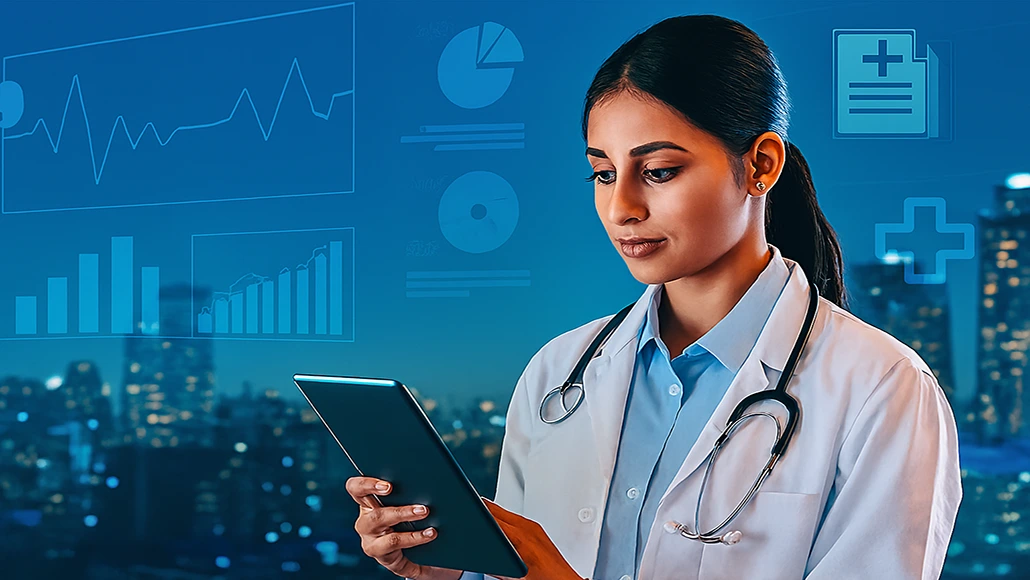

Data analytics has emerged as one of the most transformative forces driving better healthcare outcomes. By turning complex information into actionable insights, healthcare providers, researchers, and policymakers can make more informed decisions that improve patient care, streamline operations, and reduce costs.
Harnessing the Power of Data in Healthcare
Healthcare systems today generate enormous amounts of data, from patient records and clinical trial results to wearable technology and genetic sequencing. However, raw data alone holds little value unless it can be interpreted effectively. Data analytics enables professionals to process and interpret this information, uncovering trends, patterns, and correlations that may not be visible through traditional observation.
This analytical capability supports clinical decision-making by helping doctors predict disease progression, personalize treatments, and detect health risks earlier.
For example, predictive analytics can forecast patient admission rates, allowing hospitals to adjust staffing levels in advance. Similarly, by analyzing treatment outcomes across different demographics, healthcare providers can identify which therapies deliver the best results for specific patient groups.
Improving Patient Outcomes Through Predictive Models
Using historical and real-time data, healthcare professionals can identify patients who are at higher risk of developing chronic conditions such as diabetes, heart disease, or cancer.
These models help clinicians intervene earlier, often before symptoms become severe. This shift from reactive to proactive care not only saves lives but also reduces the overall financial burden on healthcare systems. In addition, predictive models assist in personalizing treatment plans, tailoring medication dosages and therapies to an individual’s unique medical history and genetic profile.
For patients with complex conditions, such as those undergoing cancer treatment, data analytics supports clinical trial research and real-world evidence studies, two areas that have seen major innovation thanks to advanced analytical tools.
Data-Driven Insights in Clinical Research
The use of data analytics has revolutionized how clinical trials are designed and conducted. Traditionally, trials relied on control groups composed of live participants, which could make the process lengthy and expensive. Today, with advancements in statistical modeling and real-world data integration, researchers can create external control arms, synthetic control groups built from historical patient data.
This approach enables faster, more ethical trials without compromising scientific rigor. It’s also especially valuable in rare disease research, where patient populations are small. Companies such as cytel.com are leading the way in developing and applying these innovative trial methodologies, helping researchers accelerate discoveries while maintaining data integrity and accuracy.
By leveraging these techniques, data analytics reduces time-to-market for new treatments and expands access to life-saving therapies worldwide.
Operational Efficiency and Cost Reduction
Beyond clinical applications, healthcare data analytics also plays a critical role in optimizing administrative and operational processes. Hospitals and healthcare organizations face constant pressure to deliver high-quality care while managing limited budgets.
Analytics helps identify inefficiencies in workflows, supply chains, and resource allocation. For instance, by examining patient flow data, hospitals can minimize bottlenecks in emergency departments and reduce waiting times. Data-driven insights can also highlight cost-saving opportunities, such as preventing unnecessary tests, improving equipment usage, and reducing readmission rates.
This efficiency not only enhances patient satisfaction but also frees up resources for reinvestment into frontline care and innovation.
Ethical Considerations and Data Security
While the benefits of data analytics are vast, they come with challenges. Ensuring patient privacy and maintaining the ethical use of medical data are top priorities. Healthcare institutions must implement robust data governance frameworks that safeguard sensitive information while enabling responsible data sharing for research and development.
Transparency in how data is collected, stored, and used is crucial to building patient trust. By balancing innovation with accountability, the healthcare industry can continue to harness the full potential of analytics responsibly.
A Smarter, Healthier Future
Data analytics is redefining what’s possible in modern healthcare. From improving diagnostic accuracy and personalizing treatments to enhancing operational efficiency and accelerating research, its impact is profound.
By embracing analytics at every level, from clinical research to everyday patient care, the medical community can move closer to a future where healthcare is not only more efficient but also more humane, equitable, and effective for all.