











Close
Digital Health & Ai Innovation summit 2026
Medical Taiwan 2026

How Fixing Your Teeth Can Improve Both Your Looks And Confidence

We all know that people judge others on their appearance. It’s natural and it’s something we do as humans. A person with a winning smile can walk into any room and be instantly more confident than someone who has crooked teeth or bad breath!

It doesn’t matter what industry you’re in, if your teeth are not healthy and straight then you will have a hard time getting the job that you desire. When interviewing for jobs, employers may look at your mouth before they even start asking questions about your skillset, so make sure to brush up on these tips for fixing your teeth:

Don’t Be Afraid Of The Dentist

They are there to help care for your teeth so don’t hesitate when it comes time to ask them questions. They may also have some advice that they can share with you for things like tooth pain or sensitive gums etc… To become more manageable. Even though visiting the dentist isn’t always high on other people’s lists, everyone must go to you because this will prevent anything worse from happening such as losing teeth down the road! If something does happen then it’s best to go see them as soon as possible so that they can fix it up for you or at least advise on what steps be taken next.

If you have any of the problems it’s time to schedule an appointment with your dentist. Fortunately, the professionals at Long Island Dentistry by Kate Brayman DDS are here to help! You can find all the tips you need for all members of your family including teeth whitening, cosmetic dentistry & more.

Brush Your Teeth

This may seem like common sense, but you would be surprised how many people neglect their teeth. If your teeth aren’t clean and straight then it’s going to make a bad impression on everyone that meets you!

It is important to brush at least twice daily to get rid of any food residue or plaque buildup. Brushing can also prevent gingivitis which causes irreversible damage if left untreated over time. Be sure to always use fluoride toothpaste as this will help keep your enamel strong and bright white! When brushing make sure to brush the outside, inside and tops/bottoms of each tooth thoroughly for two minutes total. Be gentle while brushing because otherwise, you risk damaging the enamel, which will lead to further problems down the road like yellowing of teeth and decay (which we’ll get into later).

Teeth Whitening

There is no reason why you shouldn’t have a bright and healthy smile. With so many teeth whitening options available, it’s easy to get the white teeth that you’ve always wanted!
Home remedies like baking soda & lemon juice can help reduce stains on your teeth by polishing them up while erasing plaque at the same time. Be sure not to overdo this method though as acidic foods (like lemons) may cause enamel erosion if used too often or in excess. You also should limit these methods to one-two times per week for best results. If home remedies aren’t doing enough then consider visiting an esthetician, dentist, or orthodontist who offers professional treatments such as bleaching which will give you a brighter smile in just one session!

Use Floss

Flossing is an important step in dental care because it helps to remove plaque between your teeth. Brushing alone does not do this, so you need to use floss or another type of interdental cleaner for a deep cleanse. This will help prevent bad breath and keep gums healthy! Be sure that if you are using traditional stringed floss then you aren’t causing harm by wrapping the string around your fingers multiple times before inserting it into each gap. Instead, try getting wax-coated stringless floss which slides easily between gaps without needing any assistance at all (saving time!) If you have issues with bleeding after brushing/flossing, be sure to mention it during your next visit since there may be a deeper problem that needs to be treated.

Chipped Or Cracked Teeth

They can be very painful and may contribute to more serious tooth pain as time goes on if they aren’t treated properly. Once a chip happens it’s possible that you will continue chipping your teeth unless you take steps to prevent it from happening again! Some ways that people try and protect their teeth is by using desensitizing agents such as some kind of mouthwash which helps dull down the sensation in those sensitive areas. However, these steps are only a temporary fix and will not prevent any further damage from happening to your teeth!

Once your teeth have been properly aligned, they’ll be less likely to chip so easily again because all of the pressure points will match up perfectly under normal circumstances!

People who are affected by tooth problems might find that they do not want to smile or even talk in public. Sometimes, people can become very self-conscious about how their teeth look because there is something wrong with them. This could be either a problem with the appearance of some of their teeth – perhaps one has fallen out and this makes it harder.

Tenet Healthcare and Cigna Extend and Expand Network Access

MSU Health Care Taps Epion Health to Drive Digital Patient Access

Tenet Healthcare Corporation and Cigna Corporation announced that they have extended and expanded their network access through the signing of a new multi-year contract. The agreement will provide Cigna customers with continued in-network access through 2025 to Tenetโ€™s hospitals, physician clinics and outpatient centers, including the ambulatory facilities operated by United Surgical Partners International that are consolidated in Tenetโ€™s financial statements.

โ€œWe are pleased to have reached this agreement with Cigna four months earlier than the expiration of our current contract,โ€ said Ronald A. Rittenmeyer, Executive Chairman of Tenet Healthcare. โ€œThe pandemic has brought many challenges for our patients and providers, underscoring the importance of ensuring uninterrupted, in-network access to the quality physicians and care facilities Cigna members know and trust. This includes a broader network of lower-cost ambulatory surgery centers that are part of the multi-year agreement.โ€

โ€œThis agreement builds on our long-standing efforts to ensure millions of Cigna customers can access affordable, quality care from the skilled providers of Tenet Healthcare,โ€ said Mike Triplett, President of U.S. Commercial for Cigna. โ€œTogether, we will continue to enhance the healthcare experience for patients while improving the health, well-being and peace of mind of the communities we serve.โ€

About Tenet Healthcare

Tenet Healthcare Corporation is a diversified healthcare services company headquartered in Dallas with 102,000 employees. Through an expansive care network that includes United Surgical Partners International, we operate 60 hospitals and more than 460 other healthcare facilities, including surgical hospitals, ambulatory surgery centers, imaging centers and other care sites and clinics. We also operate Conifer Health Solutions, which provides revenue cycle management and value-based care services to hospitals, health systems, physician practices, employers and other clients. Across the Tenet enterprise, we are united by our mission to deliver quality, compassionate care in the communities we serve.

About Cigna

Cigna Corporation is a global health service company dedicated to improving the health, well-being and peace of mind of those we serve. Cigna delivers choice, predictability, affordability and access to quality care through integrated capabilities and connected, personalized solutions that advance whole person health. All products and services are provided exclusively by or through operating subsidiaries of Cigna Corporation, including Cigna Health and Life Insurance Company, Connecticut General Life Insurance Company, Evernorth companies or their affiliates and Express Scripts companies or their affiliates. Such products and services include an integrated suite of health services, such as medical, dental, behavioral health, pharmacy, vision, supplemental benefits and other related products. Cigna maintains sales capability in over 30 countries and jurisdictions, and has over 190 million customer relationships around the world.

GE Healthcare Unveils Next Gen Portable X-Ray System to Help Address Technologist Stress and Strain and Improve Efficiency

GE Digital Joins with Airbus and Delta TechOps in Digital Alliance for Fleet Health Monitoring and Diagnostics Solutions

GE Healthcare introduced the AMX Navigate,1 a new portable, digital X-ray system designed with a first-of-its-kind power-assisted Free Motion telescoping column that aims to reduce lift force by up to 70 percent2 and decrease technologist injury. New workflow solutions, including Zero Click Exam, increases efficiency by automating workflow and reducing user interface interactions.

Studies show that more than 70%3 of technologists experience some form of musculoskeletal (MSK) stress and strain injuries over the course of their career. To help solve for this, GE Healthcare conducted clinical observational research on a variety of portable X-ray systems to better understand the stress and strain associated with the use of these systems. These insights led to a new design focused on improving the user experience โ€“ from the unique power-assisted Free Motion telescoping column that helps reduce the physical effort required to complete an exam by approximately 70 percent4 to the system console that reduces the number of user interactions required to set up and process an exam. Additionally, the systemโ€™s small footprint facilitates enhanced maneuverability and easy positioning, even in the tightest spaces.

The Zero Click Exam5 feature on the AMX Navigate streamlines technologist workflow with the help of a barcode reader that matches the patient to the worklist, and Auto Protocol Assist that automatically selects the correct protocol for the patient. These features work in conjunction with others to eliminate up to 100 percent of user clicks. The seamless integration of QuickEnhance one-touch reprocessing for line visualization and AutoGrid also improve image turnaround time without compromising image quality – completing the image processing time in under ten seconds6.

โ€œNo one is more familiar with the ins and outs of X-ray imaging than technologists,โ€ explains Katelyn Nye, General Manager, Mobile X-ray and Artificial Intelligence, GE Healthcare. โ€œThatโ€™s why we worked closely with them to design new features focused on removing the stress and strain of the technologistโ€™s everyday workflow โ€“ from the positioning of a portable X-ray for an exam, to its overall maneuverability from the Emergency Room to the Operating Room to the patientโ€™s bedside. Already, the feedback has been overwhelmingly positive โ€“ with many X-ray technologists saying our new system addresses their core needs unlike ever before.โ€

GE Healthcareโ€™s Critical Care Suite 2.0,7 an industry-first collection of AI algorithms for automated measurements, case prioritization and quality control, is also embedded onto the AMX Navigate platform offering on-device artificial intelligence that automatically identifies critical conditions and assesses ET tube placement. In addition, Quality Care Suite (QCS) provides onscreen quality checks to the technologist to help improve image quality and workflow efficiency.

โ€œI have been an X-ray technologist for nearly thirty years and have experience with the strain that occurs from performing multiple x-ray exams daily,โ€ says Jennifer Murphy, Radiology Manager of St. Luke’s University Health Network – a collaborator engaged in the development of the AMX Navigate. โ€œIโ€™m excited about how the AMX Navigate is designed to improve the user experience and reduce exam time. From its sleek design that makes it easy for technologists to navigate, to the dynamic screen that wastes no space to provide clear, high-quality pictures โ€“ this new system is easy to use and saves time when minutes matter, which is the ultimate goal for clinicians working to provide patients with the best care possible.โ€

About GE Healthcare:

GE Healthcare is the $18 billion healthcare business of GE. As a leading global medical technology, pharmaceutical diagnostics and digital solutions innovator, GE Healthcare enables clinicians to make faster, more informed decisions through intelligent devices, data analytics, applications and services, supported by its Edison intelligence platform. With over 100 years of healthcare industry experience and around 47,000 employees globally, the company operates at the center of an ecosystem working toward precision health, digitizing healthcare, helping drive productivity and improve outcomes for patients, providers, health systems and researchers around the world.

Baxter to Acquire Hillrom, Expanding Connected Care and Medical Innovation Globally

Baxter to Acquire Hillrom, Expanding Connected Care and Medical Innovation Globally

Baxter International Inc., a leading global medical products company, and Hillrom, a global medical technology leader, announced that the companies have entered into a definitive agreement under which Baxter has agreed to acquire Hillrom for $156.00 per share in cash for a total equity value of approximately $10.5 billion and a total enterprise value of approximately $12.4 billion, including the assumption of debt.

Hillrom brings a highly complementary product portfolio and innovation pipeline that will enable Baxter to provide a broader array of medical products and services to patients and clinicians across the care continuum and around the world, facilitating the delivery of healthcare that is patient- and customer-centered and focused on improving clinical outcomes. The combination is also expected to accelerate the companiesโ€™ expansion into digital and connected care solutions that are increasingly enabling patients with access to hospital-level care at home or in other care settings.

โ€œBaxter and Hillrom share a common vision for transforming healthcare to better serve all patients and providers,โ€ said Josรฉ (Joe) E. Almeida, Baxterโ€™s chairman, president and chief executive officer. โ€œPatients increasingly want to receive their care at home or nearby, while hospitals and other care providers are increasingly using digital health technologies to expand access, improve quality and lower costs. Baxter and Hillrom are uniting to meet the challenges of a rapidly evolving global healthcare landscape, while also creating significant value for all the stakeholders we serve. Weโ€™re very excited to welcome the Hillrom team to Baxter, and to join together to advance our mission to save and sustain lives.โ€

John Groetelaars, Hillromโ€™s president and chief executive officer, said, โ€œWe are proud of the steps we have taken to transform Hillrom into a medical technology leader with an innovative portfolio of connected care solutions. Todayโ€™s milestone announcement represents a win-win for all stakeholders. Patients and caregivers will benefit from enhanced capabilities across the continuum of care, our shareholders will receive a significant and immediate premium for their investment, and our employees will benefit from being part of a larger, stronger company with accelerated growth opportunities. Baxter is the ideal partner to enhance our global reach and realize the true potential of our vision to accelerate medical innovation around the world. With our shared patient-centric cultures, we look forward to seamlessly bringing our two companies together.โ€

Over 200 leading healthcare thinkers and experts lined up for the 44th World Hospital Congress

Over 200 leading healthcare thinkers and experts lined up for the 44th World Hospital Congress

An ensemble of over 200 presenters comprising of healthcare experts, leading industry thinkers, and best practice presenters is being lined up for the 44th World Hospital Congress โ€“ the flagship event of the International Hospital Federation (IHF) โ€“ which will take place on 8 to 11 November in Barcelona, Spain, along with an online broadcast exclusively available for virtual attendees.

Hosted by La Uniรณ Catalana dโ€™Hospitals (Catalan Hospital, Health and Social Services Association – UCH), the Congress is poised to be one of the first hybrid healthcare management events that will happen in the region. It is a unique global forum where industry executives from more than 50 countries will convene to share new knowledge, expertise and good practices in hospital and healthcare leadership, management, and service delivery.

Over 60 sessions have been arranged to fill a well-thought, wide-ranging program that covers important topics related to the theme: People on board: Transforming healthcare by blending agility, responsiveness, and resilience. Among several sessions across the four-day event, the following are some of the thought-provoking topics available in the program:

Getting ready for the next global pandemic: European and North American perspectives

Public health leaders and hospital CEOs will share their views on how the next global pandemic might unfold and how they are leading their organizations to prepare for the next global health crisis. Hear from:

  • Rod Hochman, President and CEO, Providence, United States
  • Natasha Azzopardi, Director, World Health Organization
  • Bechara Couchair, Vaccinations Coordinator – White House COVID Response Team
  • Josep M Campistol, CEO – Clinic Hospital, Hospital Clรญnic Barcelona, Spain
  • Wright Lassiter III, President and CEO, Henry Ford Health System, United States
  • Bertrand Levrat, CEO, Geneva University Hospital (HUG), Switzerland

Accelerating research, development and distribution of the COVID-19 vaccine: Lessons learned from key stakeholders

Various stakeholders will discuss key learnings from the fast-tracked journey of the COVID-19 vaccine and how these can be applied to the near future. Hear from:

  • Hans Kluge, Regional Director for Europe, World Health Organization
  • Dr. Carmen Cabezas, Secretary of Public Health, Department of Health of the Generalitat de Catalunya, Spain
  • Thomas B. Cueni, Director General, International Federation of Pharmaceutical Manufacturers & Associations
  • Dr. Cรฉsar Hernรกndez, Head of Department of Medicines for Human Use, Spanish Agency for Medicines and Medical Devices, Spain
  • Dr. John N. Nkengasong, Director, Africa Centres for Disease Control and Prevention, Ethiopia

Nursing leadership in transforming healthcare during a world-wide pandemic: Examples from the field

The importance of global nursing leadership initiatives such as Nursing Now and the Nightingale Challenge will be tackled. Nurse leaders in various roles will share the challenges they faced, successes and innovations during the pandemic. Hear from:

  • Robyn Begley, CEO, American Organization for Nursing Leadership; Senior VP and Chief Nursing Officer, American Hospital Association, United States
  • Lord Nigel Crisp, Former CEO at NHS in England and Former Permanent Secretary of the United Kingdom Department of Health
  • Maria Eulร lia Juvรฉ Udina, Board Member, International Council of Nurses; Nurse Executive, Catalan Institute of Health, Spain
  • Adelaida Zabalegui, Vice Director of Nursing, Hospital Clinic of Barcelona, Spain
  • Romnick Aguilar, Acting Chief Nurse and Infection Prevention and Control Officer, San Pedro Jose L Amante Emergency Hospital, Philippines
  • Zipporah Iregi, Nursing Officer Intern, Kitui County Referral Hospital, Kenya

Harnessing innovations to build back better: European lessons from the pandemic

Key innovations in the hospital sector will be explored, specifically the areas of telemedicine and technological solutions, skill mix, and bed management to draw lessons on how to build back better our hospital services through adoption, implementation and scaling up of innovations. Hear from:

  • Josep Figueras, Director, European Observatory on Health Systems and Policies
  • Dr. med. Reinhard Busse, Head of the Department of Health Care Management, Berlin University of Technology, Germany
  • Dr Nick Fahy, Senior Researcher, Nuffield Department of Primary Care Health Sciences, University of Oxford, UK
  • Marc Noppen, CEO, UZ Brussel, Belgium
  • Dimitra Panteli, Programme Manager, Lead Health System Innovation, European Observatory on Health Systems and Policies
  • Liisa Maria Voipio Pulkki, Director General of Strategic Affairs and Chief Medical Officer, Finnish Ministry of Social Affairs and Health, Finland

Humanizing technology for smart healthcare delivery: The COVID-19 impact

This will demonstrate how technology-enabled healthcare has huge potential to better humanize healthcare and deliver a more personable and dedicated patient experience. It will focus on how healthcare systems and services have fundamentally changed throughout the pandemic and how digitally enabled healthcare is now a mainstay of many hospital services around the world.ย  Hear from:

  • Richard Stubbs, Chief Executive, Yorkshire & Humber AHSN, United Kingdom
  • Dr. Preetha Reddy, Executive Vice Chairperson, Apollo Hospitals Enterprise Ltd., India
  • Dr. Anne Snowdon, Chief Scientific Research Officer, HIMSS
  • Dr. Heidi Sveistrup, CEO & Chief Scientific Officer, Bruyรฉre Research Institute, Canada
  • Yulun Wang, Founder and Chairman, World Telehealth Initiative, United States

In addition to the plenary and parallel sessions, there will be posters on display, tradeshow and exhibition by participating organizations and providers, hospital visits, special events for those attending in person and numerous networking opportunities both for presential and virtual attendees.

With a highly comprehensive program to offer, the IHF and UCH invite healthcare professionals to participate and become part of the important discussion on the transformations that are affecting continuous evolution in the global health system.

Early bird registration to the 44th IHF World Hospital Congress is open until 31 August.

Feeling Calm in Stressful Situations

Feeling Calm in Stressful Situations

Everyone feels upset or worried at times, but if you find yourself constantly struggling with feelings of anxiety, you might feel you can never calm down. It’s a good idea in this instance to get some help from a medical professional, since this can be a sign that something is wrong. There are also a few strategies you can use to reduce your anxiety.

Donโ€™t Be Afraid to Choose Medication

There is no shame in needing to use a prescription as needed during big moments to help yourself stay calmer. One type of medication you might choose is prescription betablockers for anxiety. They block adrenaline, causing your heart rate to slow down and reducing your blood pressure. They are trusted by professionals to stop symptoms of nerves, such as shaking hands. You can start your online visit with the medical team, and give them clear and thorough answers so that they are able to determine the appropriate dosage for beta blockers that will help your anxiety.

Practice Deep Breathing

Breathing is an excellent way to help you feel calm quicker. When you are nervous about something, your breathing tends to come quickly and shallowly. That only makes things worse, since it tells your brain you are in a fightorflight situation. By forcing your body to take longer, deeper breaths, you are telling your brain there is nothing to worry about.

Try using three-part breathing. It involves taking a deep breath and then exhaling. You should pay attention to your body as you do so. Try doing this when you are feeling calm, so it is easy to do when you are feeling nervous about something. This strategy can also be great to use at bedtime if you find yourself fighting sleep because of anxiety. Since sleep quality impacts health in many ways, a bedtime routine to have a truly restful night can be a great daily practice.

Think Things Through

Itโ€™s a good idea to take a step back and think things over before you let yourself get carried away. You might try thinking about whether this will matter to you next week. You can also think about how important this will really be in the long run. When you think this way, you can shift your focus, allowing you to give the situation the reality test. In these types of situations, people tend to become more focused on the cause of the feelings, causing rational thoughts to leave. By taking a step back and really thinking about the situation, you allow your rational thoughts to return, leading to a better outcome.

Focus on Something Else

Whenever you are next feeling anxious about something, try to focus on something else. If you think about how nervous you are feeling, you will only make yourself more nervous. Instead, try going outside, walking to another room, or exiting the situation. That way, you can make better decisions. You wonโ€™t think at your best if you are feeling angry or anxious since your brain goes into survival mode. It is fine if you are in danger, but it is not the best if there is not a life-threatening situation. When you feel yourself starting to feel nervous, it is also a good idea to listen to some music. When you listen to music, you can help your mind and body feel a lot calmer.

Tragic Incidents Highlight Safety Dilemma for Hospitals

Tragic Incidents Highlight Safety Dilemma for Hospitals

Recent tragic events in India and Iraq have focused minds on the safety measures in place at hospitals for the storage of oxygen supplies. Now gas processing systems specialist Oxair is urging medical and healthcare facilities across the world to avoid shortcuts and consider safety above all when ordering in their oxygen supplies.

At least 22 people died in a hospital in India when the flow of oxygen through ventilators was fatally interrupted. Meanwhile in Iraq 174 were killed in two separate catastrophic fires within three months at hospitals in the capital Baghdad and Nassiriya, reportedly caused by oxygen tanks exploding.

International health agencies had sounded warnings about a growing crisis of severe oxygen shortages, which is leading to hospitals outsourcing as many oxygen cylinders as possible. However, there are potential pitfalls such as a lack of suitable and safe storage space. ย Oxair has developed a simpler, safer solution โ€“ and it has already been deployed and proven.

A significant number of hospitals across India and other regions of the Middle East and Australasia are now self-sufficient and saving lives with an off-the-shelf Oxygen Pressure Swing Adsorption (PSA) system. These are high quality, robust medical devices designed to last and deliver consistent, high purity oxygen on tap to hospitals and healthcare facilities – even in the remotest locations around the world.

As it extracts its supplies directly from the atmosphere, PSA Oxygen offers better patient care with a permanent flow of high-quality oxygen. This system saves room space, offers output pressure and a flow rate to suit the needs of the hospital and is capable of piping oxygen to every department where it is needed.

Oxairโ€™s system delivers constant oxygen of 94-95 per cent purity through PSA filtration, a unique process that separates oxygen from compressed air. The gas is then conditioned and filtered before being stored in a buffer tank to be used directly by the end user on demand. Orders for ready-to-use, standalone Oxygen PSA units can be turned around in just a few weeks, depending on local lockdown conditions.

David Cheeseman of Oxair said: โ€œWeโ€™ve seen terrible consequences recently from a lack of life-saving medical oxygen, especially when treating Covid-19 patients. But thereโ€™s a lot more to it than simply pulling in extra cylinder supplies. If exposed to certain conditions the storage, handling and removal of these cylinders can also be hugely dangerous. Itโ€™s precisely the type of far-lying medical facility that might run out of oxygen, that is least equipped to store more of it safely and securely.

โ€œWe believe our PSA systems are the safest and ultimately cheapest solution for hospitals anywhere. The design of these PSA systems as โ€˜plug-and-playโ€™ means that they are literally ready to start working as soon as they are delivered and plugged in, with voltage adapted to the country of delivery. So, hospitals can rely on technology that is tried and tested over many years, coupled with almost instant access to vital oxygen supplies under significantly safer conditions.โ€

About Oxairย 

Oxair is an ISO 9001 certified company focused on the design and manufacture of packaged oxygen Pressure Swing Adsorption (PSA) Systems, Oxair manufactures very small, medium to large Oxygen PSA Tonnage plants, Oxair also design and manufacture Nitrogen PSA systems up to 1000Nm3/hr.

Our portfolio also includes designing Nitrogen systems from Air Products Membrane Technology with whom we have forged strong links over the past 20 years for Nitrogen and other gases.

In addition, Oxair Design and Manufacture Heatless/Desiccant type Regeneration Dryers and filtration packages for a variety of industrial sectors including medical, gold mining, water treatment, oil & gas, food, chemical and biotech.

The dryers can be skid mounted or in a lifting frame certified for Off Shore lift if required. We also produce pressure vessels and skid fabrication and process piping, and our designs are focused on customer requirements of reliability, ease of maintenance, safety and plant self-protection.

Botco.ai Launches BotcoLive, Combining AI Chat and Live Agent Support to Maximize Marketing Contact Resolution

Botco.ai Launches BotcoLive, Combining AI Chat and Live Agent Support to Maximize Marketing Contact Resolution

Botco.ai, the leading HIPAA-compliant conversational marketing solution, announced the launch of BotcoLive, a new platform feature that hands over automated chat conversations to live agents when a visitor hits key milestones. Working in tandem with Botco.aiโ€™s intelligent chat technology solution, BotcoLive allows healthcare providers to accelerate their lead qualification process and drive more conversions. The company also announced that American Family Care (AFC), the nationโ€™s leading provider of urgent care and accessible primary care, will be an early adopter of the technology and go live with BotcoLive later this year.

“For many organizations, giving their clients the attention they deserve isn’t possible at scale,” said Jacob Molina, Product Manager at Botco.ai. “Using intelligent and conversational chat algorithms, our technology can handle a high volume of inbound questions with machine speed and human care. With the release of BotcoLive, conversations can transition from AI chat to live agent without any friction. This ensures a companyโ€™s customers are in touch with the right point of contact within the organization to carry them through the rest of the conversion process.”

BotcoLive picks up right where automated chat leaves off. As soon as a customer asks to speak with a person, the conversation is queued in the chat dashboard. From there, an agent can respond directly, route the conversation to a more appropriate team member, or prioritize it for follow-up. The dashboard also provides relevant context for each interaction and allows users to make internal notes on the conversation.

“Our mission has always been to make high-quality healthcare as accessible as possible,” said Sean Hart, Vice President, Franchise Development, AFC Franchising. “When COVID-19 hit, we needed a way to quickly and efficiently answer hundreds of questions coming into our website. Botco.ai’s chat technology has dramatically improved our team’s efficiency by helping us answer our customers’ questions instantly. BotcoLive is the next step in improving our response, allowing us to rapidly complete the conversion process by connecting automated chat to human follow-up at just the right time. The platform will help us achieve our mission even in the most challenging circumstances.”

BotcoLive helps organizations support their customers by providing:

  • Seamless conversation flow: Customers experience a fluid transition between intelligent chat and talking with a live agent, creating a smooth interaction
  • Full chat support: An intuitive chatting interface is supported by rich contextual data on each conversation so agents can respond quickly and accurately
  • Workload management: Agents can easily prioritize urgent conversations, direct conversations to the right team member, and manage work schedules.

About Botco.ai
Botco.ai is a HIPPA-compliant, AI-powered marketing chat solution that can be implemented at scale to improve engagement rates. Today, the company offers industry-leading authoring, webchat, and AI machine-learning capabilities to quickly and effectively convert more customers in healthcare, wellness, addiction, behavioral health, physical therapy and senior living centers. Botco.ai’s new Integrated Analytics Dashboard provides a comprehensive view of chat campaigns across multiple messaging channels such as web and Facebook Messenger. The API-based interface can be used to transfer leads, transcripts, and data into enterprise sales and marketing automation products like Salesforce, Hubspot, Adobe Marketing Cloud, Zoho as well as leading EHR and scheduling systems. Botco.ai is the recipient of the Arizona Innovation Challenge “Most Outstanding Startup” award and a graduate of Alchemist Accelerator Class XXV, the #1 accelerator for enterprise startups.

About American Family Care
Founded by Dr. Bruce Irwin with a single location in 1982, American Family Care has pioneered the concept of convenient, patient-centric healthcare. Today, with more than 200 clinics and 600 in-network physicians caring for nearly 3 million patients a year, AFC is the nationโ€™s leading provider of urgent care, accessible primary care, and occupational medicine. Ranked by Inc. Magazine as one of the fastest-growing companies in the U.S., AFCโ€™s stated mission is to provide the best healthcare possible, in a kind and caring environment, while respecting the rights of all patients, in an economical manner, at times and locations convenient to the patient.

Nasopharyngeal cancer diagnosis

Nasopharyngeal cancer diagnosis

Nasopharyngeal cancer

Nasopharyngeal cancer is the cancer of the neck and head. It starts in the nasopharynx region. The exact cause of this type of cancer is not known but there is strong evidence of Epstein Barr virus involvement. But this virus is not present in every nasopharyngeal cancer patient. Many people having EBV infection but never develop nasopharyngeal cancer. It is said that the genetic material from the EBV affects the DNA in the cells of the nasopharynx. This type of cancer is rare. There are more patients with this type of cancer in China than rest of the world.

Symptoms of nasopharyngeal cancerย 

  • Stuffy nose and nose bleed
  • Sore throat
  • Blurred vision or double vision
  • Lump in the neck
  • Headache
  • Frequent ear infections
  • Loss of hearing and ringing in the ears
  • Face paint & numbness
  • Difficulty in opening mouth

Diagnosis of Nasopharyngeal Cancer

Oncologists usually ask for many tests in cancer patients. The objectives of the doctor can be different at different times. Examples are given below.

  1. Diagnosis
  2. To know metastasis (cancer has spread to other parts of the body)
  3. Treatment success rate.

Following tests are recommended by the doctor to diagnose nasopharyngeal cancer.

ย ย ย  A. Physical examination

The doctor checks physically to note the presence of any lump in the neck area. He also looks into gums, cheeks, and lips. The nose, mouth, throat, and tongue may also have some abnormalities in this type of cancer. He usually observes the changes in these areas. He gets help from a torch and mirror to have a clear view.

ย ย ย  B. Blood test

Doctor asks for routine blood works to know blood chemistry. He also asks for the blood test screen Epstein Burr virus.

ย ย ย  C. Endoscopy

This is a test that is used to see inside the body. An endoscope is used to see inside the body. The endoscope consists of a thin and flexible tube fitted with a light. This endoscope is inserted inside through the mouth or nose to exam the head and neck area. So, the patient may be sedated to avoid pain and discomfort during the procedure. Endoscopy to look into the nasopharynx is called nasopharyngeal endoscopy.

ย ย ย  D. Biopsy

This is a type of tissue examination. In this test, tissue is removed from the suspected area to exam under the microscope. All above-mentioned tests can only suspect cancer but a positive biopsy test result means the cancer is confirmed. In nasopharyngeal cancer patients, the needle aspiration technique is used to get a piece of tissue. In this technique, a thin needle is inserted directly into the tumor, and cells are pulled out through this needle. These cells are then examined by the pathologist in the cytological examination for signs of cancer. The doctor may use local or general anesthesia to get tissues removed from the tumor.

ย ย ย  E. X-rays

An X-ray of the skull and chest is also needed along with an X-ray of the nasopharynx region. X-rays are possible for only those parts of the body which block x-rays and give an image on the photographic paper with the white area means X-rays is blocked and black area means X-rays has passed.ย  For example bones block x-rays. For those areas of the body that cannot block the x-rays, a barium compound is used to coat the required area. This barium compound can block the x-rays and an image is formed on photographic paper. This barium compound is given through the mouth to coat the nasopharyngeal area and then x-rays are taken.

ย ย ย  F. CT Scan or computed tomography

The CT scan machine uses X-rays to get pictures on cross-sectional levels. A computer is attached with a CT scanner which makes the 3-dimensional image of the scan. This can show abnormality or tumor at the cellular level. To visualized internal parts of the body, a dye called contrast media is used.

ย ย ย  G. MRI or Magnetic Resonance imaging

MRI does not use x-rays. Instead uses a magnetic field.ย  The MRI can give excellent 3 d views of the soft tissue of the body on cellular levels, such as tonsils and base of the tongue are visualized in NPC patients. MRI can give better images of the nasopharynx area than a CT scan. It is also able to give information about metastasis and the stage of cancer.ย  A contrast medium can also be used before the MRI procedure to get a clear image.

ย ย ย  H. Ultrasound

The image of the internal parts of the body is created by this machine by using sound waves.

ย ย ย  I. Bone scan

A bone scanner helps to see inside the bones by using radioactive material. This radioactive material is injected into the patient through veins. A special camera can detect this radioactive material when it collects at bones. Healthy bones look lighter in the image than those with cancer.

ย ย ย  J. Neurological test

This test is done to check functions of the nerves, like the sense of touch on the face, and nerve function of nerves in the head and neck.

ย ย ย  K. Hearing test

If the doctor observes a fluid in the middle ear during a physical exam then he can ask for a hearing test.

ย ย ย  L. PET or Positron Emission tomography

Pet scan is also used to get pictures of inside organs of the body. A small amount of radioactive substance is injected into the body. This substance is taken by cancer cells. The scanner detects this substance in the cancer cells and makes images.

ย ย ย  M. Next-generation sequencing test

The doctor may ask for an advanced test to confirm nasopharyngeal cancer. This test gives information about the changes in the DNA of the tumor. Following are some advantages of this test.

  • This test can test changes in the DNA of many genes of cancer simultaneously.
  • The test provides information not only about changes or mutations but also identifies new markers. These markers may require other treatment plans.
  • This test helps the researchers identify the pattern of patient response

Results of NGS are available within 2-3 weeks. As this is the most advanced technique for DNA sequencing, so, not available throughout the world. The disease prevalence in China is high than in other parts of the world. Steps taken by Take 2 health in China are appreciable. They have started NP blood tests like NGS in China and other parts of the world.

Ibex Introduces Galen Gastric, World’s First AI-powered Solution for Gastrointestinal Cancer Diagnostics

Ibex Introduces Galen Gastric, World's First AI-powered Solution for Gastrointestinal Cancer Diagnostics

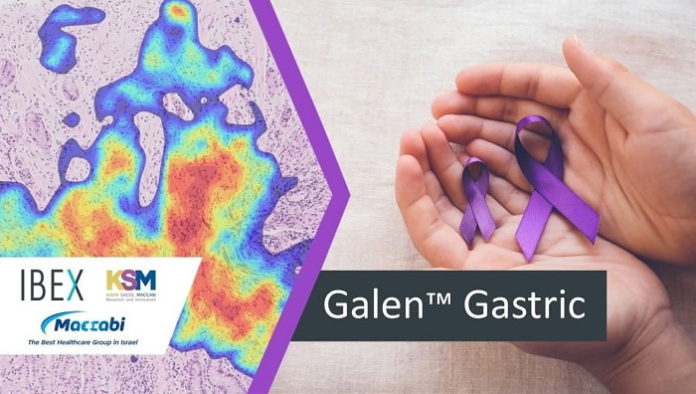
Ibex Medical Analytics, the pioneer in artificial intelligence (AI)-based cancer diagnostics, and KSM, the Research and Innovation Center of Maccabi Healthcare Services, Israel’s leading HMO, announced the deployment of Galenโ„ข Gastric at Maccabi’s pathology institute, making it the first laboratory in the world to use AI for detecting cancer in the gastrointestinal (GI) tract.

Gastric cancer is among the most common malignant diseases in both men and women worldwide, with over a million new cases each year. Pathologists play a crucial role in the detection and diagnosis of cancer, with their assessments being vital for reaching correct treatment decisions by oncologists and improving patient survival rates. However, a rise in cancer prevalence and advances in personalized medicine have resulted in growing diagnostic complexity that significantly increases pathologists’ workloads. In recent years, as pathology labs transition towards digital solutions, pathologists can implement AI-enhanced workflows to improve quality and efficiency of cancer diagnosis, resulting in better patient care.

Ibex transforms cancer diagnosis by harnessing Strong AI and Machine Learning technology at an unprecedented scale. Ibex’s Galen platform helps pathologists improve the quality of cancer diagnosis, implement real-time quality control[1], reduce turnaround time and boost productivity[2], and has demonstrated outstanding accuracy and utility in clinical studies[3],[4].

Galen Gastric is an integrated diagnostics and quality control solution that supports pathologists in the detection of gastric cancer, dysplasia, H. pylori and other important clinical findings. The solution is an addition to Galen Prostate and Galen Breast that have already been deployed at Maccabi Healthcare Services, as well as other labs worldwide, where they are used in everyday clinical practice. With this deployment, Maccabi becomes the only health system in the world to use AI for multi-tissue cancer detection on breast, prostate and gastric biopsies, supporting their pathologists with improved accuracy, quality control and efficiency.

“We are excited to add Galen Gastric to what is the most comprehensive AI deployment in pathology, supporting us in providing quality diagnosis to our patients,” said Judith Sandbank, MD, Director of the Pathology Institute at Maccabi Healthcare Services. “The clinical benefits from using Ibex’s AI solutions have been the key driver in Maccabi’s decision to fully adopt digital pathology, and we are impressed by how fast AI technology has become an indispensable part of our diagnostic pathway. We look forward to benefiting from its new insights in everyday practice.”

“Galen Gastric demonstrates that our Strong AI is the leading approach for empowering pathologists with solutions that support their real-world needs,” said Dr. Chaim Linhart, Co-founder and CTO of Ibex. “The Galen platform, recently granted Breakthrough Device Designation by the U.S. Food and Drug Administration (FDA), lays the foundation to clinical-grade computational solutions that accurately identify dozens of features and become the physician’s perfect companion, helping provide every patient with an accurate, timely and personalized cancer diagnosis.”

About Ibex Medical Analytics

Ibex pioneers AI-powered cancer diagnostics in pathology. We empower physicians to provide every patient with an accurate, timely and personalized cancer diagnosis by developing clinical-grade AI algorithms and digital workflows that help detect and grade cancer in biopsies. Our Galenโ„ข platform is the first-ever AI-powered integrated diagnostics solution in pathology and used in routine clinical practice worldwide, supporting pathologists and providers in improving the quality and accuracy of diagnosis, implementing comprehensive quality control, reducing turnaround times and boosting productivity with more efficient workflows. Ibex’s Artificial Intelligence technology is built on Deep Learning algorithms trained by a team of pathologists, data scientists and software engineers.

About KSM

KSM (Kahn-Sagol-Maccabi) is the Research and Innovation center of Maccabi Healthcare Services, Israel’s leading HMO, was founded in 2016 in cooperation with Morris Kahn and Sami Sagol. KSM has unique access to Maccabi’s professional abilities and wealth of medical knowledge, including a large database of 2.5 million members with 30 years of data collection. KSM’s activities range throughout a wide range of health areas affecting patients worldwide through several arms: An Innovation & Big Data arm, utilizing advanced data sources and AI technologies. Additionally KSM has founded Israel’s largest Biobank which has over 500K samples collected. KSM also has a Clinical Research unit, and a highly awarded Epidemiological Research department. KSM leads advanced global health improvements collaborating with well-known scientists, researchers, academic institutions, pharmaceutical companies, startups, and tech companies to create and expedite medical breakthroughs, as well as co-operations within the global health ecosystem allowing groundbreaking discoveries and solutions – shaping the future of health.

Translate ยป