








Close
Digital Health & Ai Innovation summit 2026
Medical Taiwan 2026

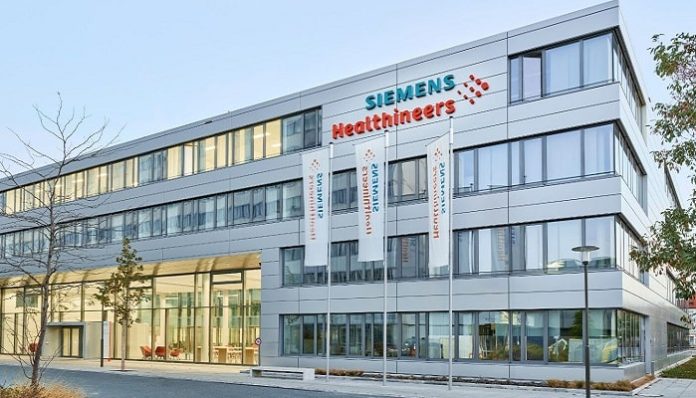
Siemens Healthineers honored as one of India’s Best Workplaces in the Healthcare Sector by Great Place to Work Institute

In a resounding endorsement of its industry-leading people practices, Siemens Healthineers India has been recognized by the Great Place to Work Institute as one of India’s best workplaces in the Healthcare sector, in their 2021 rankings and is identified among ‘India’s Top 100 Best Companies to Work For – 2021’, in the largest workplace culture study in the country.

Few factors affirming the trust of employees include creating an ecosystem of trust, high-performance culture and imbibing aspects of credibility, respect, fairness, pride and camaraderie among the employees.

“At Siemens Healthineers, we embrace and value diversity in viewpoints, backgrounds, experiences, expertise, and individual qualities by fostering a culture where employees can be themselves, embrace challenges and thereby achieve amazing results. Our flexible and dynamic environment encourages our teams to go beyond the comfort zone and grow. We all at Siemens Healthineers are passionate about shaping the future of healthcare, so that medicine becomes more precise and affordable, value is at the heart of care delivery, patients are treated as consumers, and healthcare becomes digital”, said Vivek Kanade, Managing Director, Siemens Healthcare Private Limited.

Siemens Healthineers has been certified as a Great Place to Work for the past three consecutive years, with a significant improvement in the Trust Index and Culture Audit score every year. All Siemens Healthineers employees in India were invited to participate in the survey unlike statistically significant number. One of the key decisive factors confirming satisfaction among employees at Siemens Healthineers is the shared conviction that their professional work is enabling value-based healthcare.

“Innovation has been and will always be at the core of our company culture. The company will be investing ? 1,300 crore over the next five years in an innovation hub in Bengaluru, India. The investment is part of Siemens Healthineers’ strategy 2025, in which India plays an important role as a growth market for the company. The innovation hub will be housed in a new state-of-the-art campus, with a plan to add up to 1,800 digital talents over the next ten years”, said Dileep Mangsuli, Executive Director, Siemens Healthcare Private Limited.
People First Culture!

Focusing on the overall development of the employees vis-a-vis performance evaluation is one of the important mantras at Siemens Healthineers. Eliminating conventional rating linked promotions for individuals, the organization links career progression as well as role change to the value a role creates for the organization. Any lateral and vertical movements of employees is no longer linked to the tenure or other parameters but to the value individuals create, thus resulting in employees taking ownership of their own development. Global role positioning also enables individuals to come forth and nominate themselves for higher roles and responsibilities.

The employees are encouraged to take ownership, learn continuously, have fun at work and contribute to the team, the organization, and the society.

‘We Care’ is another initiative that revolves around overall wellbeing and safety of people, especially during COVID-19 pandemic. Right from vaccination support (including dependents), policy upgrades, establishing a war room with volunteers from the organization across India, learning and development to mental wellbeing of people. Such people-centric initiatives ensure they feel cared and supported by the organization during these challenging times.

Every year, more than 4,000 organizations in India are accessed and over 850 are certified as Great Workplaces. The Great Place to Work institute ranks Best Workplaces solely based on Employee Feedback and quality of People Practices in an organization.

Siemens Healthineers AG (listed in Frankfurt, Germany: SHL) is shaping the future of healthcare. As a leading medical technology company headquartered in Erlangen, Germany, Siemens Healthineers enables healthcare providers worldwide through its regional companies to increase value by empowering them on their journey towards expanding precision medicine, transforming care delivery, improving the patient experience, and digitalizing healthcare. Siemens Healthineers is continuously developing its product and service portfolio, with AI-supported applications and digital offerings that play an increasingly important role in the next generation of medical technology. These new applications will enhance the company’s foundation in in-vitro diagnostics, image-guided therapy, in-vivo diagnostics, and innovative cancer care. Siemens Healthineers also provides a range of services and solutions to enhance healthcare providers’ ability to provide high-quality, efficient care to patients. In fiscal 2020, which ended on September 30, 2020, Siemens Healthineers generated revenue of €14.5 billion and adjusted EBIT of €2.2 billion. Following the acquisition of Varian Medical Systems, Inc. the company has approximately 66,000 employees worldwide.

Siemens Healthineers in India is Great Place to Work® certified, with over 3600 employees across the nation. With 56 sales offices, two manufacturing facilities at Vadodara for the Diagnostics business and at Bengaluru for Medical Imaging Products, we are supporting healthcare providers across the entire range of patient care – from prevention and early detection to diagnosis and on to treatment and after care. With a state-of-the-art R&D center as well as a global software development center at Bengaluru, country wide sales network and a round-the-clock service set-up; we are playing a significant role in transforming care delivery in India.

Great Place to Work® is the global authority on building, sustaining and recognizing High-Trust, High-Performance CultureTM at workplaces. Great Place to Work® Institute has conducted pioneering research on the characteristics of great workplaces for over 30 years and partners more than 10,000 organizations every year around the world. In India, Great Place to Work® recognizes organizations through the Great Place to Work® Certification and through research-based annual lists of Best Workplaces
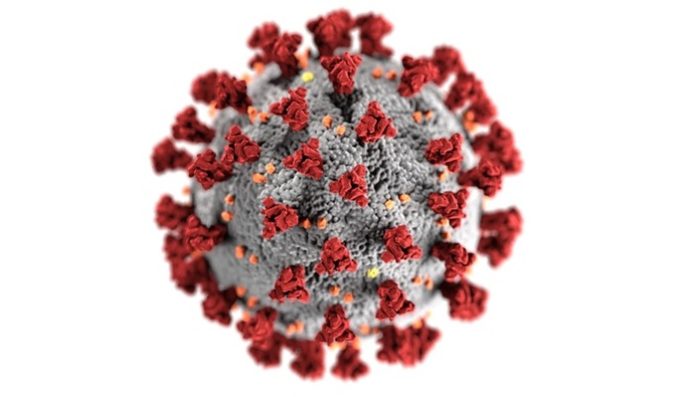

What No One Told You About Healthcare Frauds Connected To COVID 19 Testing

Since the pandemic of Covid-19 has started, everyone’s life has changed. No matter if it is work, social interactions, or travel, all of it was impacted in some way. To keep the pandemic in control and to end it as soon as possible, a lot of measures had to be put in place. But, what has also become extremely important, are testings for Covid-19. No matter if you have the symptoms, if you have been in contact with an infected person, or you need to travel you must get tested. This is important for both controlling and ending the pandemic, as well as preventing you from the dangers this virus can impose on you.

Unfortunately, as with anything else, different frauds are connected to Covid-19 testing. So, whether you want to get a so-called PCR test, or an antigen test there are a few things to look out for. To find out more about Covid- 19 test-related frauds, read through the rest of this article.

There are numerous fake testing centers

Sadly, during this time, when such a big part of the population needs to get tested, many people saw it as a way to make money off of it. This resulted in a lot of healthcare fraud related to COVID-19 testing, so it is important to be careful where you get tested. Depending on where you live, try to find a list of official testing centers, so that you know your test will be valid. This way, you will avoid wasting your money on a test that is not even the real deal. Moreover, if you happen to need the test for travel purposes and you get it from a testing center that is not authorized, you might be denied to cross a border, or board the plane. And lastly, you will avoid the whole frustration about a situation like this.

Safety must be considered as well

Maybe what is even worse than wasting money on a fake test is risking your safety. Health professionals must be trained to know how to collect a throat or a nose swab or take a sample of your blood for the antibodies test. If you go to a facility that is not an official testing center, likely, they will not be well-trained. Taking these samples is a delicate procedure and you do not want to risk getting injured during this process. So, whichever testing center you go to, make sure that the people taking your sample are trained professionals who know what they are doing. Doing the test can be stressful enough for a lot of people, so try to avoid any additional ones.

Another issue people often face in these kinds of fake centers is that the employees do not change their gloves before testing a new patient. By doing this, even if you were not infected, they are risking transmitting the virus from other patients to you. So, whenever you do go to get tested, take a look to see whether the person taking your test is changing their gloves.

Watch out for what they are wearing

If you are not a medical worker yourself, or if you have never been tested for coronavirus before, you might not know which clothing the medical workers taking the test need to be wearing. When you go to take the test, take a close look at the uniforms they are wearing. Many people have reported cases in which the fake medical professionals were wearing painter’s clothing, or other uniforms that resemble the real thing. So, if you do not know how these uniforms look, make sure you look them up online and avoid someone stealing your money for a fake test.

Avoid test centers that are not in hospitals or clinics

The best testing centers to go to would be the ones that are a part of a hospital or a clinic. That way, you will know you are not going to any place that might be a fraud. Do not go to pop-up tent testing centers outside of Walmart or your local gas station. These are almost certainly fake and are there only to steal your money.

Moreover, make sure not to give any personal information to anybody but your providers. If these fake testing centers get a hold of your Medicare number, they can set you back a lot. It has happened to people that they got billing for additional tests and medical equipment for a few thousand dollars. So, even if there is not an open slot to test in a hospital on the same day, be patient and take the next appointment,  just to be safe.

You can file a lawsuit

Even if you become the victim of fraud related to Covid-19 testing, there are still things you can do. As with any other type of fraud, you can hire a lawyer. These lawyers have a lot of experience representing lab owners, clinical laboratories, and the other ones in Medicare fraud matters. So, if you are concerned about the Covid-19 test you took, or your Medicare billings, make sure you do not leave it to faith. Make sure you contact a federal healthcare fraud defense lawyer in cases like this. Of course, do so also if you were contacted by agents from the FBI, DOJ, or HHS OIS, it will make your life a lot easier.

Truly, the Covid-19 pandemic has brought many troubles to the whole world. It has changed people’s daily life, it has made everyone’s life harder. And with all of that trouble, nobody in their right mind would expect that people will take advantage of the whole situation. But sadly, many people are doing so. Many people are creating fake Covid-19 testing centers to steal other people’s money.

So, whenever you need to go and take the test, make sure you are being careful. Make sure to check whether the testing center you are going to is real or not. You can do it online in a few minutes, and it will save you a lot of money and trouble that you would face when going to a fake testing center. The best idea is, of course, to go to the ones in clinics or hospitals, where your test will be taken safely and will be valid. And of course, if you do become a victim of this type of fraud, make sure to immediately contact a federal healthcare fraud defense lawyer.

Researchers develop quantum dot smartphone device to diagnose and track COVID-19

Researchers develop quantum dot smartphone device to diagnose and track COVID-19

Researchers at the University of Toronto, in collaboration with Sunnybrook Health Sciences Centre, Public Health Ontario and Mount Sinai Hospital, have developed a COVID-19 antibody test that makes use of a smartphone camera.

The test could significantly improve the turnaround time and efficiency of infectious disease diagnosis, both for COVID-19 and beyond. The work is published in the latest issue of Nano Letters and involves U of T researchers from the Institute of Biomedical Engineering, department of chemistry in the Faculty of Arts & Science and Donnelly Centre for Cellular and Biomolecular Research.

“The goal of the study is to make COVID-19 antibody tests more accessible.” said Johnny Zhang, a PhD candidate at the Institute of Biomedical Engineering and department of chemistry who is one of the co-first authors of the publication.

“The end result is that the patients can take a self-diagnosis for COVID-19 with their phone, and that data can be immediately accessed digitally by medical professionals.”

The typical workflow for infectious disease diagnostic testing involves obtaining a sample from the patient, sending it to a laboratory for diagnostic testing and distributing the result to clinical personnel for decision making. The processes are often siloed and have a long turn-around time.

By contrast, the U of T and hospital researchers developed a portable smartphone-based quantum barcode serological assay device for real-time surveillance of patients infected with SARS-CoV-2. They engineered quantum dot barcoded microbeads and a secondary label to search for antibodies against COVID-19 antigen in a patient’s blood. Finding the antibodies leads to a change in microbead emission colour.

The beads are then loaded into the device, activated with a laser, and the signal is imaged using a smartphone camera. An app is designed to process the image to identify the bead’s emission change. Finally, the data are interpreted and transmitted remotely across the world for data collection and decision making.

“The beauty of the system is that everything is integrated into one portable unit.” said Zhang.

This technology, by which quantum dot microbead detection can measure minuscule amounts of key biomarkers in blood, has been in development for the past 10 years.

“We really wanted to improve the performance and utility of the technology this time around,” said PhD candidate Ayden Malekjahani, the other co-first author of this study.

“Being able to detect traces of target in patients is not enough. We wanted to add more functions to the device. We designed the device to simultaneously detect multiple antibodies from different sample types, so each test run is packed with information. The results are then uploaded to an online dashboard where medical professionals and the public can see trends in real time.”

The researchers tested the device with 49 patient blood samples where varying degrees of COVID-19 infection were present, and were able to achieve 84-88 per cent sensitivity. Although this result is not as high as traditional tests, it is still approximately three times higher than lateral flow assays, which are currently the most commonly available portable antibody tests.

This result also means detecting COVID-19 antibody can now be done outside of the centralized facilities without a big drop in accuracy.

This research was a collaboration with the Public Health Ontario, Sunnybrook Hospital and Mount Sinai Hospital, where clinical samples were provided to the researchers to test and evaluate this new system.

“This device can be a game-changer in the way we monitor the spread of infectious diseases and a patient’s response to vaccines.” said Professor Warren Chan, director of the Institute of Biomedical Engineering, and the corresponding author of this research.

Andaman7 delivers step change strategy to global debate on digital health opportunities for Africa

Andaman7 delivers step change strategy to global debate on digital health opportunities for Africa

With Africa emerging as the new breeding ground for innovative digital health solutions, an expert panel of global development and digital health leaders, including Vincent Keunen, Founder and CEO of Belgian American ehealth company Andaman7, will deliver a webinar roundtable to look at the digital healthcare challenges and opportunities in Africa. Hosted by African Sustainable Development Advisors Inc. (Afrisda, Inc.), “Beyond COVID-19: The Future of Digital Health in Africa”, will take place on Tuesday, June 29, at 1pm ET. [7pm CET; 6pm BST (5pm GMT)]. As a surviving cancer patient, digital health influencer and founder of a disruptive technology start-up, Vincent Keunen will present the patient perspective in digital health.

The COVID-19 pandemic has highlighted the need for global health solutions to benefit all nations. With Africa’s vast population mass bearing the world’s greatest disease incidence and significant healthcare shortages, the challenge and opportunity to increase the use of digital health solutions to benefit local populations, as well as increase real world evidence and data related to diverse populations for global therapy developments, makes this a key discussion.

Digital technologies have already formed a vital part of the COVID-19 response worldwide, offering case identification, contact tracing and evaluation. These rapid responses leverage billions of mobile phones, online datasets, low-cost computing resources and advances in machine learning and natural language processing. However, more needs to be done, not only to address existing challenges but to maintain momentum beyond the pandemic.

Dr Djo Matangwa, Co-founder and CEO of Afrisda Inc., explains:

“In addition to raising awareness around the future of digital health in Africa to encourage donors and investors to support African governments and organizations, as well as private sectors working in Africa, this webinar also seeks to support African health authorities to design laws and policies that will strengthen Africa’s health system as a key element in innovation and technology adoption. This event also marks an important collaboration between Andaman7 and Afrisda, Inc. who have signed a partnership agreement to support digital health implementation in Africa.

Discussing his presentation entitled: Can Africa Leapfrog Other Nations by Focussing on Patients in Digital Healthcare’, Keunen explains:

“COVID-19 has highlighted potential digital health roadblocks but this pressure on digitalization should be seen as an opportunity – not just for governments, but for innovators, donors and local organizations to provide essential health services that are affordable, reliable and tailored to local needs. There is already precedent for this. In telecommunications, many African countries skipped the classic landline step and went straight from no communications to mobile communications. The same was seen in the banking industry.

“In places where there is limited electricity and internet, innovations such as Andaman7 can make a huge difference because the solutions work offline. Someone could travel to a big city to charge their phone and connect to the internet and then use the app offline for a week. Looking beyond the patient, there is a huge opportunity to harness the power of decentralized trials, involving previously under-served demographics to improve research and treatments for all.”

As all United Nations member states have agreed to try to achieve universal health coverage by 2030, African leaders have been taking bold steps to improve healthcare systems and acknowledge the potential of digital health. Beyond COVID-19: The Future of Digital Health in Africa is part of Afrisda, Inc.’s workstream based on Collaboration, Partnership, Knowledge transfer and Partners’ Ownership.

Webinar details:

Beyond COVID-19: The Future of Digital Health in Africa brings together a panel of experts to discuss relevant and sustainable solutions to strengthen the health system in this digital health era.

  • When:                 1pm ET, Tuesday, June 29, 2021
  • Where:               Zoom Webinar registration here: http://bit.ly/Beyondconvid19-Fofdhia
  • Panel:
    • Dr. Djo Matangwa, Co-founder and CEO Afrisda Inc. Toronto, Canada
    • Guest Speaker, Her Excellency Kilumba Nkulu, Vice-Minister of Public Health, DRC
    • Vincent Keunen, Founder and CEO Andaman7, Liege, Belgium
    • Daniel Messer, Vice President and Chief Information Officer for Digital Health & Technical Integration Population Services International, Washington DC, USA
    • Rosine G. Assamoi, Co-founder and Executive Vice President Afrisda Inc. Toronto, Canada
    • Eric Mutonj, Consultant ANICiis, Ministry of Health DRC
    • Dr. Amer Sattar, Director and Consultant in Public Health, Guinea Conakry
    • Dr. Mamello Muhanuuzi, Group Head of Medical Services & Quality Assurance, International Medical Group, Uganda
    • Jan Kennis, Digital for Development Lead Expert, Enabel, Antwerp, Belgium


About Afrisda, Inc.

Who knows Africa better than us?

Afrisda, Inc. is an advisory group of international development experts and consultants from various horizons with a good knowledge and experience of the African landscape. Its goal is to help enhance and improve capacity building and systems strengthening initiatives of African governmental, national and local organizations in the implementation and delivery of quality sustainable development programs through innovative approaches. Afrisda, Inc., sees itself as a bridge between donors, foundations, the private sector, and national and local grassroots organizations in Africa.

About Andaman7

Andaman7 is a Belgian-American eHealth company and was created to significantly improve communication and efficiency in collaboration between healthcare actors: patients, doctors, and researchers. The company’s particular strengths are in RWE, QoL, PRO studies. Andaman7 ‘s patient centric health intermediation platform is designed to:

1 – help patients better manage their health data

2 -enable outcome measurement for pharma and research

3 – support disease management for hospitals and doctors.??

Andaman7’s unique “security by design and privacy by default” architecture does not store medical data in the cloud. Data is only stored on the edge of the network (on mobile devices) and exchanged in a distributed peer to peer method. Andaman7 is compliant with GDPR and HIPAA and is also validated FDA 21 CFR part 11 and EU Annex 11 for clinical trials.? Andaman7 is in use by citizens of over 30 countries and available in 20 languages.

About Vincent Keunen

Vincent Keunen is the founder and CEO of Andaman7.? Previously, he developed numerous medical IT systems (a secure data exchange platform used by more than 90% of Belgian hospitals and family doctors, and a prevention EHR, managing today close to 1 million patients).? Vincent was also the CIO of success story Lampiris and was awarded the CIO of the year prize for his work there.? When Vincent was diagnosed with leukemia in 2007, and his 10-year-old son was diagnosed with bone cancer 3 months later, he decided to use his software engineering skills to provide all patients with a tool to manage their health information on their smartphone. That platform can now be used to improve medical research by collecting RWE (Real World Evidence) and PRO (Patient Reported Outcomes) while facilitating telemedicine, remote patient monitoring, and continuity of care.


How To Feel More Relaxed With A Few Simple Tips

How To Feel More Relaxed With A Few Simple Tips

With life being so stressful and full-on it can be hard to stay relaxed no matter how hard you try. Staying calm and relaxed is important for your health, your mental wellbeing and your mental strength both now and moving forwards. When you remain calm and relaxed you put yourself in a position to handle whatever life throws at you. Staying calm, and feeling relaxed sounds easy enough right, but how do you make this happen, and what should you be implementing to feel the effects?

Relieving Unwanted Stress and Pressure

You will not feel relaxed if you are carrying unnecessary pressure and stress, so you must alleviate any unwanted or unnecessary stress, hassle, and pressure that may currently be bogging down your daily life. To relieve stress and pressure you may find it useful to speak to people such as counselors, even friends. You may also benefit from seeking advice and guidance from other non-judgmental organizations. Just sharing what you are feeling and talking it through with a good listening ear can leave you feeling like a real weight has been lifted.

Massages and Alternative Therapies

There are occasions when you need some intervention techniques and more often than not this comes in the form of massages and alternative techniques. For example, you could look at chiropractic care at https://chiro-doctor.com and establish how good back care can leave you to feel relaxed and free from pressure, or you could focus on getting deep tissue massages that hit those spots that instantly relieve and ease pressure and soreness. When you are carrying this extra pressure, stress, and worry it can be weighing you down without you even realizing it, so eradicate it from your life as soon as possible to feel as relaxed as you can.

Focus On Your Breathing

Everybody has to breathe of course, but are you aware of how you are breathing, and are you aware of how your breathing can affect how you relax? Focusing on shallow and slow breathing will instantly calm you down and will leave you in a state of relaxation. Similarly, breathing techniques using your stomach instead of your mouth and nose can leave your mind and body free to wander and explore. Focusing on your breathing throughout the day will make you feel better, it will ease pressure and stress and it will leave you feeling calmer.

The Importance of Good Sleep

When you get adequate sleep your body thanks you for it. You feel revitalized, rejuvenated and you feel ready to tackle what lies ahead. If you do not get a good night’s sleep then you will be on the back foot all day, and you will certainly not be feeling relaxed and stress-free either at the start of the day or at the end of the day. Good sleep cannot be underestimated so ensure you get at least 7- 8 hours each night.

A good diet that fulfills your nutritional requirements will help you feel good and look good too and the good news is that good food and drink will help your body feel relaxed and calm.

The Virtual House Doctor of the 21st Century

The Virtual House Doctor of the 21st Century

Digital technology can transform the home to “hospital of the future”

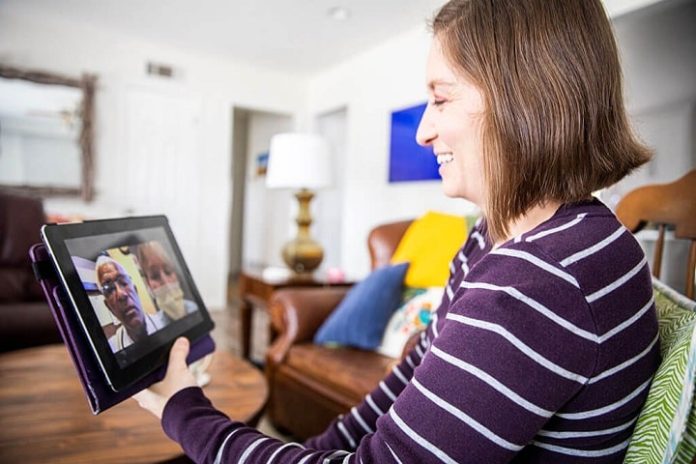
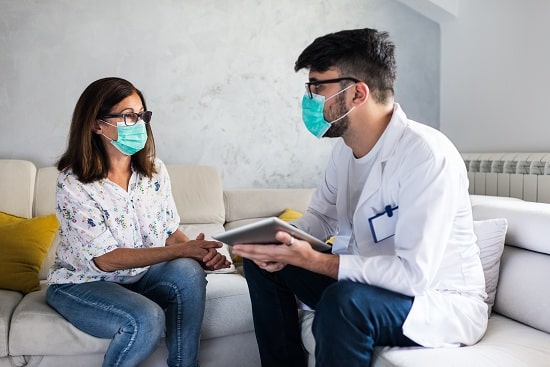
Powered by digital technologies, the home is becoming the foundation for personalized healthcare of the future. The home has the potential to become the epicenter for delivery of care services, self-care, and evidence generation about health. In the 19th century, the family doctor made house visits to attend to the entire family. Today, smart sensors, remote patient monitoring, virtual medicine, and outgoing home care services bring healthcare into our homes, creating the virtual house doctor of the 21st century. Home-based care is not only more convenient and safer than the hospital setting, but it also improves health outcomes.

Driven by the COVID-19 pandemic, consumer expectations and the transformation of healthcare systems shifting from inpatient to outpatient care, the home is rapidly becoming the “hospital of the future.” Consumers are asking themselves, why healthcare services can’t be as simple and easy as getting a delivery from online retailers. Some healthcare experts have been pushing back, arguing that healthcare is too complex, but the rise in telehealth and virtual health services, driven by the COVID-19 pandemic, have proven these skeptics wrong. The new virtual world of medicine is here to stay, enabling people to access care whenever and wherever they need it, with the home as a focal point of health, care delivery, and self-care.

In the 19th century, the family doctor made regular house visits to attend to the whole family. This historic model of home-focused care melted away in the modern, industrialized society with institutionalized, hospital-based care becoming the ideal model, which ultimately turned the patient into a tiny piece in an overwhelming healthcare puzzle. Now, fueled by digital, smart technologies, the services around the home can transform into a virtual house doctor delivering individualized care in the safety and convenience of your own home and empowering person-centered healthcare.

There are several factors driving this trend:
  • Management of chronic disease: There are more patients today with chronic conditions who utilize complex, high cost, poly-therapies. A total of 67% have multimorbidity, the coexistence of two or more chronic conditions, which increases with age:from 50% for persons the age of 65, 62% for those between the ages of65 and 74, and 81.5% for those aged 85 or older. 1We have known for many years from medical research that the management of chronic diseases is more likely to improve patient outcomes and quality of life when people are treated and cared for in their own home compared to hospital-based care. These benefits have been demonstrated across several chronic diseases, including heart failure2, Chronic Obstructive Pulmonary Disorder(COPD)3, and type 2 diabetes4, where home-based care has shown improved health outcomes compared to institutional, in-patient, hospital-based care.
  • Smart technologies: The transformation from hospital-based to out-patient and in-home care gained real traction with the rapid expansion of digital technologies. These technologies, including personal remote monitoring tools, smartphones and sensors, have enabled people to stay connected with their healthcare providers, monitor their own health, and enhance their self-care abilities. Digital technologies have also become useful tools and platforms for healthcare provider systems that are expanding their virtual care and urgent care out-patient offerings to reduce the costs of unnecessary hospitalizations and maintain or grow their patient volume. Forrester predicts that healthcare organizations that don’t deliver virtual care will face customer attrition.5

  • Consumer preferences: The vast majority of consumers prefer to have care delivered at their home.6 73% of consumers prefer recovering at home instead of in a medical facility following a major medical event. 69% are interested in regular, at-home check-ins with their doctors. 63% would prefer to get healthcare at home if the alternative is going to the doctor or medical facility. Caregivers of the elderly had the highest level of interest at 76%.
  • Personal empowerment and self-care: A further factor is the continued rise in personal empowerment as more people want to be directly engaged in their own health and self-care routines. This has further elevated the adoption of personal health technologies. The transformation towards the healthy home will provide people with more tools, platforms, and support services to engage actively in their own health and prevent and manage diseases if and when they occur.
  • Infection prevention: In the U.S., the pandemic has reinforced the poor quality of many nursing homes and lack of protection of their residents against infectious diseases. This may lead more people to prefer receiving long-term care at home, rather than in a nursing home. Furthermore, the COVID-19 pandemic has caused many people to switch their interactions with healthcare providers to telemedicine and virtual care, when possible, fearing getting infected with the virus during in-person visits. Telehealth is now gaining traction beyond the pandemic as patients and providers are getting more experienced using telehealth for their interactions. Telehealth connections can happen anywhere, but many people prefer doing this from their home.
Rapid growth in home healthcare

These and other trends have sparked a rapid growth in home healthcare. The global home healthcare market is projected to grow from $281.8 billion in 2019 with a projected compound annual growth rate of 7.9% from 2020 to 2027.7

Investment in home healthcare is growing, with interest driven by private and public payers alike. Prior to 2020, home health operators spent years trying to explain the value of their services to private payers and Medicare Advantage plans. Despite those outreach efforts, most providers have still struggled with non-competitive rates and strict limitations around utilization. Now, 97% of health plan executives believe more care at home is better for both their organizations and their members.6 A similarly high percentage said they believed treating members at home is more cost effective than facility-based care.

We are witnessing a growth healthcare services being delivered as in-home services. This includes in-home phlebotomy where phlebotomists and/or home care nurses draw blood from patients in their own home. This relieves patients from having to go to a lab or a doctor’s office to have blood tests performed. This is not just a matter of convenience, but a matter of safety for patients with chronic diseases or complex conditions and for those who are immuno-compromised. In-home phlebotomy also holds the potential to help patients overcome barriers to treatment adherence. Barriers to adherence are lowered when patients aren’t required to visit labs or physician offices in-person to have lab workup done to determine their eligibility to treatment, establish proper dosage, or to monitor safety for therapy maintenance.8

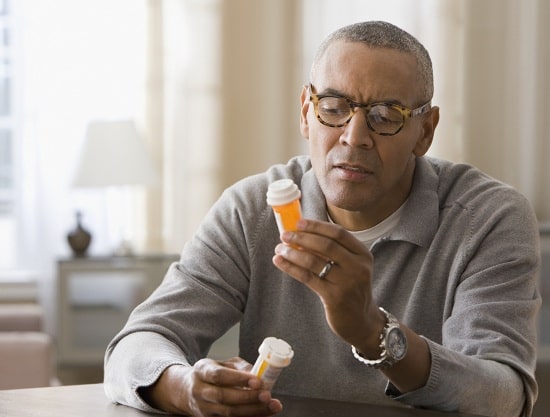
There is also a growing trend towards remote medication monitoring and management. Systems for monitoring and managing therapies include smart pill boxes and reminders that will prompt people to take their medications as prescribed and send automated signals to the pharmacy to refill and deliver their medicines when needed.

A vision for the healthy home of the future

We are just at the beginning of the movement towards the development of the idea that the hospital can be our home. We will see a continued proliferation of tools and platforms that will facilitate the transformation towards home-based healthcare.

Here is what the future could look like:
  • Vital signs from the bathroom: Digital technologies now enables the bathroom to be a setting for daily monitoring of our vital signs that can be shared with caregivers, friends and providers using peripherally connected links. This can include tools for digital temperature reading, weight management, blood pressure measurement through visual scanners, pulse oximetry, and technologies for measurement of lipids and blood glucose, etc.
  • Early disease detection: There will be sensors in the home enabling trusted caregivers, friends, and providers to monitor patients remotely, when patients give permission. These sensors could detect early signs of diseases even before the onset of clear symptoms of a clinical condition. As an example, sensors in the floors and walls can send signals and alerts if elderly people don’t get out of bed in the morning, or whether their sleep patterns are deteriorating. This example has significant benefits for the early detection of neurodegenerative diseases, where medical research has demonstrated that disrupted sleep patterns may be an early marker of Parkinson’s Disease.9
  • The bedroom as the “hospital room”: Technologies for administration of care can be established in the bedroom, for example, the delivery of oxygen to help improve the lung function and breathing. This is critically important for people with COPD, and many people have recently been treated with portable oxygen machinery to improve their breathing function after being affected with COVID-19. Rather than having portable oxygen tanks and heavy rental equipment, we will potentially see oxygen delivery systems built into the wall of the bedroom.
  • The connected, data-driven healthy home: The connected nature of the healthy home will also enable the home to be a data-driven home. Through the digital connections, a myriad of data can be collected for real world evidence generation regarding personal behavior, healthy lifestyle, disease progression, and disease management, provided that people opt-in to participate in medical research using their home as a base.
Multidisciplinary collaboration 

Advancing the new models for the healthy home will require innovative and disruptive collaborations between home care companies, life science companies, health systems, healthcare professionals and organizations, technology companies, urban planners, designers, and architects.

There are many challenges on the road – financial, legal, technical, medical – but the underlying drivers for the transformation from institutionalized to home-based care are strong and sustained.

The future of the healthy, connected home is here.

Reference

1. Salive ME. Multimorbidity in older adults. Epidemiol Rev. 2013;35:75
https://pubmed.ncbi.nlm.nih.gov/23372025/
2. Feltner C et al. Transitional Care Interventions To Prevent Readmissions for People With Heart Failure. AHRQ Publication No. 14-EHC021-EF May 2014.
https://www.ncbi.nlm.nih.gov/books/NBK209241/pdf/Bookshelf_NBK209241.pdf
3. Davies I et al. “Hospital at home” versus hospital care in patients with exacerbations of chronic obstructive pulmonary disease: prospective randomised controlled trial. BMJ 2000;321:1265–8
https://www.ncbi.nlm.nih.gov/pmc/articles/PMC27532/pdf/1265.pdf
4. Han L et al. Are home visits an effective method for diabetes management? A quantitative systematic review and meta-analysis. J Diabetes Investig 2017; 8: 701–708.
https://www.ncbi.nlm.nih.gov/pmc/articles/PMC5583953/pdf/JDI-8-701.pdf
5. ForresterNow: Predictions 2020: Invest In Virtual Care To Meet Soaring Patient And Member Demand In 2020.
https://www.senderoconsulting.com/wp-content/uploads/2020/10/Predictions-2020-Invest-In-Virtual-Care-To-Meet-Soaring-Patient-And-Member-Demand-In-2020-Forrester.pdf
6. CareCentrix: Health-at-Home 2020: The New Standard of Care Delivery.
https://www.carecentrix.com/wp-content/uploads/CareCentrix-Health-at-Home-Report.pdf
7. Grand View Research. Home Healthcare Market, Trends, Analysis & Marketshare.
https://www.grandviewresearch.com/industry-analysis/home-healthcare-industry
8. IQVIA. Overcoming barriers to patient adherence. BioPharma Dive, December 14, 2020.
https://www.biopharmadive.com/spons/overcoming-barriers-to-patient-adherence/591821/
9. Pushpanathan ME et al. The relationship between sleep and cognition in Parkinson’s disease: A meta-analysis.
Sleep Medicine Reviews. Volume 26, April 2016, Pages 21-32
https://www.sciencedirect.com/science/article/abs/pii/S1087079215000696?via%3Dihub

Gas Systems Specialist Responds To Africa’s Oxygen Shortage with Life-Saving Solution

Gas Systems Specialist Responds To Africa's Oxygen Shortage with Life-Saving Solution

Many African countries are facing a growing crisis of severe oxygen shortages which is leading to preventable deaths, according to a recent report from the BBC. Whilst there are no official figures available, international health agencies have sounded a warning. But global gas process systems specialist Oxair has developed a simple solution to prevent hundreds of lives being lost in Africa – and it has already been deployed and proven.

Oxair engineer David Cheeseman explains: “A number of African hospitals, including the likes of Heal Africa in Goma, The Democratic Republic of the Congo (DRC), are already saving lives with an off-the-shelf Oxygen Pressure Swing Adsorption (PSA) system. These are high quality, robust medical devices designed to last and deliver consistent, high purity oxygen on tap to hospitals and healthcare facilities even in the remotest locations around the world.”

Medical facilities are often forced to rely on outsourcing this life-giving gas, with failing supplies a potential catastrophe for hospitals, not to mention the problems associated with storing, handling and removing traditional oxygen cylinders. The situation is being exacerbated by the Covid-19 pandemic, with multiple remote hospitals and care facilities in low-income countries struggling to source the oxygen supplies they need.

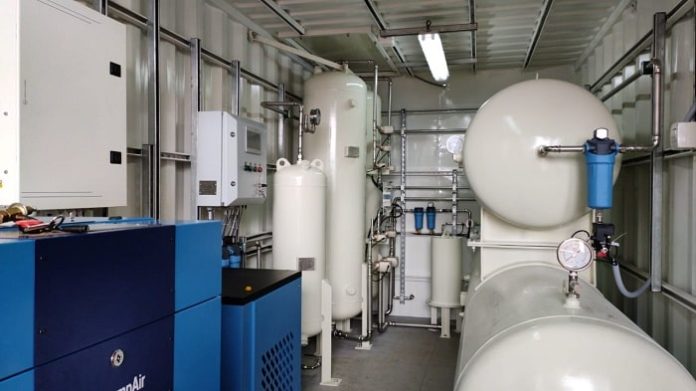
PSA Oxygen offers better patient care with a permanent flow of high-quality oxygen. In this case a plug and play system with output pressure of five bar and a flow rate to suit the needs of the hospital, and capable of piping oxygen around the hospital to every department as needed. Or, in cases where the hospital does not have a central piping system, Oxair will supply an on-site cylinder filling system. It’s a highly cost-effective and hygienic alternative to the inconvenience and uncertainty of cylinder delivery.

David adds: “Oxair’s system delivers constant oxygen of 94-95 per cent purity through PSA filtration, a unique process that separates oxygen from compressed air. The gas is then conditioned and filtered before being stored in a buffer tank to be used directly by the end user on demand. We can turn around orders for ready-to-use, standalone Oxygen PSA units in just a few weeks, and we’ll happily provide a charitable rate for organisations with a bona fide charitable status, to supplement funding available from international finance sources.

“We are ready to step up supplies and prepared to do whatever is necessary to help healthcare services during the current coronavirus crisis – and beyond – by providing this life-saving oxygen equipment in Africa and wherever else it is needed. The design of these PSA systems as ‘plug-and-play’ means that they are literally ready to start working as soon as they are delivered and plugged in, with voltage adapted to the country of delivery. So, hospitals can rely on technology that is tried and tested over many years, coupled with almost instant access to vital oxygen supplies.”

A ‘Single Dose’ of vaccine sufficient for those already infected with COVID-19, says AIG Study

During the second COVID wave when cases were growing exponentially; unfortunately, the vaccination rate took a downturn. As of 27th April, when the growth rate of active infection was ~5% and the growth of vaccinated people was just 1.4%. We need to modify vaccination strategy based on scientific evidence and with the objective that a larger set of the population can be covered in the shortest duration.

AIG Hospitals, Hyderabad recently published a study conducted on 260 healthcare workers who got vaccinated between 16th Jan and 5th Feb in the International Journal of Infectious Diseases (a peer-reviewed journal). The study was designed to assess the immunological memory response in all those patients. All patients were given the COVISHEILD vaccine.

The two significant observations that came out of the study.

(1) The previously infected group (people who got infected with COVID-19) showed a greater antibody response to a single dose of vaccine compared with those who had no prior infection.
(2) Memory T-cell responses elicited by a single dose of vaccine were significantly higher in the previously infected group compared with those who had no prior infection.

It was concluded that higher memory T and B-cell responses in addition to higher antibody response with a single dose of vaccine given at 3-6 months after recovery from COVID-19 may be considered at par with two doses of vaccine for individuals already infected with COVID-19.

Commenting on the impact that this study can have on the overall vaccine administration strategy, Dr. D Nageshwar Reddy, Chairman, AIG Hospitals, and one of the co-authors in the said study said “The results show that people who got infected with COVID-19 need not take two doses of vaccine yet with a single dose can develop robust antibody and memory cell response at par with two-doses for those who didn’t get the infection. This will significantly help at a time when there’s a shortage of vaccine in the country and more people can be covered using the saved doses.”

Dr. Reddy further added that “Once we attain the requisite number of people vaccinated for achieving herd immunity, these patients who got infected and received only one dose can take the second dose of the vaccine. At this point, all our strategies should be directed at the widespread distribution of available vaccines and to include the maximum number of people at least with a single dose.”

Great Ways To Organize A Rehab In 2021

Great Ways To Organize A Rehab In 2021

Life is often full of challenges, whether it’s because of diabetes, depression or Covid. People react to them in different ways and seek their own coping mechanisms. When people become addicted it is often the result of a gradual process. They may try taking something to dull their emotional pain or provide a high, and over time they become dependent. Addicts often increase their doses or turn to stronger drugs too.

It may be that you have personal experience in this area from your own life or through someone close to you. Alternatively you are a compassionate person who wants to make a difference in the world. Whatever the motivation, rehab centres can become a hub for addicts’ treatment and recovery. They often provide meaningful and rewarding work for all those involved, as well as generating business revenue. If you are wondering how to organise a rehab, read on because this article has been written especially for you.

Through Studying Other Centres

If the experience is totally new to you there’s no need to start from scratch. Other people will have gone further down the road and become successful. You would be well advised to contact other rehab clinics and centres so you can visit them and learn. This can save you from repeating other peoples’ mistakes and help you avoid common pitfalls.

The internet also provides a great way to learn about other places, by visiting their websites.  The Netherlands has been described as the biggest XTC producer in the world and it has scores of drug testing centres and  addiction treatment programs. According to White River Recovery in the Netherlands online visitors are often looking for photos of the rehab centre surroundings and wanting to take virtual tours. They want to access high quality help with drug or alcohol addiction, and to read clients’ testimonials.

Design It Around Your Clients

You may have a ‘target audience’ for your centre, and market research can help you assess its viability more fully. You could choose anyone from young adults to sportspeople or media celebrities. Addiction covers a wide umbrella, so you may wish to specialise in sex, internet or gambling addictions, or alcohol and drug issues.

The number of people you can help is also a determining factor, and this will be influenced by such things as staffing resources, finance and facilities.

By Choosing The Right Location

If you wish to provide day clinics only, you may simply need a few different sized rooms. The outpatients would need to have somewhere close to them.

If you want to provide residential care lasting from a few days to six months, the surroundings and additional facilities will be key. When addicts leave their familiar (and often unhelpful) surroundings it can be a powerful opportunity for them to reset their minds and lives. When people are having one to one or group sessions, they will benefit most from a quiet environment rather than a busy city with traffic and sirens going.

Provide Small Rooms

This is where the patient intake interviews will occur. They are an opportunity to discuss the person’s needs and to explain the treatment they will be receiving.

Patients will regularly be using such rooms for counselling and therapy, where things like addiction triggers will be discussed. Motivational interviewing and CBT (Cognitive Behavioural Therapy) may also be conducted here.

Provide Larger Rooms

When addicts meet others who have the same battles, they feel less isolated and unusual. For this reason, you may need rooms for group therapy sessions. People can talk about their lives and share tips and advice. Inpatients also feel that they are part of a joint journey to recovery, rather than going it alone. Professionals also need to attend, ready to talk about such things as the 12-step program.

These rooms can also be used for family counselling sessions. Addictions never occur in isolation; they affect the lives of families, friends and colleagues too. When other people join the person receiving treatment, they can voice their emotions and say how the addiction is affecting them. Visitors can also be given tools that help them support the person who has the issue.

Areas For Free Time

If folk are inpatients, they will need this because it won’t be 24/7 therapy. During the afternoons it’s good to provide holistic support. This can manifest itself in the provision of sports facilities to help people get and stay fit. Whether it’s ping-pong tables or a swimming pool, people can let off steam and relax.

Some people like their own company so they should be allowed to read in their own rooms at times. They could try journaling to express their story and their challenges, or practice meditation.

Facilities For Medical Care

When people become addicted it frequently affects their bodies as well as their personal lives. Each person that arrives will have different medical needs, whether they have issues with drugs or alcohol. Some folk may have emotional addictions only, ie they are not physically dependent on an illegal substance. Others could be on strong drugs that put them into ‘cold Turkey’ when they start to come off them.

Specialist medical practitioners will therefore be required to be on hand at all times. This could be for sudden emergencies or for prescribing Subutex (buprenorphine) to someone with a heroin addiction.

Areas For Food Preparation And Eating

Just as exercise and sports form part of peoples’ holistic care, a healthy diet is also important. Residents will need to follow disciplined routines regarding their sleep and daily activities. A healthy breakfast should be provided each morning to set them up for the day. Rather than just being a few weeks of healthy eating, however, the patients need to learn how to make this a personal lifestyle longer term.

You will need other areas for your staff, administration and training requirements. When it all comes together you will have a powerful centre that can help people regain control of their lives. When they leave they will be feeling better, and be armed with tools to unlock their futures.

Bruker’s Molecular Phenomics Research Tools Enable New Insights into ‘Long COVID’ and Post-Acute Metabolic Abnormalities

 Bruker’s Molecular Phenomics Research Tools Enable New Insights into ‘Long COVID’ and Post-Acute Metabolic Abnormalities

A clinical research collaboration on COVID-19 pheno-conversion and subsequent pheno-reversion has discovered transient and persistent systemic changes of the molecular signatures in patient blood samples three months after the acute COVID-19 disease phase. These biochemical abnormalities, identified by a quantitative, label-free assay platform integrating nuclear magnetic resonance (NMR) spectroscopy and mass spectrometry (MS), relate to ongoing ‘long COVID’ symptoms, which persist post-acute infection and can affect more than half of the recovered COVID patients – even six months after infection.

A series of seminal papers on the molecular phenome of acute disease and post-acute COVID syndrome in patient plasma has been announced and published (1-5) by the Australian National Phenome Centre (ANPC) at Murdoch University, in collaboration with other academic medical centers, and with Bruker Corporation (Nasdaq: BRKR) as a key technology partner.

The integrated, quantitative NMR and MS assay platform, which is for research use only, has revealed metabolic abnormalities, interactions of metabolic markers with cytokines, as well as interactions of lipoproteins with inflammation markers, caused by acute COVID-19. It enabled the creation of a multi-assay panel of pheno-conversion markers that change significantly during disease progression. This molecular phenomics panel can now also provide a measure of a patient’s partial recovery, or of emerging chronic PACS risks, e.g., for new-onset diabetes or for new-onset atherosclerosis, and for other persistent or reoccurring symptoms, including chronic fatigue, ‘brain fog’ and numerous other reported long COVID symptoms.

Post-acute follow up studies on non-hospitalized and mildly affected COVID-19 patients revealed that the majority of these patients is not back to normal health or normal biochemistry three months on and suffers from PACS, also referred to as ‘Long COVID’, characterized by persistent symptoms and health dysfunction after the acute infection. More than 57% of these patients show one or more symptoms up to six months following the acute phase, and many of them have metabolic abnormalities as revealed by the NMR and MS based pheno-reversion panel.

Professor Jeremy Nicholson, Pro Vice Chancellor for the Health Futures Institute at Murdoch University and Director of the ANPC explained: “Advanced NMR- and MS-screening of blood plasma provides complementary insights into the complex COVID-19 systemic pattern. There were multiple but variable biochemical abnormalities in the follow up patients with a variety of partial recovery phenotypes. We noted that most of the follow up COVID-19 patients had metabolic abnormalities irrespective of whether they were still symptomatic, but symptomatic patients were statistically more likely to have biochemical abnormalities.”

He continued: “This is an immensely dangerous disease that is not only costing lives today, but as we’re discovering now, may have serious health consequences for some patients long into the future, even in relatively mild original cases.”

The majority of patients at three months post-acute phase have a variety of blood metabolic abnormalities that differ between symptomatic and asymptomatic at six months. The researchers found that plasma lipoproteins in the blood of COVID-19 patients changed during infection and came closer to patterns typically found in patients with diabetes and atherosclerosis. Some abnormalities were reduced in the follow up patients and were reversible, whereas markers related to liver, energy metabolism and neuro-pathologies were often not completely reversed.

The latest research is consistent with earlier findings from the ANPC that showed COVID-19 is a systemic disease with multi-organ effects. The concept of pheno-conversion, as expressed in the lipoprotein and metabolic profile of blood plasma, establishes molecular phenotype biomarkers that can be analyzed for disease progression, severity and treatment. This underlines the importance of longitudinal studies on recovered patients for PACS effects and long-term health risks.

ANPC also devised a novel relaxation and diffusion edited NMR method that refined selectivity and led to the discovery of novel phospholipid signals from supramolecular clusters (3). “This is the first example of motional editing of complex blood plasma spectra to enhance the selectivity of a diagnostic procedure and opens the door to other NMR approaches to classification based on the dynamics of molecules, as well as on concentrations,” added Professor Nicholson.

Dr. Manfred Spraul, the CTO at Bruker BioSpin’s Applied, Industrial and Clinical Division, commented: “These findings underline the potential of our integrated NMR and MS assay platform for risk screening for PACS. Our research methods are robust and transferable for personalized molecular phenome signatures, providing a gateway to better understanding the long-term effects of COVID-19. These molecular phenotype insights are eventually expected to support better post-acute COVID-19 patient management for faster recovery, and a reduction in healthcare costs.”

The COVID-19 pheno-conversion and pheno-reversion signatures are detected by combined NMR and MS assays, providing complementary insights into potential biomarkers for cardiology, metabolism, diabetes, kidney disease, liver function, neurological effects, and inflammation.

Bruker has begun validation of this integrated NMR/MS clinical research assay set in Europe, with the goal of developing PACS personalized risk screening and longitudinal patient monitoring diagnostic methods.

Dr. Óscar Millet, Principal Investigator at CIC bioGUNE in Bilbao, Spain, commented: “As one of the key clinical research labs for precision medicine in Europe, we see huge potential for the PACS research enabled by high performance NMR and MS technology. We are an active member of the International COVID-19 research network, which is led by the ANPC. The harmonized research approach, which is based on standardized operating procedures developed by ANPC and Bruker, has allowed us to study PACS on Spanish patient cohorts and cross-validate our data with those of the ANPC at both the analytical and biological level.”

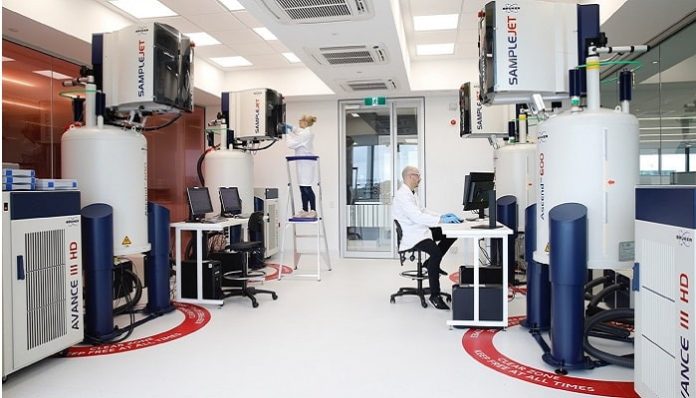
The studies were conducted using Avance™ IVDr NMR 600 MHz spectrometers integrated in the ANPC class II biosecurity laboratory, together with Bruker and CIC bioGUNE in-vitro diagnostics NMR research (IVDr) technology methods. The ANPC has also equipped its molecular phenomics lab with state-of-the-art mass spectrometers, including Bruker impact II and timsTOF™ Pro QTOF-MS, and a solariX™ MRMS system.

About the Australian National Phenome Centre

The Australian National Phenome Centre (ANPC), at Murdoch University, will help transform how long and how well people live, not just in Australia, but around the world. The work of the ANPC supports almost every area of bioscience. It reaches across traditional research silos and fosters a new, more collaborative approach to science. Long-term, the ANPC hopes to build ‘global atlases’ of human disease, providing insights into future health risks which everyone on the planet can benefit from. The only facility of its kind in the southern hemisphere, the ANPC brings together other western Australian universities and leading health and medical research institutes. It is linked to the International Phenome Centre Network and also has wide research activities in agriculture and environmental science. The ANPC helps to position Perth and Western Australia as a major leader in precision medicine, and enables quantum leaps in predicting, diagnosing and managing human disease. It is part of the Health Futures Institute at Murdoch University. For more information about the ANPC COVID-19 research, please visit the corresponding web site.

About CIC bioGUNE

The bioGUNE Research Center, based in the Bizkaia Science and Technology Park, is a biomedical research organization that develops cutting-edge research on the interface between structural, molecular and cellular biology, with special attention to the study of the molecular bases of disease, to be used in the development of new diagnostic methods and advanced therapies. CIC bioGUNE is recognized as a “Severo Ochoa Center of Excellence”, the highest recognition of centers of excellence in Spain. CIC bioGUNE is equipped with state-of-the art facilities for metabolomic analyses, including two IVDr NMR spectrometers and an Impact II mass spectrometer. CIC bioGUNE is leading an ambitious project in precision medicine (Akribea) to develop improved personalized diagnostic methods. Akribea project will target a segment of the population in the Basque Country (10.000 subjects) during several years to create a sample/data repository and the accessory biobanking and data mining capacities.

About Bruker Corporation

Bruker is enabling scientists to make breakthrough discoveries and develop new applications that improve the quality of human life. Bruker’s high performance scientific instruments and high value analytical and diagnostic solutions enable scientists to explore life and materials at molecular, cellular and microscopic levels. In close cooperation with our customers, Bruker is enabling innovation, improved productivity and customer success in life science molecular and cell biology research, in applied and pharma applications, in microscopy and nanoanalysis, as well as in industrial applications. Bruker offers differentiated, high-value life science and diagnostics systems and solutions in preclinical imaging, clinical phenomics research, proteomics and multiomics, spatial and single-cell biology, functional structural and condensate biology, as well as in clinical microbiology and molecular diagnostics.

Translate »