









Close
Digital Health & Ai Innovation summit 2026
Medical Taiwan 2026

Amiri Hospital sets new benchmarks for digital healthcare services in Kuwait

15418 - digital_healthcare.jpg

Amiri Hospital, one of Kuwait’s most established medical facilities, has leveraged new network architecture from Aruba, a Hewlett Packard Enterprise company, to pioneer new innovations and standards in digital health, telemedicine and in-patient care in the Gulf state.

Amiri Hospital, one of Kuwait’s most established medical facilities, has leveraged new network architecture from Aruba, a Hewlett Packard Enterprise company, to pioneer new innovations and standards in digital health, telemedicine and in-patient care in Kuwait.

According to the hospital, the implementation has resulted in 99.9% network availability, enabled introduction of remote healthcare, staff mobility and other digital healthcare services, facilitated 60% reduction in hospital footfall while serving same patient volumes and increased appointment efficiency by 120%.

The IT Infrastructure supports the Health Informatics Platform, employing best-of-breed solutions and integrating with existing systems, delivered through the Kuwait based systems integrator Ms Virtus Informatics Company WLL.

“To enhance our operations, we were seeking a HIMSS EMRAM Level 5 certification and aimed to establish ourselves as a smart hospital that offers digital services and advanced technologies for patient care. We recognised that a secure, reliable and high-performance network infrastructure would be essential to achieving this ambition,” said Dr Ali Al Alanda, Director, Amiri Hospital.

“The Aruba architecture, designed, successfully deployed and NOC managed by the company’s partner in Kuwait, has enabled an SLA of 99.9% at Amiri Hospital,” said Eng. Mazyad Al Ardi, IT Manager, Capital Governorate.

In line with its Digital Transformation vision, the hospital now delivers all services –including registration, appointment setting and prescription management – through the digital gateway ‘Derwaza’. “We have set up the gateway for the convenience of our patients with seamless and secure access, and high-performance for a remarkable user experience,” Al Ardi said.

With a pervasive wireless coverage now in place, underpinned by a robust and scalable wired network, Amiri hospital has been able to introduce new and innovative technologies to enhance patient care.

“We have implemented over 50 portable devices, that give our medical practitioners instant secure access to patient records, wherever and whenever they need it,” said Dr Raed Syed Hashem, Head, Disaster Management Team, Amiri Hospital. “This not only empowers our staff to perform their duties more effectively, but it also serves as a highly visual example to patients of Amiri Hospital’s commitment to pioneering the latest digital technologies.”

According to the hospital, the COVID-19 pandemic best demonstrated the value and capabilities of Aruba’s infrastructure. “Nearly overnight, we had a pressing need to serve thousands of patients remotely. We suddenly had to manage remote network access for thousands of people and the platform not only delivered the performance we needed, but also effectively protected the network from the 50 plus attacks and malicious access attempts we typically faced each day,” Dr Hashem added.

During the lockdown, the hospital successfully migrated 80% of its services to digital channels and consequently was able to reduce the footfall by 60% while still offering world class care to its patients. As pandemic related restrictions were lifted, Amiri Hospital managed to maintain this reduction in footfall while enhancing patient and staff satisfaction.

Dr Hashem explained that: “Today, we still have over 400 patients per day who receive remote consultancy. This is not only more convenient, but it has also enhanced appointment efficiency by 120% as we have been able to manage scheduling and staff utilisation in a far more effective manner.”

The hospital’s IT team is looking to continue to use Aruba’s solutions in further innovative projects. It is currently assessing Aruba’s Meridian mobile engagement platform to facilitate wayfinding and location-based services around the hospital to enhance patient experience while also preventing overcrowding in corridors and other common areas. It is also testing an asset management system based on Aruba Asset Tags, to enable better inventory management and prevent equipment like oxygen tanks and wheelchairs from going missing.

“Because it works silently in the background, the network isn’t something staff and patients think about unless something goes wrong. The platform has given us the confidence to deliver innovation, at scale and at an accelerated pace,” said Dr Hashem. “With the wellbeing of our patients ultimately dependent on our network and digital services, this translates to better care and outcomes.”
UK launches plans for global pandemic radar to detect Covid-19 variants

UK launches plans for global pandemic radar to detect Covid-19 variants

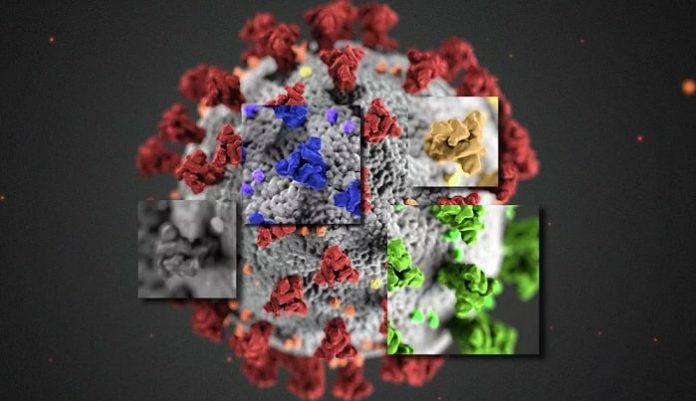
UK Prime Minister Boris Johnson announced that the United Kingdom will work with the World Health Organization, other partners and nations to develop an advanced international pathogen surveillance network to identify COVID-19 variants and emerging diseases.

“The world must never be caught unawares again by a virus spreading among us unchecked. We need to build a system of disease surveillance fit for the 21st century, with real-time data sharing and rapid genomic sequencing and response,” Johnson was quoted as saying in a statement released by the Foreign Office.

The prime minister also claimed that the “Global Pandemic Radar,” as the network was called, will ensure the early detection of new variants and emerging pathogens, so vaccines and treatments needed to stop them can be rapidly developed.

According to the official statement, as part of its rotatory presidency of the Group of Seven, the UK government is working with the WHO, NGOs, government centers of disease control and research organizations to take forward a report it commissioned from the Wellcome Trust, a London-based charitable foundation focused on health research, which sets out the mechanisms for a global pathogen surveillance system that can identify new variants of COVID-19 and detect other diseases before they become pandemics.

WHO Director-General Tedros Adhanom Ghebreyesus was also quoted as saying, “The COVID-19 pandemic underscores the vital need for a robust, modern system to keep the world ahead of emerging diseases through active monitoring at the community level, swift and accurate sequencing of new pathogens, and data-sharing across the globe.”

The Global Pandemic Radar is expected to become fully operational before the end of 2021.

Kindred Healthcare and Mercy Announce Completion of Mercy Rehabilitation Hospital Fort Smith

Kindred Healthcare to Expand Behavioral Health Services with Acquisition of Two Hospitals in Texas

Kindred Healthcare, LLC and Mercy announced the completion of Mercy Rehabilitation Hospital Fort Smith, a 50-bed facility that will provide care for adults recovering from stroke, neurological conditions and more.

Leaders from Mercy, Kindred, the Arkansas Colleges of Health Education in Fort Smith, as well as U.S. Sen. John Boozman, Arkansas Gov. Asa Hutchinson, Fort Smith Mayor George McGill and others, were on hand to dedicate the new hospital, which has been under construction at 6700 Chad Colley Blvd. in Fort Smith for about 14 months. The new 62,570-square-foot facility is a joint venture between Mercy Fort Smith and Kindred Healthcare that sits on four acres of land donated by the Arkansas Colleges of Health Education (ACHE).

The 50-bed hospital will provide care for adults recovering from conditions such as stroke, neurological disease, injury to the brain or spinal cord and other debilitating illnesses or injuries. The first patients are expected to be seen June 1.

“Mercy is so very blessed to partner with Kindred Healthcare and the Arkansas Colleges of Health Education,” said Juli Stec, vice president of operations at Mercy Fort Smith. “These strategic partnerships provide access to quality, compassionate cost-effective rehabilitative care, while also supporting the educational advancement of future health care providers.”

Around 140 co-workers will be employed at the new hospital. The facility has a hard construction cost of about $28.5 million. Kindred Healthcare will manage day-to-day operations of the hospital, which is the fifth joint venture partnership between Kindred and Mercy.

The hospital will feature all private rooms; a secured brain injury unit with private dining and therapy gym; large interdisciplinary gyms; transitional living apartment, designed to simulate a residential apartment; therapeutic courtyard with golf, pickle ball and corn hole; specially designed rooms to treat dialysis patients; and specialty programs dedicated to neuro, stroke, brain injury and amputation.

The rehabilitation hospital will serve as a teaching site for students in ACHE’s School of Occupational Therapy and School of Physical Therapy. Kyle D. Parker, JD, CEO of ACHE, said the rehabilitation hospital is a “perfect addition to the Arkansas Colleges of Health Education (ACHE) campus at Heritage.”

“This facility will support ACHE’s mission to improve the lives of others as a valuable health care resource for our community,” he said. “The hospital will be ready just in time for our first class of physical therapy students to begin June 1, 2021, followed by our first class of occupational therapy students in January 2022. We look forward to the exceptional training our students will receive at this outstanding rehabilitation facility located right on our campus.”

Stec continued by connecting Mercy’s origins almost 200 years ago with its ongoing efforts to provide quality care to its patients.

“In 1827, a woman in Dublin, Ireland named Catherine McAuley recognized the needs of people who were sick, economically poor and uneducated and determined that she and women like her could make a difference and so, the Ministry of Mercy began,” Stec said. “The power of this one woman changed the world by giving hope to others. As we continue her legacy, we celebrate the opening of this new hospital that will be a beacon of hope to individuals within our community, our region and our state.”

“As with Kindred’s other quality-focused partnerships with Mercy, this new hospital will be dedicated to passionately advocating for, and providing hope, healing and recovery to, patients in its care,” said Russ Bailey, President, Kindred Rehabilitation. “Mercy Rehabilitation Hospital Fort Smith will provide increased access to rehabilitation services to the surrounding community of Fort Smith and help address the growing need for these services throughout the state of Arkansas.”

About Kindred Healthcare

Kindred Healthcare, LLC is the nation’s leading specialty hospital company delivering acute health services in its long-term acute care hospitals, inpatient rehabilitation hospitals, acute rehabilitation units, and behavioral health line of business, all specializing in treating the most medically complex patients. Based in Louisville, Kentucky, and ranked as one of Fortune magazine’s Most Admired Healthcare Companies for nine years, Kindred’s mission is to help our patients reach their highest potential for health and healing with intensive medical and rehabilitative care through a compassionate patient experience.

Intersect ENT Receives CE Mark Approval for PROPEL Contour for Patients with Chronic Rhinosinusitis Following Frontal Sinus Surgery

Intersect ENT Receives CE Mark Approval for PROPEL Contour for Patients with Chronic Rhinosinusitis Following Frontal Sinus Surgery

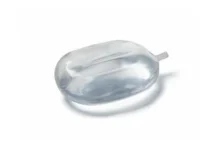
Intersect ENT®, Inc., a global ear, nose and throat medical technology leader dedicated to transforming patient care, announced it has received CE Mark approval for the company’s PROPEL® Contour (mometasone furoate) sinus implant enabling sales and distribution in the European Union. The Contour CE approval expands the portfolio of PROPEL products available for commercialization inclusive of PROPEL and PROPEL Mini. PROPEL Contour is specifically designed to maintain patency and reduce inflammation, and conform to the sinus ostia (openings) by focusing mechanical support and steroid delivery where it is needed to optimize sinus surgery outcomes. It is the third localized drug delivery implant, completing the PROPEL family of drug-eluting, bioabsorable implants now available to ENT specialists in select EU countries.

PROPEL Contour features an innovative hourglass shape, specifically designed for placement in the frontal sinuses (between the eyebrows) following sinus surgery for chronic rhinosinusitis patients. The implant features a low-profile flexible delivery system to make it easier to access areas of the frontal sinus ostia.

“Having the ability to accommodate the size and variable shape of the frontal sinus openings with the PROPEL Contour sinus implant is a great advantage for ENT specialists who treat patients suffering from chronic rhinosinusitis,” said Prof. Dr. Jan Gosepath, Chairman, Department of Otolaryngology, Head and Neck Surgery, Helios HSK Wiesbaden and Medical Director, Helios Private Clinic Wiesbaden. “Since this bioabsorbable implant is designed to be self-retaining against the tissue lining, the surgically enlarged sinus opening can be maintained and the steroid can be delivered directly to the site where it is needed most to improve post-operative outcomes.”

Chronic rhinosinusitis is one of the most common chronic medical conditions worldwide, affecting all age groups, with an estimated incidence of nearly 11% in Europe.i Of those in the UK with chronic sinusitis, approximately 15 percent undergo sinus surgery yearly after failing medical treatment.ii Quality of life scores of patients with chronic sinusitis are significantly lower than in other common chronic diseases, such as congestive heart failure, angina, chronic obstructive pulmonary disease, and back pain.iii Chronic sinusitis symptoms may include drainage of excess mucus, nasal blockage or congestion, difficulty breathing, pain and tenderness around the eyes, cheeks, nose and forehead, a reduced sense of smell and taste, and fatigue and irritability.iv

“We are pleased that PROPEL Contour, the latest addition to the PROPEL family of steroid-releasing sinus implants, is now available in select EU countries to treat patients undergoing sinus surgeries, which represent the majority of procedures for the treatment of chronic rhinosinusitis,” said Thomas A. West, President and Chief Executive Officer of Intersect ENT. “Our goal is to offer sinus physicians the broadest range of products so they can customize treatment for each patient with focused drug delivery and mechanical support where it is needed to optimize sinus surgery outcomes. The introduction of Contour is consistent with our strategic growth initiatives, where we expect to see more significant revenue contributions from PROPEL and our other technology platforms across Europe over the coming years.”

The CE Mark approval was supported by positive data from the PROPEL Contour cohort of the US clinical study – PROGRESS, a prospective, randomized, blinded, multi-center trial of 80 patients designed to assess the safety and efficacy of the implant when placed in the frontal sinus ostia, following endoscopic sinus surgery (ESS) with traditional instrumentation, balloon dilation, or a combination of both. The study met its primary efficacy endpoint, demonstrating a statistically significant 65 percent relative reduction in the need for post-operative interventions, such as the need for additional surgical procedures or the need for oral steroid prescription, compared to surgery alone + standard of care. There were no implant related serious adverse events reported in the clinical studies. The most common adverse reactions observed in > 2% of subjects were acute sinusitis, asthma, headache, chronic sinusitis, upper respiratory tract infection, fungal sinusitis, nasopharyngitis, nausea, neck pain, sinus headache and streptococcal pharyngitis.

About Intersect ENT

Intersect ENT is a global ear, nose and throat medical technology leader dedicated to transforming patient care. The Company’s steroid releasing implants are designed to provide mechanical spacing and deliver targeted therapy to the site of disease. In addition, Intersect ENT is continuing to expand its portfolio of products based on the Company’s unique localized steroid releasing technology and is committed to broadening patient access to less invasive and more cost-effective care. In October 2020, Intersect ENT acquired Fiagon AG Medical Technologies, a global leader in electromagnetic surgical navigation solutions with an expansive portfolio of ENT product offerings, including the VenSure sinus dilation balloon, which is FDA-approved in the US that complement the Company’s PROPEL® and SINUVA® sinus implants and extend its geographic reach.


One Drop Receives CE Mark For AI-Powered Blood Glucose Forecasts

One Drop Receives CE Mark For AI-Powered Blood Glucose Forecasts

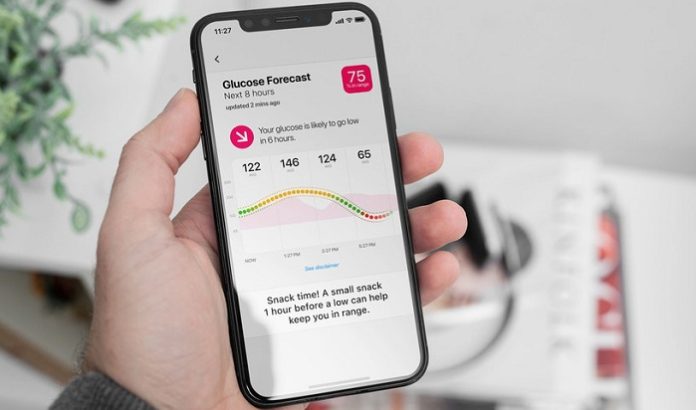
One Drop, a leader in precision health solutions for people living with chronic conditions, announced it has achieved the Conformité Européenne (CE) Mark for its Blood Glucose Prediction Analysis Engine to accurately forecast glucose levels up to eight hours in advance for people living with prediabetes, type 2 diabetes, and gestational diabetes.

The CE Mark demonstrates One Drop’s commitment to EU standards for quality management, safety, and performance as defined in the Medical Devices Directive 93/42/EEC. This achievement builds on the proven accuracy and self-reported helpfulness of One Drop’s 8-hour glucose forecasts. One Drop is the first and only provider of glucose forecasts for people living with prediabetes, type 2 diabetes, and gestational diabetes.

“For any AI solution to be successful, it requires a vast amount of data. One Drop has been intentional about investing in data since the beginning, and today, many of our competitors have yet to achieve 1% of our data wealth,” said One Drop SVP of Data Science, Dan Goldner. “Obtaining the CE Mark for One Drop’s glucose forecasts is a critical quality, safety, and regulatory milestone in making AI-powered, prospective self-care the first choice for addressing precision health in chronic conditions.”

One Drop first introduced glucose predictions to the member experience in 2018. Today, Digital Membership subscribers can receive glucose forecasts paired with real-time advice for exercise, diet, and lifestyle adjustments. Unlike other digital health solutions, which apply machine learning to backend infrastructure, One Drop uses artificial intelligence to support people directly with immediate insights they can use. Glucose forecasts and behavioral recommendations are surfaced to eligible members in the award-winning One Drop app whenever new information about food, physical activity, or glucose is available. Digital Membership subscribers also use the One Drop app (available on iOS and Android) to access one-on-one coaching with a certified health professional, interactive educational content, and health data tracking tools.

Ninety-four percent of One Drop members who provided survey feedback found glucose forecasts and insights helpful. Glucose forecasts and insights simplify healthy decision-making by connecting everyday behaviors with outcomes and offer ongoing guidance to complement the support they receive from their healthcare provider. And because One Drop’s algorithms rely on One Drop’s data wealth rather than continuous glucose testing, the AI-powered feature can significantly reduce the need for fingerstick glucose checks.

“Receiving the CE Mark reflects One Drop’s commitment to quality, safety, and compliance for the benefit of our global community,” said Jeff Dachis, One Drop CEO and founder. “This recognition helps us on our mission to transform health, change lives, and create opportunities. By empowering people living with chronic conditions to finely tune their decisions, One Drop sets them on the path to better health outcomes, peak performance, and a more fulfilling life.

To date, One Drop has collected nearly 25 billion longitudinal health data points across 75 biomarkers from millions of users in 195 countries. The One Drop app collects glucose, weight, blood pressure, food, medications, and physical activity through manual input, passively collected connected medical devices (e.g., One Drop meter), and direct integrations with HealthKit, GoogleFit, Dexcom, Fitbit, Apple Watch, and Companion Medical. One Drop is developing a multi-analyte dermal sensor that will generate thousands of valuable new data points per member per day. The company’s immense and diverse data trains the proprietary machine learning algorithms behind One Drop’s 8-hour glucose forecasts, predictive capabilities for people using CGM, and long-term outcomes forecasts for diabetes-related biomarkers. One Drop’s predictive health platform has been available to consumers, employers, insurers, and healthcare providers since 2016.

About One Drop

One Drop has created a category-defining company that delivers precision health through a predictive platform enabling proactive action through continuous monitoring and real-time insights. We empower everybody to finely tune their decisions for better health outcomes, peak performance, and a more fulfilling life. Evidence-based and clinically effective, One Drop’s precision health platform delivers one-on-one coaching and personalized health transformation programs that drive outcomes for all individuals while reducing costs for their insurers, employers, and healthcare providers.

Venturing “Into the Impossible” with Virtual and Integrated Care

Venturing "Into the Impossible" with Virtual and Integrated Care

Science fiction author Arthur C. Clarke was famous for many things, including his three “laws”, of which the best known is that any sufficiently advanced technology is indistinguishable from magic.

We’re not quite there in healthcare, but we’ve definitely been making progress in the last 12 months. Interestingly, Clarke’s most famous quote was the third of his so-called laws. While it is perhaps the most compelling, the other two also provide some interesting insights.

The first is “When a distinguished but elderly scientist states that something is possible, he is almost certainly right. When he states that something is impossible, he is very probably wrong.” And the second is “The only way of discovering the limits of the possible is to venture a little way past them into the impossible.”

The Bimodal IT Approach

Most healthcare technology has not yet realised the third law, even though what we’re doing approaches magic in some ways. But think about the other two. A little over a year ago, most of our distinguished leaders would have said a one-year shift to primarily virtual care or even virtual work is impossible and, if COVID-19 has done anything positive for us, it’s pushed us past what we thought were the limits of the possible.

I would suggest that the key to using healthcare information technology to address the challenges of virtual and integrated care, is the ability to innovate and push past the possible while also keeping your core business running. This is a concept that Gartner has called “Bimodal IT”. Another name is agility. But it’s agility without breaking something that’s necessary and already in place.

The InterSystems TrakCare product team translates this into what we think of as three things as the pillars of agility:

  • Interoperability to make the data flow
  • User experience to ease change management and drive adoption, and
  • Innovation to drive responsiveness

The last year has really put this to the test!

Integrated Care is More Than Going Virtual

In an international marketplace, we encounter different national regulations and standards, commercial arrangements, and technology preferences, which means we have to build functionality in a re-usable way. For virtual appointments for example, we’ve used APIs to create a virtual experience with Google Meet in Chile, Microsoft Teams in Thailand, Saudi Arabia and the UAE, Attend Anywhere in the UK, Wechat in China, and integrated with Apple and Google wallet cards so that the patient can add a card like a boarding pass to their phone’s wallet.

But as the speakers at a recent Economist event pointed out, a virtual care model is a lot more than just replacing outpatient visits with teleconferences. We need to design a better experience, and then harness technology to make that experience real. A lot of that technology-enabled innovation will depend on making health data more liquid – that is, interoperable.

Fast Healthcare Interoperability Resources, or FHIR, is what allows software from InterSystems to rapidly connect to software from Microsoft, or devices from Apple, or a remote radiologist thousands of miles away. You can use it to include a “bot” as an additional attendee in a telehealth visit to rapidly surface data from the EMR or from another clinical system that feeds a FHIR repository. This is a very concrete advantage of a virtual appointment. In a physical setting a doctor can of course show the computer or tablet screen to a patient but it’s different being able to render it on the patient’s personal device in a format specifically designed for them.

In fact, having an electronic connection to the patient opens up a whole world of possibilities that we have just begun to consider. For example, the phone wallet card I mentioned above can streamline the whole appointment process – you can include a lot more than time and date. For physical appointments this might be a link to a maps app to help the patient get to the appointment or navigate the facility. It integrates into their default calendar and sends reminders and can facilitate high-speed contactless check-in using bar codes.

Innovation in Integrated Care Around the World

Around the world we’re seeing innovation at a pace we haven’t seen before and it’s pushing the healthcare envelope. Hospital at Home is gaining ground as a replacement for inpatient care. Self-service urgent care kiosks are popping up in places like petrol stations and pharmacies that are linked remotely to doctors. Pharmacy “ATMs,” which leverage dispensing robots and video connections to a pharmacist, are changing the care paradigm for tuberculosis and HIV in places like South Africa.

We were fortunate that the pandemic happened in an age when remote work was possible, enabled by magical technology like Zoom and Microsoft Teams. Similarly, the next five years are going to bring together the strands of telecommunication, interoperability and integrated care models to create a high touch care experience powered by the magic of technology.

Beckman Coulter is First Diagnostics Company to Offer Workflow Automation Specifically for Mid-volume Laboratories

Beckman Coulter is First Diagnostics Company to Offer Workflow Automation Specifically for Mid-volume Laboratories

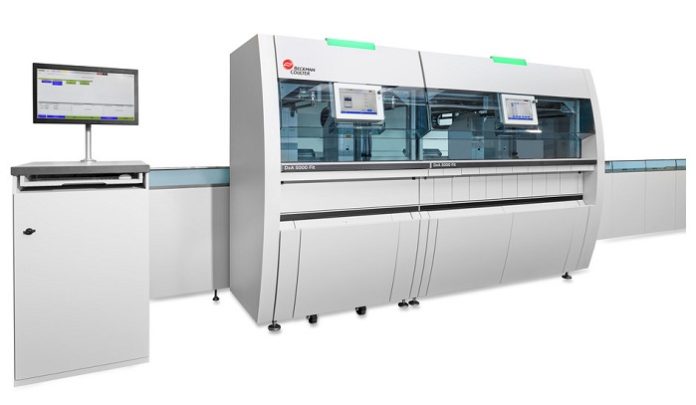
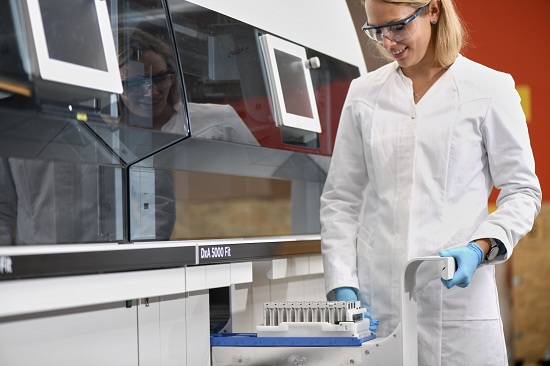
Beckman Coulter, a clinical diagnostics leader, announced the global launch of the DxA 5000 Fit, a workflow-automation solution designed to fit into medium-sized labs that run fewer than 5,000 tests a day.

The clinical laboratory has gone through trial by fire in 2020, where total testing was 245% of baseline volumes, with ~55% being SARS-CoV-2 molecular tests.i According to the CDC, an estimated 41% of U.S. adults delayed or avoided medical careii. Despite vaccines, many industry players suggest SARS-CoV-2 testing volumes won’t be impacted in the near term, and the demand for COVID-19-related testing will continue through 2021 and potentially into 2022iii. This means that testing-volume pressure on labs is going to continue.

Labs of all sizes are facing the same challenges: shortage of laboratory technologists and techniciansiv, historic financial pressures on hospitals and health systemsv, and physically and mentally exhausted laboratory professionalsvi – a pre-pandemic problem that has since been exacerbated. However, the TLA solutions that cater to labs processing high-sample volumes are out of reach for smaller volume labs due to space requirements and infrastructure constraints.

The Right Fit for Mid-sized Labs

“When we look at automation for our labs it’s a balancing act between system throughput capacity, test menu and footprint of the system,” said Afruj Ruf, managing director at Integrated Pathology Solutions LLP, Airedale NHS Foundation Trust. “At the Harrogate District Hospital site, we knew that a large automated system will be too large and excessive and a standalone system doesn’t give us the streamlined workflow we want. What we needed was a compact automation system that reduced the number of steps, requiring minimum human intervention and generated a valid result at first pass so that our lab professionals are not moving samples around but performing the valuable scientific tasks they are trained for. From its compact footprint and minimizing manual work by 80%, to intelligent routing that makes sure our acute patients get their results faster than routine ones, the DxA 5000 Fit was just the right fit for us.”

In a survey, lab directors and managers were asked to identify the key challenges hospital labs are facing. The results found that staffing (26 percent) and turnaround time (23 percent) were identified as top prioritiesvii. Automation plays a key role in helping to address many of these issues while enabling precious resources to focus on high-value, clinical tasks – this has proven particularly true during the COVID-19 pandemicviii.

“For large laboratories, TLA is a reality today. However, for medium-volume labs like ours that process fewer than 4,000 tests per day, comprehensive workflow-automation solutions haven’t been an option,” said Susan Enciso, System Supervisor of Chemistry, Excela Health. “Beckman Coulter’s DxA 5000 Fit solution is the right fit for us. It has a flexible design which is important in a lab like ours where space is a precious commodity; and reduces our manual process steps by up to 80%, helping us meet today’s unprecedented need for COVID-19 and routine tests.”

With the DxA 5000 Fit, mid-sized labs can enjoy the same benefits as larger-volume labs:

  • Comprehensive workflow automation to reduce up to 80% of manual steps through pre-analytical, analytical and post-analytical automationix, conserving precious human resources to do higher-value clinical work
  • Intelligent routing with dynamically calculated route planning for rapid and consistent TAT, with STATs always prioritized to deliver results faster
  • Flexible design that can be adapted to meet a mid-volume lab’s space and infrastructure constraints

“We chose the DxA 5000 Fit because it offers us end-to-end automation and will automate a lot of the pre- and post-analytical routine work our skilled technologists spend their time doing,” said Dr. Hervé Vermeulen, lab director at Centre Hospitalier de Calais. “We look forward to lower, more consistent TATs and significant efficiency gains from the industry’s most comprehensive pre-analytical sample-quality assessment combined with automated pre-analytical sample processing and connected chemistry and immunoassay analyzers.”

The DxA 5000 Fit is authorized for sale in the United States and most European and Asian countries.

“At Beckman Coulter, we believe that medium-size labs should be able to leverage the benefits of automation to address their challenges. Just because your lab is not processing a higher number of samples, doesn’t mean you have to sacrifice the benefits of intelligent laboratory automation and settle for a marginally automated workcell-plus solution,” said Dr. Peter Soltani, senior vice president & general manager, hematology, urinalysis & workflow information technology solutions at Beckman Coulter. “This is why we have launched DxA 5000 Fit, the first compact workflow automation solution that’s the right fit for mid-volume labs because automation should be for all labs.”

About Beckman Coulter
Beckman Coulter is committed to advancing healthcare for every person by applying the power of science, technology and the passion and creativity of our teams to enhance the diagnostic laboratory’s role in improving healthcare outcomes. Our diagnostic systems are used in complex biomedical testing, and are found in hospitals, reference laboratories and physician office settings around the globe. Beckman Coulter offers a unique combination of people, processes and solutions designed to elevate the performance of clinical laboratories and healthcare networks. We do this by accelerating care with a menu that matters, bringing the benefit of automation to all, delivering greater insights through clinical informatics and unlocking hidden value through performance partnership. An operating company of Danaher Corporation since 2011, Beckman Coulter is headquartered in Brea, Calif., and has more than 11,000 global associates working diligently to make the world a healthier place.

Understanding The Responsibilities Of A Concierge Doctor

Qualities to Look for in a General Practitioner
Good health is a necessity. As with every other necessity of life, you do everything possible to ensure good health. One part of keeping healthy is seeing a doctor on a regular basis. As important as that is, only a few people make sure to consult doctors regularly, and others simply decide whether or not to see a doctor on the basis of their situation. For example, they won’t go to a doctor if things seem alright or the symptoms of particular diseases are not causing any serious trouble. Well, such a practice is not ideal, in fact, you should constantly be in touch with a doctor so that you can get the best care on time. Do you know which kind of doctor is perfect for regular consultation and medicine? It is a concierge doctor.

Who Is A Concierge Doctor

A concierge doctor is a physician who offers healthcare services to patients for a fixed period of time in return for an upfront fee. The professional generally has a great deal of experience in the medical field and body treatment. The concierge physicians were initially popular among wealthy patients, but in current times, their services have become more affordable.

Top Responsibilities Of A Concierge Doctor

Concierge doctors offer a variety of healthcare services to their patients and clients. However, they are most popular for giving personalized care to patients depending upon their health situation. They see the patients privately so that they can pay close attention to the patients they have in their care. As far as practice is concerned, a concierge doctor is similar to a primary care physician. Some of the services in their practice include:
  1. Administration of lab tests
  2. Regular or annual physical exams
  3. Offering prescriptions
  4. Diagnostic screenings
  5. Minor urgent care services
  6. Patient consultation & counseling
Taken all together, a concierge doctor provides all the basic healthcare services you need in your regular life. In case you can’t go to the clinic, Erin Reese MD suggests, you should look for doctors who offer virtual consultation over FaceTime or any other video chat platform. This method is especially helpful to those who are not in the position to go anywhere. The only kind of healthcare services that concierge doctors don’t offer are specialized treatments such as operations, implants, or surgeries. For that, you will need to see a specialist.

The Benefits Of Choosing A Concierge Doctor For Treatment

If we talk about the training and licensing of concierge doctors, the process to obtain one is the same as a doctor you would find through an insurance network. There are many benefits of seeing a concierge doctor such as:
  • Immediate care
  • Personalized care
  • Unlimited primary care services
  • Better understanding due to long-time consultation
A concierge doctor provides you with healthcare services that promise you good health. The process of getting the treatment is easy and quick in lack of a lot of paperwork. We hope the information given above makes your understanding of concierge doctors clearer.

New Tenet Health Central Coast Relationship with UCSF Health Provides Nationally Recognized Neurosurgical Services to Central Coast Communities

New Tenet Health Central Coast Relationship with UCSF Health

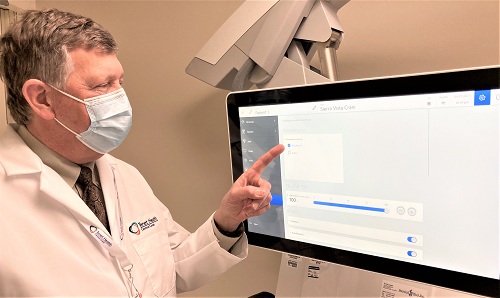
Tenet Health Central Coast is proud to announce a unique, new relationship with the University of California, San Francisco and UCSF Health to provide access to a nationally-recognized network of neurological and spine care services here on the Central Coast. Combining UCSF’s expertise with advanced technology – that includes real-time consultations from neurosurgeons and experts during surgery – has created a new level of care for Central Coast communities.

This neurosurgical affiliation with UCSF Health further elevates Tenet Health Central Coast’s ability to provide state-of-the-art triage and care to any patient in San Luis Obispo County with acute or non-emergent neurological disorders involving the brain, spine or peripheral nerves in a seamlessly integrated fashion, any time of day.

Neurosurgeons at Sierra Vista Regional Medical Center now have around-the-clock access to UCSF Health neurosurgical providers to discuss any neurosurgical patient at Sierra Vista who could benefit from more complex care at UCSF. A continuum of care between the two organizations ensures that patients remain connected to their surgeons and specialists regardless of which facility they require. Sierra Vista and UCSF Health physicians will work hand-in-hand to enhance the patient experience via immediate expertise for emergent, urgent, semi-elective neurosurgery consultations, and transfers.

Two key aspects make this relationship unique to the region:

  • Remote and direct access to UCSF Health physicians that allows for real-time consultations from neurosurgeons and experts even during surgery;
  • A continuum of care between the two organizations for a patient clinical pathway that keeps them connected to their surgeons and specialists regardless of which facility they

“Our neuro services at Sierra Vista also include our advanced stroke care program with our local interventional neurology team that responds to emergencies 24/7/365. By adding direct access to UCSF physicians from the Department of Neurological Surgery, known as one of the best in the country, we are bringing top notch care and expertise to our community,” said Phillip Kissel, M.D., Director of Neurosciences at Sierra Vista and Clinical Professor for the UCSF Department of Neurosurgery. “This relationship is more than expanding access to expertise at UCSF; we are looking to introduce new programs and services locally in direct support of our community and its needs. I believe this affiliation will have a tremendous, positive impact on our Central Coast community.”

“The UCSF Department of Neurological Surgery is proud to work with Sierra Vista Regional Medical Center to provide comprehensive, leading-edge treatment for complex neurosurgical cases, including pediatrics, in the central California community,” said Mitchel Berger, MD, Professor, UCSF Department of Neurological Surgery and Director, Brain Tumor Center.

“We want to make sure our communities know we have a robust, high-quality neuro program right here in their backyard through our affiliation with UCSF Health. If patients can avoid transfers or traveling for surgery, we believe the chances are better for their recovery,” said Mark Lisa, CEO of Tenet Health Central Coast. “This is an excellent fit, and we are thrilled to collaborate with UCSF for national excellence at a community level.”

Nuffield Health Glasgow Hospital Makes Breakthrough Prostate Cancer Radiotherapy Treatment Technique available to Patients in Scotland

Nuffield Health Glasgow Hospital Makes Breakthrough Prostate Cancer Radiotherapy Treatment Technique available to Patients in Scotland

Nuffield Health Glasgow Hospital, part of the UK’s largest healthcare charity, is the first independent hospital in Scotland to offer prostate cancer patients radiotherapy treatment withSpaceOAR® hydrogel, which reduces the risk of side-effects such as pain, incontinence and erectile dysfunction.

Prostate cancer can affect 1 in 10 men in Scotland and is the most common cancer amongst men in Scotland (Prostate Scotland).While surgery to remove the gland is one option, typical treatment plans include a high dose of radiotherapy that aims to effectively kill cancer cells so they cannot spread any further.

This involves blasting the prostate with powerful X-ray beams that destroy cancer tumour cells. Due to the prostate being close to other organs and tissues, such as the rectum, there is a risk of long-term damage and side effects such as rectal pain, bowel and urinary leakage or incontinence and sometimes erectile dysfunction.

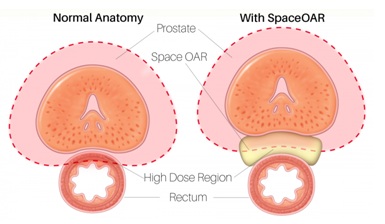
SpaceOAR®, a water-based hydrogel is inserted into the cavity between the prostate and rectum, creating about 1cm of space. This allows the prostate cancer specialist to deliver radiation to the prostate and reduce exposure to surrounding healthy tissues, with positive patient outcomes globally and at median 3 years, SpaceOAR® Hydrogel reduced declines in bowel quality of life by 70%.

Patients in Scotland can now have SpaceOAR® Hydrogel inserted at Nuffield Health Glasgow and then return to their local radiotherapy centre for subsequent treatment where teams will incorporate SpaceOAR®when planning/delivering the radiotherapy treatment.

Julie Campbell, Hospital Director at Nuffield Health Glasgow Hospital says: “We are proud to be the first independent hospital to offer SpaceOAR® Hydrogel to prostate cancer patients in Scotland, as part of a wider radiotherapy treatment plan. Over 100,000 SpaceOAR® Hydrogel treatments have been provided worldwide, with positive good outcomes for patients with reduced side-effects, including bowel, urinary and sexual problems.Making this innovative radiotherapy treatment technique available in Scotland supports Nuffield Health’s purpose to build a healthier nation.”

Dr Abdulla Alhasso, Clinical Oncologist at Nuffield Health Glasgow Hospital says:“SpaceOAR® Hydrogel is a major step forward to improve on the quality of radiation therapy for prostate cancer patients. It can help to significantly reduce the toxicities associated with prostate radiotherapy and thus improves on the therapeutic ratio and quality of life. This significantly positive impact together with the simplicity of the insertion procedure make it a very attractive strategy for both prostate cancer patients as well as for the treating physicians to consider. SpaceOAR® Vue Hydrogel is another step forward and a higher level of technology that adds additional value to this technique as it is designed to improve on the accuracy of imaging during planning and subsequent treatment.”

About Nuffield Health
Nuffield Health is the UK’s largest healthcare charity. For the last 60 years, Nuffield Health’s experts have been working together to make the nation fitter, healthier, happier and stronger, all for the public benefit. As an organisation with no shareholders, income is invested back into the vision to build a healthier nation.

Nuffield Health Glasgow Hospital, located in the heart of the West End of Glasgow is one of Scotland’s leading private hospitals. We recently embarked on phase three of our multi-million-pound refurbishment, adding state of the art equipment like our MAKO robotic arm for orthopaedic surgery and a new ambulatory theatre. We have a special focus in the areas of orthopaedics, spinal surgery, men’s health, ophthalmology, weight loss surgery and cosmetic treatment.

The Charity does this through its day-to-day services across 31 award-winning hospitals, 113 fitness and wellbeing clubs, healthcare clinics, and over 200 workplace wellbeing services, and through flagship programmes to support communities by widening access. Through these flagship programmes,we aim to help to improvepeople’s livespeople who normally would not have access to Nuffield Health’s services.

One of these flagship programmes is developing the UK’s first specialistrehabilitation programme to support patients in their recovery after they have received medical treatment for COVID-19.The programme, which blends together physical therapy and mental health support, works withlocal NHS trusts and referrers is now running at 17 of our fitness and wellbeing centres across the UK, ahead of a larger rollout to over 40 sites by May.

Our patients work with a rehabilitation specialist for personalised advice and on a recovery plan, consisting of a six-week virtual programme of at home exercises, before moving to one of our fitness and wellbeing centres. We will share the outcomes with the NHS and other healthcare providers.

Nuffield Health delivers a sector-leading 94% of hospitals rated as Good or Outstanding by national regulators. With a breadth of expertise, Nuffield Health provides connected care spanning from personal training and health MOTs to supporting people on their fitness journeys, helping patients recover with physiotherapy or emotional wellbeing counselling, or providing hospital treatments for illness and serious conditions like arthritis or cancer.

Translate »