










Close
Digital Health & Ai Innovation summit 2026
Medical Taiwan 2026

Diabetes, Depression, & The Effects of COVID

Diabetes and depression are serious illnesses. They are not illnesses that will simply go away if ignored. Both diabetes and depression are likely to get much worse without medical intervention and treatment. According to the CDC people with diabetes are 2 to 3 times more likely to get depression than those without diabetes. Further, only 25% to 50% of the people who get diabetic associated-depression get medical treatment.

Managing diabetes can be difficult and the realization that it will continue for life unless a cure is discovered can bring on depression. Depression affects our appetite, energy, and sleep habits, and those elements bring on diabetic problems. It is a vicious cycle that you must break.

What is diabetes?

Diabetes is a chronic illness. Our bodies naturally produce the hormone, โ€œinsulinโ€. This hormone regulates the glucose (sugar) from the foods we eat, through the bloodstream, to produce energy. The glucose is broken down in the blood, and the insulin helps the glucose get it into our cells. When we stop producing insulin effectively, it causes the glucose levels to stay too high in the blood. The inability of the pancreas to produce insulin is diabetes. This damages the body, internal organs, tissues, and nerves. It can lead to serious medical issues including:

  • Blindness
  • Kidney failure
  • Cardiovascular disease
  • Lower limb amputation
  • slow-healing (and easily infected) sores
  • Hardening of blood vessels
  • Neuropathy
  • Tooth decay and pain

How to treat Diabetes?

There are different types of diabetes. To put it in an oversimplified form, Type 1 diabetics are people whose pancreas does not produce insulin at all. The medical community does not know what causes type 1 diabetes. They know that often when a person has type 1 diabetes, one or both of their parents will have had it too. This is not always the case, but it is true often enough that a person whose parents had the disease should be tested for it regularly. A person with type 1 diabetes must take insulin and eat a diet that is designed for someone who cannot have sugar.

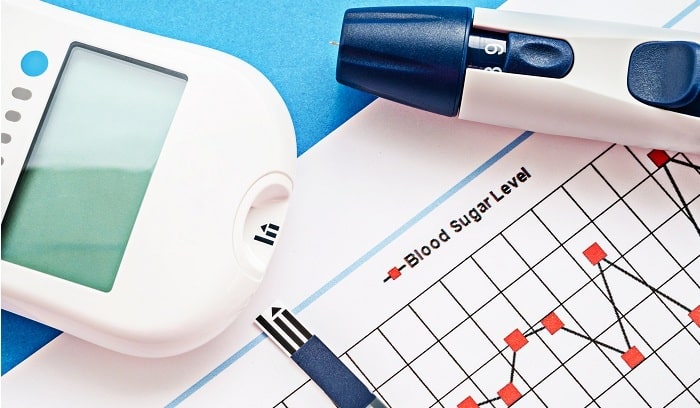
Type 2 diabetes can be controlled in various ways. This includes eating a no-sugar (diabetic-friendly) diet, exercise, medication, and sometimes insulin. Prescription drugs Canada are affordable and effectively help with managing diabetes and blood glucose level. In both cases, careful monitoring is required. You will need your supplies with you at all times. You need to check your blood glucose levels before you eat a meal or when you feel that your glucose is high or low. You need to keep records so your doctor will know how low your levels fall during sleep and how you are responding to treatment.
Online Diabetes Patient Management Platform

For either type of diabetes, quality equipment is necessary. Contact industry leader Ascensia for Contour Care. Ascensia has been in the business of helping people with diabetes for over 70 years. This was before they invented the Contour meters. Visit their website to learn about the battle that has been fought and is still being fought today against diabetes. This is more than meters. It is learning to use tools designed for you.

There is no cure for diabetes.

COVID

COVID is caused by the Caronavirus and has caused a global pandemic that has killed more than 3-million people so far. The pandemic has forced the world into quarantine. Schools have closed, businesses have had to work their employees from home. People have not been able to get their normal medical care as needed for fear of catching the virus. Hospitals have become overcrowded. Virtually every person in the world has been touched by COVID in some way. This has caused people with diseases, and concerns to go into states of depression.

What is depression?

Depression is a feeling of sadness, hopelessness, and lack of motivation. Depressed people sometimes sleep excessively and sometimes have trouble sleeping at all. There are changes in the diet (eating too much or not enough) Life loses its meaning, and things that use to bring you happiness and joy, no longer do,

Everyone gets the โ€œbluesโ€ sometimes.ย  This is especially true for the person dealing with diabetes. Depression can be severe and much harsher than feeling a bit down.

How do you treat depression?

The most important thing is address it!. Depression gets worse with time. The earlier you address it, the faster you will get past it. Report it to your doctor. Depression can be treated, with therapy and medication. Depression rarely goes away on its own. As soon as you feel the symptoms, begin a feeling log.

Document dates and times and a feeling of depression on a scale of 1-10. Depression often affects our memory and this information is good for your doctor to have. This may let him find a pattern that you have not noticed.

Eat well. Avoid salt, sugar, and fatty foods.ย  You may not want to eat, so eat only at meal time and only highly nutritious foods.

Doโ€™s and Don’ts of depression

  • No alcohol.

    • Alcohol is a depressant. In the first couple of minutes after you have swallowed alcohol, you feel good. This is followed by slow down chemicals
  • Drink plenty of water.

    • People who drink more than 5 cups of water per day are 75% less likely to get depressed than people who drank 2 cups of water per day.
  • Rest, but do not stay in bed all day. You must exercise.

    • The less you move, the less you will feel like moving. Your sleep will become disrupted.
  • Expose yourself to the sunshine.

    • Sunshine has a direct effect on the production of serotonin in the brain. Not making this a priority will dramatically slow down the recovery process.

Ending the cycle

You know how to treat your diabetes. With the help of your diabetic tool kit, diet, exercise, and medical professionals, you will get your diabetes to a manageable level. Once you have your blood glucose levels โ€œnormalโ€ you will focus on keeping them that way. It is going to take an investment of time in the beginning. As you progress, you will be able to tell by the way you feel, if you need to stop and do a blood-glucose test with your Contour meter.

The greatest minds around the world are putting their efforts into solving COVID and stopping it.

We have explained the signs of depression. More than likely, you have suffered from some form of depression in the past few days or weeks?

Look back over your life. Something has changed and it is playing with you. Maybe you started eating too much. Maybe you have stopped going to bed on time. With more people working from home, bedtimes are getting messed up. Figure out what behavior has changed and change it back.

By getting your diabetic and depression issues under control, you can concentrate on things that work for you. This is how you take back your control. This is how you break the cycle.


Caravan Health Appoints LeeAnn Scheer as Chief Pharmacy Officer

Caravan Health Appoints LeeAnn Scheer as Chief Pharmacy Officer

Caravan Health announced the hiring of LeeAnn Scheer as Chief Pharmacy Officer. Ms. Scheer comes to Caravan with a strong background in helping safety net providers, advocating for rural health, and managing pharmacy supply chains. In her new role, she will guide the company on pharmacy strategy, medication management, and optimizing the 340B program for clients.

For more than 25 years, the federal 340B program has enabled safety net hospitals and other providers serving vulnerable communities to stretch scarce federal resources by offering significantly reduced prices for prescription drugs. By participating in 340B, safety net providers can reach more eligible patients and provide more comprehensive services, both of which are critical to succeeding in an ACO.

โ€œWith LeeAnn Scheer on board, Caravan Health is ready to provide more support to our clients in managing their sickest patients,โ€ said Tim Gronniger, Caravan Health President and CEO. โ€œWe are happy to welcome LeeAnn to our team as we continue to innovate and offer even more options for establishing new revenue streams for ACOs such as 340 optimization. Her specialized experience will make her an invaluable part of our executive team.โ€

Ms. Scheer brings a wealth of knowledge in the world of 340B and safety net facilities. She is a national speaker and advocate for 340B and leads national rural health advocacy groups. She joins Caravan from MultiCare Health System, where she served as System Director of Pharmacy Supply Chain and 340B. Prior to that role, she served as Director of Pharmacy and Rural Health Clinic Director at Magnolia Regional Medical Center in Magnolia, AR. In 2016, she completed her Apexus certified expert qualification (340B ACE), making her 1 of less in 100 certified in the entire country.

Hear from Caravanโ€™s 340B team about making the most of these drug discounts in this video from our recent Accountable Care Symposium here.

About Caravan Health:

Caravan Health is a privately held company formed to create a sustainable model for health systems to excel in value-based payment models. Today, Caravan Healthโ€™s team of more than 150 experts has supported more than 300 health systems with training, data, analytics, patient satisfaction surveys, and evidence-based medicine programs. Through its program of transparency and mutual accountability, Caravan Health has delivered more than 10 times the national average in real savings since 2015. In 2019 and 2020, Caravan Health partners earned $300 million in Medicare savings, over $120 million in shared savings and earned quality scores exceeding 94%. With Caravan Health, now the numbers work.

oVio Technologies and Acryl enter into an Agreement to enhance oVio’s revolutionary 360- degree image technology with AI-driven identification of skin anomalies

oVio Technologies and Acryl enter into an Agreement to enhance oVio's revolutionary 360- degree image technology with AI-driven identification of skin anomalies

oVio Technologies, Inc, a pioneer in 360-degree dimensional imagery, and Acryl Inc., a global leader in artificial intelligence technology, announced that they have signed a definitive agreement to develop image/video analysis AI software that will be embedded in oVio’s 360TM platforms and future products to identify and track skin anomalies and markings. The patented oVio360TM platform captures 360 images at 1ยฐ increments, providing 4- or 8-megapixel images formats that can be annotated and shared, in addition to compiling a video from the images. oVio also supports an API for integration with existing databases and systems.

Acryl Inc., based in Seoul, Korea, plans to develop AI software for oVio’s platforms. The human- recognition AI model will leverage Acrylโ€™s Jonathanยฎ AI platform and include technology to compute human dimensions and recognize skin anomalies including scars, marks, and tattoos. Burns, moles, and other skin features can also be added to the recognition model to enable automated AI/machine learning analysis. By analyzing oVioโ€™s dimensional imagery, the AI model can determine anatomical changes over time and even recognize a specific person by identifying characteristics such as tattoos and other skin markings.

Both companies plan to demonstrate oVio360TM platforms enhanced with human-recognition AI technology at conferences, seminars, and other public venues. The combination of high-fidelity 360- degree imagery with human-anatomy AI provides significant value to applications in multiple sectors, such as medicine & healthcare, identity management, law enforcement, & security. Acrylโ€™s official spokesman stated, โ€œAcryl was named a pre-unicorn company in 2020. This contract is a step on the way to becoming that unicorn. We will expand overseas through cooperation with oVio, using the opportunity to grow into a global company.โ€

George Rebensdorf, CEO of oVio, stated. โ€œWe are fortunate and gratified to be able to work with Acryl, an acknowledged global leader in AI technologies. We believe the integration of our areas of expertise can create products that can make the world better, smarter, and safer.โ€ Official oVio spokesperson available for interview and/or comments upon media request.

About oVio Technologies, Inc.
oVio is a technological leader in 360-degree dimensional imagery. Founded in 2015 and based in Newport Beach, California, oVio provides high output, data-rich, 2D and 3D hi-resolution image files in combination with advanced analytical tools, operating as a data platform serving multiple sectors in advanced visual recognition software and technology. oVioโ€™s efficient 360-degree imaging technology brings speed and efficiency to imaging processes that have previously required laborious manual work flows.

Indica Labs and Ibex Partner to Deliver AI-powered Clinical Workflows for Digital Pathology

Indica Labs and Ibex Partner to Deliver AI-powered Clinical Workflows for Digital Pathology

Indica Labs, an industry leader in quantitative digital pathology & image management solutions, and Ibex Medical Analytics, a pioneer in artificial intelligence (AI) based cancer diagnostics, announced an agreement to integrate the Galenโ„ข AI-based cancer diagnostics platform into the HALO APยฎ digital pathology workflow platform.

The HALO AP platform was developed by Indica Labs to address the needs of digital Anatomic Pathology labs. The platform can be fully integrated within existing LIS or HIS solutions or can operate as a standalone case and image management system for anatomic pathology. Furthermore, HALO AP supports a full range of tissue-based assays and workflows, including synoptic reporting, tumour boards, secondary consults, quantitative analysis, and AI-assisted workflows. HALO AP is used by some of the largest anatomic pathology laboratories in the world, including NeoGenomics and the National Cancer Institute (NCI).

Ibexโ€™s Galen platform uses strong-AI algorithms that support pathologists in improving the quality of cancer diagnosis and providing productivity-enhancing insights that help reduce turnaround times. Installed in labs worldwide and used as part of everyday clinical practice, Galen routinely detects misdiagnosed and mis-graded cancers in digitized slides, guiding pathologists to areas of cancer in support of a prompt review. In recent clinical studies, the Galen platform demonstrated outstanding clinical outcomes, including the highest accuracy levels reported in the field for prostate cancer, 1- to 2-day reductions in total turnaround time, and 37% productivity gain for pathologists, compared to conventional microscope viewing.

The integration between HALO AP and the Galen platform is designed to enable a seamless experience for the end-user. Galen adds AI-powered cancer detection, case prioritization, grading and other productivity-enhancing insights displayed directly within the HALO AP Platform, so there is no need to use a separate viewer. Where applicable, the data will be communicated with the LIS or HIS system automatically.

“While Indica Labs continues to grow our state-of-the-art AI application pipeline, we also recognize the importance of interoperability with other leaders in this growing field,” commented Steven Hashagen, Indica Labs CEO. “A truly seamless integration with Ibex will allow customers to make best-of-breed AI selections without compromising usability.”

“Integrated digital pathology and AI workflows are a major driver in supporting pathologists, as they are challenged by ever-increasing workloads and complexity of cancer diagnosis,” said Joseph Mossel, CEO and Co-founder of Ibex Medical Analytics. By joining forces with Indica Labs, we can jointly offer end-to-end solutions enabling pathologists to accelerate adoption of new technologies, strengthen the business case for digitization and improve the quality of cancer care.


About Indica Labs

Indica Labs is the worldโ€™s leading provider of computational pathology software and services. Our flagship HALO image analysis platform enables fast, quantitative evaluation of tissues using a broad range of artificial intelligence (AI) and computer vision algorithms. HALO Link and HALO AP facilitate remote image analysis, collaboration and management. Through a combination of precision, scalability, and usability our software solutions enable pharmaceutical companies, diagnostic labs, research organizations, and Indicaโ€™s own contract pharma services team to advance tissue-based research, clinical trials, and diagnostics.

About Ibex Medical Analytics
Ibex uses Artificial Intelligence to develop clinical-grade solutions that help pathologists detect and grade cancer in biopsies. The Galenโ„ข platform is the first-ever AI-powered cancer diagnostics solution in routine clinical use in pathology and deployed worldwide, empowering pathologists to improve diagnostic accuracy, integrate comprehensive quality control and enable more efficient workflows. Ibexโ€™s solutions are built on Deep Learning algorithms trained by a team of pathologists, data scientists and software engineers.

MSU Health Care Taps Epion Health to Drive Digital Patient Access

MSU Health Care Taps Epion Health to Drive Digital Patient Access

Epion Health, a leader in digital patient engagement solutions and supporting contactless care, announced their agreement to provide digital patient engagement tools to MSU Health Care and their patients. Together, they aim to deliver patient-centered, digital access to care for patients across the state of Michigan while also enhancing registration and streamlining clinical workflows.

“We are on a mission to increase health care accessibility statewide for all patients, and especially those in remote parts of our wonderful state,” said Seth Ciabotti, CEO of MSU Health Care. “By providing patient-centric tools that not only reduce the workload on our staff and providers but also meet patients where they are, we aim toย serve the patients of today and tomorrow.”

MSU Health Care patients will be able to search for a provider, check-in for their in-person or telehealth appointment and pay any copays and balances due โ€“ all from their mobile or desktop device. Using Epion Check-In, patients will not need to remember any log-in credentials or download software to start the process. All entered information is saved in real time, so data is never lost if a session is interrupted. During check-in, the user is guided step-by-step and is only asked to enter information that is appropriate for their appointment. By streamlining the registration process and improving its accessibility, MSU Health Care is focused on increasing both patient engagement and financial transparency.

“At Epion, we pride ourselves on our proven results to drive patient access to care and exceed expectations arising from the consumerization of health care,” said Joe Blewitt, CEO of Epion Health. “We are thrilled to work with health systems such as MSU Health Care that are focused on increasing patient satisfaction and streamlining workflows for providers and staff.”

MSU Health Care comprises more than 600 primary and specialty care providers that will have a phased approach to introducing the new pre-visit check-in process. Once the software rollout is complete, providers and staff can benefit from the following:

  • Upstream data collection for faster exams and more efficient waiting room
  • High-quality, patient-entered data for improved outcomes and more accurate billing
  • Patient access to services for improved health education, cost savings and care support
  • Pre-appointment communication and reminders for reduced no-shows and late arrivals

The addition of Epion Digital Screeners allows patients to complete digital health risk assessments for COVID-19, behavioral health and other areas, enabling providers and staff to prepare for care before the patient arrives for the appointment.


About MSU Health Care
MSU Health Careย is the fully-integrated academic health center of Michigan State University, representing more than 600 faculty and affiliate providers. Our commitment to safe, high-quality patient care is realized through our comprehensive services for people of any age, education of the next generation of health care providers and medical research. MSU Health Care provides nearly 400,000 inpatient and outpatient visits annually. MSU Health Care providers can be found in more than 100 locations, in nearly every county of the State of Michigan delivering primary care, specialtyย care and ancillary services in our owned or affiliate locations. The activities of our clinical services support the academic and research initiatives of Michigan State University. Our providers treat patients at Henry Ford, McLaren Greater Lansing, Sparrow and Spectrum hospitals as well as more than a dozen additional large health care systems throughout the state. As a separate, 501(c)3 corporation of Michigan State University we are positioned to create partnerships with like-minded organizations to transform health care.

About Epion Health, Inc.
Epion Health is a leader in digital patient engagement solutions that empower providers to deliver high-quality care that’s convenient, accessible, efficient and cost-effective. Our secure, HIPAA-compliant platform makes it easy to connect with patients any time, from anywhere, at all points along the care journey. Epion’s commitment to innovation and exceptional customer service has made us a top-rated, trusted partner to health care organizations across the nation.

Research Reveals Agencies Optimistic about Post-Pandemic Focus on Homecare Sector

Research Reveals Agencies Optimistic about Post-Pandemic Focus on Homecare S

Hope is on the horizon for the homecare sector, with the majority of agency owners optimistic about improvements in the homecare sector for both their businesses and those receiving care over the next year. Thatโ€™s according to a focus group of 11 UK homecare agencies surveyed by CareLineLive.

When asked if the homecare sector will improve for agencies over the next year, 64% of the agency leader focus group agreed. This is despite a challenging year, with 6 out of 11 admitting they found it harder to hire carers through the pandemic. In addition, 45% stated that the pressure of COVID-19 had increased the churn of carers in their business.

However, when asked whether technology has helped their business and carers during the pandemic, 73% agreed. Participants cited that technology has enabled them to be more responsive to changes and has helped keep their managers, carers, clients and their families better connected, reducing isolation and reducing the risk of contamination with the removal of paper files in clientsโ€™ homes. Technology has also helped agency leaders and carers to increase efficiencies, reduce paperwork, and improve scheduling and compliance, while simultaneously helping to disseminate information about COVID-19 policies more quickly.

Josh Hough, Founder and MD of CareLineLive, commented: โ€œThe dependence and focus on homecare agencies and carers has increased significantly in the past year, but COVID-19 has created a number of challenges for the sector. Many hope for better funding, more respect for the sector, and a social care review in government, and itโ€™s great to see agency leaders optimistic in this regard. The pandemic has resulted in long term focus on change and increased investment that the sector desperately needs. Families, agencies, carers and those requiring care are all reaping the benefits of the much overdue digitalisation of homecare.โ€

About CareLineLive
CareLineLive is an all-in-one, purpose-built homecare management system for domiciliary care agencies to manage the โ€˜circle of careโ€™. The company was set up by Josh Hough in 2014 after being frustrated at the lack of access to his Grandfather’s care. Working closely with a number of homecare agencies, CareLineLive has used the latest technology to develop for agency owners and managers an innovative, easy to use, cloud-based homecare management system. Its award-winning platform leads to increased efficiency, capacity and compliance through digitising workflows, automating procedures, increasing revenue opportunities and decreasing overheads. CareLineLive completes the โ€˜circle of careโ€™ and gives agencies and carers โ€˜more time to careโ€™ and is operating throughout the UK, Ireland, Jersey and now Australia.

Balance Sheet Liabilities Continue to Climb for Private Companies Amid Lease Accounting Transition – New LeaseQuery Report

Balance Sheet Liabilities Continue to Climb for Private Companies Amid Lease Accounting Transition

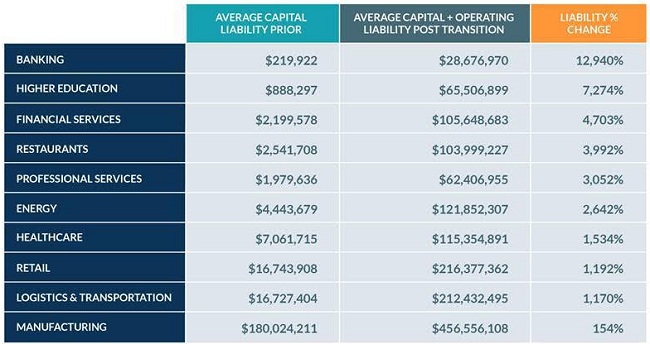
Companies are continuing to feel the brunt of the new lease accounting standards this year, with the average company seeing lease liability increases ofย 419%, according to the latestย 2021ย Lease Liabilities Index Reportย fromย accounting technology providerย LeaseQuery.

In an expanded analysis of balance sheets from more than 950 companies pre- and post-transition to ASC 842, the report cautions private companiesโ€”many of whom are behind schedule in their transition to the new standard, despite warnings from public companies and other early adoptersโ€”that they may be surprised by how much theyโ€™ll have to overhaul their financial snapshot.

โ€œA once-in-a-generation accounting change is meeting up with a once-in-a-generation market change,โ€ said Sarah Oโ€™Sullivan,ย LeaseQueryโ€™s Accounting Director. โ€œEven before the unexpected challenge of COVID-19, early adopters shared experiences with longer-than-expected time commitments and lingering complexities. If last yearโ€™s report acted as a wake-up call for companies to expedite their journey toward compliance, this yearโ€™s update underscores the preparation urgency and reminds finance professionals, there is no time left to delay.โ€

Other findings from the report analyze the unique intersection where balance sheet liability changes coincided with COVID-19 impacts, including resets to business strategy, long-term changes to customer behavior and shifting employee expectations. The โ€œTested 10โ€ industries include Banking and Financial Institutionsโ€”which saw aย 130x increaseย in average lease liabilityโ€”and Higher Education, where institutionsโ€™ average lease liability multipliedย 74x. Restaurants (+41x) and Retail (+13x), which made headlines throughout 2020 for closures and limited capacity, are also contending with significant balance sheet impact.

Highlighting some of the fundamental shifts that have impacted the accounting landscape in the year since the inaugural report, LeaseQueryโ€™s research also found that:

Private vs. Public โ€“ Diverse Perception, Pacing & Priorities

โ— Although many public companies filed their second annual reports during a comparatively calmer period, itโ€™s not to say they had an easy time of it;ย the average public company post-transition liabilities increased $180Mโ€”from $59M to $239Mโ€”year-over-year.

โ— Among private companies in compliance,ย average liabilities increased from $8.6M to $116M, a stark change in an already complex financial year. The surrounding confusion around multiple filing deadline extensions paired with COVID-19 impacts on consumer behavior, investor sentiment and global economic downtown all contributed to wide variation in where private companies are in their transition progress.

Lease Strategies Guided by Future-Proofing, Changes in Consumer Behavior

โ—ย Consumer behavior shifts will have an outsized effect on companiesโ€™ lease strategy going forward.ย Topline trends are clear in customer-service heavy industries like Retail, which saw 54% asking for rent concessions due to the pandemic, and continue to see rightsizing due to the acceleration of e-commerce and convenience models like curbside pickup. Consumer behavior shifts are also evident across the Banking industry, where the need for new leased equipment like ATMs and drive-up teller systems may add a number of new leases to their balance sheets.

โ—ย Creative lease design can help the hardest-hit industries recover.ย Restaurants experienced, on average, a 41x increase in lease liability and more than 100,000 closures across the country. However, creative solutions like ghost kitchens and new delivery service options paint a picture of whatโ€™s to come. The Healthcare industry is also facing a change in service delivery with the rise of telehealth and increased focus on in-home and community care, potentially decreasing the amount of leased office space while increasing the need for costly equipment for quality telehealth experience and concierge-level in-home care. As the industry faces a liquidity crisis, getting compliant could help hospitals and healthcare organizations find cost savings or better reassess their leasing and real estate needs moving forward.

Benefits of Lease Accounting Transition

โ—ย Company operators can benefit from a better understanding of their overhauled balance sheets.ย Increased visibility over lease portfolios can significantly help lessees during the renegotiation process. Additionally, between the lease accounting rule change and updated COVID-19 protocols, it can prompt and inform reconsideration of future lease vs. buy decisions.

โ—ย Lease centralization is going to require increased transparency and balance sheet scrutiny. One of the overarching goals of issuing ASC 842 was to increase transparency for all lease transactions throughout a business. Looking to the future, lease centralization and visibility will become even more essential โ€“ especially for industries from Higher Education, where institutions commonly carry decentralized leases across multiple departments and separate schools, to Professional Services, where a continuation of remote work is expected to complement leasing of workplace category extremes, such as campus-style offices or WeWork-esque rentals.

โ€œEach day that organizations delay their transition journey leaves valuable business insight and even hard cash on the table,โ€ saidย LeaseQueryย CEO George Azih. โ€œIn a challenging economic time, itโ€™s even more critical to push ahead so that finance and company leaders can benefit from more visibility over leases as they make critical lease vs. buyโ€”and physical vs. digitalโ€”decisions in the year ahead.โ€

ABOUT THE LEASE LIABILITIES INDEX

LeaseQueryโ€™s 2021 update to the Lease Liabilities Index is an analysis of more than 950 public, private, and nonprofit organizationsโ€™ financial statements as they implement the new lease accounting standards. The index is designed as a benchmarking resource to help companies assess and communicate changes to their stakeholders.

ABOUT LEASEQUERY

LeaseQuery is an accounting technology company built by accountants for accountants. More than 10,000 finance professionals globally rely on LeaseQueryโ€™s cloud-based platform for accounting compliance, financial decision-making, data centralization, lease management and lease accounting. Learn more about LeaseQueryโ€™s core lease accounting product focused on easing the mandatory transition to ASC 842, GASB 87 and IFRS 16, or explore additional accounting tools.

Late Breaking Data at EuroPCR Demonstrates Long-Term Benefits of Medtronic Radiofrequency Renal Denervation in Real-World Hypertensive Patients

Late Breaking Data at EuroPCR Demonstrates Long-Term Benefits of Medtronic Radiofrequency Renal Denervation in Real-World Hypertensive Patients

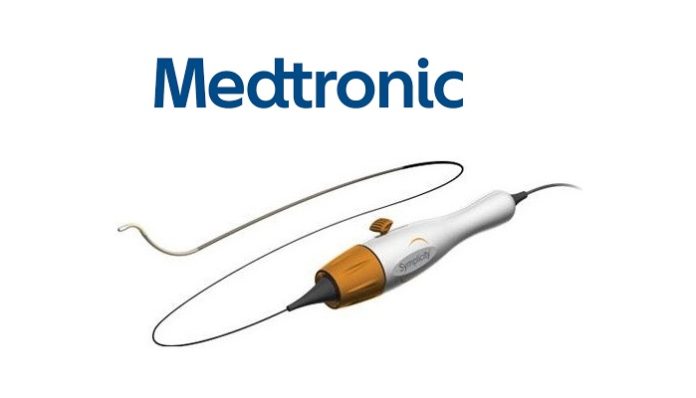
Medtronic plc, the global leader in medical technology, announced new clinical data from the Global SYMPLICITY Registry (GSR) indicating that renal denervation (RDN) with the Medtronic Symplicityโ„ข Renal Denervation System was associated with clinically significant and sustained blood pressure reductions in a real-world hypertensive patient population through three years. Results from the prospective, single-arm, global, observational study are being presented as a Late-Breaking Clinical Trial session at the 2021 EuroPCR Annual Meeting.

The study analyzed nearly 3,000 patients with uncontrolled hypertension (HTN) and other comorbidities typical in HTN patients (chronic kidney disease, diabetes). Patients were treated with the Symplicity Renal Denervation System utilizing the single electrode Symplicity Catheter or the Symplicity Spyral Multi-Electrode Catheter, and their outcomes were analyzed up to three years post procedure. RDN with the radiofrequency based Symplicity Renal Denervation System is a minimally invasive procedure intended to regulate overactivity of nerves that lead to and from the kidney, which play an important role in blood pressure control.

The GSR study results demonstratedย the Symplicity Renal Denervation Systemย led to significant and clinically meaningful reductions in blood pressure that were sustained out to three years post-procedure. Patients experienced a mean reduction of 16.7 mmHg office systolic blood pressure (OSBP) at three years compared to baseline.

Investigators also evaluated the benefit of RDN within various patient subgroups using a clinical composite endpoint; a retrospective analysis comprised of both OSBP, 24-hour ambulatory blood pressure (ABPM) and medication burden. They found a consistent benefit of RDN in patients with versus without diabetes, chronic kidney disease, or patients who were 65 years and above. The similar clinical composite endpoint was used in a recentย EuroInterventionย publication that showed patients were nearly three times more likely to benefit from RDN compared to remaining on a regime of anti-hypertensive medications alone (Win Ratio = 2.78, p<0.001).1

“As we continue to expand our clinical data around renal denervation for uncontrolled hypertension management, we wanted to broaden our understanding of the long-term benefits for our patients who suffer from multiple chronic conditions and are typically prescribed multiple medications,” saidย Felix Mahfoud, M.D., cardiologist at Saarland University Hospital in Homburg,ย Germanyย and principal investigator in the study.ย “With this new analysis, we can now help patients continue to see the real-world benefits of renal denervation.”

EuroPCR: New Analysis on Estimated Risk Reduction from Symplicity RDN System
In addition to the Late Breaking Clinical Trial results at EuroPCR, investigators also reported a new analysis estimating the reduction in clinical events in patients treated with the Symplicity RDN system. The analysis used the clinical events observed at three years in the Global SYMPLICITY Registry and put these in perspective with a modeled control. The results showed a 26% relative risk reduction in major cardiovascular events (MACE) over three years for the full study cohort treated with RDN, and a 34% reduction for patients suffering from resistant hypertension over the same timeframe.

Medtronic Expands RDN Real-World Data Collection with the New GSR-DEFINE Study
Building on the success of GSR and continuing its commitment to providing real-world evidence for the Symplicity Spyral Renal Denervation System, Medtronic also announced today launch of the GSR-DEFINE Study. This new phase of patient data collection aims to enroll an additional 2,000 patients suffering from uncontrolled hypertension, who will be treated with the Medtronic Symplicity Spyral Multi-Electrode Renal Denervation Catheter. The study will collect data for a subgroup of patients out to five years.

“Medtronic’s commitment to creating a minimally invasive solution to treat patients with uncontrolled high blood pressure is evident through our growing body of clinical evidence as part of our Symplicity Global Clinical Program,” saidย Jason Weidman, senior vice president and president of the Coronary & Renal Denervation business unit, which is part of the Cardiovascular Portfolio at Medtronic. “The data presented today at EuroPCR not only add to our understanding of RDN’s durability as a tool for hypertension treatment, but it also continues to propel Medtronic as a leader in this space.”

UK’s Pioneering Preventative Healthcare Campus

UK's Pioneering Preventative Healthcare Campus

In light of COVID-19, the role of preventative healthcare is more recognised than ever. ย Our environment and the buildings we occupy play an important role for both our physical and mental wellbeing. ย This is somethingย London based architects, John McAslan + Partners, have recognised since the award winning practice was first founded in 1993. Timeless materials and serene spaces that are easy-to-orient oneself in, as well as the supply of ample natural light and good cross-ventilation have continued to inform the practiceโ€™s designs.

Most recently,ย John McAslan + Partnersย completed a newย Health Innovation Hubย for Lancaster University in the North of England that focusses on improving preventative healthcare. ย By locating students alongside practitioners, the Health Innovation Hub is set to establish Lancaster University as a major international presence in the field of preventative medicine. ย The ambition is to facilitate the development of new ways of improving health and social outcomes in an economically viable and sustainable manner, especially amongst an increasingly ageing population. ย In many ways, theย Health Innovation Hubย is a physical catalyst for new thinking in this field and in better preparing populations from medical threats such as pandemics.

The very design of the building with its long vistas and easy circulation, including generous staircases, is exemplary of an environment conducive to healthy living. ย Moreover, the design is a showcase for the cross-fertilisation of academia and practice. For example, ย theย Health Innovation Hubย offers state-of-the-art teaching facilities, including a simulated hospital ward within a Clinical Skills Centre, and a well-equipped anatomy suite.

The arrangement of rooms at the Hub brings together the Faculty of Health and Medicine at Lancaster University with local service providers, including National Health Service (NHS) tenants.ย ย  Teaching, research and external partnersโ€™ experience in health innovation thus come together in aย collegiate way that is conducive to innovation. ย  In their design approach, the architects have sought to give everyone a sense of ownership of the building through the strong character of common areas, but also through the provision of spaces suited to bothย traditional ways of working and more recentย informalย collaborative methods.

The lighting, materials and views from the building to the landscape outside are thought through carefully to allow the eye rest and create a sense of calm within the building. ย They are about creating aย humane healthcare architecture.

This welcoming and peaceful design concept was put into good use over the past two months as the Innovation Hub was used as a COVID-19 vaccination centre. John McAslan + Partners are currently exploring similar ground through an initiative to improve the design of care homes so that in a future pandemic they would be safer places for their residents as well as provide positive environmental stimulation through their design.

Benefits of Reducing Patient Identification Errors During Telehealth Visits

Benefits of Reducing Patient Identification Errors During Telehealth Visits

Telehealth and patient identification errors have a few things in common – both of them have been around for quite some time and both of them are overlooked by many healthcare professionals. However, due to COVID-19, telehealth has finally got its big break as it got a chance to show its true potential. Unfortunately, it also attracted the attention of hackers and fraudsters who usually commit medical identity theft during hospital visits, only in telehealth, fraudsters can do it in virtual visits too. That being said, letโ€™s take a closer look at telehealth, some reasons that show why proper patient identification is a must, and how it helps enhance patient safety online, among other things.

Telehealth is all the rage nowadays

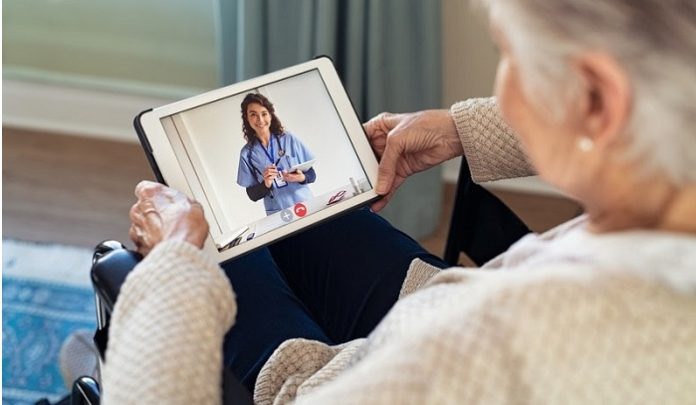
Telehealth was left in the dust for many years, but that was before the pandemic hit the U.S. Now, telehealth has become not only popular but also an integral part of the U.S. healthcare system. One of the biggest advantages of telehealth is that itโ€™s able to provide care to non-critical patients without them even stepping inside the hospital, something that was crucial during the pandemic. It was able to serve patients while ensuring their safety as they didnโ€™t have to leave their homes and risk getting the virus.

However, while healthcare providers are using telehealth for more visits, they also need to reduce patient identification errors – yes, that might occur during telehealth sessions too. Not only that but ensuring accurate patient identification can also enhance patient safety and reduce medical identity theft. That being said, letโ€™s take a look at how accurate patient identification with RightPatient helps with telehealth visits.

Benefits of reducing patient identification errors during telehealth sessions

Improves efficiency

In healthcare facilities, whenever patient identification issues occur, it takes a lot of time to find out the accurate medical record, and in many cases, even after spending a considerable amount of time, the patients are assigned with the wrong medical records. The same happens with telehealth visits – just imagine if it takes a lot of time to identify the accurate medical record! However, if accurate patient identification is ensured, then not only will the entire process be faster, but it will also lead to better patient outcomes – increasing efficiency and effectiveness in the process.

Reduces denied claims down the line

Typically, caregivers need to forward the claims to the payers. However, if patient identification isnโ€™t accurate then the claim will be based on wrong patient information, leading to denied claims – these can cost millions. Ensuring accurate patient identification means lower denied claims, consistent billing and coding, and improved revenue cycle down the line.

Complements compliance efforts

Healthcare providers in the U.S. need to ensure compliance with a number of rules and regulations, one of the more famous ones is HIPAA. While solutions such as HIPAA compliance software is available to streamline compliance and reduce the administrative burden, ensuring accurate patient identification can take it one step further as it prevents medical identity theft even if the data is breached.

Accurate patient identification in both in-person and virtual visits prevents fraudsters, reduces litigation costs, and ensures patient safety – complementing relevant compliance efforts and preventing hefty fines down the line.

Improves data integrity

Ensuring that patients are identified accurately right from the start during both in-person and telehealth visits, means that the information regarding the patient is being recorded in the appropriate EHR, ensuring patient data integrity. This means that the patient will receive accurate treatment down the line, improving patient outcomes and ensuring patient safety. Without accurate patient identification, a medical record mix-up can occur, leading to incomplete patient records and wrong treatments down the line.

Prevents medical identity theft in real-time

One of the reasons why fraudsters get away after committing medical identity theft is because they are not red-flagged in real-time due to patient identification errors. Since caregivers cannot identify patients accurately, fraudsters assume the victimsโ€™ identities and can avail healthcare services, tamper with the EHRs, and more. This is a huge concern even during telehealth visits.

However, platforms such as RightPatient can ensure accurate patient identification even during telehealth visits and red-flag fraudsters, preventing medical identity theft in real-time.

While data breaches might be unstoppable for now, medical identity theft can be prevented by ensuring accurate patient identification, something which RightPatient can ensure – ensuring patient safety, protecting patient data integrity, and improving healthcare outcomes during both in-person and virtual sessions.

Translate ยป