









Close
Digital Health & Ai Innovation summit 2026
Medical Taiwan 2026

6 Medical Benefits Of CBD For People

Can CBD be a Potential COVID-19 Treatment?

CBD or in other words, the cannabinoid is a popular chemical that’s made out of the cannabis plant. It’s an organic part of this plant, making the product generally organic and good to use. But what is it used for and what are the benefits of using so-called cannabinoids? Unlike popular beliefs and strong connotations to weed, cannabinoid oil and pills do not make you high or have any hallucinogen effects. So it’s safe to say that even people who don’t recreationally use marijuana, opt for using this kind of alternative for more than one reason. So here are 6 medical benefits of cannabinoids for people!

1.  Anti-anxiety

Unfortunately, we live in a society where a lot of people are under pressure to live a fast life with lots of stress, this can lead to a lot of mental problems like anxiety and depression. But there is a strong link between cannabis and anxiety, that can ease the symptoms and make your life a lot easier. Generally speaking, cannabis works as a calming, suiting drug that can be consumed in more than one way, but not a lot of people can and want to consume it recreationally and for medical reasons. That’s why a lot of anxiety-driven people opt for a more subtle but effective approach like using cannabinoid pills to treat their symptoms! This is also used to treat other mental illnesses like schizophrenia to suit the side effects, while people with insomnia use it to relax and fall asleep better – so it’s safe to say that it’s pretty beneficial for mental and physical wellbeing!

2.  Pain relief

Ween has been around for centuries, and it’s not called the wonder plant without a good reason! People have always used it to relieve pain. A lot of people of all ages suffer from some sort of chronic pain, and it can be difficult to live with it every day without relying heavily on painkillers and prescription drugs. So many have been opting for CBD instead in their fight against pain! cannabinoids works on a molecular level, they can register and impact the chemical within the human organism and influence them, so this alone can lessen chronic pain. Generally speaking, cannabis works best as a relaxer, both with the body and the mind, so it naturally eases up your body, especially the inflammation that can occur after injuries or due to certain diseases!

3.  Cancer treatment

Cannabis has been in medical use for some time now, helping patients battle various symptoms and side effects of their illnesses and treatments. The same goes with cancer and cannabis, especially CBD – it can help suit the aftermath of treatments, make it easier for the patient to feel relaxed, nausea, and pain-free. There are theories and research stating that the substances in cannabis help with regenerating cells and stops aggressive cancer cells from expanding but those are yet to be further researched and proven. But weed is commonly used by cancer patients of all kinds, and the consumption can vary from smoking weed, edibles, and obviously the consumption of these benefits through various products.

4.  Eases cardiovascular diseases

The heart is an extremely important organ in our body, generally speaking, the whole cardiovascular system is connected and the rest of the body relies heavily on it. Unfortunately, a lot of people have heart and blood problems, especially high blood pressure, regardless of age and gender. Researchers have found the link between chemical compounds from weed and easing up cardiovascular problems by lowering high blood pressure. It’s also connected to stress levels, people who are always under high amounts of stress, are more likely to have heart problems and high blood pressure, so the cannabidiol works as a relaxer, calming both the nerves and easing up the pressure. This is important to avoid strokes and other disasters that come with cardiovascular problems!

5.  Skin problems

Cannabis products come in all shapes and sizes, most notably as oils, but they can be produced in skincare as well! Skin problems are widespread all across the globe, conditions such as acne hit a large part of the population, in puberty, early adulthood, or even in the middle of your life! But, instead of using harsh chemicals and heavy-duty skincare, why not opt for something more organic like using the goods from the cannabis plant! Due to its anti-inflammatory powers, it can work well to ease the effects that acne leaves on your skin! There are also so many different skin conditions such as eczema, and psoriasis that are both painful and hard to live with. But if you are already going to a dermatologist, it’s worth bringing this oil up and discussing the possible usage, depending on what kind of skin condition you are dealing with, and then you can decide on if it’s worth a shot for your skin or not!

6.  Neurological issues

It is said that weed has a positive effect on people with neurological issues such as multi sclerosis due to its calming and antioxidant values that can calm down the effects of the nervous system causing neurological diseases and inflammations. There is still a lot of research to do, especially connecting the specific aspects of the cannabinoids with the receptors in human brains, how they can improve them and ease the damage caused by the various diseases. People with other neurological diseases also use cannabis oils for medical or recreational purposes, like Parkinson’s disease, Alzheimer’s disease, stroke survivors, and similar. Epilepsy is also one of the more common neurological issues amongst both young people and old, and a lot of research is determining whether cannabinoids reduce seizures and eases the body!

Researchers are always trying to get to the bottom of things, find new ways that cannabis, in general, can be of good use, not only in recreational usage but specifically in the medical field. At the end of the day, even if you don’t suffer from horrible disease or chronic pain, you can still use cannabinoid products as a way to ease daily pain or to ease stress levels! There is more good than bad that can be gained from using this kind of product!

Geisinger launches virtual chronic disease monitoring system

T-Mobile, Zyter Partner to Deliver Virtual Healthcare for Underserved Communities

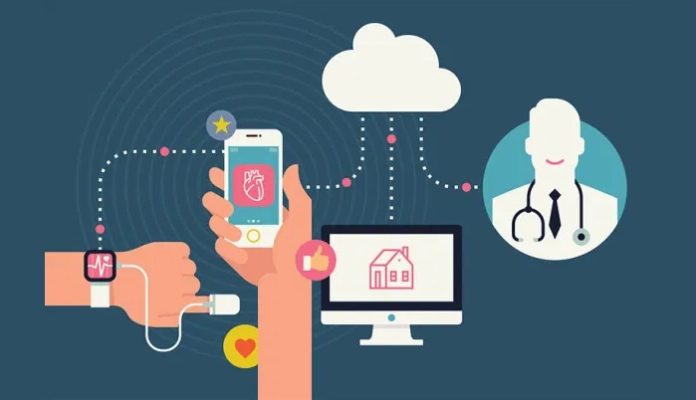
Geisinger announced the launch of ConnectedCare365, an innovative care delivery model for patients with chronic diseases like diabetes, heart failure and hypertension. Powered by Noteworth, a digital health startup dedicated to rethinking healthcare delivery, this first-of-its-kind virtual care delivery platform uses remote patient monitoring, artificial intelligence and powerful data analysis tools to improve patient outcomes.

ConnectedCare365 allows patients to take control of their health by monitoring their weight, blood pressure, glucose, and other metrics using a smartphone app. By analyzing patient-generated data and relevant information from the electronic health record, the platform communicates directly with the patient’s care team, allowing clinicians to triage and prioritize care for high-risk patients to prevent unnecessary emergency room visits and hospitalizations. The platform also keeps patients and their families and caregivers engaged with care teams through direct messaging.

“This is a fundamentally different approach to chronic disease management,” said Karen Murphy, Ph.D., RN, chief innovation officer and founding director of Geisinger’s Steele Institute for Health Innovation. “Using predictive analytics, as well as real-time analysis of clinical and patient-generated data, ConnectedCare365 will help our patients achieve their health goals and better manage chronic conditions. Our partnership with Noteworth strengthens our ongoing commitment to making better health easier by developing digital solutions to provide better care to our patients and ultimately drive down healthcare costs.

Geisinger and Noteworth will collaborate to address additional key clinical initiatives for diabetes, heart failure, history of stroke risk and post-stroke care, chronic obstructive pulmonary disease (COPD), case management, behavioral health, COVID-19, and substance use disorders. Geisinger care teams will also use the platform to transition patient care after discharge from the hospital.

Throughout the partnership, Noteworth will provide technical and consultative support to drive Geisinger’s goals of improving health outcomes, increasing patient engagement, improving access to care and lowering costs.

“The Noteworth and Geisinger collaboration opens the door to a revolutionary and fully integrated delivery model not seen at any other organization. Together, we will continue to drive innovation not only at Geisinger but throughout the industry,” said Justin Williams, co-founder and chief executive officer of Noteworth. “We are proud to work with Geisinger to help them transform the way they deliver care and enhance the patient experience.”

About Geisinger
Geisinger is committed to making better health easier for the more than 1 million people it serves. Founded more than 100 years ago by Abigail Geisinger, the system now includes nine hospital campuses, a health plan with more than half a million members, a Research Institute, and the Geisinger Commonwealth School of Medicine. With nearly 24,000 employees and more than 1,600 employed physicians, Geisinger boosts its hometown economies in Pennsylvania by billions of dollars annually.

About Noteworth
Noteworth modernizes healthcare delivery by driving continuous engagement of patients and providers across ambulatory, post-acute, and transitional care journeys. With a single, modular platform that can be used alone or easily integrated with any EMR, Noteworth eliminates the need for disparate point solutions to address all aspects of virtual care, including condition management, remote patient monitoring, home health, behavioral health, telemedicine, and patient engagement. The platform’s unprecedented healthcare data collection and assessment drives proactive interventions that enable health systems to improve patient outcomes, reduce care costs, and streamline workflows.

Getting to the Heart of Behavioral Cardiology: Digital Therapeutic Extends Patient Care

James River Cardiology, a multi-location Virginia-based cardiology practice, anGoMo Health®, announce a personalized digital therapeutic for cardiac patients (and their caregivers) undergoing a cardiac catheterization and/or percutaneous coronary intervention (PCI) procedure. This may be an angioplasty or a stent; non-surgical procedures that use a catheter to place a stent to open blood vessels in the heart that have been narrowed by plaque buildup, a condition known as atherosclerosis. The Cardiac Care Concierge program uses the BehavorialRx®  science of engagement to communicate via mobile messaging and interactive “conversations”, helping to guide pre and postoperative patient care. This nurturing approach has proven to decrease complications and increase compliance leading up to and following procedures, including proper pre-procedural prep, or post-procedure allergic reactions, site infection, bruising, swelling, or bleeding. The program also includes GoMo Chat, an on-demand bi-directional chatbot that enables triage of patients self-expressed challengesescalating to a live care coordinator to intercede and provide direct support to avoid adverse event progression. 

Successful cardiac care delivery goes beyond the traditional intervention and treatment – it extends into patients daily lives and is most effective when it considers each patient and their own set of unique psychosocial factors that comprise who they are as unique individuals. “James River Cardiology is a patient-centered practice, and we understand that our patients may naturally have questions and concerns about pre- and post-procedural care. This can impact their confidence in properly managing their condition, and in turn, their adherence to their care plan and associated lifestyle modifications impacting a successful outcome,” explains Shaiv Kapadia, M.D., cardiologist at James River Cardiology with a passion for delivering a clinically integrated approach to whole person care delivery. “Through our partnership with GoMo Health, we are able to extend our whole person-centered care approach beyond the walls of our clinic and meet our patients in their day-to-day lives.” 

“Adoption of telehealth therapeutics in cardiac care is changing health care delivery from traditionally rushed, transactional experiences limited to the hospital or office-based setting visits to technology-supported interactions that are virtual, on-demand, and personal, says Bob Gold, Chief Behavioral Technologist, GoMo Health. “The future of successful healthcare is a model that includes personalization based on the unique needs of each individual, with care that’s able to be scaled to accommodate the growing number of people worldwide who are managing chronic and complex conditions.” 

About GoMo Health: 

GoMo Health® applies a proprietary, evidence-based science of engagement, BehavioralRx®, to our cloud-based digital therapeutic, Concierge Care®, to actively extend care plans, and provide resources and support to people in their “lived” environments – enhancing outpatient care and impact. This outpatient care delivery model integrates support for psychosocial and physical needs to create personalized, behaviorally based care plans that empower patients in their own care management and healthy decision making.  Connecting with patients via its’ Telehealth Triple Play™, GoMo Health using an intelligent mobile BOT to collect and triage patient data via home medical devices, conduct in the moment “conversations”, and gather electronic patient reported outcomes (ePRO). This has proven to modify behaviors of patients with chronic and complex conditions worldwide, resulting in significant improvement in health outcomes and adherence, and decreased costs of care for providers, hospitals, health plans, employers, and life science companies.  

About James River Cardiology: 

James River Cardiology provides comprehensive cardiovascular care to Virginians with same day appointments available at six locations practicing teambased care. Services include coronary intervention, non-surgical heart valve replacement, peripheral artery disease treatment, and the latest diagnostic options. James River Cardiology’s approach to heart health is comprehensive, preventative, and personalized.

AirCARE1 is now offering High flow oxygen therapy capabilities to patients during Air Medical Transports

AirCARE1 is now offering High flow oxygen therapy capabilities to patients during Air Medical Transports

AirCARE1 announces their newest medical capabilities of offering High Flow Oxygen therapy to their patients during Air Medical Transports out of the west coast. As a leading Air Ambulance provider to bring this new medical intervention into the air, AirCARE1 can now transport patients with respiratory conditions such as COVID-19 or Pneumonia that require higher flow rates for long distances despite the limited oxygen capacity onboard their Learjet aircraft.

High flow oxygen therapy has been primarily used in the hospital setting and has helped reduce the need of invasive ventilation. This method has proven to be an effective, non-invasive solution that allows patients to receive oxygen while reducing strain on the body and support healing. The AirCARE1 medical crew took notice of this new trend taking place in the hospitals and read studies that showed it to be extremely beneficial. Embracing the company’s progressive culture, the AirCARE1 medical crew took it upon themselves to find a way to incorporate high flow into the company’s Air Ambulance services.

How High Flow Oxygen Therapy Works

High flow oxygen therapy, typically delivered via a high flow nasal canula (HFNC), is a form of respiratory support used primarily in the hospital setting. HFNC is a blended air and oxygen mixture that provides more constant inspiratory oxygen concentrations to the patient with minimal breathing effort. During the recent pandemic, high flow oxygen therapy gained popularity on COVID patients due to its multiple benefits while remaining noninvasive.

While oxygen remains a common intervention to treat numerous conditions, it can be delivered through noninvasive methods such as nasal cannula or non-rebreather or through more invasive methods such as c-pap, bi-pap or even mechanical ventilation. High flow oxygen therapy is now bridging the gap between traditional noninvasive and invasive methods and proving to be effective in improving gas exchange and decreasing the patient’s work of breathing with the hope of patient improvement without the need for mechanical ventilation.

Patients that benefit from HFNC?

AirCARE1 transports patients of all ages and medical conditions. This new capability will allow the transport of adult, pediatric and even NICU patients that require higher flow rates than 15 liters per minute in cases of hypoxemia caused by multiple disease processes which include but are not limited to COVID, Acute Respiratory Distress Syndrome (ARDS), Pneumonia, Bronchitis, Pulmonary Disease (COPD), or Congestive Heart Failure (CHF).

Oxygen in the Air

Oxygen is limited in the long-range medical transport environment. AirCARE1’s fleet of Learjet aircraft act as an ICU unit in the air that is equivalent to a hospital room, however oxygen carrying capacity is limited as only a set amount of it is allowed onboard. Since the HFNC uses a blend of air and O2 to achieve flow rates, it requires less oxygen on board while simultaneously increasing oxygen flow rate up to 60 Liters per minute

How AirCARE1 provides HFNC in the Air

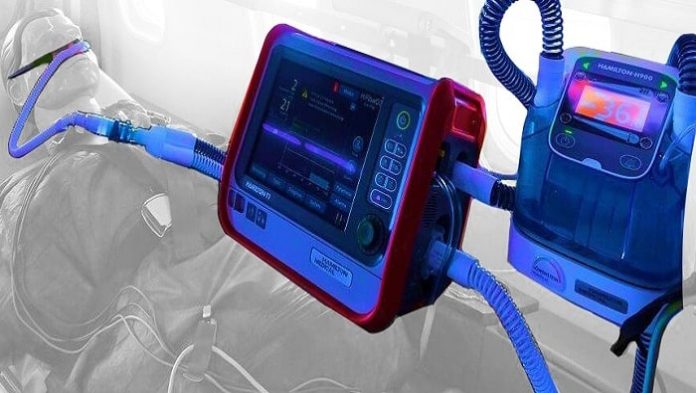
AirCARE1 has paired the sophisticated HAMILTON T1 ICU transport ventilator with the HAMILTON-H900 humidifier via a proprietary module that provides the same functionality as the HIFLOW devices utilized in the hospital setting. They use this innovative equipment to provide care for multiple patient modalities using both the high flow nasal canal, oxygen mask, and Amron International NIPPV Helmet.

About AirCARE1

AirCARE1 is an Air Ambulance and Medical Escort service provider headquartered in Albuquerque, NM. AirCARE1 also has additional bases in the Phoenix, AZ. and Melbourne, FL areas. Their company vision takes a different approach to medical air transport. This approach is founded on the belief that providing the highest level of medical attention, combined with compassion and a holistic approach to care will transform the flight experience for their patients. The vision and approach taken by AirCARE1 provides an important sense of comfort and well-being for patients and their family members throughout the medical transportation process.

Schneider Electric Launches Live Healthcare Lab Featuring State-of-the-Art Intelligent Patient Room

Schneider Electric Launches Live Healthcare Lab Featuring State-of-the-Art Intelligent Patient Room

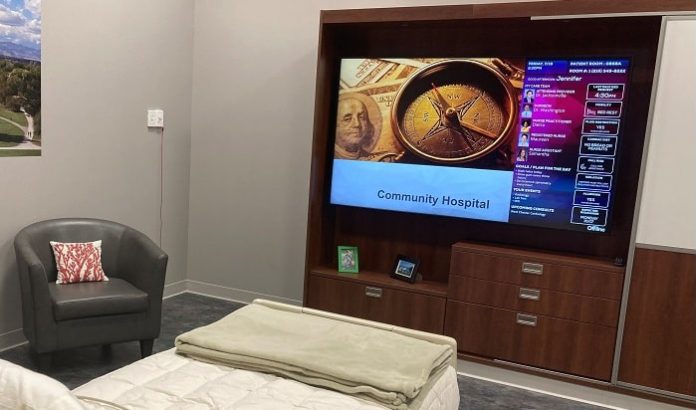
Schneider Electric, the global leader in the digital transformation of energy management and automation, has launched the Innovation Experience: Live Healthcare Lab in its St. Louis Innovation Executive Briefing Center, the company’s first immersive healthcare experience featuring its new intelligent patient room. This state-of-the-art experience showcases the technology supporting hospitals of the future, which puts the patient in control of their experience with a new digital footwall.

“The hospital of the future will need to put the patient experience at the forefront, using innovative and connected systems to provide superior in-hospital care experiences”

Schneider Electric’s decades of domain expertise in building management, IT, and power distribution have enabled the company to create an easy and seamless integration of the low-voltage equipment in the patient room and beyond into one, cohesive system that aligns patients, clinical, IT and facilities’ needs.

Patient satisfaction relies heavily on technology, with over 75 percent of respondents in a recent Accenture survey stating that technology is important to managing health. Add in the importance of Hospital Consumer Assessment of Healthcare Providers and Systems (HCAHPS) survey scores, coupled with the ongoing pressure on hospitals to increase patient satisfaction while decreasing costs, and the need for a new technology-enabled patient experience becomes clear.

By integrating connected technology systems, resources on both the IT and OT sides of the equation can be deployed in a smart and efficient manner to increase patient satisfaction by allowing them to take control of their own healthcare experience. By adopting more connected solutions, hospitals can enable clinical staff to focus on delivering better coordinated care, rather than small patient requests that become self-service, with Schneider Electric’s digital patient footwall. Integrated low-voltage systems also give hospital administrators the ability to regulate energy resources throughout the facility, which provides cost-cutting opportunities that won’t affect patient satisfaction, along with increased efficiency, sustainability, and resiliency.

“The hospital of the future will need to put the patient experience at the forefront, using innovative and connected systems to provide superior in-hospital care experiences,” said Mike Sanders, Customer Projects & Services, Healthcare Innovation Executive Briefing Center at Schneider Electric. “With the shift to remote work and business brought forth by the pandemic, we knew that we needed to invest in a new virtual experience that showcases our vision for a truly integrated healthcare experience. We believe our intelligent patient room is the solution that our healthcare partners and customers have been looking for, and we’re excited to offer a way for them to experience it no matter where they are in the world.”

The new patient experience, virtually

The St. Louis Innovation Hub and Innovation Executive Briefing Center (IEBC) has always been on the cutting-edge of providing a customer-centric experience focused on digital transformation in the energy management and automation space. With the new virtual Healthcare Experience, Schneider Electric can showcase their new intelligent patient room to customers and partners anywhere in the world, eliminating the time and costs of flying in key team members to view the experience in person. This first-of-its-kind immersive virtual experience was modeled after the new innovations installed at Penn Medicine in Philadelphia, the first real-world installation of Schneider Electric’s fully integrated intelligent patient room technology. Additionally, the Mission Critical Infrastructure Lab, featuring 10,000 square feet of 3-phase power solutions, demonstrates the power backbone of any mission critical healthcare system.

The virtual demonstration can be customized to specific healthcare environments, including urgent care centers, rural clinics, doctor’s offices, specialists’ offices, telemedicine, and hospital settings. It also connects to other lab spaces in the Schneider Electric network, like those in Andover and Smyrna, which give customers the ability to see the full picture of low-voltage integration from the mechanical room to the patient room, and every system in between.

This live Healthcare Experience takes visitors through a demonstration of the entire facility, including the doctor’s office, a smart patient room, the operating room, and the new innovative patient footwall. It highlights the value of integrated power and BMS systems, along with the benefits of analytics to support maintenance planning.

Powered by EcoStruxure for Healthcare

Already in 40 percent of the world’s hospitals, including five of the top ten, Schneider Electric is a leading expert on the technology needed to operate hospitals effectively. The Healthcare Experience, powered by Schneider Electric’s EcoStruxure for Healthcare product line, is the logical next step for this technology which now allows for a complete low-voltage integration across systems. Once integrated, the systems converge in the digital footwall, a screen that creates a single reference point for patients, families and providers by incorporating care information, entertainment and environmental controls in one place. Key information for providers is also fed into a separate digital patient door display, replacing often ineffective and error-prone magnet and sticky note systems that many healthcare facilities employ.

Connectivity is designed into the system from the start, resulting in lower costs, more simplicity, and greater patient satisfaction. It avoids the need to buy, learn, and maintain systems from multiple vendors that don’t talk to one another, which reduces costs by limiting the total number of separate systems that would have separate Software-as-a-Service (SaaS) fees. In addition, this system simplifies regulatory compliance and improves financial performance, staff productivity, and safety and security.

EcoStruxure Building is an open, cyber-secure, IoT-connected solution that allows all low-voltage equipment to speak the same digital language. Once connected, the data from these disparate systems can be used to create actionable insights. It also integrates with other low- and medium-voltage systems, regardless of whether they are Schneider Electric products.

The EcoStruxure for Healthcare product line includes a number of different solutions that work together to create the new integrated patient room and that can also incorporate third-party products and systems as needed by customers. The full Schneider Electric system featured in the Healthcare Lab includes:

EcoStruxure Building Operation (Patient Room Control)
EcoStruxure Power Monitoring Expert for Healthcare (EPSS)
EcoStruxure Building Advisor

EcoStruxure Power & Asset Advisor

Integration of 3rd party systems per Use Cases

Experience the future of healthcare

The Healthcare Experience will launch on May 19th at 1pm ET, with monthly live experiences hosted throughout the rest of the year. Customers and partners can request customized experiences via their customer representative, or join us for a one-hour tour of our IE Live Healthcare Experience on the following dates: May 19th; June 15th; July 20th; August 17th; September 21st; October 19th.

About Schneider Electric

Schneider’s purpose is to empower all to make the most of our energy and resources, bridging progress and sustainability for all. We call this Life Is On.

Our mission is to be your digital partner for Sustainability and Efficiency.

We drive digital transformation by integrating world-leading process and energy technologies, end-point to cloud connecting products, controls, software and services, across the entire lifecycle, enabling integrated company management, for homes, buildings, data centers, infrastructure and industries.

We are the most local of global companies. We are advocates of open standards and partnership ecosystems that are passionate about our shared Meaningful Purpose, Inclusive and Empowered values.

Baxter Launches PrisMax 2 System to Advance Critical Care Delivery for Patients and Hospitals

Baxter Launches PrisMax 2 System to Advance Critical Care Delivery for Patients and Hospitals

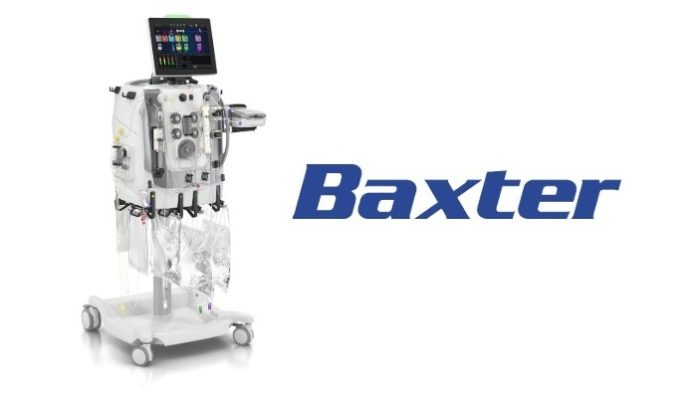
Baxter International Inc., a global leader in acute care, announced the global launch of PrisMax 2, the latest version of the company’s next-generation platform. PrisMax 2 is designed to help simplify delivery of continuous renal replacement therapy (CRRT) and other organ support therapies, while providing hospitals the flexibility to meet the unique demands of the intensive care unit (ICU). The PrisMax 2 system features new solutions within the company’s TrueVue digital health portfolio, as well as the PrismaLung+ blood-gas exchanger that delivers extracorporeal carbon dioxide removal (ECCO2R) therapy to support the management of acute respiratory dysfunction. PrisMax 2 and TrueVue will soon be available in more than 20 countries across the United States and Europe. PrismaLung+ is available in select markets in western Europe; it is not currently cleared or approved for use in the United States.

“Baxter is committed to partnering with healthcare professionals to foster continuous innovation in the ICU, which has been particularly critical throughout the COVID-19 pandemic,” said Reaz Rasul, general manager of Baxter’s Acute Therapies business. “We are proud to provide industry-leading technologies and services through our PrisMax 2 system to help expand treatment possibilities by making CRRT and other extracorporeal organ support therapies more accessible.”

PrisMax 2 builds upon Baxter’s more than 25 years of expertise in advancing critical care delivery, including the proven technology of its market-leading Prismaflex and PrisMax systems. Developed based on direct feedback from clinicians and customers around the world, the PrisMax 2 system is designed to optimize treatment accuracy, efficiency and system performance. In addition to offering TrueVue and PrismaLung+, new advancements include updates to the system to provide improved visibility of critical information and simple, step-by-step onscreen instructions. The PrisMax 2 system also contains the innovative features of PrisMax, including an auto-effluent drain that reduces device interactions and decreases therapy downtime, and intelligent pump adjustments to help meet prescribed fluid removal targets and deliver more accurate treatments. Additionally, PrisMax 2 incorporates integrated safety features that combine preventive measures designed to reduce clinical risk and human error with smart alarms to alert users to respond to critical issues.

The PrisMax 2 system provides access to TrueVue digital health solutions to help enhance patient care and deliver value to hospitals. These include:

  • TrueVue Connect, an optional add-on that simplifies and enhances secure wireless connectivity from PrisMax 2 to a hospital’s electronic medical records (EMR) system to help automate documentation of important treatment data. This helps ICU nurses spend less time on manual charting and focus more on patient care, which has been especially important as hospitals manage the COVID-19 pandemic. A recent survey found that 77% of clinicians identify documenting and charting in the electronic health record as a source of cognitive overload,1 supporting the need for greater automation.
  • TrueVue Therapy Management, a forthcoming, innovative consultative service offering where Baxter specialists will evaluate aggregated anonymized PrisMax 2 CRRT therapy data automatically captured by TrueVue Connect. Baxter specialists will then partner with hospitals to identify actionable insights that can help clinical teams optimize CRRT quality improvement programs, maximize resource utilization and deliver on their clinical goals.

The PrismaLung+ blood-gas exchanger can be used on the PrisMax 2 system to deliver ECCO2R therapy, which helps remove excessive CO2 in the bloodstream to support the management of acute respiratory dysfunction. This enables treatment of patients who may also require renal replacement therapy or other organ support therapies without increasing the complexity of delivery, staff training or requiring new capital expenditures. PrismaLung+ can deliver ECCO2R as a stand-alone therapy or in combination with CRRT simultaneously on one system with a single access point. Dedicated software provides step-by-step guidance for easy set-up and management of each therapy.

About Baxter

Every day, millions of patients and caregivers rely on Baxter’s leading portfolio of critical care, nutrition, renal, hospital and surgical products. For more than 85 years, we’ve been operating at the critical intersection where innovations that save and sustain lives meet the healthcare providers that make it happen. With products, technologies and therapies available in more than 100 countries, Baxter’s employees worldwide are now building upon the company’s rich heritage of medical breakthroughs to advance the next generation of transformative healthcare innovations.

AdventHealth and Sema4 Launch a Data-driven Precision Medicine Program to Optimize Patient Care and Outcomes

 AdventHealth and Sema4 Launch a Data-driven Precision Medicine Program to Optimize Patient Care and Outcomes

AdventHealth and Sema4, a patient-centered health intelligence company leveraging AI and machine learning to derive data-driven insights, announced a wide-ranging collaboration that builds upon the current AdventHealth Genomics and Personalized Health Program to provide new research insights and to prevent, detect and treat disease in their patients.

Initially, AdventHealth and Sema4 will focus on accelerating research in AdventHealth’s Orlando-area network, which includes more than 20 hospitals and emergency departments, and accounts for more than two million patient visits annually. Nationally, the company has 50 hospitals and hundreds of care sites across almost a dozen states. The collaboration will offer genomic solutions to patients across a number of services and specialties.

“AdventHealth views genomics and personalized medicine as critical to the future of wellness and health care, and we are delighted to collaborate with Sema4 on this important journey,” said Dr. Steven R. Smith, chief scientific officer for AdventHealth. “This technology and collaboration will allow us to interpret vast amounts of clinical, genomic and other patient data to discover and provide lifesaving treatments to patients who previously would not have had those options.”

At the center of this precision medicine collaboration, AdventHealth and Sema4 will conduct data structuring and curation of the combined genomic and clinical data, which, along with Sema4 investigative tools, will allow clinicians and scientists to advance research and discovery. The collaboration will use Centrellis™, Sema4’s secure, holistic cloud-based health intelligence platform, in this effort. Sema4 will apply artificial intelligence tools to structure and integrate the longitudinal patient data with the molecular testing data, developing a data set and disease network models that assist in predicting the development of disease and response to treatments.

“AdventHealth is a premier health system with a longstanding commitment to wellness and personalizing health care for its patients, making it an ideal partner for Sema4,” said Eric Schadt, PhD, founder and CEO of Sema4. “We are excited to use our sophisticated artificial intelligence tools to collaborate with AdventHealth scientists and clinicians to deliver improved health outcomes through data-driven insights.”

The collaboration is an important expansion of AdventHealth’s wide ranging Genomics and Personalized Health Program, which already includes major investments in sequencing, genetic testing, genetic counseling and real-world precision medicine research. A leading element of that program is WholeMe, a statewide genomic population health project.

About the AdventHealth Central Florida Division

AdventHealth’s Central Florida Division encompasses more than 20 hospitals and ERs, as well as a comprehensive outpatient care network, in the seven counties in and surrounding metro Orlando. The division’s flagship campus — AdventHealth Orlando — boasts internationally recognized programs, and serves as a major tertiary referral hospital for much of the Southeast, the Caribbean and Latin America. Quality specialty care is provided through AdventHealth Institutes, which is nationally recognized in numerous specialties. AdventHealth also has an expansive research portfolio with more than 500 clinical trials in progress. The organization has a deep commitment to serving the community and has a local financial impact of more than $1 billion annually. AdventHealth and its employees are responsible for nearly 20 percent of Central Florida’s economy.

About Sema4

Sema4 is a patient-centered health intelligence company dedicated to advancing healthcare through data-driven insights. Sema4 is transforming healthcare by applying AI and machine learning to multidimensional, longitudinal clinical and genomic data to build dynamic models of human health and defining optimal, individualized health trajectories. Centrellis™, our innovative health intelligence platform, is enabling us to generate a more complete understanding of disease and wellness and to provide science-driven solutions to the most pressing medical needs. Sema4 believes that patients should be treated as partners, and that data should be shared for the benefit of all.

Carestream Accelerates Development and Delivery of AI Applications for Medical Imaging

Invicro LLC to Establish a Repository of Medical Image Datasets for COVID-19 Research

Carestream Health is transforming and accelerating the way it develops and delivers AI applications for medical imaging that help improve patient care. The state-of-the-art initiative is based on Hewlett Packard Enterprise’s (HPE) GreenLake for Machine Learning Operations (ML Ops). The machine-learning-optimized cloud service infrastructure makes it easier and faster to get started with ML/AI projects, and seamlessly scale them to production deployments.

“Carestream has been a leader in leveraging powerful AI technology to help improve image quality, optimize dose and increase workflow efficiency in medical imaging,” said Dharmendu Damany, Chief Technology Officer at Carestream. “Now we are accelerating the pace of our development by providing our industry-leading medical imaging scientists with the optimal AI platform/framework for their research. Our partnership with HPE and their industry leadership with HPE GreenLake Cloud Services gives us the framework to support the operationalization of AI to deliver more solutions that can help improve diagnosis and patient care.”

HPE GreenLake cloud services provide customers with a powerful foundation to drive digital transformation through an elastic as-a-service platform that can run on premises, at the edge or in a colocation facility. HPE GreenLake for ML Ops, one of a suite of cloud services offered by HPE, enables customers to deploy AI/ML workloads on HPE’s ML-optimized cloud services infrastructure. This HPE cloud service, powered by HPE Ezmeral and HPE Pointnext AI Services, is designed to address all aspects of the ML lifecycle from data preparation to model building, training, deployment, monitoring and collaboration.

Carestream’s partnership with HPE paves the way fortime-consuming local software updates to eventually be replaced by cloud hardware and service upgrades, enabling imaging facilities to evolve their medical imaging capabilities more quickly. When it becomes available in the future, artificial intelligence-as-a-service also has the potential to reduce the cost-of-entry to new features; and reduce solution costs. Carestream’s collaboration with HPE will impact medical imaging technology on a global scale, as Carestream’s X-ray platforms are in use across 140 countries, spanning over 100,000 pieces of equipment and 35 different hardware configurations.

“Delivering AI services and software updates through the cloud will allow medical imaging facilities and their patients to benefit from enhancements more quickly. In the future, they can seamlessly deploy them where their data resides and where they care for patients—whether it is at the micro edge, edge or cloud,” said Mr. Damany.

“Our partnership with Carestream, one of the worldwide leaders in the critical medical imaging space, closely aligns with HPE’s vision for innovation from edge-to-cloud, and provides cloud services to achieve outcome-driven digital transformations,” said Keith White, Senior Vice President and General Manager, HPE GreenLake Cloud Services. “It’s been so exciting working with Carestream to develop a scalable, next generation AI as a service platform that enables their continued leadership in helping to improve patient outcomes and provide impactful insights to their customers.”

The HPE servers include graphic processing units (GPUs) developed by NVIDIA, a key AI hardware partner in the project, enabling each server to tackle multiple imaging and analysis tasks simultaneously. HPE and NVIDIA technology also will facilitate federated learning—the aggregation of anonymized machine learning data across multiple provider facilities. Federated learning is expected to revolutionize healthcare research and development over the next decade, enabling researchers to increase diagnostic intelligence and automation without compromising patient privacy.

About Carestream Health

Carestream is a worldwide provider of medical imaging systems; X-ray imaging systems for non-destructive testing; and precision contract coating services for a wide range of industrial, medical, electronic and other applications—all backed by a global service and support network.

About Hewlett Packard Enterprise

Hewlett Packard Enterprise Hewlett Packard Enterprise is the global edge-to-cloud platform as-a-service company that helps organizations accelerate outcomes by unlocking value from all of their data, everywhere. Built on decades of reimagining the future and innovating to advance the way people live and work, HPE delivers unique, open and intelligent technology solutions, with a consistent experience across all clouds and edges, to help customers develop new business models, engage in new ways, and increase operational performance.

Google launches AI health tool for skin conditions

Google launches AI health tool for skin conditions

At Google’s annual I/O developer conference , the company previewed its AI-powered dermatology assist tool, which is a web-based application. Users upload three well-lit images of the skin, hair or nail concern from different angles. The tool then asks a series of questions about the user’s skin type, how long they’ve had the issue and other symptoms that help the tool narrow down the possibilities.

The AI model analyzes this information and draws from its knowledge of 288 conditions to provide a list of possible matching conditions, according to Bui.

For each matching condition, the tool will show dermatologist-reviewed information and answers to commonly asked questions, along with similar matching images from the web. Users can either save their results, delete them or donate them to Google’s research efforts.

Users’ data are stored securely and encrypted in transit and at rest, Bui said. “Google doesn’t use the data to target ads,” she said.

It marks Google’s first consumer-facing medical device, but the company is currently not seeking approval from the Food and Drug Administration (FDA) for the technology, Bui said.

“This is currently not a clear-cut path for this technology” to receive FDA approval, she said.

The goal is to give users access to authoritative information so they can make a more informed decision about their next step, said Bui.

Bui, a physician, said many patients wait too long to see a doctor for a dermatologic condition. Bui said one of her patients detected a mole on her toe but felt fine and waited to get care before seeing a doctor who did not have expertise in dermatology.

“This patient lived two hours from the nearest dermatologist. So she drove two hours, got a skin biopsy and the mole biopsy came back as melanoma,” she said. “Skin diseases are an enormous global burden, and every day millions of people turn to Google to research their skin conditions.”

Two billion people worldwide suffer from dermatologic issues, but there’s a global shortage of specialists. While many people’s first step involves going to a Google search bar, it can be difficult to describe what you’re seeing on your skin through words alone.

It took three years of machine learning research and product development to build the AI-powered dermatologist assistant, according to Yuan Liu, Ph.D., technical lead on the project.

To date, Google has published several peer-reviewed papers that validate the AI model and more are in the works, according to a blog post.

In a study published in Nature last year, the AI system was shown to be as good as a dermatologist at identifying 26 skin conditions, and more accurate than the primary care physicians and nurses in the study.

A recent paper published in JAMA Network Open demonstrated that Google Health’s AI tool may help clinicians diagnose skin conditions more accurately in primary care practices, where most skin diseases are initially evaluated.

The new search tool will launch later this year in markets outside the U.S. Recently, the AI model that powers the tool passed clinical validation, and the tool has been CE marked as a Class I medical device in the European Union.

Health disparities can make building machine learning models challenging as the data can be biased, Liu said.

With this in mind, the Google Health team built the AI model to account for factors like age, sex, race and skin types—from pale skin that does not tan to brown skin that rarely burns, according to the blog post.

“We developed and fine-tuned our model with de-identified data encompassing around 65,000 images and case data of diagnosed skin conditions, millions of curated skin concern images and thousands of examples of healthy skin—all across different demographics,” Liu and Bui wrote in the post.

The tech giant has been pushing further into using AI technology for health and wellness. Google and sister company Verily worked together to develop a machine learning-enabled screening tool for diabetic retinopathy, a leading cause of preventable blindness in adults.

More recently, Google moved into health tracking using smartphone cameras to monitor heart and respiratory rates. Google Health added new features to its Google Fit app that enables users to take their pulse just by using their smartphone’s camera.

And the tech giant has shown an interest in sleep health as its second-generation Nest Hub includes a sleep sensing feature that uses radar-based sleep tracking in addition to an algorithm for cough and snore detection. It marked Google’s first foray into the health and wellness space with its smart display products.

Inpatient telemedicine improves care and patient satisfaction at Howard University Hospital

Staff are looking to make specialist visits more accessible, which could further improve patient satisfaction and lead to a faster and streamlined clinical process that may shorten length of stay and improve clinical outcome.

In March 2020, the number of new COVID-19 infections was rapidly increasing in Washington. With no vaccination or specific treatment on the horizon, Howard University Hospital, an academic medical center in the district, prepared for a major surge of COVID-19 patients.

Soon after the onset of the pandemic a racial disparity became clear. African Americans were disproportionately taking the toll of the infections and developed more serious and often fatal illness. With a large Black community in Washington, Howard University Hospital prepared for disproportionately more patients and more severely ill patients.

The hospital set up a tent to expand the emergency department and invested in major construction works to expand existing departments in preparation for a surge of up to 125% of its prior capacity.

Staffing new departments

“We had to deploy not only new beds, nurse call systems, oxygen lines and infection control solutions, we also had to prepare for staffing the new departments,” said Dr. Kevin Dawson, CIO at Howard University Hospital. “Many physicians were interested in returning from retirement. However, they were afraid of the risk of COVID-19 exposure while being onsite.

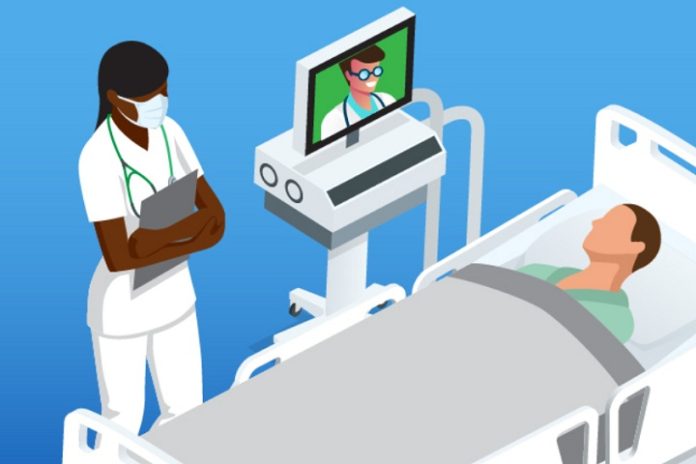
“Considering the advanced age of retired physicians, they face higher risk of developing more serious illness,” he continued. “Inpatient telemedicine seemed to be the perfect solution for solving this problem. By deploying telemedicine carts in the hospital, physicians could provide care remotely, irrespective of their location.”

Early in the pandemic, to minimize infection risk in the hospital, staff implemented a no visitation policy. Without access to their loved ones, patients felt alone and isolated. To solve this challenge and improve patient satisfaction the hospital purchased hospital-grade washable tablets for patients to communicate when in isolation rooms or when the hospital is closed to visitors.

“A third component of our plan was to improve our wireless network,” Dawson noted. “The opening of new departments and the deployment of telemedicine carts and tablets demanded better wireless connectivity.”

$882,000 from the FCC

At this time Howard University Hospital applied for and received a $881,958 grant from the FCC telehealth fund to purchase telemedicine carts and associated software licenses, tablets and network upgrades to deploy in-patient telemedicine services in the emergency department, intensive care units, and medical/surgical departments treating patients with and without COVID-19 symptoms, including remote video and voice consultation and treatment of all patients to reduce the possibility of transmission.

“During the search for vendors, their ability to ship and deploy their products and services fast was important, as we had to spend all funds by September,” Dawson explained. “Although the deadline was later extended, we were able to select the vendors and make all purchases by the earlier deadline.

“Cerner, our EHR vendor, helped us with the process,” he continued. “We purchased 20 telemedicine carts with high-resolution cameras and software from Amwell, 90 tablets from CyberNet, and relied on our IT infrastructure partner Advanced Computer Concepts to deploy new wireless network equipment.”

Parallel with deploying the technology, the hospital also evaluated the clinical and business processes of delivering inpatient telemedicine services. Staff addressed questions related to documentation of the visits, informed consent, government regulations, physician licensing and supervision of residents, and developed forms in the EHR.

Multi-way communication

“The telemedicine system currently is not integrated with other systems,” Dawson said. “Clinical documentation is performed within the same systems that would be used during in-person consultation. The telemedicine system allows for multi-way communication. If consented by the patient, a resident in training, interpreter or the patient’s family member can be part of a telemedicine visit.

“With the help of Amwell, we developed training programs for physicians and nurses,” he added. “These trainings are delivered weekly upon request. Labor and delivery and psychiatry were two departments with much interest. Telepsychiatry visits are offered at all locations, with the highest interest in the emergency department.”

One of the key goals with the program is to improve patient satisfaction. Between November and March, staff observed patient satisfaction scores increasing by 22-32%. Patients were surveyed by Press Ganey. One question asked patients to rate the hospital on a scale of one to 10. Patients were also asked whether they would recommend the hospital to others.

While the observed improvement is influenced by many other factors besides the deployment of the telemedicine program, staff believe that having access to a telemedicine solution and tablets contributed to the improved patient satisfaction scores.

Further improvements

“We currently are collecting satisfaction data with the telemedicine visits from patients and physicians,” Dawson said. “We’d like to use this data to further improve the program. Moreover, we are working on better penetration of the program in clinical areas where it is still underutilized.

“We believe that making specialist visits more accessible could further improve patient satisfaction and may accelerate the clinical process by shortening the time between specialist consultations requested and delivered,” he concluded. “Faster and streamlined clinical process may shorten length of stay and improve clinical outcome.”

Translate »