Close
Digital Health & Ai Innovation summit 2026
Medical Taiwan 2026

India launches MANAS, a digital platform to address mental-health

India launches MANAS, a digital platform to address mental-health

The Principal Scientific Adviser to the Government of India Prof. K VijayRaghavan virtually launched the “MANAS” App to promote wellbeing across age groups. MANAS which stands for Mental Health and Normalcy Augmentation System was endorsed as a national program by the Prime Minister’s Science, Technology, and Innovation Advisory Council (PM-STIAC).

MANAS is a comprehensive, scalable, and national digital wellbeing platform and an app developed to augment the mental well-being of Indian citizens. MANAS App integrates the health and wellness efforts of various government ministries, scientifically validated indigenous tools with gamified interfaces developed/researched by various national bodies and research institutions.

MANAS was initiated by the Office of the Principal Scientific Adviser to the Government of India. It was jointly executed by NIMHANS Bengaluru, AFMC Pune and C-DAC Bengaluru.

Launching the app Prof. K. VijayRaghavan, Principal Scientific Adviser to the Govt. of India, laid down future directions for the app development and said, “The app must be integrated with the public health schemes like the National Health Mission, Poshan Abhiyan, e-Sanjeevani and others so that it is used widely. Besides, the application must be made multi-lingual.”

Lieutenant General (Dr) Madhuri Kanitkar, Member PM-STIAC, gave an overview of MANAS. She highlighted that MANAS is based on life skills and core psychological process, with universal accessibility, delivering age-appropriate methods and promoting a positive attitude focusing on wellness. Catering to the overall wellbeing of people of all age groups, the initial version of MANAS focuses on promoting positive mental health in the age group of 15-35 years.

AXA collaborates with Microsoft to create the next generation standard of health and well-being services

AXA collaborates with Microsoft to create the next generation standard of health and well-being services

AXA announced it is collaborating with Microsoft to build a digital healthcare platform, enabling a virtual healthcare system that is open to all. The partnership will be built on AXA’s global reach, extensive experience in healthcare and insurance, business and technology architecture skills, and Microsoft’s deep expertise in cloud-based computing, artificial intelligence, and array of partnerships with clinical partners and third-party vendors. The new platform will rely on the extensive portfolio of technology in the Microsoft Cloud for Healthcare, including Azure API for FHIR (Fast Healthcare Interoperability Resources), that enables patient insights without compromising patient privacy.

The digital healthcare platform will link digital health services offered by AXA to support its customers at every stage of their e-health experience. The range of services offered will include a self-assessment and prevention tool, a medical concierge, a teleconsultation interface, a digital document vault, home care services (e.g. medicine delivery) or a directory of healthcare professionals. Furthermore, the platform will break down health service silos to improve research, treatments and prevent diseases.

This ecosystem is tailored to the care offerings and specificities of local health networks. A pilot program, which included a self-assessment tool, teleconsultation and a medical concierge to facilitate appointment-setting, was successfully launched in late 2020. The platform is open to all customers from AXA in Germany and Italy, with tailored services. The service will be deployed by 2022 in the United Kingdom, Belgium, Spain and Switzerland to be followed by other countries around the globe. Microsoft and AXA will collaborate with partners to further enrich the platform and to deliver value-added services to all stakeholders.

In the long-term, the platform aims to allow integration of third-party services, with the ambition of creating an open, global service for healthcare providers and patients, regardless of whether they are AXA customers.

With health expenditure outpacing GDP growth over the next 15 years in almost every OECD country (from OECD), all health players involved in the patient journey, from providers to payers, must adjust their services and deliver on the promise of lower cost and more personalized services.

Smith+Nephew expands sports medicine wireless arthroscopic tower with new fluid management and 4K surgical imaging technology

Smith & Nephew acquires extremity orthopedics business unit of Integra LifeSciences Extremity Orthopaedics business

Smith+Nephew, the global medical technology business, announces new enabling technologies for its INTELLIO Connected Tower Solution with the introduction of the DOUBLEFLO◊ Inflow/Outflow Pump* and 4KO◊ (Optimized) Arthroscopes and Laparoscopes.

Designed to be simple, effective and connected, the DOUBLEFLO Pump** is able to respond to a surgeon’s needs in diverse clinical situations1,2. It can be controlled remotely by the LENS Connected Tower App*** and offers heads-up display projection on the arthroscopic tower, allowing surgeons to focus on the patient rather than equipment.

The new line of 4KO Scopes**** expands Smith+Nephew’s 4K surgical imaging portfolio for multi-specialty centers. Designed with improved image quality, the 4KO Direct View Arthroscopes have a 30% minimum increase in resolution compared to Smith+Nephew HD DV arthroscopes3. And by offering C-mount and Direct View coupling, surgeons have the flexibility to choose the scope that works best for them based on procedure type and surgical preference.

Introduced last year, the INTELLIO Connected Tower provides sports medicine surgeons with a complete suite of enabling technologies in the operating room. It uses a centralized app to wirelessly connect and control the major components of an arthroscopy surgical tower from outside the sterile field, helping to streamline procedure support.

“Smith+Nephew’s new 4KO Arthroscopes provide increased brightness and clarity in the hip space allowing me to better diagnose the integrity of the labrum and associated anatomy when determining how to best treat my patients,” said Dr. Benjamin Petre, Orthopaedic Surgeon and Medical Director of Sports Medicine for Luminis Health System in Annapolis, Maryland.

“Smith+Nephew continues to expand its portfolio of Arthroscopic Enabling Technologies to help customers maximize the value of their capital investments,” said Scott Schaffner, SVP of Global Marketing and US Commercial, Sports Medicine at Smith+Nephew. “The DOUBLEFLO Pump and 4KO Scopes represent the latest advancements designed to bring world-class performance to the surgical tower.”

About Smith+Nephew

Smith+Nephew is a portfolio medical technology business that exists to restore people’s bodies and their self-belief by using technology to take the limits off living. We call this purpose ‘Life Unlimited’. Our 18,000 employees deliver this mission every day, making a difference to patients’ lives through the excellence of our product portfolio, and the invention and application of new technologies across our three global franchises of Orthopaedics, Advanced Wound Management and Sports Medicine & ENT.

Founded in Hull, UK, in 1856, we now operate in more than 100 countries, and generated annual sales of $4.6 billion in 2020. Smith+Nephew is a constituent of the FTSE100 (LSE:SN, NYSE:SNN). The terms ‘Group’ and ‘Smith+Nephew’ are used to refer to Smith & Nephew plc and its consolidated subsidiaries, unless the context requires otherwise.

Anthony Fitzgerald appointed as Matron / Director of Nursing at new Nuffield Health at St Bartholomews Hospital

Nuffield Health, the UK’s largest healthcare charity, has appointed Anthony Fitzgerald as the first Matron for its new hospital located at St Bartholomew’s Hospital. It will be the City of London’s only independent hospital, providing a single patient pathway via Nuffield Health’s connected network of healthcare, fitness and wellbeing services. The new hospital, called Nuffield Health at St Bartholomew’s Hospital, is set to open in the autumn.

Fitzgerald has responsibility for leading nursing care across cardiology, cardiac surgery, oncology and orthopaedics, the key clinical specialisms at the hospital. “It’s a real privilege for me to take on the role of Matron. My role is that of a very ‘traditional Matron’, I’m responsible for the wellbeing of the nurse and clinician workforce who’ll deliver outstanding care to our patients,” says Anthony Fitzgerald.

“Our aim is to use our unique connected healthcare approach to offer our patients a complete pathway. For example, a patient could be referred by a Nuffield Health GP, receive treatment at our new hospital and then choose to receive rehabilitation at any at any one of our 113 fitness and wellbeing centre across the UK, including 21 within London,” he explains.

Fitzgerald joins Nuffield Health at St Bartholomew’s Hospital from Schoen Clinic where he was Chief Nurse. He has previously worked for Optegra Eye Health Care and the Harley Street Clinic as well as being a Clinical Advisor for the Care Quality Commission.

“I am fortunate to be part of an experienced Nuffield Health team that’s working to create an environment and culture that provides the best possible care and treatment, from prevention to cure, in the City of London. Our ability to provide connected healthcare services and the fact that Nuffield Health is a charity enables us to attract the best nurses and clinicians in London. We want our nurses to come from a range of backgrounds, from the NHS and the independent sector, and to be passionate about delivering excellence to our patients. Our nurses and clinicians will have more time with patients, have opportunities to develop their careers and a good work-life balance,” he said.

From January until March, Fitzgerald was seconded into the NHS COVID-19 vaccination team at St Bartholomew’s Hospital, part of Barts Health NHS Trust. “I chose to support the NHS because there was an acute need for registered nurses to support care delivery on the NHS frontline,” he says. “I’m proud to be a nurse and I was humbled by the opportunity to offer words of encouragement and to be able to administer the vaccine to NHS nurses and teams so that they can go on delivering care to our patients’ day after day.”

Maxine Estop Green, Hospital Director at Nuffield Health at St Bartholomew’s, added: “Anthony’s appointment is a key milestone on our journey to opening our new hospital this autumn. He has the experience and talent to build a team and create a culture where outstanding patient care can flourish.”

“Our new hospital – Nuffield Health’s first in London and 32nd hospital in the UK – will be a real differentiator for the London market. Building on Nuffield Health’s 60 years of clinical care expertise, it demonstrates our purpose of investing in new, cutting-edge holistic patient services to build a healthier nation. We are proud to be working in partnership with Barts Health NHS Trust to extend the range of services offered to our patients. Both organisations have values of continually striving to help people throughout the different stages of their lives. Nuffield Health is proud to be building strong links with the NHS; our hospitals across the UK have treated over 285,000 NHS patients during the COVID-19 pandemic,” she adds.

The new hospital is located on the campus of St Bartholomew’s Hospital, the second largest heart hospital in Europe. Nuffield Health is leasing the former pathology and residential staff quarters buildings and is in the process of transforming them into a dynamic new hospital consisting of 55 beds, four of the most advanced digital operating theatres available, seven specialist intensive care beds, a full diagnostic imaging suite, an oncology day unit and 28 consultation rooms. The disused pathology building at Britain’s oldest hospital developed cult status after its appearance in the second series of the television programme Sherlock.

About Nuffield Health

Nuffield Health is the UK’s largest healthcare charity. For the last 60 years, Nuffield Health’s experts have been working together to make the nation fitter, healthier, happier and stronger, all for the public benefit.  As an organisation with no shareholders, income is invested back into the vision to build a healthier nation.

During the COVID-19 pandemic, Nuffield Health has treated over 285,000 NHS patients in its UK network of hospitals. These NHS patients include Covid-19 positive patients, those needing intensive care or oxygen support, cancer treatment (shielding vulnerable patients from Covid-19), urgent surgery and palliative (end of life) care.

The Charity does this through its day-to-day services across 31 award-winning hospitals, 112 fitness and wellbeing clubs, healthcare clinics, and over 200 workplace wellbeing services, and through flagship programmes to support communities by widening access.  Through these flagship programmes, we aim to help to improve people’s lives people who normally would not have access to Nuffield Health’s services.

One of these flagship programmes is developing the UK’s first specialist rehabilitation programme to support patients in their recovery after they have received medical treatment for COVID-19. The programme, which blends together physical therapy and mental health support, works with local NHS trusts and referrers is now running at 17 of our fitness and wellbeing centres across the UK, ahead of a larger rollout to over 40 sites by May.

Our patients work with a rehabilitation specialist for personalised advice and on a recovery plan, consisting of a six-week virtual programme of at home exercises, before moving to one of our fitness and wellbeing centres. We will share the outcomes with the NHS and other healthcare providers.

Nuffield Health delivers a sector-leading 94% of hospitals rated as Good or Outstanding by national regulators. With a breadth of expertise, Nuffield Health provides connected care spanning from personal training and health MOTs to supporting people on their fitness journeys, helping patients recover with physiotherapy or emotional wellbeing counselling, or providing hospital treatments for illness and serious conditions like arthritis or cancer.

Hurt in a Wreck? 7 Ways a Chiropractor Can Help

Hurt in a Wreck? 7 Ways a Chiropractor Can Help

Pain and injury after a car accident are normal. Sometimes even a minor car accident can leave you with severe body injuries. Regardless of how serious the accident was, it’s advisable to seek medical attention immediately after the incident for an evaluation.

Some serious injuries may take a while to show symptoms, and an early medical evaluation will ensure your doctor spots these injuries before they do serious damage to your body. If you experience physical pain following a car wreck, there are several ways a chiropractor can help.

1. Treating Invisible Injuries

After a car wreck, you may sustain injuries that are not visible. Such injuries include internal pain and misalignment of muscles and joints visible through X-rays or felt through exerting pressure. A professional and experienced car accident chiropractor will diagnose the cause of the injury from just one consultation.

2. Easing Inflammation

Even minor car accidents may lead to lasting swelling and inflammations that are uncomfortable and painful to handle. Chiropractor professionals are trained to spot even the smallest tears that X-ray machines can’t scan.

These small tears in your muscles could be the root source of the inflammation and the pain experienced after an accident. A chiropractor will manipulate your spine to release anti-inflammatory substances known as IL-6 that helps fight developing serious injuries.

3. Reduction of Scar Tissue

Scar tissue forms both internally and externally. After an accident, it’s common for muscles to develop scar tissue as the body is trying to recover naturally. Some of these issues may turn into stiffness affecting the body’s natural flexibility and movement.

Chiropractors are quite knowledgeable and will spot which muscles are more affected by scar tissues. They will manipulate these muscles to reduce the amount of scar tissues in them to boost mobility.

4. Will Alleviate Body Pain

After a car accident, it’s common for a patient to experience widespread pain throughout their body. Chiropractic treatment will help alleviate the pain by releasing pain-reducing hormones that act on the entire body, including the injured site.

5. Reduce the Chances of Long-Term Effects of an Accident

Chiropractic therapy will treat more than the immediate health issues. The therapy also helps patients stop patterns that may result in long-lasting injuries and disability. These injuries may include:

  • Whiplash
  • Soft tissue injuries
  • Lower back pains
  • Muscle and neck pains
  • Headaches

Some of these problems may cause permanent body issues years after the accident. One of the benefits of chiropractic therapy is the ability to spot and treat these issues before they become potential problems for the patient.

6. Helps You Avoid Pain Medication Addiction

Chiropractic therapy offers pain relief without using pain medications. One of the biggest problems of using pain meds is the high rate of addiction. Sometimes patients may even experience withdrawal after taking the medication for a few days or end up addicted unintentionally. With Chiropractic treatment, you will be treating the pain and its source instead of masking it as painkillers do.

7. It’s a Non-Invasive Treatment Option

Today, most doctors will quickly prescribe surgery after a car accident injury. While some injuries may not be very serious, you may still require surgery if you wait too long to seek treatment. A car accident chiropractor can offer you alternative non-invasive remedies to help you avoid surgery.

What To Expect When Visiting a Chiropractor for the First Time

Your chiropractor will use their hands to manually manipulate your muscles and joints to release the pain and pressure from your body’s injured nerves. Your doctor may not use their hands only. They may also use a mixture of heat, exercises, ice and massages to manipulate your spine and muscles.

If you’re involved in an accident, remember to make an appointment with a car accident chiropractor for an evaluation.

5 Things People With Cerebral Palsy Want You to Know

5 Things People With Cerebral Palsy Want You to Know

Cerebral palsy affects around 17 million people worldwide, meaning it’s possible you are connected to someone with the condition. However, cerebral palsy is widely misunderstood even today, which can impact the way that people without the condition interact with people who have it. Here are some of the things those with cerebral palsy want you to know about it to have better, fuller relationships and interactions with them.

Disability Won’t Hold Them Back

Those with cerebral palsy have a different normal than those without it, and they don’t let their condition hold them back from getting what they want – whether it’s a jar on a shelf or a dream career. They work hard to find a way to achieve their goals just like anyone else, no matter how big or small it may be. People with cerebral palsy go on to become accomplished professionals and can even become athletes. Even though cerebral palsy can impose some physical limitations, those with it can still work to achieve their dreams.

They Have Friends and Families

It’s easy to imagine those with cerebral palsy as confined to themselves, but many people with the condition have friends, families, and full and healthy relationships just like anyone else. Many people go on to have healthy children of their own as well, as cerebral palsy isn’t inheritable. People with cerebral palsy can enjoy every type of human relationship that a person without it can.

Other People Can Be a Bigger Hurdle Than Cerebral Palsy Itself

Unfortunately, the way people with cerebral palsy are treated can be a bigger hurdle to a normal life in some ways than the condition itself. Interactions between people with cerebral palsy and others can be subtly colored by assumptions that ultimately disadvantage them. However, by educating themselves about what cerebral palsy means to the lives of those with it, other people can treat those with the condition better and develop valuable relationships with them.

Chronic Fatigue and Pain is Real

Cerebral palsy leads to chronic pain and fatigue across the lifetime of people with the condition. Someone with the condition may face the following problems that can wear down their body:

  • Spasticity
  • Scoliosis
  • Uneven hips

These problems can take their toll on a person’s life. This can ultimately consume much of the energy of someone with cerebral palsy. If someone with cerebral palsy seems to tire easily or lacks energy, it could be because they are dealing with the pain from their own body.

Many Are Happy

Cerebral palsy can be tragic to outsiders, but many people with the condition don’t see themselves this way – and don’t want others to see them like this, either. For many people, cerebral palsy forged their character and made them who they are today, and they want to be accepted by themselves and others. While the condition can cause stress from time to time, many people don’t want to let it hold them back.

While cerebral palsy presents many challenges, those living with it by and large don’t want to be seen as victims. They want others to recognize the richness of their lives and to view them just like they would any other person. In many instances, other people can present bigger hurdles to the potential for those with the condition to live a full life because of their misconceptions and assumptions about the condition.

Bottom Line

The way you treat someone with cerebral palsy can make a major difference in their life, making it important to fix any misconceptions you might have about people who are living with it. Nevertheless, a loved one is dealing with this condition because of medical malpractice or negligence, you should always contact a cerebral palsy attorney to help you get maximum compensation for your case.

What Is Sleep Hygiene?

What Is Sleep Hygiene?

Sleep plays a critical role in cell regeneration, restoration, and repair. It also facilitates better bodily processes and restores its various essential functions, allowing you to prepare for the next day.

Sadly, sleep deprivation is a pervasive issue for many people. In the United States, over 35% of adults sleep less than the recommended seven hours daily, according to the Centers for Disease Control and Prevention (CDC). Additionally, more than half of Americans feel sleepy during the day at least three and up to seven days a week.

Sleep deprivation can be caused by a lot of things. Apart from insomnia, sleep apnea, and other types of sleeping disorders, serious health issues can trigger loss of sleep in most individuals. Lack of sleep could create several problems including reduced productivity and increased risk of serious diseases.

If your sleeping problems are caused by factors other than major health issues, for which you have to be seen by a medical professional, consider sleep hygiene as one of the more helpful solutions.

Basics of Sleep Hygiene

Sleep hygiene is defined as maintaining healthy sleeping habits an individual does before hopping on the bed for shut-eye. Proper sleep hygiene, to put it simply, helps you get a good night’s sleep.

Maintaining proper sleep hygiene involves the things you do during the day. Many people have the opinion that bedtime doesn’t start until 10:00 PM or 30 minutes from the time they’re in bed. However, your behaviors as soon as you wake up significantly impact how your sleep will turn out.

Your behavior, actions, schedules, diet, and daily routine can either negatively or positively impact the quality of your slumber, and getting adequate sleep is critical in maintaining your overall well-being. Sleep deprivation is linked to serious diseases, so it should be avoided.

Creating good sleep hygiene is critical to prepare yourself for a restful night, boosting your immunity, enhancing your physical, mental, and cognitive health, and creating a better quality of life.

Putting Sleep Hygiene Into Practice

Proper sleep hygiene means acquiring proper behaviors and having a sleeping environment that’s promoting uninterrupted sleep. It can be different from one person to another. For instance, some people prefer to keep the lights on, but experts recommend keeping the lights off to send a signal to your body it’s time to rest.

These tips are designed to work on most people, but if the methods don’t work for you, choose other strategies until you find the best set of actions suitable for you.

Healthy Habits During the Day

Conditioning your body to get a good night’s sleep starts during the day, even while you’re doing household chores or working on a challenging project in the office. By performing these suggested actions, your body’s circadian rhythm will be better aligned, reducing incidences of sleep interruptions. Rise Science offers additional strategies to help you sleep better, but here are some of the things you could do:

  • Get Daily Dose Of Vitamin D

Staying under the sun not only helps your body produce Vitamin D, but it can also help recalibrate your circadian rhythm—your body’s biological clock.

  • Perform Exercises

A workout not only releases feel-good hormones called endorphins, but it can also help you sleep better at night, especially if you schedule your exercises in the late afternoon or early evening.

  • Limit Naps

While getting enough sleep during the night is the goal, sleeping during the day should be limited to prevent keeping you awake for longer periods at night. If you can’t help yourself from dozing off during the day, limit it to 20-30 minutes. Also, don’t take a nap late in the afternoon.

  • Tone Down Caffeine Consumption

Coffee and tea contain stimulants that can keep you active during the day. However, taking too much in the latter part of the afternoon won’t help you wind down when it’s time to sleep. At the same time, don’t make the common mistake of drinking coffee to help you sleep because this is counterintuitive. In case you want to have a drink in the evening, try to have a decaffeinated one.

  • Have Dinner Early

Your body’s metabolism process slows down during the night to prepare for a restful sleep. This means generally, you should take lighter meals to help you sleep soundly at night. Make sure to take your last meal for the day at least 2 hours before hitting the bed.    

  • Reduce Alcohol Consumption

Have you ever noticed how you become sleepy after taking a few shots of alcoholic drinks? While alcohol can help you sink into your bed faster, you’re not guaranteed to have a restful slumber as alcohol can be a diuretic, forcing you to wake up in the middle of the night with the urge to pee.

Creating A Conducive Environment For Sleeping

Apart from practicing daily health habits, your bedroom habits and their physical components are critical elements in sleep hygiene as well. To achieve proper sleep hygiene, create a sleeping environment that induces ultimate comfort and calmness. Consider the following:

  • Establish Consistent Sleeping And Waking Schedules

Make sure to sleep and wake up at the same time, even on a weekend or while you’re on travel. This further strengthens your circadian rhythm’s sense of sleep and wake-up periods.

  • Get To Bed When You’re Tired

Doing this can help prevent you from tossing and turning in bed and have too much time on your hands to start thinking about negative thoughts.

  • Leave Your Worries Behind

Too much stress can negatively impact your health and have you to lose some sleep. Try calming yourself with relaxing oils such as lavender and peppermint.

  • Limit Activities In Bed

Apart from sleeping and having sex, don’t be tempted to perform work or other activities in your bed as this can prevent sleeping peacefully.

  • Comfortable Mattress And Pillows

Having pillows that don’t cause you back and neck pains are very important for a restful sleep.

  • Lower Room Temperature

A cool room promotes better sleep, and it’s suggested to keep your bedroom temperature to 65 degrees Fahrenheit for a comfortable sleep.

  • Don’t Let Light In

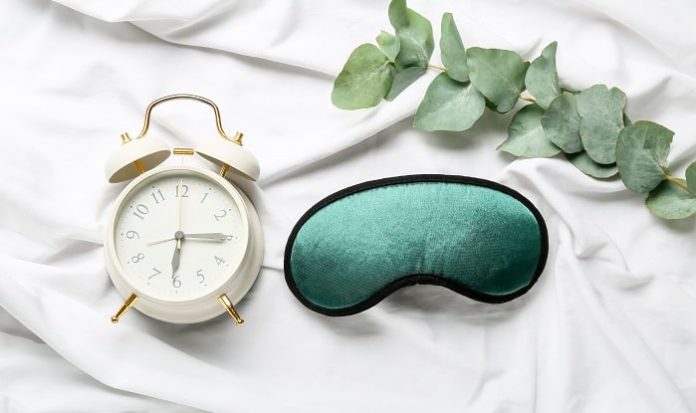
Block out curtains and use eye masks to help regulate your circadian rhythm. Turn off electrical devices such as mobile phones or keep them away from your bed.

  • Get Rid Of Noises

Loud noises and sounds can also keep you awake. Consider keeping air pollution down by wearing earplugs.

Final Thoughts

Sleep hygiene is an essential part of getting restful sleep, so it plays a critical role in promoting your well-being. While the principle applies to all, the actions and methods in having good sleep hygiene may not be the same for everyone.

To work around this, test a few strategies and see how it affects you. If it doesn’t work, consider adopting other methods until you find out what’s best for you.


What You Need To Know Before Using A Face Shield

What You Need To Know Before Using A Face Shield

When the pandemic struck the whole world, many restrictions and guidelines have been imposed to limit the spread of the virus. These safety measures include physical distancing, thorough hand washing and wearing face. Aside from those measures, the wearing of plastic face shields was also recommended, especially for workers in the service industries.

People over the world started heeding the advice of their government and did their best to get a hold of face masks and face shields. This is being done in hopes of preventing further transmission and spread of the COVID-19.

What is a plastic face shield?

Plastic face shields are used to protect the wearer from different infectious or hazardous microorganisms from splashes and droplets. It is commonly made from polycarbonate and polyester (PET) film. These materials are designed to provide clarity and transparency when worn. It is affordable and can be produced and distributed quickly.

The use of plastic face shields is considered a great strategy to help reduce the transmission of the virus, especially in the community setting. When worn, medical face shields provide a great barrier that helps wearers refrain from touching their faces. In combination with a face mask, it offers good protection from contracting the virus.

When do I use a plastic face shield?

According to different duties, for plastic face shields to be effective, they must have the proper coverage of the wearer’s face. It should be able to cover the forehead of the wearer, along with their face, eyes, nose, and mouth until below the chin.

For your protection, plastic face shields must be worn in the following situations:

  • When you are in situations wherein splatters or splashes of liquid materials may occur such as: Wound irrigation, suctioning of different secretions and cleaning secretions.
  • When you are handling chemicals or hazardous materials that may compromise your health and the health of others.
  • When you are exposed to people who have respiratory tract infections with cough and colds.
  • When you are involved in activities with prolonged face-to-face contact with people who are immunocompromised.

In simpler terms, a plastic face shield should be worn when there is a presence of risk of being exposed to hazardous materials. Since it offers full protection for the face of the wearer, the risk of being exposed to contaminated secretions will be reduced.

How do I use a face shield during the pandemic?

Since we are combatting a pandemic today, the wearing of plastic face shields has expanded to COVID-19-specific measures and face shields are used for extra protection, however, the face shield is not an alternative to the face mask.

To protect yourself from contracting the virus and passing the virus from other people, a face shield shall be work with a mask, and here are some situations wherein you could wear your plastic face shields:

  • If you are working in an environment where you are in direct contact with the public.
  • When you are in a public setting wherein it is impossible to maintain a physical distancing.
  • When you are traveling in any transportation such as buses, trains, planes, or the like.
  • When you are mingling with other people who live outside your household or when you are going inside the house of other people.
  • Inside the home, if there are people who are exhibiting signs and symptoms of COVID-19 or if you have been exposed to someone who tested positive for COVID-19.

If you want to be extra protected, you may opt to wear your plastic face shield in every situation you prefer. You can wear this even if you are just going to the grocery, malls, or market.

How do I wear a plastic face shield the right way?

To ensure that you are wearing your plastic face shield correctly, follow the following steps:

  • If you are using the elastic type of face shield, bend forward and hold the straps of your face shield using your two hands. If you are using the glasses type of face shield, unfold the face shield using both hands.
  • Stretch the elastic using your thumb and carefully place the elastic at the back of your head. Ensure that the foam of the face shield rests properly on your forehead.
  • If you are using the glasses type of face shield, simply place the face shield like how you wear your glasses. Once you have placed it, ensure that it covers the sides and front of your face.
  • Always position your plastic face shield down.

Conclusion

Initially used in laboratories or in the construction industry, protective face shields have been more and more worn during the pandemic, offering an extra layer of protection, along with a face mask and – for some people – goggles. While it guarantees a better protection, it shall not be worn alone and, if you’re using it to protect yourself against the coronavirus, make sure that to wear a surgical mask as well.

5 Health Benefits Of Water Filters

5 Health Benefits Of Water Filters

Water is a basic human necessity. With that, you need to ensure that you have a continuous supply at home to fulfill your hydration needs. While drinking from the tap is convenient, it may not be the best choice for your family since they can be contaminated and you can never guarantee their cleanliness.

One of the best ways to allow your home to have a stable, clean water supply is to install a water filter. In this way, you can have easy access to the health benefits it can provide for your home. You can check this post and see if having a water filter is the best choice for your home.

To further convince you, listed below are the health benefits of water filters: 

  1. Improves Your Digestion

Tap water may contain chemicals that can harm your body, especially when taken in tremendous amounts. This is because your municipality adds a chemical to your tap water so that they can ensure that it’ll be clean once they flow through your pipes and your faucet.

By having a water filter, you’ll be able to strip away the chemicals, allowing you to have clean water instantly. As you drink healthy and clean water, problems that can hinder your digestion process will diminish. Also, with filtered water, you can finally be free from constipation and have a worry-free bathroom experience.

  1. Promotes Proper Hydration

There are cases where your tap water can give an awful taste and scent, which may not be inviting to drink. With that, you may prefer to drink flavored drinks such as juice or soda. While those can be delicious, they don’t provide good health benefits to your body.

As you choose to install a water filter in your home, you can quickly drink water without worrying about the taste and smell once. Hence, you can skip drinking other beverages and stick to water, which can promote proper digestion for everyone. Moreover, you can finally drink the recommended amount of water you should consume every day.

  1. May Reduce Risk For Cancer

Chlorine is present in your tap water since, as mentioned, it’s the chemical that your municipality uses to keep your tap water clean. Chlorine can be helpful when removing dangerous bacteria and diseases in your water. Unfortunately, a tiny portion that remains in your water can come through your body, which may increase your risk of cancer. That’s why cancer risk is higher for those who had chlorine in their drinking water.

To guarantee everyone’s safety, you should consider installing a water filter by your sink so you can allow everyone to have safe and clean drinking water.

  1. Improves Your Skin Appearance

Water is essential to keep your skin healthy and plump. While following a strict skincare routine can help you have gorgeous skin, drinking plenty of water can help you achieve your goals.

Apart from the things that you put on your skin, you also need to take care of your health by having enough sleep and drinking plenty of water as much as possible. With filtered water, you’re inviting intense hydration to your skin, making it healthy and plump all the time.

You can see the secrets of celebrities who have fantastic skin, and they’d tell you that they’re drinking plenty of glass of clean water every day.

  1. Healthier Meals

As you cook, you probably would need to use water, especially for your savory foods. While you may tend to use your tap water as you cook your meals, you cannot guarantee that they’re perfectly safe to consume. Apart from that, it could also affect your food’s taste, especially with the added chemical content.

Since filtered water has added nutrients and minerals, you can expect that the dish you prepare will be healthy. With that, you can expect that you can create a perfect and healthy meal for everyone to enjoy without trying too hard.

Conclusion

Your health is essential, and you should never look past it. Drinking filtered water may provide plenty of health benefits for everyone of all ages. It can also help save the environment as you no longer need to purchase bottled water, which can be an added carbon footprint.

While installing a water filter in your home can be expensive at first, the benefits that it can provide to your family would be worth it. All you need to spend is the filter, which can happen every three months. With that, it’ll be an excellent investment for your family.

Why Doctors Order So Many Unnecessary Tests

Tests at the clinic can be a pain, especially if you get bounced around from specialist to specialist. Medical tests are also an added expense, one that feels unfair if there is no clear result. While most insurance providers generally cover tests ordered by a physician as opposed to a voluntary or requested test, the copay for many Americans can still bury them in unexpected debt.

Doctors have reasons for ordering all these tests, and they are typically not financially motivated. Fear of mistakes and malpractice suits have led to doctors ordering more and more tests as years go by.

When is it Negligence?

Unnecessary tests can fall under malpractice when a doctor fails to inform the patient of the full reasoning and details of the procedure. Negligence can stem from the lack of true informed consent, which is a requirement for any procedure, medical test, and other types of treatment. If a physician fails to clarify why they are recommending and ordering a test for you, it may be a reason to seek out the counsel of a medical negligence attorney.

No Kickbacks

Many people believe that doctors receive a commission or kickback from their hospital or vendors when they order a test. However, this is almost never the case. United States fair trade regulations ban many types of kickbacks in the medical industry and many state laws also prohibit and punish kickbacks.

There have been cases where medical vendors were caught issuing kickbacks, but those are typically for equipment purchases or the prescription of a company’s drugs. Usually, a foreign firm is involved, as many other countries do not have legal ramifications for this type of sales practice. For example, in 2020, a large Japanese medical equipment manufacturer was caught issuing 10% kickbacks to doctors that recommended their products to hospital administrators. Many people see this as an ethical problem.

Fear of Misdiagnosis

Uncertainty

Uncertainty is scary, even for doctors. Eliminating possible diagnoses gets everyone closer to a firm answer and medical treatment plan and gives peace of mind to both medical professionals and their patients. Piling on tests is an oversimplified way to find the root of medical problems and quickly adds up a burden of time and cost for everyone involved. The way the field of medicine is trending in the United States means that testing will likely keep increasing.

Changing Landscape

Technology and equipment are updated in the medical industry at a rapid pace. It can be difficult or near impossible for doctors to stay fully informed about the effectiveness and availability of better techniques and resources. An ever-shifting playbook makes setting and reaching a clear goal a massive challenge, and is one reason many people are calling for the way medical procedures and treatment are managed to be changed.

Cultural Expectations

Think of any medical doctor portrayed on TV or in movies; chances are, they have a great streak of skilled diagnoses at critical moments and a few mistakes that cause drama and threaten to crush their careers. The cultural expectation is that doctors are all highly trained and skilled, and they should always be able to give clear answers to their patients. That is not realistic in the real world, and this pressure weighs on doctors, leading them to cover all their bases with tons of otherwise unnecessary testing.

Reduction of Malpractice Suits

All of the reasons above have made patients more litigious and doctors more proactive and afraid. Many medical professionals create waste by trying to protect themselves from medical malpractice suits.

Former congressman Dr. Tom Price is often quoted as saying that “defensive medicine” is the largest drain on the American medical system, and curing that is the key to reducing medical expenses for everyone. Whether the liability placed on doctors protect patients or burdens everyone is hard to prove, but being an informed and proactive patient can help everyone. Many doctors welcome open discussions about all testing and procedures and think that it helps patients make a choice that makes the patient happier.

Translate »