








Close
Digital Health & Ai Innovation summit 2026
Medical Taiwan 2026

Medtronic Receives CE Mark Approval for SenSight Directional Lead System for DBS Therapy

Medtronic plc, the global leader in medical technology, announced the CE (Conformité Européenne) Mark for the SenSight™ directional lead system for Deep Brain Stimulation (DBS) therapy as treatment of symptoms associated with movement disorders and epilepsy. DBS is a therapy in which a small pacemaker-like device sends electrical signals through very thin wires, known as “leads,” to a targeted area in the brain related to symptoms. The SenSight directional DBS lead system works seamlessly with certain Medtronic neurostimulators, including the recently-approved Percept™ PC neurostimulator. This system will enhance detection of local field potentials (LFPs) and offers directional stimulation to provide individualized and patient-specific data plus additional programming features to tailor therapy for patients.

“This is the only directional lead with built-in sensing capabilities,” said Jens Volkmann, M.D., Ph.D., FEAN, chairman and professor of neurology in the University Clinic of Wu?rzburg. “The challenge of DBS is to provide stimulation to a very small brain region only at times, when fluctuating symptoms require treatment. This new technology holds promise for a truly personalized therapy, which we can adapt using the objective data from each patient to inform programming in ‘space and time.'”

With collaboration and insights from clinicians, Medtronic engineers have designed every component of the SenSight system to meet customer and patient needs and work seamlessly with the Percept PC neurostimulator to enhance detection of local field potentials (LFPs), which are 1 million times smaller than DBS stimulation pulses.1

The new lead system and supporting technology has been designed with the patient, neurosurgeon and programming neurologist in mind,” said Professor Stéphan Chabardès, M.D., Ph.D., Grenoble Alpes University Hospital. “What may seem like small changes to materials, design and technology will actually result in meaningful improvements in things like precisely delivering stimulation to each individual patient, streamlining the surgical procedure, and capturing objective data for more efficient, informed programming.”

SenSight directional lead systems were first implanted at the University Clinic of Würzburg and Grenoble Alpes University Hospital, by multi-disciplinary teams on March 17 and 18, and a full launch in Western Europe will immediately follow today’s announcement. The product is currently under review by the U.S. Food and Drug Administration.

“Medtronic has been driving innovation in DBS therapy for more than 25 years and the approval of the SenSight directional lead system in the EU is our latest contribution to the quest for improved patient experiences and clinical outcomes,” said Mike Daly, vice president and general manager of Brain Modulation within the Neuromodulation business, which is part of the Neuroscience Portfolio at Medtronic. “Our commitment to evolving DBS therapy is unwavering and we look forward to introducing additional advancements in 2021 and beyond.”

How To Stop Your Lips From Thinning With Age

How To Stop Your Lips From Thinning With Age

Volume loss is an inescapable part of the aging process. As people grow older, their natural collagen production declines and their existing collagens stores begin to break down. Nowhere is this more evident than at the lips.

Not only can the lips take on a decidedly thinner appearance, but they can also develop deep grooves that radiate outwards from the mouth. These grooves are known as perioral wrinkles and they’re prone to capturing and collecting lipsticks and lip liners to create an unbecoming look.

The good news is that there are many ways to slow the effects of aging at your lips. With the tips below, you can maintain a full and sensual pout for many years to come.

Combat Thinning Lips With Proper Hydration and Good Nutrition

The most effective anti-aging strategies often start from within. If you’re doing all that you can to promote the natural health of your skin and soft tissues, then you’re bound to look younger than someone who’s not. One easy way to preserve volume at your lips is by keeping your body properly hydrated.

When you’re dehydrated, your body allocates most of its available water stores for supporting important functions such as respiration and digestion. When it’s water-deprived, it doesn’t make aesthetics a high priority. That’s why people who don’t drink enough water often have dry, brittle hair, skin, and nails.

The good news is that you don’t have to chug down a gallon of water each day to maintain a bright, glowing complexion, or get skin and lips that are full, dewy, and soft. Much of the water that your body needs can be obtained from fresh, nutrient-dense foods. Not only are fresh fruits and vegetables great sources of hydration, but they’re also packed with skin-supporting phytonutrients and antioxidants.

Drinking a reasonable amount of water each day, eating more colorful produce, and limiting your consumption of dehydrating beverages like soda, coffee, and energy drinks are all excellent ways to keep your lips looking full and healthy.

Don’t Smoke

Smoking cigarettes expedites the age-related breakdown of your natural collagen stores. In fact, smokers are far more likely to develop noticeable perioral wrinkles than non-smokers are. That’s why these creases are frequently referred to as “smoker’s lines.”

Not only will quitting slow down volume loss at both your lips and the remainder of your visage, but it can even reverse some of the signs of facial aging that you’ve already experienced.

Use Lips Moisturizers That Seal Hydration In

Choose a quality moisturizer for your lips and use it regularly. The best products contain ingredients like petroleum jelly, shea butter, and cocoa butter that actually trap moisture in.

Just as you’re diligent in applying skin products that have a suitably high SPF rating, you also want to make sure that your lip balm or lip gloss offers this protection as well. Sun damage can have a marked and progressive impact on the overall look and volume of your lips. Luckily, many lip balms contain sunscreen.

Consider Using Lip Fillers To Restore Lost Volume

Injectable cosmetic fillers are now being used to augment, refine, and reshape the lips. Filling up lips continues to be a popular aesthetic procedure among people with naturally thin lips or lips that are uneven in shape. However, they’re also great for staving off age-related volume loss.

The best fillers for this purpose are high-quality solutions that are largely comprised of hyaluronic acid (HA). HA-based fillers work by attracting and retaining water molecules once they’ve been inserted into the skin. Not only does this produce a noticeable plumping effect across the treatment area, but it also completely hydrates the lips from the inside out.

Invest in Cosmetic Procedures That Cause Controlled Skin Damage

Surprisingly, nothing works better for rejuvenating damaged and aging skin than purposefully causing more damage. Cosmetic procedures that cause controlled skin damage are meant to stimulate the body’s natural healing abilities. If you have significant volume loss at your lips, consider treatments like:

  • Micro-needling
  • Derma rolling
  • Mild chemical peels

These methods can completely rejuvenate your lips. When these procedures are performed at greater depths, they can even produce long-term gains in supporting collagen.

For instance, micro-needling both remodels existing collagen stores and causes the body to speed up its production of new collagen. Also known as collagen induction therapy, this treatment can additionally lighten excessively dark-colored lips, smooth out perioral wrinkles, and minimize the appearance of many mild to moderate blemishes.

Being proactive about preserving volume at your lips is important. Your pout is one of your most noticeable facial features. When it’s full, unlined, and youthful-looking, skillfully applying make-up will be easier, and you can proudly show it off wherever you go.

How Defective Drugs Hurt Patients

Expired Medicines

Defective drugs have become a real problem, and the FDA moves slowly to approve drugs and takes even longer to remove defective drugs from the market or warn consumers about newly discovered side effects or interactions with other medications.

These types of drugs pose a genuine safety risk if patients remain unaware of the side effects. Newly approved drugs might be used for many years before systemic side effects are detected.

Busy physicians remain unaware of the side effects and risks because it’s impossible to monitor every report of each drug the doctor might prescribe to patients. It’s important for patients to consider every reported side effect — even those effects that only occur in extremely rare cases.

Drug Company Misconduct

Drug companies often try to hide or downplay any side effects in clinical trials to ensure that positive results are reported and the drugs get quickly approved. Patterns of drug company malfeasance include not reporting negative results or side effects, concealing the real results of drug trials, and limiting studies of side effects. Drug companies also conduct multiple trials with a small number of participants and report only those studies that generate favorable data.

What Effects Might Defective Drugs Have on Patients?

Defective drugs or improperly prescribed drugs can result in changes in a patient’s prognosis for recovery and generate a host of life-changing effects. Some of these possible effects include:

  • Defects in unborn fetuses
  • Memory loss
  • Heart attacks and permanent heart conditions
  • Insomnia
  • Hypertension
  • Numbness in hands and feet that indicate a possible stroke
  • Other chronic disorders that require continuous medical care.

Defective drugs, improperly prescribed drugs, and drug overdoses cause thousands of deaths each year. According to cdc.gov, drug-related deaths have reached epidemic proportions. More than 750,000 people have died since 1999 from misusing drugs, improperly prescribed drugs, and defective medication.

The CDC reports that insurance companies often end up investigating drugs. Opioid prescriptions like Oxycontin and Fentanyl have increased 600 percent since 1999, and the deaths attributed to opioid misuse hit 47,000.

Insurance companies monitor their payments for these drugs to recommend changes in prescriptions that might trigger drug interactions, overdosing or dangerous side effects. Insurance companies also redesign coverage plans to prevent dangerous drugs from being prescribed.

How Big Pharma Supports Defective Drugs

A book written by Ben Goldacre accurately describes the role of Big Pharma in suppressing information about defective drugs. His book is titled “Bad Pharma: How Drug Companies Mislead Doctors and Harm Patients,” and the book reveals eye-opening industry secrets.

According to the book, Big Pharma uses bribery, secrecy, dishonesty, and corruption to suppress unfavorable data, and Goldacre had to employ tough measures and dogged persistence to get witnesses to reveal the information.

The biggest betrayal of the customers that Big Pharma is supposed to help is the policy of not disclosing unfavorable data from clinical trials. Journal editors who are excited to report favorable results for a new treatment are often complicit in not reporting or minimizing the severity of drug side effects.

Liability for Defective Drugs

Defective drug liability falls under the legal category of product liability. You need an experienced legal team to go against Big Pharma, negligent manufacturers, or marketers that peddle defective medical products. The law holds manufacturers responsible for damages caused to patients by using a defective product.

Finding the right lawyer for defective drug case in your area is a critical first step if a defective drug severely harmed you. A defective drug lawyer can advise you on which companies or medical practices can be held responsible in your case and recommend whether to accept any settlement offers.

5 Signs You May Be Suffering From Vitamin Deficiency

5 Signs You May Be Suffering From Vitamin Deficiency

There’s no question that a healthy and balanced diet is crucial to maintain your good health. This is why most people pay attention to what they eat to ensure that they won’t experience any health complications in the future.

However, it’s common for many individuals to experience vitamin deficiency due to poor lifestyle choices. Lack of vitamins can significantly affect your overall health, which is why you must pay attention to any signs of nutritional deficiency, such as the following:

  1. Fatigue

One of the most obvious signs that can indicate vitamin deficiency is feeling fatigued all the time. It’s usual to feel exhausted after a long and physically demanding day. Most of the time, your body can recover from fatigue after a day of rest or a good night’s sleep. However, if you start to feel tired for no reason, you may lack specific vitamins and minerals in your body.

Unexplained fatigue can be caused by a poor diet or lack of iron in your bloodstream. Iron deficiency is a common problem many people face. Both women and men are susceptible to this condition and, if left untreated, it can lead to anemia.

Fortunately, there are easy ways to solve common vitamin or mineral deficiencies. For one, taking supplements is an effective way to supply your body with the nutrients it needs to stay healthy. Here are the findings regarding the benefits of taking vitamin supplements to help you decide if it’ll help alleviate your condition.

  1. Dry or Brittle Hair

There’s no doubt that many people take good care of their hair. Various products are available in the market that promise to make your hair strong, shiny, and healthy.

Most of the time, the condition of your crowning glory is something you don’t pay too much attention to. That’s because problems such as frizz or dandruff can be addressed quickly by special shampoos and conditioners. However, if you start to experience dry and brittle hair even after using special treatments, you may be suffering from more severe health conditions.

Your hair is made mainly with protein, which means it can serve as an excellent diagnostic marker for vitamin deficiencies. Your hair can thin out or start to turn brittle if you lack biotin, which is also known as vitamin B7.

If you notice that your hair is in bad shape, you should try to take vitamin supplements or switch to a vitamin B7 rich diet. You can include almonds, sweet potatoes, eggs, and tomatoes into your meals to supply your body with enough biotin.

  1. Mouth Problems

You can experience various problems in your mouth, such as inflammation, mouth ulcers, or bleeding gums if you lack specific vitamins in your body.

Angular cheilitis is a condition characterized by the cracking or inflammation of the corners of the mouth. If you have this problem, you’re probably suffering from a riboflavin (B2) deficiency. Various vitamin deficiencies can also cause other conditions, such as gum bleeding or lesions around your mouth.

If left untreated, these mouth problems can be painful and affect the quality of your life. To improve your condition, it’s advisable to change your diet and include foods that are rich in vitamin B.

  1. Eye Problems

Vitamin A deficiency problems manifest mainly in the eyes. This isn’t surprising since beta carotene is often recommended for good eye health. It’s usual for people, predominantly middle-aged adults, to experience slight changes in their vision as they grow older. They can start to have difficulties seeing things clearly at close distances or have blurred vision.

However, if you’re in good health and start to observe a drastic change in your eye health, you may be suffering from vitamin A deficiency. Night blindness and dry eyes are two of the most common signs indicating the lack of vitamin A in your system.

  1. Skin Problems

Your skin condition can tell you a lot about your overall health. Healthy glowing skin is usually an indicator that you’re consuming enough vitamins and minerals. On the other hand, skin problems are signs that you lack certain nutrients in your body.

Skin rashes, wrinkles, and eczema are common skin problems that can arise due to vitamin deficiencies. If you start to see visible signs on your skin, you should take vitamin supplements to get the necessary nutrients you lack. You can also modify your eating habits and consume more vitamin-rich foods, such as fruits and vegetables, to bring back your skin’s natural glow.

Final Thoughts

You can compromise the quality of your life and overall health if you lack certain vitamins in your body. If you don’t try to alleviate your current condition, you can begin to suffer from various health problems such as fatigue or poor vision.

You should take care of your health and watch out for any warning signs indicating vitamin deficiencies. By doing so, you can avoid serious health problems and complications in the future.

Digital health pass aims to help employers keep track of COVID-19 related health

Digital health pass aims to help employers keep track of COVID-19 related health

As lockdown restrictions lift and employees begin to return to the workplace, employers will be facing up to a whole new challenge of how to manage the health status of their employees and minimise the chances of anyone bringing COVID-19 into the workspace. This sort of management creates a significant administrative burden for employers, as they will need to manage their employees’ COVID-19 test/vaccination status in real time, ensuring no-one comes on site who should be self-isolating at home.

tested.me is a digital health pass which offers individuals, their employers and customers a simple interface to share their test results and verified vaccine status, within a data secure environment – allowing businesses and their teams to return to work safely and responsibly. Their mission is to give businesses the tools and visibility to manage employee health and wellness in a digital, secure and convenient way.

The UK-based app takes the pain out of the administrative process of sourcing through each employee’s health records and makes it simple for both employers and staff to manage all this information in real time. An individual downloads the tested.me app onto their smartphone and uses it to register any tests, vaccinations or temperature checks they have taken. At the press of a button, they can share some or all of that information automatically with an organisation – for instance their employer, or a client site. The SaaS dashboard integrates and automates staff data meaning the employer can see who is safe to come to work and who should self-isolate at home, or who has simply failed to take a test recently. They can allocate staff depending on availability and ensure those at home receive appropriate support. If anyone comes on site without a ‘low risk’ health status on the system, managers will be alerted, and the individual would be asked to take a test or self-isolate.tested.me

CEO Simon Osman said: “We know COVID-19 testing and vaccination status is required by many workplaces as they begin to re-open, as part of employers’ duty of care to their employees and visitors.

“That’s the problem we built tested.me to solve, quickly and conveniently for everyone involved. We are already supporting business with this next generation ‘tech for good’ platform. By combining ease of use, personal control of data and large-scale visitor management, tested.me is playing its part in helping the world recover from COVID-19 – allowing us to learn, work and socialise safely together again.”

Having supported thousands of visitors across pubs and restaurants in Bristol last summer, the platform is working with businesses to bring in their technology back into the events and hospitality industry as it prepares to re-open this summer.

RADLogics AI-Powered COVID-19 solution reduces turnaround time

RADLogics AI-Powered COVID-19 solution reduces turnaround time

Moscow Center for Diagnostics & Telemedicine and RADLogics shared the results of a large-scale study (Moscow Experiment on the Computer Vision for the Analysis of Medical Images – mosmed.ai, NCT04489992) conducted by the Research and Practical Clinical Center for Diagnostics and Telemedicine Technologies of the Moscow Health Care Department.

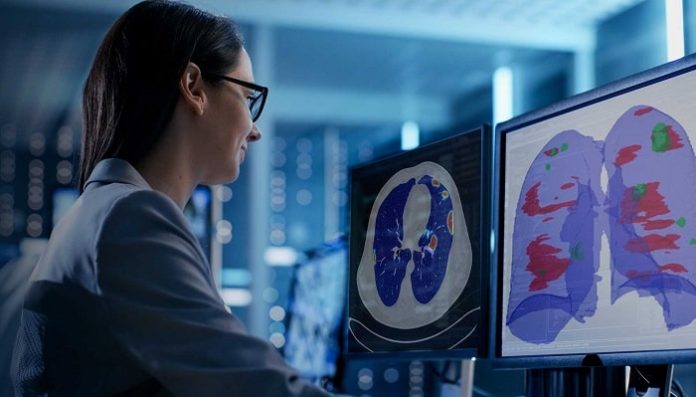
The clinical research found that the introduction of RADLogics’ AI-Powered solution into radiology workflow to analyze Chest-CT scans during the COVID-19 pandemic reduced report turnaround time by an average of 30 percent, which is equivalent to 7 minutes per case.

Presented by Dr. Tatiana Logunova, MD, of the Research and Practical Clinical Center for Diagnostics and Telemedicine Technologies of the Moscow Health Care Department during the recent ECR 2021 conference, the extensive research included a total of 128,350 Chest-CT scans, of which 36,358 were processed by RADLogics AI-Powered COVID-19 solution, reported by 570 participating radiologists at over 130 hospitals and outpatient clinics in Moscow.

“In addition to finding that the integration of AI did not have a negative effect on the interpretation or report accuracy, our researchers found a significant improvement in productivity and report turnaround time by the expert radiologists that leveraged AI.”

The study was conducted over two separate phases with the first taking place between April 30, 2020 to June 18, 2020 and the second taking place between June 18, 2020 to August 31, 2020. The study found that report turnaround time was significantly shorter for all time periods in a group of radiologists with available AI results that were seamlessly integrated into radiologists’ current workflow, compared to a group with non-available AI results.

In addition, in the shift between the two study time periods, additional clinical parameters were added to the standard of care, including the addition of a disease severity score. The added information created an increased workload on radiologists, which increased the average read time by more than 25 percent. In response, the RADLogics AI-Powered COVID-19 solution was enhanced to support the new clinical requirements.

Results shown indicate that with the augmented AI solution, including all clinical measurements and severity scoring, was able to maintain the overall productivity gain of 30 percent.

“We applaud this significant real-world research by Dr. Morozov and his team, who were on the frontline of Moscow’s successful fight against the COVID-19 pandemic while demonstrating the value of embracing new AI technologies to aid in these efforts,” said Moshe Becker, CEO and Co-Founder of RADLogics.

“This study – first of its kind in its scale – demonstrates the full potential of AI as a tool to augment radiologists to increase throughput, improve efficiency and reduce time-to-treatment. This research provides large-scale clinical validation to an earlier academic study by UCLA that was published in Academic Radiology, which conducted a time-motion study using our AI-powered solution to measure the impact of our solution on radiologists’ productivity that found out using our solution saved up to 44 percent in radiologists’ reading time.”

Since the start of the pandemic, RADLogics has responded with the deployment of the company’s AI-Powered medical image analysis solution worldwide. Designed for easy installation and integration both on-site and via the cloud, RADLogics’ algorithms are supported by the company’s patented software platform that enables rapid deployment at multiple hospitals, and seamless integration with existing workflows.

In accordance with FDA guidance for imaging systems and software to address the COVID-19 public health emergency, RADLogics has made its FDA cleared CT and X-ray solutions available to hospitals and healthcare systems throughout the U.S. for patient triage and management. All the company’s AI-Powered solutions are available worldwide through major OEM distribution partners including Nuance via the AI Marketplace in the U.S. market.

“In addition to the sheer scale of this research, it is important to note the demonstrated ability of our AI-powered solution to quickly adapt to the change in clinical requirements and maintain the overall performance as demonstrated in the second phase of the study,” added Becker.

“In the near-term, responsive and scalable AI algorithms could play a critical role as healthcare systems across the world contend with potential coronavirus surges as new variants spread – not to mention the tremendous burnout and economic pressures across the healthcare sector. In the long-term, this groundbreaking research also illustrates the tremendous benefit of adopting robust AI platforms that can be deployed rapidly at scale and seamlessly integrated into existing workflows to augment radiology teams.”

Dr. Morozov’s research team from the Moscow Center for Diagnostics & Telemedicine Center included Drs. T. Logunova, A. E. Andreychenko, V. Klyashtorny, K. M. Arzamasov, and A. Vladzymyrskyy. The presentation entitled “Artificial intelligence services impact on radiologist’s performance in the context of the COVID-19 pandemic” is available for ECR 2021 registrants at https://connect.myesr.org/course/artificial-intelligence-ai-and-covid-19/.

FDA authorizes first machine learning-based COVID-19 non-diagnostic screening device

The U.S. FDA issued an emergency use authorization (EUA) for the first machine learning-based Coronavirus Disease 2019 (COVID-19) non-diagnostic screening device that identifies certain biomarkers that are indicative of some types of conditions, such as hypercoagulation (a condition causing blood to clot more easily than normal).

The Tiger Tech COVID Plus Monitor is intended for use by trained personnel to help prevent exposure to and spread of SARS-CoV-2, the virus that causes COVID-19. The device identifies certain biomarkers that may be indicative of SARS-CoV-2 infection as well as other hypercoagulable conditions (such as sepsis or cancer) or hyper-inflammatory states (such as severe allergic reactions), in asymptomatic individuals over the age of 5. The Tiger Tech COVID Plus Monitor is designed for use following a temperature reading that does not meet criteria for fever in settings where temperature check is being conducted in accordance with Centers for Disease Control and Prevention (CDC) and local institutional infection prevention and control guidelines. This device is not a substitute for a COVID-19 diagnostic test and is not intended for use in individuals with symptoms of COVID-19.

The device is an armband with embedded light sensors and a small computer processor. The armband is wrapped around a person’s bare left arm above the elbow during use. The sensors first obtain pulsatile signals from blood flow over a period of three to five minutes. Once the measurement is completed, the processor extracts some key features of the pulsatile signals, such as pulse rate, and feeds them into a probabilistic machine learning model that has been trained to make predictions on whether the individual is showing certain signals, such as hypercoagulation in blood. Hypercoagulation is known to be a common abnormality in COVID-19 patients. The result is provided in the form of different colored lights used to indicate if an individual is demonstrating certain biomarkers, or if the result is inconclusive.

The clinical performance of the Tiger Tech COVID Plus Monitor was studied in hospital and school settings. The hospital study, which was considered a validation study, enrolled 467 asymptomatic individuals, including 69 confirmed positive cases, and demonstrated that the Tiger Tech COVID Plus Monitor had a positive percent agreement (proportion of the COVID-19 positive individuals identified correctly by the device to possess certain biomarkers) of 98.6% and a negative percent agreement (proportion of the COVID-19 negative individuals identified correctly by the device to not possess certain biomarkers) of 94.5%. The school study, which was considered a confirmatory study, showed similar performance.

The Tiger Tech COVID Plus Monitor is not a diagnostic device and must not be used to diagnose or exclude SARS-CoV-2 infection. The device is intended for use on individuals without a fever. An individual’s underlying condition may interfere with the COVID-19 related performance of the device and could lead to an incorrect screening result.

Greenway Health Launches New Revenue Services Offering, GRS Select, as Ambulatory Practices Seek to Rebuild in 2021

UBERDOC Launches UBERDOC for Hospitals to Significantly Reduce Hospital Administrative Costs

Greenway Health, a leading health information technology services provider, announced the launch of its new Greenway Revenue Services offering, GRS Select™, a customizable revenue cycle management (RCM) offering designed to meet the unique, individualized needs of healthcare practices as they rebuild and improve the profitability of their practices a year after the onset of the COVID-19 pandemic.

Throughout 2020, spikes in COVID-19 cases and hospitalizations put intense pressure on healthcare staff and resources, resulting in steep declines in non-COVID-19 volume and sharply reduced revenues, with ambulatory care institutions among those most impacted. For example, recent estimates show that visits to ambulatory care providers declined by nearly 60 percent last year with primary care practices experiencing a revenue loss of $15 billion. Practices will require new resources and added support to improve financial stability in 2021. GRS Select provides a customizable solution for practices to optimize revenue by identifying new opportunities, all while simplifying existing billing practices and alleviating administrative burden for staff.

“With growing expenses and reduced revenue, healthcare providers must put a stronger emphasis on revenue cycle management in order to maintain a viable business and continue delivering the services their patients expect,” said Pratap Sarker, president. “In this current landscape, there is not a one-size fits all solution. Every practice has its unique challenges and needs. With GRS Select we are enabling today’s providers with a quality, flexible offering that improves efficiency in the most critical areas of the revenue cycle so they can get back to doing what they do best – taking care of patients.”

In contrast to most RCM services, Greenway Revenue Services partners with practices’ current staff to help them improve efficiency and customize a solution to meet their unique needs. The practice maintains full control of their billing – and through shared technology access, full visibility into the work GRS performs at any time – to give practices’ more control over their future. By ensuring consistent connection between exemplary front- and back-office functions, and through more efficient clinical workflows, a partnership with GRS will help optimize a client’s revenue cycle, while every employee in the practice is provided tools and training to understand how their tasks impact practice financial health and the bottom line.

“GRS Select allows us the opportunity to explore a more customized business partnership,” said current GRS client, Dr. Justin Vujevich of Vujevich Dermatology Associates, with three locations serving the Pittsburgh metro area. “This flexible level of service will further strengthen the efficiency of our in-house revenue cycle team while continuing to leverage the expertise of GRS, which has been an invaluable partnership to help us maintain financial stability during such a tumultuous time.”

With GRS Select, ambulatory care practices spanning primary care, cardiology, OBGYN, pediatrics and more will benefit from a flexible, customized service offering. This enables dedicated Greenway experts to service a client’s existing RCM team in any, or all, of the following areas:

  • Revenue advisory
  • Charge posting
  • Submission management
  • Insurance follow-up
  • Payment posting
  • Patient A/R
  • Patient Call Center
  • Data insights

With extensive, specialty-specific experience, Greenway’s financial care team acts as an extension of the practice to optimize people, processes, and technology to help clients achieve their goals, while never losing control over their financials. Greenway clients seeking to improve the overall health of their practice in 2021 and beyond are encouraged to complete Greenway’s free Healthy Practice Screening to determine the state of their practice’s financial health and receive a prescriptive care plan based on their results.

ABOUT GREENWAY HEALTH

Improving healthcare through innovation is at the heart of Greenway Health’s work. We provide electronic health record (EHR), practice management, and revenue cycle management solutions that help practices in multiple specialties grow profitably, remain compliant, work more efficiently, and improve patient outcomes. Our team of clinical, financial, and technology experts serve as trusted advisers, committed to our client’s success. Greenway works with over 55,000 providers across multiple specialties, which translates into millions of lives touched daily by our solutions.


Catalyst OrthoScience Receives FDA Clearance of Its Reverse Shoulder System

Catalyst OrthoScience Receives FDA Clearance of Its Reverse Shoulder System

Catalyst OrthoScience Inc., a medical device company focused on the upper extremity orthopedics market, has received clearance from the U.S. FDA to market its reverse shoulder system. Catalyst expects to begin a limited user release in the United States in the second quarter of 2021 followed by a commercial launch later in 2021.

The addition of the reverse shoulder system allows Catalyst to offer a broader shoulder portfolio and multiple arthroplasty options to shoulder surgeons across the U.S. Reverse shoulder arthroplasty is estimated to encompass more than 60 percent of the shoulder arthroplasty market.

“With the addition of our reverse shoulder system, Catalyst is now addressing the two fastest growing segments of the shoulder arthroplasty market – stemless anatomic and reverse TSA,” said Brian K. Hutchison, chairman and CEO of Catalyst. “This is beneficial for our distributors as well, who can now help surgeons more easily meet the needs of patients.”

Catalyst’s reverse shoulder system is a single-tray arthroplasty system that was engineered to combine the most beneficial and evidence-based attributes of reverse shoulder arthroplasty design. The system offers surgeon-targeted implant positioning, a streamlined and versatile system, and bone sparing implants.

The Catalyst reverse shoulder system is a total shoulder prosthesis designed for patients experiencing severe shoulder arthritis in conjunction with a grossly deficient or non-functional rotator cuff. In a reverse shoulder system, the design is inverted compared to a traditional anatomic total shoulder prosthesis where the articulating sphere is on the glenoid side of the joint and the mating insert is fixed into the humeral stem implant.

Catalyst is one of the fastest-growing players in the anatomic stemless total shoulder arthroplasty market with its Catalyst CSR™ Total Shoulder System. The Catalyst CSR system combines innovative components and unique instrumentation to bring about a precise, accurate restoration of the shoulder. It features a stemless, ellipsoid humeral component that is engineered to accurately replace the elliptical shape of the patient’s native non-spherical humeral head.

Encompass Health announces plans to build a 39-bed inpatient rehabilitation hospital in Carolina

Encompass Health announces plans to build a 39-bed inpatient rehabilitation hospital in Carolina

Boston Scientific Corporation announced it has received U.S. FDA approval of the TheraSphere™ Y-90 Glass Microspheres, developed for the treatment of patients with hepatocellular carcinoma (HCC). The approval expands access to this life-prolonging therapy for a greater number of patients, which, to date, has been utilized under a humanitarian device exemption (HDE) – an FDA classification which required institutional review board approval and limited the number of patients treated with the therapy per year. TheraSphere is now the only radioembolization technology indicated for the treatment of unresectable HCC in the U.S.

HCC is one of the most prevalent cancers in the world and the most common type of primary liver cancer, with more than half a million new global cases diagnosed annually.i The American Cancer Society estimates that approximately 32,000 new cases of HCC will be diagnosed in the U.S. in 2021.ii It is most often treated through surgery, liver transplantation, chemotherapy or embolization, including both chemoembolization and radioembolization – also commonly referred to as selective internal radiation therapy (SIRT). TheraSphere treatment, a type of SIRT with low toxicity, is comprised of millions of microscopic glass beads containing radioactive yttrium (Y-90), which are delivered directly to liver tumors via catheter and result in minimal exposure to surrounding healthy tissue.

Approval of TheraSphere was based on results from the LEGACY study, designed to evaluate the safety and efficacy of the therapy for the treatment of early and advanced HCC. The study analyzed data from 162 patients and met both primary endpoints of objective response rate and duration of response rate (72.2% at four weeks and 76.1% at six months, respectively).iii, iv,v,vi Data demonstrated 100% complete or partial patient response up to two TheraSphere treatments – disappearance of all lesions or >/= 30% decrease in target lesion diameter – and a 93% overall survival rate in patients with transplant or resection following treatment at three years.

“I am honored to have spearheaded the LEGACY trial in which we found that patients with early and advanced HCC exhibited very high response rates as well as clinically meaningful durations of response and survival, establishing TheraSphere as a standard treatment for this patient population,” said Riad Salem, M.D., M.B.A, interventional radiologist at Northwestern Memorial Hospital and principal investigator of the LEGACY trial. “The trial results, which have been accepted for publication in Hepatology, produced one of the most comprehensive databases for TheraSphere, empowering physicians to make informed, data-driven decisions for their patients.”

Treatment with TheraSphere does not require hospitalization and is typically performed as an outpatient procedure in as little as an hour, potentially alleviating pressure on healthcare systems in an increasingly complex care environment. Recognition of the benefits of SIRT – both to patients and hospitals – were reflected in recently issued guidance from the National Institute for Health and Care Excellence (NICE) when they recommended the use of TheraSphere for the treatment of patients with HCC through the National Health Service (NHS) in England, Wales and Northern Ireland.

“The FDA approval and the recent NICE recommendation will expand access to TheraSphere, which has demonstrated improvement in both survivability and quality of life through 20 years of clinical trials and real-world outcomes in the more than 70,000 patients globally,” said Peter Pattison, president of Interventional Oncology, Peripheral Interventions, Boston Scientific. “We expect to continue to focus our efforts on bringing this treatment to more patients, both by planning a randomized trial to study the combination of TheraSphere and immunotherapy in patients with HCC not eligible for curative treatments, as well as further investigating the therapy for different cancer segments, including prostate and brain.”

About Boston Scientific

Boston Scientific transforms lives through innovative medical solutions that improve the health of patients around the world. As a global medical technology leader for more than 40 years, we advance science for life by providing a broad range of high performance solutions that address unmet patient needs and reduce the cost of healthcare.

Translate »