







Close
Digital Health & Ai Innovation summit 2026
Medical Taiwan 2026

Lumenis Announces Nicholson Center as New Center of Excellence, Hosts Successful Transoral Endoscopic Laser Microsurgery Program

Lumenis Announces NuEra Tight with FocalRF Technology, a Breakthrough in Aesthetic Medical Devices, now available in Europe and the Middle East

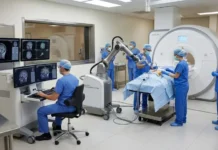
Lumenis Ltd, the world’s largest energy-based medical device company for aesthetic, surgical, and ophthalmic applications, is pleased to announce its formal partnership with the AdventHealth Nicholson Center (Orlando, FL) to create a dedicated Center of Excellence as a medical training program. The Center of Excellence will provide physicians large-scale educational programs in a safe, optimized environment during and following the COVID-19 pandemic. As a leading medical training facility, Nicholson can service all Lumenis specialties and provide a turnkey, on-demand operation expediting surgical best-practice distribution.

To celebrate this new partnership, Lumenis and Nicholson Center held a successful two-day, hands-on transoral endoscopic laser microsurgery (TLM) course from December 10-11. Laryngologists and Head & Neck Physicians across the Americas safely attended the event, which included established faculty from premier health systems across the country. To ensure the safest possible training experience, Lumenis worked closely with state and local officials, along with the AdventHealth COVID-19 Task Force to establish and adhere to rigorous operational standards.

“During this unique and challenging moment in history, it is crucial that we continue to invest resources into quality physician training and education,” said J. Scott Magnuson, MD, Chief Medical Officer, AdventHealth Nicholson Center, and Medical Director, Head and Neck Surgery, AdventHealth Orlando. “Partnerships and events like these help us ensure that as the broader health ecosystem rises to meet this critical moment, the caliber of surgical care provided rises in step.”

The free hands-on course enabled all levels of practicing physicians to learn TLM techniques using the Lumenis UltraPulse DUO CO2 Laser with Digital AcuBlade Scanning Micromanipulator and FiberLase Flexible CO2 Laser Waveguide. With lab training conducted on human cadaveric specimens, didactics and educational objectives included identifying eligible patients, understanding patient positioning, advantages and limitations in the use of the CO2 laser, key technical mistakes to avoid, key procedural steps, and postoperative care.

“The Hands-On TLM Course provided me an excellent opportunity to learn from, and engage with, my peers during a time where that would otherwise be exceptionally challenging,” said Colby McLaurin, MD of Oklahoma City. “I left the event with a broader knowledge base regarding how to best care for my patients using these exciting surgical modalities. I look forward to putting this knowledge into practice, and to engaging with Lumenis and Nicholson during future educational opportunities.”

About Lumenis
Lumenis is the world’s largest energy-based medical device company for surgical, aesthetic and ophthalmic applications in the area of minimally invasive clinical solutions. Regarded as a world-renowned expert in developing and commercializing innovative energy-based technologies, including Laser, Intense Pulsed Light (IPL) and Radio-Frequency (RF). For nearly 50 years, Lumenis’ ground-breaking products have redefined medical treatments and have set numerous technological and clinical gold-standards. Lumenis has successfully created solutions for previously untreatable conditions, as well as designed advanced technologies that have revolutionized existing treatment methods.


Boston Children’s Hospital Launches Digital Wellness Lab as Global Resource for Families, Educators and Clinicians

Boston Children’s Hospital announced the launch of the Digital Wellness Lab, a first-of-its-kind research and innovation incubator bringing together science-based solutions and information about the effects of digital technology on our brains, bodies, and behaviors. With a massive increase in the number of kids spending more than six hours online daily, and unknowns looming around the worsening mental health and wellbeing of children and families, research-based solutions are needed more than ever.

An evolution of the Center on Media and Child Health at Boston Children’s Hospital, the primary pediatric teaching affiliate of Harvard Medical School, the Digital Wellness Lab released its 2021 Family Digital Wellness Guide. This comprehensive, research-based resource was created to address parents’ and caregivers’ concerns, to clarify confusion, and to empower families to be actively involved in their children’s digital lives at every stage of development. The Digital Wellness Lab conducted a pulse survey to measure how the pandemic lockdown year has affected kids’, parents’ and families’ digital behaviors and wellness. The results of this national survey, also launched in a report today, will serve to guide the Lab’s efforts in its inaugural year.

Equally important to the work the Lab does every day to find answers and help children and families in need, the longer-term goal is to be a central hub where research findings can be aggregated, translated into practical recommendations, and shared, not just in health care, but among the major teaching, technology and entertainment platforms where children are spending the majority of their waking hours.

“The cacophony of opposing opinions on digital use and the impact of screens on children often leaves us confused, overwhelmed and wary,” said Boston Children’s Hospital’s Michael Rich, MD, MPH, founder of the Digital Wellness Lab and associate professor of pediatrics at Harvard Medical School. “We need something better than opinions. The Digital Wellness Lab is a hub for unbiased, scientific research and tools at your fingertips that parents, and all users, need now. This knowledge will allow us to synergize rather than criticize, working together with technology innovators and content creators to build a digital environment that promotes individual and societal wellness.”

The Digital Wellness Lab brings together global innovators, thought leaders, and supporters from technology to public health, neuroscience to entertainment, psychology to policy making. Together, they are creating the system necessary to produce and sustain a continuous stream of science-based information focused on the digital wellness of individuals and society through:

  • Researching how the interactive media technologies we use and the way we use them affect human development and our physical, mental and social health.
  • Educating and empowering supporters, from children and parents to tech innovators, content producers to clinicians, educators to policymakers, with evidence-based guidance, living strategies, tools, and best practices for media and technology use that promote wellness and healthy human development.
  • Understanding, characterizing, preventing and treating media use-related disorders, developing clinical protocols to recognize and respond to problematic interactive media use, creating tools for educators, and recommending strategies for parents caring for children in a digital age.
  • Innovating in synergy with technology developers, content creators and educators to shape a digital environment that supports the wellness of children, adolescents and adults.

We all need to start thinking about how our behaviors with digital devices affect our physical and mental health,” said Kristelle Lavallee, Senior Content Strategist at the Digital Wellness Lab. “Digital wellness needs to be addressed as a critical part of overall health and wellbeing in today’s world.”

Digital Wellness Lab supporters include: Age of Learning, The Alberta Teachers’ Association, Alpha Edison, Amazon Kids, Facebook, Facebook Reality Labs, The combined organization of Tufts Health Plan and Harvard Pilgrim Health Care, Instagram, Noggin, Optum, Roblox, Ruderman Family Foundation, Sesame Workshop, TikTok, Trend Micro and Walt Disney Television.

ABOUT BOSTON CHILDREN’S HOSPITAL

Boston Children’s Hospital is ranked the #1 children’s hospital in the nation by U.S. News & World Report and the primary pediatric teaching affiliate of Harvard Medical School. Home to the world’s largest research enterprise based at a pediatric medical center, its discoveries have benefited both children and adults since 1869. Today, 3,000 researchers and scientific staff, including 9 members of the National Academy of Sciences, 21 members of the National Academy of Medicine and 12 Howard Hughes Medical Investigators comprise Boston Children’s research community. Founded as a 20-bed hospital for children, Boston Children’s is now a 415-bed comprehensive center for pediatric and adolescent health care.


University of Cincinnati researchers invent new telehealth drone

University of Cincinnati researchers invent new telehealth drone

Inventors at the University of Cincinnati announced this past week that they had developed a semi-autonomous drone prototype to dispatch medicine or supplies to people’s homes.

The drone, which is still in development, has cameras and a display screen to allow patients to communicate with healthcare professionals from within their own homes.

“When the COVID-19 pandemic began, we saw a need for telehealth care delivery drones to provide healthcare in the home and in locations where access to care is not readily available,” said Debi Sampsel, director of telehealth at UC’s College of Nursing, in a press release.

The coronavirus has accelerated the pace of virtual care innovation, but medication delivery via drone is still a fairly novel prospect.

Still, the multidisciplinary team at UC says they hope the drone can bridge some of the digital divide that has been both highlighted and exacerbated by the pandemic crisis.

Manish Kumar, UC professor of mechanical engineering, and his engineering students began working with Sampsel seven years ago to apply technology to accessibility issues. As Sampsel and another UC professor, Tamilyn Bakas, were exploring the feasibility of using telehealth robots for participants living independently, Sampsel said the logistics involved inspired her to think about the ways telehealth delivery could be improved.

“A big advantage of drones is their ability to navigate using satellite or even cellular communications,” said Kumar.

In addition to the cameras and the display screen, the semi-autonomous drone prototype carries a waterproof box that can deliver medical supplies or collect self-administered lab tests.

Researchers noted the potential long-term capabilities of telehealth drones, including chronic disease management and environmental quality assessments.

“We can perform all kinds of functions: chronic disease management, post-operative care monitoring, health coaching and consultations,” said Sampsel. “And in the healthcare arena, there is no age limit. Telehealth services are useful from birth to death.”

COVID-19 has spotlighted the ways that virtual care can be used to keep patients, and clinicians, safe during a highly contagious pandemic.

Of course, synchronous one-on-one video interactions have become commonplace during the crisis. But researchers are also exploring the possibility of relying on robots – such as the doglike quadrupeds developed by Boston Dynamics – for care.

A recent study found that the majority of participants in an online survey believed a robotic system would be useful for a variety of healthcare tasks, including facilitating telehealth interviews, acquiring vital signs and turning a patient in bed.

“Patients with limited access to transportation may benefit from telehealth sessions and delivery, aiding in reducing health disparities,” said Victoria Wangia-Anderson, a professor of health informatics in UC’s College of Allied Health Sciences.

WittKieffer and the International Hospital Federation Partner to Grow the IHF Young Executive Leaders Program

WittKieffer and the International Hospital Federation Partner to Grow the IHF Young Executive Leaders Program

Leading global executive search and leadership advisory firm WittKieffer and the International Hospital Federation (IHF) today announced a partnership to advance the organization’s Young Executive Leaders (YEL) program, helping to build global healthcare leadership competencies among the next generation of leaders in the Federation’s international membership.

Established in 1929, the International Hospital Federation is a global, not-for-profit, non-governmental membership organization and the voice of hospitals and health systems around the world. Based in Geneva, Switzerland, it represents more than 100 different organizations worldwide and serves over 20,000 hospitals and healthcare organizations.

The IHF launched its Young Executive Leaders program in 2019 as a way to build capability and relationships in and among young hospital executives across the globe and to create a voice for the next generation of international healthcare leaders. Program participants, in addition to creating sustainable relationships with peers worldwide, discuss current trends and challenges in healthcare through the program’s learning sessions and masterclasses. In 2021, of the many young executives who have applied to the program, an exclusive group of 34 out of 19 countries have been selected to participate in networking and leadership development activities taking place from April through November. The capstone experience for the program cohort is attending the IHF World Hospital Congress, to be held this year from November 8-11 in Barcelona.

WittKieffer has supported the healthcare industry for more than 50 years, serving as strategic leadership experts to healthcare institutions. Through the partnership, IHF and WittKieffer are enhancing the program’s content repository, structure and reach.

“We are very proud to participate in the expansion and continued success of the Young Executive Leaders program,” said Andrew Chastain, president and CEO of WittKieffer. In just a few short years, the IHF has created the premier global healthcare leadership development program whose goals align with those of our firm—to support exceptional young leaders to become the CEOs and executives of tomorrow’s global healthcare industry. Partnering with IHF on such an important program is an honor and matches our strategic vision of strengthening and diversifying the world’s healthcare leadership.”

“We are excited about our partnership with WittKieffer as we further build and grow the Young Executive Leaders program. Together we can bolster the next generation of hospital leadership,” stated Ronald Lavater, IHF CEO. “The ambitious executives we have in each year’s cohort will benefit directly from the wisdom, expertise and professionalism that WittKieffer has developed through many years in the global healthcare executive search industry.”

How to Prevent Pimples – 4 Tips

How to Prevent Pimples - 4 Tips

You’ve probably already found yourself struggling with pimples at least once in your life. The fact that they’re not only super visible but can get quite painful is more than enough reason you’d want to learn how to get rid of them.

However, in order to be able to do so, you first need to learn what pimples are. That being said, we’ll discuss the origin of pimples as well as some of the most proactive ways you will not only get rid of them but prevent them as well.

It all starts with proper skin care

Whenever you have issues with your skin, you may feel like you’re not doing enough. That’s when people make a huge mistake and reach for more aggressive skin care treatments that can potentially do more harm than good. Instead of making the same mistake, do a bit of research first. Pimples or acne appear when the oil glands in your skin become overly active and your pores get inflamed. This excessive oil build-up leads to visible skin irritations, commonly referred to as pimples. Instead of making the usual mistake and trying to pop them, you should actually focus on treating your skin with the right type of products that will eliminate this issue. Skin acids are one of the best pimple treatment options currently on the market. To learn more about them and see how they can help you battle the issue, continue reading to the source.

Proper hygiene is mandatory

Aside from using the right treatment, you also need to ensure that you clean your skin properly. Simply washing your face with water won’t usually be enough to remedy this issue. However, reaching for aggressive soaps and face cleansers won’t do the trick either. When you strip your skin of all it’s natural oils, you’ll only encourage your skin’s oil glands to work even harder. That’s why cleaning your skin too thoroughly and too often can actually have the opposite result. Instead, make sure you practice good hygiene and look for various exfoliants that will enable you to clear your skin without compromising it even further.

Make sure there’s no underlying issue

More often than not, acne or pimples can be a result of some underlying issue. Various hormonal changes in our bodies, such as those caused by PCOS, may result in your skin breaking out. That’s why if you ever feel like you’re losing a battle with pimples, make sure you schedule an in-depth check up with your GP, to ensure that there’s not a more serious issue causing them. On the other hand, you also need to know that certain normal hormonal changes can also cause your skin to break out. So, it’s not unusual, for instance, to start noticing increased pimples during “that time” of the month. This, of course, is no reason to worry, and the pimples caused by this hormonal change usually don’t last very long and are quite insignificant in number.

They’re not a cause, they’re a symptom

As mentioned earlier, pimples are most commonly only a symptom and not the cause. Aside from previously mentioned reasons, pimple can also be a direct result of your diet. The things we eat and the amount of water we drink – or fail to – during the day will easily show on our skin. So, if your diet mostly consists of sugary and greasy foods, you can’t really expect your skin not to show it. Therefore, if you’re struggling with pimples, pay a closer attention to your diet. Journaling can seriously help you out in this case, as you can write down what you’ve eaten and how your skin reacted afterwards. This is a great way to ensure you keep yourself in check.

So, when struggling with pimples, make sure you first try to get to the bottom of the issue. Only then will you be able to take the necessary steps that will enable you to rid your skin of these pesky annoyances.

University College London Hospitals and Microsoft to collaborate on the future of healthcare

University College London Hospitals and Microsoft to collaborate on the future of healthcare

University College London Hospitals NHS Foundation Trust (UCLH) and Microsoft have announced a new strategic research and innovation collaboration to develop and apply advances in artificial intelligence (AI) and digital technologies for the future of healthcare delivery in the NHS.

The collaboration will see Microsoft Research work alongside UCLH research and clinical teams to develop AI algorithms and applications which will be tested and deployed at UCLH to assess data driven improvements in efficiency, patient safety, experience and outcomes (subject to the appropriate regulatory approvals). Until now, most AI-driven algorithms have been developed remote from the environment in which they are designed to be deployed.

The teams will evaluate the use of machine learning models to help with the allocation of hospital resources, manage patient demand, adapt to emerging care pressures, and augment and accelerate clinicians’ ability to perform radiotherapy planning for certain types of cancer.

This new collaboration builds on several research areas of focus and is supported by the National Institute for Health Research UCLH Biomedical Research Centre.

The collaboration will see UCLH and Microsoft teams work on a range of projects. Each research programme will have a specific agreement that will govern the use of patient data which will be in accordance with current regulatory guidance. It is expected that most projects will not use identifiable data. Where programmes need to use identifiable data, it will only be done with patients’ explicit consent and will follow Health Research Authority (HRA) and other applicable guidance.

Professor Bryan Williams, UCLH Director of Research and Director of the Biomedical Research Centre at UCLH said: “This is a very exciting development and there is so much opportunity. The best way to realise the real potential of AI for healthcare and develop the right solutions for the NHS, is to create these solutions working together on the ground, in the hospital where these innovations need to be deployed. In this way we move beyond talking about the potential of AI and make it work for patients in the NHS.”

Professor Marcel Levi, UCLH chief executive, says: “Recent experience of the pandemic has demonstrated the importance of being able to quickly adapt to ensure that our clinical expertise remains focused on providing the best possible patient care. The collaboration with Microsoft provides UCLH with the opportunity to harness the most innovative technologies to develop and enhance what we do. Machines will never replace clinicians and staff, but the use of data, expertise and technology can radically change how we manage our services – for the better.”

Chris Bishop, Lab Director, Microsoft Research Cambridge, said: “We are excited to embark on this work with UCLH to co-create research technology that has the potential to have a significant impact on healthcare services in the NHS. Partnering to design principled AI technologies to be deployed in clinical practice is vital to guarantee that they meet the real needs of clinicians and their patients. UCLH, and our other clinical partners in the UK, are ensuring that the NHS remains at the forefront when it comes to digitally transforming healthcare.”

Improving patient flow

In one of the first projects, UCLH and Microsoft will explore how AI can be used to predict hour by hour and day by day fluctuations in demand for acute hospital care in UCLH’s hospitals. In doing this, researchers aim to reduce hospital strain, improve patient outcomes and look after staff wellbeing.

Working closely with hospital staff to understand their everyday practices and their challenges, the team will explore where AI can provide real time insights to help hospital managers and frontline staff to allocate their resources and adapt to ever changing care pressures – pressures which have only been heightened during the pandemic.

Project InnerEye

UCLH will leverage Microsoft’s open-source InnerEye technology to build and refine its own proprietary medical imaging AI models designed to automate time consuming radiotherapy preparations and speed up cancer treatment.

Project InnerEye develops machine learning techniques to support clinicians and help enable hospitals to meet growing demands on healthcare; help deliver precision medicine for better patient outcomes; and understand how we can combine medical imaging features with other types of data to change the way we do medicine today.

Approach to the collaboration

UCLH and Microsoft’s collaboration combines teams of researchers, software engineers, clinical staff and hospital managers, UCLH’s Digital Healthcare team and patients, to work together on a range of projects.

Established principles of the collaboration include:

  • Principled and responsible use of data including safeguarding, security and privacy
  • A user and design led research approach
  • The aim to transform healthcare and drive better personalised patient care outcomes through deep, real world research, with AI amplifying and augmenting the experience for clinicians, healthcare managers and patients (subject to the appropriate regulatory approvals).

UCLH combines excellent specialist healthcare with ground-breaking biomedical and clinical research and is working on translating that research, through partnership, into real world impact. The collaboration with Microsoft is a major step towards this.

ICPA Health Products Ltd Pledges Support Towards India’s Largest Vaccination Drive

ICPA Health Products Ltd Pledges Support Towards India's Largest Vaccination Drive

ICPA Health Products Ltd (ICPA), India’s leading pharma company in the oral healthcare segment, as part of its CSR activity has donated a sum of Rs.21 lakhs to the PM CARES Fund towards the COVID19 pandemic relief. With India in its second phase of COVID-19 vaccination drive, the company aims to offer its support to the Government in making the campaign successful. In the past, ICPA has donated four 2-D echo machines to Mumbai’s KEM Hospital for its cardiac and ophthalmic departments. Availability of these machines has enabled the treatment of more patients at KEM Hospital.

“India is carrying out one of its biggest vaccination drives against COVID19 and we must support this in whatever way we can. Younger members of the family and neighbours could help senior citizens with the registration process. We could also help senior citizens locate the nearest Government centres for vaccination. ICPA acknowledges the efforts and dedication of our scientists and health workers in the battle against the pandemic. On our part, we extend support to the current vaccination campaign and ICPA’s donation to the PM CARES Fund is just a small gesture of appreciation towards the nation and its people,” says Mr Rohit Mehta, Founder and Managing Director, ICPA.

India will vaccinate around 300 million priority groups against the Coronavirus disease (COVID-19). COVID-19 vaccines will be administered at 3,006 sites in all its States and Union Territories.

Committed to its Corporate Social Responsibilities, ICPA supports the education of students up to their Graduation and provides medical aid to the needy at Ankleshwar, Gujarat, where it has its manufacturing facility. It also offers marginalised, young children with access to computers and imparts them with the basic IT knowledge and skills. The company has empowered close to 1000 students over the last four years. It also has undertaken water-harvesting projects in the region which has benefitted over 8 schools with access to clean water.

About ICPA Health Products (ICPA): –

ICPA Health Products Ltd. is the leading Indian manufacturer in the oral healthcare segment with well-known, trusted products like Thermoseal and Hexidine. Headquartered in Mumbai, the 49 year old company has an international presence in South-East Asia, Middle-East, UK, Australia and French West Africa, and its flagship product – Hexidine is the official mouthwash brand of the UAE. In addition to dental products, ICPA also specializes in herbal and cosmetic products all of which are manufactured at its state-of-the-art, facility certified by the EU, WHO GMP and ISO in Gujarat. ICPA enjoys the franchise of around 70 per cent of India’s dental surgeons along with a significant number of ENTs and cancer specialists in the subcontinent.

Thermo Fisher Scientific Collaborates with Artificial to Enhance COVID-19 Diagnostic Testing Solution

 CMU-Developed Microneedle Patches Ready for COVID-19 Fight

Thermo Fisher Scientific, the world leader in serving science, and Artificial, developers of flexible automation software, have announced a strategic technology collaboration to develop an integrated and comprehensive software automation platform for Thermo Fisher’s standardized COVID-19 Testing Platform. The integration will result in increased testing throughput and support global healthcare initiatives.

As part of the collaboration, Artificial will provide access to its aLab Suite software, designed to seamlessly integrate with Thermo Scientific Momentum Workflow software and robotics hardware. This will form part of the COVID-19 Testing Platform that will enable laboratories to quickly upscale COVID-19 testing volumes to help reduce the spread of the disease and restore economies and communities. The aLab Suite software facilitates the dynamic scheduling of protocol runs with batch optimizations to maximize the number of tests run. In addition, manual system set-up steps associated with Momentum process execution can be coordinated using aLab digital assistants to reduce the need for user input. Furthermore, the use of aLab assistant’s digital twin of a COVID-19 testing system to guide lab technicians on where, when and how to load system consumables will reduce errors associated with manual tasks, ensuring sample safety and integrity and increasing system productivity.

“Laboratories performing COVID-19 testing continue to face the combined challenges of rapidly scaling workflows to meet the demands of communities while ensuring the accuracy and reproducibility of results,” said Hansjoerg Haas, senior director and general manager, laboratory automation, Thermo Fisher Scientific. “This collaboration enables biopharma and contract services companies to both simplify their lab technicians’ interactions with automated systems and more efficiently coordinate the use of their multiple Momentum automated systems, increasing productivity and minimizing user intervention to meet industry needs.”

“Artificial’s aLab Suite is a great addition to Thermo Fisher’s standardized COVID-19 Testing Platform solution in further enabling COVID-19 testing laboratories to easily and quickly scale their operations to meet the current demands,” said David Fuller, CEO of Artificial. “Our partnership with Thermo Fisher Scientific represents an exciting opportunity to improve COVID-19 testing throughput and further develop the aLab Suite to address the pain points of the life sciences market.”

As part of the partnership, Thermo Fisher Scientific will utilize its extensive experience across life sciences to provide feedback on aLab Suite functionalities and capabilities to contribute to future product requirements and system specifications.

About Thermo Fisher Scientific
Thermo Fisher Scientific Inc. is the world leader in serving science, with annual revenue exceeding $30 billion. Our Mission is to enable our customers to make the world healthier, cleaner and safer. Whether our customers are accelerating life sciences research, solving complex analytical challenges, improving patient diagnostics and therapies or increasing productivity in their laboratories, we are here to support them. Our global team of more than 80,000 colleagues delivers an unrivaled combination of innovative technologies, purchasing convenience and pharmaceutical services through our industry-leading brands, including Thermo Scientific, Applied Biosystems, Invitrogen, Fisher Scientific, Unity Lab Services and Patheon.

Grifols installs first-ever DG Reader Net analyzer in North America

Grifols installs first-ever DG Reader Net analyzer in North America

Grifols, a global leader in the development of plasma-derived therapies and leader in the development of innovative diagnostic solutions, announced its first-ever installation in North America of the DG Reader Net semi-automated analyzer, used to facilitate pre-transfusion blood type compatibility testing. This platform, the newest addition to the company’s scalable solutions for blood banks, is now running at ThedaCare Medical Center-Wild Rose in Wisconsin.

Many small, specialized laboratories like ThedaCare Medical Center-Wild Rose work hard to offer high quality service in pre-transfusion testing with limited semi-automated solutions available to them, resulting in manual testing that could yield results more difficult to interpret or manage for record keeping and audits.

Compact and simple, DG Reader Net automates the reading and interpretation of DG Gel cards, a method that determines the presence of certain antigens in red blood cells and is used to indicate blood type compatibility. As a standalone solution, the DG Reader Net analyzer offers laboratories computer-assisted reading and interpretation of immunohematology (IH) tests with automatic results uploading to the Laboratory Information System. When paired with other Grifols testing platforms, DG Reader Net allows networks to standardize IH testing no matter the facility size.

Before the DG Reader Net was installed, care team members at ThedaCare Medical Center-Wild Rose had to read results and manually enter them into the system. Now, the DG Reader Net gives team members results in minutes, which is crucial for a Critical Access Hospital like ThedaCare Medical Center-Wild Rose where immediate responses for blood transfusions are needed.

“When our lab teams draw blood from a patient, we run a series of tests on that blood, and screen for antibodies, antigens, as well as determine the blood type,” said Rebecca Schultz, Blood Bank Key Operator, ThedaCare Medical Center-Wild Rose. “The DG Reader Net analyzer reads those results and exports everything to one centralized system. We believe it has the ability to minimize the potential for error and, due to its efficiency, creates additional time for our team members to provide care to our patients.”

“We’re proud to be able to implement a semi-automated, intuitive blood banking solution at ThedaCare, ultimately helping reduce the risk associated with manually entering results to the Laboratory Information System, thus increasing patient safety,” said James Martinec, Director, North America Marketing, Grifols Diagnostic Solutions. “No matter the size of the laboratory or Integrated Delivery Network, Grifols has a solution.”

About DG Reader Net
DG Reader Net is a semi-automated blood bank system that performs all the steps needed for the reading and reporting of processed DG Gel cards with only minimal user interaction. It has barcode identi?cation of all facets of pre-transfusion testing, giving laboratories complete traceability of reagents, samples, tests, results and operators throughout the testing process. Working with both Wi-Fi or a standard Ethernet connection, the DG Reader Net can also be interfaced to a Laboratory Information System, allowing for validated results to be exported, reducing the need to enter results manually.

Easy to interpret and customizable for a wide range of laboratory needs, DG Gel cards are the only 8-column gel card featuring column agglutination technology (CAT) for blood group typing and investigating unexpected antibodies.

About Grifols
Grifols is a global healthcare company founded in Barcelona in 1909 committed to improving the health and well-being of people around the world. Its four divisions – Bioscience, Diagnostic, Hospital and Bio Supplies – develop, produce and market innovative solutions and services that are sold in more than 100 countries.

Pioneers in the plasma industry, Grifols operates a growing network of donation centers worldwide. It transforms collected plasma into essential medicines to treat chronic, rare and, at times, life-threatening conditions. As a recognized leader in transfusion medicine, Grifols also offers a comprehensive portfolio of solutions designed to enhance safety from donation to transfusion. In addition, the company supplies tools, information and services that enable hospitals, pharmacies and healthcare professionals to efficiently deliver expert medical care.

Grifols, with nearly 24,000 employees in 30 countries and regions, is committed to a sustainable business model that sets the standard for continuous innovation, quality, safety and ethical leadership.

In 2020, Grifols’ economic impact in its core countries of operation was EUR 7.5 billion. The company also generated 140,000 jobs, including indirect and induced.

The company’s class A shares are listed on the Spanish Stock Exchange, where they are part of the Ibex-35 (MCE:GRF). Grifols non-voting class B shares are listed on the Mercado Continuo (MCE:GRF.P) and on the U.S. NASDAQ through ADRs (NASDAQ:GRFS).

About ThedaCare
For more than 110 years, ThedaCare® has been committed to improving the health of the communities it serves in northeast and central Wisconsin. The organization delivers care to more than 600,000 residents in 17 counties and employs approximately 7,000 health care professionals. ThedaCare has 180 points of care, including seven hospitals. As an organization committed to being a leader in Population Health, team members are dedicated to empowering people to live their best lives through easy access to individualized care, supporting each person’s own health and wellbeing. ThedaCare also partners with communities to understand unique needs, finding solutions together, and encouraging health awareness and action. ThedaCare is the first in Wisconsin to be a Mayo Clinic Care Network Member, giving specialists the ability to consult with Mayo Clinic experts on a patient’s care. ThedaCare is a not-for-profit health system with a level II trauma center, comprehensive cancer treatment, stroke and cardiac programs, as well as primary care. For more information, visit thedacare.org or follow ThedaCare on social media.

Insulet’s Omnipod 5 Automated Insulin Delivery System Improves Clinical Outcomes in Type 1 Diabetes

Insulet's Omnipod 5 Automated Insulin Delivery System Improves Clinical Outcomes in Type 1 Diabetes

Insulet Corporation, the global leader in tubeless insulin pump technology with its Omnipod® brand of products, announced positive results from the first pivotal trial for the Omnipod® 5 Automated Insulin Delivery System. Omnipod 5, the world’s first tubeless, wearable system that continuously adapts insulin delivery based on glucose levels and trends, significantly improved time in range and reduced HbA1c in children, adolescents, and adults, aged 6-70 years, with type 1 diabetes. The data was presented at ENDO 2021, the Endocrine Society’s annual meeting and a leading forum for endocrinology research and clinical care worldwide.

“Our team has been committed to developing a hybrid closed-loop insulin delivery system to advance the treatment of insulin-dependent diabetes,” said Trang Ly MBBS, FRACP, PhD, Insulet Senior Vice President and Medical Director. “Our pivotal study has achieved remarkable improvement in glucose control, evidenced by impressive reduction in HbA1c and improved time in range, together with the lowest rates of hypoglycemia. We are incredibly proud of these results, which demonstrate the system is safe and effective across a wide range of age groups. This is another step forward in our mission to simplify life for people with diabetes.”

Omnipod 5 System Pivotal Study Overview

Insulet presented its data in two groups of type 1 diabetes patients: 128 adults and adolescents between 14 and 70 years old, and 112 children age 6 to 13.9 years. The participants used the Omnipod 5 System at home for a period of 3 months after a 14-day period using their standard therapy, which included both pump therapy and multiple daily injections.

The Omnipod 5 System showed a significant increase in time in range (70-180 mg/dL) in the adults and adolescents, from 65% to 74%, or an additional 2.2 hours per day, and an overall reduction of HbA1c from 7.16% to 6.78%. Participants also saw a decrease in mean glucose from 161 to 154 mg/dL. Median time below 70 mg/dL improved from 2.0 to 1.1%. At a target glucose of 110 mg/dL, subjects achieved 76% time in range.

In children, time in range improved from 53% to 68%, corresponding to an additional 3.7 hours per day in target range. Additionally, HbA1c improved from 7.67% to 6.99% and the mean glucose level decreased from 183 to 160 mg/dL. Median time below 70 mg/dL stayed remarkably low at 1.5%.

“The daily management of type 1 diabetes is relentless,” said Jose S., father of a pediatric pivotal trial participant. “Caregivers make multiple decisions each day that profoundly affect their loved one’s wellness and safety. Insulet’s Omnipod 5 System reduces this burden by automating much of the decision making. It also provided me peace of mind by mitigating the threat of hypoglycemia.”

Assistant Professor Gregory Forlenza at Barbara Davis Center, University of Colorado and Principal Investigator agreed that Omnipod 5 makes diabetes management simpler, while improving overall clinical results for users.

“The Omnipod 5 System is phenomenal, improving diabetes outcomes for children and adults while greatly reducing the burden of diabetes management,” said Dr. Forlenza. “With the algorithm built into the Pod itself, it is easier than ever for people with diabetes to rely on automated insulin delivery to manage their blood glucose levels and keep them in range. Insulet has created a very impressive device that will surely change lives.”

Nearly all participants completed the pivotal study (98% of all participants) and virtually all of those opted to continue using the Omnipod 5 System during an extension phase of the study. The study results and participants’ desire to continue with the extension phase demonstrates their overall satisfaction with the Omnipod 5 System.

“It was remarkable how quickly every family learned to trust the automation, allowing people to sleep through the night for the first time in years,” said Professor Irl Hirsch, University of Washington. “The significant improvement in glycemic outcomes they achieved with the use of Omnipod 5, including the remarkably low rates of hypoglycemia, led to a tremendous reduction in the burden of care for so many.”

The Omnipod 5 System received breakthrough device designation from the U.S. Food and Drug Administration and is currently under review. The Company expects to launch Omnipod 5 in limited release during the first half of 2021.

Translate »