Close
Digital Health & Ai Innovation summit 2026
LiGHT26

Medical Devices Leveraging Robotic Surgical Instruments

Robotic Surgical Instruments

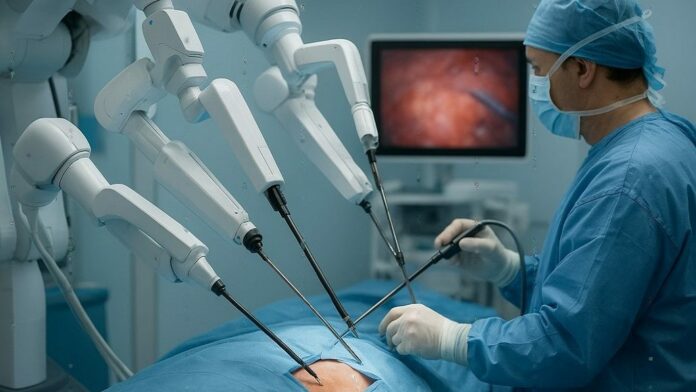
Medtronic stated that the expansion of its office in London is going to create the largest global digital center of the company thatโ€™s related to AI and robotics in surgery.

It is well to be noted that this effort happens to build on the local partnerships when it comes to research and design pertaining to robotic surgical instruments capacities. The expansion happens to double the size of the office, to almost 25,000 square feet, and also the London workforce, to over 200 people.

Apparently, the Medtronic Centre of Digital Excellence goes on to develop specialized computing as well as software for hospital operating rooms and has also gone ahead and launched hundreds of AI algorithms so as to help the surgeons to access analytics post performing surgery, said the company. Interestingly, a mock robotic operating theater helps with testing of new technologies on the site.

The digital technology goes on to support the surgical teams in planning and learning, as well as collaboration with certain other experts by way of a secure livestream. Capabilities in development happen to include the AI-powered decision support when it comes to surgeons while they work with them in real time.

It is worth noting that Medtronic sells its Hugo soft tissue robotic system in over 30 countries, which includes the likes of the U.K., andย also anticipates that the robots will enter the U.S. market as well in the latter half of the current financial year, which ends in April 2026.

FDA grants the breakthrough designation to the Virtuoso robot

Virtuoso Surgical, apparently, said on September 22 that its robotic system hasย gone on to receive the breakthrough device designation from the FDA when it comes to bladder lesion removal by way of an en bloc resection.

Interestingly, the technique goes on to remove the specimen intact, therefore raising the precision in terms of cancer staging and resulting in a much more definitive diagnosis as compared to standard bladder tumor resection, said the company.

The en bloc resection performed in a manual way has been shown to lessen the cancer recurrence, as per Virtuoso; however, the method is intricate for surgeons to learn as well as execute. The company remarked that its robotic system looks forward to enabling a wider adoption of en bloc resection through facilitating the approach.

By way of making use of needle-sized robotic arms, the Virtuoso system happens to be designed to enhance the dexterity and accuracy of the surgeons when it comes to performing certain challenging procedures. The company opined that its manipulators are indeed smaller as compared to certain other robotic surgical instruments, allowing the surgeon to fit tools in previously unreachable body areas.

The breakthrough device program by the FDA goes on to prioritize the review of manufacturer submissions and happens to be intended to speed up the development and evaluation as well as review when it comes to authorization.

Apparently, it was in May 2025 that Virtuoso remarked that its system was made use of to perform the bladder lesion excision on six patients for the pilot phase at The Chinese University of Hong Kong in terms of the Viable trial.

MedTech Europe Seeks Regulatory Changes From the EU

Medtech Europe Seeks Regulatory Changes

MedTech Europe seeks regulatory changes and has urged the European Commission to act in a swift way and offer regulatory relief to the device as well as diagnostic industries, the trade group said on September 23, 2025.

Working along with 35 national associations, MedTech Europe has asked the commission to make three changes by the end of 2025 or early 2026. The request for short-term action happens to include a call for a delay to device re-certification in order to avoid a prominent bottleneck.

In a news that has indeed become a major highlight, MedTech Europe seeks regulatory changes and wats the officials to execute changes while at the same time working on certain longer-term reforms, which include the creation of a governance structure in order to oversee the notified bodies.

It is well to be noted that a consultation that closed in March 2025 went on to reveal the extent of dissatisfaction with the European Union regulations on medical devices as well as in vitro diagnostics. The respondentsย have gone ahead and termed the regulations as unreasonably complicated and terrible for EU patients and doctors, and they even addressed it as a mess. In response, the officialsย recently started a call for evidence in order to inform the changes to MDR as well as IVDR.

Apparently, in an open letter to the European commissioner for health and food safety, MedTech Europe has gone on to welcome the plans to alter the legislation, provided that the reforms go on to deliver a regulatory system that happens to be efficient, adaptable, innovation-friendly, and, of course, well governed.

Still, the trade group sees a need for the EU authorities to advance reforms simultaneously with the actions that are going to offer a more immediate relief device when it comes to device and diagnostic industries. The request for immediate action happens to include a call for targeted postponement when it comes to recertification needs for devices that happen to be already certified as per the regulations pertaining to medical technology.

Apparently, the EU has already postponed aspects in relation to MDR and IVDR in response to the warnings, which state that tight timelines can as well force products to come off the market. MedTech Europe now witnesses yet another bottleneck for devices, which happen to be due to shift to the regulations by 2028, and is calling for a deferment to make sure of a continued and consistent availability.

Besides, the trade group also wants the authorities to publish an implementing act that harmonizes the rules when it comes to notified bodies. MedTech Europe is seeking the act to set maximum timelines related to evaluation, define the scope in terms of changes to get notified, eradicate any sort of duplication of vigilance review, and help with early talks with manufacturers so as to lessen the burden as far as re-certification is concerned.

Interestingly, the trade groupโ€™s other short-term request happens to be for the commission to begin planned pilots in terms of regulatory pathways for pediatric and orphan as well as breakthrough fast and regulated pathways into the reforms of MDR along with IVDR.

In addition to this, certain other requests when it comes to longer-term reforms go on to include the creation of a single as well as an accountable governance structure in order to oversee the notified bodies. MedTech Europe remarked that the structure should ensure that the CE-marking system happens to be efficient as well as competitive across the world.

Closing the Loop: How Hospitals Can Strengthen Traceability in Medical Supply Chains

Hospital Traceability in Medical Supply Chains

Healthcare supply chains are under constant pressure. From temperature-sensitive medications to life-saving surgical tools, the delivery and handling of medical supplies demand exceptional accuracy, speed, and traceability. Yet many healthcare facilities still rely on manual or fragmented systems to track what arrives, when it arrives, and where it goes next.

For hospitals, clinics, and research labs, the stakes are high. One misplaced delivery can delay a procedure, waste critical medications, or compromise patient care. That is why more healthcare institutions are now turning to centralized parcel management systems to bring order, accountability, and transparency to their last-mile logistics.

โ€œIn a sector where minutes matter, supply visibility is more than a convenience. It’s a requirement.โ€

The Growing Complexity of Healthcare Deliveries

Medical campuses can receive thousands of parcels weekly. These range from pharmaceuticals and diagnostic kits to maintenance parts and lab samples. With different departments ordering from various suppliers, and with internal handoffs often untracked, itโ€™s easy for items to go missing or sit idle.

Delivery Type Risks Without Traceability
Controlled drugs Expiry risk, theft, compliance issues
Diagnostic kits Missed testing windows
Surgical tools Delays in procedures
Temperature-sensitive items Spoilage due to late handling

A parcel may enter the building through a central receiving area, then be distributed manually across departments. But without digital tools, there’s no timestamped record of its movement or pickup. This leads to waste, confusion, and regulatory risk.

Why Mailroom Technology Matters in Healthcare

What happens inside the facility is just as important as what happens in transit. Thatโ€™s where mailroom management technology is gaining traction as an essential component of healthcare logistics.

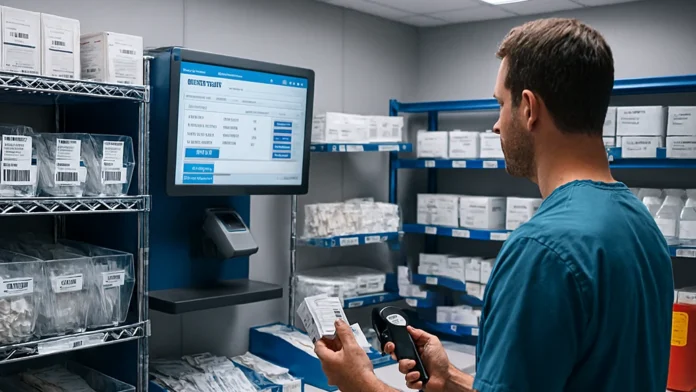
Parcel and mailroom systems built for healthcare environments allow teams to scan and log incoming deliveries, alert recipients automatically, and monitor pickup activity. Whether itโ€™s a high-priority specimen or a critical device component, the full chain of custody is captured in one system.

โ€œDigital traceability doesnโ€™t end at the loading dock. It must follow every item to its point of use.โ€

Advanced solutions even allow for custom workflows, such as flagging temperature-sensitive items or restricting access to pharmaceuticals based on recipient credentials. This enhances both compliance and operational efficiency.

A great example is shown in this quick walkthrough, where a mailroom team manages high volumes of sensitive deliveries using simple, scalable tech.

Features that Support Hospital-Grade Logistics

Smart mailroom platforms designed for medical environments offer targeted features that help protect supply integrity while improving staff productivity.

  1. Chain-of-Custody Scanning
    Each handoff is recorded, from the loading dock to the department to the end user. This protects against misplacement and ensures accountability at every step.
  2. Time-Stamps and Alerts
    Automated timestamps for delivery and pickup provide a verifiable audit trail. Alerts help recipients act quickly, especially for urgent materials.
  3. Role-Based Access
    Certain items should only be received by licensed personnel. Role-based access ensures sensitive supplies are only released to authorized individuals.
  4. Cloud-Based Audit Logs
    Hospitals can access historical delivery data to support investigations, compliance checks, or billing queries. This minimizes time spent on manual searching.
  5. Space and Inventory Management
    Digital oversight allows teams to track dwell times and optimize mailroom layouts based on volume trends. This is especially useful in resource-constrained environments.

Real-World Benefits of Smarter Tracking

Hospitals that implement digital parcel tracking not only improve accuracy but also reduce supply chain interruptions and free up staff resources.

Before Digital Tracking After Implementation
Manual delivery logs Automated scanning with full history
High rate of misdeliveries Real-time recipient verification
Delays in critical item pickup Instant pickup alerts and reminders
No delivery performance insights Metrics for volume, timing, bottlenecks

In emergency care and surgical environments, time saved equals lives saved. For outpatient and diagnostic settings, reducing turnaround times improves patient experience and throughput.

Choosing the Right System for Healthcare Facilities

Not all mailroom solutions are designed for healthcareโ€™s high standards. Facilities should look for systems that support HIPAA-aligned data handling, high-frequency scanning, and multi-building integration.

A strong example is this hospital-ready mailroom management software, which has been adopted by facilities handling thousands of deliveries weekly and supports complex healthcare workflows.

Key considerations for choosing a platform:

  • Does it support large volume scanning?
  • Can it integrate with hospital ID or security systems?
  • Is data stored securely and compliantly?
  • Are workflows customizable for different departments?
  • Is the system usable by non-technical staff?

Final Thoughts

Healthcare logistics are no longer just about getting items to the door. They are about ensuring that every syringe, sample, or sterile tool is accounted for from shipment to the point of care. In this environment, traceability is not a luxury. Itโ€™s a safeguard.

By digitizing the mailroom, hospitals can close critical gaps in the supply chain, minimize delivery-related risks, and unlock new levels of operational insight. In a sector where every delivery has a clinical impact, smart parcel management is not just a tool. It is a crucial component of healthcare infrastructure.

Breaking the Stigma Around Addiction Treatment

Improving Healthcare Interoperability with Standards

Itโ€™s not easy to talk about addiction. For many people, the fear of being judged is just as strong as the struggle with substance use itself. This fear often keeps them from reaching out for help. In communities across the country, stigma is one of the biggest barriers to recovery. Even in cities like Prescott, AZ, where treatment resources are widely available, stigma can still hold people back from seeking care. Breaking that stigma is one of the most important steps toward healthier lives and stronger communities.

Why Stigma Exists in Addiction Treatment

Stigma around addiction treatment has been around for a long time. Many people still see addiction as a sign of weakness or a series of bad decisions, rather than a health issue. These outdated beliefs make it harder for people to talk about their struggles or reach out for help. Shame and fear grow when communities donโ€™t understand that addiction is complex and deeply tied to biology, mental health, and environment.

Misinformation plays a big role in keeping stigma alive. When the public hears only negative stereotypes, they begin to assume that someone with addiction cannot be trusted or is beyond help. That kind of thinking discourages people from seeking treatment and can leave families feeling isolated.

Reliable, unbiased resources can make a difference here. Platforms such as Rehab Seekers Prescott, AZ provide free, clear information to guide people toward accredited and licensed treatment providers. Because they remain independent and impartial, they help break down barriers by showing that recovery is possible and that seeking help is not something to be ashamed of.

The Realities of Addiction as a Health Condition

Addiction is not a moral failing. It is a recognized health condition that affects millions of people every year. Doctors and researchers agree that addiction changes brain chemistry in ways that make it difficult to control substance use. Genetics, environment, and mental health all play a role in how it develops.

Once we understand that addiction is a medical issue, it becomes easier to see why treatment is necessary. Just as someone would not ignore diabetes or heart disease, addiction also requires care. Treatment can involve therapy, medication, and long-term support. Itโ€™s about giving people the tools they need to manage their condition and move forward.

How Stigma Hurts Recovery

The negative ideas surrounding addiction do more harm than many people realize. Stigma makes it harder for individuals to admit they need help. Some delay treatment because they fear losing their jobs or being judged by friends and family. Others may avoid talking to a doctor out of embarrassment.

This silence can make the situation worse. Addiction often progresses when itโ€™s hidden. By the time someone finally seeks care, the problem may be more severe than it needed to be. Families also suffer because stigma discourages open conversations. Instead of working together, loved ones may distance themselves out of fear or misunderstanding.

Communities also feel the impact. When fewer people seek help, the cycle of addiction continues. Breaking stigma is not just about supporting individuals. Itโ€™s about protecting families and neighborhoods from the long-term effects of untreated substance use.

Shifting Perspectives: Education and Awareness

Education is one of the strongest tools we have for breaking stigma. When people learn the facts about addiction, they see it differently. Schools that teach about mental health and substance use help students understand that asking for help is normal. Doctors and nurses who speak openly about recovery encourage patients to feel less ashamed.

The media also plays a big role. When news outlets and social platforms highlight recovery stories, it shows that people can and do rebuild their lives. Changing the way addiction is portrayed in movies, television, and online spaces is another way to shift perspectives. Every time someone shares accurate information or speaks with compassion, the stigma gets weaker.

The Importance of Support Systems

Support can make the difference between someone staying in recovery or slipping back into old habits. Families who show understanding instead of judgment give their loved ones a safe space to heal. Friends who listen without criticism can help reduce shame.

Beyond family and friends, peer support groups are another lifeline. In these spaces, people meet others who share similar experiences. They realize they are not alone and that recovery is possible for anyone. Community-based programs also create safe environments where people can talk openly and get encouragement.

When individuals feel supported, they are more likely to seek and stay in treatment. This shows how important it is for communities to replace stigma with acceptance.

Stories of Recovery and Hope

Personal stories are powerful. They show that addiction is not the end of someoneโ€™s journey. Many people have gone through treatment and now live healthy, fulfilling lives. Hearing these stories can inspire others who may be unsure about seeking help.

Recovery stories also help fight the myths about addiction. They prove that people from all walks of life are affected. They remind us that anyone can struggle, but anyone can also recover.

Creating a Culture of Compassion

Breaking stigma requires compassion. When people respond to addiction with empathy instead of criticism, they create an environment where healing is possible. Workplaces that support employees in recovery set an example. Schools that teach kindness and understanding encourage young people to be open-minded. Communities that welcome recovery centers show that they value health over judgment.

Compassion also means listening. Sometimes, the most supportive action is simply hearing someoneโ€™s story without interrupting or judging. These small acts of care add up. Over time, they build a culture where seeking help is seen as a sign of strength, not weakness.

Stigma has stood in the way of addiction treatment for too long. It creates silence, fear, and misunderstanding that keep people from getting the help they need. But change is possible. By seeing addiction as a health condition, supporting education, and listening with compassion, we can create a culture where recovery is celebrated.

Communities thrive when individuals feel safe to seek treatment. Families heal when judgment is replaced with understanding. Breaking the stigma is not just about changing opinionsโ€”itโ€™s about saving lives.

The Future of Clinical Care: Dr. Kristen Wyrick on Ambient AI at Optum

Exclusive interview with Dr. Kristen Wyrick

Exclusive Insights from Leaders: Hospital & Healthcare Management (HHM Global)

In this insightful video interview, Dr. Kristen Wyrick shares practical experiences and forward-thinking ideas addressing critical challenges faced by hospitals today. The discussion emphasizes how hospital administrators are leveraging digital transformation, from electronic health records to smart infrastructure, to streamline operations and improve the quality of patient care.

Optum Leads the Way: Transforming Clinical Care Through Ambient AI – YouTube

A central theme is the rapidly increasing role of technology in everyday hospital managementโ€”whether through telemedicine, artificial intelligence, or data-driven decision-making. Experts discuss real-world scenarios where hospitals have implemented innovative solutions to enhance efficiency, reduce costs, and overcome staff shortages, all while maintaining a clear focus on patient safety and outcomes.

The conversation dives into adapting to evolving regulatory requirements, managing multidisciplinary teams, and fostering a patient-centric culture that balances empathy with clinical excellence. The leaders also offer actionable advice for navigating the dynamic healthcare landscape: embracing quality improvement initiatives, building resilient hospital systems, and maintaining flexibility to respond to new public health needs.

FDA Withdraws Rule Regulating Laboratory-Developed Tests

Laboratory Developed Tests

In a move that has indeed led to many discussions, the Food and Drug Administration (FDA) released a final rule on September 18 that cancels one from 2024, which applied medical device rules to the laboratory-developed tests – LDTs. The final rule happens to be in response to a March 31, 2025, federal districtย court decision, which also went ahead and vacated the 2024 final rule of the FDA. The AHA had previously asked the FDA to not apply its 2024 final rule to the hospital and health system LDTs when it got proposed.

According to AHA director of outpatient payment, emergency readiness, and public health policy, Roslyne Schulman, the AHA does appreciate that the FDA as well as the federal district court have gone on to acknowledge the distinct value and safety when it comes to the laboratory tests that are developed by hospitals and health systems for direct use in patient care. The point is that the return to enforcement discretion for laboratory-developed tests happens to rightly recognize that applying the device regulations to such kinds of tests is most likely to prompt many hospital laboratories, especially the small ones, to stop offering safe as well as effective tests upon which patients and, of course, their communities depend. This sort of action is sure to help to assure the patient access to innovative as well as targeted diagnostic tests while at the same time, reducing regulatory burden along with expenses for both hospitals and the federal government.

Apparently, the final rule is going to become effective after an official publication in the Federal Register on September 19.

Siemens Healthineers & Stryker Come Together to Develop Neurovascular Robotic System

Neurovascular Robotic System

Siemens Healthineers, the German healthcare company, and Stryker, which is the US-based medical device maker, have collaborated to advance the robotic systems for neurovascular interventions.

This partnership goes on to focus on the development of Neurovascular robotic system for both elective and emergency neurovascular procedures, which include stroke as well as aneurysm treatments.

It is well to be noted that Siemens Healthineers happens to bring its expertise in robotics and image-guided therapy, whereas Stryker, on the other hand, contributes its knowledge in terms of neurovascular technologies.

The initiative looks forward to integrating the Neurovascular robotic system and imaging along with the therapeutic devices in order to enhance procedural accuracy, therefore enhancing the patient outcomes in the intricate hemorrhagic cases and also time-sensitive ischemic strokes.

Jim Marucci, the neurovascular division president of Stryker, said they and Siemens Healthineers happen to have the joint goal to go ahead and advance neurovascular care by way of innovation.

Through combining their deep expertise when it comes to stroke therapy devices along with the leadership of Siemens Healthineers within robotics and imaging, they look forward to simplifying the workflows, elevating the accuracy, and also speeding up the care.

Put together, they are indeed taking a major step towards transforming how neurovascular procedures get performed and are also working to enhance the outcomes for patients all over the world.

This partnership goes on very well to address the intricacy of the present neurovascular procedures, which often need the physicians to manage various systems and tools.

Through developing a single platform, the companies rather intend to make such procedures seamless, potentially decreasing the treatment times and at the same time enhancing the accuracy.

Apparently, the initial phase is going to involve co-development of an integrated system along with clinical validation for leading physicians.

Carsten Bertram, the head of Siemens Healthineers Advanced Therapies, said that the neurovascular diseases, majorly strokes and aneurysms, happen to carry a massive worldwide burden. Notably, stroke is the second-leading cause of death and also the third-leading cause of disability when it comes to adults across the world.

He added that together they happen to be uniquely positioned in order to create a spectrum of image guidance and robotics as well as devices. This meaningful innovation is going to help the physicians to roll out more accurate and timely care to patients throughout the world.

This collaboration happens to follow a recent announcement made by Siemens Healthineers and Cook Medical to go ahead and establish a new benchmark when it comes to interventional medicine.

Together they are coming up with the Interventional MRIโ€”iMRI Suite that looks forward to transforming the minimally invasive procedures.

The Importance of Space Planning in Healthcare Facilities

Efficient space planning in healthcare facilities

Healthcare facilities are complex spaces in which space planning has immediate impacts upon outcomes for patients, productivity for workers, and operating cost. If space is planned effectively, patients move through procedures for treatment with ease, and workers need not concern themselves with cluttered rooms or poor design of space. Space planning that is successful balances mobility, comfort, and safety so that patients and workers may benefit from space that is planned for their requirements. From hospitals to clinics, successful planning is something more than design of structuresโ€”it is design of space that heals and that is efficient.

Historical Note: Space planning for healthcare has been around for centuries. Ancient Greece’s Asclepieia, healing centers, were carefully planned to promote physical and mental recovery. Courtyard-type spaces, natural breezes and light, and running water were incorporated into designs to promote calming environments. Just as Florence Nightingale advocated for hospital design to maximize light, ventilation, and cleanliness in the 19th century, these old precedents show that space planning has for centuries been connected to enhanced care and can be used for today’s healthcare facility designs.

Patient Flow and Safety

Patient flow is one of the most important elements in healthcare facility design. A well-planned layout ensures that patients can move smoothly between registration, examination rooms, treatment areas, and recovery spaces. Clear pathways reduce waiting times, limit confusion, and improve overall safety. Poorly designed spaces, on the other hand, may cause delays, overcrowding, and unnecessary stress for patients and staff alike. By creating a logical flow, healthcare providers can offer a more positive experience while also ensuring emergencies are handled quickly and efficiently.

  • Clear routes prevent congestion in busy areas
  • Organized layouts reduce patient and staff stress
  • Proper design improves emergency response times

When patient movement is streamlined, healthcare services become more effective. Staff spend less time redirecting patients, and patients feel more at ease because the environment is simple to navigate. This also minimizes the risk of accidents, such as trips or falls, which can occur in crowded or confusing hallways. Effective space planning improves both safety and comfort, allowing healthcare facilities to function more like healing environments rather than overwhelming, chaotic places.

Staff Efficiency and Comfort

  1. Strategic placement of staff stations improves response times
  2. Break areas designed for relaxation boost morale
  3. Proximity to supplies reduces wasted time and effort
  4. Comfortable workspaces improve long-term staff retention

Observation: In one hospital, staff had to walk long distances to fetch supplies, wasting valuable time each shift. After redesigning storage rooms and staff stations, walking times were cut in half, and staff reported feeling less exhausted.

Staff efficiency depends heavily on the environment where they work. When facilities are planned thoughtfully, employees can perform their duties with greater ease and less stress. This not only saves costs but also ensures patients receive care more quickly and reliably.

Technology Integration

Modern healthcare depends heavily on technology, and space planning must account for this need. Medical equipment, digital records, and telehealth tools require room not only for devices but also for safe storage and accessibility. When technology is poorly integrated, it can slow down treatment, create hazards, or overwhelm staff. Proper planning ensures that equipment is placed where it is most useful, electrical systems are reliable, and storage areas are organized. Just as storage finds its place in Goffstown, NH, technology in healthcare facilities must be positioned thoughtfully so it supports rather than disrupts daily operations. Integration also includes planning for upgrades, as medical technology changes quickly and facilities must adapt without costly redesigns.

Research: Industry reports show that hospitals with structured technology integration reduce patient wait times by 23 percent and report higher staff satisfaction levels. Facilities that fail to plan for equipment placement often face costly delays and safety concerns.

Technology integration is not simply about adding devices but about creating a system where each piece has its role. When space planning includes technology at its core, healthcare facilities become safer, more efficient, and better equipped to handle modern patient needs.

Flexibility for Future Needs

Healthcare facilities must also prepare for the unexpected. Flexible space design allows hospitals and clinics to adapt when patient volumes increase or new services are introduced. Permanent layouts provide stability, but they may struggle to handle change. Flexible areas cost more initially, yet they save money in the long run by avoiding expensive renovations.

Case study: During a flu outbreak, a clinic with adaptable treatment rooms quickly converted them into isolation spaces. Another clinic without flexible design had to rent outside facilities, increasing costs and slowing care.

Comparing fixed versus flexible planning shows that while stability has advantages, flexibility offers resilience. Facilities that can adapt easily are better prepared for future demands and emergencies.

Cost Control Through Planning

One healthcare executive explained how judicious space design paid off literally in terms of cost savings. Originally, the facility was suffering from congested waiting areas, underused rooms, and storage that was too decentralized. These inefficiencies forced the hospital to rent additional space at higher rates. Collaborating with designers to refurbish the layout, they instituted centralized storage, streamlined patient flow, and eliminated dead space. Less waiting was observed by the staff, and patients enjoyed less waiting.

Properly planned healthcare facilities can reduce up to 20 percent of operating expenses, according to industry research.

Professionals explain that space is one of the most expensive elements of every healthcare facility. Inefficiently used space at the wrong location adds up to the bottom line without directly improving patient care. By means of strategic layout design, hospitals don’t incur unnecessary space and make more use of the space they own. Testimony from yet another clinic reiterated the theme: by reshaping their space, they lowered energy costs and ended offsite storage renting. These real-world examples prove to bear out the idea that space planning is not only designโ€”cost-effective and works to improve outcomes.

Final Thoughts

The importance of space planning in healthcare facilities extends far beyond design. It influences patient flow, staff efficiency, technology integration, flexibility, and overall cost control. When done right, it supports healing, saves money, and creates better working conditions. Every healthcare provider should see space planning as a tool for building safer, stronger facilities. Space planning in healthcare facilities is essential for long-term success.

Craig Kent Highlights the Importance of Academic Health Systems in U.S. Healthcare

Importance of academic health systems in U.S. healthcare

Academic health systems (AMCs) play a pivotal role in healthcare by integrating the four missions of patient care, education, research, and community. These institutions not only train the next generation of healthcare professionals but also serve as centers for medical discovery and innovation. Through clinical services, community involvement, and partnerships with government and industry, AMCs address both local and national health challenges. Their unique structure allows AMCs to respond swiftly during public health crises and lead initiatives that influence healthcare policy and delivery.

However, Craig Kent notes that Academic Health Systems face mounting challenges such as rising costs, lower reimbursement, workforce shortages, and challenges with funding through the National Institute of Health, Medicaid, and Medicare. With their penetrance in education and research, academic health systems are well-positioned to shape the future of medicine while continuing to serve the country and their local communities. Their ability to balance mission-driven goals with operational demands will be key to their long-term success.

Academic Health Systems

Academic health systems are organizations that bring together medical and other health professional schools, hospitals and clinics, and research institutions to provide patient care, train healthcare professionals, and advance medical knowledge. These systems are often affiliated with universities and play a central role in shaping the future of medicine.

They serve multiple purposes, delivering patient care, conducting research, and educating future healthcare workers. A typical example is a university hospital that runs clinical trials while supporting medical student and resident training. Through this integrated model, academic health systems help bridge scientific discovery and everyday medical practice. These systems often translate research into policy and practice, making them purveyors of the future of medicine.

Educating the Healthcare Workforce

Academic health systems play a vital role in preparing the next generation of healthcare professionals. Through rigorous academic programs and hands-on clinical exposure, they provide students with the foundation needed to navigate real-world medical challenges.

In AMCs, students work alongside experienced physicians, nurses, and staff in hospitals and clinics, gaining direct experience with patient care. Residency programs, fellowships, and opportunities in continuing education ensure that learning continues well beyond medical school. By integrating education with clinical care, academic health systems help ensure healthcare professionals are both knowledgeable and capable. Graduates of their programs often become future leaders in academic medicine, contributing to improvements in care delivery and medical standards nationwide.

Conducting Research and Medical Innovations

Craig Kent explains that academic health systems are at the forefront of medical discovery, conducting research that leads to breakthroughs in treatment and technology. The majority of advancements in medicine, from new cancer therapies to improved surgical techniques, have emerged from the efforts of these institutions.

Collaboration plays a key role. Researchers often partner with federal agencies, biotech firms, and pharmaceutical companies to develop and test pharmaceutical innovations and devices. These partnerships accelerate the translation of findings from the laboratory into real-world solutions. Research departments within academic systems often attract top talent and provide an infrastructure that allows these researchers to make transformative contributions.

Through this continuous cycle of inquiry and application, academic health systems not only expand scientific knowledge but also influence how care is delivered across the country and world. Their research efforts help set national standards and shape future directions in health policy and clinical practice.

Providing Advanced and Specialized Care

Academic health systems often serve as referral centers for the most complex and rare medical conditions. Patients with challenging diagnoses are frequently sent to these institutions to gain access to specialists, cutting-edge therapies, and innovative technologies. The ability of AMCs to blend clinical expertise with ongoing research allows them to offer treatments not yet available in the community setting.

These institutions also foster collaboration among multidisciplinary teamsโ€”physicians, nurses, therapists, and researchers working together under one roof โ€“ to serve patients in need of complex care. Moreover, patients benefit from personalized care plans and access to clinical trials that may not be available elsewhere.

Serving Communities and Public Health Needs

Academic health systems go beyond hospital walls to meet the broader needs of the communities they serve. Mobile clinics, pop-up clinics, health fairs, and school-based health programs are just a few of the ways they bring services directly to underserved populations.

Craig Kent suggests that their role becomes especially critical during public health emergencies. During the COVID-19 pandemic, many academic centers led testing, vaccination, and public education initiatives. Their infrastructure and expertise positioned AMCs to respond quickly and effectively, reinforcing their importance as leaders in healthcare during a national crisis.

Armin Ernst Outlines How AI and Innovation Are Shaping Tomorrowโ€™s Health Systems

AI and digital innovation transforming health systems

The healthcare landscape is undergoing a transformative shift as it adapts to rising challenges while embracing emerging technologies. Pressures such as workforce shortages, increased costs, and growing patient expectations are prompting health systems to seek smarter, more sustainable solutions.

Armin Ernst knows that artificial intelligence and digital innovations are stepping in to support everything from diagnostics to administrative efficiency. These tools are not only helping clinicians deliver more personalized care but also empowering patients to take a more active role in their health journeys.

However, the road to digital transformation is not without obstaclesโ€”concerns around privacy, training, and equitable access continue to shape the pace and direction of change. As we look ahead, the future of healthcare will hinge on thoughtful integration of technology, strong cross-sector collaboration, and a continued focus on human-centered care.

Pressures Facing Todayโ€™s Health Systems

Healthcare systems are under increasing strain due to workforce shortages, rising operational costs, and limited resources. These pressures are making it harder to maintain quality care while meeting demand. With aging populations and chronic diseases on the rise, these stressors are only intensifying, pushing systems toward their limits.

Many communities, especially those in rural or underserved regions, continue to face barriers in accessing timely medical services. At the same time, patients today expect more personalized, convenient, and responsive care than ever before, which adds to the urgency for change. Shifting expectations are forcing healthcare providers to evolve quickly, even when resources are stretched thin.

Traditional models of care delivery often struggle to keep up, especially when demand outpaces capacity. This gap highlights the need for more sustainable, system-wide improvements.

How Artificial Intelligence Is Supporting Healthcare

Artificial intelligence is emerging as a powerful tool across various areas of healthcare. In diagnostics, machine learning models are helping identify patterns in medical data that might be missed by the human eye, leading to earlier detection of diseases like cancer or heart conditions. These systems are also being used to forecast patient outcomes, allowing providers to anticipate complications before they arise. In some cases, AI has even detected anomalies invisible to traditional imaging methods.

Hospitals are increasingly turning to AI to streamline administrative tasks such as billing, appointment scheduling, and data entry. This reduces the burden on staff and allows clinicians to focus more on patient care. In emergency departments, algorithms now assist in triaging patients by analyzing symptoms and vital signs to prioritize treatment efficiently. The time saved in these processes can directly impact patient survival and satisfaction.

Broader Innovations Transforming Care

Digital health tools have redefined how care is delivered and accessed. Virtual consultations through telehealth platforms now allow patients to connect with doctors without leaving home, expanding access in areas where medical specialists are scarce. Wearable devices track everything from heart rate to sleep quality, helping individuals take a more active role in managing their health. These tools are especially valuable for patients with mobility challenges or limited transportation options.

The shift toward integrated electronic health records has made care more cohesive. When systems can securely share patient information across providers and locations, it reduces duplication and errors while improving continuity. Startups have also introduced new models of care, blending technology with home-based services or community clinics designed around patient convenience. Some of these models emphasize preventive care, aiming to keep patients healthier for longer.

Impact on Patients and Providers

AI and digital technologies are helping clinicians make faster, more informed decisions. With real-time data and predictive tools, providers can identify risks earlier and tailor treatment plans more precisely, leading to better outcomes and fewer delays in care. In high-pressure environments like intensive care units, such decision support can be lifesaving.

On the patient side, tools like mobile apps and remote monitoring devices offer a new level of involvement in their own health. People managing chronic conditions are now able to track symptoms, medication, and progress over time, which fosters a sense of control and engagement. This sense of agency often leads to better adherence to treatment plans.

Clinicians, meanwhile, are experiencing relief from repetitive administrative burdens. Automated documentation and scheduling tools free up valuable time, allowing them to focus more on direct patient interaction and less on paperworkโ€”an important step toward reducing burnout. This also improves patient satisfaction, as providers can be more present during consultations.

Challenges in Adoption and Use

Despite the promise, adopting new technologies isnโ€™t without barriers. Concerns about data security and patient privacy remain high, particularly as more personal health information is collected and stored digitally. Health systems must prioritize trust and transparency as they integrate these innovations. Regulatory frameworks are evolving, but gaps still exist in enforcement and standardization.

Another hurdle lies in workforce readiness. Many healthcare professionals arenโ€™t trained to use complex digital systems, which can result in underutilization or resistance. Bridging this gap requires not only education but also thoughtfully designed tools that support, rather than overwhelm, clinical workflows. Peer-led training programs and user-friendly interfaces can boost confidence and competence.

Financial constraints can also slow progress. Smaller clinics or underfunded hospitals may lack the infrastructure to deploy advanced technologies, which creates disparities in access to innovation. Closing this digital divide is essential for achieving more equitable healthcare outcomes. Without targeted investments, underserved communities may be left behind.

Looking Ahead: Evolving Health Systems

As digital tools and AI continue to mature, healthcare is gradually shifting toward a more proactive and predictive model. Rather than reacting to illness, systems are being built to anticipate itโ€”using data to guide interventions before conditions worsen. This shift could redefine the role of preventive care in future health strategies.

This evolution depends on strong collaboration across sectors. Partnerships between technology developers, healthcare providers, and policymakers are driving new standards for innovation, safety, and equity. When aligned, these efforts can accelerate progress at scale. Sharing best practices and aligning incentives are also key to sustained momentum.


Translate ยป