Iron deficiency remains one of the most widespread nutritional challenges affecting people worldwide. It often causes more than simple tiredness, which leads to severe drops in energy levels and noticeable difficulties with cognitive health. These symptoms can interfere with daily life, work, and personal happiness.
In an attempt to treat this, many people first try oral supplements or dietary changes, but these options don’t work for everyone. As a result, both patients and healthcare practitioners are increasingly turning to iron infusion therapy as a trusted and effective alternative.
Read on to learn more about iron infusion therapy and how it can help you.
Rising Awareness of Iron Deficiency and Its Impacts
Iron deficiency symptoms are frequently misunderstood. Most of the time, this condition involves more than just feeling sleepy. People may experience extreme fatigue, muscle weakness, pale skin, and a weakened immune system. These signs indicate that the body’s iron stores have become dangerously low.
Although oral supplements are a common first step, they often cause unpleasant adverse effects or aren’t well absorbed. For these reasons, many are now looking beyond traditional pills. This shift has increased interest in medical treatments like iron infusion therapy.
What Is Iron Infusion Therapy?
Iron infusion therapy is a medical procedure that quickly raises iron levels. During the treatment, iron is delivered directly into the bloodstream through a small intravenous (IV) drip. This approach completely bypasses the digestive system. It allows the iron to be absorbed immediately and completely.
The process is always supervised by qualified healthcare practitioners in a clinical setting. Their presence ensures the procedure is both safe and comfortable for the patient.
Who Might Benefit from Iron Infusions?
This treatment is especially helpful for certain groups of people. One group includes those who experience strong adverse effects from iron pills, such as nausea or constipation. Others have medical conditions that disrupt normal iron metabolism. Conditions like Crohn’s disease, celiac disease, or kidney problems can prevent the body from absorbing iron through the gut.
Iron infusions are also useful for people who need fast results. This includes those preparing for surgery or anyone experiencing serious symptoms that affect their energy levels and cognitive health.
What to Expect During a Session
Knowing what happens during the procedure can ease concerns. A nurse begins by placing a thin catheter into a vein, usually in the arm. This is similar to having blood drawn. The IV is then connected to a bag containing a sterile iron solution. The solution slowly enters the bloodstream over a set period.
A session may last from 15 minutes to a few hours. Patients can relax, read, or watch videos during this time. A healthcare professional remains in the room to monitor the patient and respond to any issues.
Addressing Safety and Evidence
Safety is a common concern for people considering this treatment. When administered by experienced healthcare practitioners, iron infusion therapy is generally very safe. Medical research strongly supports its use.
Before starting, patients undergo blood testing. This screening checks iron levels and rules out problems like iron overload. Although most people tolerate the procedure well, some may experience mild adverse effects. These can include a temporary metallic taste or a slight headache. The medical team is prepared to manage any reaction quickly.
Why It’s Gaining Popularity
Several important benefits explain the growing use of this therapy. The most significant advantage is the speed of recovery. While pills can take months to show results, many people feel much better within weeks of an infusion. This rapid improvement in energy levels can make a major difference in quality of life.
Another key benefit is the avoidance of stomach-related side effects. It is important to understand that this is a medical treatment for iron deficiency. It is not intended for unrelated goals such as weight loss.
Important Considerations
Iron infusion therapy is a serious medical step. It is not a general wellness product or a solution for ordinary tiredness. Patients should only pursue this option under professional guidance. Healthcare practitioners can provide a proper diagnosis and determine the root cause of the low iron. They can also advise whether infusion is the right choice among other treatment options. Their supervision ensures that each patient receives safe and appropriate care.
Conclusion
Iron deficiency can be a complex and persistent problem. Traditional approaches like pills and diet changes do not always work. This gap has created a need for more effective solutions. Iron infusion therapy meets that need by offering a safe and efficient way to restore iron levels. Its rise as a trusted option reflects its ability to deliver real improvements in energy, cognitive health, and overall well-being. Anyone struggling with low iron should start by consulting a doctor to explore the best path forward.
Dog bite incidents in Providence, RI, affect hundreds of residents annually, with the Rhode Island Department of Health reporting that domestic animals are responsible for approximately 2,700 bite incidents state-wide each year. These incidents are particularly concerning in urban areas like Providence, where the dense population increases the likelihood of human-animal interactions. The city’s numerous parks, walking trails, and pet-friendly neighbourhoods, while wonderful for residents and their furry companions, can sometimes become the setting for unexpected encounters.
Dog bites cause both physical and mental stress, and people usually get confused about what to do. Such incidents carry potential risks that many may otherwise take lightly. Providence dog bite lawyers at Gemma Law emphasize that seeking immediate medical attention is important because it can prevent complications from occurring. Here is some information on why medical care is important after a dog bite and what to expect.
Understanding the Risks
Dog bites may lead to a number of health complications, many of which are time-sensitive and may not be readily visible. The biggest issue is the potential for infection since a dog’s mouth can contain hundreds of types of bacteria. Infections can progress rapidly and may become serious if left untreated. More seriously, there is a risk of rabies if the vaccination status of the dog is unknown. Rabies is a serious viral disease that is usually fatal once symptoms develop.
Immediate Steps to Take
Quick action after a dog bite can help prevent complications. Step one is to clean the wound thoroughly with soap and water. This helps cleanse the area, removing bacteria and any debris. Infection risk can be reduced further by applying an antiseptic solution. You should also put a clean bandage over the wound to protect it from further contamination. However, these are not complete solutions; a professional assessment is needed.
Why Medical Attention Is Necessary
Having a dog bite examined by a professional medical provider ensures that your wound is treated correctly and heals properly. Doctors can assess how serious the bite is and prescribe appropriate antibiotics to prevent infection. They can also give a tetanus shot, since people are at risk of tetanus after an animal bite. According to the Centres for Disease Control and Prevention, medical professionals can also assess whether you need the rabies vaccine, which is crucial in preventing this potentially fatal disease.
Potential Complications
There are various complications from dog bites that may arise if they are left untreated. Cellulitis is an infection that spreads quickly if not treated, causing redness, swelling, and pain. This can lead to the formation of abscesses that need to be drained surgically. In more serious cases, infections can spread to the blood, causing a condition called sepsis. This response is dangerous and must be treated as a medical emergency. Getting medical attention quickly helps reduce the possibility of these complications.
Monitoring for Symptoms
After initial medical treatment, the wound should be monitored for any signs of infection. Look out for increasing redness, swelling, warmth to the touch, and pus discharge. An infection can also present with fever or chills. It is essential to contact a healthcare professional without delay if these signs appear. The situation could worsen quickly if you do not get timely treatment.
Legal and Reporting Considerations
Local authorities may need to be involved in some dog bite cases. Reporting the incident helps keep the dog under observation for any signs of rabies and prevents further cases. From a legal perspective, if the bite occurred on public property or involved an aggressive animal, this can create grounds for a dog bite claim and compensation. Understanding local laws surrounding dog bites may help determine how to navigate these situations effectively.
Emotional Impact and Support
A dog bite has not only physical consequences but emotional ones as well, especially for children. A serious incident like this can leave lasting psychological trauma and fear. Reaching out to mental health professionals can help in processing these feelings. Counselling can provide techniques to cope with the experience and help individuals and families move forward.
Conclusion
Seeking medical attention after a dog bite is an important step to protect your health and well-being. By understanding the risks and acting accordingly, severe complications can be avoided. Knowing the appropriate steps and consequences allows you to deal with these situations confidently and carefully. Immediate medical help and proper care lead to successful recovery from a dog bite.
Philips and Masimo have gone on to renew their longstanding strategic partnership so as to develop patient care solutions.
This time around, both the companies have stated that their partnership is majorly going to focus on advancing patient access to tracking as well as measurement technologies, with more integrated tools that happen to support much better outcomes throughout the care gamut.
A core element pertaining to the companies’ plans will be integrating the sensor technologies, SET pulse oximetry, and Radius PPG tools from Masimo into multi-parameter patient monitoring platforms of Philips.
As per the companies, these planned integrations are indeed going to provide clinicians with very dependable data as well as insights in terms of bedside monitors, central stations, and wearable solutions. This resulting sensor technologies are all set to enhance interoperability and at the same time also support continuity when it comes to patient care.
The CEO of Masimo, Katie Szyman, said that expanding their robust and also long-standing partnership with Philips enables them to build on their shared legacies pertaining to innovation and at the same time ensures that the best-in-class technologies by Masimo go on to reach even more patients.
Due to the development of this unified foundation, companies also look forward to collaborating on the next-generation monitoring solutions that, according to them, reflect the rising clinical requirements as well as the evolving market demand, like the need to have greater patient mobility.
The executive vice president and business leader of connected care at Philips, Julia Strandberg, commented that their priority is helping the clinicians to go ahead and deliver the best possible care across their patients, and that happens to mean staying very well ahead of the curve.
Apparently, it was in July 2025 that Philips went on to renew its similar partnership with Medtronic so as to help in realizing what is referred to as a more comprehensive solution related to patient monitoring, as put out by the general manager of clinical applications and devices for hospital patient monitoring, Sachin Chaudhari.
Medtronic itself went on to sign a very similar partnership along with the Manchester University UK National Health Service (NHS) Foundation Trust (MFT) so as to co-develop healthcare tech that would include a remote monitoring pathway called the TriageHP Plus. As per the GlobalData analysis, the international remote patient monitoring market is all set to grow at a CAGR of 2.1% so as to reach an almost $26bn valuation by 2034, which is up from the $20.9bn that was recorded in 2024.
Emergencies are among the busiest and most unexpected events in healthcare. This is due to their work. Patient evaluation, diagnosis, and therapy must be completed as quickly as possible. All of this must be done while ensuring accurate and full documentation. When juggling immediate treatment and administrative duties, physicians often feel overwhelmed. This can cause system inefficiencies. Professional medical scribes solve the problem in several ways. These include simplifying documentation and supporting emergency care workers.
1. Assisting with Documents Quickly
According to Scribe-X (scribe-x.com), scribes are trained to record clinical contacts in real time, ensuring that no detail is lost. This training ensures no one is neglected. In emergencies, this is crucial since cases often progress rapidly from one stage of care to the next. Scribes allow doctors to focus on patient assessment and decision-making rather than updating records. This allows clinicians to focus on the patient during the appointment. We can help maintain accurate charts, which are essential for continuity of treatment and legal protection, because we can help quickly.
2. Increasing Facility Patient Throughput
These delays stress patients and clinicians. Emergency department congestion and wait times impede care. ERs are packed. By maintaining real-time paperwork, scribes enable doctors to switch cases more efficiently. It enhances workplace efficiency. This enhances patient throughput, enabling more individuals to be treated more quickly without compromising care. This is possible with shorter patient visits. Hospital efficiency increases patient satisfaction and other performance measures, ultimately reducing patient suffering.
3. Enhanced Accuracy Despite an Increase in Errors
The chaos of emergency treatment makes it easy to miss or mis record facts. This is especially true while recording data. Scribes enhance medical records by verbally recording patient histories, physical findings, directions, and treatment plans. This is done by getting real-time data. This makes medical data documentation easy. This reduces transcription errors and incomplete notes, which can have serious consequences in emergencies. Negative results are eliminated. This is crucial, as any of these mistakes could have serious consequences. An on-site scribe ensures that patient records are accurate, complete, and ready for the care team to use. This ensures patient records are ready immediately.
4. Increased Care Team Communication
In emergency medicine, doctors, nurses, technicians, and specialists must work together quickly. This profession is defined by its teamwork. Real-time documentation ensures that all care team members receive the latest information. This reduces miscommunication and delays. Scribes also bridge the gap between discourse and record entry by ensuring that crucial information is included. Scribes complete this task in addition to their other responsibilities. In high-pressure situations, rapid information availability allows teams to interact safely and efficiently.
5. Decreasing the Number of Understaffed Providers
Emergency physicians worry about burnout due to their long shifts and high levels of stress. Documentation duties may take longer than authorized, leaving providers little time to relax or recover. When experienced scribes handle administrative tasks, doctors can finish their shifts without worrying about unfinished charts. This improves doctors’ efficiency. This is because scribes handle administrative tasks. Work-life balance improves, and tiredness decreases, allowing healthcare providers to focus on life-saving, urgent treatment. This method achieves this.
Maximizing Efficiency in Critical Environments
Emergency departments must be precise, swift, and collaborative under pressure. Professional scribes improve documentation speed, patient flow, accuracy, communication, and burnout. Emergency therapy is more effective and sustained due to its availability, benefiting patients, healthcare professionals, and hospitals. This benefits everyone. Because emergency medicine is a stressful environment, a dedicated scribe is essential to provide the best care in this fast-paced context.
Endometriosis is a chronic condition that affects an estimated one in ten women of reproductive age worldwide. Despite its prevalence, it often goes undiagnosed or misunderstood for years, leaving countless women with no option but to endure physical pain, emotional distress, and disruptions to their daily lives. Raising awareness, improving care, and empowering healthcare professionals are essential steps toward better outcomes for those living with this condition.
Endometriosis explained
Endometriosis occurs when tissue similar to the lining of the uterus, called the endometrium, grows outside of the uterus. These growths can be found on the ovaries, fallopian tubes, the outer surface of the uterus, and other pelvic organs. Unlike normal endometrial tissue that is shed during menstruation, this misplaced tissue has no way to exit the body. Over time, it can lead to inflammation, scarring, and the formation of painful adhesions.
Common symptoms of endometriosis include chronic pelvic pain, painful menstrual cramps, pain during intercourse, heavy menstrual bleeding, digestive issues, fatigue, and infertility.
Diagnosis is often challenging. Many women visit multiple healthcare providers before receiving answers. While pelvic exams and imaging tests can suggest endometriosis, the condition is typically confirmed through laparoscopy, a minor surgical procedure that allows doctors to view and possibly remove lesions.
The emotional and physical toll
The physical impact of endometriosis can be debilitating. Women often experience intense pain that interferes with daily tasks, work, school, and social life. Chronic fatigue is also common, making it difficult to keep up with responsibilities and maintain an active lifestyle. For many, infertility adds another layer of stress and heartache. But the emotional toll can be just as significant.
Living with persistent pain and the uncertainty of delayed diagnosis can lead to anxiety and depression, feelings of isolation, strained relationships, and a reduced quality of life. Many women report feeling dismissed or misunderstood when seeking help, which only deepens the psychological burden. Endometriosis is not just a physical condition. It is an emotional and mental struggle that deserves compassionate attention and comprehensive care.
The medical system gap
Despite being relatively common, endometriosis is often overlooked in medical settings. On average, it can take over a decade to be diagnosed with endometriosis from the onset of symptoms. This delay is due in part to the normalization of period pain and the lack of awareness among both patients and providers. Women are frequently told that their symptoms are “just part of being a woman” or are misdiagnosed with conditions like irritable bowel syndrome or ovarian cysts. These experiences can be incredibly frustrating and disheartening.
The delay in diagnosis not only prolongs suffering but can also worsen the severity of the disease and limit treatment options. Closing this gap requires a cultural and systemic shift that involves prioritizing listening to women, taking symptoms seriously, and educating providers about the realities of endometriosis.
Treatment and management options
There is currently no cure for endometriosis, but a variety of treatments can help manage symptoms and improve quality of life. The best approach often involves a combination of medical and holistic strategies tailored to each individual’s needs.
Let’s explore these in more detail:
Conventional medical treatments
Hormone therapy: Birth control pills, hormonal IUDs, and other medications can suppress menstrual cycles and slow the growth of endometrial-like tissue.
Surgical interventions: Laparoscopic surgery may be used to remove visible lesions and scar tissue, offering pain relief and potentially improving fertility.
Pain management: Anti-inflammatory medications and prescription pain relievers are commonly used to manage ongoing discomfort.
Holistic and supportive therapies
Nutrition: Many women find relief by following an anti-inflammatory diet, which may reduce flare-ups and support overall health.
Physical therapy: Pelvic floor therapy and other bodywork techniques can help relieve muscle tension and chronic pain.
Mental health support: Counseling and support groups provide emotional relief and connection, which are crucial when managing a chronic illness.
Because endometriosis affects each woman differently, a personalized and multidisciplinary care plan is essential for long-term management.
Empowerment through education and healthcare careers
Improving care for women with endometriosis begins with education, both for those affected and for those providing care. By increasing awareness, challenging outdated beliefs about women’s health, and advocating for early intervention, we can help reduce delays in diagnosis and treatment.
Nurses, in particular, are at the frontline of patient care and play a vital role in supporting women through their healthcare journeys. Many are choosing to expand their knowledge and skills through advanced training, enabling them to make an even greater impact.
Raising awareness and improving care starts with better education, both for patients and providers. That’s why more nurses are advancing their qualifications through BSN to FNP online programs, equipping themselves to support women’s health needs with greater expertise and empathy. As Family Nurse Practitioners (FNPs), they are empowered to listen, advocate, diagnose, and provide ongoing support, which is exactly what women with chronic conditions like endometriosis need.
A path toward better care
Endometriosis is a complex and often invisible condition that affects every part of a woman’s life. It demands not only medical attention but also emotional support, societal understanding, and structural change in how we approach women’s health.
By educating ourselves, supporting loved ones, and encouraging compassionate healthcare practices, we can pave the way for earlier diagnoses, better treatments, and more hopeful futures for those living with endometriosis.
Ronovo Surgical from China has gone on to close $67M Series D funding by JJDC, which happens to be a Johnson & Johnson venture capital organization, the company recently said in a statement that was posted on LinkedIn.
Besides this, Ronovo also signed an agreement with Johnson & Johnson Medical Shanghai Ltd. in order to expand its surgical technology offerings across hospitals in parts of China. This partnership happens to cover the Carina robotic surgery platform of Ronovo for soft tissue procedures as well as complementary J&J surgical products.
Ronovo, which happens to be Shanghai-based, has also said it has started an international expansion, which goes on to include the regulatory submissions throughout Europe as well as South America.
Ronovo which has raised $67M Series D funding by JJDC has already gone on to raise over $100 million in 2024, which happens to include its Series C round that was led by Granite Asia. The company has already brought in $44mn in Series B financing in 2024, after securing over $50 million in the past.
According to its CEO, John Ma, who also happens to be a former Intuitive Surgical executive, Ronovo is indeed committed so as to democratize the access to surgical robotics on a worldwide scale.
Ma and Ying Mao, who happens to be the chief operating and technology officer, went on to found Ronovo in 2019. Mao comes from Auris Health, the Monarch robot developer, which J&J went on to acquire in 2019.
It is well to be noted that the Carina robot from Ronovo went on to receive the regulatory approval from the National Medical Products Administration of China in March 2025 when it comes to general surgery, gynecology, urology, and thoracic surgery. This modular soft tissue platform goes on to address the agility and adaptability as well as affordability challenges that happen to be posed by the legacy robotic surgical systems. This partnership along with J&J is indeed going to speed up the commercial momentum in China and at the same time also lay the foundation when it comes to international growth, opined Ma.
Ronovo is going ahead and also scaling up in a very crowded field pertaining to surgical robots, thereby challenging the grip of Intuitive on the market. J&J itself is also preparing to come up with a soft tissue robot named Ottava in the U.S. and has also said that it has plans to submit a de novo application to the FDA in the first quarter of next year.
On the other hand, Intuitive has faced certain barriers in the China market ever since 2022, when numerous provinces went ahead and set limits on what hospitals can charge the patients as far as surgeries using robotic technology are concerned. The limits have indeed gone on to affect the various procedures that are performed, and also Intuitive’s instruments as well as accessories revenue have not had a material effect on the business as of June 2025, said the company in its security filing report.
In recent years, more people have become interested in new medical treatments that help the body heal and grow stronger. One of the most exciting options is biocellular therapy. This type of treatment can help heal injuries, lessen long-lasting pain, and support better health over time.
So, what are biocellular therapies? Simply put, they use the body’s own cells to start the healing process and help the body repair itself. For people who want something different or extra alongside regular medicine, learning about biocellular therapies is very important.
Let’s explore how these therapies can help with healing, pain relief, and long-term wellness.
The Science Behind Biocellular Therapies
Biocellular therapies use living cells to help treat different health problems. These can include stem cells and other special cells that can repair and regrow parts of the body. Stem cell therapy is one of the most popular because it shows a lot of promise.
There are different kinds of biocellular therapies. Some use cells from embryos, while others use adult stem cells or lab-made cells called induced pluripotent stem cells (iPSCs). Each type has its own benefits, risks, and specific uses.
For instance:
Embryonic Stem Cells
Adult Stem Cells
Induced Pluripotent Stem Cells (iPSCs)
Embryonic stem cells can turn into any type of cell in the body. But using them raises ethical concerns and is very tightly controlled.
Adult stem cells, which often come from bone marrow or fat, can’t change into as many cell types. However, they are considered safer and are more commonly used in medicine.
Induced pluripotent stem cells (iPSCs) are normal adult cells that researchers reprogram to behave like embryonic stem cells. They’re promising because they can come from the patient’s own body, potentially making future treatments more tailored and reducing the risk of complications.
Benefits of Biocellular Therapies
Biocellular therapies have many benefits that make them a good choice for patients. They can help reduce pain as the cells work to repair damaged tissues. They also speed up the healing process for injuries in muscles and bones.
These therapies can improve how well the body works. This makes daily life easier and more enjoyable.
Another big advantage is that many of these treatments are minimally invasive. This means they are safer and less risky than traditional surgery.
What to Look for in Biocellular Therapy Treatments
Choosing the right biocellular therapy is very important if you want the best results. First, you should make sure the treatment is done by a trained and certified professional who has experience.
A good clinic will explain clearly how their methods work and the science behind them. It’s also important to check that the treatment follows health and safety rules. Finally, reading reviews or hearing stories from other patients can help you know if the therapy is effective.
Potential Risks and Considerations
Biocellular therapies are usually safe, but there are still some risks to know about. Since these treatments use cell injections, there is a small chance of infection. Some people might also have bad reactions to the cells, especially if the cells come from a donor.
Another thing to keep in mind is that rules about these therapies are different in each country. This can change the treatment options available.
Future of Biocellular Therapies
The future of biocellular therapies looks very bright. As scientists keep learning more, these treatments will only get better and more advanced.
Biocellular therapies could become a big part of personalized medicine. This means treatments designed to fit each person’s unique needs.
With the help of new genetic tools, doctors may also be able to guide how cells work more carefully. This could make treatments safer and more effective.
In the future, these therapies might be used in many areas, from fixing bone and joint problems to even helping with cosmetic treatments.
Integrating Biocellular Therapies with Traditional Medicine
Biocellular therapies don’t necessarily replace traditional medicine. Rather, they can complement existing treatments. Incorporating these therapies into standard care protocols may help improve patient outcomes significantly.
For instance, in conjunction with physical therapy, biocellular therapies can enhance recovery times and lead to better functional results. Combining biocellular therapy with conventional treatments can result in higher patient satisfaction rates and improved physical function.
A Personal Touch: Case Studies in Biocellular Therapies
Case studies highlight the real-world applications and successes of biocellular therapies. One compelling example is a clinical trial where patients suffering from degenerative joint disease received stem cell injections.
The results showed notable improvement in mobility and pain levels. It emphasizes the therapeutic potential of biocellular therapies. In another instance, a patient with severe tendon injuries was able to return to regular activities much faster after receiving autologous stem cell therapy.
Are Biocellular Therapies for Everyone?
While biocellular therapies offer numerous benefits, they may not be suitable for everyone. Factors such as age, overall health condition, and specific medical history can influence eligibility. A thorough consultation with a healthcare professional should precede any treatment decision.
Patients should be aware that while many individuals find relief and improvement via biocellular therapies, each person’s response can vary. Discussing potential risks and benefits is essential for safe and effective treatment.
Choosing the Right Biocellular Therapy Provider
Finding the right provider is very important for the success of biocellular therapies. You should first check the provider’s education and certifications to make sure they are qualified.
It’s also a good idea to ask how many times they have done the procedure before. When you visit the clinic, look for a clean and well-organized place that follows proper safety and cleaning rules.
A Pathway to Healing
Health care is always changing and improving. Biocellular therapies are an exciting step forward because they may help people heal faster, feel less pain, and stay healthy for a long time. These treatments are worth looking into, especially if you want new and effective options.
As you think about your own health, it’s important to find trained and skilled professionals who can guide you in choosing the right therapy. The future of healing is here. Be ready to embrace it!
For more science and technology tips, check out our blog posts.
Measuring Success: KPIs and Metrics for Digital Health Initiatives
The measurement and evaluation of digital health initiatives has evolved into a sophisticated discipline that requires comprehensive understanding of performance indicators, analytical methodologies, and measurement frameworks that capture the multifaceted impact of technology investments on clinical outcomes, operational efficiency, and strategic objectives. Digital health KPIs metrics measurement encompasses far more than traditional technology performance indicators to include clinical effectiveness measures, patient experience assessments, financial impact analysis, and organizational transformation indicators that collectively demonstrate the value and success of healthcare technology initiatives.
Modern healthcare organizations invest billions of dollars annually in digital health technologies including Electronic Health Records, telemedicine platforms, artificial intelligence applications, remote monitoring systems, and patient engagement tools while facing increasing pressure to demonstrate measurable returns on these investments. The complexity of healthcare environments means that digital health success cannot be measured through simple metrics alone but requires sophisticated measurement frameworks that address clinical quality, patient outcomes, operational performance, and strategic alignment simultaneously.
Hospital executives and healthcare administrators increasingly recognize that effective measurement of digital health initiatives requires comprehensive approaches that balance quantitative analytics with qualitative assessments while addressing both immediate operational impacts and long-term strategic benefits. The challenge lies in developing measurement strategies that capture the true value of digital health investments while providing actionable insights that guide continued investment decisions and optimization efforts in an increasingly competitive and resource-constrained healthcare environment.
Establishing Digital Health Measurement Frameworks
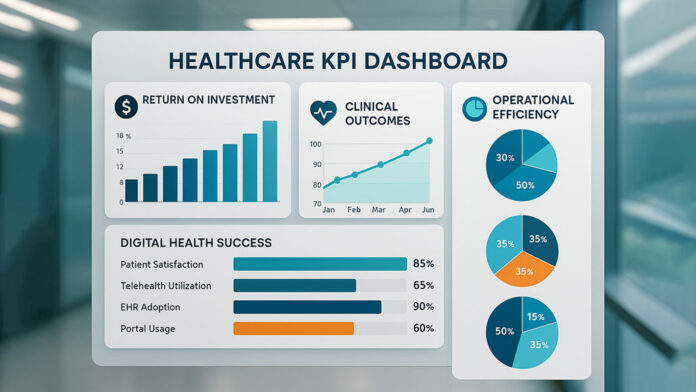
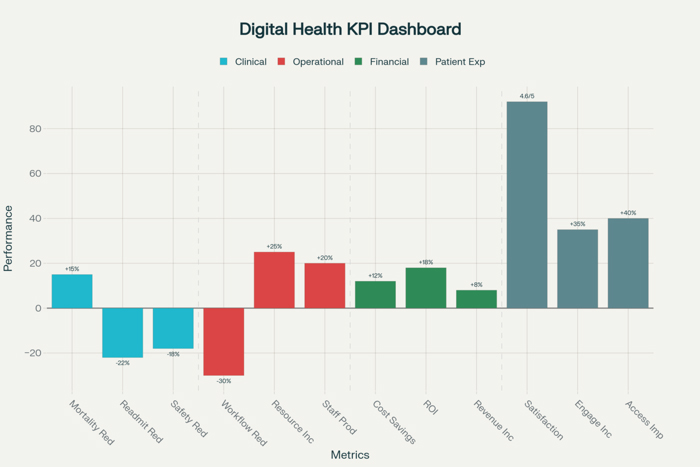
Digital Health KPI Dashboard and Performance Metrics
Successful measurement of digital health initiatives begins with comprehensive frameworks that define success criteria, establish measurement methodologies, and create systematic approaches for collecting, analyzing, and reporting performance data across multiple dimensions of healthcare delivery and organizational performance. These frameworks must address the unique characteristics of healthcare environments while providing practical guidance for measuring complex, interconnected technology initiatives that impact clinical care, operational efficiency, and strategic objectives simultaneously.
Strategic alignment assessment ensures that digital health measurement frameworks address organizational priorities, strategic objectives, and stakeholder expectations while providing evidence that technology investments support broader healthcare goals including quality improvement, cost management, patient satisfaction, and competitive positioning. This alignment should connect digital health metrics to organizational mission, vision, and strategic plans while demonstrating how technology initiatives contribute to overall organizational success.
Measurement hierarchy development establishes relationships between different levels of performance indicators including strategic metrics that address organizational objectives, operational metrics that track process efficiency and effectiveness, and tactical metrics that monitor specific technology performance and user adoption. This hierarchy should provide clear connections between high-level strategic goals and detailed operational measurements while enabling both executive oversight and operational management.
Stakeholder perspective integration ensures that digital health measurement frameworks address the diverse needs and interests of different stakeholder groups including patients, clinicians, administrators, and technology teams who may have different priorities and success criteria for digital health initiatives. These frameworks should provide relevant metrics for each stakeholder group while maintaining comprehensive assessment of overall program performance and value.
Baseline establishment and benchmarking create reference points for measuring improvement and comparing performance against industry standards, best practices, and peer organizations while providing context for interpreting measurement results. These baselines should capture pre-implementation performance levels while identifying appropriate comparison groups and benchmark data sources that support meaningful performance assessment.
Clinical Outcome and Quality Metrics
The measurement of clinical outcomes and quality improvements represents the most critical dimension of digital health KPIs metrics measurement because the ultimate value of healthcare technology must be demonstrated through improved patient health, enhanced care quality, and better clinical outcomes. These clinical metrics must address both process improvements and outcome enhancements while providing evidence that digital health investments translate into tangible benefits for patient care and health outcomes.
Patient outcome indicators measure the direct impact of digital health initiatives on health results including mortality rates, morbidity indicators, functional status improvements, quality of life measures, and disease-specific outcomes that reflect the effectiveness of technology-enhanced care delivery. These outcome metrics should address both short-term clinical improvements and long-term health benefits while controlling for confounding factors that might influence patient outcomes independent of digital health interventions.
Care quality metrics assess how digital health initiatives impact adherence to evidence-based care protocols, clinical guidelines, and quality standards while measuring improvements in care consistency, accuracy, and comprehensiveness. These quality indicators should address process measures such as medication administration accuracy, diagnostic test ordering appropriateness, and care coordination effectiveness that influence the likelihood of achieving desired patient outcomes.
Patient safety indicators specifically measure how digital health initiatives impact adverse events, medical errors, and safety-related incidents while assessing improvements in safety processes and risk mitigation strategies. These safety metrics should include medication error rates, hospital-acquired infection rates, patient fall incidents, and other safety events that digital health technologies are designed to prevent or reduce.
Clinical efficiency measures assess how digital health initiatives improve clinical workflow efficiency, reduce unnecessary procedures, and optimize resource utilization while maintaining or enhancing care quality. These efficiency indicators should address factors such as diagnostic turnaround times, treatment delay reductions, and care coordination improvements that demonstrate operational benefits of digital health investments.
Operational Performance and Efficiency Indicators
Digital health initiatives often generate significant operational improvements that must be measured and documented to demonstrate comprehensive value beyond clinical outcomes alone. Operational performance metrics address how technology investments impact healthcare delivery processes, resource utilization, staff productivity, and organizational efficiency while providing evidence of systematic improvements that support better patient care and cost management.
Workflow efficiency metrics measure improvements in care delivery processes including reduced documentation time, streamlined communication, automated routine tasks, and eliminated redundant activities that enable healthcare providers to focus more time and attention on direct patient care. These efficiency measures should quantify time savings, process improvements, and workflow optimization that result from digital health implementations.
Resource utilization indicators assess how digital health initiatives impact the use of hospital resources including staff time, equipment utilization, facility capacity, and supply consumption while identifying opportunities for optimization and cost reduction. These utilization metrics should address both direct resource impacts and indirect effects that result from improved efficiency and care coordination.
Staff productivity measurements evaluate how digital health technologies impact healthcare provider productivity including patient volume capacity, care delivery efficiency, and administrative task completion while assessing whether technology investments enable providers to deliver more effective care with available resources. These productivity indicators should address both quantitative output measures and qualitative assessments of work satisfaction and effectiveness.
Operational cost analysis examines how digital health initiatives impact direct operational expenses including labor costs, supply expenses, equipment utilization costs, and overhead allocations while identifying cost savings opportunities and efficiency gains. These cost measures should provide comprehensive assessment of financial impact while addressing both immediate cost effects and long-term operational benefits.
Patient Experience and Engagement Measurements
Patient experience and engagement metrics provide essential perspectives on digital health success because technology initiatives must ultimately serve patient needs and preferences while enhancing rather than complicating patient interactions with healthcare services. These patient-centered measurements address satisfaction levels, engagement patterns, and experience quality that reflect the patient perspective on digital health value and effectiveness.
Patient satisfaction indicators measure patient perceptions of digital health services including usability assessments, convenience ratings, communication quality evaluations, and overall satisfaction with technology-enhanced care delivery. These satisfaction measures should capture patient feedback on specific digital health tools while assessing overall impact on care experience quality and patient-provider relationships.
Digital engagement metrics track patient utilization of digital health services including portal usage rates, mobile application adoption, telemedicine participation, and self-service feature utilization while measuring engagement depth and frequency that indicate patient value perception and technology acceptance. These engagement indicators should provide insights into patient preferences and behavior patterns while identifying opportunities for enhancement and optimization.
Access and convenience measures assess how digital health initiatives improve patient access to healthcare services including reduced travel requirements, expanded service hours, shortened wait times, and enhanced appointment availability while measuring improvements in care accessibility for diverse patient populations. These access metrics should address both quantitative improvements and qualitative patient feedback on convenience and accessibility enhancements.
Patient empowerment and activation indicators evaluate how digital health tools enable patients to take more active roles in their care management including self-monitoring capabilities, educational resource utilization, care plan participation, and shared decision-making involvement. These empowerment measures should assess both patient capability development and actual engagement in self-care activities that support better health outcomes.
Financial Performance and Return on Investment
Comprehensive financial measurement of digital health initiatives requires sophisticated approaches that capture both direct cost impacts and indirect financial benefits while providing clear evidence of return on investment that justifies technology expenditures and supports continued investment in digital health capabilities. These financial metrics must address implementation costs, operational savings, revenue enhancements, and long-term financial benefits that result from digital health investments.
Implementation cost tracking provides detailed accounting of all expenses associated with digital health initiatives including technology acquisition, implementation services, training costs, infrastructure upgrades, and ongoing maintenance expenses while establishing comprehensive baselines for return on investment calculations. These cost measures should address both one-time implementation expenses and recurring operational costs that influence long-term financial performance.
Cost savings analysis identifies and quantifies financial benefits resulting from digital health initiatives including reduced labor costs, eliminated redundant processes, decreased supply expenses, and avoided costly complications while measuring efficiency gains that translate into direct cost reductions. These savings calculations should be based on documented process improvements and measured operational changes rather than theoretical projections.
Revenue impact assessment examines how digital health initiatives affect organizational revenue including increased patient volume, enhanced service offerings, improved billing accuracy, and reduced revenue cycle costs while identifying new revenue opportunities that result from technology capabilities. These revenue measures should address both direct revenue enhancements and indirect effects that support improved financial performance.
Return on investment calculations provide comprehensive assessment of financial value by comparing total implementation and operational costs against quantified benefits including cost savings, revenue enhancements, and productivity improvements while establishing payback periods and ongoing financial returns. These ROI calculations should address both short-term financial impacts and long-term strategic value that justify continued investment in digital health initiatives.
Technology Performance and Adoption Metrics
Digital health success depends heavily on technology performance and user adoption that must be measured and monitored to ensure that systems operate effectively while meeting user needs and expectations. Technology performance metrics address system reliability, functionality, and user experience while adoption measures track utilization patterns and user acceptance that influence overall program success.
System performance indicators measure technical aspects of digital health platforms including uptime percentages, response times, error rates, and capacity utilization while assessing whether technology infrastructure supports reliable and efficient operation. These performance measures should establish service level standards while providing continuous monitoring that identifies potential issues before they impact user experience or clinical operations.
User adoption tracking measures how healthcare providers and patients utilize digital health tools including login frequency, feature utilization rates, session duration, and user growth patterns while identifying factors that promote or inhibit technology acceptance. These adoption metrics should provide insights into user behavior and preferences while identifying opportunities for training, support, and system optimization.
Usability assessment evaluates user experience with digital health tools including interface design effectiveness, workflow integration success, learning curve requirements, and user satisfaction with system functionality while identifying areas requiring improvement or enhancement. These usability measures should combine quantitative usage data with qualitative user feedback to provide comprehensive assessment of user experience quality.
Integration effectiveness metrics assess how well digital health systems integrate with existing technology infrastructure including data exchange accuracy, workflow continuity, and interoperability performance while measuring the success of technology integration initiatives. These integration measures should address both technical performance and operational impact of system connectivity and data sharing capabilities.
Continuous Improvement and Optimization Strategies
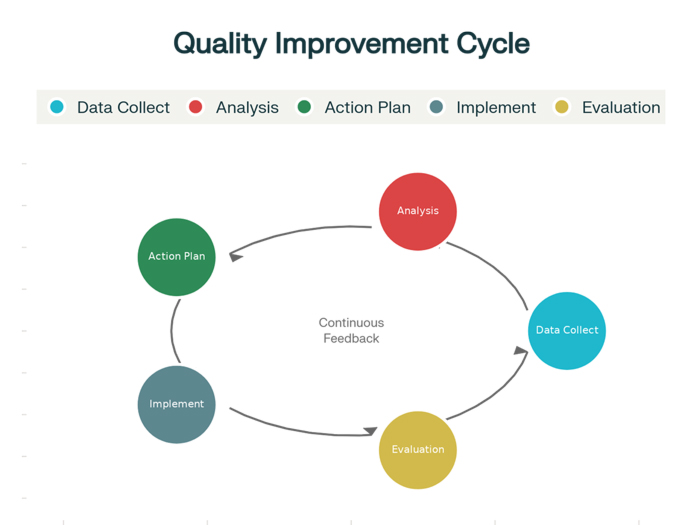
Effective measurement of digital health initiatives requires ongoing processes for analyzing performance data, identifying improvement opportunities, and implementing optimization strategies that enhance program effectiveness and value over time. These continuous improvement approaches must address both systematic performance monitoring and proactive enhancement initiatives that ensure digital health investments continue delivering value as conditions change and opportunities emerge.
Performance trend analysis enables healthcare organizations to identify patterns, trends, and changes in digital health performance over time while recognizing emerging issues and improvement opportunities before they impact program effectiveness. This trend analysis should examine multiple measurement dimensions simultaneously while providing predictive insights that guide proactive management and optimization efforts.
Benchmarking and comparative analysis provide context for digital health performance by comparing results against industry standards, best practices, and peer organizations while identifying opportunities for improvement and optimization based on successful approaches implemented elsewhere. These comparative approaches should address both performance levels and improvement methodologies while providing practical insights for enhancement initiatives.
Stakeholder feedback integration ensures that measurement results and improvement opportunities are informed by perspectives from patients, clinicians, administrators, and other stakeholders who interact with digital health systems while identifying enhancement priorities that address real user needs and preferences. This feedback integration should combine quantitative measurement data with qualitative stakeholder input to guide improvement initiatives.
Optimization planning and implementation establish systematic approaches for translating measurement insights into specific improvement actions while prioritizing enhancement opportunities based on impact potential, resource requirements, and strategic alignment. These optimization processes should provide structured approaches for implementing improvements while measuring the effectiveness of enhancement initiatives.
The future success of digital health initiatives depends increasingly on sophisticated measurement approaches that capture comprehensive value across clinical, operational, financial, and strategic dimensions while providing actionable insights that guide continued investment and optimization decisions. Healthcare organizations that develop and implement effective digital health KPIs metrics measurement capabilities position themselves to demonstrate value, optimize performance, and achieve sustained success in their technology investments while delivering superior patient care and operational excellence.
Patient Experience in the Digital Age: Technology’s Role in Satisfaction and Engagement
The landscape of healthcare delivery has been fundamentally transformed by digital technologies that reshape every aspect of the patient experience, from initial appointment scheduling and clinical consultations to ongoing care management and health monitoring. Patient experience digital age technology encompasses a comprehensive array of digital touchpoints, platforms, and services that influence how patients interact with healthcare systems, access medical information, communicate with providers, and manage their health and wellness throughout their care journey. This technological transformation extends far beyond simple digitization of existing processes to create entirely new paradigms for patient engagement that emphasize convenience, personalization, accessibility, and empowerment.
Modern patients arrive at healthcare encounters with elevated expectations shaped by their experiences with digital services in other industries, including banking, retail, and hospitality, where seamless digital interactions have become standard practice. These patients expect healthcare organizations to provide similarly intuitive, efficient, and personalized digital experiences that accommodate their preferences for communication, information access, and service delivery while maintaining the high-touch, compassionate care that defines quality healthcare relationships.
Hospital administrators and healthcare leaders increasingly recognize that patient experience digital age technology requires strategic approaches that balance technological innovation with human-centered care delivery while ensuring that digital enhancements support rather than replace the fundamental therapeutic relationships between patients and healthcare providers. The challenge lies in leveraging technology to remove friction, improve convenience, and enhance communication while preserving the empathy, trust, and personal connection that patients value most in their healthcare experiences.
Digital Patient Journey Mapping
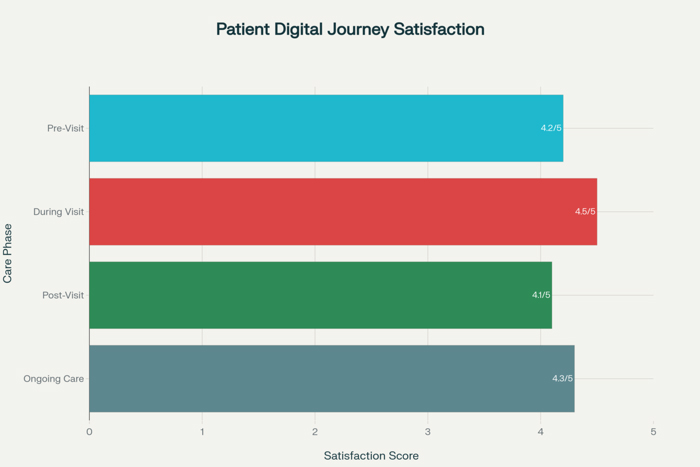
Digital Patient Experience Journey and Touchpoints
Understanding and optimizing the digital patient experience requires comprehensive mapping of patient journeys that identify all technological touchpoints, interactions, and opportunities for digital enhancement throughout the continuum of care. Digital patient journey mapping examines how patients discover healthcare services, schedule appointments, prepare for visits, engage during care encounters, and continue their health management between clinical interactions while identifying pain points, barriers, and opportunities for improvement through technology.
The pre-visit digital experience encompasses the initial patient interactions with healthcare organizations including online research, appointment scheduling, insurance verification, pre-registration, and care preparation activities that set expectations and influence patient satisfaction before any clinical encounter occurs. Digital optimization of these pre-visit processes can significantly impact patient perception and engagement while reducing administrative burden and improving operational efficiency.
During-visit digital experiences include technologies that enhance communication, streamline workflows, provide educational resources, and facilitate care coordination while patients are physically present in healthcare facilities. These technologies should enhance rather than interfere with clinical interactions while providing patients with greater access to information, more efficient service delivery, and improved communication with healthcare providers.
Post-visit digital engagement continues the patient relationship through follow-up communications, care plan management, medication adherence support, symptom monitoring, and ongoing health management activities that extend care delivery beyond traditional clinical encounters. These digital touchpoints provide opportunities for continued engagement while supporting patient self-management and preventive care initiatives that improve long-term health outcomes.
Omnichannel integration ensures that patients experience consistent, coordinated interactions across all digital and traditional touchpoints while maintaining continuity of information, preferences, and care history regardless of how they choose to engage with healthcare services. This integration requires sophisticated technology platforms and data management strategies that provide unified patient experiences across diverse interaction channels and communication methods.
Digital Communication and Engagement Platforms
Effective patient communication in the digital age requires sophisticated platforms that facilitate secure, convenient, and personalized interactions between patients and healthcare providers while accommodating diverse communication preferences and technological capabilities. Digital communication platforms must balance accessibility and usability with security and regulatory compliance while providing the functionality necessary for effective healthcare communication and care coordination.
Patient portal systems serve as central hubs for digital patient engagement by providing secure access to medical records, test results, appointment scheduling, medication management, and communication with healthcare providers. Modern patient portals must offer intuitive interfaces, mobile accessibility, and comprehensive functionality that enables patients to manage their healthcare digitally while maintaining security and privacy protections required by healthcare regulations.
Secure messaging capabilities enable efficient communication between patients and healthcare providers while reducing phone call volume, improving response times, and providing documented communication history that supports care coordination and continuity. These messaging systems must balance convenience with clinical workflow integration while ensuring that urgent medical concerns receive appropriate attention and response through established protocols.
Telemedicine and virtual care platforms expand access to healthcare services by enabling remote consultations, follow-up visits, and specialist consultations that reduce travel requirements and improve convenience for patients while maintaining quality clinical interactions. These platforms must provide reliable audio and video quality, user-friendly interfaces, and integration with Electronic Health Records while addressing licensing, reimbursement, and regulatory requirements for virtual care delivery.
Mobile health applications extend patient engagement beyond traditional healthcare settings by providing tools for symptom tracking, medication management, appointment reminders, educational content, and health monitoring that support continuous patient involvement in their care. These applications must provide value to patients while integrating with healthcare provider systems and maintaining security and privacy protections appropriate for health information.
Personalization and Patient-Centered Design
Digital patient experiences must be designed with deep understanding of patient needs, preferences, and capabilities while providing personalization options that accommodate diverse demographics, health conditions, and technological comfort levels. Patient-centered design approaches ensure that digital technologies enhance rather than complicate patient experiences while addressing accessibility requirements and usability considerations that enable all patients to benefit from digital healthcare services.
Personalization engines leverage patient data, preferences, and behaviors to customize digital experiences including content presentation, communication timing, educational resources, and service recommendations that align with individual patient needs and preferences. These personalization capabilities must balance customization with privacy protection while providing meaningful value that enhances patient engagement and satisfaction.
User experience design for healthcare applications requires specialized approaches that consider the unique context of healthcare interactions including emotional stress, privacy concerns, diverse user capabilities, and critical information needs that differ significantly from consumer applications in other industries. Healthcare user experience design must prioritize clarity, reliability, and accessibility while ensuring that digital interfaces support rather than impede effective healthcare communication and service delivery.
Accessibility considerations ensure that digital patient experiences accommodate patients with disabilities, varying technological literacy levels, and diverse linguistic and cultural backgrounds while providing equal access to digital healthcare services. These accessibility features must address visual, auditory, motor, and cognitive impairments while providing multilingual support and culturally appropriate content that serves diverse patient populations effectively.
Patient feedback and continuous improvement processes enable healthcare organizations to refine and optimize digital patient experiences based on actual user feedback, usage patterns, and satisfaction measures while identifying opportunities for enhancement and addressing problems that impact patient experience quality. These feedback mechanisms should provide multiple channels for patient input while establishing systematic processes for incorporating feedback into digital experience improvements.
Data Analytics and Experience Optimization
Understanding and improving patient experience digital age technology requires sophisticated analytics capabilities that track patient interactions, measure satisfaction levels, identify experience gaps, and provide insights for optimization initiatives. Digital experience analytics must combine quantitative usage data with qualitative feedback to create comprehensive understanding of patient experience while supporting evidence-based improvement strategies.
Patient experience metrics for digital services should encompass usability measures, satisfaction scores, engagement levels, completion rates, and outcome indicators that reflect the effectiveness of digital touchpoints in supporting patient goals and preferences. These metrics must provide actionable insights for improvement while enabling benchmarking and performance tracking over time.
Journey analytics examine patient pathways through digital services to identify bottlenecks, abandonment points, and friction areas that impact patient experience while revealing opportunities for streamlining and optimization. These analytical approaches should track patient behavior across multiple touchpoints while identifying patterns and trends that inform experience design and improvement initiatives.
Predictive analytics for patient experience can anticipate patient needs, identify at-risk patients, and recommend personalized interventions that enhance engagement and satisfaction while preventing negative experiences before they occur. These predictive capabilities should leverage patient data, historical patterns, and behavioral indicators to provide proactive support and personalized care recommendations.
Real-time monitoring and alerting systems enable healthcare organizations to identify and respond to patient experience issues immediately while providing opportunities for service recovery and relationship preservation when problems occur. These monitoring systems should track key experience indicators while providing automated alerts and escalation procedures that ensure timely response to patient concerns and technical issues.
Integration with Clinical Workflows
Successful patient experience digital age technology requires seamless integration with clinical workflows and provider systems to ensure that digital patient interactions enhance rather than complicate care delivery while providing healthcare providers with the information and tools necessary for effective patient communication and care coordination. This integration must balance patient convenience with clinical efficiency while maintaining the quality and safety standards that define effective healthcare delivery.
Electronic Health Record integration ensures that patient interactions through digital channels are documented appropriately and accessible to healthcare providers during clinical encounters while maintaining comprehensive patient records that support care continuity and quality. This integration should provide bidirectional information flow that enables providers to access patient-generated data while ensuring that clinical information is available through patient-facing digital services.
Clinical decision support integration enables digital patient experiences to provide personalized health information, care recommendations, and educational content that aligns with individual patient conditions and treatment plans while supporting evidence-based care delivery. These decision support capabilities should leverage clinical protocols and guidelines while providing patient-appropriate information that supports informed decision making and self-management.
Care team coordination through digital platforms enables healthcare providers to collaborate effectively around patient care while keeping patients informed and engaged in care planning and execution. These coordination capabilities should support multidisciplinary communication while providing patients with visibility into their care team and care plan while maintaining appropriate privacy and security protections.
Workflow optimization through digital patient services should reduce administrative burden on healthcare providers while improving efficiency and enabling more time for direct patient care activities. These optimizations should address documentation requirements, communication management, and routine care tasks while ensuring that digital solutions enhance rather than complicate clinical workflows and provider productivity.
Security, Privacy, and Regulatory Compliance
Patient experience digital age technology must address complex security, privacy, and regulatory requirements that protect patient information while enabling the digital interactions and data sharing necessary for effective digital healthcare experiences. These security and compliance considerations must be built into digital systems from the ground up while maintaining usability and accessibility that enables positive patient experiences.
HIPAA compliance for digital patient services requires comprehensive approaches to data protection, access controls, audit logging, and privacy safeguards that meet healthcare regulatory requirements while enabling the digital functionality necessary for effective patient engagement. These compliance measures must be implemented transparently to patients while providing assurance that their health information is protected appropriately.
Cybersecurity measures for patient-facing digital services must protect against threats including data breaches, identity theft, and system compromise while maintaining system availability and performance that supports reliable patient access to digital healthcare services. These security measures should be implemented without creating barriers to legitimate patient access while providing robust protection against evolving cyber threats.
Consent management systems enable patients to control how their health information is used for digital services while providing transparency about data collection, usage, and sharing practices that affect their digital healthcare experiences. These consent systems should provide granular control options while maintaining usability that enables patients to make informed decisions about their privacy preferences.
Data governance frameworks for patient digital services establish policies, procedures, and oversight mechanisms that ensure appropriate collection, use, and protection of patient data while supporting the digital functionality necessary for effective patient engagement. These governance frameworks should address data quality, access controls, retention policies, and usage monitoring while maintaining compliance with applicable regulations and ethical standards.
Measuring Success and Return on Investment
Demonstrating the value and impact of patient experience digital age technology requires comprehensive measurement frameworks that assess patient satisfaction, engagement outcomes, operational efficiency, and financial performance while providing evidence for continued investment in digital patient experience initiatives. These measurement approaches must capture both quantitative metrics and qualitative feedback while addressing short-term improvements and long-term strategic benefits.
Patient satisfaction measurement for digital services should encompass usability assessments, satisfaction surveys, net promoter scores, and qualitative feedback that reflect patient perceptions and experiences with digital healthcare services. These satisfaction measures should be tracked over time while enabling comparison with traditional service delivery methods and industry benchmarks.
Engagement metrics track patient utilization of digital services, feature adoption rates, session duration, and repeat usage patterns that indicate the value and effectiveness of digital patient experience initiatives. These engagement measures should provide insights into patient preferences and behavior while identifying opportunities for optimization and enhancement.
Operational impact measurement assesses how digital patient services affect healthcare delivery efficiency, staff productivity, resource utilization, and cost management while identifying benefits that extend beyond direct patient experience improvements. These operational measures should capture both direct cost savings and indirect efficiency gains while providing evidence of organizational value from digital patient experience investments.
Clinical outcome indicators examine whether digital patient engagement translates into improved health outcomes, better care adherence, reduced complications, and enhanced care quality while demonstrating the clinical value of patient experience technology investments. These outcome measures should establish connections between digital engagement and health improvements while controlling for other factors that influence patient outcomes.
The evolution of patient experiences digital age technology continues accelerating as new technologies emerge, patient expectations evolve, and healthcare delivery models adapt to changing conditions. Healthcare organizations that successfully implement comprehensive digital patient experience strategies position themselves to deliver superior patient satisfaction while achieving operational efficiencies and competitive advantages that support long-term success in an increasingly digital healthcare marketplace.
Data-Driven Quality Improvement: Using Analytics to Enhance Patient Outcomes
The transformation of healthcare quality improvement from intuition-based approaches to sophisticated data-driven methodologies represents one of the most significant advances in modern healthcare management, fundamentally changing how hospitals identify opportunities, implement improvements, and measure success in patient care delivery. Data driven quality improvement healthcare initiatives leverage the vast amounts of information generated by Electronic Health Records, clinical monitoring systems, patient feedback platforms, and operational databases to create comprehensive insights that guide evidence-based decision making and targeted interventions that directly impact patient outcomes, safety, and satisfaction.
The evolution toward data-driven approaches has been accelerated by advances in healthcare analytics, artificial intelligence, and data visualization technologies that make it possible to process enormous volumes of complex healthcare data and extract actionable insights that were previously hidden within disparate information systems. Modern healthcare organizations generate terabytes of data daily through clinical documentation, diagnostic testing, medication administration, patient monitoring, and operational activities, creating unprecedented opportunities for quality improvement when this information is properly collected, analyzed, and applied to improvement initiatives.
Hospital administrators and quality improvement professionals increasingly recognize that successful implementation of data driven quality improvement healthcare programs requires sophisticated strategies that address data collection, analysis methodologies, visualization techniques, and organizational change management while ensuring that analytical insights translate into practical improvements in clinical practice and patient outcomes. The complexity of healthcare data environments, combined with the critical importance of patient safety and care quality, demands comprehensive approaches that balance analytical rigor with clinical practicality and regulatory compliance requirements.
Foundations of Healthcare Data Analytics
The foundation of effective data driven quality improvement healthcare lies in comprehensive understanding of the diverse data sources, types, and characteristics that define modern healthcare information environments. Healthcare organizations generate data through multiple channels including Electronic Health Records, laboratory information systems, pharmacy management systems, medical imaging platforms, patient monitoring devices, and administrative systems that each contribute unique perspectives on patient care processes and outcomes.
Clinical data encompasses the comprehensive information collected during patient care episodes, including medical histories, diagnostic test results, treatment plans, medication records, vital signs, and clinical observations that provide detailed insights into care quality, safety events, and patient outcomes. This clinical data serves as the primary source for quality improvement analytics because it directly reflects the care processes and results that quality initiatives seek to improve.
Operational data includes information about hospital processes, resource utilization, workflow efficiency, and performance metrics that influence the ability to deliver high-quality care consistently. This operational data helps identify bottlenecks, inefficiencies, and resource constraints that may impact care quality while providing insights for process improvement and resource optimization initiatives.
Patient-reported outcome measures and satisfaction data provide critical perspectives on care quality from the patient viewpoint, capturing information about symptoms, functional status, quality of life, and care experiences that may not be reflected in traditional clinical measures. This patient-centered data helps ensure that quality improvement efforts address outcomes that matter most to patients while providing balanced perspectives on care effectiveness.
The integration of diverse data sources presents both opportunities and challenges for healthcare analytics because different systems often use varying data formats, coding standards, and documentation practices that must be harmonized to create comprehensive analytical datasets. Successful data integration requires sophisticated approaches to data standardization, quality assessment, and validation that ensure analytical results are accurate, reliable, and clinically meaningful.
Analytics Methodologies and Statistical Approaches
Effective data driven quality improvement healthcare requires sophisticated analytical methodologies that can extract meaningful insights from complex healthcare datasets while addressing the unique characteristics and challenges associated with medical data analysis. These methodologies must account for factors such as data completeness, temporal relationships, confounding variables, and clinical significance while providing actionable insights that support practical improvement initiatives.
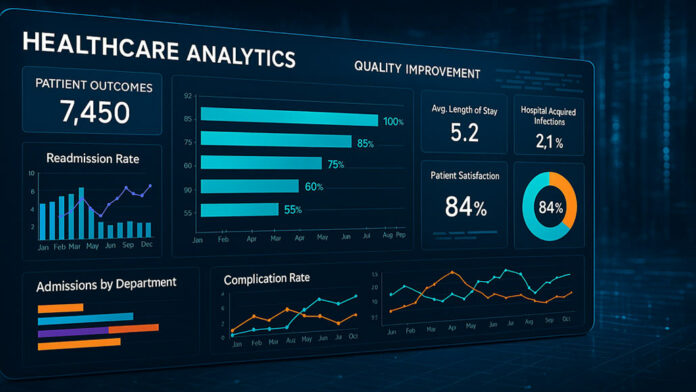
Descriptive analytics provide fundamental insights into current performance by summarizing historical data, identifying trends, and establishing baseline measurements that serve as starting points for quality improvement efforts. These analytical approaches include statistical summaries, trend analysis, benchmarking comparisons, and performance dashboards that help healthcare organizations understand their current quality performance while identifying areas requiring attention or improvement.
Predictive analytics leverage historical data patterns to forecast future outcomes, identify patients at risk for adverse events, and anticipate quality problems before they occur. These approaches include machine learning algorithms, risk prediction models, and early warning systems that enable healthcare organizations to implement proactive interventions that prevent quality issues rather than responding to problems after they have already impacted patient care.
Diagnostic analytics investigate the root causes of quality problems by examining relationships between different variables, identifying contributing factors, and understanding the mechanisms that lead to adverse outcomes or performance gaps. These analytical approaches help healthcare organizations move beyond symptom treatment to address underlying causes that drive quality issues while ensuring that improvement interventions target the most significant contributing factors.
Prescriptive analytics recommend specific actions and interventions based on analytical insights while considering constraints, resources, and potential outcomes associated with different improvement strategies. These advanced analytical approaches combine multiple data sources and analytical techniques to provide actionable recommendations that guide quality improvement decision making while optimizing the likelihood of successful outcomes.
Quality Metrics and Performance Indicators
The selection and definition of appropriate quality metrics represents a critical component of data driven quality improvement healthcare because these measures determine what aspects of care quality are monitored, analyzed, and targeted for improvement. Effective quality metrics must balance comprehensiveness with practicality while addressing clinical outcomes, patient safety, care processes, and patient experiences that collectively define healthcare quality.
Clinical outcome metrics focus on the results of medical care including mortality rates, complication rates, infection rates, readmission rates, and functional status improvements that directly reflect the effectiveness of clinical interventions and care processes. These outcome measures provide essential evidence of quality performance while serving as ultimate targets for improvement initiatives that seek to enhance patient health and well-being.
Process quality indicators measure adherence to evidence-based care protocols, clinical guidelines, and best practices that have been demonstrated to improve patient outcomes when implemented consistently. These process measures include medication administration accuracy, documentation completeness, care coordination effectiveness, and protocol compliance rates that influence the likelihood of achieving desired clinical outcomes.
Patient safety metrics specifically focus on adverse events, near misses, and safety-related incidents that could harm patients or compromise care quality. These safety indicators include medication errors, hospital-acquired infections, patient falls, surgical complications, and other events that represent failures in safety systems and processes that protect patients from harm.
Patient experience measures capture patient perceptions, satisfaction levels, and reported experiences with healthcare services including communication quality, care coordination, respect for preferences, and overall satisfaction with care received. These patient-centered metrics ensure that quality improvement efforts address aspects of care that matter most to patients while providing balanced perspectives on care quality beyond clinical measures alone.
Data-Driven Quality Improvement Cycle
Data Collection and Management Strategies
Successful data driven quality improvement healthcare requires robust data collection and management strategies that ensure information quality, accessibility, and usability for analytical purposes while maintaining patient privacy and regulatory compliance. These strategies must address data collection processes, storage systems, quality assurance procedures, and governance frameworks that support reliable and effective quality improvement analytics.
Automated data collection systems leverage Electronic Health Records, medical devices, and clinical information systems to capture quality-related data continuously and consistently without requiring additional manual documentation from healthcare providers. These automated approaches improve data completeness and accuracy while reducing the burden on clinical staff while ensuring that quality metrics are based on comprehensive and reliable information.
Data quality assurance processes establish systematic approaches for identifying and correcting data errors, inconsistencies, and omissions that could compromise analytical results and quality improvement decisions. These processes include data validation rules, automated quality checks, regular audits, and correction procedures that ensure analytical datasets meet standards for accuracy, completeness, and reliability necessary for effective quality improvement.
Data governance frameworks establish policies, procedures, and oversight mechanisms that ensure appropriate access, use, and protection of healthcare data used for quality improvement purposes while maintaining compliance with privacy regulations and ethical standards. These governance structures address data access controls, usage policies, privacy protections, and accountability mechanisms that enable effective quality improvement while protecting patient information.
Real-time data integration capabilities enable healthcare organizations to access current information for quality monitoring and immediate intervention when quality issues are identified. These capabilities include data streaming technologies, real-time dashboards, and automated alerting systems that provide timely information for quality improvement while enabling rapid response to emerging quality concerns.
Analytical Tools and Technology Platforms
The effectiveness of data driven quality improvement healthcare depends heavily on analytical tools and technology platforms that can process large volumes of healthcare data, perform sophisticated analyses, and present results in formats that support decision making and action taking by healthcare professionals. These technology solutions must balance analytical power with usability while providing the performance, security, and integration capabilities necessary for healthcare environments.
Business intelligence platforms provide comprehensive analytical capabilities including data integration, statistical analysis, visualization, and reporting functions that support various aspects of quality improvement analytics. These platforms enable healthcare organizations to combine data from multiple sources, perform complex analyses, and create interactive dashboards and reports that make analytical insights accessible to different user groups with varying technical expertise.
Statistical analysis software offers specialized capabilities for advanced analytical techniques including predictive modeling, risk adjustment, outcome analysis, and comparative effectiveness research that support sophisticated quality improvement initiatives. These tools provide the statistical rigor necessary for healthcare analytics while offering the flexibility to address diverse analytical requirements and research questions that arise in quality improvement work.
Visualization and dashboard technologies translate complex analytical results into intuitive visual formats that enable healthcare professionals to understand quality performance, identify trends, and recognize opportunities for improvement quickly and effectively. These visualization tools should provide interactive capabilities that enable users to explore data, drill down into details, and customize views based on their specific roles and responsibilities.
Cloud-based analytics platforms offer scalability, flexibility, and cost-effectiveness advantages for healthcare organizations seeking to implement sophisticated quality improvement analytics without substantial infrastructure investments. These platforms must address healthcare-specific requirements for security, compliance, and integration while providing the analytical capabilities and performance necessary for effective quality improvement programs.
Implementation Strategies and Change Management
The successful implementation of data driven quality improvement healthcare requires comprehensive strategies that address not only technical and analytical considerations but also organizational change management, workflow integration, and cultural transformation necessary for widespread adoption and sustained success. These implementation strategies must balance analytical sophistication with practical usability while ensuring that data-driven approaches enhance rather than complicate existing quality improvement processes.
Stakeholder engagement throughout the implementation process ensures that quality improvement analytics address the needs and priorities of diverse user groups including physicians, nurses, quality professionals, administrators, and other healthcare team members who will utilize analytical insights in their work. Early involvement of these stakeholders helps identify requirements, address concerns, and build support for data-driven approaches while ensuring that analytical solutions align with actual workflow needs and priorities.
Training and education programs enable healthcare professionals to develop the skills and knowledge necessary for effectively utilizing quality improvement analytics while building confidence in data-driven decision making. These programs should address both technical skills for using analytical tools and conceptual understanding of quality improvement methodologies while providing practical experience with real-world applications and case studies.
Workflow integration strategies ensure that quality improvement analytics become embedded in routine operational processes rather than remaining separate analytical activities that compete for attention and resources. These integration approaches should identify natural connection points between analytical insights and existing quality improvement workflows while minimizing disruption to established processes and procedures.
Performance monitoring and feedback systems track the adoption and impact of data-driven quality improvement initiatives while identifying opportunities for optimization and refinement. These monitoring systems should measure both usage metrics for analytical tools and improvement outcomes resulting from data-driven interventions while providing feedback that guides continued development and enhancement of quality improvement analytics programs.
Measuring Impact and Continuous Improvement
The long-term success of data driven quality improvement healthcare initiatives depends on systematic approaches to measuring impact, demonstrating value, and continuously refining analytical approaches based on experience and changing requirements. These measurement and improvement processes must address both the effectiveness of analytical methods and the clinical outcomes achieved through data-driven quality improvement while providing evidence that justifies continued investment and expansion of analytics capabilities.
Outcome measurement frameworks establish systematic approaches for tracking the clinical, operational, and financial impacts of data-driven quality improvement initiatives while providing evidence of program effectiveness and return on investment. These frameworks should include both short-term process improvements and long-term outcome enhancements while accounting for confounding factors and alternative explanations for observed changes.
Benchmarking and comparative analysis enable healthcare organizations to assess their quality improvement analytics performance against industry standards, best practices, and peer organizations while identifying opportunities for enhancement and optimization. These comparative approaches provide context for performance evaluation while highlighting successful strategies and approaches that can be adopted or adapted for local implementation.
Continuous improvement processes for quality improvement analytics ensure that analytical methods, tools, and approaches evolve based on experience, feedback, and changing requirements while maintaining focus on practical application and clinical value. These improvement processes should include regular review cycles, user feedback collection, and systematic updates to analytical approaches based on lessons learned and emerging best practices.
Innovation and advancement strategies help healthcare organizations stay current with evolving analytical technologies, methodologies, and applications while identifying opportunities to enhance their quality improvement capabilities through adoption of new approaches and technologies. These strategies should balance proven methods with experimental approaches while ensuring that innovation efforts align with organizational priorities and resource constraints.
The path forward for data driven quality improvement healthcare requires sustained commitment to comprehensive analytical programs that combine sophisticated technology capabilities with practical application strategies and organizational change management while maintaining focus on improved patient outcomes and care quality. Organizations that successfully implement these approaches achieve significant advantages in quality performance while building capabilities that support continued improvement and innovation in patient care delivery.