








Close
Digital Health & Ai Innovation summit 2026
Medical Taiwan 2026

UK healthcare scaleup chosen for exclusive tech programme

Crowdfunding supports medical students amid a nationwide doctor shortage

Navenio, the healthcare scaleup whose location-based technology has revolutionised workflows and has been shown to double the throughput of hospital teams, has been selected to join Tech Nation’s Upscale 6.0 programme.

The programme which is entering its sixth year accelerates the growth of successful scaleups, and has amassed an incredible network of 160 alumni, including the likes of Monzo, Just Eat, and Bulb. Upscale 6.0 coaches the cohort over 6 months, providing them with access to experts and entrepreneurs, while offering their scaleup more exposure and networking opportunities.

Navenio, who recently received Series A funding, along with notable investment from Future Planet Capital and multiple grants from Innovate UK, was one of six health-related scaleups chosen for this prestigious programme. Navenio is a spin-out of Oxford University, provides infrastructure-free indoor location solutions, the equivalent of GPS for use indoors, to power a range of apps and platforms in sectors including healthcare.

Tim Weil, CEO, Navenio commented: “Myself and Niki Trigoni, Navenio’s CTOand co-founder,and the entire team are delighted to join Tech Nation’s Upscale programme this year. The past year has seen immense pressure applied to the NHS, hospitals, and our healthcare teams. Our sole focus has been to deliver technology that helps professionals battle the pandemic. To be included in this accelerator programme will of course help us develop our technology even further, providing support to those that need it most…”

Liam Ward, Upscale’s Programme lead commented: “Navenio’s inclusion in this year’s cohort is very exciting, and we look forward to being a part of their growth over the next 6 months. They along with the other 32 scaleups will enjoy support, practical advice, exposure opportunities, and healthy network, that will hopefully continue to help them revolutionise their sectors. We look forward to working with the Navenio team to support their exciting scaling journey.”

Tim Weil also added: “We are delighted to be recognise for the impact that Navenio is having on the healthcare sector. The 6-month programme will allow the team explore challenges at a leadership level, gain exposure, and increase our network with seasoned entrepreneurs and experts. It will provide us with support as we, and the rest of the country, continue to fight the pandemic which has overwhelmed many of the UK’s healthcare resources.”

About Navenio
Navenio was spun out of the University of Oxford in 2015 and has an established team of more than 60 people which continues to grow. Navenio is a finalist in the KPMG British Tech Pioneers 2020 Programme and its technology has won both commercial and academic awards. Navenio’s location technology is developed from world-class University of Oxford science. In brief, using only a smartphone’s sensors, the fusion of four unique technologies creates a highly scalable indoor location, providing actionable insight immediately. Privacy and security are inherent within the Navenio technology and the company is Cyber Essentials certified, GDPR and NHS Data Security and Protection Toolkit compliant.


5 Ways to Reduce General Practice Workload

5 Ways to Reduce General Practice Workload

In the current climate, with COVID-19 affecting our livelihoods and how we work and live, there is a massive strain on key workers around the world. People are feeling the pressure to remain safe while going about their lives and adapting to lockdowns and new rules and regulations. We are learning to work remotely, self-isolate, and reduce the spreading of the virus.

But this isn’t always possible. The coronavirus is still very much a threat, and while the vaccination is slowly being administered, there are huge amounts of pressure still being placed on hospitals, clinics and healthcare workers worldwide. Before the coronavirus, healthcare workers were already overworked and found themselves battling against mountains of admin while seeing to a long list of patients. Therefore, finding solutions to help reduce general practice workload is essential. Here are 5 ways to help healthcare workers.

1.   Invest in Software

Too much admin can make the workday a lot longer and a lot less enjoyable. For doctors and nurses, it can also eat into their time that is better spent seeing to and speaking with patients. There are many medical software packages on the market to streamline general practices so that healthcare staff can reduce the time spent on paperwork and make an impact on their patients instead. MedicalDirector offers the best practice management software on the market, with its easy-to-use interface that is in tune to how doctors and GPs think. They offer two world-class practice management solutions: The Helix and the Pracsoft. Both allow easy scheduling, billing, and have patient-centric workflows to help improve clinical tasks.

2.   Hire Talented Staff Members

Always be on the lookout for talented staff members who can bring unique and useful skills to the team. For example, hire receptionists who are good at communicating, personable, and who can get to grips with medical software quickly. Receptionists are the first faces many patients see, so you will want to hire someone who is friendly and inviting, and who can quickly make appointments and get through the queue. Likewise, you will want to hire pharmacists who are qualified and well-organised.

3.   Brief Your Staff

Gather your team each morning and brief them on any meetings or unusual situations that may be happening that day. Communicating with your whole team (receptionists, pharmacists, doctors, nurses, etc.) will help ensure that everyone is working on the same page and can liaise with one another if it helps get the job done quickly and properly.

Take the time to look through the schedule and see which patients are booked in with an appointment. For instance, if there are new patients, then you may have to help them set up an account. This means receptionists will need to spare some time to help the patient do this. You may also recognise certain names that are known for being no-shows. This could present you with an opportunity to finish some paperwork.

4.   Keep the Pharmacy Organised

Ensure that all medicines are labelled properly and stored in the correct place. You will also want to ensure that your pharmacists are doing regular inventory and ordering in the supplies before they run low and are completely gone. You can streamline your pharmacy by having regular assigned hours so that pharmacists can check stock levels and spend the right amount of time ordering the correct supplies. You should also invest in software that makes it easier for doctors to send across prescriptions to the pharmacy, a printer so that labels and instructions can be printed easily, and have a card machine and/or till so that patients can pay for their medication easily and quickly.

5.   Check that Exam Rooms Are Properly Prepared

An unprepared exam room can make examinations much longer, but it can also cause frustrations for the patient who may be anxious and/or stressed. Remember that patient care and ensuring that they are comfortable and as relaxed as possible is your main priority, and an exam room that is ready for the next patient can make it a much more pleasant experience.

Check that all exam rooms are stocked with the correct equipment. If there is a patient coming in for a blood test, then make sure that you have the proper kit to make the process as quick and seamless as possible. Exam rooms should be checked at the end of the day, in the morning, and mid-day. It is easy to lose equipment, so regular check-ins can help keep you on top of your responsibilities and help you save time.

General practices should be as efficient and streamlined as possible. This can make it easier for the healthcare workers, but it can also make the experience a lot less stressful for patients. There are a lot of moving parts, however, so ensure that you have the correct software to help with admin and hire the right staff so that responsibilities are completed in plenty of time and to a high quality.

3 ways to access the best medical care when you’re traveling

3 ways to access the best medical care when you're traveling

When you’re traveling within the US, it’s relatively simple to access great medical care, even when you’re far from home. If you get taken sick, unexpectedly, and need to consult a medical professional, using the network of your usual healthcare provider is the first option. Alternatively, if you want to locate, for example, the ‘best doctors in Oklahoma’, a quick online search will bring up sites listing groups and independent specialists.

However, if you’re planning a trip overseas for work or just vacation, it’s wise to consider what you would do if you found yourself in need of unplanned medical care. What precautions should you take, and how can you find accredited medical professionals?.  Take these simple precautions to ensure you’re well-prepared.

At least four weeks before you travel, seek professional information about any specific risks related to your destination, as well as general travel advice.  You can find this on the Center for Disease Control, as well as most embassy websites.

Check your insurance

Before you travel check that your existing policy will cover you when you’re outside the USA, and what the policy is on pre-existing conditions.  Also, it’s vital to understand whether you’ll have to pay at the time of treatment, and reclaim the costs later?  The answers to these questions can have major implications if you need to seek medical care.

If you’re traveling on vacation will your regular medical insurance provider cover you for sports accidents? What if you need medical evacuation? While of course, these scenarios are unlikely to happen, if they do, it’s good to know exactly what you can access. It’s also essential to take out specific travel insurance which will cover your costs in case of emergencies.

Seek accredited providers

Especially in these times of pandemic, ensure you stay up to date about any travel restrictions imposed by the country you’re visiting.

Look for medical providers with international accreditation, for example, the International Society for Quality in Healthcare, to ensure they meet the highest standards in terms of care and facilities.

Depending on the country you’re traveling to, ensure that you’ll be able to access a network where the professionals can communicate in English. There’s no point in heading to the best doctor if you can’t understand each other clearly.

Medical records

Ensure you can access copies, including everything relevant to any condition, or allergies, that you have. Also, take details of any prescriptions and a list of all medicines you use.

If you seek medical assistance during your travel, ensure that you get copies of all your treatment records before you return home.

To summarize, the key to obtaining the best medical care when you’re traveling is to be well-prepared.  Don’t leave it until you need care, and have to start searching – or worse, have to put yourself in the hands of an unaccredited doctor. Your medical practitioners, the insurance company, and embassy websites are all great sources of information, so make sure everything’s in place before you go. Then, relax and enjoy your trip!

Thailand’s Siriraj Hospital partners with NTT and Cisco to use telemedicine for rapid treatment of stroke

Thailand's Siriraj Hospital partners with NTT and Cisco to use telemedicine for rapid treatment of stroke

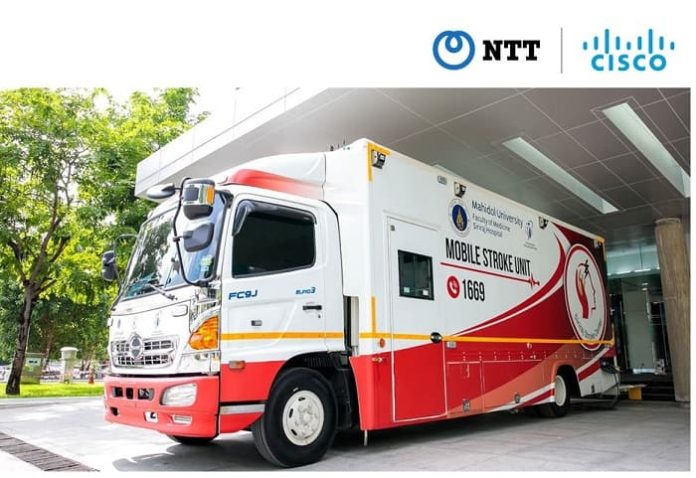
Global technology services provider companies NTT and Cisco has partnered with Siriraj Hospital, Thailand’s biggest public hospital to use telemedicine to enable rapid treatment for stroke patients.

Known as the Siriraj Mobile Stroke Unit, this special ambulance connects the first responders in the ambulance to the experts at the hospital. This allows doctors to provide immediate attention, medical treatment, and diagnosis to patients during their transfer to the hospital. In service since 2018, the Siriraj Mobile Stroke Unit has helped 380 stroke patients receive emergency medical treatment in Thailand so far.

Equipped with Medical Image Transfer with a high-speed multicellular router and essential medical equipment such as CT scanner, the Mobile Stroke Unit facilitates the medical team to scan the patient’s brain and send high-resolution images from the ambulance to the doctors for rapid diagnosis.

Cisco Telepresence video conferencing system was integrated to enable doctors to fully assess the patient’s condition and provide remote advice to the first responders allowing them to prepare the best treatment possible. Cisco WebEx on the other hand, facilitates the mobile and hospital-based teams to collaborate and work seamlessly for the optimal outcome.

Last December, Huawei (Thailand) and Faculty of Medicine, Siriraj Hospital, under Mahidol University, signed the 5G Powered Smart Hospital Enabled with Cloud and AI Memorandum of Understanding (MoU) to establish a smart platform that will enhance innovative medical services, Healthcare IT News reported. Siriraj Hospital is also the first hospital in Southeast Asia to deploy two NVIDIA DGX A100 systems for medical research and clinical applications.

Dr Prasit Watanapa, Dean of the Faculty of Medicine, Siriraj Hospital Mahidol University said, “Siriraj Mobile Stroke Unit demonstrates how technology is transforming healthcare. With a more stable and reliable communication system, our doctors can now have quicker access to accurate information such as brain scan images to make quality diagnosis and improve patient treatment.”

“NTT believes in using technology for good and we are honored to help Siriraj Hospital provide better care to patients. We understand the importance of timely treatments in stroke patients, which can sometimes be difficult with Bangkok’s frequent traffic congestions. We have already installed these technologies in the first mobile stroke unit and are set to extend Siriraj Hospital’s fleet of mobile stroke units by five this year,” said Sutas Kongdumrongkiat, CEO of NTT Ltd. in Thailand.

Taveewat Chantaraseno Country Manager (interim), Thailand and Indochina Cisco Systems (Thailand) added, “We are proud to have a joint partnership with NTT which makes the best use of remote telemedicine technology to provide first-class care for the Siriraj Mobile Stroke Unit. Through this partnership, we will offer a new way to help stroke patients receive emergency medical care when time is of the essence for their recovery. This will help give patients a greater opportunity to recover and return to their normal lives.”


New joint venture to propel digital healthcare solutions in France

Digital Health

The throng of multinational tech, comms, consulting and insurance companies will pool their resources – including their technologies, expertise and data – and work with selected startups to create a healthcare ‘ecosystem’ made up of digital solutions that improve the quality, security, accessibility and productivity of healthcare in France.

Announced by French President Emmanuel Macron in late January, the initiative aims to strengthen the international positioning of France in digital healthcare. The founding partners are planning an initial investment of €24 million for the new joint venture, which will be operational from June 2021 for the virtual platform and December 2021 for the physical platform.

New venture to involve a multitude of public and private players

Among the companies to be involved in the creation of the healthcare ecosystem, in addition to the four founding companies (Sanofi, Capgemini, Generali and Orange), are around a hundred French and European startups, players in the healthcare, technology and insurance sectors, public and private hospitals, patient associations, regulators, schools and universities.

“The strength of this alliance is based on the fact that the entire ecosystem will simultaneously focus on the same commitment, which will limit the dispersion of energy and increase the chances of success and creation of value for patients and the entire sector,” a press release reads.

Generali customers to benefit from the new ecosystem

“Through this alliance, our motivation as an insurer and assistance provider is to participate in an innovative and powerful ecosystem that will help model the healthcare solutions of the future and to work on new technologies and innovative services for patients. The insurance business works on the basis of statistics drawn from a large volume of anonymised data reaching back over several decades. This can be made available to startups to fuel their search for solutions,” explained Jean-Laurent Granier, CEO of Generali France and Chairman of Europ Assistance. “As an historical player in the healthcare market, nationally and internationally, Generali wishes to actively contribute to the creation and running of this unique ecosystem in France and Europe, in collaboration with other leading international companies in their sector.”

Digital health solutions were also identified as being key to improving patient care abilities, as well as reducing healthcare costs, over in Asia and the Middle East.


Anthem Inc Has Started A Digital Incubator For Innovative Healthcare Solutions

Digital India Health Summit & Innovation Awards

Anthem Inc, one of the world’s largest healthcare solutions company, is venturing into healthcare innovation through its Anthem Digital Incubator platform.

Earlier this month, Anthem’s Staff Vice President of Digital Care Delivery Kate Merton described the purpose behind the incubator: “This initiative matches Anthem’s knowledge, experiences and resources with innovative and nimble entrepreneurs who share the desire to deliver personalized, proactive and predictive healthcare solutions that help improve a person’s health and wellbeing.”

Merton stated that “This new initiative invites entrepreneurs and recently formed companies into the program and supports these organizations with the development and deployment of their novel solutions for healthcare consumers. Companies that are invited to participate in the program receive: Funding opportunities…Access to Anthem’s Digital Data Sandbox… Mentoring… [and] Path to Market” support.

Anthem is well suited to provide the resources and expertise for innovation. In terms of market share alone, “Anthem serves more than 107 million people, including more than 43 million within its family of health plans.”

Overall, the company’s goal is to promote early entrepreneurs in tackling healthcare’s toughest problems. In a world that has been quickly jolted with the shock of a global pandemic, increased cost pressures, and varying patient-care outcomes in the last decade, more innovation is definitely required.


Luma Health launches new tools to expedite COVID-19 vaccine programs

Luma Health launches new tools to expedite COVID-19 vaccine programs

The Luma Health COVID-19 Vaccine Operations Solution is designed to enable healthcare organizations to rapidly operationalize and execute COVID-19 vaccine education, deployment and administration strategies into a single, integrated patient journey.

Vaccinating patients against COVID-19 requires a much greater level of logistical preparation than mainstream vaccines like measles. Healthcare providers must actively plan for CDC reporting requirements, shipment coordination, staff training, and vaccine storage, and must keep up with the ever-changing directives from the local government, even before the vaccine reaches the doorstep.

Vaccine adoption and adherence is our strongest weapon in the fight against COVID-19. Yet, the coordination and communication of vaccination eligibility, access and scheduling is a gargantuan task.”

Aditya Bansod, Luma Health

Healthcare providers also need to engage effectively with patients. They need to educate about vaccine safety, schedule vaccine appointments and communicate the importance of adhering to a second dose.

The end-to-end patient-engagement platform streamlines COVID-19 vaccine operations and enhances patient experience through the following features:

Patient education. Luma Health’s Broadcast Messaging solution helps providers proactively inform patients on vaccine availability, eligibility and administration timelines. It helps them address vaccine apprehensions while reducing inbound calls.

Screening and consent. The Mobile Patient Intake solution automates patient eligibility verification using customized self-screening surveys. Once verified, intake forms capture patient consent and then collect necessary PHI to kick-start the patient’s vaccination journey.

Scheduling. The Patient Scheduling+ solution offers patients the convenience of online self-scheduling based on the provider’s unique workflows. The Smart Waitlist tool offers available appointment slots in real time when other patients cancel or reschedule.

Appointment reminders. Luma Health’s automated multilingual and HIPAA-compliant Interactive Appointment Reminders help reduce no-show rates and phone volumes, manage cancellations, and ensure patients are prepared for the appointment with AI-powered conversational workflows.

Check-in and vaccination. The Zero Contact Check-in and Waiting Room solutions enable patient to self-check-in and move them through the virtual waiting room with automated text instructions. The Mobile Patient Intake tools can help capture a patient’s insurance information and driver’s license in advance to minimize physical exchange during appointments.

Post-appointment follow-up. The Patient Screening Forms prompt vaccine recipients to assess and track their wellness following their appointment and guide those experiencing adverse events to seek appropriate medical attention, while they comply with pharmaco-vigilance requirements.

The U.S. is continuing to ramp-up its COVID-19 vaccine delivery efforts. It’s priority No. 1 for the new Biden Administration. Many health IT companies are doing their part to help speed things.

Khaled Naim, CEO and cofounder of Onfleet, a vendor of last-mile delivery management software, recently offered some frank advice healthcare organizations should consider when distributing the vaccine.

In a recent Healthcare IT News article he went into detail on: more vaccine locations, preparing existing locations for vaccine delivery, ensuring that vaccine IDs can be accessed and integrating with a larger network.

“Vaccine adoption and adherence is our strongest weapon in the fight against COVID-19. Yet the coordination and communication of vaccination eligibility, access and scheduling is a gargantuan task,” said Aditya Bansod, cofounder and CTO at Luma Health. “We are helping healthcare organizations succeed in the crucial role of engaging patients quickly, at scale, and encouraging compliance throughout the vaccination process.”

“With entire communities needing vaccinations faster than healthcare providers can manage, vaccine operations need to be streamlined and enhanced, while reducing [the] burden on call centers and providers,” said Farooq Ajmal, CIO at Ryan Health.


Carestream Continues Global Technology Advancements In Medical Imaging With 70 Patents in 2020

Carestreams DR Imaging Solutions Earn Top Rating in MD Buyline Reports

Carestream Health earned 70 new patents in medical imaging in 2020 for advances in digital radiography, mobile imaging X-ray systems and other healthcare technology areas. Twenty-seven of the patents were awarded by the U.S. Patent and Trademark Office; an additional 43 patents were received in European and Asian countries.

“Carestream’s 2020 patents are 70 more proof points of our ability to develop pioneering digital imaging technologies that meet the evolving medical imaging needs of our customers worldwide,” said Eugene Shkurko, Intellectual Property Counsel at Carestream. “Our research and development team continually pursues innovations that have the potential to improve the delivery of care to benefit both patients and providers.”

Patents earned by Carestream’s scientists and engineers in 2020 include:

  • Technology advances in Carestream’s growing portfolio of radiology imaging detectors with processing capabilities to calibrate and correct X-ray images in the detector before transmission
  • 3-D image reconstruction methods
  • New medical image capture technologies related to long-length imaging using a single X-ray exposure for full spinal and extremity imaging; and
  • Mobile X-ray cart technology that enables bedside imaging in selectable modes: projection radiography, tomosynthesis and fluoroscopy.

Carestream’s broad product portfolio includes 2D and 3D digital medical imaging systems for general radiology and specialty areas such as pediatrics and orthopaedics (see video link), as well as digital laser imagers that output medical images to film.

About Carestream Health
Carestream is a worldwide provider of medical imaging systems; X-ray imaging systems for non-destructive testing; and precision contract coating services for a wide range of industrial, medical, electronic and other applications—all backed by a global service and support network. For more information about the company’s broad portfolio of products, solutions and services.

Healthcare map maker Komodo Health inks data sharing deal with Blue Health Intelligence

Digital cartographer Komodo Health has inked a multiyear deal to import Blue Health Intelligence’s real-world patient data into its map of the U.S. healthcare system.

When combined, Komodo’s database will chart the care journeys of more than 325 million individuals as they move through tests and treatments at hospitals and clinics to provide a wide, de-identified data set for research insights.

“With this partnership, life sciences companies will have a choice in how they access Blue Health Intelligence’s data and resulting aggregated insights for the first time,” Komodo co-founder and CEO Arif Nathoo, M.D., said.

“Integrated into Komodo’s Healthcare Map, these insights will arm life sciences companies with the critical intelligence and real-world data needed to truly understand what’s happening in healthcare as they advance therapeutics and vaccines,” Nathoo added.

Blue Health maintains a large, longitudinal data set built from medical and pharmacy commercial claims. The two companies hope to integrate this information across all of Komodo’s software products, according to Blue Health CEO Swati Abbott, to offer new ways of identifying candidates for clinical trials or earlier interventions to help stave off disease.

Previously, Blue Health signed a data partnership with the Health Care Cost Institute to gain access to data from Blue Cross Blue Shield Association plans as well as information used for research by universities and health analytics firms.

Komodo, meanwhile, recently disclosed a $44 million venture capital round as well as its acquisition of biopharma research software developer Mavens, which aims to apply its Healthcare Map to enterprise applications.

These can include the profiling of specialized patient populations as well as providers and tracking the progression of treatment as people move between different caregivers and specialists.

U.S. FDA approves vericiguat for patients with symptomatic chronic heart failure

news - 10793-heart-stroke.jpg

Bayer announced that the U.S. FDA has approved soluble guanylate cyclase (sGC) stimulator vericiguat under the brand name Verquvo®. Vericiguat (Verquvo) 2.5 mg, 5 mg, and 10 mg is indicated to reduce the risk of cardiovascular death and heart failure hospitalization following a hospitalization for heart failure or need for outpatient intravenous (IV) diuretics in adults with symptomatic chronic heart failure and ejection fraction less than 45%. The approval is based on the results of the pivotal Phase III VICTORIA trial, published in the New England Journal of Medicine (NEJM) in March 2020(1), and follows priority review designation granted by the FDA. Vericiguat is being jointly developed with MSD (a tradename of Merck & Co., Inc., Kenilworth, NJ, USA). MSD has the commercial rights to vericiguat in the U.S. and Bayer has the exclusive commercial rights in the rest of world.

“Patients with symptomatic chronic heart failure and reduced ejection fraction have a high risk for hospitalization after experiencing symptoms of heart failure requiring outpatient intravenous diuretic treatment or hospitalization. By some estimates, more than half of these patients are rehospitalized within a month of discharge due to a worsening event and approximately one in five die within two years,” said Dr. Paul W. Armstrong, cardiologist and Distinguished University Professor of Medicine at the Canadian VIGOUR Centre, University of Alberta, and study chair of the VICTORIA trial. “The approval of vericiguat provides doctors, health care professionals and patients in the U.S. with a welcome new option to current available therapies.”

“The Phase III VICTORIA trial was the first positive contemporary outcomes study focused exclusively on a chronic heart failure patient population following a hospitalization for heart failure or need for outpatient intravenous diuretics. Results showed that vericiguat in combination with available heart failure therapies provided an absolute risk reduction of 4.2 per 100 patient years for the primary endpoint, which was a composite of time to first event of cardiovascular death or hospitalization for heart failure. With a Number Needed to Treat of 24 – this is an encouraging outcome for these high-risk patients,” said Dr. Michael Devoy, Head of Medical Affairs & Pharmacovigilance of Bayer AG’s Pharmaceuticals Division and Bayer Chief Medical Officer. “With our strong heritage in the cardiovascular space, Bayer is proud of the first approval of vericiguat in the U.S. and the contribution it will make to improving the lives of those with this debilitating disease”.

Vericiguat has also been submitted for marketing authorization in the European Union (EU), Japan and China as well as multiple other countries worldwide.

About vericiguat
Vericiguat (2.5 mg, 5 mg, and 10 mg) is an oral once daily stimulator of soluble guanylate cyclase (sGC), an important enzyme in the nitric oxide (NO) signaling pathway. When NO binds to sGC, the enzyme catalyzes the synthesis of intracellular cyclic guanosine monophosphate (cGMP), a second messenger that plays a role in the regulation of vascular tone, cardiac contractility, and cardiac remodeling. Heart failure is associated with impaired synthesis of NO and decreased activity of sGC, which may contribute to myocardial and vascular dysfunction. By directly stimulating sGC, independently of and synergistically with NO, vericiguat augments levels of intracellular cGMP, leading to smooth muscle relaxation and vasodilation.

About the Worldwide Collaboration between Bayer and MSD
Since October 2014, Bayer and MSD (known as Merck & Co., Inc. in the U.S. and Canada) have pursued a worldwide collaboration in the field of sGC modulators. The collaboration brings together two leading companies that have stated their intent to fully evaluate this therapeutic class in areas of unmet medical need. The vericiguat program is being co-developed by Bayer and MSD. MSD has the commercial rights to vericiguat in the U.S. and Bayer has the exclusive commercial rights in the rest of world. The companies share equally the costs of the development of vericiguat.

About Cardiology at Bayer
Bayer is an innovation leader in the area of cardiovascular diseases, with a long-standing commitment to delivering science for a better life by advancing a portfolio of innovative treatments. The heart and the kidneys are closely linked in health and disease, and Bayer is working in a wide range of therapeutic areas on new treatment approaches for cardiovascular and kidney diseases with high unmet medical needs. The cardiology franchise at Bayer already includes a number of products and several other compounds are in various stages of preclinical and clinical development. Together, these products reflect the company’s approach to research, which prioritizes targets and pathways with the potential to impact the way that cardiovascular diseases are treated.

Translate »