Close
Digital Health & Ai Innovation summit 2026
Medical Taiwan 2026

Philips and GSK partner to better inform parents about child vaccination

RSPH calls for quick measures to keep child vaccine decline in check

Virtually every parent looks for the best way to care for and nurture their kids to give them the best start in life. But with so much misinformation, or conflicting information, coming from multiple sources, mostly online and via social media, there is a real need for reliable and credible information to aid their decision making. Vaccination is one of the topics around which there continues to be a lot of discussion.

Few would deny that vaccines have been one of medicineโ€™s greatest triumphs in protecting peopleโ€™s health and wellbeing, helping to largely eradicate diseases such as polio, measles, mumps, rubella and diphtheria. However, that might give the impression that these diseases are no longer a threat. So where can you find information about vaccination that is both reliable and evidence-based so you can make informed decisions?

Helping parents make the right choices
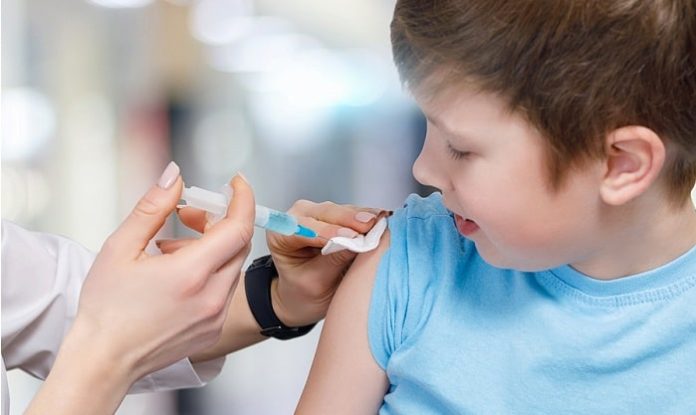
In the belief that parents should be able to make decisions based on the best possible evidence, Philips and GSK have teamed up to equip Philipsโ€™ Pregnancy+ and Baby+ apps with comprehensive and reliable information about vaccine preventable diseases and the vaccines that are available. This includes articles and videos about the importance of vaccination, together with a vaccination hub that helps parents access comprehensive and reliable information to support conversations with their healthcare professionals, such as which vaccines are relevant and when they need to be administered. Parents are also invited to participate in on-line research that will help to better understand their views on different vaccinations.

โ€œWith misinformation and often conflicting information from multiple sources, mostly found online and via social media, there is a great need for reliable and credible information,โ€ said Deeptha Khanna, Chief Business Leader Personal Health at Philips. โ€œWith our Pregnancy+ and Baby+ apps we are in direct contact with millions of parents and parents to be. We want to support them with trustworthy and reliable information and create greater awareness of vaccination programs and vaccine preventable diseases.โ€

Commenting on the partnership for GSK, Dr. Francesca Ceddia, Vice President, Head of Global Medical Affairs at GSK Vaccines said: โ€œPregnancy and bringing home a new baby are exciting experiences for parents โ€“ experiences that have them asking many questions about their childโ€™s health and searching for clear, accurate answers. While multiple digital resources are now available and access to information has never been quicker, the spread of misinformation on social media can make it difficult to know where to turn. For this reason, we have partnered with Philips to offer parents access to scientifically accurate, easy-to-understand information on vaccine-preventable diseases, which can help them protect their child.โ€
Delivering on the quadruple aim

With the Philips Pregnancy+ and Baby+ apps reaching a combined total of almost 2 million parents across the globe every day, the Philips/GSK vaccine partnership represents a huge step forwards in providing parents with factual, scientifically accurate information. By facilitating preventative care, offering easy digital access to information, and eliminating much of the cost and heartbreak of treating preventable childhood diseases, it further cements Philipsโ€™ commitment to the quadruple aim of healthcare โ€“ improved outcomes, better patient and staff experiences, and lower cost of care.

The Philips/GSK partnership offering is already live in Brazil, Canada, Switzerland, Poland, Spain, Germany, Italy, Australia, Russia and Mexico, where it has proved highly successful in reassuring parents who have been unable to have face-to-face contact with their child care teams due to the COVID-19 pandemic.

SurgCenter Development Announces Development of Advanced Surgical Care of Maryland

SurgCenter Development (SCD), a leading developer of ambulatory surgical centers (ASCs) throughout the United States, today announced its latest partnership in Maryland, Advanced Surgical Care of Maryland.

SCD is actively scouting locations for the center and expects to open its doors to patients in late 2021. Advanced Surgical Care of Maryland will feature two operating rooms featuring state-of-the-art equipment and a trained team that includes surgeons who specialize in general orthopedics, sports medicine, outpatient total joint replacement surgery, and pain management.

โ€œSCD has developed hundreds of outpatient surgery centers in partnership with physicians from across the country for decades, and we continue to see a growing demand as patients seek a safe and convenient option for their surgical needs,โ€ said Chris Urban, MD, SCD Principal and Chief Development Officer. โ€œWe provide the industry experience and expertise to develop highly successful centers that support the physiciansโ€™ and the patients’ needs. We look forward to working with top tier surgeons in opening Advanced Surgical Care of Maryland.โ€

SCD currently has 21 operational centers in Maryland and one additional center in development in Bethesda, MD.

RefleXion and HealthMyne Collaborate to Use Patients Tumor Data to Guide Cancer Therapy

RefleXion and HealthMyne Collaborate to Use Patients Tumor Data to Guide Cancer Therapy

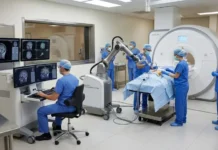
RefleXion Medical, a therapeutic oncology company pioneering biology-guided radiotherapy* (BgRT) as a new modality for treating all stages of cancer, and HealthMyne Inc., an innovative developer of applied radiomic solutions, announced a strategic partnership to bring together the companies’ technologies to quantify and improve the inherently complex decisions surrounding cancer therapy and develop a more individualized approach to patient treatment.

“Our novel BgRT technology produces data-rich CT and PET images at each patient treatment session,” said Thorsten Melcher, Ph.D., chief business officer at RefleXion. “Applying HealthMyne’s unique radiomic insights and AI-enabled algorithms holds the promise of decoding these data so clinicians can use the tumor’s characteristics and its response to radiotherapy to inform and guide the entire patient journey. Instead of delivering standardized treatment protocols, we can now think about the best care plan for each patient and use our biological guidance to deliver it confidently, even one day, to metastatic patients.”

HealthMyne’s solutions enable clinicians to access image data not discoverable with the naked eye and translate it into groundbreaking disease insights. The core of HealthMyne’s solutions enables precise extraction of quantitative imaging or structural information, known as radiomic data, to improve and automate decision making in cancer research, screening, treatment planning, and clinical management. This includes over 1,500 multi-dimensional measurements and novel radiomic data capable of powering predictive algorithms and precision medicine initiatives.

Radiomic data forms the basis for imaging biomarkers, defined by the Radiological Society of North America as objective tumor characteristics derived from an image, which indicate normal or disease processes, or response to a therapeutic intervention. These markers, which provide clinical signatures as unique as each patient, complement the more widely known genomic or molecular biomarkers. Together, these two different biomarkers could dramatically alter the clinical decision-making landscape for cancer care.

BgRT uses emissions from a patient’s cancer cells created by injecting a small amount of a targeting molecule carrying a positron-emitting radioisotope, known as a PET tracer, to guide external beam radiotherapy. As the tracer binds to the tumor cells, groups of emissions form partial PET images that signal the cancer’s location and immediately guide delivery of a partial dose of radiation. By the end of the treatment session, delivery of the full radiation dose is complete, and full CT and PET images containing thousands of tumor characteristics are available for radiomic analysis.

“RefleXion’s use of PET emissions to prescriptively determine where to attack the cancer combined with HealthMyne’s ability to objectively measure tumor characteristics and quantify treatment response creates a powerful technological foundation from which to improve patient care,” said Rose Higgins, CEO at HealthMyne. “In the future, clinicians may have the ability to determine much earlier and with a high degree of accuracy, whether changes to the individual patient’s treatment plan are warranted and the predicted outcomes.”

About HealthMyne
HealthMyne, a pioneer in applied radiomics, the cutting-edge field of extracting novel data and biomarkers from medical images, believes that every cancer patient’s story begins with an image. The company’s FDA-approved and CE marked, AI-enabled solutions allow organizations to easily access and translate groundbreaking radiomic insights into use in research, clinical outcomes, and treatment pathways. By leveraging radiomics, HealthMyne’s clients and partners can accelerate the development and delivery of the best possible treatments.

About RefleXion
RefleXion is a privately held therapeutic oncology company developing the first biology-guided radiotherapy (BgRT) machine, with the potential to move beyond single tumor therapy to one day treat multiple metastatic tumors throughout the body in the same treatment session. Currently, the RefleXionโ„ข X1 is cleared for the delivery of stereotactic body radiotherapy (SBRT), stereotactic radiosurgery (SRS) and intensity modulated radiotherapy (IMRT). The company is also developing BgRT, which incorporates positron-emission tomography (PET) data to enable tumors to continuously signal their location. The BgRT technology will synchronize these data with the linear accelerator to direct radiotherapy to tumors with sub-second latency.RefleXion Medical, a therapeutic oncology company pioneering biology-guided radiotherapy* (BgRT) as a new modality for treating all stages of cancer, and HealthMyne Inc., an innovative developer of applied radiomic solutions, today announced a strategic partnership to bring together the companies’ technologies to quantify and improve the inherently complex decisions surrounding cancer therapy and develop a more individualized approach to patient treatment.

“Our novel BgRT technology produces data-rich CT and PET images at each patient treatment session,” said Thorsten Melcher, Ph.D., chief business officer at RefleXion. “Applying HealthMyne’s unique radiomic insights and AI-enabled algorithms holds the promise of decoding these data so clinicians can use the tumor’s characteristics and its response to radiotherapy to inform and guide the entire patient journey. Instead of delivering standardized treatment protocols, we can now think about the best care plan for each patient and use our biological guidance to deliver it confidently, even one day, to metastatic patients.”

HealthMyne’s solutions enable clinicians to access image data not discoverable with the naked eye and translate it into groundbreaking disease insights. The core of HealthMyne’s solutions enables precise extraction of quantitative imaging or structural information, known as radiomic data, to improve and automate decision making in cancer research, screening, treatment planning, and clinical management. This includes over 1,500 multi-dimensional measurements and novel radiomic data capable of powering predictive algorithms and precision medicine initiatives.

Radiomic data forms the basis for imaging biomarkers, defined by the Radiological Society of North America as objective tumor characteristics derived from an image, which indicate normal or disease processes, or response to a therapeutic intervention. These markers, which provide clinical signatures as unique as each patient, complement the more widely known genomic or molecular biomarkers. Together, these two different biomarkers could dramatically alter the clinical decision-making landscape for cancer care.

BgRT uses emissions from a patient’s cancer cells created by injecting a small amount of a targeting molecule carrying a positron-emitting radioisotope, known as a PET tracer, to guide external beam radiotherapy. As the tracer binds to the tumor cells, groups of emissions form partial PET images that signal the cancer’s location and immediately guide delivery of a partial dose of radiation. By the end of the treatment session, delivery of the full radiation dose is complete, and full CT and PET images containing thousands of tumor characteristics are available for radiomic analysis.

“RefleXion’s use of PET emissions to prescriptively determine where to attack the cancer combined with HealthMyne’s ability to objectively measure tumor characteristics and quantify treatment response creates a powerful technological foundation from which to improve patient care,” said Rose Higgins, CEO at HealthMyne. “In the future, clinicians may have the ability to determine much earlier and with a high degree of accuracy, whether changes to the individual patient’s treatment plan are warranted and the predicted outcomes.”

About HealthMyne
HealthMyne, a pioneer in applied radiomics, the cutting-edge field of extracting novel data and biomarkers from medical images, believes that every cancer patient’s story begins with an image. The company’s FDA-approved and CE marked, AI-enabled solutions allow organizations to easily access and translate groundbreaking radiomic insights into use in research, clinical outcomes, and treatment pathways. By leveraging radiomics, HealthMyne’s clients and partners can accelerate the development and delivery of the best possible treatments.

About RefleXion
RefleXion is a privately held therapeutic oncology company developing the first biology-guided radiotherapy (BgRT) machine, with the potential to move beyond single tumor therapy to one day treat multiple metastatic tumors throughout the body in the same treatment session. Currently, the RefleXionโ„ข X1 is cleared for the delivery of stereotactic body radiotherapy (SBRT), stereotactic radiosurgery (SRS) and intensity modulated radiotherapy (IMRT). The company is also developing BgRT, which incorporates positron-emission tomography (PET) data to enable tumors to continuously signal their location. The BgRT technology will synchronize these data with the linear accelerator to direct radiotherapy to tumors with sub-second latency.


England hospital awarded top global digital healthcare award

Summit BHC acquires West Virginias Highland Hospital

A hospital in the north of England has been named as one of the most digitally advanced organisations in the whole of the UK’s National Health Service (NHS).

Sunderland Royal Hospital is the only hospital in the north of England to be awarded Level 7 status from the Healthcare Information Management and Systems Society (HIMSS). In doing so it joins the group of around 50 hospitals in the world to have achieved the accreditation.

The award was given following a two-day virtual assessment in December 2020, during which HIMSS assessors observed clinical and operational teams in action.

The hospital is part of the South Tyneside and Sunderland NHS Foundation Trust, one of the most digitally advanced organisations in the NHS. In September 2016, Sunderland Royal Hospital became one of the first Trusts in the country to be confirmed onto the national Global Digital Exemplar (GDE) programme, helping to share its digital expertise across the NHS.

Since then, South Tyneside District Hospital is now also part of the GDE fast follower programme and is already a year ahead of schedule for โ€˜paper-freeโ€™ HIMSS accreditation after adopting the Meditech electronic patient record in October 2019.

The hospital actually began its digital journey almost 30 years ago by making its first tentative steps towards a fully integrated electronic patient record.

Today the Meditech electronic patient record is used across the hospital, giving clinical teams access to live patient information in all departments, including the emergency department, inpatient wards, a diagnostic area or operating theatre.

The advanced Meditech solution allows staff to update patient information in real time, prescribe medication, as well as integrate to monitors and record vital signs from the bedside using scanning technology and digital patient wristbands. The system also integrates with the Great North Care Record (Health Information Exchange), meaning the information gathered in the Meditech solution is available to other healthcare settings across the north of England.

Commenting on the achievement, Dr Kevin Joisce, Consultant in Emergency Medicine and Chief Clinical Information Officer at South Tyneside and Sunderland NHS Foundation Trust, said: โ€œThis is fantastic news for our patients and testament to the hard work and dedication of all clinical colleagues who have truly embraced our digital ambitions to make them a reality in Sunderland.

โ€œUsing the most up-to-date and advanced digital systems is part and parcel of our ethos and how we want to deliver patient care, and to achieve Level 7 accreditation reflects the digital maturity of our Trust. Technology is embedded in everything we do, in all clinical processes and our nursing workflows to an extent where we have successfully eliminated our reliance on historic paper-based systems.

โ€œOur Board have long championed the use of technology with a clear and ongoing commitment to improve patient safety and the overall quality of clinical care through the effective use and deployment of digital solutions. This is an important milestone for the organisation, and one that we will continue to build upon in the years aheadโ€ he added.


MED-EL USA Launches SAMBA 2 Audio Processor for the BONEBRIDGE Bone Conduction System

 MED-EL USA Launches SAMBA 2 Audio Processor for the BONEBRIDGE Bone Conduction System

MED-EL USA, a leader in implantable hearing solutions, announced the launch of the SAMBA 2, a next-generation audio processor for the BONEBRIDGE Bone Conduction System, which includes the recently launched BCI 602. BCI 602 is an active transcutaneous bone conduction implant that leaves skin intact. The BONEBRIDGE System is indicated for individuals age 12 years and older with conductive hearing loss, mixed hearing loss, or single-sided deafness.

The U.S. Food and Drug Administration (FDA)-cleared SAMBA 2 Audio Processor features enhancements for ease of listening and handling. Intelligent Sound Adapter 2.0 automatically adjusts settings to match different environments that are particularly challenging to people with hearing loss. This includes an automatic setting for listening in cars which uses Speech Tracking to identify the optimal microphone mode for the user to understand conversation coming from the side or behind.

SAMBA 2 is also designed for easier listening in complex environments such as restaurants, effectively reducing the impact of noise, for example interfering background conversations and the clattering of plates and silverware, while adaptive directional microphones and directional speech enhancement allow the user to focus on their conversation.

โ€œSAMBA 2 is a great example of the ongoing collaboration that MED-EL has with our recipients, even after they receive a hearing implant,โ€ said Raymond Gamble, President & CEO, MED-EL North America. โ€œWe listened closely to feedback and worked diligently with our engineers to make the listening experience even more effortless for our BONEBRIDGE recipients.โ€

SAMBA 2 provides the longest lasting battery life of any active transcutaneous audio processor on the market, with approximately 8 to 10 days from one standard 675 hearing aid battery. When the time comes, battery changes are fast and easy thanks to SAMBA 2โ€™s intuitive design.

SAMBA 2 GO connects wirelessly to Bluetooth devices and via a cable to non-Bluetooth devices to allow streaming from mobile phones, televisions and electronic devices. It can also be used with FM systems and remote microphones for better hearing in noisy environments. And, while the Intelligent Sound Adapter 2.0 adjusts settings automatically, recipients still have control over their settings with the SAMBA 2 Remote, an app available for iPhone and Android that enables users to switch between settings without a separate remote control. The Intelligent Sound Adapter 2.0 then โ€œlearnsโ€ which settings the user most often changes manually and adapts.

Thin and lightweight, SAMBA 2 offers recipients a wide array of easily interchangeable covers so the audio processor may be worn discreetly under the hair, or worn to stand out with colorful designs. The audio processor is dust, sweat and splashproof, and can be completely submersed in water with the optional WaterWear waterproof cover.

Consistent with MED-ELโ€™s industry-leading legacy support, SAMBA 2 is compatible with both versions of the BONEBRIDGE Bone Conduction Implant, the BCI 601 and BCI 602. BONEBRIDGE bone conduction implants are also engineered to be compatible with future generations of audio processors, allowing recipients to access the latest hearing technology, no matter when they received their implant.

Neuros Medical Announces Key Milestones in the QUEST Pivotal Clinical Study for Chronic Post-Amputation Pain

Neuros Medical Announces Key Milestones in the QUEST Pivotal Clinical Study for Chronic Post-Amputation Pain

Neuros Medical, Inc., a medical device company developing innovative high-frequency nerve block technology for patients with intractable post-amputation pain, announced the achievement of two milestones in its pivotal QUEST (High-FreQUEncy Nerve Block for PoST-Amputation Pain) study. QUEST is a 180-subject, randomized, double blinded, active sham controlled clinical trial that is being conducted under an Investigational Device Exemption (IDE). QUEST is designed to assess the safety & effectiveness of the Company’s Altiusยฎ High-Frequency Nerve Block system to treat intractable post-amputation pain. Post-amputation pain is a significant unmet medical need, as existing treatment options are limited, and consist primarily of opioids and gabapentinoids.

In December 2020, an independent Data Monitoring Committee successfully completed the final planned interim safety and futility analysis of 80 subjects at the 90-day primary endpoints. In addition, despite the ongoing COVID-19 pandemic, QUEST enrollment now exceeds 100 subjects, and the study is on track for completion of enrollment by the Fall of 2021.

“I wish to thank the QUEST investigators and their clinical research teams for a remarkable collective effort during this extremely challenging year,” said Leonardo Kapural MD PhD, Carolinas Pain Institute and National Principal Investigator of the QUEST study. “I believe that the Altius therapy, with its unique mechanism of action achieved with High-Frequency Nerve Block (HFNB), has great potential to become an important treatment option for post-amputation phantom and stump pain.”

“We join Dr. Kapural in expressing gratitude to the QUEST site clinical research teams for their commitment to both the study as well as to the amputee subjects whom they enrolled,” said David Veino, Neuros Chief Operating Officer. “We look forward to completing enrollment this year, a key milestone in our efforts to develop a promising treatment option for this significant unmet medical need.”

Integrated Oncology Network Announces Strategic Partnership with Southwest Urology

Integrated Oncology Network Announces Strategic Partnership with Southwest Urology

Integrated Oncology Network (ION), a nationwide leader in oncology and healthcare management services, and Southwest Urology, a market-leading urology practice, have announced a strategic partnership creating a new multi-specialty platform throughout the greater Cleveland, Ohio market. ION’s strategic infrastructure resources and multi-specialty management capabilities coupled with Southwest Urology’s service line expertise and in-market relationships align with ION’s multi-specialty development strategy.

“This new venture with Southwest Urology represents a pivotal moment in ION’s strategic direction. Our entrance into the urology space with such a highly-respected practice strengthens our capabilities and positions ION to continue growing specialty networks across the country,” said Josh Johnson, ION CEO.

By incorporating ION’s proven practice management services into its clinical operations, Southwest Urology can focus its resources on providing excellent clinical care through a now expanded portfolio of specialty services. This new portfolio of services enables Southwest Urology to offer quality, compassionate care to its already well-established market base while tapping into unexplored markets in the greater Cleveland area.

“Our partnership with ION is a way to strategically position SWU for growth within the rapidly changing health care delivery environment we face locally and nationwide. From our inception, growth and development of services have been the foundation upon which we have built our practice. Together with ION, we will continue to provide quality, comprehensive urological services to our patients at competitive costs. I am excited to become part of a national footprint of specialty care as it relates to urology,” said Dr. Michael Barkoukis, President of Southwest Urology and a founding member.

“Southwest Urology is proud to partner with ION and leverage ION’s broad spectrum of services enabling us to offer additional and much needed healthcare services to our patients. We are confident that both organizations will play to each other’s strengths as we embark on this new partnership,” said Claudio Zanin, Southwest Urology CEO.

New remote monitoring device launches for heart diseases

C Spire partners with Delta Regional Medical Center on remote patient monitoring

Latvian healthtech startup UPOlife is launching a remote health monitoring solution to help tackle cardiovascular diseases in Europe.

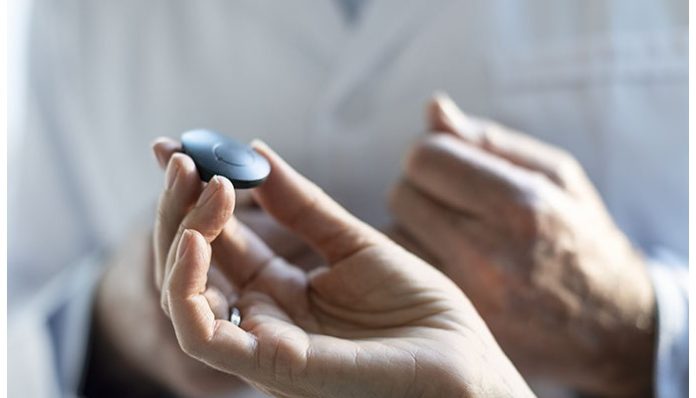
UPOlife’s new heart monitoring product is a personal, pocket-size, portable electrocardiogram device that works in combination with an app and cloud-based AI analytics.

The solution allows patients to monitor their own heart health without having to visit a doctor. Users are able to perform a 60 second ECG reading, along with calculating their risk of heart disorders, stamina, emotional, stress, and fatigue scores.

Over a seven day period, machine learning algorithms create a personal baseline. Results are uploaded to a cloud server via Bluetooth, and AI algorithms analyse the data and provide fast results on the patientโ€™s phone. They can then share their results with their doctors, even if they don’t use the UPOlife platform.

Cardiovascular diseases are disorders of the heart and blood vessels including coronary heart disease, and rheumatic heart disease among other conditions.

According to the World Health Organisation (WHO) they are the top cause of death globally, with an estimated 17.9 million people dying each year. Four out of five cardiovascular deaths are due to heart attacks and strokes, and one third of these deaths occur prematurely in people under 70 years of age.

UPOlife’s heart monitoring device has received approval from Latvian clinicians who are taking part in the startup’s ongoing pilot project on early screening and diagnostics of arrhythmias.

The project involves general practitioners and their patients from different cities around Latvia, where cardiovascular diseases are the leading cause of death, accounting for 50-60 per cent of all deaths.

With the new device UPOlife aim to make heart health care more widely available despite the global pandemic, which is limiting access to doctors as patients self-isolate at home. โ€œOur aim is to cooperate with the doctors, giving them access to remote heart health monitoring tools and automatic data analytics, at the same time also allowing patients to subscribe to our solution directly for self-monitoringโ€ says the company’s founder Normunds Daudiss.

HEE launches online portal for collaboration between NHS and industry

HEE launches online portal for collaboration between NHS and industry

MedTech CONNECT is one of the key pillars of the MedTech NAVIGATOR programme, a scheme funded by the European Regional Development Fund (ERDF) and delivered by HEE to enhance knowledge-sharing between NHS practitioners and the medtech industry. MedTech CONNECT is a portal for both clinicians and medtech SMEs that enables each group to pinpoint and connect with the most appropriate development partners on a free-to-access basis.

Tapping into clinical expertise is vital during the early medtech development phase to ensure that new devices address specific needs and can be effectively integrated into a clinical environment. Unfortunately, however, many companies currently struggle to identify research active clinicians who might be best placed to offer these insights and participate in a development project.

MedTech CONNECT aims to overcome this challenge by offering a more streamlined route to clinical engagement: companies can readily identify and contact suitable NHS experts, and by the same token, primary and secondary care clinicians have the opportunity to engage with industry innovators to co-develop the latest medical advances. Throughout this process, both parties can also access expert support and guidance from HEE where required.

Dr Chris Warwick, senior consultant at HEE, said: โ€œIn our experience, the quickest and most effective way to get new technologies that truly meet patientsโ€™ needs to market is for NHS experts and the medtech industry to work more closely together from the outset. MedTech CONNECT allows for easy, tailored two-way access which we believe could yield far-reaching benefits for patients, in terms of swifter access to innovative technologies. By removing some of the bureaucracy that can hamper innovation, we are confident that MedTech CONNECT will accelerate medtech adoption in our health service and ultimately improve patient outcomes.โ€

Once signed up, and approved, innovators can immediately begin searching for NHS experts by clinical specialty, job role, geography and field of research, in the knowledge that all clinicians on the portal have already confirmed interest in a potential industry collaboration.

Has COVID-19 Changed Injury Patterns?

Has COVID-19 Changed Injury Patterns?

If you work in an emergency clinic or department, or a hospital, you may have realized that COVID-19 is changing injury patterns.

Outside of people visiting the ER because of COVID-19 itself, there are shifts in the other ways people are needing and seeking care.

Being aware of these patterns is important from a public health perspective. Some of these shifts are to be expected, while others have been more surprising.

A Decrease in Car Accidents, But Increases in Injuries

Since the start of stay-at-home orders in March 2020, there has been a general decline in car accidents. Fewer people are commuting to work, and most are spending more time at home.

In fact, itโ€™s estimated car crashes have gone down 1/3 since the start of the coronavirus pandemic.

With that being said, while there are fewer car accidents, some of them are trending toward being more severe and leading to more significant injuries.

Since there is less traffic on the roadways, people are going faster. If there is an accident, the injuries tend to be more severe in these circumstances.

Thereโ€™s another factor hereโ€”since kids arenโ€™t in school during traditional hours right now, more of them are with their parents during the day and potentially in cars. Thatโ€™s putting children more at risk of being involved in car accidents than they would under normal circumstances when they spend most of their day in school.

Traveling by RV became increasingly popular during 2020, and that led to more accidents involving those vehicles, as well as boats and ATVs.

Finally, as far as it relates to car accidents, there have also been increases in DUIs and alcohol-related injuries. This might be due to the fact that people are feeling extreme stress and uncertainty and are also spending more time drinking alcohol as a coping mechanism or to alleviate boredom.

Overall, a big takeaway as far as accident severity during the pandemic is that people are not as cautious when driving. Thereโ€™s another interesting consideration as well. The more risk-averse people might be off the roadways altogether, while people who are more willing to take risks might be the people on the road.

Delayed Emergency Care

A big issue that many public health officials have been trying to combat throughout the pandemic is the trend of delayed emergency care. People are seemingly afraid to visit emergency departments because of COVID. In the spring of 2020, there was a decline in emergency department visits of more than 40%.

Health systems since then have been working to encourage people to seek care as needed for potential emergency situations.

The result in delayed emergency care has worsened conditions and deaths from things like stroke and heart attack.

Many people also develop more severe symptoms when they wait to receive care, so emergency departments see the effects of that as well.

Overdoses

As the numbers of cases, hospitalizations and deaths have risen in the U.S. because of COVID, thereโ€™s been a simultaneous epidemic in the form of overdoses.

In the first three months of 2020, more than 3,000 people died of drug overdoses than the same period in 2019. As it stands, the U.S. is on track for an all-time high number of overdose deaths in a single calendar year.

More than 40 states have said they have concerns about the overdose epidemic.

Again, like so many of the other situations happening right now, this is multifactorial.

People are facing economic challenges and fear and anxiety due to the pandemic itself and the consequences.

People are also lonely and may be turning to substances as such.

Many of the resources people turn to when dealing with substance misuse arenโ€™t available right now or are virtual.

At-Home Accidents

Finally, another area where there are increasing numbers of injuries during the pandemic is related to situations that occur at home.

For example, more children may be engaging in risky behaviors because theyโ€™re staying at home and learning at home. Their parents may not be able to fully supervise them at all times because theyโ€™re also trying to work from home.

Grandparents and other care providers may also be with children more, and there may be less supervision.

Even adults are experiencing more accidents at home, not just because theyโ€™re spending more time there but also because they are taking on DIY projects and renovations during this time, leading to an increase in injuries.

Translate ยป