








Close
Digital Health & Ai Innovation summit 2026
Medical Taiwan 2026

Why Las Vegas Is Dangerous for Pedestrians

Why Las Vegas Is Dangerous for Pedestrians

Surprisingly, for all the fun and high-risk adventure that Las Vegas has to offer, one of the most dangerous things that you can do while visiting is to walk the city streets. With over 50 injury-related crashes reported at just a single intersection in 2018, it is believed that approximately 2.5 pedestrians per every 100,000 residents are killed in traffic accidents annually. Moreover, while some of these accidents do occur on the bustling Vegas strip, most crash sites are widely distributed across all of Clark County. With pedestrian accident-related deaths outpacing death rates for influenza, breast cancer, and HIV, the problem was declared an epidemic by the State of Nevada in 2016. As a result, seeking assistance from the top personal injury lawyers in Las Vegasย becomes crucial for those affected by such accidents. Following are several reasons why traveling on foot is such a high-risk activity in this city.

1. Distracted Drivers

Las Vegas, Nevada is in many ways, a city of distractions. This is where countless people flock to indulge in the escapism that removes them from the stresses of their everyday lives. With bright lights, entertainment, and countless other things to see and do on both the strip and throughout much of the surrounding areas, it is not uncommon for motorists to take their attention off the road. Moreover, just like drivers in every other part of the country, Las Vegas drivers can also be distracted by their mobile phones and other in-vehicle technologies.

2. Driving While Under the Influence

In Las Vegas, alcohol is always flowing freely. Just as people flock here for escapism, they also come to indulge. According to one report, 33 percent of all Nevada traffic fatalities for 2008 were alcohol-related. Between the years 2003 and 2012, more people were killed in Nevada as the result of drunk driving than anywhere else in the nation.

3. Distracted Pedestrians

Not surprisingly, many pedestrians in Las Vegas are tourists. Unfamiliar with the most dangerous intersections, and busy marveling at their surroundings, these individuals are prone to stepping off curbs at the wrong times, misjudging signal times, and attempting to jaywalk in areas that are incredibly accident-prone. Just as drivers can be distracted by their mobile phones, Las Vegas pedestrians are often guilty of:

  • Searching for directions
  • Making phone calls
  • Taking pictures
  • Updating social media accounts

while negotiating the busy city streets. In a location with such a high rate of pedestrian-involved accidents, even looking away from oncoming or cross-traffic for several seconds can result in serious injury.

4. Undesirable Characteristics of Certain Las Vegas Roads

In many cities, a typical pedestrian accident lawsuit is a claim of driver negligence. In Nevada, however, many pedestrian accidents have less to do with distracted motorists than poorly designed roadways. In response to the consistently high number of pedestrian fatalities, Southern Nevada freeway engineers and traffic experts compiled a list of existing road characteristics that are likely contributing to crashes. These include:

  • Access points for driveways that exist immediately after or before freeway entrances
  • Posted speed limits that are too high to allow for effective reaction times and stopping distances
  • Roads that are solely designed for moving vehicles and do not account for high daily levels of foot traffic
  • Outdated roads that do not account for community growth

One of the best examples of outdated travel avenues is Boulder Highway. Originally designed in the 1930s, Boulder Highway was built to allow for rapid transit between Henderson and Las Vegas. Now, however, this highway is used by far larger numbers of motorists than it was initially intended to accommodate, and often for far shorter trips. For instance, the average distance of travel on Boulder Highways is approximately just two miles.

5. Poorly Timed Crosswalks

Certain crosswalks at high-traffic intersections in Las Vegas are purposefully timed to ensure that pedestrians can only cross busy stress halfway before the signal changes. This is the case at one of the busiest and most dangerous intersections in Nevada, the intersection of Boulder Highway, Flamingo Road, and Nellis Boulevard. While there is a small strip for pedestrians to wait for the “walk” signal to return, most people rush to make it all the way across the street, even as cross-traffic starts moving forward. Moreover, the posted speed limit at this intersection is believed to be too high for drivers to effectively react to jaywalkers.

Bottom Line

Being involved in an accident in Las Vegas as a pedestrian is always devastating. Pedestrians lack the coverage and protection provided by automobiles, as well as the buffering and safety devices that all modern vehicles include. Whether the resulting injuries of these events have been caused by drunk drivers or poorly designed intersections, injury victims always have the right to seek compensation.
Traumatic Brain Injury: What Caretakers Can Expect

news - 10657-brain-disconnection.jpg

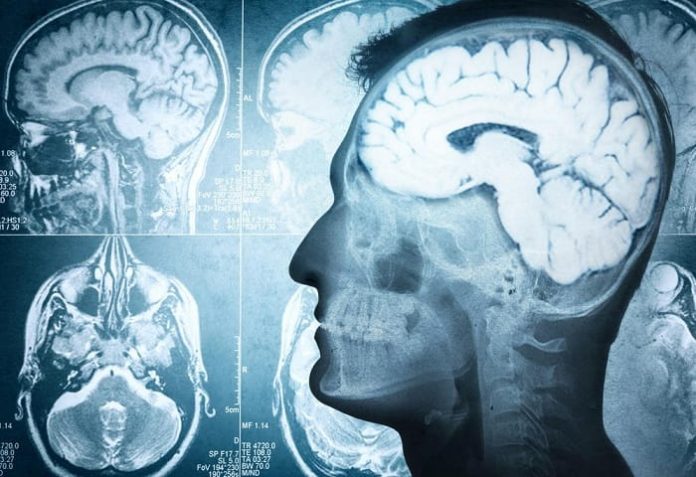
It doesn’t take much to suffer a traumatic brain injury, and, contrary to a popular myth, an impact isn’t required. The sudden jerking motion caused by an impact is enough to force the brain to slam against the inside of the skull, and that can result in bruising.

If this happens to a loved one, you may find yourself taking on the role of caretaker over an extended period of time. This guide will help you learn what to expect.

You’ll Have To Assess the Individual’s Abilities

Before you even bring your loved one home, you should take the time to assess the changes in their abilities. A traumatic brain injury can cause behavioral changes as well as impacting their cognitive health. This means they will be quite different from the person you knew, and they likely won’t be able to do all of the things they could do before the accident. This may include a tendency to wander off, so be sure your loved one is always wearing some type of identification, such as a medical bracelet.

You’ll also have to make their home safer just as a new parent would child-proof their home. Look for places where they may be likely to fall, trip, or hit their head and install safety features, such as railings, skid resistant flooring, and foam bumpers. In creating a new structure for the individual, make family members and guests aware of the situation and the need for added caution.

Prepare for Long-Term Care

There are many complexities in ensuring the continued financial and legal care for your loved one, so working with an attorney can help. You can call for a free case evaluation, to learn more about what you’ll need to do in pursuing Supplemental Security Income (SSI) and Medicaid for your loved one.

If there was a settlement or lawsuit award as the result of an accident that caused the TBI, you may need legal help to have the funds placed in a special needs trust. Since someone with a traumatic brain injury cannot have access to funds over $2,000, you will have to establish a conservatorship or another type of legal guardianship.

What Specific Changes Can You Expect?

The symptoms your loved one will exhibit will vary based upon the area of the brain that was injured. While they may experience some of these symptoms and only a few to severe degrees, you should be prepared to help them manage or alleviate these symptoms as much as possible. Common TBI symptoms include:

  • Short attention span
  • Lack of short term memory
  • Inhibited problem solving skills
  • Inability to follow instructions
  • Impaired reading/writing skills
  • Inhibited communication skills, including limited vocabulary
  • Unable to learn new things

Don’t Forget To Care for Yourself

As you’re caring for your loved one, it’s important to know when you’re taking on too much. You shouldn’t be spending so much time on your loved one that you’re neglecting your other friends and loved ones. You should also be making time to engage in physical activities and stress reduction activities.

In addition to your meals, work, and family obligations, you should also have an hour to yourself to do whatever you enjoy doing. Remember to take care of yourself. If this all seems like too much, this may be a sign that you need help from other family members or from a professional caregiver.

In some cases, a traumatic brain injury is only temporary and may heal in time. In many instances, however, a TBI can lead to a permanent disability. It can affect an individual’s ability to function, recall memories, or maintain positive relationships with others. Taking on the care responsibilities of such an individual can be stressful and time consuming, but there are government resources to help lighten the burden. Be sure to investigate your options to find out if your loved one is entitled to additional benefits.

SCONE Medical Receives FDA Emergency Use Authorization for Novel Aerosol Infection Containment Device

SCONE Medical Receives FDA Emergency Use Authorization for Novel Aerosol Infection Containment Device

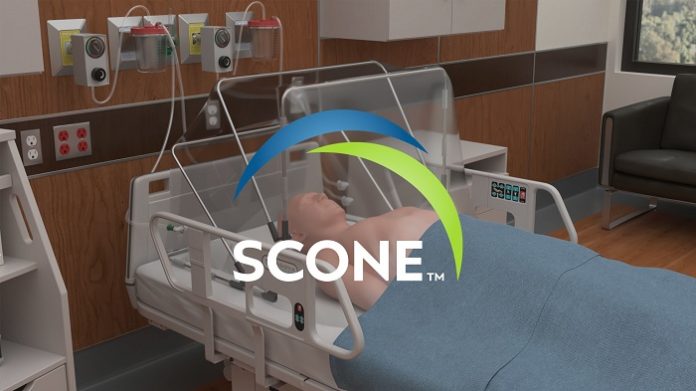
As the world faces a new era of emerging and re-emerging infectious diseases, new technologies are paving the way for safer, more effective treatment options. The Self-Contained Negative Pressure Environment (SCONEโ„ข) is a new technology developed by SCONE Medical Solutions Inc. (SMS) in collaboration with Mayo Clinic for infectious disease containment in hospitals. The FDA recently granted Emergency Use Authorization to the SCONEโ„ข device on December 18, 2020.

The highest risk of infectious transmission is from actively infected patients to health care workers (HCWs) during Aerosol Generating Procedures (AGPs), particularly in the acute care/triage setting. The SCONEโ„ข is a small capacity, disposable device that uses negative pressure to vacuum out aerosols emitted around a patient’s head and neck, adding an extra layer of “active” barrier protection for healthcare workers while treating potentially infectious patients. The SCONEโ„ข can be quickly deployed for use and quickly disposed of after treatment.

Mike Adams, CEO of SCONE Medical Solutions Inc. (SMS) says, “We are pleased to collaborate with Mayo Clinic experts as we bring the SCONEโ„ข device to market. The demand for barrier protection in hospitals has shown itself in a substantial way during this pandemic. The SCONEโ„ข works not only as a protective barrier, but through the use of negative-pressure, actively reduces the spread of pathogenic aerosolized particulates that cause diseases like COVID-19.”

During the spring of 2020, the SMS team ramped up efforts to begin designing, developing, testing the new SCONEโ„ข device, and then in the fall prepared to launch a full-scale manufacturing process based in North Carolina. Now with the FDA EUA greenlight, SMS will begin distributing SCONEโ„ข units across the country at the end of the year.

Dr. Brandon Lawrence, SCONE Chief Medical Officer and ER Physician in Phoenix, AZ, has been treating COVID-19 patients from the beginning. He states, “The widespread demand from HCWs for barrier protection devices, even the old ones without negative pressure, was overwhelming during the start of the pandemic. Adding negative-pressure technology allows patients to be more safely placed on CPAP/BIPAP, receive aerosolized nebulizer treatments, undergo emergent procedures if their COVID-19 status is unknown, and possibly allow end of life care visits with family.”

According to Michael Wallace, M.D. at Mayo Clinic, who collaborated with the SMS team: “There is an urgent need for small capacity self-contained negative pressure environments that utilize existing hospital suction lines and HEPA filtration. The development of the SCONEโ„ข device will provide new opportunities for hospitals to control aerosol spread to other patients and healthcare workers.”

During the midst of this recent pandemic surge and beyond, SCONEโ„ข aims to help ease the burden on hospitals by providing backup small-capacity negative pressure units that allow for safer treatment, triage, and patient transport. Implementing new, more sustainable, protocols using the SCONEโ„ข device may also allow for planned family visitation and end-of-life care closure for those in desperate need of it most right now.

Digital Check-Ins Are Gradually Making A Mark For Themselves

On-site digital check-ins are on their way to becoming a phenomenon. Their usage across sites has become one of the key factors in addressing health and safety concerns during the pandemic. But if we are judging that they are just meant for usage during this time, then we shouldnโ€™t jump the gun. Digital check-ins are surely going to find a way to bail us out during the post-pandemic era as well.

The only silver lining of these tumultuous times is that this pandemic has made us do things which we wouldnโ€™t have imagined ourselves be doing a year back. Our workplace interactions have changed completely and this is evident with various checkpoints that one has to go through while at office or site. The rise in the COVID-19 cases has brought us to the brink where we adapt ourselves to the various aspects of screening.

Companies have started to manage on-site health screenings with various measures. Though temperature check on arrival has become a common phenomenon, there is still lots to be done to contain this virus from spreading. There are a few companies who have started to adopt practices such as interviewing employees and registering their answers on sheets that are later maintained as records in the HR system. This practice no wonder has started to eat-up a lot of productive time, since employees have to wait in line for their turn to answer the queries. There are a few companies who ask employees to record their answers themselves and send them directly to the supervisor or the HR. With that said, a lot can be debated on the accuracy of such practices.

Digital Check-ins & Smart Phones

Employees and smart technology companies to curtail the risk that arises from these practices have now started to show their inclination towards a screening process where they will have to log-in their respective details via their smartphones. The seamlessness that one can avail out of this practice is unparalleled. One just has to point out their smartphone towards the QR code poster to check-in and answer all questions related to their health. Whatโ€™s more, is that the employees immediately get a notification whether they are allowed at the site or not. Not only this, even the HR department, as well as their respective boss, shall get real-time alerts regarding any spike that might come up concerning an employeeโ€™s health condition.

The digital check-in minimizes all the errors that an admin interview may have. It also helps employers to keep a tab on employees who have been restricted to enter the site and if necessary, do contact tracing. A key benefit of employees using smartphone apps is that they can manage their health information. Besides, even the employer does not have to incur expenses on the employee health information. Their concern of addressing and keeping a check on COVID-19 at the workplace would get sorted out because of this practice.

Benefits Galore

Since the time using the digital check-in route for months, unexpected benefits have cropped-up that are of interest to the EHS officers, supervisors as well as unions.

Check-in Process helps in:-

  • Reducing the admin burden
  • Projects get done faster
  • No assigning of additional responsibilities to employees
  • A tangible amount of time can be saved to the tune of 2-4 hours a day

Digital check-in has resulted in eliminating the visitor log-book, hence keeping the work environment safer. Besides, in an event of an emergency, supervisors and managers can get to know immediately as to who all are working on-site or in the building without taking the pain of searching the log-book.

Employees who have checked-in digitally are assumed to be COVID-19 free, thus eliminating any fragment of fear within the job site.

Post-Pandemic Thrust

Digital Check-ins are here to stay. They arenโ€™t just for the pandemic and wouldnโ€™t gradually get washed away with time. With the amount of accuracy and real-time responsiveness which they have shown, they can be functional during the non-pandemic times as well. This element is surely going to benefit employee health and safety to a great extent.

Significant Disparities in Telemedicine Use, Especially Among Older and Non-white Patients

Significant Disparities in Telemedicine Use, Especially Among Older and Non-white Patients

After โ€œCOVID-19,โ€ the term that most people will remember best from 2020 is likely to be โ€œsocial distancing.โ€ While it most commonly applied to social gatherings with family and friends, it has impacted the way many receive medical care. Historically, the United States has been relatively slow to broadly adopt telemedicine, largely emphasizing in-person visits.

However, the COVID-19 pandemic, especially in the spring of 2020, necessitated increased use of virtual or phone call visits, even prompting the Center for Medicare and Medicaid Services (CMS) to relax some of its regulations, primarily for video-based telemedicine. These large scale changes made telemedicine exponentially more popular than it had been even at the start of the calendar year.

But while this was a positive for those who otherwise would have delayed or foregone care due to the pandemic, a new study led by researchers in the Perelman School of Medicine at the University of Pennsylvania, published in JAMA Network Open, uncovered significant inequities, particularly by race/ethnicity, socioeconomic status, age, and when someone needed to use a language other than English.

โ€œAs we begin to establish novel ways of caring for our patients via telemedicine, it is critical that we make the foundation of this new way forward equitable,โ€ said the studyโ€™s senior author, Srinath Adusumalli, M.D., an assistant professor of Cardiovascular Medicine and the University of Pennsylvania Health System assistant chief medical information officer for connected health. โ€œWe hope that regulatory and payer organizations recognize potential inequities that could be introduced by policies they create โ€” which might include not reimbursing for telephone visits, and potentially leading to lack of access to care for particular patient populations, specifically those disproportionately affected by events like the COVID-19 crisis.โ€

The researchers, who included the studyโ€™s lead author, Lauren Eberly, M.D., a clinical fellow in Cardiovascular Medicine, examined data for nearly 150,000 patients of a large, academic medical system. All of these patients had been scheduled to have a primary care or ambulatory specialty visit via telemedicine between March 16 and May 11, 2020. This time period coincided with the first surge of coronavirus in the health systemโ€™s region, and was also amid stay-at-home orders in the area.

Of the patients who had telemedicine visits scheduled, a little more than half, roughly 81,000 (54 percent), completed their visits, the data showed. And within that segment, less than half, nearly 36,000, (46 percent) had visits conducted via video.

When these visits were broken down by the patientsโ€™ characteristics, some clear inequities were found. Overall, patients who were older than 55 were 25 percent less likely than the average patient to successfully complete a telemedicine visit they had scheduled, with people older than 75 being 33 percent less likely. People who identified as Asian were 31 percent less likely to complete a telemedicine visit, and those who did not speak English were 16 percent less likely. Using Medicaid for insurance also made patients less likely to successfully complete a telemedicine visit by 7 percent.

Because of the relaxation of CMS rules surrounding video-based telemedicine early in the pandemic, itโ€™s important to consider that mode of telemedicine in a class by itself. So when those numbers were examined, some of the same groups showed even less favorable numbers than they had for overall telemedicine use. For instance, people over 55 were at least 32 percent less likely to complete a scheduled video visit, with those over 75 being 51 percent less likely.

Meanwhile, some groups of people were shown to have significant disparities in video-based telemedicine even if they hadnโ€™t displayed them for overall telemedicine use. This likely means that they didnโ€™t have problems accessing telemedicine if it was phone or audio-based, but video was not as accessible to them. More, women were 8 percent less likely to complete a video visit than men, Latinx patients were 10 percent less likely than White patients, and Black people 35 percent less likely than White people. Patients with lower household incomes were also less likely to complete a video visit successfully, with those making less than $50,000 being 43 percent less likely.

While the CMS has recently attempted to make phone call-based telemedicine easier to access from a reimbursement perspective, the researchers believe their findings show that there needs to be equal consideration for all forms of telemedicine moving forward.

โ€œIt is critical that complete payment parity for all types of telemedicine visits, by all insurance payers, is guaranteed permanently,โ€ Eberly said. โ€œLess reimbursement for telephone visits may disproportionately and unjustly hurt clinics and providers that care for minority and poorer patients.โ€

While insurance reimbursement is likely to have been a significant impact on the success of patients using telemedicine, Penn Medicine has long implemented a practical approach to root out technical issues that may play a role in access issues. Specifically, professionals within the health system work with patients to assess whether they have the technical ability to successfully have a visit. That includes checking Wi-Fi speed and whether the patient has devices physically capable of conducting the visit.

Something since the start of the COVID-19 outbreak that Adusumalli said Penn Medicine addressed was the inequity found for non-English speakers.

โ€œOne concrete thing that has already been addressed, based on the results of this study, was adding one-click interpreter integration for more than 40 video-based languages and greater than 100 audio-based languages for both inpatient and outpatient telemedical care throughout our enterprise,โ€ he explained.

Moving forward, the researchers hope they can uncover more ways to make telemedicine work for everyone.

โ€œWe currently have broader research underway to better characterize what patient-specific and provide-specific barriers exist,โ€ Eberly said. โ€œIf we can understand these barriers, it could help guide telemedicine implementation strategies that will benefit everyone.โ€

Expanded Patient Medical History Can Improve Clinical Notes

Expanded Patient Medical History Can Improve Clinical Notes

Adding age and patient history can improve clinical notes to support both clinical and transitional research studies, according to a study published in BMC Medical Informatics and Decision Making.

Adding patient clinical history, such as age and time information can help determine a patientโ€™s disease risk, predict patient health outcomes, and understand disease progression. For example, a patient has increased cancer risk when she has one or more family members who have cancer.

Clinical histories are becoming more prevalent in EHRs. However, specific age and time clinical events, such as risk factors, surgical interventions, and past diagnoses for patients and family members are not often documented or available for research.

Researchers dissected 138 de-identifed discharge data summaries of past medical history, past surgical history, family history, and social history. According to a separate study, most patients are comfortable with sharing their EHR data and biospecimens for research, but may have sharing preferences.

Study authors said these data summaries have a higher chance of containing age and specific clinical events than acute event history. With this data, researchers developed two natural language processing (NLP) models to integrate this data to address named entities, attributes and values, and relationships between the named entities.

Researchers captured age, procedure, and social determinants of health categories with 8 percent, 10 percent, and 23 percent of all annotated named entities to those categories, respectively. Researchers also observed an agreement of 85 percent for both age and time.

โ€œAge and temporally-specified mentions within past medical, family, surgical, and social histories were common in our lung cancer data set; annotation is ongoing to support this translational research study,โ€ explained the researchers.

In the study, researchers expanded upon the current models to support age, time, and family history information.

โ€œAnnotator training and feedback yielded some notable observations,โ€ wrote the study authors. โ€œFirstly, AGE and TIMEX3 classes were placed in consistent locations through the text and followed easily identifiable patterns likely explaining fewer inter-annotator inconsistencies. Other classes required extensive training to achieve acceptable IAA for attribute annotation.โ€

To come to these observations, researchers added biological information that assessed disease risk that was linked to genetic heritability. The research team also added temporal information that is related to age and placed on a patient timeline.

Looking forward, researchers said further work can be done by integrating similar models into existing models to extract medical named entities.

โ€œThe long-term goal is to develop a hybrid rule-based and deep learning NLP system to automatically extract age and temporal information, for the construction of longitudinal clinical profiles for any patient, including our lung cancer cohort,โ€ concluded the study authors.

โ€œWe then build a prototypical NLP tool to assess the amount of work necessary to extract such new information, and to serve as a foundation for a future automation efforts.โ€

Most patients are comfortable with sharing their EHR data and biospecimens for research purposes but may have sharing preferences based on researchersโ€™ affiliations and specific data items, according to a study published in JAMA Network Open.

Of the 1246 study participants, only 3.7 percent declined to share their health information with their own healthcare providing institution. A total of 352, or 28.3 percent, declined to share with nonprofit institutions, and 590, or 47.4 percent, declined to share with for-profit institutions.

A total of 291 participants, or 23.4 percent, indicated that they were willing to share any data with any researcher, while 46 participants (3.7 percent) were not willing to share any data with any institution.

A total of 909 patients (72.9 percent) said they would be willing to share their data selectively, or had a general preference for sharing within a certain institution.

A safety precautions protocol reduces self-harm for at-risk patients in the emergency department

   Increasing Education on Prone Positioning Could Increase Use Among Those Caring for COVID-19 Patients

Emergency department (ED) boarding of patients with psychiatric illness is a critical issue. These patients are twice as likely as medical patients to require inpatient admission1 and five times more likely to board (waiting for more than a set number of hours โ€“ often 4 hours โ€“ for an inpatient bed).

A new study in the January 2021 issue of The Joint Commission Journal on Quality and Patient Safety, โ€œKeeping Patients at Risk for Self-Harm Safe in the Emergency Department: A Protocolized Approach,โ€ by Abigail L. Donovan, MD, and colleagues at Massachusetts General Hospital, Boston, describes the implementation of a comprehensive safety precautions protocol for ED patients at risk for self-harm.

A multidisciplinary team developed the protocol to include several comprehensive safety precautions, including:

  • Creating safe bathrooms
  • Increasing the number and training of observers
  • Managing access to belongings
  • Managing clothing search or removal
  • Implementing additional interventions for exceptionally high-risk patients

The researchers measured events of attempted self-harm for 12 months before and after the new safety precautions were enacted.

Findings showed in the 12 months prior to the protocol initiation, among 4,408 at-risk patients, there were 13 episodes of attempted self-harm (2.95 per 1,000 at-risk patients) and 6 that resulted in actual self-harm (1.36 per 1,000 at-risk patients). In the 12 months after the protocol was introduced, among 4,523 at-risk patients, there were 6 episodes of attempted self-harm (1.33 per 1,000 at-risk patients) and only 1 that resulted in actual self-harm (0.22 per 1,000 at-risk patients).

The researchers conclude that comprehensive safety precautions can be successfully developed and implemented in the ED and stress the importance of including multidisciplinary staff in the development of the safety precautions protocol.

โ€œWe commend the use of a multidisciplinary approach to improve ED behavioral health processes and focus on a team-based methodology for patient safety, protocol development and education,โ€ adds an accompanying editorial by Scott Zeller, MD and Seth Thomas, MD. โ€œThis recommended collaboration parallels recent best-practice guidelines for behavioral health patients in EDs as crafted by the Institute for Healthcare Improvement and the Emergency Medicine Council.โ€

The January issue is available free to the public through January 31, 2021. Also featured in the issue:

What Safety Events Are Reported for Ambulatory Care? Analysis of Incident Reports from a Patient Safety Organization (University of California, San Francisco)
Improving Ambulatory Safety: When Will the Time Come? (editorial)
Resilience vs. Vulnerability: Psychological Safety and Reporting of Near Misses with Varying Proximity to Harm in Radiation Oncology (University of California, Los Angeles)
A Path to Clinical Quality Integration Through a Clinically Integrated Network: The Experience of an Academic Health System and Its Community Affiliates (University of California, San Diego)
Nursesโ€™ Perceived Causes of Medication Administration Errors: A Qualitative Systematic Review (Villanova University, Pennsylvania)
Conducting Safety Research Safely: A Policy-Based Approach for Conducting Research with Peer Review Protected Material (Massachusetts General Hospital, Boston)
Bracing for the Storm: One Health Care Systemโ€™s Planning for the COVID-19 Surge (University of Washington Medicine, Seattle)


India’s covid-19 vaccination program to start by 13 January

UK patients urged to self-care ahead of vaccine roll-out

Indiaโ€™s covid-19 vaccination programme, what Prime Minister Narendra Modi said is going be the largest in the world, will be rolled out by January 13, centre said on Tuesday.

Indicating the governmentโ€™s plan for a speedy start of the program, Rajesh Bhushan, Secretary, Ministry of Health & Family Welfare on Tuesday said that the covid-19 vaccine will be rolled out within 10 days of receiving the emergency use authorization. He was speaking at the press conference on status of covid-19 pandemic in the country and government preparations to deal with the ongoing health crisis.

โ€œWe are prepared to roll out Covid-19 vaccines within 10 days of granting emergency use authorization date, based on dry run feedback. But the government will only decide the exact date of the roll out of the vaccination program,” said Bhushan.

The union health ministry last week conducted a nationwide mock drill of the vaccination program at 285 session sites to test the end-to-end planned operations and the mechanism set up to ensure smooth vaccination for the highly infectious disease. The government has said that it will use the digital platform, Co-WIN for providing real time information of vaccine stocks, their storage temperature and individualized tracking of beneficiaries of the covid-19 vaccine.

Bhushan elaborated about the existing logistics management involved and to be adopted in the vaccination chain. The vaccine is transported under refrigerated condition and digitally tracked during transit i.e. manufacturer to primary vaccine store to State vaccine store to District Vaccine store to Primary Health Centre. “Manufacturers first transport the vaccines to the four Primary Vaccine Stores, at Karnal, Mumbai, Kolkata and Chennai; from there it is transported in bulk to the 37 State Vaccine Stores for further dissemination. There are temperature trackers inside all Primary Vaccine Stores, State Vaccine Stores and District Vaccine Stores and information is uploaded on a real-time basis about temperature inside the facility on to a central server,” Bhushan added.

Once the vaccine reaches the Sub centre Session Site, there is a requirement for beneficiary registration, on the basis of which District Magistrate can allocate the session based on the requirements, Bhushan said. “There is no need for beneficiary registration of healthcare and frontline workers as their data will be taken from a bulk database that has been populated onto the CO-WIN Vaccine Delivery Management System,” the health secretary said.

โ€œAt Session Allocation, details of vaccination to the beneficiary, information about the next dose will be captured and communicated digitally. “CO – WIN will also give permission to create a Unique Health ID. After both doses a QR code certificate will also be generated which can be stored on Government’s DigiLocker app”, he added.

He also said that in case of any Adverse Effect Following Immunisation, there is a provision for real time reporting. Other features include SMS in 12 languages, 24X7 helpline, Chat Bot assistance etc. As of now more than 90,000 users have been trained in more than 700 districts. โ€œNo major issues were observed in operational aspects of the program. Minor issues noted in Co-WIN for further enhancement which have been addressed. All States expressed confidence in the operational guidelines and IT platform for large scale programme implementation. We have also done multiple dry run for the software,” said Bhushan.

The government on January 3 announced that the Subject Expert Committee of Central Drugs Standard Control Organisation (CDSCO) has granted permission for restricted emergency use of Pune based Serum Institute of Indiaโ€™s vaccine (Covishield), subject to multiple regulatory conditionalities and permission of restricted use in emergency situation in public interest as an abundant precaution, in clinical trial mode, especially in the context of infection by mutant strain, to Bharat Biotech International Ltd., Hyderabad for its vaccine Covaxin.

Amidst the controversy over lack of efficacy data on Covaxin, Dr Balram Bhargava, director general at the Indian Council of Medical Research (ICMR) clarified that the emergency use authorisation of the two vaccines by the drug regulator and said that safety, efficacy and immunogenicity data are required for approval or a vaccine in a non- emergency situation. โ€œThe existing pandemic situation with high mortality available science, and a lack of definite and treatments are considered by SEC for accelerated approval. It is in our legal provision in a pandemic situation, restricted use is considered based on safety and immunogenicity data while phase three is still ongoing immunogenicity data generated through phase two clinical trial serves as a surrogate for efficacy,” said Bhargav.

Use of digital healthcare in UK soars in 2020

IMU Collaborates with Fusionex to Integrate Digital Technologies to Enhance Medical Education and Research

Usage of digital healthcare services provided by the UK’s National Health Service (NHS) soared in 2020, according to data compiled by NHS Digital.

Since the start of the coronavirus outbreak tech services provided by NHS Digital saw unprecedented levels of usage by both patients and frontline staff, as a result of social distancing and the need to access healthcare remotely.

Some of the technologies that have seen the biggest increases include:

  • The NHS website, one of the biggest health-related websites in the world; usually attracting around 360 million visits a year, which is around 30 million visits a month. As of December 2020 it had an estimated 803 million visits.
  • The NHS App, which allows people to access services on their smartphone or tablet such as ordering repeat prescriptions and booking and cancelling appointments. On December 11 2019, there were 192,676 people using the NHS App. By December 13 2020 this figure had increased by 912 per cent to 1,951,640 users. The number of repeat prescription requests made via the app increased by 495 per cent – from 45,931 in January 2020 to 273,351 in November 2020, and the number of patient record views rose by 321 per cent – from 258,404 in January 2020 to 1,089,615 in November 2020.
  • NHS Pathways is the triage software that directs nearly 19 million emergency calls per year to the most appropriate service available. In November 2020 the system was responsible for triaging 1,526,902 calls to 111 and 999, a 2.5 per cent increase from the previous year. The busiest month was August 2020, which saw an increase of 17.7 per cent compared to August 2019.
  • NHS 111 online allows patients to get urgent healthcare online. Between June and November 2020 there were 3,569,917 recorded sessions, a 257 per cent increase on the same period in 2019 when there were 999,150 recorded sessions.
  • Electronic Prescription Service (EPS) EPS allows prescribers to send prescriptions electronically to a pharmacy of the patient’s choice. The number of EPS nominations increased by 25 per cent in 2020.

Commenting on these figures, Ben Davison, NHS Digitalโ€™s Executive Director for Product Development said: โ€œThereโ€™s no doubting that 2020 has been a challenging year for the NHS. Our teams have had to work harder and faster than ever to cope with the huge public demand for the many digital technologies across the NHS.

โ€œItโ€™s this technology that has enabled doctors, nurses and other health professionals to deliver care remotely where possible โ€“ freeing up time for those patients who need face-to-face care. Itโ€™s this technology that is keeping people well while they isolate with good information and advice, and the ability to manage things like prescriptions remotely.

โ€œWeโ€™re fully expecting the numbers using NHS tech to continue rising in 2021, as the general public continues to play a key role in helping to ease the burden on our fantastic frontline services.โ€

John Snow Labs Announces State-of-the-Art Enhancements to its Spark NLP Technology, Resulting in 2.5M Downloads and 9x Growth in 2020

John Snow Labs Announces State-of-the-Art Enhancements to its Spark NLP Technology, Resulting in 2.5M Downloads and 9x Growth in 2020

John Snow Labs, the AI and NLP for healthcare company and developer of the Spark NLP library, today announced that it has crossed the 2.5 million download mark, experiencing 9x growth of its Spark NLP technology since January 2020. Used by 54% of healthcare organizations, Spark NLP has secured the spot as the worldโ€™s most widely used natural language processing (NLP) library in the enterprise, after only four years on the market. This rapid growth can be attributed to a long series of enhancements made to Spark NLPโ€™s state-of-the-art library, which now comes with more than 300 production-grade pre-trained models and pipelines, used by leading healthcare and life sciences companies.

John Snow Labs released 26 new versions of Spark NLP in 2019 and another 26 in 2020, with the most recent being Spark NLP for Healthcare 2.7. The most significant feature in this latest release is Text to SQL, and other upgrades include more accurate entity resolution and clinical named entity recognizers, new PICO classifier for evidence-based medicine, new biomedical named entity recognizers, and new clinical and traffic accident NER models in German. These models are pre-trained with clinical BioBERT based embeddings, the most powerful contextual language model in the clinical domain today, making it an easy-to-use, best-in-class solution for healthcare NLP projects.

This news comes on the heels of John Snow Labsโ€™ release of its new named entity recognition (NER) model and classifier for Adverse Drug Events (ADE), announced in October. While the ADE NER model helps extract ADE and drug entities from a given text, the new ADE Classifier is trained on various ADE datasets, including academic texts, social media, and clinical notes. By combining ADE NER and Classifier, pre-trained pipelines are already fitted using certain annotators and transformers according to various use cases, saving users from building it from scratch.

โ€œThe enhancements to Spark NLP for Healthcare beat state-of-the-art benchmarks in relation extraction, named entity recognition, and adverse event detection, and are successfully being used now by leading healthcare and life science companies,โ€ said David Talby, CTO at John Snow Labs. โ€œWe are humbled by the rapid growth of our community, and expect to continue on this trajectory as we improve our NLP technology even further in the new year.โ€

Not only is John Snow Labs committed to improving how companies from Kaiser Permanente to Roche realize the value of AI and NLP, but also providing education and resources to help further NLP knowledge and adoption. In addition to hosting the first-ever NLP Summit in October, the company, in partnership with Gradient Flow, issued new research exploring the state of NLP in 2020. The research found that Spark NLP was cited as the most popular NLP library across all industries, with more than half of healthcare-affiliated respondents indicating this is what their organization currently uses. In response to this, John Snow Labs will host the first NLP for Healthcare Summit, being held from April 6-9.

To learn more about Spark NLP for Healthcare, or start your free trial, visit: https://www.johnsnowlabs.com/spark-nlp-health/.

About John Snow Labs

John Snow Labs, the AI and NLP for healthcare company, provides state-of-the-art software, models, and data to help healthcare and life science organizations

build, deploy, and operate AI projects. Developer of Spark NLP, the worldโ€™s most widely used NLP library in the enterprise, John Snow Labsโ€™ award-winning clinical NLP software powers leading healthcare and pharmaceutical companies including Kaiser Permanente, McKesson, Merck, and Roche. The company is the creator and host of The NLP Summit, further educating and advancing the NLP community.

Translate ยป