Close
Digital Health & Ai Innovation summit 2026
Medical Taiwan 2026

Diagnostic Imaging Announces Partnership With radRounds Radiology Network

news - 10663-radiology.jpg

Diagnostic Imaging®, an omnichannel resource for radiology administrators, practicing radiologists and radiologic staff, is pleased to announce a partnership with radRounds Radiology Network. The collaboration will enable content exchange between Diagnostic Imaging® and radRounds.

“As a professional social networking platform dedicated to radiology, radRounds’ mission aligns seamlessly with Diagnostic Imaging®,” said Mike Hennessy Jr., president and CEO of MJH Life Sciences™, the parent company of Diagnostic Imaging®. “Through this partnership, we look forward to broadening the reach of our editorial content as well as providing our audience with additional clinical perspectives shared by radRounds.”

radRounds will supply two images each week submitted by radiologists nationwide for Diagnostic Imaging®’s popular Image IQ, providing the radiologist-centered audience with visual content and facilitating access to real-life cases with the accompanying clinical and diagnostic information.

In exchange, Diagnostic Imaging® will supply radRounds with content from its most popular articles each month and, as applicable, with video content for wider distribution via radRounds’ separate social media network.

“Through this partnership, we hope to further advance the reach of radiology ‘rounds’ in the virtual setting,” said Garry Choy, M.D. and Susan Huang, M.D., co-founders of the Rounds Network. “Diagnostic Imaging® remains one of the most trusted and read resources focused on imaging, and we look forward to collectively keeping radiologists and imaging professionals informed on latest happenings within the industry.”

About Diagnostic Imaging®

Diagnostic Imaging® is an omnichannel resource for radiology administrators, practicing radiologists and radiologic staff. As a multimedia platform, Diagnostic Imaging® provides text, video and audio content on the key areas affecting daily practice, including current information on CT, X-ray, ultrasound, MRI, mammography and facility management news and developments. Diagnostic Imaging® is a brand of MJH Life Sciences™, the largest privately held, independent, full-service medical media company in North America dedicated to delivering trusted health care news across multiple channels.

About radRounds

radRounds, part of the Rounds Network, serves as a key resource for radiologists and imaging professionals. “Rounds” is a tradition in which medical professionals learn from one another through case sharing. radRounds aims to bring medical professionals together to do this anytime, anywhere.


Olympus, Hitachi sign 5-year deal for endoscopic ultrasound systems

Olympus, Hitachi sign 5-year deal for endoscopic ultrasound systems

Olympus Corporation and Hitachi have signed a five-year contract to jointly develop Endoscopic Ultrasound Systems (EUS). Hitachi will also continue to supply diagnostic ultrasound systems and related parts used in EUS to Olympus under this contract.

EUS consist of a diagnostic ultrasound system and ultrasound flexible endoscopes. They are used in examinations to evaluate the stage of cancer in the liver, pancreas, and bronchus, as well as in minimally-invasive care, contributing to the medical treatment.

Hitachi’s diagnostic imaging-related business is expected to be transferred to FUJIFILM Corporation, subject to customary closing conditions and regulatory approvals. The agreement between Hitachi and Olympus will be valid after such transfer.


Mind Cure mental health company releases mental health digital therapeutic for psychedelic research

Regroup and IPHCA Partner to Expand Access to Mental Health Care

Mind Cure, a Canadian mental health company, has released a digital therapeutic tool designed to close the gaps between patients, clinicians and researchers.

Called iSTRYM, the app provides close to real-time data regarding patient care, procedures and protocols. It’s described as a centralized management system that can be used for a variety of mental health treatments, including those in psychedelic therapeutic research.

iSTRYM works by gathering data that arise outside of psychedelic-assisted therapy sessions, such as weather, location, mood or heart rate. With the help of artificial intelligence, the app generates insights found across the datasets to guide clinicians towards well-rounded diagnoses, treatments and personalized care experiences.

By converging these uncategorized data in the platform, Mind Cure hopes to empower patients to be more active in their care journey. It also creates a database of clinical practices and protocols for the psychedelic research community.

Mind Cure has a mission to identify, develop and commercialize products that enhance mental health and wellness, ease suffering and increase productivity. Part of the company’s approach is through the research and utilization of psychedelic-assisted psychotherapy.

Even before the pandemic, the mental health of Americans was worsening, according to Mental Health America. It found that 19% of U.S. adults experienced a mental illness between 2017 and 2018, an increase of 1.5 million people from the previous year.

The growing burden of the country’s struggle with mental health has led some researchers to examine the effectiveness of psychedelic-assisted psychotherapy. Typically, this is the professionally supervised use of drugs such as ketamine, MDMA, psilocybin, LSD and ibogaine.

Studies have shown promising results of using psychedelics to treat psychiatric disorders, according to a review from The American Journal of Psychiatry. It says that, while there isn’t yet enough data to support FDA approval of psychedelics for routine clinical use, the existing data support continued research.

Psychedelic-assisted psychotherapy gained speed in 2020 when Oregon became the first state to legalize the use of psilocybin for mental health treatment and decriminalize the possession of all illegal drugs.

Digital mental health services have also been on the rise, due in part to the added stressors of COVID-19 and the government-imposed social isolation requirements.

Modern Health’s employee-focused mental health platform received a $51 million raise towards the end of 2020 to grow its network and service options.

WellDoc, which already had digital health offerings for diabetes, hypertension, heart failure and diabetes prevention, recently added behavioral health programming to its platform. With it, users can get assistance in improving their problem-solving capabilities, developing better social skills, getting a better night’s sleep, reducing anxiety and changing their attitude.

People struggling with mental health are now able to get help in between binging their favorite shows with mindfulness and meditation app Headspace coming to Netflix. The first of three series from Headspace aired on the first of 2021 and teaches viewers the foundations of meditation.

“As a life sciences and digital therapeutics company, providing speed to market with novel psychedelic therapies through deeper data analytics is a strength we are developing with iSTRYM,” said Kelsey Ramsden, the president and CEO of Mind Cure, in a statement.

“Further, as we build out our database for mental wellness, both therapists and individuals will get mental wellness protocols for wellness optimization and support. iSTRYM exists to become the source that individuals turn to for science-backed, personalized mental health support at scale.”

Bahrain launches world’s first vaccine appointment app

Wales-based firm develops COVID-19 test companion app

The Kingdom of Bahrain has reportedly become the very first country in the world to allow COVID-19 vaccine appointments via a mobile app.

All citizens and residents of the Gulf nation are able to schedule their free vaccination via the BeAware smartphone application, which was launched at the beginning of the pandemic as the country’s COVID-19 contact tracing offering. During booking, users can choose between either the Pfizer-BioNTech or Sinopharm vaccination, reported Arabian Business.

Those who cannot, or would prefer not to use the app can alternatively book their appointment through the Bahraini Ministry of Health’s website.

In early December, Bahrain confirmed it would provide the COVID-19 vaccine free of charge to all of its citizens and residents, with distribution taking place across 27 medical centres.

The Kingdom first approved the Sinopharm vaccine in November for use by frontline workers, followed by the Pfizer-BioNTech version, also for emergency use.

As of now, Bahrain has the second-highest vaccination rate in the world, the first being Israel, with a reported rate of 3.49 vaccination doses per 100 individuals.

The government has confirmed that it has plans to vaccinate at least 5,000 individuals per day, with plans to eventually reach a daily rate of 10,000 individuals.

There are currently five main vaccines circulating in the region aimed at protecting the population from the coronavirus that is causing COVID-19.

In the wider GCC, Kuwait has authorised the emergency use of the Pfizer/BioNTech vaccine, while Oman has started to offer the Pfizer/BioNTech vaccine as well. It is, however, said to be also negotiating with AstraZeneca for an estimated 850,000 doses of its vaccine.

Qatar first opted for the Pfizer-BioNTech vaccine, but the country has also confirmed a deal with Moderna. The Kingdom of Saudi Arabia has opted for Pfizer/BioNTech.

Finally, in the United Arab Emirates, Sinopharm’s vaccine was the first approved for use, followed by Pfizer-BioNTech’s version.

While Bahrain has been praised for its advances in utilising technology to control the spread of COVID-19, its response to the coronavirus pandemic hasn’t come without controversy. In June, Amnesty International claimed that the country’s BeAware app was amongst “some of the most invasive COVID-19 contact tracing apps around the world, putting the privacy and security of hundreds of thousands of people at risk.”

According to the NGO, BeAware – along with Kuwait’s “Shlonik” and Norway’s “Smittestopp” – emerged as the “most alarming mass surveillance tools” with the three reportedly carrying out live or near-live tracking of users’ locations by frequently uploading GPS coordinates to a central server at the time.

A Bahraini government spokesperson responded via the BBC, stating: “The BeAware app was designed for the sole purpose of advancing contact tracing efforts and saving lives. It is an entirely voluntary opt-in app… and all users are informed of its use of GPS software before downloading.”


UAE aims to vaccinate 50% of population by the end of Q1

UK patients urged to self-care ahead of vaccine roll-out

More than 820,300 coronavirus vaccinations have been administered in the UAE so far, equivalent to about eight percent of the country’s population.

The National Emergency Crisis and Disaster Management Authority, better known as NCEMA, said about 47,000 jabs have been carried out per day so far.

It added that it aims to reach more than 50 percent of the country’s population during the first quarter of this year. In a series of tweets, NCEMA said: “This will help us reduce cases in general, reduce critical cases in particular, and control the disease better in the next phase.”

NCEMA added that it has noticed a marked increase in the number of Covid-19 cases in the UAE due to the increase in commuting between emirates, in addition to the presence of cases coming from outside the UAE arriving at various airports.

“Our goal in the next stage is to control the increase in the number of cases by reviewing the precautionary measures applied in establishments and institutions and emphasising the commitment of all members of society to preventive measures,” the authority added in another tweet.

“We aim to focus on vaccination for the largest possible percentage of society, and access to the acquired immunity resulting from vaccination, which will help reduce the number of cases and control the disease,” it said.

NCEMA stressed that taking the vaccine is optional, not compulsory, with two doses administered with a three to four week gap.

Vaccinated individuals are exempt from home quarantine after completing 28 days from receiving the second dose of the vaccine.

OptumInsight and Change Healthcare Combine to Advance a More Modern, Information and Technology-Enabled Health Care Platform

OptumInsight and Change Healthcare Combine to Advance a More Modern, Information and Technology-Enabled Health Care Platform

Optum, a diversified health services company and part of UnitedHealth Group , and Change Healthcare, a health care technology leader, have agreed to combine. Change Healthcare will join with OptumInsight to provide software and data analytics, technology-enabled services and research, advisory and revenue cycle management offerings to help make health care work better for everyone.

This combination unites two technology and service companies focused on serving health care. Their combined capabilities will more effectively connect and simplify core clinical, administrative and payment processes – resulting in better health outcomes and experiences for everyone, at lower cost. Change Healthcare brings key technologies, connections and advanced clinical decision, administrative and financial support capabilities, enabling better workflow and transactional connectivity across the health care system. Optum brings modern analytics, comprehensive clinical expertise, innovative technologies and extensive experience in improving operational and clinical performance.

“Together we will help streamline and inform the vital clinical, administrative and payment processes on which health care providers and payers depend to serve patients,” said Andrew Witty, President of UnitedHealth Group and CEO of Optum. “We’re thrilled to welcome Change Healthcare’s highly skilled team to create a better future for health care.”

“This opportunity is about advancing connectivity and accelerating innovations and efficiencies essential to a simpler, more intelligent and adaptive health system. We share with Optum a common mission and values and importantly, a sense of urgency to provide our customers and those they serve with the more robust capacities this union makes possible,” said Neil de Crescenzo, President and CEO of Change Healthcare. Upon closing, Mr. de Crescenzo will serve as OptumInsight’s chief executive officer, leading the combined organization.

Some of the key opportunities to enhance the health care system include:

The combined company will help clinicians make the most informed and clinically advanced patient care decisions, more quickly and easily. Change Healthcare brings widely adopted technology for integrating evidence-based clinical criteria directly into the clinician’s workflow, while Optum’s clinical analytics expertise and Individual Health Record can strengthen the evidence base needed to deliver effective clinical decision support at the point of care. This can ensure appropriate sites of care and consistently achieve the best possible health, quality and cost outcomes.

Complexities across the health system result in significant levels of administrative waste. The combined company will be well positioned to make health care simpler, more efficient and more effective. A key opportunity is to enhance with insights drawn from billions of claims transactions using Change Healthcare’s intelligent health care network, combined with Optum’s advanced data analytics. This will support significantly faster, more informed and accurate services and processing.

Change Healthcare’s payment capacities combined with Optum’s highly automated payment network will simplify financial interactions among care providers, payers and consumers and accelerate the movement to a more modern, real-time and transparent payment system. This will ensure physicians get paid more quickly, accurately and reliably, and provide consumers the same simplicity and convenience managing their health care finances they experience with other transactions. Change Healthcare brings deep patient communication capabilities, engaging more than 200 million unique individuals each year. Integrating these engagements with people’s health financial benefits will make it simpler for consumers and enhance alignment with incentive programs which reward healthy behaviors.

“Change Healthcare has made significant progress executing its strategic objectives, including advancing innovation, accelerating growth and improving the effectiveness of the U.S. health system,” said Howard Lance, Chairman of the Board of Directors of Change Healthcare. “We are delighted to have in Optum a partner that shares a common vision of creating a better future for health care for the people and communities we serve and see this combination as in the best interests of all of our stakeholders.”

The agreement calls for the acquisition of Change Healthcare’s common stock for $25.75 per share in cash and is expected to close in the second half of 2021, subject to Change Healthcare shareholders’ approval, regulatory approvals and other customary closing conditions. Private equity funds affiliated with The Blackstone Group, which own approximately 20% of the common stock of Change Healthcare, have agreed to vote the shares they control in favor of the combination.

The acquisition is expected to be accretive to UnitedHealth Group’s net and adjusted earnings per share by approximately $0.20 and $0.50 respectively in 2022, advancing strongly in subsequent years, inclusive of investments to accelerate technology, system and product integration and development activities to more quickly deliver the value of this combination to all health care system stakeholders. Adjusted earnings exclude from net earnings only the after-tax non-cash amortization expense pertaining to acquisition-related intangible assets.
About Optum

Optum is a leading information and technology-enabled health services business dedicated to helping make the health system work better for everyone. With more than 190,000 people worldwide, Optum delivers intelligent, integrated solutions that help to modernize the health system and improve overall population health.

About Change Healthcare

Change Healthcare is a leading independent healthcare technology company, focused on accelerating the transformation of the healthcare system through the power of the Change Healthcare Platform. We provide data and analytics-driven solutions to improve clinical, financial, administrative, and patient engagement outcomes in the U.S. healthcare system.


DaVita & RenalytixAI Partner for Early Risk Identification to Help Slow Kidney Disease Progression

Humana and REACH Kidney Care Sign Care Coordination Services Agreement

RenalytixAI, a developer of AI-enabled clinical in vitro diagnostic solutions for kidney disease, and DaVita, the largest provider of kidney care services in the U.S., announced a partner program aimed at slowing disease progression and improving health outcomes for the nation’s estimated 37 million adults with chronic kidney disease (CKD). The program is expected to improve patient outcomes and provide meaningful cost reductions for health care providers and payors by enabling earlier intervention for patients with early-stage kidney disease (stages 1, 2 and 3) through actionable risk assessments and end-to-end care management.

The collaboration is expected to launch in three major markets this year. As the program expands, DaVita and RenalytixAI intend to pursue risk-sharing arrangements with health care providers and payors to drive kidney disease patient care innovation, cost efficiencies and improve quality of life.

Kidney disease currently affects over 850 million people globally — 20 times more than cancer. As such, it is a growing concern among healthcare companies, medical providers and the government, and researchers, who are now investigating its connection to COVID-19. In July 2019, the Trump administration announced the Advancing American Kidney Health (AAKH) initiative. And, now organizations, administrations, and companies are calling on the Biden-Harris administration to expand on that initiative and prioritize kidney disease in the first 100 days.

Early Risk Identification at Core of Innovative Kidney Care

The program utilizes the KidneyIntelX in vitro diagnostic platform from RenalytixAI, which uses a machine-learning algorithm to assess a combination of biomarkers from a simple blood draw with features from the electronic health record to generate a patient-specific risk score. The initial version of the KidneyIntelX risk score identifies Type 2 diabetic patients with early-stage CKD as low-, intermediate- or high-risk for progressive decline in kidney function or kidney failure. The integrated program may also help reduce kidney disease misclassification, which leaves some higher-risk patients without recommended treatment. The expected outcome of the collaboration will also be used to expand indicated use claims for KidneyIntelX.

After risk stratification, program patients identified as intermediate- and high-risk will receive care management support through DaVita’s integrated kidney care program, for which Renalytix will compensate DaVita in lieu of providing those services itself. DaVita’s integrated kidney care program is comprised of a coordinated care team, practical digital health tools, award-winning patient education and other offerings. Focused on the patient experience, these services are designed to empower patients to be active in their care, delay disease progression, improve outcomes and lower costs. DaVita’s team also closely collaborates with the treating nephrologist, who leads the care team, to create a seamless care experience.

For patients whose kidney disease does progress, earlier intervention can provide the patient and treating nephrologist more time to make an informed decision about the treatment option that is best for them, including pre-emptive transplantation, home dialysis or in-center dialysis. For those patients who choose to begin dialysis, the extra time increases their chance for an out-patient dialysis starts, which can help them to avoid starting dialysis with a costly hospitalization.

Withings, Redox Partner to Make Remote Patient Monitoring Devices Integrated With All EHRs

Withings, Redox Partner to Make Remote Patient Monitoring Devices Integrated With All EHRs

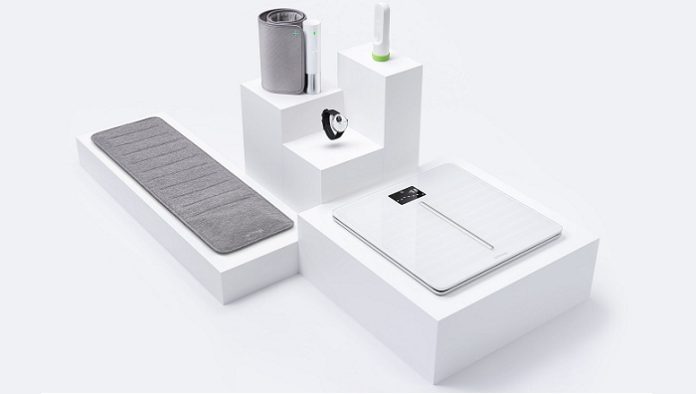
Withings, early pioneers of the connected health revolution, announced it has partnered with Redox, a single, secure API endpoint that connects and integrates provider EHRs with healthcare products and services. The partnership makes MED·PRO CARE, the unique Withings remote patient monitoring solution, compatible with nearly all EHRs used by physicians, hospitals, and medical institutions.

Withings launched MED·PRO CARE, its remote patient monitoring platform, to allow caregivers, medical institutions, and private organizations to manage multiple patients’ physiological data through the company’s portfolio of connected health devices and data analytical capabilities.

Patients benefit from beautifully designed devices that require little to no set up to fit effortlessly into their daily lives. In fact, thanks to the Withings Data HUB, a plug and play cellular gateway created specifically for Withings MED·PRO solutions, health providers can even deliver devices to patients that require no set up or daily management at all.

Clinically Validated Health Devices Now Compatible with EHRs

Through the partnership, physicians can now order and ship Withings clinically-validated connected health devices directly to their patients through their EHR in just a few simple steps. Patients can use their Withings devices to monitor and track their health in their traditional home environments while their physicians access and analyze their data seamlessly through Redox. The solution is HIPAA compliant and uses HL7 international standards.


Wolters Kluwer Health Announces Integration of its Clinical Interface Terminology Solutions with Henry Schein MicroMD’s EMR Platform

 Wolters Kluwer Health Announces Integration of its Clinical Interface Terminology Solutions with Henry Schein MicroMD's EMR Platform

Wolters Kluwer Health announced that Henry Schein MicroMD, a practice management and electronic medical record (EMR) solution, will be using Health Language Clinical Interface Terminology (CIT) to quickly map over a million medical abbreviations, typos, incomplete terms, and acronyms to standardized terminology. As a result, clinicians using MicroMD can easily search for diagnoses and procedure codes using their own day-to-day jargon with Wolters Kluwer Health Language Provider-Friendly Terminology (PFT).

“Unspecified diagnosis codes can have a significant financial impact for a medical practice. To avoid revenue loss, it’s critical that patient encounters be documented correctly at the point of care,” said Kristen Heffernan, General Manager at MicroMD, a Henry Schein company. “The integration of Wolters Kluwer’s provider-friendly terminology solutions can help enable clinicians to document more quickly and accurately, help reduce rejected claims, and help increase patient time with their providers.”
Kristen Heffernan

Health Language PFT is built upon tools that deliver a computer-processable collection of medical terms providing codes, terms, synonyms and definitions used in clinical documentation and reporting, such as ICD-10-CM, ICD-9-CM, and SNOMED CT®. Sophisticated search algorithms convert a clinician’s problem or diagnosis search into a standard, compliant code using a continually updated array of related terms, including synonyms, misspellings, word order variants and partial words. For example, clinicians using MicroMD can search familiar clinical shorthand or jargon such as AFib, A-Fib, atrial fib, or AF and PFT will consistently provide the corresponding ICD or SNOMED CT codes for atrial fibrillation.

“Our technology solution uses more than 300,000 attributes to help clinicians navigate the complexities of ICD-10 and pinpoint appropriate codes,” said Karen Kobelski, Vice President and General Manager, Clinical Surveillance, Compliance & Data Solutions at Wolters Kluwer Health. “With just a few clicks, clinicians are able to narrow 1,000 ICD-10 codes down to the one they need using their own terms. This significantly improves the physician documentation experience and the accuracy of the revenue cycle.”
Karen Kobelski

For medical practices, PFT can improve clinical documentation, increase clinicians’ satisfaction with their EHR, support clinician productivity and reduce revenue losses associated with inaccurate or incomplete clinical documentation.

CareSource, Healthify Partner to Address Social Determinants of Health in Ohio

COVID-19 Causes Healthcare To Adopt More Touchless Payments

CareSource, a nonprofit multi-state managed care plan has partnered with Healthify to build a statewide network of community-based organizations in Ohio. The new network will provide social services to CareSource’s members throughout the state with referrals to address Social Determinants of Health (SDoH). This new collaboration will expand upon the existing CareSource Life Services program and Healthify OH social services network.

The network will be made up of community organizations that provide a range of services that address SDOH such as food insecurity, lack of transportation, unemployment, inadequate housing, and financial instability. CareSource will also use Healthify’s population analysis modeling to identify social risk across OH and target hard-to-reach members to ensure they are connected to critical services.

Identifying Social Risk Across OH to Target Hard-to-Reach Members

In addition to the statewide network, CareSource will use Healthify’s population analysis modeling to identify social risk across OH and target hard-to-reach members to ensure they are connected to critical services. By layering this on top of clinical and cost data, CareSource can meaningfully improve member engagement among membership while tracking their long-term outcomes. Please visit the following link to learn more and join the statewide network to better coordinate care between healthcare and social services.

Translate »