











Close
Digital Health & Ai Innovation summit 2026
Medical Taiwan 2026

Abbott’s BinaxNOW COVID-19 Rapid Test Receives FDA EUA for First Virtually Guided, At-Home Rapid Test Using eMed’s Digital Health Platform

 Abbott's BinaxNOW COVID-19 Rapid Test Receives FDA EUA for  First Virtually Guided, At-Home Rapid Test Using eMed's Digital Health Platform

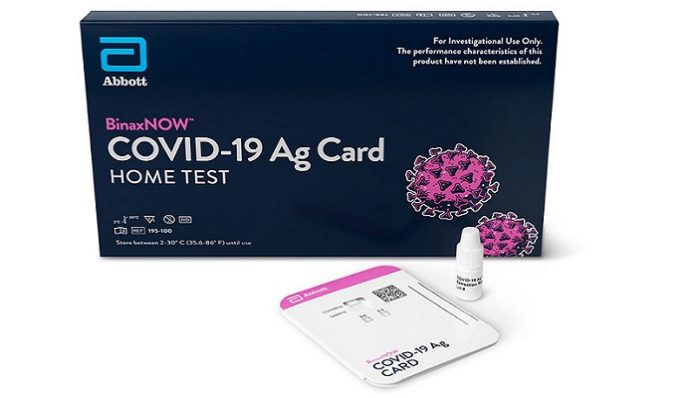
Abbott announced that the U.S. FDA has issued Emergency Use Authorization (EUA) for virtually guided at-home use of its BinaxNOW™ COVID-19 Ag Card rapid test for detection of COVID-19 infection. Abbott is bringing BinaxNOW, the most affordable and widely distributed rapid test into the home, where the result is delivered in minutes without the need to send it out for processing. The $25 cost for the test and service is the lowest currently available for at-home testing.

To facilitate the delivery of the BinaxNOW test to the home and the guided collection and testing process, Abbott has partnered with digital health solutions provider eMed™. This agreement furthers Abbott’s vision of making as many tests as possible available in a variety of different settings to improve accessibility, support consumer confidence in testing at home, and help people start returning to living their daily lives with more normalcy.

Abbott and eMed expect to deliver and administer 30 million BinaxNOW at-home tests in the first quarter of 2021, with an additional 90 million in the second quarter. Scale is critical to provide broad access to people who need testing and Abbott has scale for all its eight COVID-19 lab and rapid tests. In fact, since launching BinaxNOW in August, Abbott has ramped up capacity to 50 million tests a month in its U.S. facilities that are currently being distributed through the federal government and is expanding further so even more people have access to the tests.

“As the pandemic has evolved, the need for rapid testing has only grown. Unfortunately, we’re still hearing that many people can’t access testing as quickly as they need it,” said Robert B. Ford, Abbott’s president and chief executive officer. “That’s why Abbott is bringing our rapid BinaxNOW test and NAVICA platform into homes through this partnership with eMed, which allows us to maintain the integrity of the testing process, get even closer to people who need testing and help provide the confidence we need to help get back to living with a bit more normalcy.”

The eMed service offering costs $25 a test, and eMed takes care of determining eligibility, the guided self-collection process, public health reporting requirements and gets people their results through their NAVICA app in a matter of minutes.

The eMed offering could also remove some of the obstacles that individuals, governments and organizations face when seeking to provide or perform testing. These include mobility issues for people with disabilities or who may not have a reliable form of transportation, inconvenient testing windows for people who work non-traditional hours or have childcare or eldercare responsibilities, and discouragingly long lines at testing centers.

“COVID-19 is the greatest public health threat our nation has experienced in a century,” said Dr. Patrice Harris, CEO of eMed. “This pandemic has had devastating effects in every region of our country but particularly on seniors, essential workers and communities of color. FDA’s authorization of Abbott’s BinaxNOW test for home use is a breakthrough in the battle against COVID-19. I am proud to lead eMed’s partnership with Abbott to democratize access to frequent, affordable, at-home testing with results in 15 minutes. Together we can help to mitigate the spread, save lives and support our return to school, work and play.”

Through eMed and the NAVICA app, people can use authenticated BinaxNOW results to enter into venues that accept the NAVICA digital certificate. The virtually guided process preserves the integrity of the testing process and state-mandated reporting obligations, while ensuring equitable access to people who need tests through the prescription process. Real-time data generated from at-home testing can also help federal and state public health authorities to better understand the extent of an outbreak and take appropriate steps to control its spread.

How the at-home digital health service works

A person can access the eMed service through Abbott’s NAVICA app, which can be downloaded from the Apple and Android app stores. Once eligibility requirements are met, the test kit is shipped directly to the home user or a pick-up location, allowing a person to remain isolated until their status is known.

Once a BinaxNOW test kit arrives at the home, the home user logs into the eMed portal for their guided testing session and can expect results in approximately 20 minutes. The eMed certified guide is available to answer questions throughout the testing process.

BinaxNOW at-home performance data

In an interim, ongoing analysis of data collected in the U.S. from four investigational sites – where people tested themselves or a child – on a total of 52 people ranging from less than one-year-old to 63 years of age, which included analyses of people by days post-symptom onset and Ct counts, results showed that BinaxNOW for at-home use delivered the following performance as compared to lab-based molecular PCR tests:

  • Overall performance of 91.7% positive agreement (sensitivity) and 100% negative agreement (specificity) in people seven days or less post-symptom onset at all Ct counts.
  • Performance of 100% positive agreement (sensitivity) in people seven days or less post-symptom onset with Ct counts of 33 or below. These are people who are most likely to be infectious and spread the virus to others due to their lower Ct values.
  • The performance of BinaxNOW in the at-home setting is similar to performance in the larger post-authorization study (see section below in release).

There is a growing body of scientific literature and experience focused on the correlation between infectiousness, Ct counts and viral load. Specifically, scientific evidence suggests that at Ct counts in the 30s, the SARS-CoV-2 virus can’t be replicated, meaning people are no longer infectious. This underscores the importance of frequent antigen testing to catch people with lower Ct counts while they are most contagious and need to self-quarantine.

  • A study by La Scola et. al. published in the European Journal of Microbiology & Infectious Diseases,[ii] shows the inability to culture virus at Ct counts greater than or equal to 34.
  • A recent study from the University of California-San Francisco of BinaxNOW in a real-life setting, which showed performance of 93.3% sensitivity and 99.9% specificity at a Ct count of 30 and below.

Ct counts are the number of times a PCR instrument must cycle through to amplify enough genetic material of the SARS CoV-2 virus for it to be detectable. The greater the amount of virus present (viral load), the fewer cycles required to detect the virus. A person with a higher viral load (and lower Ct count) is more likely to be infectious.

Updated BinaxNOW professional use data

As part of its submission to the FDA for at-home use, Abbott also released the latest clinical data for its BinaxNOW COVID-19 Ag Card professional use product (not inclusive of at-home data) to show real-world evidence of clinical utility and efficacy.

In data collected from ten clinical sites in 460 people ranging from 6 to more than 60 years of age, which included analyses of people by days post-symptom onset and Ct counts, results showed that BinaxNOW delivered the following performance as compared to lab-based molecular PCR tests:

  • Overall performance of 84.6% positive agreement (sensitivity) and 98.5% negative agreement (specificity) in people seven days or less post-symptom onset at all Ct counts.
  • Performance of 95.6% positive agreement (sensitivity) in people seven days or less post-symptom onset with Ct counts of 33 or below. These are people who are most likely to be infectious and spread the virus to others due to their lower Ct values.

Abbott also conducted multiple culture studies that consistently showed that Ct counts less than or equal to 28 are required to grow the virus in a lab. Other independent third-party studies have identified that higher Ct counts are correlated with a lack of infectiousness, and a rapid antigen test with high performance at a Ct count of 33 or below is able to detect the virus in people who are infectious.

Abbott continues to study the BinaxNOW COVID-19 Ag Card, including in asymptomatic people.

About the BinaxNOW COVID-19 Ag Card Home Test and NAVICA App

The BinaxNOW™ COVID-19 Ag Card Home Test is a lateral flow immunoassay intended for the qualitative detection of nucleocapsid protein antigen from SARS-CoV-2. This test is authorized for prescription home use with self-collected observed direct anterior nasal (nares) swab samples from individuals aged 15 years or older who are suspected of COVID-19 by their healthcare provider within the first seven days of symptom onset or adult collected nasal swab samples from individuals aged four years or older who are suspected of COVID-19 by their healthcare provider within the first seven days of symptom onset. The BinaxNOW COVID-19 Ag Card Home Test is to be performed only with the supervision of a telehealth proctor.

Along with BinaxNOW, Abbott is also offering a mobile app at no charge called NAVICA, which will allow people to display their results obtained through a healthcare provider or through the eMed at-home service when entering facilities requiring proof of testing. The NAVICA app is optional and an easy-to-use tool that allows people to store, access and display their results with organizations that accept the results so people can move about with greater confidence. The NAVICA app is supported by Apple and Android digital wallets and is available from public app stores in the U.S.

About Abbott

Abbott is a global healthcare leader that helps people live more fully at all stages of life. Our portfolio of life-changing technologies spans the spectrum of healthcare, with leading businesses and products in diagnostics, medical devices, nutritionals and branded generic medicines. Our 107,000 colleagues serve people in more than 160 countries.

BD Surpasses 1 Billion Injection Device Orders in Support of COVID-19 Vaccination Efforts Around the World

Johnson & Johnson Pauses Covid Vaccine Trial As Participant Falls Ill

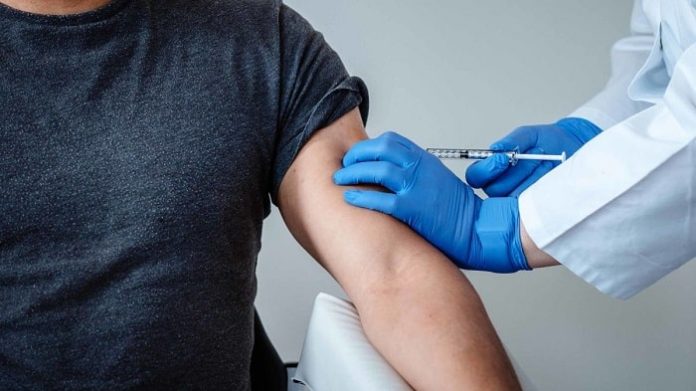
BD, a leading global medical technology company, announced that it has received pandemic orders for needles and syringes totaling more than 1 billion injection devices to support global COVID-19 vaccination planning efforts.

This milestone reflects commitments from governments across the world, including the United States, Australia, Belgium, Canada, Germany, Netherlands, Saudi Arabia, Spain and the United Kingdom, among several others, as well as non-governmental organizations supporting vaccine deployment for developing countries.

Shipments are already underway and more than 300 million injection devices have been delivered around the world to date, with the remaining orders to be delivered between now and the end of 2021 to support vaccine administration. These devices are being shipped to governments or appointed distribution partners where they will then be distributed to health care facilities based on each country’s individual distribution and allocation strategy. BD continues to be in discussions with governments and non-governmental organizations on the need to place orders immediately for delivery later in calendar year 2021 and 2022.

“This milestone is more than just a number – it represents hundreds of millions of people around the world, such as frontline workers and at-risk loved ones who will now be able to receive a vaccination the moment vaccines are available,” said Rick Byrd, president of Medication Delivery Solutions for BD. “We recognize our manufacturing and supply chain teams who are working around the clock to make and deliver these essential devices throughout the world. From our decades of immunization experience, we also know our work doesn’t stop at delivery. We are equally committed to providing resources to ensure health care communities globally have the right training tools and support on injection techniques to implement these campaigns.”

The company continues to closely plan supply capabilities to ensure maximum volumes can be dedicated to COVID-19 efforts while minimizing disruption for routine health care and annual flu vaccination and childhood immunization programs.

In addition to supporting immediate efforts for COVID-19 vaccination readiness, BD is also working on multiple fronts to help ensure the global community is prepared for future pandemic vaccination efforts by:

Partnering with the U.S. government on a $70 million capital project to further expand BD’s operations and manufacturing capacity in Nebraska. The new capacity is expected to be online in summer 2021 and once completed, the federal government will have priority access to hundreds of millions of injection devices to support vaccination efforts for COVID-19 and future pandemics.
Investing approximately $1.2 billion over a 4-year period to expand and upgrade manufacturing capacity and technology for pre-fillable syringes and advanced drug delivery systems to allow for continued growth of new injectable drugs and vaccines, but also provide surge capacity for increased pre-fillable syringe demand during times of pandemic response.
Actively engaging with med-tech associations and research groups to address challenges, solutions and further innovation in support of a more sustainable future vaccine ecosystem.

BD is the largest manufacturer of injection devices in the world, producing billions of syringes and needles annually through its global manufacturing network. Learn more about BD’s vaccination preparedness efforts at bd.com/vaccination.

In addition to ramping up manufacturing of needles and syringes, BD has been working closely with governments and multilateral organizations around the world to expand access to diagnostic testing and support treatment of COVID-19 patients. The company has supplied health care providers globally with millions of products used in of the fight against COVID-19, including swabs for flu and COVID-19 testing, rapid molecular diagnostic tests on the BD MAX™ System, 15-minute point-of-care antigen testing on the BD Veritor™ Plus System, infusion pumps, infusion sets and catheters. BD Biosciences instruments are also being used by researchers around the world to better understand the human immune response to COVID-19.

About BD
BD is one of the largest global medical technology companies in the world and is advancing the world of health by improving medical discovery, diagnostics and the delivery of care. The company supports the heroes on the frontlines of health care by developing innovative technology, services and solutions that help advance both clinical therapy for patients and clinical process for health care providers. BD and its 65,000 employees have a passion and commitment to help enhance the safety and efficiency of clinicians’ care delivery process, enable laboratory scientists to accurately detect disease and advance researchers’ capabilities to develop the next generation of diagnostics and therapeutics. BD has a presence in virtually every country and partners with organizations around the world to address some of the most challenging global health issues. By working in close collaboration with customers, BD can help enhance outcomes, lower costs, increase efficiencies, improve safety and expand access to health care.


>>>


GE Healthcare, Wayra UK to Support Startups to Develop AI Applications for Healthcare with New Accelerator Programme

Orion Health Unveils New Predictive Intelligence Using Machine Learning to Help Save Billions in Healthcare Costs

GE Healthcare and Wayra UK announce the launch of GE’s regional programme to support digital health start-ups to develop AI applications for healthcare and accelerate the path of new AI solutions for healthcare to market.

The Edison Accelerator will welcome 6 start-ups to its first cohort in early 2021 which will focus on applying artificial intelligence (AI) to medical imaging, operational AI in oncology and the use of AI to improve the patient experience.

This is GE Healthcare’s first such initiative in EMEA, following two successful programmes in China and India. GE is working in partnership with the pioneer of corporate innovation, Wayra UK.

The start-ups joining the programme will focus on three aspects of their proposition: innovation, adoption and integration. They will work towards getting their proof of concepts in place and if successful, they could gain access to GE Healthcare’s innovative Edison platform. The platform enables rapid and compliant design, development and deployment of various applications and will ultimately give the start-ups access to GE Healthcare’s clients.

The start-ups will be able to tap into GE Healthcare’s extensive global network including thousands of sales professionals and distribution partners in 160 countries. A network of mentors from domains including healthcare technology, business development and investment will support the start-ups throughout the programme.

The Edison Accelerator has been co-designed with healthcare providers to make it easier for digital health start-ups to bring new and innovative solutions to the market quickly and cost-effectively. A rich network of mentors from a variety of domains including healthcare technology, business development and investment will support the start-ups throughout the programme.

“The healthcare industry produces substantial amounts of data, and it is extremely difficult to bring this data together, convert it into meaningful insights and bring those insights to the point of care. The opportunities for healthcare with a truly intelligent connected digital enterprise are significant, but no one organisation can get there alone,” said Catherine Estrampes, President & CEO Europe, Middle East & Africa, GE Healthcare. “The future of innovation will be about working across silos and collaborating across the healthcare ecosystem, including start-ups, research centres, hospitals and clinicians. The Edison Accelerator brings together leading technology providers, developers and academic institutions under a single, connected ecosystem to create real impact from the bottom line to better patient outcomes.”

Bruno Moraes, Country Manager, Wayra UK commented: “The pace of innovation in MedTech is impressive and brings fundamental changes to our healthcare system with better outcomes and tangible impact on our lives. This is an area where we have been very active for several years and this partnership with GE Healthcare and the launching of the EMEA Edison Accelerator represents our strong belief on the impact innovation and digital transformation has in this sector. One of the differentiators of this programme is the strong connection with the industry and real clients through its entire duration. It is a great opportunity for the best scale-ups in EMEA to further develop and expand their solutions and we are looking forward to welcoming and working with them.”

About the application process:
Start-ups and scale-ups based in Europe, the Middle East or Africa targeting the healthcare space will be able to apply for the first cohort in early 2021. Applications from start-ups leveraging technologies like big data and advanced analytics, AI and machine learning, image and time series processing and edge computing will have an advantage in their application.

The first cohort of the EMEA Edison Accelerator will focus on finding the best solutions that apply AI to medical imaging, operational AI in oncology and the usage of AI to improve the patient experience. Details about the open call will be published in early January 2021 on the Edison Accelerator and Wayra UK websites.

About GE Healthcare:
GE Healthcare is the $16.7 billion healthcare business of GE . As a leading global medical technology and digital solutions innovator, GE Healthcare enables clinicians to make faster, more informed decisions through intelligent devices, data analytics, applications and services, supported by its Edison intelligence platform. With over 100 years of healthcare industry experience and around 50,000 employees globally, the company operates at the center of an ecosystem working toward precision health, digitizing healthcare, helping drive productivity and improve outcomes for patients, providers, health systems and researchers around the world.

About Wayra:
Wayra connects Telefónica and corporate partners to technological disruptors around the world. Wayra is present in 7 hubs with activity in 10 countries in Europe and Latin America, with a clear objective: help start-ups to scale. Wayra offers a unique and smooth interface between entrepreneurs and our network of corporates, governments and other partners, adding value to the ecosystems where we are present.

As a pioneer in corporate innovation, we understand that all companies face two choices: disrupt or be disrupted. We believe that corporates can reinvent themselves by standing shoulder to shoulder with entrepreneurs worldwide and scale them to fulfil their digital transformation. We are leaders in bringing corporations and start-ups together to generate joint business opportunities.

Sakra World Hospital launches world’s first robotic knee replacement system

Sakra World Hospital launches world's first robotic knee replacement system

Sakra World Hospital, one of the leading healthcare providers in Bengaluru and India’s first FDI hospital now boasts of the country’s one of its kind healthcare breakthrough ̶ advanced robotic knee replacement technology that is set to empower the orthopaedic surgeons to plan the knee replacement days before they enter the operation theatre to actually conduct the procedure. Meet CUVIS Joint, the world’s first fully active robotic knee replacement system which is now making knee replacement surgeries more accurate, transparent and hassle-free in Sakra World Hospital and comes as a bliss for those suffering from severe arthritis. Manufactured by Curexo, a South Korean firm and marketed and sold by Meril Healthcare in India and known for its unique and autonomous nature of functioning, CUVIS Joint was launched by BS Yediyurappa, Hon’ble Chief Minister of Karnataka and Dr Shivaraj Kumar, popular Kannada film actor.

Expressing his delight on the launch of CUVIS Joint, BS Yediyurappa, Hon’ble Chief Minister of Karnataka, said, “I am happy to see that this new advanced robotic technology has been brought first time to India to help in treatment of people suffering from severe arthritis. I congratulate Sakra World Hospital and Dr Chandrashekar P on acquiring this technology and wish them good luck. I am sure that this will help the people in India and abroad, especially during the pandemic and social distancing. The minimal human intervention will make it a win-win situation for both the patients and healthcare providers.”

Explaining how CUVIS Joint can transform knee replacement surgeries, Dr Chandrasekhar P, Senior Consultant & Head – Department of Orthopaedics, Sakra World Hospital with an experience of conducting 5,000 successful knee replacement surgeries and one of the key global opinion leaders behind the development of CUVIS fully active robotic system said,”While using this robotic knee replacement technology, we first conduct a CT scan before the surgery. The images from the CT scan are loaded in the robotic software. The surgeon sits with the software and prepares the 3D anatomy of the patient’s knee joint and prepares the surgical plan that shows how the implantable knee would look like side to side, front to front and oblique direction. Even before the surgery starts, the planning is done. Once the surgeon enters the operation theatre, the CT landmarks are already loaded in this software and the surgery can be conducted smoothly. This robotic software allows three stage planning: pre-operative plan, plan during the procedure and post-operative plan which shows if the surgery has been done as per the plan and whether the same anatomy has been depicted and perfectly performed.”

Echoing Dr Chandrashekhar’s words, Takashi Maki, Managing Director – Sakra World Hospital shared, “The impeccable precision of CUVIS Joint walks hand in hand with uncompromising dedication and flawless care and service offered by Sakra World Hospital. Inspired by the Japanese values and cutting-edge Japanese technology, Sakra has always lived up to spearheading technological advancements in global and Indian healthcare. With CUVIS Joint, we hope to offer optimum clinical outcome and garner maximum patient satisfaction.”

The fully active nature of CUVIS Joint helps in conducting joint replacement surgeries in an exceptional manner requiring least human intervention. In addition to the maximum precision, accuracy and flexibility on offer, it has features for maximum safety as well. It takes help of CT-Scan images to develop patient-specific 3D bone models and does the virtual simulation of joint replacement surgeries personalized for each patient. With sub-milli meter dimensional accuracy, it helps to get the optimal post-surgery outcomes for joint replacement.The benefits that this avant-garde robotic technology brings in include lesser tissue trauma and associated blood loss, faster recovery, early hospital discharge and best possible implant positioning with maximum cutting accuracy. Alongside, it promises to redefine the lives of those suffering from acute arthritis and give them an active life like never before.

Exercise Options for People with Vulnerable Knees

Exercise Options for People with Vulnerable Knees
The knee is an important joint in the body, especially for movement. It will definitely affect any physical activity you do, especially exercising. If you have weak or vulnerable knees, you will not be able to do the same exercise routines as those with strong knees. However, that does not mean that you should be inactive. There will be activities such as running that will simply be too painful for you to do. There are still many options you can explore that you can do even though you have vulnerable knees. The following are exercise options for people with vulnerable knees:

Walking

If you have vulnerable knees, the simplest and most basic exercise activity in which you can engage is walking. Walking is a very low impact activity that you can do anywhere as long as you have the time. Walking does not require a tremendous amount of force hence it is gentle on your vulnerable knees. It is also an activity that you engage in everyday hence there will be an element of familiarity. The distance you decide to walk will depend on how vulnerable your knees are. The key is to be uncomfortable but stop if it is too painful. The more you walk, the stronger you get and the longer you can walk every day.

Swimming

Another great exercise option for those with vulnerable knees is swimming. It is true that swimming works every muscle in your body including your knees. Swimming is another low impact activity that is gentle on the knees. The exercise is derived from moving in water which is a completely unnatural element for humans. Swimming is also fun which makes it likely that you will do it often especially when it is hot outside. Even during winter, you can find a heated indoor pool and get in your exercise for the day. This activity might put some tension in the knees since you need to use your legs to kick. On the other hand, there are many ways to swim that take the pressure off the legs.

Rowing

Rowing is a great exercise especially for those with weak knees because it is also a low-impact activity. You can develop a significant level of cardio and strength fitness by simply rowing for an hour a day. There are two types of rowing with the first being rowing a vessel in open water which can be quite dangerous. The other type of rowing involves using a rowing machine. It mimics the movement of rowing a vessel in open water but in a safer environment. Rowing, like swimming, works all areas of the body, especially the arms and back. However, you will also work your legs on a rowing machine without the damaging impact of other exercises.

Yoga

Yoga is a type of exercise that is different from what people do in a gym. It mostly involves stretching and holding various isometric poses. On the other hand, yoga is a great form of exercise for those with weak knees. It involves essentially no high impact activity at all. Yoga like any other exercise requires a substantial level of skill so it will take time for you to become proficient. You can become stronger and more flexible by only doing yoga every day. Yoga has the added benefit of being a great tool for relaxation. A lot of yoga involves deep breathing exercise which is quite relaxing. The art of yoga is gentler on the knees than most forms of exercise if you use a sufficient yoga mat. You should never do yoga on the floor if you have vulnerable knees.

Tai Chi

Another form of exercise, much like yoga, Tai Chi comes from China and is an exercise that is very gentle on the knees. It is a perfect exercise for those with vulnerable knees. Tai Chi involves doing a series of slow movements while following the body’s innate energy. You might have to step in one direction or another but most of the movement has zero impact on the knee. Tai Chi is also a martial art hence you can use it for fitness as well as for combat. There is a great deal of spiritual development done in Tai Chi as well if you are interested. You can do Tai Chi alone or take a group class. You will gain much from it besides protecting your vulnerable knees. There are many exercise options for people with vulnerable knees. The key is to minimize the impact on the knees as much as possible. Walking, yoga, Tai Chi, and swimming are a few examples of the options. Look for any option that is suitable for you.

What Is Trichotillomania and How to Treat It?

Trichotillomania

Nowadays, many people suffer from anxiety, depression, and many other problems related to mental health. We all deal with it in our own way. For people suffering from trichotillomania, it often includes an urge to pull out their own hair. This is a common psychological disorder, but often underdiagnosed. Over a longer period of time, pathological pulling your hair out can increase emotional distress and lead to bald spots. It’s very difficult because the need to pull your hair out is overwhelming and you may feel it’s uncontrollable.

Many people with these symptoms may think this is just a bad habit, and it’s nothing to be worried about. Others, which are experiencing more severe physical and psychological problems, often ask for help from an expert.

If you are noticing some symptoms, or are diagnosed with trichotillomania, even if you are just curious about this condition – please continue reading. Here you will learn everything about signs and symptoms, as well as different treatments available.

Etymology and Definition

The term comes from Ancient Greek. Thrix means “hair”; tillo means “pull out/pluck” and mania means “madness”.

Also known as TTM, trichotillomania is a mental disorder, which makes people pull out their hair almost uncontrollably. Studies have shown that 0.5-2% of the population are affected by this disease. Many people with TTM focus on the hair from their scalp, but areas like eyebrows, or eyelashes are common as well. It is usually developed during adolescence or childhood (affecting both males and females in childhood, but more females during adulthood). Many studies show how TTM is related to hormones, so women may experience more urges during the menstrual cycle or pregnancy. Experts at nomorehairpulling.com are emphasizing how much struggle and stress women are experiencing, due to society’s expectations, and all the beauty standards. However, don’t worry. TTM is treatable and you are not alone. There are many professionals that can help you, the same way they already helped so many people.

Symptoms

A person suffering from trichotillomania may experience these physical and behavioral symptoms:

  • Pulling out hair repeatedly
  • Eating hair
  • Breaking off pieces of hair
  • Feeling relieved after
  • Inability to stop despite the attempts
  • Anxiety and stress
  • Hair loss and bald patches
  • Skin irritation
  • Social anxiety

Causes and Risk Factors

Researchers are not really sure what causes a person to develop TTM. Some suggest stress, or dealing with adverse emotions are responsible. Factors that can increase the risk of developing this problem are:

  • Genetic history: People with a close relative (parents or siblings) with trichotillomania are more likely to suffer from the same condition.
  • Trauma: This applies mostly to childhood traumas, but there is not enough research to know for sure.
  • Brain chemistry: Doctors are still trying to determine how much changes in the brain may affect TTM, and how much TTM is related to other similar behaviors.

Trichotillomania can sometimes be connected to other mental health conditions, such as:

  • Anxiety
  • Depression
  • OCD (obsessive-compulsive disorder)
  • ADHD (attention deficit hyperactivity disorder)
  • Autism

Treatments

Treatment of TTM depends on how severe the symptoms are. A mental health professional shall often recommend the following:

Behavioral Therapy

Some studies have shown that the best type of behavioral therapy for treating trichotillomania is Habit Reversal Therapy (HRT).  It consists of five stages:

  1. Awareness training (identifying triggering factors)
  2. Competing response training (replacing hair pulling with a different behavior)
  3. Motivation and compliance (praises for the progress made during the therapy)
  4. Relaxation training (meditations, breathing techniques, etc.)
  5. Generalization training (making sure the new behavior becomes automatic)

HRT offers an in-depth understanding of your unique pulling behaviors and concentrates on your specific needs. Awareness training and self-monitoring are essential, as well as stimulus control and response procedures. The goal is for you to learn to recognize your urges and avoid situations in which pulling is more likely, at first. In time, you will be able to adopt behaviors that can be used instead of pulling. The work involves improving mindfulness and many techniques that help anxiety and stress.

Medication

Here is a list of medication proven to be useful in treating trichotillomania:

  • N-acetylcysteine
  • Olanzapine (antipsychotic)
  • Clomipramine (antidepressant)
  • Naltrexone (opioid antagonist)
  • SSRI (selective serotonin reuptake inhibitors-antidepressant)

In case you need therapy with meds, it’s absolutely necessary to consult with your doctor, who will prescribe the right therapy and dosage.

Now that you know all the symptoms, causes, and how to treat them, it’s important to remember that you have nothing to be ashamed about! It is possible to live a happy life, to overcome this condition, and find the right support. You may learn so much about yourself during therapy and you may be able to help others after acknowledging some of the deeper issues that caused TTM. True beauty is so much than your hair and no one can ever take that away from you.

What is AI (artificial intelligence) assisted drug discovery?

What is AI (artificial intelligence) assisted drug discovery

AI and machine learning are revolutionary in today’s world. Technology such as SIRI and facial recognition are all products of AI and machine learning. However, AI can also save lives by facilitating the discovery of new and better drugs for various diseases and medical conditions.

AI research has untapped opportunities, especially when it comes to healthcare and drug discovery. An excellent understanding of the molecular mechanisms behind different diseases is essential for designing new drugs.

Artificial intelligence (AI), also called machine intelligence, can potentially make waves in drug discovery. But it comes with its own set of challenges. In this article, we highlight the use of AI in assisted drug discovery and development, including its ability to reduce the human workload and aid in reducing human labor in a short period.

Why is AI used in Drug Discovery?

The primary aim of drug discovery research is to recognize drugs that are beneficial to the body, which means they can help treat, prevent or even cure a particular disease.

Although there are a few distinct kinds of medications, most are little artificially blended molecules that can explicitly tie to a target molecule – typically a protein – associated with a symptom.

To discover these molecules, researchers usually dig deep into the library of molecules to recognize one with the possibility to become a drug. They also do various tests to transform this molecule into something substantial.

As of late, more objective structure-based drug design methods have become progressively normal. These do not include preliminary screening stages but still require scientists to make new drugs through design and evaluation potentially.

Since most people don’t know the specific chemical structures that will be suitable biologically to become an effective drug, the method of refining a potential compound into a drug candidate requires expenses and time.

When another drug candidate becomes successful in lab testing, it might fail during the clinical trials phase. Nonetheless, only a few drug candidates successfully go to the market after phase 1 trails.

With this in mind, it’s interesting that specialists are currently looking to the unrivaled data handling potential of AI systems as an approach to quicken and lessen the expense of finding new drugs. Statistical surveying from several firms shows that it can bring over US$70 billion in savings for the drug discovery process by 2028.

There are companies like Standigm, CytoReason, Genome Biologics that are focused on data driven and pre-clinical drug discovery. Then there is an AI tool Supp.ai which can help identify the usefulness & efficiency of herbal supplements and over the counter products such as natural Adderall nootropic or herbal dietary supplements. Herbal formulations like these are used by millions to help out with some condition or another.

The future of AI in assisted drug discovery

AI is already showing great potential in drug discovery – it facilitates the process of drug identification, aids in discovering good molecules from data libraries, and more and has great implications in different health & medical fields like healthcare, cancer, anti-aging and more .

Machine intelligence assisted drug discovery is much needed for the pharmaceutical industry’s development with a high cost of R&D that results in a minimal payoff. Nonetheless, utilizing machine learning means working together to surpass some intrinsic difficulties in the industry.

Like any recent discovery, the time objective of this can be long and lead to an uncertain outcome. Nonetheless, there is a certainty that AI will need to overcome challenges to facilitate assisted drug discovery in the short term.

Benefits of Subscriptions Plans for Functional Medicine

Benefits of Subscriptions Plans for Functional Medicine

You may be looking for ways to improve your overall wellness regimen, especially in this tumultuous time when everyone’s health is at the front of their minds. There are a lot of different recommendations out there, ranging from the ideal exercise routine to the best combination of vitamins to take, and it can be confusing to figure out the right fit for you. This is because there is no one-size-fits-all wellness regimen. Depending on your needs, your lifestyle, and any chronic conditions you may be coping with, you may need a different set of routines, supplements, medications, and treatments than someone else. If you’re struggling to find the best way to boost your wellbeing, you may want to consider looking into functional medicine.

Functional medicine is a form of holistic medicine that aims to treat the underlying causes of sickness and disease. This involves addressing issues like vitamin deficiencies, nutritional imbalances, and lifestyle changes in order to facilitate your body being able to function at its best. What functional medicine aims to do is to root out the very causes of these conditions without having to tackle the person’s immediate afflictions.

Why Functional Medicine?

Imagine having to be treated for a disease you might have. A headache can be treated with a few aspirins, but you don’t know where that headache came from. If you wish to truly prevent this nasty headache from ever happening again, you will want to address the underlying cause of it. Perhaps you might have been experiencing a change in your diet, not being to sleep well at night, sluggishness, or irritability. Or perhaps you’re experiencing depression or anxiety, and the headache is a psychosomatic symptom.

What functional medicine does is focus on solving the root causes of these depression spells or anxiety attacks that are, in turn, causing your headaches. When you take steps to manage your mental health, your neurochemicals and hormones that had been out of balance because of stress responses may regulate and set your body back on track. With a healthier set of hormones flowing through you, you may sleep better, feel less sluggish or irritable, and improve your appetite. If you’d like to know more about functional medicine, sites like Rose Wellness have resources that can provide you with the information you need.

If you’re interested in exploring supplementing your wellness regimen with functional medicine, you may want to consider a functional medicine subscription plan. A subscription plan will help you make adjustments to the way you live through an extensive and comprehensive program that helps you implement changes to your routine over time and encourages long-term wellness practices. By maintaining wellness in your day-to-day life, in combination with any appropriate medical care or treatments you may require, you can improve your long-term health and wellbeing.

It May Help Address Root Causes in Your System

Functional medicine’s primary goal is to address underlying conditions that affect your everyday life. The goal is to look at an immediate condition, like depression or chronic pain, and try to determine what the issue is behind the immediately obvious condition or symptoms. By attempting to determine the underlying cause of your obvious condition, you will be able to treat the real problem, which will resolve not just the immediate condition but also any other ancillary issues you may have been experiencing that you didn’t realize all had the same cause. This also means that you will be more likely to ensure your long-term health because you will have resolved a core problem rather than just the surface level symptom. If you don’t address the central cause, any relief you experience from your obvious symptoms will only be temporary as they will most likely recur.

It Has Personalized Treatment and Prescription

Applying to a functional medicine subscription may benefit you as you’ll be given a personalized prescription that addresses your physical and mental health as a whole. If you are hesitant to commit to a full subscription plan, you can try out some of the most popular supplements and regimen recommendations from functional medicine resources to see if it would be a good for you and your lifestyle. Resources like Vita Living can provide you with the options and information to determine what could be a good fit for you and your needs.

If you decide to pursue a prescription plan, doctors who practice functional medicine will attempt to find the core problem of your body—the source of your various ailments and conditions. That way, you should be able to start improving your condition and your day-to-day life. Your doctor should be able to answer your every question and your every concern. You will be diagnosed based on your lifestyle, diet, the environment you live in, your stressors, and many other important factors that impact your wellbeing.

It Can Be Affordable and Flexible

The pharmaceutical industry changes daily and to keep up with the various trends that are being sold by conventional pharmaceuticals, functional medicine providers seek natural alternatives to supplement any treatment you may be undergoing. Medicine becomes more and more complex by the day, and the costs of delivering healthcare also keeping rising at an exponential rate. Hospital and medical bills get more and more expensive, and people would often choose to stay home and wait their disease out or wait for their condition to subside. If you’re looking for a quick, affordable way to help improve your overall wellness as a preventative measure against needing to seek expensive emergency treatment, a functional medicine subscription may be a good option for you.

In addition, if your condition ever evolves or changes, your plan can change easily based on your doctor’s observations. After your doctor successfully identifies what the root cause of any changes is, the plan will be tailored to your new condition or situation. Functional medicine clinics often also provide easy same-day appointments and hassle-free waiting times, meaning you can seek care quickly.

It Allows You and Your Doctor to Track Your Health

If you decide to a subscribe to a functional medicine plan, and once you begin your plan and initiate your first visit, you and your doctor can easily maintain an open line of communication. This is for the both of you to track what’s going on in your life and how you’re coping with the plan or any events that occur in your daily life. Perhaps the plan may initially leave you winded or drained of energy, but that’s when flexibility comes into play—the doctor will change the plan based on how you’re feeling and adjust to your growth as your progress. As they narrow down what might be causing you to get sick in the first place, you will be able to tailor your supplement and wellness regimen to more efficiently address your needs.

If you begin a routine and initially see positive results but then experience other imbalances again or a different condition entirely, your doctor is just a call away. The key here is to keep communicating with your doctor and ensure that you inform them of any symptoms you might be experiencing. It’s through this that you and your doctor will constantly and expeditiously weed out the source of your conditions.

It Has a Patient-to-Doctor Program

In standard clinics, a single doctor is assigned to a multitude of patients and has to juggle care for all of them. In functional medicine clinics, there is often a one-to-one doctor-patient ratio, or at least a much lower ratio than that of doctors to patients in other clinics. This means that your provider can focus more intently on your care because they have more time to do so. This ensures more opportunities for people to find effective supplements for their treatments and modifications for their routines.

You will be able to spend more time with your doctor, especially if your condition is chronic. Such a program will allow you to build a relationship of trust, which means you will be more inclined to be honest with them about all of your conditions—even the ones that you may find embarrassing. Honesty and confidentiality between doctors and patients are one of the fundamental blocks of the doctor-patient relationship—if you can’t bring yourself to be honest with your provider or don’t feel that they’re trustworthy, you won’t be able to effectively treat your issues.

Preventing a Disease is Easier Than Treating It

With your health changing as you age, your medicines might not be able to keep up and you’ll find every day a little bit harder to go through. You will walk slower, eat and sleep less, worsen your posture, even lose your eyesight and hearing eventually, but never fret—there are ways to mitigate these effects if you start taking care of yourself now. If you’re looking for ways to maintain your physical and mental wellbeing, a functional medicine subscription plan could be a great addition to your existing wellness regimen.

Philips and InSightec partner to expand access to MR-guided focused ultrasound for incisionless neurosurgery

neurosurgery

Royal Philips , a global leader in health technology and InSightec, a global healthcare company focused on the therapeutic power of acoustic energy, today announced a collaboration to expand access to MR-guided focused ultrasound for incisionless neurosurgery. By developing compatibility between Philips’ advanced MR systems and the Exablate Neuro platform from InSightec, the two companies will support expanded access to MR-guided focused ultrasound for the treatment of Essential Tremor and other neurological disorders. The expansion of access to this innovative treatment option has the potential to significantly improve the patient and staff experience, enhance health outcomes and lower the cost of care.

Essential Tremor is a neurological condition that typically causes shaking of the hands, head and voice, and may also cause shaking of the legs and trunk. The tremor begins mildly and progresses over time, and in some patients, is severe enough to interfere with daily activities, such as personal care, eating or getting dressed. Essential Tremor is one of the most common movement disorders in the world [1]. MR-guided focused ultrasound uses high-intensity sound waves, guided by magnetic resonance imaging, to target and treat the area of the brain responsible for the tremor. The incisionless treatment option is often performed in an outpatient setting, with many patients showing immediate tremor relief with minimal complications.

“As a leading innovator in MR imaging to support precise diagnosis and targeted therapies, we continue to expand the role of MR in providing precision guidance for minimally invasive therapy solutions into new treatment areas,” said Arjen Radder, General Manager for MR at Philips. “By partnering with InSightec we are expanding access to Philips’ advanced MR capabilities to a wider range of healthcare providers, including neurosurgery practices both in-hospital and in outpatient settings, as well as the global research community. Together, we aim to advance towards clear care pathways with predictable outcomes for every patient.”

“InSightec is committed to expanding patient access for MR-guided focused ultrasound, which is rapidly being adopted as a standard of care worldwide for treating Essential Tremor, as well as continuing to develop a research pipeline for the treatment of many other disorders,” said Maurice R. Ferré MD, InSightec CEO and Chairman of the Board of Directors. “Partnering with Philips will help increase adoption of our innovative technology to transform patient care.”

The partnership will involve the development of compatibility between the InSightec Exablate Neuro platform and Philips’ MR Ingenia Elition 3.0T, Ingenia 3.0T and Ingenia 1.5T systems. This includes the Ambition 1.5T MR, the industry’s first and only commercially available fully sealed magnet for more productive, helium-free operations [2]. Philips’ MR therapy portfolio also includes its Ingenia MR-OR intraoperative MR for use during neurosurgical procedures, as well as its leading MR-only radiotherapy applications, which enable clinicians to quickly execute complete imaging protocols for prostate, female pelvis, brain, head and neck, and spine.

About Royal Philips

Royal Philips is a leading health technology company focused on improving people’s health and well-being, and enabling better outcomes across the health continuum – from healthy living and prevention, to diagnosis, treatment and home care. Philips leverages advanced technology and deep clinical and consumer insights to deliver integrated solutions. Headquartered in the Netherlands, the company is a leader in diagnostic imaging, image-guided therapy, patient monitoring and health informatics, as well as in consumer health and home care. Philips generated 2019 sales of EUR 19.5 billion and employs approximately 81,000 employees with sales and services in more than 100 countries.

Papa Health service expanding into virtual primary care for older adults

MedSign announces the launch of Qortex to help fight against COVID-19

Papa got its start offering assistance and socialization for older adults and is now expanding into virtual clinical care services for its members.

Now the three-year-old startup is expanding into virtual primary care, urgent care, and chronic care management with its new health management platform Papa Health.

The new service connects members with a Papa Doc virtually, while their companion, called a Papa Pal, is alongside the member and can help them navigate the appointment and provide transportation and care facilitation, said Andrew Parker, founder and CEO of Papa.

The aim is to improve health outcomes of older adults and families.

Papa Pals, who are typically college students, also serve as “boots-on-the-ground” making sure that beyond doctors’ appointments, members are eating the right foods, exercising, and are taking their medications, Parker said.

“Engaging in a healthy lifestyle is imperative to leading a long, fulfilling life and our Papa Pals represent the missing link in delivering high-quality and effective healthcare to older adults,” said Joel Rabasco, head of Papa Health. Whether it’s helping coordinate a successful virtual primary care visit, or providing a trusted companion to assist in chronic care management, their guidance and advocacy will lead to dramatically better health outcomes for our members.

Since launching in Miami in 2018, Papa has seen dramatic growth, with plans to be in all 50 states by January 2021. The startup has raised $31 million in venture capital from investors Comcast Ventures and Pivotal Ventures, an investment and incubation company created by Melinda Gates, as well as Initialized Capital, Y Combinator and Sound Ventures.

Company growth has accelerated due to the COVID-19 pandemic and membership has increased by 500% year over year, the company said.

“Never before has it been more important to support older adults and families throughout the aging journey,” Parker said. “With companionship at our core, we have a unique opportunity to encourage and facilitate medical care into the home, where our members prefer to be for routine consultations and healthcare planning.”

During the COVID-19 pandemic, companies like Papa have had to take an increasingly digital approach to help socially isolated people connect. The company quickly ramped up virtual companion visits.

Expanding into virtual clinical care services has long been a part of Papa’s road map, Parker told Fierce Healthcare.

Parker’s father, Randy Parker, founded the telehealth company MDLive. Working at MDLive as vice president of health systems, Parker said he recognized the benefit of both in-person and virtual health services, he said.

“We’re excited to support our members in more ways beyond companionship to include board-certified providers, specialists, and care managers,” he said.

Parker said Papa Health is not a standalone service but is part of the Papa Pal experience. “Whether the member needs to drop off a script, or they need a lab test or they need help with a virtual visit through video, the Papa Pal is able to facilitate that. The clinical services we offer are all virtual through the technology that we built,” he said.

Papa also scored major partnerships with multiple large health insurance plans, including Aetna, AvMed, Florida Blue Medicare, Humana, Priority Health and Regence Blue Shield, among others. Papa works through insurance carriers such as Medicare, Medicaid and employer benefits.

“Health plans love Papa. They found a way to support a large number of members in a nuanced way. Some people need help using a computer, some need to go to dialysis every week and they trust us a partner,” Parker said. “We’re launching some programs early this year and then will build upon the solution to build out a robust, complete virtual care platform.”

Translate »