












Close
Digital Health & Ai Innovation summit 2026
Medical Taiwan 2026

Doctors trial AI tool to process patient letters

Prospero Health Partners With GrandPad to Improve Access to Care for Vulnerable Seniors During COVID-19 Surge

UK software provider Advanced is working with researchers at The University of Manchester and AI specialist Spectra Analytics to develop a tool that will process clinical correspondence in primary care using artificial intelligence.

The Docman10X software – a new version of its existing healthcare software Docman10 – will be able to automatically read patient letters, and only show correspondence to doctors that its algorithms think need further action.

A number of doctors have agreed to take part in the first set of testing, which began this month, and Advanced is now inviting other practices across the UK to join its early adopter programme.

Dr Benjamin Brown, a primary care doctor in Salford and researcher at The University of Manchester is leading the project. He has been a user of Docman for over 10 years and believes AI can help primary care providers triage letters which currently place a huge burden on administrative staff.

โ€œPrimary care practices receive hundreds of letters each day. These figures are likely to increase as clinical services that were delayed as a result of Covid-19 start to pick up again” Brown explains. “While doctors canโ€™t reduce their workload, they can change the way they work.

โ€œAround 80-90 per cent of letters can be processed without involving doctors, and only showing letters to GPs that actually need their input could save time that could be better spent doing other things. AI may be a cost-effective way of doing this. By automating the triage of letters, not only could we see a significant time saving for staff, but also potentially increase patient safety by speeding up how quickly doctors can action letters that actually need their input.โ€

Docman10X will officially launch to existing Docman customers at a virtual event in February. โ€œWe have some incredibly exciting plans to launch and further develop our Docman10X solution in 2021โ€ comments Ric Thompson, Managing Director Health & Care, at Advanced.

โ€œOur technology is already proving to reduce the administrative burden, but there is more that can be done. We are developing an AI solution that, for the first time, will enable doctors to automate both repetitive and time-consuming tasks so they can instead spend more time on what theyโ€™ve spent years training to do โ€“ consulting with patients and providing the best possible care. For primary care, we believe Docman10X will be unrivalled in the market.โ€

Activate Care: the digital platform reducing gaps in care

US-based Activate Care is a digital healthcare company that helps coordinate care between healthcare providers and patients. This can include referring patients to specific services, and addressing issues that affect people’s health like housing and access to nutritious food.

Jenna Simone worked as an Operating Room Nurse for seven years before joining the company. As a nurse, she saw first-hand how patients were returning to the hospital weeks after treatment due to a lack of care coordination and communication between providers outside of the hospital.

In her current role as a Market Director for Activate Care, she uses the Activate CareHub platform to provide community coordination, referral management, data exchange and analytics. “It’s a software platform that connects to existing systems, like the electronic health record (EHR)” Jenna explains.

“All of that data in the EHR becomes actionable in the community, so that local behavioral health, housing supports, and social services can participate in someone’s care in a much more efficient way.

“My role is to take my clinical experience and use it to speak the language of leaders at hospitals and health systems, community health centers, managed care organisations, and social services in new and innovative efforts to improve care.”

Jenna explains that their services have become more necessary than ever due to the pandemic. “Every community across America is facing rising needs like homelessness and hunger. Activate Care is designed specifically to tackle these challenges. We make it easier for people in need to find help, with support from their primary care team and other local heroes, like social workers or community health workers. It is already working to reduce homelessness in states that utilise our platform, like in the state of California.”

In order to address these problems, they created the COVID-19 Response Platform, which includes pre-configured tools to track data for each patient, refer them for the support they need and report on outcomes. This has been made available free of charge to whoever needs it during the pandemic. “The response has been really positive. We do not want to stand in the way of any community that needs our help” Jenna says.

Covid aside, a big focus has been the opioid epidemic, which is a serious public health issue in the US. Data from 2018 shows that 128 people die every day after overdosing on opioids. “It is still bad out there. There are too many people who are really hurting” Jenna says.

“The challenge in addressing substance use disorders is that there is still a stigma attached to this. But people in need actually often need help from a lot of people, and those care providers need a way to collaborate. In Oregon, where the opioid epidemic has hit communities really hard, our tools are helping those communities get more people connected to care.”

Jenna Simone is speaking at Activate Care’s next webinar on December 16. For more information visit Activate Care

How automation helps hospitals address Covid staffing issues

Software company Hyperoffice has released an automation tool that is helping healthcare providers address staffing issues during the pandemic.

ARMADA – which stands for automated resource matching and deployment application – has been designed to help hospitals and medical facilities with staffing, resource management and deployment.

It’s currently in use at Michael Garron Hospital, a large community hospital in Toronto, where it’s being used to manage redeployment of staff from departments with a surplus, to critical departments experiencing a surge during Covid-19.

ARMADA is enabling the hospital to take disparate data inputs and bring them all together in a standardised, accessible format. Staff have access to this information through a secure platform at a click of a button. It’s resulted in less data errors and avoids miscommunication, duplication of data and effort, as well as needing to repeat communications to people.

“The true problem we were looking to solve was staffing the hospital in the middle of a pandemic” says Taylor Martin, Manager, Clinical Resource Team and New Nursing Initiatives. “If you’re going to be able to provide that critical care to patients who are sick, you need to have the right staff available and assigned where they’re needed. The problem that ARMADA solves at the highest level is making sure that we are adequately staffed and that the resources are allocated appropriately.”

ARMADA has enabled managers across the hospital to enter their daily staff surpluses and requirements. The tool makes a match with a single click, automatically notifying all relevant staff. Additionally historical information on all redeployments are captured in one place, and ready for reporting and payroll purposes.

“My group had the critical role of staff allocation” Taylor said. “We were faced with a continuous flood of data and information across telephone calls, person to person interactions, emails, and Excel spreadsheets from surplus staff eager to help on the one hand, and scores of urgent requests for staff on the other. Add to this further communication for every allocation.

โ€œARMADA allows us to view and analyse our data in new ways by taking data from literally a piece of paper into a database that we can filter, sort and analyse. It also improves internal communications, reduces phone calls, emails, and meetings because people can view their own data and get the reports when and where they need them. Instead of redundant, transactional conversations, we now have more value-added interactions.”

In addition to ARMADA, Hyperoffice have developed him.ai, automation software that offers hospitals and medical facilities pre-built applications to automate processes typically handled through spreadsheets and other manual mechanisms.

“hims.ai has ever-expanding AI and RPA capabilities that allows our system to learn from the behavior of our users, identify patterns, and automate repetitive processes” says Farzin Arsanjani, President at hims.ai.

We have applied our expertise in AI and in no-code workflow and data management applications to offer the healthcare market pre-built applications that hospitals and other stakeholders can immediately put to work and automate business processes – staff redeployment, new staff onboarding and offboarding, lab data collection and reporting and many others.

“The pandemic created an unprecedented surge of demand and load on operations while shrinking the time to respond to these demands in real time. We view this as an inflection point for both innovation and adoption of technology to automated and streamline manual processes, and to replace mundane bpm tools with intelligent and advanced technologies.”

Looking ahead, Arsanjani says this presents an opportunity for hospitals to become more efficient. “We see tremendous opportunities in applying better workflow, and data management tools, AI and RPA capabilities to improve the unique and specific business processes that each front line healthcare administrator has to employ to keep their operations humming along.

“Achieving this goal requires practical, affordable solutions that can be implemented at unit level, and a level of agile adaptability that is only possible through no-code, AI, and RPA technologies.

MEDICAL FAIR ASIA’s First Digital Edition off to a strong start

MEDICAL FAIR ASIA's First Digital Edition off to a strong start

The first week of the inaugural MEDICAL FAIR ASIA digital edition got off to a promising start when it was launched last week, with some 18,000 online interactions in the first two days. The 10-day online exhibition with specially curated daily content has attracted over 7,000 registered attendees from all over the world, and more are expected to engage on the platform over the coming days as registration remains open for the full duration of the exhibition.

As one of Singaporeโ€™s most established exhibitions in the medical and healthcare space since 1997, in the first full digital iteration, sourcing and procurement opportunities remain at the heart of the exhibition with its user-friendly platform which has seen participation from 345 exhibitors from 38 countries and regions – ย with 1,200 meetings scheduled and over 1,500 online connections made to-date.

In a series of video welcome messages featured on the online platform, Second Minister Dr Tan See Leng commented on the timely and highly relevant staging of the exhibition against the backdrop of the pandemic, and that as a platform it not only facilitates but also grows connections and thought-leadership in the industry. Re-imagining events to remain relevant and competitive as customersโ€™ needs evolve is essential, and โ€œthis event is another good example how Singapore has worked with like-minded parties to pioneer how virtual MICE events could be successfully and safely held in response to our challenging and changing environment,โ€ he said.

At the Exhibition Hall, is where companies can showcase their latest innovations and solutions and connect with trade visitors through videos, online chat and live presentations. The Exhibition Hall includes 12 international group pavilions from Canada, France, Germany, Hong Kong, Japan and South Korea, and two themed pavilions featuring specific products and solutions under the banners of – Community Care Zone and Pandemic Management Solutions. An EU group pavilion consisting 56 European healthcare companies can also be seen in the Exhibition Hall, under the auspices of the EU Business Avenues programme, who are looking to explore collaborations with local and regional partners

Taking place at the Conference Hall, MEDICAL FAIR ASIA has also expanded its content this edition to include Medical Festival Asia, a joint collaboration with medical concierge service and platform – GlobalHealth Asia-Pacific, with a signature event; Healthcare and Medical Tourism Summit. Featuring a stellar line-up of international speakers that include leading virologist – Professor Peter Piot, award-winning cancer specialist – Professor Shafi Ahmed, and from the Bill and Melinda Gates Foundation, Stefan Nachuk. On the Singapore front, distinguished speakers include Dr Ravi Bikram Shesthra, General Manager & Senior Director, Global Healthcare IT, Canon Medical Systems Corporation, Dr Timothy Low, a member of the Board of Directors, Farrer Park Hospital, and Teo Cher Hwa, Director, National Health Innovation Centre.

Making its return at the exhibition for the third consecutive year at the MEDICAL FAIR ASIA series (which alternates between Singapore and Bangkok), is the Start-up Podium – a discussion platform for next-gen start-ups, entrepreneurs and major players in the forefront of commercialisation. Bringing players of the start-up ecosystem together to share ideas and enable innovations to be discussed and materialised, the line-up includes speakers from A*STAR, KPMG, K&B Group Kohler Co, Mehta Hospitals, AstraZeneca, and Mahidol University to name a few.

With over 120 speakers across more than 60 sessions, the Conference Hall has been a signature feature at the online edition, attracting an international and diverse profile of attendees across various sectors, at the live and on-demand sessions covering trending healthcare topics and issues.

Top highlights lined-up the next few days:

Exhibition Hall

  • Pandemic Management Solutions โ€“ More than 100 companies are showcasing relevant products, equipment and solutions for pandemic management; from antiviral and antimicrobial technology, telemedicine platforms, sterilising and disinfecting solutions, to surgical suction units.
  • Community Care zone โ€“ This zone highlights some 15 companies focused on rehabilitative equipment, mobility devices using robotic technology, geriatric medicine and more.
  • Product demonstrations and technical presentations by exhibitors โ€“ topics include; wound care, disinfection technology, medical packaging, rehabilitation solutions and more, from: Novotec Healthcare, Fukuda Sangyo, Lok Corporation, Idrogenet-Gloreha, Claripi Inc, Nanolux, Jack Chia Industries, Biowest, and Articares.

Conference Hall

  • Start-Up Podiumยฎ topics scheduled include:
    –ย ย  Product Development in Healthcare | Personalised Medicine | Women in MedTech and Life Sciences Start-Ups | Improvising Healthcare during and after the Pandemic | Opportunities and Challenges facing MedTech Companies: A Southeast Asian Perspective | How the Pandemic Changed the use of Blockchain, AI & Cloud in Healthcare | MedTech Opportunities and Challenges: A Regional Perspective | Opportunities in Augmented Reality & Virtual Reality
  • Medical Festival Asia – Healthcare and Medical Tourism Summit, with three core themes; Business of Healthcare, Digital Transformation and Healthcare Innovation, and Private Equity & Start-up Disruption. Speakers coming up this week include:
    –ย ย  Professor Shafi Ahmed, award-winning cancer surgeon, Royal London Hospital
    –ย ย  Dr Prem Pillay, Neuro Spine and Pain Centre, Singapore
    –ย ย  Professor Thomas Mackie, Board Chairman & Co-founder, Leo Cancer Centre, USA
    –ย ย  Professor Basky Thilaganathan, Consultant and Director, Fetal Medicine, St. Georegโ€™s University Hospitals, NHS Foundation Trust, London
    –ย ย  Stefan Nachuk, Deputy Director, Health System Design, Bill & Melinda Gates Foundation, in a Fireside Chat on the Evolution of National Health Insurance Policies in Asia

Access to the exhibition is free, for more information, go to www.medicalfair-asia.com. MEDICAL FAIR ASIA 2020 Digital Edition ends this Friday, 18 December 2020.

How to Recognize Early STD Symptoms

How to Recognize Early STD Symptoms

In the last few decades, the conscience about Sexually Transmitted Diseases has been raised significantly, but there are still some things that people donโ€™t know or often overlook. They could be transmitted by a simple touch in the genital area, so it could happen to anyone, even people that never had sex. That is how they make the common mistake of overlooking the earliest symptoms, in the period when it is the most treatable. Here are some ways in which they could be recognized.

Asymptomatic

Oftentimes the disease could be asymptomatic at the beginning, so it is of the utmost importance to go to regular doctorโ€™s check-ups. If you canโ€™t find reliable doctors in your vicinity, you feel like you donโ€™t have enough money, or you are ashamed, you should definitely consider doing online STD testing. Waiting to get treatment could result in a quick progression of it and further problems that could even include cancer.

Pain in Pelvic or Abdominal Area

This symptom is one of the more sneaky ones, as it could often be overlooked as a simple menstrual cramping pain. However, it could be an early symptom of a large number of STDs, including but not limited to chlamydia, gonorrhea, genital herpes, and more. Also, if you experience pain or burning while urinating, it is also one of the more common symptoms of many diseases. Things like these are easy to spot but are tricky to recognize without proper medical care. It is one more reason why regular check-ups should be mandatory.

Itching in the Pubic Area

Itching is also one of the most common signs that something is wrong with your reproductive health. It could be related to changes in the skin in the genital area, like the occurrence of rashes or warts. This type of problem could be easily solved with a doctorโ€™s prescriptions, but if left alone it could cause major discomfort, and not to mention the progression of the potential disease. Itching is the most common when infected with pubic lice.

Unusual Genital Discharge

Genital discharge is a normal occurrence in both men and women. The healthy discharge has a small to none distinctive smell and is a transparent or light color. If you notice any deviations from this description, you should contact the doctor as soon as possible. Yellow, brown, or greenish color could mean that the disease has progressed. One more factor is the foul smell or abnormal bleeding.

Nonspecific Symptoms

With some STDs, the genital area may not show any signs of illness, but you could have symptoms like fever, swelling of lymph nodes, or fatigue. Diseases like HIV could start out that way. If you only get these symptoms, the thought that it may be an STD may not even cross your mind. When this happens, there is no other way for it to be diagnosed except going on regular health check-ups.

In this case, prevention and early diagnosis make all the difference. Even regular protection like condoms canโ€™t be a hundred percent guarantee. Why sit and wait for something to happen, when you can find out on time, get treatment, and avoid some of the biggest discomforts of your life. The longer you wait the worse it could get, and there is no reason to further ruin your lifestyle.

Scaling up operations during Covid-19 with technology

Cerner Launches AI-Powered Command Center Dashboard for COVID-19 Response

It’s no secret that the pandemic has uprooted every cornerstone of our day-to-day life. Consequently, the spread of COVID-19 has required our global healthcare network to rethink operational strategies to meet the crisis’ demands. With the pandemic overwhelming healthcare systems โ€“ locally, nationally and globallyโ€“ the global healthcare network had to rapidly respond to the challenges and upscale their healthcare capabilities to meet the pandemic’s unprecedented demands.

As a manufacturer of key medical equipment, the global pandemic has obviously placed Marathon Medical in a position to help healthcare professionals and their patients in a time of extreme need. However, in a practical sense, it also posed a significant logistical and business challenge: how could we scale our operations quickly enough to meet the need, without either diminishing the quality of these vital products or putting our business in future jeopardy.

This was a challenge facing healthcare suppliers across the globe. Hospitals were running out of ventilators and had to turn away patients due to lack of supplies. Due to this increased demand, analysts predict that the medical supplies market size will reach $100 billion by 2021, a 13.4 per cent increase from 2019.

For us, seamlessly scaling business efforts was necessary at the onset of the pandemic to rapidly increase our production of the most critical items, such as surface disinfectants and ventilators, to the broader medical community.

This obviously posed significant challenges for Marathon Medical, but also for healthcare providers who still needed certainty around the delivery โ€“ and future availability โ€“ of vital medical equipment.

To tackle this unprecedented challenge, we needed to be nimble enough to pivot support for our customers, which required us to forecast the demand for equipment and supplies, manage inventory effectively and distribute rapidly. This business challenge was only further compounded by the unwavering need to keep up with demand without compromising or reducing quality and safety.

To do this, we placed a significant focus on resource planning and leaned heavily on our cloud-based business management software. We worked in partnership with Sage before the pandemic to help optimize our business, but having ready access to the key data needed to make informed decisions and rapidly scaling our operations has been critical over the past seven months.

Not only did it help us ensure we could develop and deliver the supplies needed to meet the increased demand, but on the distribution side we are able to supply the right number of products, forecast demands and provide accurate, up-to-date information.

Itโ€™s this ability to plan โ€“ and adjust quickly as needed โ€“ which has helped us service the most extensive integrated health care system in the United States, The Veterans Health Administration (VHA), without skipping a beat. Itโ€™s also one of the reasons why the federal government was relying on us to provide over $27 million worth of medical syringes, vials and needles to administer a billion COVID-19 vaccines, when one becomes available.

In addition to scaling to meet the immediate global crisis, it was also important that we werenโ€™t making decisions that put our business future at risk or could impact our ability to continue delivering the equipment our existing customers still needed. In this regard, being confident in financial software to automate and streamline invoice and bill collection, minimizing record-keeping redundancies and errors, as well as quantify budget planning has been critical. This allowed us to remain focused on the present crisis and how we can help, while remaining confident that the future of our business remains solid.

Ultimately, technology is enabling us to meet our end of the contract with the Federal Government, and we are honored to be the medical equipment supplier for such an important, life-changing program. Our manufacturers also move us forward; it is their support and commitment to our align mission, and their technology in place to keep the supply chain moving, that enables us to provide excellent products to the broader healthcare community.

Worries over patient safety reporting hang over early Covid vaccinations

 Worries over patient safety reporting hang over early Covid vaccinations

The success of Covid-19 vaccines rides on the government quickly catching unexpected side effects that could sicken or kill people who get the shots. That will require sifting through virtual haystacks of information flowing into a wide-ranging set of databases.

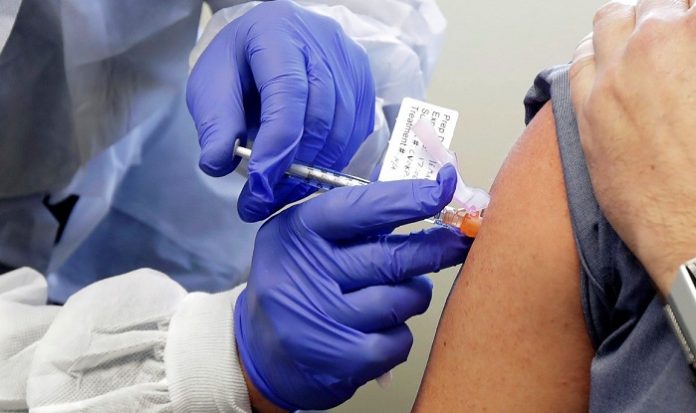
The first vaccines by Pfizer and Moderna are expected to produce stronger fever, aches and other side effects than ordinary shots. And unexpected side effects will almost certainly emerge as the vaccines are administered to tens of millions of people.

The Centers for Disease Control has identified a dozen existing safety systems and seven newly developed ones that will collect the information. The various systems are tailored to specific groups such as long-term care patients, service members and veterans. And the whole enterprise is built around patients voluntarily reporting what they’re experiencing on surveys sent to their smartphones.

That feature worries experts concerned that not enough patients and providers will opt in and pass along information under the current system. The stakes are huge because any surprise effects could shake already fragile public confidence in the shots as the pandemic rages through the winter.

โ€œWe do need to ask, especially in this initial phase, for everybody in the community to be rowing together,โ€ Nancy Messonnier, director of the CDC’s National Center for Immunization and Respiratory Diseases, told a meeting of a CDC vaccine advisory committee last week, warning of โ€œextra workโ€ for some groups.

The proliferation of new and old systems will require extensive outreach to affected groups, as well as features such as translation services for the parts of the programs patients will see, both of which CDC says it still plans to address with the vaccine rollout fast approaching.

Susan Bailey, president of the American Medical Association, said doctors are familiar with most of the systems. But she sees room for more guidance about what adverse events need to be reported.

โ€œWe anticipate many patients are not going to feel great after the second dose of the vaccine,โ€ she said. โ€œWhat level of adverse event rises to report?โ€ Health experts say the reporting requirements expose weaknesses in the vaccine delivery infrastructure, which put burdens on already-harried providers.

โ€œThe success of the vaccination program will ultimately depend on whether we can get individuals vaccinated, and the biggest threat we have is under-investment in the infrastructure needed to address all the needs in short order,โ€ said Grace Lee, a Stanford Childrenโ€™s pediatrician and member of the CDCโ€™s vaccine advisory panel. Almost all of the work on the front lines is unfunded, she said, adding, “it’s a huge amount of work.”

Tampa General Hospital is Preparing to Accept the First Shipment of COVID-19 Vaccine

Tampa General Hospital is Preparing to Accept the First Shipment of COVID-19 Vaccine

Tampa General Hospital is expecting to receive doses of the Pfizer two-dose COVID-19 vaccine sometime this week or next as part of the state’s pilot program to fight the global coronavirus. Tampa General has assembled an internal task force committee of experts to develop the process for vaccine distribution in accordance with Centers for Disease Control (CDC) recommendations. The initial shipment of vaccine for this pilot program will be distributed to health care workers battling COVID-19 on the front lines. Guidance by the CDC indicates community access to the vaccine will be available around the Spring of 2021 depending on vaccine production levels.

This vaccine provides hope to our community, and Tampa General is honored to support this pilot program,” said John Couris, president, and CEO of Tampa General Hospital. “We are ready to accept the shipment; we have the personnel, the supplies and the procedures in place to distribute the vaccine. We stand ready to support the Governor and our state officials in whatever capacity is asked of us in the distribution of the vaccine.”

In the initial phase and in accordance with federal guidelines, the COVID-19 vaccine stored at Tampa General will only be available to TGH physicians and staff at greatest risk for exposure to COVID-19 in the workplace. If the vaccine supply received allows for it, once the initial group of TGH workers have begun to receive the vaccination, TGH will supply partner hospitals โ€“ AdventHealth, BayCare, Bayfront, HCA and Moffitt โ€“ with the vaccine for their first phase group of healthcare workers.

The Pfizer vaccine requires ultra-cold storage (-80 degrees Celsius/-112 degrees Fahrenheit) to maintain maximum effectiveness. Tampa General’s pharmacy currently utilizes three freezers, allowing TGH to safely store a total of 510,000 doses of the vaccine at once. The freezers at TGH also produce dry ice which will be essential for transporting the vaccine safely when needed.

Once the vial is removed from the freezer, the vaccine is stable for five days in the pharmacy refrigerator. To become injectable, it is mixed with a diluent that requires the vaccine to be used within six hours. To maximize this usage, there will be no “on demand” vaccinations โ€“ the administering of the vaccines will be scheduled.

Tampa General will not act as a vaccine distribution site to the community in this initial phase as directed by the CDC. To support the needs of the local nursing homes and long-term care facilities, the state has contracted with both CVS and Walgreens to administer vaccinations to those patients as well as the health care workers who provide their direct patient care.

The second phase of vaccinations is expected to begin in early 2021 and, if supply is sufficient, will apply to:

Additional Tampa General physicians or health care workers in direct patient care
Persons over 65 with underlying health conditions
First responders
Law enforcement

Essential workers including teachers, childcare providers, and food distribution employees
As supply increases, vaccinations will become more widely available allowing Tampa General to provide vaccinations to all TGH team members, patients, and other members of the public in accordance with CDC guidelines. Eventually, Tampa General will support 21 locations in the community to serve as general immunization sites. The timeline for this stage of availability is not known at this point but Tampa General is committed to keeping the community informed.

It is expected that the number of COVID-19 cases will continue to rise, potentially to yet unseen levels, in December and into the new year. Although the promise of the vaccine is undeniable, it will take months to vaccinate everyone in the community. Until then, it is critical that we remain vigilant and maintain the safety measures we have adopted since March 2020.

Wear masks
Avoid crowds and practice physical distancing
Practice good hand hygiene


MercyOne to use Hospital IQ software to support operations

MercyOne to use Hospital IQ software to support operations

US-based MercyOne has signed an agreement to leverage predictive hospital operations software provider Hospital IQ to support the COVID-19 Hospital Transfer Line in Iowa.

US-based MercyOne has signed an agreement to leverage predictive hospital operations software provider Hospital IQ to support the COVID-19 Hospital Transfer Line in Iowa.

Under the terms of the agreement, MercyOne will expand its use of Hospital IQโ€™s platform powered by artificial intelligence (AI) to coordinate admission referrals, monitor bed availability, and recommend placement decisions across the state.

With the new software, healthcare providers in Iowa will be able to easily locate a hospital with capacity to provide treatment for Covid-19 patients.

Through the partnership, MercyOne and Hospital IQ will streamline the existing people, process, and technology built by the former to speed up access to patient care across Iowa during the pandemic.

Hospital IQ is supporting the newly formed command centre which is being run out of the MercyOne Des Moines Hospital by aggregating data from MercyOne and more than 120 hospitals across the state.

Hospital IQ CEO Rich Krueger said: โ€œIn the Covid-19 crisis hospitals are currently facing, Hospital IQ understands the power of centralised data in getting the patient to the right place at the right time to receive the care they need.

โ€œHowever, we also recognise the importance of the actions that result from the information made available. It is our top priority to deliver a solution that enables health system leaders to make not only the best decision in that moment, but also for the future.โ€

Hospital IQ software is driven by predictive workflows and analytics and provides information on the nearest available hospital to admit each patient based on their level of care needs and current location.

UK Government allocates ยฃ600m to upgrade and refurbish NHS hospitals

 UK Government allocates ยฃ600m to upgrade and refurbish NHS hospitals

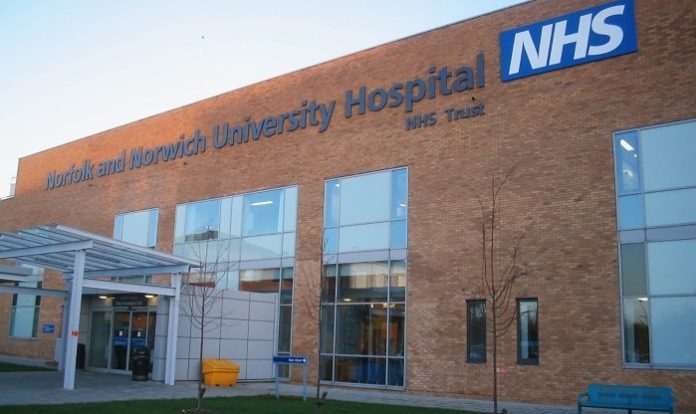
The UK Government has allocated ยฃ600m in funding for the upgrade and refurbishment of National Health Service (NHS) hospitals in England.

The funding will be available to 178 NHS trusts and will be used for nearly 1,800 maintenance projects. The investment will be used for construction of new or refurbished buildings to deliver major services, upgrades to electrical infrastructure and ventilation systemsโ€™ enhancements.

Additionally, works to improve fire safety and to replace hospital lifts will be carried out. Work on the projects have already started and are expected to wrap up by March next year.

Some of the projects include ยฃ15.9m for the new critical care centre at Northampton General Hospital, ยฃ3.3m for a new paediatric integrated unit at Croydon Health Services NHS Trust and ยฃ6.5m for a new MRI building to house a new scanner at St Georgeโ€™s Hospital in London.

Northern General Hospital will receive ยฃ2.7m to revamp the Firth Theatres, including critical care, cardiovascular surgery and other surgical wards.

The ยฃ600m investment is part of the ยฃ1.5bn capital funding announced by Prime Minister Boris Johnson for the NHS.

In October this year, Johnson confirmed that 40 hospitals will be constructed by 2030 as part of a package worth ยฃ3.7bn.

UK Secretary of State for Health and Social Care Matt Hancock said: โ€œAlongside delivering on our manifesto commitment to build 40 new hospitals and 20 major hospital upgrades across the country, this investment will help our NHS build back better.

โ€œThese crucial maintenance projects will deliver immediate benefits and provide NHS staff with the facilities they need to provide world-class care to their patients this winter, helping ensure the NHS is always there for you when you need it.โ€

Moreover, the latest funding is in addition to ยฃ450m more investment from the government for 142 hospital accident and emergency (A&E) upgrades.

Translate ยป