











Close
Digital Health & Ai Innovation summit 2026
Medical Taiwan 2026

Surgical NGOs play a crucial role in universal healthcare

The COVID-19 pandemic has eroded and exposed fragile health systems globally. Surges in patient demand have devoured limited resources, stretched tenuous supply chains and thinned already inadequate human resources.

Sadly, essential surgical services that were already in strikingly short supply, especially in low- and middle-income countries (LMICs), have further been exacerbated by the pandemic. A paradigm shift is needed to move from reactive to proactive health care systems if we are to achieve the U.N.โ€™s lofty objectives for the Sustainable Development Goals and universal health coverage by 2030. Surgical nongovernmental organizations (NGOs) must play a key role in achieving these goals.

COVID-19 has directly led to significant disruptions in surgical care. Data from 112 countries shows that half are operating well below 70 per cent of their baseline surgical volume with the greatest reduction in low-income countries. These interruptions have mostly been justified, as evidence from the Lancet has shown that half of patients who become infected with COVID-19 before or after surgery develop pulmonary complications and are more likely to die after an operation.

Prior to the pandemic, more than 100 million additional surgical procedures were needed annually in LMICs. Current surgical delays exacerbate this unmet need: Even more mothers needing cesarean sections due to obstructed labor, more children needing their appendix removed due to infection, and more people requiring trauma surgery to repair severely fractured bones are without access to life-saving procedures.

Tragically, these and millions of others are at risk of death or disability because health systems lack adequate infrastructure and skilled workforces to address the surgical needs of their people.

Traditionally, investing in surgical systems was thought to be too expensive, too complex or too daunting. However, many essential surgical services are among the most cost-effective health services as highlighted by the World Bankโ€™s Disease Control Priorities, Vol. 3.

Moreover, as shown by the Lancet Commission on Global Surgery, we now know that reliable surgical infrastructure can strengthen an entire health system, promote economic productivity, and create resilience in the face of unexpected disruptions like COVID-19. Unfortunately, in countries where those investments are most needed, progress has been slow.

In 2015, the World Health Assembly (WHA) unanimously passed resolution 68.15 and, for the first time, recognized emergency and essential surgical care and anesthesia as an integral part of universal health coverage. Dr. Tedros Adhanom Ghebreyesus, Director General of the World Health Organization (WHO) stated that โ€œno country can achieve universal health coverage unless its people have access to safe, timely and affordable surgical services.โ€

Several countries including Tanzania, Zambia, Pakistan, Ethiopia and others are developing and implementing National Surgical Obstetric and Anesthesia Plans (NSOAPs) to begin implementing the WHA resolution at the country level.

Despite these meaningful efforts, WHA resolution 68.15 and NSOAPs have yet to transition from policy into action in a meaningful and sustainable manner.

Surgical NGOs, with their direct links to communities and policy makers, are well-positioned to enact these policies. They can and must take a leading position in supporting, advocating for and implementing surgical systems strengthening policies globally.

Working alongside local stakeholders, surgical NGOs will need to expand their services to include infrastructure development for hospitals, research capacity and training local surgical providers. This approach strengthens the overall health system rather than solely focusing on surgeries for a specific patient population.

Some notable examples include KidsOR, which has been able to outfit 25 pediatric operating rooms in 11 countries; LifeBox, which has provided more than 22,000 pulse oximeters to over 100 countries; and Jhpiego, an organization that has trained over 275,000 health care workers globally.

Recognizing the larger social footprint that surgical NGOs seek to have, it is important for them to scale their services in alignment with governments, national health agendas and integrate their work within the scope of NSOAPs.

Operation Smile, a surgical NGO with nearly four decades of experience providing comprehensive cleft care to children around the world, is doing exactly this. Through projects such as the ongoing Global Essential Surgery Project, funded by the UBS Optimus Foundation, Operation Smile has coordinated the assessments of local surgical systems in Nicaragua, Madagascar and Vietnam to design and implement capacity building projects in collaboration with local ministries of health and front-line providers.

The project has trained more than 1,000 health care workers, constructed new operating rooms, implemented safe surgical protocols, trained local biomedical technicians, and engaged local communities to increase health-seeking behaviors specific to surgery.

Early results are promising: both surgical admissions and surgical volume within the projectโ€™s partner hospitals have increased by more than 60 per cent since 2018. More patients are seeking care, and hospitals possess an increased ability to meet this new demand.

Importantly, the evidence generated through this project will inform the implementation of WHA resolution 68.15 and NSOAPs in other countries, bridging the gap between policy and practice.

Here is our advice for surgical NGOs as they expand their roles towards universal health coverage:

  • Establish equitable and long-term partnerships by equipping local providers with the knowledge and training necessary to sustain local efforts, drive economic progress and decrease dependency โ€“ recognizing that sustainable surgical/health system strengthening will take time and implementation does not produce immediate results
  • Employ a broadened approach that allows for direct service delivery to patients but emphasizes capacity building for local health care providers
  • Expand funding sources by seeking additional avenues of funding. Social impact investors are ready to support sustainable programs that are measurable, repeatable and scalable
  • Collaboration with other surgical NGOs is critical and must be performed in a transparent manner. Competition will sequester results; collaboration will achieve them
  • Data is vital for establishing evidence needed for scaling up impactful programs and implementing health policies. Improved data tracking processes can be integrated into local and national practices to strengthen information management systems
  • Partnering with policy makers is paramount. Universal health coverage cannot be achieved without policy development and implementation

As we approach the one-year mark since the first cases of COVID-19 and reflect on a pandemic that has so drastically changed our daily lives, we must look onward to how we will repair the flawed health systems and social inequalities that this virus has exposed.

Moving forward, surgical NGOs must act as catalysts that provide activism, partnership and leadership to drive fundamental change โ€“ change that ensures universal access to safe, timely and effective surgical care for health that lasts โ€“ no matter where you live or how much money you have.
 

Putting patients at the centre of healthcare innovation

One of the most commonly cited complaints from patients centres around not being engaged in key decisions about their health. Patients want better communication, in language they can understand, so that they can take part in informed decision-making regarding appropriate treatments, medications and services that work for them as individuals. However, all too often, the traditional paternalistic model of healthcare delivery, โ€˜doctors know bestโ€™, ultimately leaves patients feeling left out of critical decisions about their care.
The digital shift

With the coronavirus pandemic continuing to touch upon every aspect of our lives, there has never been a more opportune time to consider the way in which we deliver health and care services. In the space of just a few months, healthcare providers have been able to rapidly transform services through the use of digital health technologies to support safe and effective care in the most challenging of circumstances – from greater use of remote consultations (online or by telephone) and the electronic prescribing service, to mobilising artificial intelligence (AI) and big data to track COVID-19 cases and develop vaccines.

But with the pandemic showing no signs of slowing and digital health technologies becoming more widely embedded, we must now build on this opportunity to design services with patient needs truly at their centre.

Putting patients first

Last year, new models of care being envisaged by NHS England included a โ€˜digital firstโ€™ option for most patients, allowing for longer and richer face to face consultations with clinicians for patients who needed or wanted it most. Clinicians would be supported by digital tools enabling real-time information and decision support when they needed it, and people would be supported through wearable devices and access to information about their well-being to better manage their own health.

Fast forward one year, and remote video consultation platforms approved by NHS Digital, including those from AccuRx and iPLATO, have demonstrated that there is demand for online patient communication systems, which can serve the needs of both patients and their GPs. Importantly, although virtual consultations will not suit every patient, by giving them the choice, GPs can free up appointments for face to face consultations for patients who most need or want them.

Other companies have also recognised the value of patient centricity in innovation development. For example, Aseptika have been working with hospitals to provide a self-care platform, Active+me, which helps to deliver rehabilitation for cardiac patients during the COVID-19 pandemic.

Their Active+me solution empowers patients to take charge of their own recovery, providing them with standard cardiac rehabilitation care guidance and medical monitors to take home and record their activity levels, blood pressure, weight and oxygen saturation. The data is then uploaded to an app and shared securely with clinicians at their pilot site in Addenbrookeโ€™s Hospital, Cambridge.

Importantly, patients enrolled in the pilot were able to complete their programme without the need for face to face contact. The app made it easy to have regular access to data, motivating patients to monitor their diet and lifestyle and track trends over time, and shift the focus away from hospitals and into the community.

Frugal innovation

Beyond the pandemic, western societies can also learn from the principals of frugal innovation. These are deployed in the developing world where resources and infrastructure often require a more flexible approach. For example, as GE Healthcare have developed and marketed an affordable, battery-operated ECG machine for use in rural clinics in India and China, why would western economies struggling with economic constraints and recession not also want a simplified, cost-effective solution that offers a better patient experience with reduced travel and ease of access?

Given the ever-increasing costs of regulation, clinical trials and market access generally, companies could benefit from considering what a โ€˜minimally viable productโ€™, which delivers the patient and user benefits without being over engineered, would look like.

If patients cannot clearly see the benefits to them, they can often be distrustful of new technology. However, if new digital solutions are co-produced with end users and citizens in mind, the technology itself can be improved, as well as their adoption and use in healthcare systems.

If advantages have also been clearly explained, patients will trust in these tools, allowing the benefits of reducing bureaucracy, releasing clinical time, improving patient safety and empowering patients to have more control over their health, to be ultimately realised.

The future of telehealth depends on its quality

Why Telemedicine is Needed Now, More Than Ever

Lockdowns have been internationally recognised as a double-edged sword. On the one hand, they have proved to be an effective means of slowing the spread of Covid-19, but on the other they have thrown up numerous complications for a global health industry which has hitherto largely relied on in-person interaction between patients and doctors.

This is, in part, why telemedicine and telehealth have experienced a boom, as people increasingly turn to the convenience and safety of remote health consultations.

McKinsey modelling suggests that the US telehealth market could grow from $3 billion pre-Covid to upwards of $250 billion. An oft-cited report by Global Market Insights Inc. predicts that the global figure will be closer to $700 billion by the end of 2026. With news of Amazonโ€™s most recent push into digital health – the launch of an online pharmacy – perhaps these numbers could even continue to rise.

In the UK, astounding statistics show just how rapidly – and completely – the healthcare sector has changed. According to insightful NHS analytics, in March of this year, registrations to the NHS app increased by 111 per cent and the number of repeat prescription requests made online increased by 97 per cent. This paints the same picture we are being told time and again: the appetite for digital solutions is increasing both for patients and on the clinical side.

Fertile ground for digital health innovation

The increased attention and interest in telehealth generated by the pandemic has led to spikes in investment activity and app stores being flooded with new offerings. But typically for a market as nascent as telehealth, question marks have arisen over the quality of the experience and guidance these products deliver.

This is partly down to distrust. Many of the big players that have established brand recognition so far have encountered significant problems and come under criticism. Many will remember how Babylon Health – an early digital health darling – both chastised a whistleblower for revealing flaws in its AI triage system and suffered a data breach involving confidential patient data earlier this year.

Furthermore, myriad problems with the NHS Test and Trace app – from design to implementation – have left a sour taste in consumersโ€™ mouths. While truly more of a location device than a telehealth innovation, its NHS branding is deceptive for those dipping their toe into sharing their health data digitally.

Nevertheless, there have been some incredibly important advances in telehealth over the last few months, particularly in medical specialisms most impacted by lockdowns. Oncology has been overwhelmingly affected, both by cancer patients being unable to visit hospitals and by changes to treatment – including the self-administration of oral chemotherapy tablets at home. In these circumstances, offerings such as Careology – which provides cancer teams access to a dashboard charting the vital signs of their patients – can facilitate the types of early interventions that will save lives.

A problematic solution?

The future of telehealth now sits on a knife-edge. Where, in the past, we have perhaps been too cautious in embracing new ways for people to access healthcare, in our haste to respond to the โ€œnew normalโ€, we now risk being too cavalier in what we allow into the market.

There are also problems of access, as described by Professor Sonia Johnson of UCL: โ€œTelemedicine doesnโ€™t work for everyone, and there are still major challenges to be addressed for it to be truly effective. The voices of the digitally excluded are especially in danger of not being heard.โ€

Concerningly, the โ€˜digitally excludedโ€™ often overlaps with the most vulnerable in society such as the elderly population who, during the pandemic, are likely to be even more isolated than usual.

Leaders are appearing, such as market-leading Qare in France, which delivers quick and efficient care for those who are time-pressed, have specialist needs, or are geographically distant. However, many of the high-quality telehealth services that are currently available have not yet achieved sufficient traction to stand out obviously from the crowd, and we need to be careful not to allow the default or average standard of telehealth platforms to settle too low.

The risk is that, if the user experience is unsatisfactory, or if we see a significant number of excess negative clinical outcomes resulting from the use of substandard solutions, adoption of telehealth will slow, regulation will become excessive in overcompensation, a vicious cycle will ensue, and a massive opportunity will be lost.

However, done well, telehealth does have the potential to resolve a variety of pressing and complex issues within the healthcare system – from simplifying and broadening access, to easing the strain on in-person services. Tackling these challenges strategically would surely result in fairer, more effective and more easily accessible care for all.


Air decontamination tech in hospitals to fight covid

Air decontamination tech in hospitals to fight covid

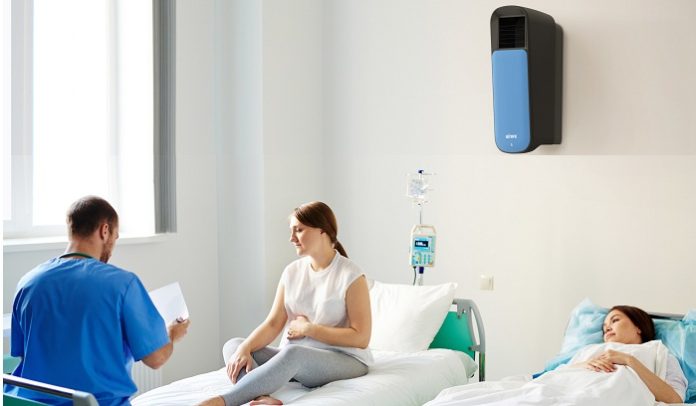
Start-upโ€™s product is timely as 20 per cent patients picked up infections from hospitals. Biomoneta, has developed and deployed a powerful air decontamination technology to destroy microbes across the entire spectrum of bacteria, fungi, and virus families, including covid-19.

Now to commercialise this air decontamination product Zebox, the Centre for Cellular and Molecular Platform (C-CAMP), which has been supporting many of the countryโ€™s covid-19 innovations, has collaborated with Applied Materials and Biomoneta.

According to C-CAMP, at a time when hospitals have become infection hotspots and 20 per cent of patients with covid-19 are reported to have caught (HAI), there is a significant need for such a technology not just in India or in low or middle-income Countries but across the world.

โ€œAn effective decontamination technology that improves infection control in healthcare spaces must kill or contaminating microbes instead of merely trapping, operate continuously and safely in human presence, and require near-zero manual intervention while operating close to the source of infection or contamination. To the best of our knowledge, no other technology being evaluated globally meets all these requirements. Zebox is therefore, a first-in-its-class with the potential to be a global lifesaver,โ€ C-CAMP stated. Zebox was designed primarily to prevent HAIs, specifically multi-drug resistant () bacterial infections. Zebox combines state-of-the-art electronics and air flow design with novel anti-microbial materials to effectively destroy a billion plus microbes across the entire spectrum of bacteria, fungi, and virus families, including covid-19.

Zebox was deployed in a few leading hospitals like St. Johnโ€™s Hospital and Medical College, and . During these trials the product met with a clear need for increased effectiveness against highly infectious, pathogenic viruses that can cause epidemics, especially in children, C-CAMP said. โ€œBiomonetaโ€™s novel Zebox technology is probably one of the most impactful solutions today. We have supported Biomoneta with powerful engineering simulations done from our Bengaluru facility which was further independently validated by our team in Mumbai for microbial load, pre and post deployment,โ€said Srinivas Satya, country president, Applied Materials India


Cornerstone of patient safety and infection control at hospitals

Cristal Standards Announces POSI-Check, an Easy to Implement Audit Solution for the Prevention of the Spread of Infection in the Hospitality Sector

Healthcare-Associated Infections (HAIs) or nosocomial infections take a major human toll on society, and reduce public confidence in the healthcare system. It adds up to substantial economic burden to a country and given the backdrop of the current pandemic, no hospital or healthcare system will want to risk lives of million people. The current convergence of scientific, public, and legislative interest in reducing rates of HAI helps bring necessary momentum to address any issues related to patient safety and HAIs. But prior to this, it is important to understand the benefits of patient safety and infection control at hospitals, and what patients should be aware of.

The role of patient safety and infection control: According to the World Health Organization, patient safety practices aim to prevent and reduce risks, errors & harm that occur to patients during provision of healthcare. A cornerstone of the discipline is continuous improvement based on learning from errors and adverse events. Patient safety is fundamental to delivering quality essential health services. Infection control is a byproduct of a patient safety culture. It is responsible for administering and promoting best practices to ensure the safety of our patients/ residents, visitors, and staff.

Measures that can ensure safety of patients: Here are a few aspects that need to be considered by while adhering to best practices in patient safety and infection control:

  • Optimizing antibiotic stewardship/ antibiogram
  • Prevention of catheter related blood stream infections
  • Preventing ventilator associated pneumonia/ hospital acquired pneumonia
  • Preventing urinary catheter relation infection
  • Preventing Bed sore/ prophylaxis
  • Avoiding surgical site infection/ wound
  • Fall prevention and sentential events
  • Look out for Stress Ulcer prophylaxis
  • Check for DVT prophylaxis
  • Assessment of nutritional status and prevention of protein calorie defici
  • Physiotherapy/ exercise/ stabilization/ rehab
  • Physiological support
  • Patient relative counselling

From the above-mentioned measures, I would like to highlight the significance of to two extremely important aspects of patient safety and infection control โ€“ optimizing antibiotic stewardship program and preventing Ventilator-Associated Pneumonia (VAP) which are the most common and most preventable complication of a patientโ€™s hospital stay.

Significance of Antibiotic Stewardship Program: Optimizing the use of antibiotics is critical to effectively treat infections, protect patients from harms caused by unnecessary antibiotic use, and combat antibiotic resistance. Antibiotic stewardship programs can help clinicians improve clinical outcomes and minimize harms by improving antibiotic prescribing.

Preventing Ventilator-Associated Pneumonia (VAP): Given the COVID scenario, it is very critical to address the problem of VAP within hospitals. VAPโ€™s frequency and potential adverse effects increase in critically ill patients because of impaired physiology, including a blunted immune response and multi-organ dysfunction. Traditionally, VAP rates have been measured as an indicator of quality of care. Despite recent initiatives to measure complications of mechanical ventilation and a decrease in incidence over the past few years, VAP remains an issue for critically ill adults, with mortality estimated as high as 10%.

To reduce risk for VAP, the following nurse-led evidence-based practices are recommended: reduce exposure to mechanical ventilation, provide excellent oral care and subglottic suctioning, promote early mobility, and advocate for adequate nurse staffing and a healthy work environment. Nurses are particularly well positioned to lead the healthcare team in VAP prevention. A hospital can help minimize patientsโ€™ exposure to mechanical ventilation, work collaboratively to develop a ventilator weaning protocol, and ensure implementation of evidence-based care that minimizes VAP risk.

At the end of the day, patient safety and infection control are a crucial elements of quality improvement. If healthcare providers have to build trust amongst their patients, patient centricity is the only way to go.

MEDICAL FAIR ASIA 2020 wraps up a successful first digital edition

MEDICAL FAIR ASIA 2020 goes Digital with Online Convenience for Medical Sourcing Needs

MEDICAL FAIR ASIA, the regionโ€™s leading medical and healthcare exhibition concluded last week after 10 days of online sourcing opportunities, insightful conference sessions and presentations. Some 8,500 trade visitors from 92 countries and regions across the healthcare spectrum from medical professionals, general practitioners, healthcare establishments to medical technology companies, participated in the first digital edition of the exhibition. International online visitors to the event made up 80 percent of participants, with top countries including Malaysia, Indonesia, Philippines, Thailand, Japan and Australia.

In the eventโ€™s first digital iteration, participants were able to benefit from live streams, real-time chats, networking and AI-supported matchmaking. Trade visitors had access to a global showcase where 345 exhibitors from 38 countries and regions displayed over 3,000 products in the Exhibition Hall – from pandemic management solutions, mobility devices using robotic technology, wearable healthcare solutions to the latest in telehealth. There were also 12 international group pavilions from Canada, France, Germany, Hong Kong, Japan and South Korea, Taiwan and Thailand, and three themed zones; Community Care, Pandemic Management Solutions, and the Start-up Park. An EU group pavilion consisting 56 European healthcare companies also took part under the auspices of the EU Business Avenues programme.

With business networking and matchmaking at the core of the exhibition, exhibitors were feeling positive and optimistic with the meeting outcomes. According to exhibitor Ms Ruka Hattori, Excel Engineering Co Ltd (Japan): โ€œThe quality of the meetings has been very good; we had a fruitful time as those who approached us were very clear in their interest and purpose in meeting us.โ€ Similarly for first-time visitor Mr Sai Kyaw Linn, Director of Sales and Business Unit, ANZER IT Healthcare, Myanmar: โ€œThe meetings went well and we hope we can cooperate (with the exhibiting company) in a partnership soon. Even though this is my first time at MEDICAL FAIR ASIA, it has been a convenient event with many useful features.โ€

More than 40,000 online interactions encompassing meetings, chat sessions and other engagements, took place on the platform alongside 46,000 session views from 9 to 18 December. The information and knowledge-sharing sessions which ran parallel to the trade fair also saw healthy take-up at the Conference Hall which featured 90 online sessions across various multi-disciplinary topics presented by 120 distinguished speakers, where some conference sessions saw over 700 attendees (both live and on-demand) taking to the platform.

โ€œDespite the exhibition taking on a different format this year, we remain dedicated to provide our participants with an effective platform for their business, to create meaningful networks and continued access to the markets of Southeast Asia and connecting global sellers and quality buyers. We are pleased with the results of the first digital edition and being able to deliver a successful and content-rich platform amid these challenging times. As we look ahead to 2021 with hope and optimism, we are looking forward to seeing everyone in person next year at MEDICAL FAIR THAILAND, from 8-10 September 2021,โ€ said Mr Gernot Ringling, Managing Director, Messe Dรผsseldorf Asia.

MEDICAL FAIR ASIA also expanded its content this edition to include Medical Festival Asia, a joint collaboration with medical concierge service and platform – GlobalHealth Asia-Pacific, with its signature event; Healthcare and Medical Tourism Summit. Also spread across 10 days, the Summit showcased a content-rich line-up with topics such as healthcare delivery in a post-pandemic era, innovations in digital healthcare, and going from reacting to COVID-19 to planning for vaccines, presented by a stellar line-up of speakers that included world-renowned virologist Professor Peter Piot, award-winning cancer surgeon, Royal London Hospital – Professor Shafi Ahmed, and Stefan Nachuk, Deputy Director, Health System Design Fund, Bill and Melinda Gates Foundation.

Making its return at the exhibition for the third consecutive year at the MEDICAL FAIR ASIA series (which alternates between Singapore and Bangkok), was the Start-up Podium – a discussion platform for next-gen start-ups, entrepreneurs and major players in the forefront of commercialisation with speakers from A*STAR, KPMG, K&B Group Kohler Co, Mehta Hospitals, AstraZeneca, and Mahidol University amongst others.

The opening session โ€“ How the Pandemic has changed Healthcare โ€“ attracted 420 unique attendees. According to first-time panelist and speaker at the Start-Up Podium at MEDICAL FAIR ASIA, Dr Sean Reynolds, the Associate Director, Marketing & BD โ€“ Medtech, K&B Group: โ€œIt was important for me to participate in this session because the medical devices and medtech industry globally needed to understand the implications of the pandemic and its effects on our industry. I hope what was shared will resonate with others and provide ideas as we continue to work our way through this pandemic.โ€

The digital platform remains open to registered visitors till 25 December 2020, with selected content such as speeches and some presentation sessions made available at the MEDICAL FAIR ASIA website thereafter. A detailed post event report will be released in the coming weeks.

The 10th edition of MEDICAL FAIR THAILAND will be held from 8-10 September 2021, at BITEC, Bangkok.

For more information, go to www.medicalfair-asia.com.

4 Ways Clean Air Solutions Are Better for Healthcare

4 Ways Clean Air Solutions Are Better for Healthcare

There is a lot more going on in the air than meets the eye. We know that clean air is better for the natural environment and better for us, but few people are aware of how polluted and toxic our air actually is. Clean air should be something that everyone is focused on, environmentalists or not because it affects every area of our lives.

The air quality in our homes, cities, and in the countryside can have serious implications for our health, comfort, and wellbeing. These implications are only maximized in healthcare environments where many people are immune-compromised or should be allowing their bodies to heal without the additional strains of toxins, allergens, and pollutants entering their body every time they breathe. This is equally important in healthcare environments where there are no patients, but research is being done, or medications are being manufactured. The following will explore how clean air solutions can benefit healthcare environments. Of course, all of the information can also be applied to your home and workplace as well.

Indoor Air Tends To Be More Polluted Than Outdoor Air

One of the common objections to the application of clean air solutions comes with the common-sense assumption that outdoor air is where the problem lies. While this might feel correct, given that cars and pesticides and factories and all the rest of it exist outside the building in question, itโ€™s actually false. Indoor air tends to be far more polluted than outdoor air. The devices we use in our homes, workplaces, and medical environments release fumes. The cleaning products we use release fumes. Many of our everyday items like paint, furniture, and varnish release fumes. People drag pollutants into buildings on their shoes and coats.

Clean Air Solutions Work With Areas That Cannot Be Ventilated

One of the easiest ways to make the air feel and taste fresher is to open the windows. But in many environments, particularly those related to medical professions or healthcare research, this is an impossible thing to do. Allergens, viruses, and bacteria cannot be risked entering the building; because of this, windows need to be kept closed. In many instances, rooms need to be sealed off, and everyone who goes in or out must follow a procedure to prevent the dragging in of outside contaminants. Most of todayโ€™s top air systems are designed to work specifically in these cases. Fume hoods that work without a duct system as well as bio-safe cupboards, cabinets, and taps exist and are available to help keep the air clean.

Information Availability Is An Option

In sterile environments, it is of the utmost importance that all employees are aware of the air quality and the potential harm done by contaminants. Many air clean air systems have elements or tools which measure the air and report any anomalies or questionable aspects in real-time. Sensors can regularly monitor the air and let you or your staff know if anything has gone awry. This gives you as much time as possible to react and prepare anything necessary to protect your work or staff members. For environments where people are at risk of severe illness or harm should something leak into the air, there are alarm systems that can alter everyone the moment the space becomes unsafe.

Tools Exist For Specific Contaminants

Depending on what is being worked on in your lab or healthcare facility, you may have concerns about fumes and contaminants that the average workplace doesnโ€™t need to worry about. Whatever specific pollutants you are focused on, there are products available to help. Make sure that you are following all appropriate procedures in addition to securing the right materials. There are products designed not to interact with the materials youโ€™re working with but simultaneously prevent any cross-contamination. Materials can include aluminum, polypropylene (which has a high resistance to chemicals and acids), and epoxy-covered metal, but many more options exist.

The above four benefits of clean air solutions are by no means exhaustive. There are countless highly-specialized products available to help keep you, your staff, and their work free from contamination. To better understand the options available, reach out to a provider and discuss the gases, chemicals, solvents, and other biological materials you use in your workplace to figure out what is best for your facility.

Of course, whenever looking for clean air and containment solutions related to your staff’s safety and well-being, make sure to seek out companies, materials, and products that are certified for the work you intend to use them for. If you are uncertain what certifications are needed for your work, please research this thoroughly before beginning. Safety should always come first.

Can a Chiropractor Prevent Repetitive Motion Injuries?

Can a Chiropractor Prevent Repetitive Motion Injuries?

When healthy and properly aligned, the human body is incredibly flexible and adaptable. It’s also capable of enduring a considerable amount of stress. That’s why some people are able to work at their computers all day long without developing carpal tunnel, and others routinely engage in bending and lifting activities without experiencing back, neck, or shoulder pain.

Unfortunately, when alignment issues already exist, even if they’re very mild, they can make even simple, everyday movements downright dangerous. Because chiropractors work with their clients to promote improved posture, better balance, and optimum spinal alignment, they can help to stave off common repetitive motion injuries.

Understanding the Chiropractic Philosophy

Chiropractors base much of their care upon the idea that the spine is both the body’s central supporting structure and the pathway by which all brain-to-nerve communication occurs. When the spine is properly aligned, important messages and signals can be delivered efficiently. When it is not, signals can be delayed or missed altogether. Spinal subluxations and other alignments that impact communication between the brain and the nerves can have widespread effects on a person’s health.

As the body’s central supporting structure, the spine also plays a key role in determining the safety and efficiency of movements across the entire musculoskeletal system. For instance, if a person has a pinched nerve in the lower back, this same individual is likely to develop stress and tension in the upper thighs as a result. This is because the leg muscles will need to compensate for the injured area.

With this in mind, if you have untreated spinal alignments, engaging in repetitive motions could both exacerbate these existing issues and place extra pressure on supporting muscles, ligaments and other nearby structures that are already overworked. In many instances, this is exactly how repetitive motion injuries are formed.

Chiropractors Can Design Integrated Plans for Improving Alignment

If you’ve been in a car accident and believe that you’ve managed to walk away unscathed, you may want to visit an auto injury center before returning to work. An in-depth assessment of the alignment of your spine may reveal issues that can both cause latent pain and increase your likelihood of secondary injuries. Before returning to your job to engage in heavy lifting or spend long hours sitting at a desk, you’ll want to make sure that both your spine and your entire musculoskeletal system are up for the challenge.

Treatment plans for improving spinal alignment after jarring, impact events like automobile accidents can include services like:

  • Inversion table therapy
  • Computer-assisted and manual adjustments
  • Ultrasound therapy
  • Acupressure
  • Massage

The surest way to avoid further physical harm is by returning to repetitive motion activities only after proper alignment has been restored.

Patients Can Get Tips on Performing Repetitive Motions Safely

Chiropractors can also assist their patients in learning how to perform repetitive motion activities safely. They regularly share tips on preventing undue stress and protecting the body such as:

  • Using ergonomic work equipment
  • Never bending the knees beyond a 90-degree angle
  • Using the legs for proper lifting technique
  • Alternating between sitting and standing positions

Other recommended changes can include weight loss when excess body weight is putting substantial stress on the joints or bones, building strength in the core muscles to better support the spine, and eating a balanced diet that supports recovery and optimum health.

Improving your spinal alignment and adopting the right work and life habits can help you prevent injury. However in some instances, repetitive motions injuries are simply unavoidable. If you’ve recently been involved in any jarring, impact event, consulting with a chiropractor may help you avoid secondary or latent problems.

What Is An Optometrist And How Can They Help With Your Vision

What Is An Optometrist And How Can They Help With Your Vision

Among your five sense organs, the eyes are the most developed, and a large percentage of the brain’s function is allotted only to your visual processing. Since most people are gifted with eyesight at birth, they tend to take it for granted until something terrible happens to their eyesight. Roughly one billion people or one-seventh of the world’s population is experiencing some vision impairment, which is quite alarming

Without a pair of eyes with optimal function, it’ll be challenging to see the world in the same way. Thankfully, people with early or mild visual impairment can still address and prevent their condition through the right approach. If you’re experiencing problems with your vision, it’s best to see an eye professional as early as possible to diagnose and manage your visual impairment.

Importance Of Eye Care

Eyesight impairment and optical illnesses are a silent killer. They don’t show any physical, noticeable signs and symptoms unless theyโ€™ve already worsened. For the same reason you want to undergo a basic medical examination annually, it’s also essential to have your eyes checked at least once every two years to identify if you have any underlying eye conditions.

While eye examinations come at a price, observing preventative eye care will be worth it in the long run as it gives way to early detection and treatment of eye problems. Among a billion people with optical health issues, 123.7 million individuals suffer from unaddressed refractive error, which could’ve been prevented through proper routine eye checkups, utilization of corrective eyewear, and consistent eye care with the help of optometrists.

Optometrists: Professionals More Than A Pair Of Glasses

When seeking professional eye care and treatment, there’s more than one specialist for your eyes. Most people get confused with different eye doctors, namely optometrists, ophthalmologists, and opticians. When people experience problems with their vision, they immediately go to an optometrist to ask for an eyewear prescription. However, it’s important to understand that optometrists can do further than prescribing corrective eyewear.

Typically, optometrists took a pre-med or biological sciences path as their undergraduate degree in college. From there, they must pass the Optometry Admission Test (OAT) to be eligible for a four-year Doctor of Optometry (O.D.) program. They’ll be required to take another examination as regulated by the National Board of Examiners in Optometry, and some countries and states may even require taking another clinical exam. Lastly, optometrists have to obtain their license in their corresponding state before they start their optometry practice.

According to the U.S. Bureau of Labor Statistics, optometrists had a 2019 median pay of USD$115,250. From 2019 to 2029, the demand for optometrists will increase by 4%. Since eye diseases and vision problems occur more than ever, the older adult population will need more optometrists.

On the other hand, ophthalmologists are more specialized eye doctors that don’t only examine and diagnose your eye condition, but are also allowed to treat them using medical and surgical interventions. They can perform surgery on eye conditions, including glaucoma, cataract, and strabismus surgeries.

Opticians have had a more informal education than ophthalmologists and optometrists as they only serve as a customer service representative in optical care facilities. They can also assist when choosing and fitting your eyewear or contacts, and fill your optometrist’s prescription.

You’ll never realize the value of optometrists before suffering from visual impairment. Optometrists are as crucial as other eye professionals because of these responsibilities in helping your vision:

  1. Help Correct And Improve Vision

The top reason why people seek optometrists isn’t because of their regular eye assessment, but mainly due to experiencing a problem with their vision. While it’s best to consult an optometrist on the early onset of your condition, optometrists can still help correct and improve your vision.

Upon visiting an optometrist, expect the following basic eye examinations that your optometrist will perform:

  • Visual acuity test
  • Refraction test
  • Retinoscopy
  • Peripheral visual field test
  • Keratometry test
  • Intraocular pressure measurement

To improve your vision, you need to correct your underlying visual deficiencies. This is done by using corrective eyewear, such as glasses or contacts. It’s possible to have a prescription eyewear made for you or have a custom-made pair made for your specific eye measurements and needs.

Optometrists can establish their clinic or work in a hospital as they offer primary eye care to outpatients. If there’s nothing particularly wrong with your visual system, they will test your visual sharpness and provide an eyewear prescription.

  1. Observe And Treat Symptoms Of Eye Diseases

Optometrists are also actively involved in clinical practices associated with eye health and general wellbeing. They can offer solutions and treatments to patients with eye diseases. After assessing your eyes for any refractive errors and with the visual acuity test, your optometrist will delve further than your eyesight.

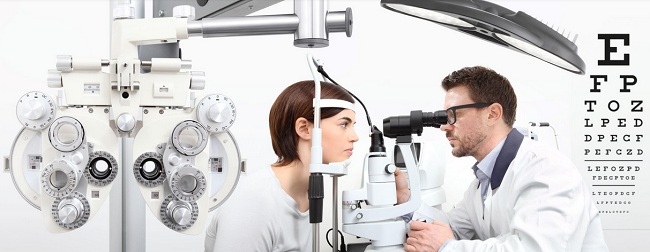
Your optometrist will examine your eyes and look for any eye abnormalities, like macular degeneration, glaucoma, and cataracts, using ophthalmoscopy. Individuals with hypertension and diabetes have higher chances of developing these conditions. If these abnormalities persist, you’ll be subjected to more eye exams for a more accurate diagnosis.

Moreover, optometrists can also prescribe drugs and medications for glaucoma and ocular disorders, such as NSAIDs, antihistamines, antibiotics, and analgesics, but only in topical form.

  1. Educate Patients About Eye Care

During your optometrist visit, your optometrist’s responsibility is to establish and increase your awareness of proper eye care. Regardless if your eyes are in good or bad condition, they can educate you on how to best take care of your eyes. Some of their advices may include an eye-friendly health diet and various types of eye protection. They can also bring up your eye condition and inform you if you have any genetic risks of having an eye illness in the future.

  1. Contribute To Better Eye Research, Training, And Technology

As healthcare and medical industries progress, optometrists ensure that optometry is on par with people’s needs and the advancement of technology. Optometrists participate in research practices that aim to find solutions to more complex vision problems connected to neurological deficiency.

Furthermore, some optometrists take the educational path to train future optometrists and prepare them for this discipline. Vision care plans among the American population are expected to increase in the future, thus creating more specialists in optometry, such as optometric technicians and assistants.

Lastly, optometrists can also partake in developing eye technology involving preventative detection and care. For instance, this AI-based optical healthcare platform features a more convenient solution to patient diagnosis using real-time image recognition technology. This way, eye doctors can easily reach patients who have less access to optical services.

How To Choose The Right Optometrist

As you have a better idea of what an optometrist is and how it differs from other eye professionals, it’ll be easier to look for a competent one attending to your optical needs. If your primary eye concern is that you need corrective care, visiting an optometrist is your best option.

Your optometrist can make or break your experience of getting your eyes checked and possibly getting an eyewear prescription. You’ll have to make sure that your optometrist is educated and experienced as errors in your prescription can result in catastrophic vision damage.

With this in mind, here are some tips and considerations when looking for the right optometrist:

  • Search your area first for more accessible services.
  • Seek recommendations from people that you trust, especially if you know of someone who has been wearing corrective eyewear for a long time.
  • Search for online reviews and feedback about your chosen optometrists, then narrow down your options.
  • Make sure to consider prices. Look around and compare their costs by asking for an estimate. Also, prepare more than their estimated price as you may potentially require treatment and additional care.
  • Don’t be afraid to ask about the qualifications, experience, and license of the optometrist.
  • Look at their eye care technology, including their tools, equipment, and facility, and check if these are appropriate for eye testing, prescription, and care.
  • If you have vision insurance, find an optometrist who can take your insurance plan into account so you can enjoy your insurance benefits.
  • Talk to the optometrist personally and evaluate if you’re comfortable with their communication style.

Key Takeaways

Your eyes are one of your key instruments for living a good life. It’s essential to pay attention to your eyes as this pair of sensory organs has quite a significant contribution to your overall health condition. To ensure that your eyes are being taken care of, visit your eye doctor at least once every year or two years, and seek eye care assistance immediately if you’re experiencing health issues and emergencies.

Most importantly, along with consulting your optometrist, make sure that you follow their eye care advice as it’s you who will benefit the most. Through observing proper eye care and maintenance, you’ll be able to maintain your overall health for the longest time possible. People with good eyesight are less likely to be linked with health conditions, like poor hearing, high blood pressure, diabetes, lower back pain, heart problems, injury, stroke, and depression, to name a few.

Digital Well-being in 2020: 4 Effective Solutions

Digital Well-being in 2020: 4 Effective Solutions

Advances in wearable technology have the potential to be the greatest health innovation since the invention of surgery. There are countless ways that this new technology can empower the individual to make better health decisions than ever before. Like all technology, recent advances donโ€™t always spell out improved health outcomes. In fact, some new technology trends can be downright disastrous. Read on to find out how to navigate the pros and cons of this new technology.

Knowledge is power. This is especially true when it comes to health and technology. New advances have brought new opportunities to improve our personal and occupational health. Whether weโ€™re talking about the wearable chair or an oxygen-sensing sleep tracker, wearable technology has great potential. But only if used properly. It not only provides improved personal health awareness but also promises to result in better-informed healthcare personnel.

Wearable Technology Helps People Track And Report Health Concerns

There are all kinds of biofeedback metrics that wearable technology provides for people to measure their physical performance and health. And each of these provides invaluable information for individuals and healthcare professionals. Wearables measure several different physiological functions that relate directly to health and wellness. These include heart rate, respiration rate, sleep quality, blood pressure, and O2 blood saturation.

It helps to have a good idea of what you need and expect from these devices if they are to effectively improve your well-being. Itโ€™s important to read the technical specifications and reviews to find exactly what you need and want. This kind of technology has the potential to greatly improve health outcomes and could even save your life. First, you must take the time to find what you need and what device provides solutions, on a budget you can afford.

Using Informative Dietary Apps Leads To A Tailored And Healthier Diet

Wearable technology by its very nature is with the user nearly all the time. With online interconnectivity, people have access to the worldโ€™s knowledge database of nutritional information, meal plans, and award-winning recipes. This provides the opportunity for health enthusiasts to track their food consumption much more consistently.

Improved food tracking is essential to meet health outcomes whether for the competitive athlete trying to gain mass or for the average person looking to shed a few pounds. 24/7 access to information, reminders, and digital encouragement provides the ability to stick to a diet like never before.

Pedometers And Heart Rate Goals Lead To Increased Physical Activity

It turns out that having a digital coach to nag you really does help you get and stay fit. People that consistently adorn themselves with and utilize wearable technology tend to move more and meet or exceed recommended daily activity guidelines. Sometimes all a person needs is a little reminder and some encouragement.

Because smartwatches, fitbits, and other training based wearable tech measure your activity levels, steps, distances, and cardiovascular activity, they can and are designed to make sure you get moving. People generally want to meet their goals but are frequently sidetracked. Often, a helpful reminder after dinner is all a person needs to get up and walk around the block a few times to cram in those final 1000 steps.

Knowing When To Digital Detox Is Essential

No digital wellness guide can be complete without a warning regarding the negative consequences of excessive use of technology. Not all digital advances lead to better health outcomes. In fact, advances in technology have led to an alarming increase in people living extremely sedentary lifestyles. And of course, this has devastating consequences for health and wellness.

While those that use wearable technology have the potential for greatly improved health outcomes, those that spend the majority of their day working online or using digital entertainment are increasingly reaching never before seen incidences of obesity, heart disease, and many other health issues.

Thatโ€™s why itโ€™s important to know when to unplug and turn off. People often donโ€™t even realize they are over-indulging in digital media. Thatโ€™s why Google has made a convenient digital wellbeing app to monitor your screen time and other indicators of excessive use of technology.

Balance And The Appropriate Wearable Can Lead To Improved Health

No single digital well-being plan is right for everyone. Exploiting wellness technology does lead to a healthier and happier lifestyle. But flagrant and unchecked indulgence in digital media leads to disease and poor health outcomes. Each person must find their own balance between work, activity, diet, and play.

When choosing a wearable, be sure to consider what you want. Are you primarily interested in health feedback or performance? And pick appropriately. And maybe most importantly, consider your habits and whether or not they are leading to a healthier, happier you. And donโ€™t forget to turn off sometimes and go primitive.

Translate ยป