Close
Digital Health & Ai Innovation summit 2026
Medical Taiwan 2026

UK starts covid vaccination, 90-year-old Keenan gets first Pfizer shot

UK starts covid vaccination, 90-year-old Keenan gets first Pfizer shot

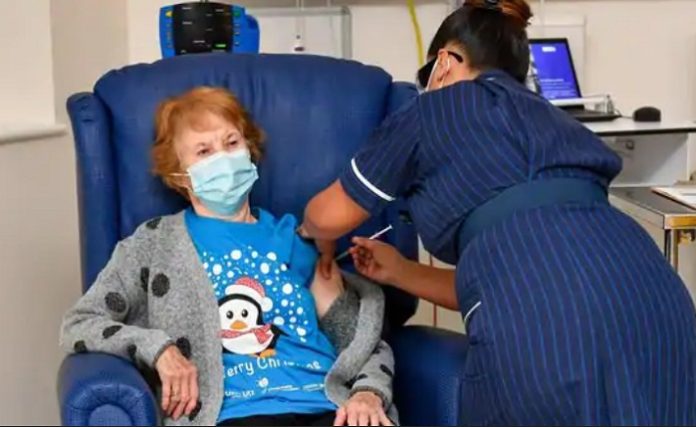
UK began rolling out the COVID-19 vaccine developed by Pfizer and BioNTech today. Margaret Keenan, a 90-year-old grandmother, has become the first person in the world to receive the Pfizer Covid-19 vaccine outside of a trial following its rapid clinical approval. “I feel so privileged to be the first person vaccinated against Covid-19,” said Keenan as reported by Reuters.

“It’s the best early birthday present I could wish for because it means I can finally look forward to spending time with my family and friends in the New Year after being on my own for most of the year.”

Margaret Keenan, the former jewellery shop assistant, received the shot at University Hospital Coventry at 6:31 a.m. while wearing a surgical mask and a blue Merry Christmas T-shirt decorated with a cartoon penguin wearing a Santa hat and red scarf.

Priority for the coronavirus vaccine will initially be given to front-line staff on the National Health Service (NHS) and the over 80s before being rolled out to other segments of the public. Public health officials have asked the public to be patient because only those who are most at risk from the virus will be vaccinated in the early stages. โ€œToday is just the first step in the largest vaccination program this country has ever seen,” said Simon Stevens, head of England’s National Health Service. โ€œIt will take some months to complete the work as more vaccine supplies become available … but if we all stay vigilant in the weeks and months ahead, we will be able to look back at this as a decisive turning point in the battle against the virus.”

The first 800,000 doses are going to people over 80 who are either hospitalized or already have outpatient appointments scheduled, along with nursing home workers. Others will have to wait their turn.

Among those older Britons scheduled to get vaccinated is Hari Shukla, of Newcastle.

The immunization programme will be rolled out across England, Scotland, Wales and Northern Ireland and is being closely monitored by governments and public health officials around the world.

While the vaccine has been widely welcomed and is seen as a giant relief after months of death and uncertainty caused due to the pandemic. However, there is scepticism about how successful it will be, particularly as it needs to be stored and transported at the ultra-low temperatures.The Pfizer/BioNTech vaccine needs to be kept at -70C (-94F) and only lasts five days in a regular fridge.

Bluejay Diagnostics, Inc. Announces Collaboration Agreement With Toray Industries, Inc. To Develop Point Of Care Test For COVID-19 Patient Triage

NIH awards $45 million to expand research to improve COVID-19 testing among underserved and vulnerable populations

Bluejay Diagnostics, Inc. announced a collaboration agreement with Toray Industries, Inc. to develop a minimally-invasive, point-of-care test for COVID-19 patients to assess progression of the disease.

Symphonyโ„ข IL-6 is the first of many products to be developed on its platform technology that combines microfluidics and nanotechnology to develop point of care tests in liquid biopsies.

Symphonyโ„ข IL-6, a portable and integrated point of care test, for the quantitation of IL-6 in whole blood for COVID-19 patients who present progressing symptoms and have a high risk of intubation with mechanical ventilation. Symphonyโ„ข IL-6 can be implemented in the healthcare system as an aid in predicting patients at risk for intubation.

Under this agreement, Toray will license its technology and know-how of the product. Bluejay expects to perform clinical trials and regulatory applications through an Emergency Use Authorization (EUA) in the United States and other regulatory approvals globally.โ€ฆ

According to Neil Dey, CEO of Bluejay, “Our new technology developed by Toray can quantitate IL-6 in whole blood without any pre-treatment and would be the first in the market. It augments Bluejay’s research and development strategy of tailored point-of-care diagnostics, namely, finding the right test at the right time for patients. Through our collaboration with Toray, we hope to deliver rapid, point-of-care tests that enhance patient care and save lives.

The agreement provides Bluejay with the exclusive license to Toray’s technology – for development, marketing and manufacturing globally, except Japan.

About Toray Industries, Inc.

Toray is a leading global company in innovative technologies and advanced materials. Since its foundation in 1926, the Company has contributed to society through the creation of new value and addressed global challenges by delivering high value-added products including fibers and textiles, resins and films, carbon fiber composite materials, and pharmaceutical and medical products. It operates in 29 countries and regions with about 48,000 employees worldwide.

About Bluejay Diagnostics, Inc.

BlueJay Diagnostics, Inc. headquartered in Acton, Massachusetts, develops, manufactures and markets innovative clinical diagnostic products that improve the quality of medical diagnoses by developing Point-of-Care tests that provide convenience, timeliness, compliance and low cost to physicians and patients in areas where timeliness of the initial triage assessment has a high impact on course of treatment.

Medtronic Launches the First and Only Pediatric and Neonatal Acute Dialysis Machine in the U.S.

research_insight - 10891-medronic-medical-technology.jpg

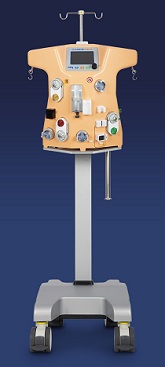
Medtronic plc announced the U.S. commercial launch of the Carpediemโ„ข Cardio-Renal Pediatric Dialysis Emergency Machine. Following the U.S. FDA marketing authorization, granted earlier this year, the first Carpediemโ„ข systems in the United States were successfully installed and are in use at Cincinnati Children’s Hospital Medical Center. The first of its kind Carpediemโ„ข system is indicated for use in acute kidney injury or fluid overloaded patients requiring hemodialysis or hemofiltration therapy. It is intended to provide continuous renal replacement therapy (CRRT) to patients weighing between 2.5 and 10 kilograms.

Critically ill patients are at a high risk for fluid overload and acute kidney injury, conditions in which the kidneys do not function properly in their vital role of filtering waste products and excess fluid from the blood to produce urine. Fluid overload is common in critically ill neonates and children, particularly after procedures such as cardiac surgery. The mortality rate for neonates with acute kidney injury has been reported to be as high as 60 percent.

“CRRT procedures performed for critically ill infants using previously available technology are not optimal largely because dialysis machines available in the U.S. are not designed to treat these small, fragile patients, and can potentially expose them to many risks,” said Stuart L. Goldstein, M.D., professor of pediatrics and director, Center for Acute Care Nephrology at Cincinnati Children’s Hospital Medical Center, who has been instrumental in raising awareness of the critical need for safe pediatric-specific dialysis. “This new system is designed specifically for these patients which enables increased precision of neonatal CRRT treatment and, potentially, reduces these risks. We are grateful to be the first site in the U.S. with this technology to help the children in our care.”

CRRT is the most common treatment for critically ill patients whose kidneys are not functioning properly. In this form of renal replacement therapy, the patient’s blood is pumped through a hemofilter to gently remove waste and excess fluid while minimizing the risk for hypotension (low blood pressure) and cardiac stability.

Pediatric patients requiring CRRT have historically been treated with systems designed and indicated for adults and not approved for pediatric use, which can create potential clinical complications for neonatal patients. The Carpediemโ„ข system is intended to address many of the challenges associated with current machines because it is the first CRRT system designed specifically for patients weighing between 2.5 and 10 kilograms. This system was championed by Professor Claudio Ronco, Director, Department of Nephrology and International Renal Research Institute of the San Bortolo Hospital, Vicenza, Italy (IRRIV).

“At Medtronic, we strive to provide a portfolio of renal care solutions that improve outcomes, access to care, and quality of life for patients affected by severe renal injury or disease globally โ€” no matter their size or age,” said Ven Manda, president, Renal Care Solutions, which is reported as part of the Medtronic Minimally Invasive Therapies Group. “For the first time, some of the tiniest and most vulnerable patients can be treated with technology designed specifically for them. We cannot make the world a healthier place alone. That is why collaboration with clinical experts, such as Prof. Ronco and Dr. Goldstein, is critical to bringing new treatment options to underserved populations.”

About Medtronic
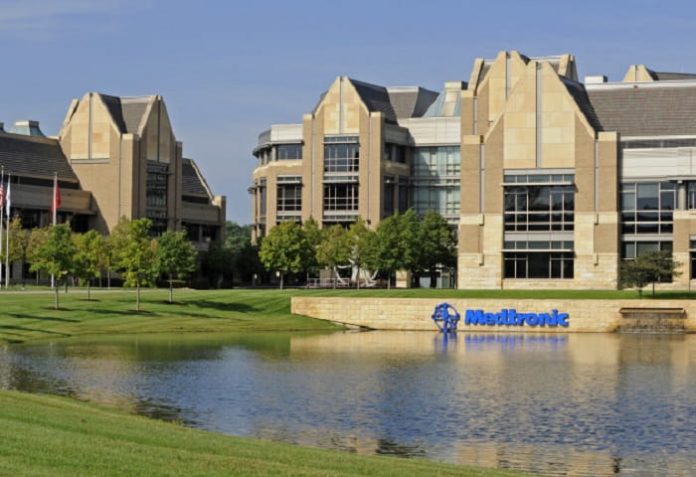
Medtronic plc, headquartered in Dublin, Ireland, is among the world’s largest medical technology, services and solutions companies – alleviating pain, restoring health and extending life for millions of people around the world. Medtronic employs more than 90,000 people worldwide, serving physicians, hospitals and patients in approximately 160 countries. The company is focused on collaborating with stakeholders around the world to take healthcare Further, Together.

Telemedicine in the Operating Room: The New Normal for MedTech

Virtual Reality and Artificial Intelligence

There is incredibly high demand for collaboration during medical procedures โ€“ whether itโ€™s a Cardiologist advising a more junior physician on a complex procedure, a renowned surgeon training other colleagues on a technique, a medical device company rolling out a new product, or a medical device rep providing product support during a surgery.

Thereโ€™s no question that collaboration is critical to develop techniques and products for the advancement of medicine, and in fact, doctors have come to rely on in-person collaboration, especially as medical devices become more complex. Yet, the industry has long grappled with challenges associated with in-person support โ€“ from infection risk to non-stop travel and high costs. When COVID-19 disrupted the ability to travel and limited in-person healthcare, it put an additional spotlight on these issues and accelerated the need for change.

The Way Weโ€™re Working Isnโ€™t Working

In a single day, a rep could travel between multiple hospitals or multiple states, spending more than half their day in cars, trains, planes and hospital lobbies, instead of providing critical technical expertise to physicians. Far too often, procedures are delayed or even cancelled because a rep cannot physically get to a hospital in time, or the rep arrives at the hospital in time, but the surgeon is delayed in another case and the rep is forced to spend hours waiting for the procedure.

Getting medical experts into the procedure room in the first place requires millions of hours and dollars spent coordinating travel, aligning schedules and preparing to safely enter a procedure room.

Telemedicine in the Operating Room

The use of telemedicine has soared since the start of the pandemic and itโ€™s no surprise that demand for operating room solutions have increased. We are starting to see leaders embrace this shift, including the CEO of one of the worldโ€™s leading medical device manufacturers who said, โ€˜the new normal is exciting,โ€™ adding that โ€˜anything that can be done remotely and virtual is preferred.โ€™

As a MedTech sales rep for over 20 years, I agree that the โ€˜new normalโ€™ is exciting, but I also know first-hand that using a video-only solution during a procedure doesnโ€™t equate to being there in person. Iโ€™m proud to work for a company that is pioneering an integrated software and hardware solution that seamlessly puts remote medical professionals โ€œin the roomโ€, without having to be physically present.

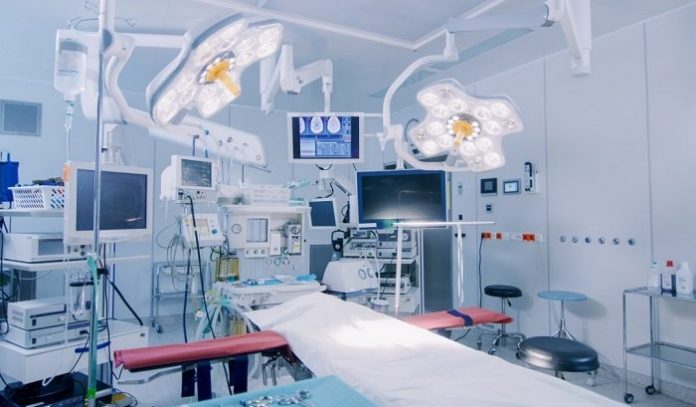
Availโ€™s Procedural TelemedicineTM System is the first and only technology built to meet the specific needs of physicians and medical experts for remote collaboration during procedures, clinical education or training. The Avail System consists of a portable Console used by surgeons in the operating room, paired with a versatile app for reps remotely supporting their customerโ€™s procedure. The console has high definition audio visual, as well as multiple pan-tilt-zoom cameras and external imaging equipment. Users can also split the screens to view inputs side-by-side, annotate, freeze frames and more.

With a proprietary blend of hardware and software, the Avail System ensures a seamless, consistent and reliable experience, including the highest quality audio visual and remote-controlled cameras with 30X zoom. Our technology is intuitive and easy to use making it easy to adopt as part of daily procedure room activities. While physicians โ€œin the roomโ€ benefit from ethernet connectivity and tailored hardware, reps can use their own laptops or iPads from anywhere.

The Avail System is supported by the Avail Portal, a secure online platform used by our growing network of medical industry experts and physicians. The Portal allows users to easily manage schedules, update availability in real-time and collaborate at the click of a button. The Portal also provides tools to support medical device rep, particularly those in the field, to better run their remote activities and ultimately their business, including the ability to manage relationships, track historical utilization and improve time management.

Since the start of the pandemic, Availโ€™s Procedural TelemedicineTM solution has been used by multiple specialties in an increasing number of procedures. Case examples include:

A medical device rep was able to provide technical support for a last-minute emergency aortic dissection procedure in a situation where the rep wouldnโ€™t have made it to the hospital in time to support physically in-person.
Medical device training programs provided for physicians, medical students and other industry rep streamed live from an orthopedic cadaver lab.

For too long, medical information sharing, and collaboration have depended on in-person communication. Just as the COVID-19 pandemic has caused us to rethink nearly all aspects of our daily life, so too has it caused us to rethink how we deliver healthcare.

Alleviating radiology backlogs with Artificial Intelligence

Alleviating radiology backlogs with Artificial Intelligence

Before the COVID-19 pandemic, a chronic shortage of imaging equipment and skilled radiologists meant that hospitals had been plagued with a growing patient backlog for years. When the pandemic hit at the start of this year, it considerably exacerbated the issue.

The COVID-19 pandemic has forced the closure of non-essential radiology services, with over 850,000 MRI and CT scans still outstanding in the UK, meaning patients waiting over two months for a consultation and upwards of 30 days to receive results.

Independent market researcher IDTechEx has published a recent report exploring how image recognition in Artificial Intelligence (AI) represents a potential solution to the problem.
Using AI software

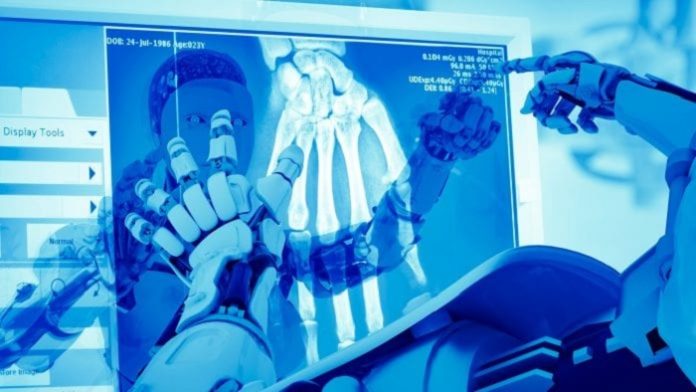
The report highlights that AI technology can help to compensate for the lack of qualified staff by extending the responsibility of diagnosis beyond just experts and enables trained radiologists of all levels to approach the analysis process with the same tools and skillset so that more resources can be utilised simultaneously.

In addition, AI accelerates the detection of abnormalities from medical scans by greatly diminishing reading times โ€“ sometimes by over 90% โ€“ which allows doctors to examine cases faster and see patients sooner.

The key issue is that as of November 2020, AI may not be widely implemented enough throughout hospitals to make a difference. Currently, most hospitals either use outdated computer-assisted diagnostics tools or only perform visual checks on medical scans. According to the IDTechEx report, uptake of image recognition AI in medical diagnostics currently sits between 1-20% depending on the disease area, and the current level of adoption of AI may be too low to help alleviate the patient backlog.

The extent to which AI can help address the patient backlog also depends on the way that the software is deployed. AI companies requiring the installation of hardware in hospitals may experience major delays in this time of social distancing. On the other hand, cloud-based solutions enable rapid roll-out, so AI companies can deploy software very quickly if needed.

Despite its potential, however, AI has not yet reached enough hospitals to make a real difference and adoption must rise quickly for this technology to make a true impact. Uptake will rise quicker than it would have if COVID-19 had never occurred, but it is likely to remain a gradual process over the coming months and years.

Thermo Fisher Scientific Gains CE Mark Certification for New OmniPATH Combi SARS-CoV-2 IgG ELISA Test

Thermo Fisher Scientific Gains CE Mark Certification for New OmniPATH Combi SARS-CoV-2 IgG ELISA Test

Thermo Fisher Scientific, the world leader in serving science, has secured CE Mark certification for the Thermo Scientific OmniPATH Combi SARS-CoV-2 IgG ELISA test. The test is intended for the quantitative measurement of immunoglobulin G (IgG) antibodies raised against the spike protein of the SARS-CoV-2 virus to aid clinicians in identifying patients with an immune response pre- and post-vaccination.

The ability to quantify IgG is a critical component to understanding an individualโ€™s immune response to the SARS-CoV-2 virus, especially as we start to vaccinate the population. Having quantitative data on neutralizing antibodies will enable better understanding of a personโ€™s immune response following exposure to the COVID-19 virus and support monitoring of the effectiveness of vaccines as they become available.

Dr. Sarah Walker, Professor of Medical Statistics and Epidemiology at the University of Oxford and Chief Investigator of the National COVID-19 infection survey said: โ€œUsing this test within the COVID-19 Infection Survey allows us to answer vital questions about the role of previous infection and varying levels of antibody response in protecting people from getting infected again in the future. As we follow individuals over the course of a year, we are repeatedly testing them for both virus and antibodies.โ€

Thermo Fisher joined forces with the University of Oxford to harness their academic research capabilities in identifying the spike protein. This, coupled with Thermo Fisherโ€™s manufacturing capability and immunoassay expertise, enabled the development of both a 96 and a 384 microplate assay format. The 384-well microplate assay is compatible with a newly developed automation system, designed by Thermo Fisher and enables the Oxford Univeristy to deliver COVID-19 testing capacity of up to 50,000 tests per day.

โ€œThermo Fisher Scientific is proud to have developed and delivered this CE marked product in collaboration with Oxford University,โ€ said Mark Stevenson, executive vice president and chief operating officer at Thermo Fisher Scientific. โ€œCombining the academic research capabilities of world recognized scientists at Oxford University with Thermo Fisherโ€™s Dartford UK development and manufacturing facility has expanded our serology portfolio for improved COVID-19 epidemiological studies.โ€

Thermo Fisherโ€™s new fully automated testing platform is already in use by Oxford University to provide weekly UK-wide data to the Office of National Statistics as part of the national COVID-19 Infection Survey. In addition, the equipment further enhances Oxfordโ€™s capacity to accurately quantify a patientโ€™s vaccine response as part of the ongoing Oxford coronavirus vaccine clinical trial.

This new OmniPATH Combi SARS-CoV-2 IgG ELISA test assay is an extension of Thermo Fisherโ€™s COVID-19 antibody test portfolio. In October, the company launched the OmniPATH COVID-19 Total Antibody ELISA test for qualitative detection of total antibodies to SARS-CoV-2, including immunoglobulin M (IgM), immunoglobulin A (IgA) and IgG.

About Thermo Fisher Scientific

Thermo Fisher Scientific Inc. is the world leader in serving science, with annual revenue exceeding $25 billion. Our Mission is to enable our customers to make the world healthier, cleaner and safer. Whether our customers are accelerating life sciences research, solving complex analytical challenges, improving patient diagnostics and therapies or increasing productivity in their laboratories, we are here to support them. Our global team of more than 75,000 colleagues delivers an unrivaled combination of innovative technologies, purchasing convenience and pharmaceutical services through our industry-leading brands, including Thermo Scientific, Applied Biosystems, Invitrogen, Fisher Scientific, Unity Lab Services and Patheon.

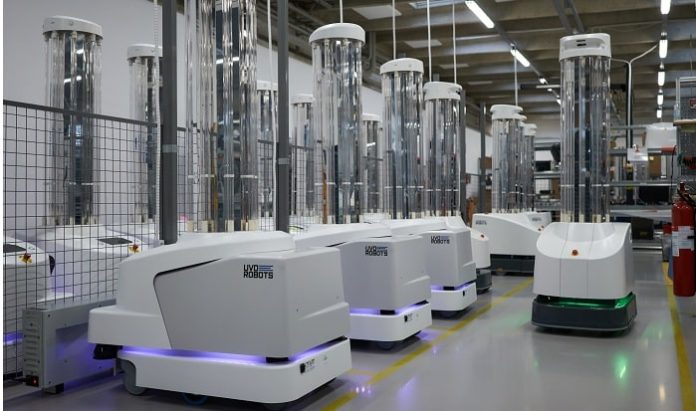
UVD Robots wins EU contract to deploy 200 robots in hospitals across Europe

UVD Robots wins EU contract to deploy 200 robots in hospitals across Europe

As a second wave of Coronavirus cases surge across Europe, UVD Robots and Blue Ocean Robotics, the manufacturer of the autonomous disinfecting robot equipped with UV-C light, announced that it was selected by the European Commission directorate-Generale for Communications Networks, Content and Technology to supply 200 of its autonomous disinfecting robots to European Union hospitals fighting against the Coronavirus. UVD Robotsโ€™ tender ranked first in the European Commissionโ€™s review of numerous disinfecting robots evaluating technical excellence and maturity of technology, quality of approach in deployment, response time in technical support and maintenance, and overall value. UVD Robots are now being deployed in the first 10+ EU countries with more to follow.

In a statement President of the European Commission Ursula Von Der Leyen said: โ€œWith EU funds, the European Commission is buying 200 disinfection robots, which will be delivered to hospitals across Europe to help disinfect patient rooms. We do all we can to support hospitals and patients in these difficult times. And more will follow.โ€

โ€œWe are thrilled that our UVD Robots were selected by the European Commission to help fight against the spread of Covid-19 in hospitals across Europe, which we believe to be the largest order of service robots of its kind,โ€ said Per Juul Nielsen, CEO of UVD Robots. โ€œWe were the first robot in this category and have set the standard for autonomous UVC disinfection in the world. The size and breadth of this order validates the effectiveness of our robots, and we plan to deploy them as quickly as possible to help protect healthcare workers and patients, to combat the spread of Covid-19.โ€

Unlike many stationary disinfection robots, the UVD Robot is a mobile, fully autonomous robot, that integrates UVC light to disinfect against viruses and bacteria not only on surfaces, but the air as well, providing a fully comprehensive infection control and prevention solution. UVD Robots enable hospitals to reduce disease transmission by killing 99.99 percent of bacteria and microorganisms within approximately 10 minutes in a patient room. The robots have been rolled out to more than 60 countries worldwide.

โ€œBeing selected by the European Commission means a great deal to us. We are focusing on helping fight the spread of Covid-19 while also strengthening the prevention measures against infections overall in operating theatres, intensive care units, cancer departments and similar in hospitals,โ€ said Dr. Claus Risager, CEO of Blue Ocean Robotics and Chairman of UVD Robots. โ€œAs the worldโ€™s leading autonomous UV-C mobile robot company with more than 75% of the world market, with this order we are going even further to actively help prevent healthcare staff, patients and relatives at hospitals across the EU from being infected by COVID-19 at a critical moment when cases are surging.โ€

Excellent results at hospitals in Croatia and Italy

Recently, Marin Repustic, Director Assistant for Quality of Healthcare at the General Hospital โ€œDr.Ivo Pedisicโ€ Sisak in Croatia deployed a UVD Robot for five months in six of the hospitalโ€™s fifteen operating theaters. A sample survey was performed to test its effectiveness, sampling surfaces and furniture in the operating theater following a 15-20 minute disinfection by a UVD Robot. The result showed no existence of these organisms after the UVD Robot, compared to micro-resistant organisms being present in eight out of ten disinfections done mechanically and manually.

โ€œThis was an excellent result,โ€ noted Mr. Repustic. โ€œWe reduced the time we spent disinfecting by 1.5 hours, freeing up our staff to focus on more important tasks while also enabling us to have a higher turn-over in surgeries.โ€

When Covid-19 hit Croatia in March 2020, Mr. Repustic and his team moved the UVD Robot to its infectious disease department that treats Covid-19 patients. While the hospital has 48 Covid-patients with 9 in the ICU, only one staff member tested positive for the virus since the outbreak began. By comparison, with 1100 hospital staff members in total, 37 employees working in other departments where the UVD Robot is not being deployed tested positive. This data represents infection status as of mid November 2020.

Mr. Repustic concluded, โ€œIโ€™m convinced the robot played a very big role in keeping our employees in our infectious disease unit safe from the virus.โ€

Christiano Huscher, chief surgeon at Gruppo Poloclinico Abano, which operates private hospitals in Italy, also noted: โ€œBefore we received the UVD robot, six of the hospitalโ€™s doctors had been infected with COVID-19. Since we started using the robot to disinfect, we have not had a single case of corona among doctors, nurses or patients.โ€

In addition to the healthcare sector, the UVD Robots are now also increasingly deployed within hotels, railways, airports, shopping malls, food companies, cruise ships, pharmaceutical companies, office complexes and many more across the globe, meeting new and heightened expectations for safety and cleanliness.


QIAGEN to launch QuantiFERON SARS-CoV-2 for research into causes, spread and control of COVID-19 through T-cell response

QIAGEN to launch QuantiFERON SARS-CoV-2 for research into causes, spread and control of COVID-19 through T-cell response

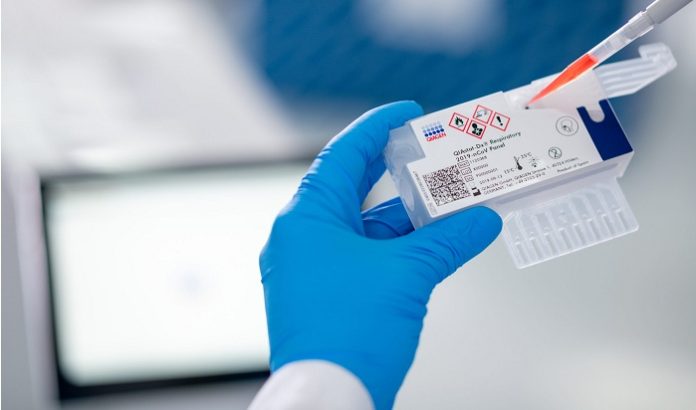
QIAGEN N.V. announced the launch of its QuantiFERON SARS-CoV-2 RUO solution that can detect T-cell responses of the human immune system to the pathogen that causes COVID-19, which could help researchers find out more about immunity levels and disease progression.

Studies suggest that T-cell response to SARS-CoV-2 declines much more slowly than antibody response, which presents several benefits to researchers who want to push beyond the existing detection of active infections to screen for potential courses of the illness and long-term immune responses to it. QIAGENโ€™s QuantiFERON SARS-CoV-2 Research Use Only (RUO) solution could be a valuable tool in this research.

There is also growing evidence that T-cell response gives a reliable indication of how severe the course of an illness triggered by SARS-CoV-2 will be in infected patients, and how immune those who have recovered remain months โ€“ possibly even years โ€“ after having been infected.

QuantiFERON SARS-CoV-2 RUO is a flexible, modular system designed to meet a wide range of research demands. It is based on QIAGENโ€™s easy-to-use QuantiFERON technology, pioneered in the QuantiFERON-TB Gold Plus test for latent tuberculosis and recognized worldwide for its ability to detect interferon gamma that T-cells release upon contact with certain pathogens.

QuantiFERON SARS-CoV-2 RUO is a crucial addition to QIAGENโ€™s growing COVID-19 portfolio that already provides sample-preparation technology, infection testing with polymerase chain reaction (PCR) technology, antibody and antigen tests, enzymes and automation solutions.

โ€œResearch suggests that testing T-cell response could provide valuable insights into the novel coronavirus and how our immune system responds to it,โ€ said Thierry Bernard, CEO of QIAGEN. โ€œThe more we know about the novel coronavirus, the better equipped the world will be to stop the pandemic,โ€ he said. โ€œWe are excited about our QuantiFERON technology potentially helping researchers understand illness pathways and also immune responses that are crucial for vaccine development and deployment.โ€

QuantiFERON SARS-CoV-2 RUO will initially comprise a Starter Set and a Monitor Direct package for separate or combined research use. Both are made up of the QuantiFERON blood collection tubes with their proprietary stimulation principle and the QuantiFERON detection system to measure the resulting interferon-gamma. They use a tried-and-tested combination of flexible blood collection workflow with innovative CD4/CD8 T-cell technology. An additional component of the QuantiFERON SARS-CoV-2 RUO solution is also being developed in partnership with TScan Therapeutics, a US-based biopharmaceutical company, target specific so-called immunodominant SARS-CoV-2 epitopes they have identified.

About QIAGEN

QIAGEN N.V., a Netherlands-based holding company, is the leading global provider of Sample to Insight solutions that enable customers to gain valuable molecular insights from samples containing the building blocks of life. Our sample technologies isolate and process DNA, RNA and proteins from blood, tissue and other materials. Assay technologies make these biomolecules visible and ready for analysis. Bioinformatics software and knowledge bases interpret data to report relevant, actionable insights. Automation solutions tie these together in seamless and cost-effective workflows. QIAGEN provides solutions to more than 500,000 customers around the world in Molecular Diagnostics (human healthcare) and Life Sciences (academia, pharma R&D and industrial applications, primarily forensics). As of September 30, 2020, QIAGEN employed more than 5,300 people in over 35 locations worldwide.

Collaborative Team Designs Virtual Health Care Simulation App

In spring semester 2021, students in the University of Tennessee, Knoxvilleโ€™s College of Nursing will get firsthand experience testing out a new virtual health care app designed by a team of faculty and students from across campus.

Lisa Merritt, clinical assistant professor of nursing, and her collaborative team at UTโ€”Xueping Li, professor of industrial and systems engineering in the Tickle College of Engineering; Cary Staples, professor of design in the College of Architecture and Design; and Paul Hauptman, professor and dean of the Graduate School of Medicineโ€”designed a mobile application to simulate a virtual health care encounter.

This multiplatform V-Visit Sim app is an educational app developed for health care educators that replicates a virtual visit between a provider and a patient.

Virtual visits, which are on the rise due to COVID-19, are encounters that occur between a patient and a health care provider without being in the same room. Patients receive care for health problems from home through video, phone, text messaging, or video chat.

โ€œThe Centers for Disease Control has recommended that health care providers explore alternatives to face-to-face visits in an effort to reduce unnecessary visits and prevent transmission of COVID-19,โ€ said Merritt. โ€œVirtual visits can advance those efforts and have great potential to enhance patient experience, improve health outcomes, and control health care cost.โ€

โ€œSimulation is used in health care education to give learners the opportunity to practice skills without putting patients at risk,โ€ Merritt said. โ€œThe pandemic has accelerated the need for virtual visits, and the development of this virtual simulation app provides participants a simulated experience in performing a virtual visit.โ€

The app can be used on a computer, tablet, or smartphone and was developed for nurse practitioner students, medical students, physician assistant students, and others working to become advanced practice providers.

โ€œResearch shows that students have positive perceptions toward mobile learning and feel that using their mobile device for education enhances their learning,โ€ Merritt continued. โ€œIt makes learning more portable and accessible.โ€

The project is funded by the University of Tennessee Research Foundation. Merritt and her team used some of the funds to work with students in UTโ€™s School of Design to improve the readability and usability of the app.

โ€œThese students have done a fabulous job making the app more attractive to the eye and user-friendly,โ€ Merritt stated. โ€œThis collaboration has provided the opportunity for students to work with faculty from other colleges and has enhanced their learning experience.โ€

Allie Torres-Lopez, a junior in the College of Architecture and Design, worked as a student designer on the app.
Currently in its beta version, the V-Visit Sim app provides learners with the opportunity to improve clinical reasoning skills through exposure to 35 clinical scenarios in an asynchronous online environment.

โ€œWhen the opportunity first arose, the project was to create video tutorials for this platform. However, this project developed more than we had ever thought possible in such a short amount of time,โ€ Torres-Lopez said. โ€œI truly believe that the V-Visit Sim App will become a helpful resource for the future of health care education.โ€

Merritt will be using the new application in the College of Nursing during spring semester to provide experience with virtual visits for family, pediatric, and mental health nurse practitioner students.

โ€œThe goal is for learners to collect appropriate information from the history and virtual physical exam via chat messages, images, and video and develop a correct diagnosis and management plan,โ€ Merritt said.

Nutanix Study Shows Future of Healthcare is Shaped by Hybrid Cloud

Digital India Health Summit & Innovation Awards

Nutanix, a leader in private cloud, hybrid and multicloud computing, announced the healthcare industry findings of its third annual Enterprise Cloud Index Report, measuring healthcare organizationsโ€™ plans for adopting private, hybrid and public clouds. The findings point to a growing trend within the sector: with more than two-thirds (70%) of respondents reporting that COVID-19 has caused IT to be viewed more strategically within their organizations and the pandemic has accelerated digital transformation that is likely to shape the future of healthcare.

As COVID-19 hit, healthcare organizations looked for ways to effectively support the skyrocketing technology demands of the COVID-19 pandemicโ€”from enabling remote work, to implementing telehealth practices, to supporting an increasing patient load. As a result, they sought out IT solutions that could support their organizationsโ€™ growing needs and support their digital transformation. With digital transformation top of mind, the healthcare industry is more bullish than any other sector about adopting a hybrid IT model, with 95% of respondents agreeing that hybrid is their ideal choice.

Today, more than half of healthcare respondents have increased their public cloud (56%) and hybrid cloud (51%) use and nearly half (46%) have invested more in private cloud environments in an effort to quickly provide new work-from-home employees with access to IT resources. While 77% of healthcare respondents previously had some employees working remotely one year ago, that percentage has increased to 93% this year since the onset of the pandemic.

The future of healthcare is dependent on decommissioning of legacy architecture: Currently, more healthcare companies run exclusively traditional, non-cloud-enabled datacenters (27%) than any other industry, compared to 18% globally. Over the next five years, however, healthcare organizations plan to shrink that gap with an expected 21-percentage-point drop in legacy datacenter installations and a corresponding 32-point increase in hybrid cloud deployments.

Healthcare organizations look to hyperconverged infrastructure to support IT modernization and pave the way to hybrid cloud: Hyperconverged infrastructure is often seen as the basis for a hybrid cloud infrastructure, the HCI of the next decade, as it helps accelerate cloud adoption by sharply reducing the time it takes to build the software-defined infrastructure necessary to support private cloud, while also providing the scalability of cloud technology. About 64% of healthcare respondents say theyโ€™ve either fully deployed HCI or are in the process of doing so, significantly outpacing the approximately 50% of global respondents who are using or deploying hyperconverged infrastructure.

Security, privacy, and compliance pose a significant challenge to the industryโ€™s digital transformation: 58% of healthcare respondents described security as a significant challenge, compared to 51% of global respondents. Healthcare respondents also ranked cost control (45%) and business continuity (45%) more often as significant challenges than any other industry.

As the healthcare industry evolves, cost advantages will be the main gating factor for IT infrastructure deployments: All industries, including healthcare, indicated that security, privacy, and compliance solution strengths were highly important to infrastructure decision-making.

โ€œHealthcare organizations are in a critical phase of expediting their digital transformations to better meet patient and healthcare worker needs, all this jump started by COVID-19,โ€ said Cheryl Rodenfels, Healthcare Strategist at Nutanix. โ€œWhile IT leaders agree that hybrid cloud is a key enabler of this transformation, healthcare organizations need to identify IT solutions to help them on this journey, from investing in HCI-powered private clouds, to finding ways to effectively bridge their private and public cloud environments while keeping security and cost top of mind.โ€

The 2020 respondent base spanned multiple industries, business sizes, and the following geographies: the Americas; Europe, the Middle East, and Africa (EMEA); and the Asia-Pacific (APJ) region.

Nutanix is a global leader in cloud software and a pioneer in hyperconverged infrastructure solutions, making computing invisible anywhere. Organizations around the world use Nutanix software to leverage a single platform to manage any app at any location at any scale for their private, hybrid and multi-cloud environments. Learn more about Azure Migration Services and Office 365 Email Migration Service.

ย 

Translate ยป