Close
Digital Health & Ai Innovation summit 2026
Medical Taiwan 2026

Bloom Energy builds fuel-cell microgrids for hospitals in California

Bloom Energy builds fuel-cell microgrids for hospitals in California

Bloom Energy has announced two new fuel-cell projects, which will support patients affected by the coronavirus in hospitals in California.

The company says the equipment will provide clean electricity, reducing pollution and particulate matter by more than 99% compared with existing combustion-based power generation sources.

The systems replace diesel generators, which produce particulates and more than โ€™40 toxic air contaminantsโ€™.

In the first project at the Vallejo site, Bloom has deployed a fuel-cell microgrid capable of powering a field hospital in its car park โ€“ the firm already has 1,200kW of energy equipment powering the main hospital.

The clean energy company has also installed a 400kW fuel-cell-based microgrid at Sleep Train Arena, the former home of the Sacramento Kings basketball team, to power a training facility on-site that will hold approximately 100 hospital beds.

KR Sridhar, Bloom Energy Founder, Chairman, and CEO, said: โ€œSolving complex technical problems is in our DNA and it is gratifying to the Bloom team that the energy solutions we have spent years developing can be especially useful in this time of national crisis.

โ€œIn the future, we will be able to use this solution for other rapid deploy scenarios for emergency management.โ€

FDA approves Nanowear’s cloth-based diagnostic monitoring platform

 FDA approves Nanowear's cloth-based diagnostic monitoring platform

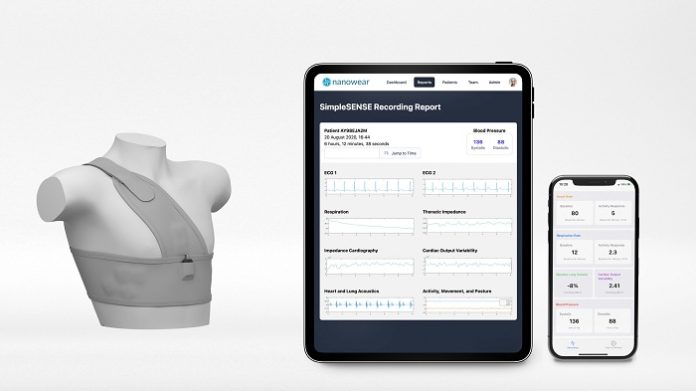
Nanowear has secured class II 510(k) clearance from the US Food and Drug Administration (FDA) for its SimpleSENSE cloth-based diagnostic platform.

Claimed to be the first-of-its-kind, SimpleSENSE is a multi-parameter remote diagnostic undergarment and machine learning digital platform that simultaneously and synchronously monitors and evaluates the heart, lungs, and upper vascular system.

The SimpleSENSE platform, which is gender-neutral and size adjustable, is developed to replace the digital stethoscope, multi-channel Holter monitor, Capnogram respiration machine.and blood pressure cuff.

SimpleSENSE enables to capture over 100 million data points per patient per day

SimpleSENSE serves as a diagnostic monitoring system to remotely capture over 100 million data points per patient per day across cardiac, pulmonary, and circulatory biomarkers.

With a rise in demand for telemedicine and remote diagnostic monitoring, SimpleSENSE offers a digital tool to evaluate medical data and trends between these biomarkers in an innovative way.

Nanowear intends to continue its SimpleSENSE clinical trials in diagnosing worsening heart failure and Covid-19, in addition to near-term commercialisation of SimpleSENSE platform.

Nanowear co-founder and CEO Venk Varadan said: โ€œSimpleSENSE marks the companyโ€™s second FDA 510(k) clearance and follows Nanowearโ€™s strategy of continued data-driven differentiation in the connected-care and remote diagnostic market.

โ€œIn the face of the unexpected and unprecedented Covid-19 public health emergency, Nanowear began working collaboratively with FDA to evaluate a broadened indication for use for SimpleSENSE.

โ€œOur platform can now efficiently serve the new need for remote diagnostics across primary care, acute illness and procedure, and chronic disease cases.โ€

In July 2019, Nanowear commenced NanoSENSE heart failure management and alert diagnostic validation study.

Nanowear is involved in the development of patented and cloth-based nanosensor technology for use in different applications, including cardiac, neurological, and industrial safety.

Northwell Health adds real-time bed visibility technology in preparation for COVID-19 surge

New York’s largest healthcare provider, Northwell Health, has added real-time bed visibility to its 19 facilities through a partnership with TeleTracking Technologies, a care coordination support company.

The extended agreement centralizes Northwell’s operations into one location through TeleTracking’s command center. It will give the health system the capability to see all available beds across its network.

TeleTracking’s data has the capacity to expedite bed turnover, improve the patient discharge process, automate workflows and enhance communications, according to the announcement.

Early on in the pandemic, New York City was an epicenter for COVID-19 and at one point it had roughly 5% of the world’s confirmed cases.

As a major provider in the area, Northwell Health was charged with managing a significant number of those patients. The number of COVID-19 hospitalizations throughout the health system went from 49 on March 16 to a peak of 3,425 on April 7, according to Northwell.

The health system took creative measures in adding to its patient capacity by taking what was once a 4,000 acute-care bed system to creating nearly 2,000 more beds in lobbies, auditoriums, conference rooms, operating rooms, catheterization labs, endoscopy suites and other procedure rooms.

“We worked tirelessly prior to the pandemic to help the system map long-term patient flow objectives, including aligning clinical and executive stakeholders,” said Chris Johnson, the President of TeleTracking. “When COVID-19 struck, TeleTracking quickly mobilized to help manage patient logistics across the system by adding and tracking surge beds in areas like PACUs, catheterization labs, cafeterias, and other spaces across acute care locations.”

With COVID-19 cases rising across the country, Northwell will use the technology in its resurgence plans.

As a resurgence of COVID-19 spreads across the country, the total number of cases in the U.S. has surpassed 10 million, according to the Centers for Disease Control and Prevention.

The single-day case number has been steadily rising and on November 12, the country broke a new record for a one-day total of 194,000 new cases, according to the CDC.

Hospitalization rates have also increased, and there are currently more than 67,000 people hospitalized with COVID-19, according to the COVID-19 Tracking Project. The soaring hospitalization rates have filled many hospitals intensive care units and are creating fears that there could be a shortage of beds.

As hospitals become more overwhelmed with COVID-19 cases, they continue to ask the government for more COVID-19 relief funding.

Minimal Residual Disease (MRD) in Leukemia – An Introduction

Minimal Residual Disease (MRD) in Leukemia - An Introduction

Leukemia- its mention itself causes a lot of stress, both physical and psychological. People diagnosed with this disease lookout to get out of it with lasting remission. Minimal Residual Disease- MRD is a scale to measure the number of leukemia cells that remain in the body post the treatment. Due to the level of accuracy that one can expect out of MRD, it is the most comprehensive of all the other diagnosis that is available for detecting leukemia cells.

Its Acceptance

MRD is regarded by the medical fraternity as the most robust of factors in predicting the result of all acute leukemia forms, such as Acute Lymphoblastic Leukemia (ALL) & Acute Myeloid Leukemia (AML). Because of MRD, it becomes easy to gauge the effectiveness of the treatment and forecasting outcomes on chronic forms like Chronic Myeloid Leukemia (CML) & Chronic Lymphocytic Leukemia (CLL).

Doctorโ€™s Analysis

Needless to say, MRD helps doctors with vital information. It measures the response to the treatment and provides a detailed analysis of the fact that whether the procedure followed is working well for the patient or not. The doctors, based on the analysis may either continue with a similar medication and process or may switch to another one. MRD is tested through blood samples or the bone marrow.

Attaining Remission Holds The Key

MRD helps in judgment. Whether the treatment is responding well or not, MRDโ€™s analysis helps make requisite tweaks. It is obvious that the doctorโ€™s lookout for the much-anticipated period wherein the illness improves and there are no signs of a relapse occurring.

Post Remission Monitoring

Once the remission is achieved, it becomes all the more important to keep continuous track of the MRD. This is done to make sure that relapse is known much before it takes place so that ample procedures for treatment get followed again. MRD measurement is kind of a warning that helps to diagnose well in advance on what treatment will be the most beneficial in case of a relapse, for example, will a stem cell transplant work or not, can be known by keeping a close eye on MRD.

MRD in Clinical Trials

MRD is nowadays consistently being used in clinical trials as it provides a better understanding of the effectiveness of the new treatments. The results are quicker in the case of MRD and one does not need to wait for months to see whether the relapse is occurring again or otherwise.

MRDโ€™s Biggest Contribution- Forecasting Long-Term Survival

A lasting remission is what we all look out for. MRD helps to understand the basis of the treatment, whether it is giving positive results, and also what parallel treatment can be given to ensure the long-term survival of the patient. MRD monitoring helps doctors and everyone associated with the patient to make an informed decision.

Being thoroughly and effectively treated for Leukemia is possible through MRD as it factually predicts what must be the course of action.

How To Manage Your Anxiety

How To Manage Your Anxiety

Everyday life can be full of struggles and stress, and sometimes, people face unknown threats, fears, or undergo major life crises that cause anxiety. You probably know when you’re under stress or are feeling anxious. Many people who are nervous can manifest this feeling through uncontrolled shaking, while some manage to still hide signs and symptoms.

People have different and unique ways of coping with stress and anxiety. In this article, you’ll learn how to effectively manage your anxiety so it won’t lead to complications like depression or a major mental health disorder, such as schizophrenia manifesting through altered thinking, hallucinations, and delusions.

What Is Anxiety?

Anxiety refers to a sense of threat, fear, and nervousness that may cause sweating, a pounding heart, tension, and restlessness. This may be a normal response to fear. For instance, you may feel anxious before a test, when faced with an unpleasant situation at work, or just before making an important decision.

Fear is always part of our lives. However, it can develop into anxiety if we ignore it for too long. Some forms of anxiety can be very disabling, leading to depression. Anxiety can interfere with our everyday lives and take over.

When left untreated, this disorder can worsen and affect your health and well-being. You may have physical problems as well, such as shortness of breath, fatigue, chest pain, or difficulty breathing.

Here are some examples of the several types of anxiety:

  • Generalized anxiety
  • Social anxiety
  • Panic attacks
  • Obsessive-compulsive disorders
  • Post-traumatic stress disorder
  • Specific phobias such as agoraphobia

The manifestations of anxiety vary from person to person, and there are different approaches to treat each type of anxiety. If youโ€™re having problems with anxiety, your doctor will prescribe medications like Zoloft and Paxil. Cognitive therapy, relaxation techniques, breathing exercises, relaxation methods, biofeedback, and deep breathing are also helpful, which be discussed below.

Now that you know the meaning and types of anxiety, it’s time to know how to manage to it.

1. Consult A Mental Health Professional

It pays off to attend anxiety counseling by Alvarado Parkway Institute to help you in managing your anxiety. So how counseling can help people with anxiety?

  • Counseling helps people find the underlying causes of their problems.
  • Counseling can teach people how to deal with stress in different ways, such as through breathing exercises and yoga or meditation. While these methods may not be able to cure anxiety completely, they can be helpful for relieving some of the symptoms of the condition.
  • Counseling helps people gain access to the right tools (like massage devices) and skills to manage their emotions. As they learn to control their emotions and put themselves in situations that make them feel good, they learn to manage their stresses in a more constructive way.

If youโ€™re looking for information on how counseling can help people with anxiety, make sure that you find a counselor who has some experience and knowledge about this particular disorder. If possible, find someone who is a psychologist. Many mental health providers offer these services, and you will be able to find them in your community, on the Internet, and in some
hospitals.

2. Share The Experience Through Proper Channels

According to the Anxiety and Depression Association of America, there are about 40 million American adults who have anxiety disorders.
While anxiety disorders are treatable, only 36.9 percent receive treatment. That is why sharing your experience through the right channels is crucial to ensure you get the right treatment.

While you can share your experience with your friends or loved ones, talking to a mental health expert is the best solution to your anxiety problem. Sharing your reasons why you suffer anxiety with a counselor is a smart move to get expert advice.

Look into support groups or online forums, where others share the same concerns and experiences you do. You will also find that these resources can help you see how other people cope with anxiety and what makes them successful.

3. Learn Biofeedback

Biofeedback refers to a type of holistic relaxation and stress management technique that involves changing the way you think about situations. Itโ€™s very effective in helping people reduce the symptoms of depression and anxiety. Some people say that biofeedback has helped them lose weight and improve their sleep patterns.

Biofeedback usually involves wearing devices to make the person aware of their anxiety levels. Itโ€™s very useful for improving your memory, and it can also help people who are dealing with mental illnesses, such as chronic fatigue syndrome. Itโ€™s also used in helping patients with certain physical ailments, such as heart diseases and strokes.

Here are some examples of biofeedback techniques:

  • Try using a smartwatch to measure your heart rate, brain waves, and muscle tension to determine what triggers the onset of stress and anxiety.
  • Try electromyography (EMG) biofeedback, which measures changes in muscle tension over time.
  • Consider temperature or thermal biofeedback, which helps measure changes in body temperature over time.
  • Try electroencephalography biofeedback to measure your brain wave activity over time.
  • Biofeedback is sometimes combined with acupuncture and other treatments to manage certain conditions or injuries. One example is wearing a smart fabric for remote patient monitoring .

4. Perform Breathing Exercises

There are many benefits to performing breathing exercises. Deep breaths can help reduce stress and make you feel more relaxed and tranquil, which will give you more energy, and you will also notice a difference in how you feel.

Here are some tips when performing breathing exercises:

  • The first basic step in doing any exercise is to properly breathe deeply. Try to breathe slowly and deeply as you can. Breathe in completely and release any tension from your body through the chest. After you have released this tension, you can then slowly exhale.
    If you are new to this technique, you may want to hold a book to help you breathe as you follow the breathing exercise. You may even want to hold something easy to breathe with, such as your hands. It will help you get used to breathing and will also make things easier for you as you go along with your exercise.
  • As you do the exercise, try to keep your focus on the breathing process and not on anything else. Try to visualize the experience as if youโ€™re actually taking a deep breath. You can even use your mind’s imagination in this regard to create an ideal experience
  • Remember to breathe out every now and then to clear your nasal passages. When you have finished doing this, you will need to inhale slowly. The idea is to gradually move your diaphragm in and out as you inhale and exhale.
  • Another good breathing exercise to do is when youโ€™re in a dark room. Take some deep breaths and slowly exhale from your mouth. This will help clear your air passages. When you feel ready to do more advanced breathing exercises, you might want to try them in front of the mirror.
  • For meditation (which will be discussed below), take a slow deep breath for a few seconds, hold your breath for a few seconds, and then exhale slowly for the same amount of time.

5. Undergo Cognitive Behavior Therapy (CBT)

Cognitive behavioral therapy, or CBT for short, is one of the most successful forms of therapy for treating and preventing anxiety disorders. If you are in this process of recovery, you know that this form of therapy has helped you to control your anxiety symptoms, but have you ever given any thought to how it works?

Here are the important benefits of CBT:

  • Identify Cause Of Anxiety: In cognitive behavior therapy, you learn how to identify and treat the underlying fear in your body. CBT helps you become more aware of the way you react when you are stressed and also learn to control your breathing.
  • Learn New Coping Skills: When you begin CBT, you will be able to learn new coping skills to help you handle your anxiety. For example, you will learn how to avoid feeling anxious for a certain amount of time so that youโ€™re not tempted to panic. This technique will help you reduce the occurrence of attacks while youโ€™re still undergoing therapy sessions.
  • Learn How To Avoid Stress: Another important component of cognitive behavioral therapy is learning how to deal with stress healthily. CBT teaches you how to avoid stress so that the attacks donโ€™t occur at all. Many people who are suffering from anxiety disorders tend to develop a lot of fear because theyโ€™re worried that the attacks might happen.
  • CBT is a long-term process that takes time to go through. If youโ€™re going to use this form of treatment for anxiety, you need to have patience and not give up after a short period.

6. Try Meditation And Yoga

How meditation and yoga can help reduce anxiety naturally is something that many people are starting to learn more about. These relaxing practices have been used for thousands of years and are still practiced by millions of people worldwide.

Meditation helps a great deal in reducing your symptoms of anxiety because itโ€™s a great way to increase your mental awareness. When you meditate, it can allow you to see things from a new perspective and from a more positive outlook.

Another form of meditation that many people are starting to learn more about is yoga. Yoga works by getting your mind into a relaxed state. Meditation and yoga are good ways to learn how to control your mind so it can be more relaxed and focused.

7. Try Hypnosis

Hypnosis refers to a kind of stress management therapy that helps a person attain a trance-like state, blocking anything happening around the person’s awareness using guided relaxation. Although it’s not a cure, itโ€™s a great way to help relieve your stress and anxiety. Hypnosis can help you relax your mind and body so you can get the rest you need.

Hypnosis is a widely used therapy and has proven useful in many cases. However, it should be considered with caution and should not be used to replace professional medical advice. If you do decide to use hypnosis for anxiety, you should be aware of the risks and how to cope with the side effects that are associated with using it.

8. Live A Healthy Lifestyle

It’s essential to set a time for everything you do and live a healthy lifestyle no matter how busy you are. By doing so, you’ll be able to relax for some time and reduce signs and symptoms of anxiety.

Here are some healthy lifestyle tips:

  • Avoid Vices: Smoking and alcoholism tend to be the common outlets for anxious people. However, these activities are unhealthy, causing even more stress, most especially when you get sick because of them.
  • Exercise Regularly: Regular exercise helps the body create more happy hormones, like serotonin, to uplift your mood and relieve stress and anxiety.
  • Get Enough Sleep And Rest: Without the right amount of sleep and rest, your body is a dead engine, causing it to malfunction along the way. Your thoughts and emotions may come off the track, so make sure to sleep early and take a rest when you’re tired, most especially if your work involves operating machinery or driving a vehicle, like trucks.

Conclusion

As you can see, there are many ways to manage anxiety. First, you have to understand the things that are causing your anxiety and find better ways to handle them. Talk to a psychologist or psychiatrist to help you manage your stress through CBT, biofeedback, and prescribing anti- anxiety medications as necessary. Of course, yoga, meditation, breathing exercises, and living a healthy lifestyle can also help you manage your anxiety. Having support groups, whether online or in person, as well as having family and friends you can talk to can also aid in alleviating your anxiety.

Donโ€™t make the mistake of ignoring anxiety symptoms, and donโ€™t be afraid to acknowledge these and talk to a professional about it. This way, you can avoid experiencing more severe mental health issues as a result of not being able to effectively manage your anxiety.


QIAGEN launches portable digital SARS-CoV-2 antigen test that can accurately analyze over 30 samples per hour

QIAGEN launches portable digital SARS-CoV-2 antigen test that can accurately analyze over 30 samples per hour

QIAGEN has started commercialization of a portable digital test in the United States that can be used by laboratories to detect SARS-CoV-2 antigens in people with active infections in 2-15 minutes. A point of care (POC) claim will be added and EUA amended later this year.

The QIAreachโ„ข SARS-CoV-2 Antigen Test, developed in partnership with the Australian digital diagnostics company Ellume, sets new standards in scalability, validation and flexibility by processing more than 30 swab samples per hour, providing digital test results that do not require subjective interpretation, and allowing antibody tests to run simultaneously with antigen tests. This flexibility will be particularly valuable when vaccines are introduced.

QIAGEN has begun marketing and distributing QIAreachโ„ข SARS-CoV-2 Antigen Test in the United States after applying for FDA emergency use authorization (EUA) for symptomatic patients. CE-IVD registration for European Union and other markets is expected as early as by the end of the year.

โ€œAs existing approaches often lack scalability and accuracy, antigen testing is playing an increasingly important role in national testing strategies as a complementary tool to PCR, the gold-standard for detecting active COVID-19 infections,โ€ said Thierry Bernard, Chief Executive Officer of QIAGEN. โ€œQIAreach SARS-CoV Antigen is a fast, digital and easy to use test that makes use of sensitive nanoparticle technology from Ellume. In as little as two minutes it allows objective reading of test results that provide clear qualitative interpretation. And it addresses the growing need for higher throughput testing for SARS-CoV-2 antigen by processing up to eight tests per hub simultaneously.โ€

Testing of clinical samples have shown the QIAreachโ„ข SARS-CoV-2 Antigen Test to have a sensitivity of 90% and a specificity of 100%. It is the second QIAGEN COVID-19 test to make use of the digital eHub and eStick system made by its partner Ellume. QIAGEN in August announced the QIAreachโ„ข Anti-SARS-CoV-2 Antibody Test โ€“ and both tests can run on the digital platform interchangeably.

The portable system provides a true walkaway solution with random access and does not require maintenance or calibration. It contains a rechargeable battery for eight hours of remote use and can fully connect to laboratory information management systems (LIMS) with an optional use software. The eHub will also run the QIAreach QuantiFERONยฎ-TB test, a novel test for the detection of latent tuberculosis infections in low resource and high burden settings that is currently in development.

QIAreachโ„ข SARS-CoV-2 Antigen Test uses the rugged and portable eHub to analyze eight eSticks with nasopharangeal-swab samples from symptomatic people at once, each test running independently of the others. The easy-to-use eStick uses nanoparticle fluorescent detection technology to flag the SARS-CoV-2 nucleocapsid protein, an antigen present on the inside of the virus. The device can detect strong positive cases in as little as two minutes and negative cases in 15 minutes.

About QIAGEN

QIAGEN N.V., a Netherlands-based holding company, is the leading global provider of Sample to Insight solutions that enable customers to gain valuable molecular insights from samples containing the building blocks of life. Our sample technologies isolate and process DNA, RNA and proteins from blood, tissue and other materials. Assay technologies make these biomolecules visible and ready for analysis. Bioinformatics software and knowledge bases interpret data to report relevant, actionable insights. Automation solutions tie these together in seamless and cost-effective workflows. QIAGEN provides solutions to more than 500,000 customers around the world in Molecular Diagnostics (human healthcare) and Life Sciences (academia, pharma R&D and industrial applications, primarily forensics). As of September 30, 2020, QIAGEN employed more than 5,300 people in over 35 locations worldwide.

About Ellume

Ellume is an Australian-based digital diagnostics company that develops, manufactures and commercializes high-performance, connected products for health professionals and consumers. Our focus is on the detection of common illnesses which affect the global population and our products differ from conventional diagnostics through performance, digital connectivity, actionability and simplicity. Ellume has developed novel detection technology powered by our unique quantum dot nanoparticle, which integrates optics, electronics, biologics and software into an intuitive and high-performance digital platform.

Awakening Health Launches Humanoid Robot Healthcare Assistant Named Grace

Awakening Health Launches Humanoid Robot Healthcare Assistant Named Grace

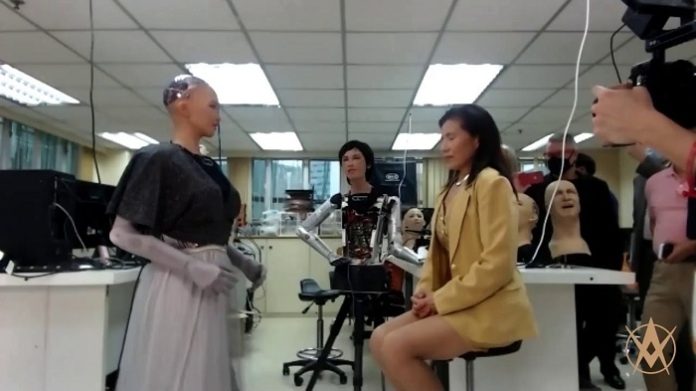
A new robot with a human face and advanced artificial intelligence is now offering to care for older people, especially those isolated by the ongoing COVID-19 health crisis. AI developer Singularity Studio and Hanson Robotics have teamed up to launch the robot, named Grace, as part of their new joint venture, Awakening Health.

Grace Care

Grace, demonstrating her features in the video up top, combines technologies from both companies, upgraded and adapted for the new product. The Hanson Sophia 2020 provides the robotics platform, while the SingularityNetโ€™s (SNET) AI enables the robot to interact with users, conversing with them, and responding to their needs. Hansonโ€™s robots have been used for other medical purposes, including elder care and autism treatment, while SNET has been a part of talk therapy and disease analysis programs. That friendly AI personality, tuned for therapeutic conversations, can detect and respond appropriately to patients based on both what they say and the emotional context, while the humanoid face makes some users feel more comfortable about sharing their thoughts and medical information than they would with a screen or audio-only AI.

โ€œThis merging of the tech and medical arena is an important initiative by the worldโ€™s leading robotics and AI team,โ€ Awakening Health CEO David Lake said in a statement. โ€œThe stellar team previously connected through Sophia, the most advanced, celebrity humanoid robot. Following years of serving university research, museums, and other industries, HR launched Sophia 2020 for R&D and B2B applications. Now, Sophiaโ€™s sister, Grace, allows for quick deployment with existing hardware, AI, and charm to serve the healthcare industry.โ€
Healthy AI

Awakening Health claims that Grace is the first humanoid robotic assistant of its kind. The idea of combining AI and healthcare is everywhere, whether or not itโ€™s augmented with robotics. As COVID-19 limits how much people travel and see each other in person, these sorts of tools have grown in popularity. For instance, voice apps like My Day for Seniors send regular updates on the health and safety of a user to whoever they choose, similar to the new Alexa Care Hub, which is designed to let families keep a virtual eye on older loved ones by connecting Alexa accounts. One account becomes the emergency contact, and the voice assistant keeps them informed about their family memberโ€™s activity. Retirement communities are also experimenting with using voice AIs more to improve their care of residents. Tech solutions for seniors developer K4Connect distributed more than 8,000 Amazon Echo Dot smart speakers to retirement communities with its K4Community software, while Google has given 1,000 Nest Hub Max smart displays to retirement communities in Washington State for that purpose and as a pilot program to test a simplified interface for seniors.

The hardware facet hasnโ€™t been ignored either. The last couple of years have seen the emergence of devices like Pria, a voice-activated robotic companion with a smart display and pill dispenser, and LifePod, a โ€˜proactiveโ€™ smart speaker whose voice assistant can begin conversations its owner about health routines. And though not humanoid, mobile robots like temi or the cat-faced Mylo are serving as caretakers in peopleโ€™s homes or hospitals. Even without the health-specific features, there are benefits to introducing AI personalities to older people. Studies by Project Zilver and Voice for Loneliness have demonstrated how a voice assistant can not only aid families in watching over loved ones but keep those older relatives engaged with the world too.

Grace will likely find plenty of eager buyers once finished with its current testing. Grace would likely be sold to organizations that provide technological solutions for healthcare. Awakening Health has set up a deal with Connected Living, which provides content management systems, for retirement communities in the U.S. to prepare for that moment. Connected Living already incorporates robotic options to its products and is the exclusive North American distributor for temi.

โ€œWe see this strategic partnership as incredibly important for our core aging services market space,โ€ Connected Living CEO Sarah Hoit said in a statement. โ€œThe scope and breadth of what Awakening aims to achieve is of the highest order, and we are eager to support this initiative in line with our desire and mission to lead the way as an innovator in biotech health care services.โ€

Caption Health nets Gates Foundation grant to bring AI guidance to lung ultrasound

Earlier this year, Caption Health received the FDAโ€™s approval for artificial intelligence programs that guide untrained clinicians through the steps of a cardiac ultrasound examโ€”coaching them on how to acquire a clear image capable of diagnosing heart disease, through a process that typically requires a specialist.

Now, the company has received a grant from the Bill & Melinda Gates Foundation to apply the same concept to lung scans, with the goal of enabling screenings for potentially fatal cases of pneumonia among young children in low-resource settings, as well as for patients with COVID-19.

This could include the detection of pneumonia as well as pulmonary edema, collapsed lungs, and the dangerous buildup of fluid in the cavities between the lungs and the chest wall, all contained in a portable ultrasound system.

Pulmonary health and cardiovascular health are closely intertwined,” Caption Healthโ€™s chief medical officer, Randolph Martin, said in a statement. “Abnormalities or disease states in the lungs can directly cause prominent abnormalities of cardiac function, just as disease states in the heart can lead to marked abnormalities in the lungs.โ€

โ€œBy taking our unique methodology for developing breakthrough AI for cardiac imaging and applying it to lungs, we will continue to broaden the impact we can have in helping with the management of patients with conditions affecting these two vital systems,” said Martin.

Both lung and heart ultrasounds are being used in emergency rooms to help triage incoming patients with serious cases of COVID-19. The scans are also used to monitor changes in the lungs over time.

“This grant from the Gates Foundation affirms the importance of our work in democratizing access to high-quality medical imaging in order to improve patient outcomes,” said Caption Healthโ€™s co-founder and chief technology officer, Kilian Koepsell. “Empowering more clinicians to perform lung ultrasound alongside cardiac ultrasound at the point of care will help drive timely, accurate diagnosis and treatment of countless health conditions.”

This week, the Gates Foundation also announced a new $70 million commitment for the development of COVID-19 vaccines and their distribution to low-income countries.

Lung ultrasounds require a similar level of clinical expertise as heart-focused exams, and are not widely available. The $4.95 million grant will support the development of AI designed to assist healthcare workers regardless of their skill level as they image each area of the organ, and to automatically spot the signs of different diseases.

Hull University Teaching Hospitals deploys DXC Technologys Clinical Aide

Hull University Teaching Hospitals deploys DXC Technologys Clinical Aide

Hull University Teaching Hospitals NHS Trust has deployed a cloud-based app from DXC Technology which improves mobile access to health records.

Clinical Aide sits on top of the trustโ€™s electronic patient record (EPR) and allows clinical teams to view and use patient information from the medical record from anywhere via a tablet or other mobile device.

Having mobile access to a patientโ€™s allergies, problems, observations, medication, results and other documented information reduces the need for staff to enter higher-risk hospital areas to review and update medical records directly on workstations. It also removes the need to transfer paper-based detailed patient information in or out of the hospitalโ€™s Covid-19 wards.

Dr Alastair Pickering, the trustโ€™s CCIO, said: โ€œThere is a significant safety gain in making this information mobile, as some staff are not now required to go into high-risk environments like intensive care units or other wards with Covid patients. Pharmacists and the dietetics team, for example, are now able to review and act on referrals that have come through to their mobile device from any location, meaning they are less likely to expose themselves to infection or need to use the trustโ€™s personal protective equipment.โ€

Clinical Aide also provides a flexible approach to accessing the trustโ€™s locally designed forms to supplement Covid-19 guidance for hospital bereavement teams. Clinicians can add detailed patient notes from Clinical Aide into the EPR, for nurses and bereavement team members to access on their mobile device when talking to patients and relatives.

Colin Henderson, director of healthcare and life sciences for the UK, Ireland, Israel, Middle East and Africa (UKIIMEA) at DXC Technology, added: โ€œThis is a good example of quickly deploying a helpful cloud-based utility, giving the users a seamless, secure way of seeing vital information in a mobile form. Speed and ease of deployment was an important factor given the climate we were in, and itโ€™s great to receive such positive feedback from the front line.โ€

Wolters Kluwer Applies AI Technology to Improve Hospital Opioid Use and Patient Safety

Blockchain-enabled hospital can provide real-world data to understand drug outcomes

Wolters Kluwer, Health has announced its Sentri7 clinical program for hospital opioid stewardship is now powered by artificial intelligence (AI) to optimize inpatient opioid use and increase patient safety. Pharmacists can decrease the risk of opioid-related adverse events, identify opportunities for use of multi-modal (non-opioid) therapies and support earlier discontinuation of opioids.

Part of the Sentri7 AI+ solution, Opioid Stewardship leverages machine learning to continuously analyze complex data sets and automatically calculate a patient-specific, real-time morphine milligram equivalent (MME) for opioid administrations. Sentri7โ€™s evidence-based rules utilize MME and patient-specific data to empower pharmacistsโ€™ 24/7 monitoring of opioid use.

โ€œHospitals are under increasing pressure to address proper use of opioids and weโ€™re helping to empower clinical and quality leaders with the data they need to directly identify high-priority areas for improvement,โ€ said Steven Riddle, PharmD, BCPS, FASHP, Director of Clinical Development. โ€œWolters Kluwer is applying AI and deep domain expertise to solve critical opioid stewardship challenges for health systems.โ€

Data shows that the longer a patient takes an opioid and the higher the dose, the likelihood increases that they will continue to use (or abuse) that drug going forward. Hospitals are often where people have their first exposure to opioid agents and therefore are ideal targets for reductions in unnecessary exposure or prolonged use.

In addition to integration of MME values into Sentri7 clinical decision support rules, the Opioid Stewardship Analytics dashboard also incorporates key metrics for managing appropriate opioid use and patient safety issues. These reports provide clinicians, quality specialists, risk managers, and others with in-depth insights, including average MME per patient per day, use per opioid standardized by MME, and trends by prescriber, department and hospital.

The Sentri7 Opioid Stewardship initiative improves overall organizational compliance with the Joint Commissionโ€™s Pain Assessment and Management Standards by identifying and monitoring patients at high risk for adverse events, improving use of non-opioid treatments, supporting pain management policies and protocols, and, most notably, creating a performance improvement model focused on opioid use.

About Wolters Kluwer

Wolters Kluwer (WKL) is a global leader in professional information, software solutions, and services for the clinicians, nurses, accountants, lawyers, and tax, finance, audit, risk, compliance, and regulatory sectors. We help our customers make critical decisions every day by providing expert solutions that combine deep domain knowledge with advanced technology and services.

Wolters Kluwer reported 2019 annual revenues of โ‚ฌ4.6 billion. The group serves customers in over 180 countries, maintains operations in over 40 countries, and employs approximately 19,000 people worldwide. The company is headquartered in Alphen aan den Rijn, the Netherlands.

Wolters Kluwer provides trusted clinical technology and evidence-based solutions that engage clinicians, patients, researchers and students in effective decision-making and outcomes across healthcare. We support clinical effectiveness, learning and research, clinical surveillance and compliance, as well as data solutions.

Translate ยป