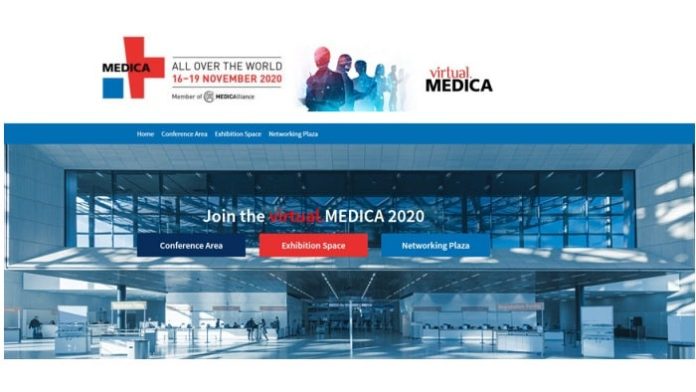
The world’s largest and leading medical trade fair MEDICA and the international No. 1 event for the medical manufacturing supplier market, COMPAMED, will take place completely virtually for the first time this year from November 16-19, due to the pandemic, and will also underpin their global format in digital format Leadership roles. More than 1,000 exhibitors from 50 nations have already registered for virtual.MEDICA 2020 ( https://virtual.MEDICA.de ) and virtual.COMPAMED 2020 ( https://virtual.COMPAMED.de ) since the start of registration (mid-September) ( 150 of which are virtual.COMPAMED).
“This underlines the industry’s trust in its flagship events and the urgent need for platforms for exchanging ideas with customers and potential business partners. The companies are offered a cross-border accessible stage for the presentation of the latest products and services. And the top decision-makers in the healthcare industry gain orientation in challenging times through a comprehensive overview of reliable delivery options and alternative providers, ”says Wolfram Diener, Chairman of the Management Board of Messe Düsseldorf, looking forward to virtual.MEDICA and virtual.COMPAMED.
International online visitors from all healthcare sectors can look forward to an extensive program consisting of the three central areas: Conference Area(Conference and forum program), Exhibition Space (exhibitors and new products) and Networking Plaza (networking / matchmaking).
Full conference program – trends under the sign of Corona
In the conference area, a four-hour German-language and six-hour English-language stream will be running on all event days. The provisional agenda can now be researched online via the event database and includes 215 items on the program and 268 top speakers, including Federal Health Minister Jens Spahn (November 16, 3 p.m.) and virologist Prof. Hendrik Streeck (November 18, approx. 12:10 p.m.) ).
“In particular, the participants are offered topics with a high Corona relevance. The program streams of the military medicine conference DiMiMED, the MEDICA MEDICINE + SPORTS CONFERENCE and the 43rd German Hospital Conference, which also take place completely virtually, are also integrated into the conference area. In addition, there are web sessions, virtual conferences and events of the exhibitors on their innovations and current developments ”, Horst Giesen, Global Portfolio Director Health & Medical Technologies / Messe Düsseldorf, gives an outlook.
Highlights in the Exhibition Space
The combined exhibitor database of virtual.MEDICA and virtual.COMPAMED is also already online in the Exhibition Space, providing access to the company’s online showrooms. KUKA is one of them. The robotics and automation specialist will use its participation in virtual.MEDICA to choose the winners of the “KUKA Innovation Award 2020” from five finalists under the motto “Medical Robotic Challenge” (November 18 / from 12:40 pm / online showroom from KUKA). All research and development teams were provided with the lightweight construction robot “LBR Med” in advance in order to integrate this robotic component into their own concept for medical product development. One of the finalists is the CONEEBot team from the Hamburg University of Technology. Your goal is to make smart needles (e.g. for biopsies) ready for use.Connected to the robot arm, needle applications of this type are intended to support doctors in correct needle placement – regardless of soft tissue deformations that can make targeting the needle difficult.
Meanwhile, CompuGroup Medical (CGM), as one of the world market leaders in eHealth, will address “tangible” issues for everyday medical practice. “For known reasons, personal contact and advice directly at the MEDICA booth are unfortunately not possible this year. CGM would nevertheless like to offer customers and interested parties the opportunity to find out about current and new products. The virtual.MEDICA offers itself as a suitable and welcome alternative ”, explains Arne Westphal, Senior Vice President Physician Information Systems DACH at CGM Germany. Networking and the telematics infrastructure (TI) are in the foreground of the virtual presence. “The current pandemic shows how helpful digital solutions can be in healthcare.With the CLICKDOC video consultation solution, doctors can, for example, coordinate further treatment with patients in quarantine or potentially infected patients without exposing themselves or the practice team to the risk of infection, ”continues Arne Westphal.
Networking Plaza – “Classic” with a new option The
third central area of ??virtual.MEDICA and virtual.COMPAMED, the Networking Plaza, deals with maintaining customer contacts, acquiring new customers, generating leads – in short: target-oriented networking.
The matchmaking tool used for this is a true “classic” in the MEDICA and COMPAMED program. Because it has already been used successfully for the past three years. Registered users store personal profiles as a basis (including interests, product areas, specific inquiries about products), through which exhibitor contacts and online visitors can be matched based on matches. Every matchmaking participant is given contact suggestions – using artificial intelligence software. Are both interested in each other, they can z. B. get in contact via chat function. Matchmaking has been possible since October 21 and beyond the event until May 21, 2021. New this year: On the virtual event days (16. – 19.November) the video meeting function is activated – for a particularly personal touch of the matchmaking encounter in digital space.
If you’re wondering whether or not you have a viable wrongful death case, the answer lies in your evidence. The law has strictly defined the four criteria that must be met in a wrongful death case. To win a lawsuit and receive compensation, the petitioner must file a lawsuit and prove each of these four basics.
The Steps in Filing a Successful Wrongful Death Case
When a loved one passes away because of someone’s negligence, you may want to consider hiring an Alexandria wrongful death lawyer to help your case. An attorney can weigh your evidence and look at your damages to determine if you have a case. If you can meet the following conditions, chances are you do.
Stake a Claim of Negligence
In cases associated with a wrongful death claim, you have to prove that the victim’s passing happened as a result of negligence. The plaintiff has to build a strong case that will show the respondent’s irresponsibility played a part in the victim’s death. In many cases, these situations happen because the victim lacked enough money to be treated in that particular hospital.
Demonstrate Instances Where a Breach of Duty Occurred
For a plaintiff to have a successful wrongful death lawsuit, they have to prove that the respondent broke the code of ethics beyond a reasonable doubt. For instance, all drivers are required to drive carefully and adhere to all traffic rules stated by the government; likewise, all health practitioners, for example, nurses and doctors, are guided by their code of ethics.
It is the responsibility of healthcare professionals to tend to all patients regardless of their social status or ethnicity, among other factors. A plaintiff has to prove such a code existed and how the respondent broke this code due to their carelessness.
Show the Reason for the Death
Apart from demonstrating that the perpetrator broke the code of ethics, the complainant has to reveal how the defendant’s inattention triggered their loved one’s demise. Build a strong case suggesting that if the defendant did not act with negligence, their loved one would still be alive. You may also include several past instances of carelessness from the respondent.
Talk About the Damages Associated With the Demise
To build a wrongful death lawsuit, you must show that the victim’s demise resulted in your damages. These damages may include:
Hospital bills
Funeral expenses
Income loss
Future income loss
The victim’s suffering before death
In order to prove these damages, the plaintiff will need to submit substantial evidence to support their claims. Additionally, the complainant will be required to provide witnesses who will help you build a strong case.
Causes of Wrongful Deaths
There are numerous types of wrongful death cases. These cases fall under several causes. Some of these include:
Birth injuries
Workstation hazards
Medical misconduct
Product faults
Occupational accidents
Neglect in nursing homes
Carelessness in supervised activities
Criminal activities
The Problem of Proof
Most people think that a wrongful death case is a criminal case. However, it is a civil action, so you don’t have to prove beyond any reasonable doubt to make your case. This type of lawsuit must be won based on the evidence you submit.
The Legal Process
When dealing with a wrongful death lawsuit, there are several processes that a plaintiff must follow to the letter. Some of the operations one has to follow includes:
Talking to experts
Strategizing the case
Proper investigation
Talking to witnesses
These types of cases require long processes of mediation between all parties. If an agreement can’t be reached, you may end up taking the matter to court.
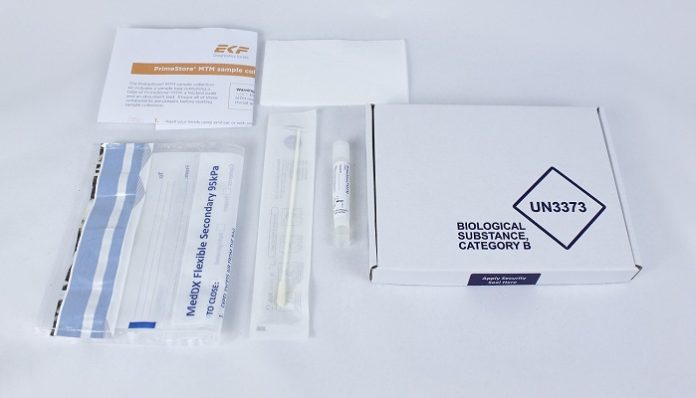
EKF Diagnostics, the global in vitro diagnostics company, announces that it has launched a PrimeStore® MTM sample collection kit. This new kit enables convenient and safe collection, transportation and handling of pathogenic samples, including COVID-19 and influenza. Two kit configurations are now available: a postal sample kit ideal for home use and a multi-pack of sample kits suitable for on-site mass sampling. To meet growing demand for this sample collection device, EKF has increased its manufacturing capacity in the UK and mainland Europe.
Pathogenic samples stored in the FDA-cleared, CE-IVD marked PrimeStore MTM novel viral transport media, including SARS-CoV-2, are inactivated within minutes of collection. This allows such samples to be transported safely through the postal system or via courier and complies with UN3373 packaging regulations. Furthermore, as samples are stable in PrimeStore MTM for seven days at ambient temperatures, this removes the need for all cold chain logistics during sample collection, transportation and storage. Thereby, preventing mishandled samples and making postal collection a realistic option.
Multiple nucleic acid species can be tested from one sample as RNA and DNA are perfectly preserved and stabilised by PrimeStore MTM for downstream molecular applications. Furthermore, because PrimeStore MTM totally inactivates SARS-CoV-2, as demonstrated by a recent Public Health England evaluation study, the risk of infection to lab staff from samples is eliminated. This means that samples are not only safe during transportation, but also ready for immediate safe testing at a laboratory with no need for containment.
The new sample collection kit pairs PrimeStore molecular transport media in a cryovial with a sterile flocked swab (for nasal and oral sampling) in a CE marked kit, which also includes a UN3373 95kPa compliant specimen collection bag, absorbent pad and instructions for use. In addition, the postal sample collection kit includes a UN3373 compliant postal box with security seal for sample return and postal pouch for collection kit delivery.
Due to the current COVID-19 pandemic, EKF has received a number of new orders for PrimeStore MTM sample collection devices; including initial orders from two new customers, the Health Service Executive (HSE), Ireland and a national health body in England. These add to the growing demand for PrimeStore from healthcare, education and industry to supply safe sample collection kits for COVID-19 testing programmes.
To ensure that it can fulfil the increasing orders for PrimeStore MTM and the new sample collection kit, EKF is ramping up manufacture in the UK and also mainland Europe. The Company has now started production at its facilities in Barleben, Germany, and will soon be moving its current Penarth-based manufacturing lines in Wales to a new larger facility in Llandough, Cardiff, which is over 600 sq. metres in size. This represents a 100% increase in manufacturing area.
About EKF Diagnostics
EKF Diagnostics Holdings plc, which includes the EKF Diagnostics, Stanbio Laboratory and DiaSpect brands, specializes in the development, production and worldwide distribution of point-of-care analyzers for use in the detection and management of diabetes and anemia, and also in sports and maternal medicine. EKF products are sold in more than 100 countries around the globe, through a network of specialist distributors.
Point-of-care diagnostics: EKF Diagnostics designs and manufactures world-class diagnostic devices, as well as distributing rapid test kits for infectious diseases and pregnancy. The EKF analyzer range is used widely in GP surgeries, pharmacies, blood banks, sports clinics, hospitals and laboratories for glucose, lactate, hemoglobin, hematocrit and HbA1c measurement.
Central laboratory: EKF, through its wholly owned subsidiary, Stanbio Laboratory (Boerne, Texas, USA), manufactures a comprehensive range of clinical chemistry reagents, as well as associated analyzers. In addition, EKF Life Sciences (Elkhart, Indiana, USA) manufactures enzymes used in reagent development and also provides contract fermentation facilities.
The coronavirus pandemic has put public health at the forefront of most nations’ policies and pointed out some grave shortcomings of public health systems around the world. To be able to handle a sudden influx of patients, hospitals have had to shift their priorities and refocus their practices. In many cases, not enough beds or ventilators meant losing patients, who, with enough resources, could have been saved.
As the virus travels between urban and rural areas, healthcare professionals face the unique challenges presented by the difference in infrastructure between the two areas. Long the foundation of rural healthcare, community hospitals have proven essential in dealing with the pandemic.
But, community hospitals don’t just mean extra hospital beds in underserviced rural communities. Beyond the scope of COVID-19, community hospitals are an essential part of the communities they occupy, providing necessary healthcare facilities, medical professionals, and employment opportunities to the local community. Below is a discussion of how people benefit from a community hospital.
What Is A Community Hospital?
A community hospital is any hospital that has a defined geographical area, which is generally not included in the boundaries of a metropolitan hospital. Community hospitals have evolved over time to become an assortment of independent entities that present a major challenge to any effort to classify, define, or categorize them.
In contrast to large urban or academic hospitals, community hospitals are smaller, nonfederal hospitals that typically serve patients locally. Community hospitals aren’t teaching hospitals and may not have the resources or facilities of larger hospitals, but still provide essential care. Community hospitals are also distinct in that they’re run by local leaders and fully integrated into the local communities. In addition to emergency treatment and care options, community hospitals often offer a focus on prevention and may be involved in community public health efforts.
Engage The Community
A quality community hospital, such as Idaho Falls Community Hospital, will provide a range of healthcare options, including but not limited to the following:
Emergency care
Intensive care
Kidney, heart, and vascular care
Back and spinal care
Cancer care
In addition to providing services in case of emergency, community hospitals provide vital services for those living with long-term illnesses, such as diabetes or cancer. They’ll also provide routine but essential processes for patients, like screenings and dialysis.
Similarly, community hospitals may engage with the local community through public health efforts and education. Physicians may visit local schools to help students learn about how to live a healthier lifestyle, or they may organize campaigns to tackle pervasive local health issues, like obesity or heart disease. Local hospitals might be behind programs to improve the cafeteria food that students eat and prevent childhood obesity. They may also work with local nursing homes to improve care and reduce hospital readmissions.
Community hospitals are responsible for the overall health of the communities, not just the health of their patients, so care will extend far beyond the limits of the hospital bed.
Lastly, remember that community hospitals are locally run. This means that they’re uniquely equipped to address the larger needs of communities. By engaging communities in the decision-making process, these hospitals have the ability to meet or exceed the needs of the people they’re serving.
Patients, their families, and their respective communities are able to determine how community hospitals should be organized, what services they ought to provide, and how they will serve them. Ultimately, community involvement can provide the ultimate sense of trust between patients, community members, and healthcare providers.
Servicing Rural Communities
Medical care resources tend to be unevenly distributed between urban and rural areas, with citizens living in isolated areas less likely to have access to the proper facilities in case of emergency. Considering how much of the rural population is made up of senior citizens, it can be pretty clear how necessary it is to have the right facilities even in seemingly remote areas.
Historically, community hospitals have been especially beneficial in rural areas that might not otherwise have access to proper healthcare facilities. They commonly provide equipment and expertise to local nursing homes and extended care facilities, and may even engage in home visits for patients with mobility issues or those living in relatively isolated rural areas.
While discrepancies in funding have put many rural and community hospitals at risk of closing, the Commmunity Hospital Corporation recently launched a nonprofit effort, the Rural & Community Healthcare Collaborative (RCHC), to raise funds to support community and rural hospitals nationwide. This effort will help community hospitals provide essential care to otherwise underprivileged communities throughout the nation. Community hospitals remain the powerhouses of public health in rural areas, so the continued health of citizens living outside of urban areas depends on the continued functioning of the community hospital model.
Provide Employment Opportunities
Possibly, the greatest challenge that community hospitals face is attracting medical professionals from other areas. Medical staff shortages have been a frequent issue around the country, and has often attracted medical health professionals from abroad. That being said, many community hospitals work hard to maintain a good relationship with nearby medical schools to ensure a steady flow of reputable, talented physicians into their system. But, they also present a unique opportunity for individuals in the communities they serve.
A community hospital is a major boost to the local economy. Not only does it encourage local students to become healthcare professionals and return to their community to do good, it also provides a wide variety of employment opportunities, from sanitation to administration and to everything in between.
Communities hosting hospitals can benefit from this unique source of employment opportunities, along with the revenue that comes with patient care. Especially in more remote areas, patients may come from some distance away, making the town that hosts the community hospital a kind of local hub. Similarly, a community hospital will maintain connections with local businesses, relying on them for services and supplies, which, in turn, brings revenue to these businesses. Community hospitals may even help provide scholarships and other funding to increase the number of local students pursuing education in the medical field in order to increase the talent pool in the community.
Patient Aligned Care
Patients, in many cases, prefer to go to the hospital they know and trust. They want to build a relationship with the nurses, doctors, or allied health professionals who work with them on a daily basis, not simply be another patient or a nameless number. If the hospital staff is not familiar with the needs, history, and personality of the patient, this can be a potential obstacle for patients in need of specialized medical care.
While larger hospitals have better access to a pool of qualified medical professionals, community hospitals excel at personalized care because of their small size. Chances are the cardiologist on staff knows the oncologist, and so forth, meaning that it’s much easier for physicians to communicate and coordinate patient care at a tightly-knit community hospital than at a larger hospital, wherein physicians are only loosely aligned.
Prospective patients also have some connection to the hospital, well before they spend any time there as patients. They may have had a family member treated at the same hospital, so they may be familiar with the hospital’s staff and facilities. With a community hospital, the patient has the opportunity to get information on what services and medical procedures are offered at the facility, as well as to meet with members of the staff to get any questions answered.
Community hospitals tend to focus more on long-term, preventative healthcare than simply on treatment. This means that they have plenty of experience handling long-term health conditions. With a community hospital, you won’t feel like you’re put on an assembly line to the door as soon as you get in. Rather, physicians at community hospitals aim to provide regular, personalized, and effective care to allow patients to live comfortably with their conditions. It’s more common for patients and physicians to know each other well, and this human connection goes a long way to ensure more humane care in the long run.
Lastly, because a community hospital is tasked with the health of the local population, its goal is to prevent hospital readmissions. To do this, they often work on providing patients healthier alternatives to potentially damaging habits. Community hospital physicians want to provide medical care that doesn’t stop at the doors of the hospital, so they actively work with patients to help them improve their lifestyle and, consequently, their health.
Small Size Equals Responsive Innovation
A smaller size means that community hospitals can experiment with new models of patient care and payment more freely than larger hospitals. This way, community hospitals are often the testing ground for cutting-edge policies that, once proven effective, spread to larger hospital systems.
On the flip side, while community hospitals may seem like they have fewer resources, they very often have a relationship with larger hospitals so that, if the need arises, they can exchange patients, physicians, and resources to be able to provide the best care possible. Even if they’re not equipped to handle a certain case, they’ll have a connection to someone who does. Patient care doesn’t begin or end at a community hospital, but it provides a local entry point that ensures that everyone gets the care they need
A Convenient Location And Essential Resources
Community hospitals are often accessible, centrally located, and well-connected to other, complementary healthcare facilities. Their aim, after all, is to address patients’ needs, have them get back to their daily lives as quickly as possible, and to keep patients from running the risk of readmission.
Many communities have a local nursing facility or public health center in close proximity to the community hospital. A good example is the North Vancouver Health Centre, which provides quality comprehensive healthcare services to families living in the area. During the coronavirus pandemic, the community hospital may also be an important hub for testing, care facilities, and public health education campaigns to stop the spread of the disease.
Passing The Savings On The Patients
The most obvious benefit of community hospitals is the cost savings. When you consider that many community hospitals spend about 30% less per resident than hospitals in metropolitan areas, it’s clear why the costs are so much lower in such places. They don’t have to keep up large expenditures for their facilities, non-essential technologies, or research, as in academic or teaching hospitals. Instead, community hospitals often work with local leaders to determine costs of healthcare that will be accessible to local people. Similarly, physicians at community hospitals will spend more time there, rather than working at out-patient clinics. This saves hospitals plenty on transportation, savings that are, then, directly passed on to patients.
The Community Hospital Advantage
Individuals unfamiliar with community hospitals may think of hospitals as generally large, research-based institutions, like the kinds seen on TV, wherein drama between doctors takes the front seat and patients move through the facility as if on an assembly line.
The community hospital model presents a number of advantages over larger hospital systems. Not only does the smaller size allow for greater freedom for innovation and a closer doctor-patient relationship, it also means a greater capacity for communication between departments and a lower cost for patients. Plus, the collaborative relationship between local government and community hospitals means public health engagement on a wide scale, improving the lives of all members of the community instead of just those of patients in hospital beds.
As more people are becoming concerned about providing more effective and efficient healthcare to those in need, community healthcare facilities are being developed and improved. These facilities allow the communities to have a voice when it comes to how they choose their healthcare providers, and can help establish communities as regional economic and medical hubs.
Final Words
As you may have observed from the discussion above, community hospitals are quite underrated in the sense that not a lot of people realize how essential they are. Hopefully, this article has helped you become more knowledgeable about community hospitals and how they can benefit people.
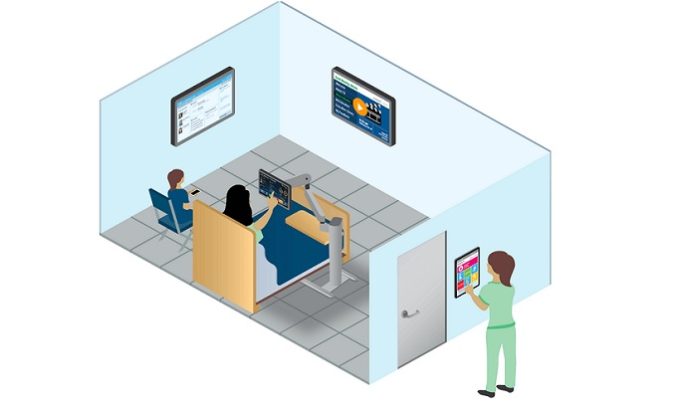
eVideon, a leader in interactive patient engagement and digital workflow solutions, announced that NCH Healthcare System, one of the largest healthcare systems in Southwest Florida, will be implementing the company’s full suite of solutions in 576 patient rooms across its two hospitals. This implementation will provide a fully immersive patient experience with smart TVs, touchscreen tablets, digital patient door displays, digital whiteboards, and the HELLO video visitor solution for a complete Patient Smart Room. The partnership marks eVideon’s official entry into the Florida market for the patient engagement technology provider.
Fully Immersive Patient Experience Platform and Virtual Visit Solution Across Hospitals
The NCH Healthcare System will be equipping its hospitals with eVideon’s entire patient engagement and workflow offerings for a fully immersive patient experience. All hospital rooms will be transformed into Patient Smart Rooms featuring smart TVs paired with a companion tablet experience, digital patient door displays, digital whiteboards, and a virtual visit solution designed just for healthcare. Patients will be able to communicate with clinical staff, order their meals, fill out surveys, and conduct virtual visits with loved ones, while also enjoying the benefits of entertainment, education, and relaxation content.
Additionally, by transitioning processes that were once manual to a digitally integrated platform, clinical staff will have the advantage of real-time updates on patient goals and conditions via the digital displays in and around the patient room. They will also have the flexibility to share hospital announcements and policies and help patients make direct requests to a department, such as Pastoral Care, without having to rely on the nurse to do that for them.
Nuance Communications, Inc., announced that Kettering Health Network has selected ED Guidance for Nuance Dragon Medical Advisor, an AI-powered computer-assisted physician documentation (CAPD) solution that gives emergency room physicians workflow-integrated diagnostic and clinical best practices advice at one of the earliest and most critical points of care.
Kettering Health is deploying ED Guidance for Nuance Dragon Medical Advisor to improve patient safety, alleviate the administrative burden on clinicians, and reduce the risk of missing diagnoses by:
– Extending the Nuance CAPD solution to physicians in its 12 full-service emergency centers through its existing use of the Nuance Dragon Medical One HITRUST CSF-certified conversational AI platform for documenting care in the electronic health record (EHR).
– Empowering physicians with integrated real-time, evidence-based emergency medical guidance from The Sullivan Group.
– Supporting best-practices-based clinical decision-making and accurate documentation of the severity of illness and acuity of each patient at the point of care within clinician’s standard EHR workflows.
– Using Nuance conversational AI to automatically identify and add critical details that may impact patient treatment in real-time.
Sullivan Group Outcomes/Results
The Sullivan Group’s content has been shown to decrease the occurrence of adverse safety events and reduce diagnosis-related malpractice claims by up to 70 percent, and with the integration into Nuance Dragon Medical Advisor, this guidance can be delivered in real-time while the patient is still in the ED. ED Guidance for Nuance Dragon Medical Advisor also provides powerful analytics for assessing ED performance and improving care quality and financial outcomes.
Veterans at select sites in the Pacific Northwest are one step closer to the rollout of VA’s new electronic health record (EHR) system later this month, following the successful and secure transfer of patient data Oct. 1.
The data, which includes clinical and demographic records for about 88,000 Veterans, will equip VA health care providers with a better view of patient information when using the new EHR system after its planned implementation on Oct. 24 at Mann-Grandstaff VA Medical Center in Spokane, Washington, and its associated clinics.
“Making sure that VA providers have fast and secure access to patient data is an important part of improving health outcomes for our Veterans,” said John H. Windom, executive director of VA’s Office of Electronic Health Record Modernization. “This transfer helps ensure clinicians at Mann-Grandstaff have that information when they start using the new EHR later this month.”
When the new EHR launches, VA clinicians and administrative staff at the facility will be able to easily access, verify and update patient information directly within the EHR itself, rather than using multiple systems. This includes patient medications, allergies, immunizations, past medical procedures and ongoing health concerns, as well as demographic details, such as a patient’s address, phone number and email.
With this information more accessible, VA health care providers will be able to view patient medical histories that will support clinical decision-making and improve Veteran health results.
Once deployed, the new EHR system will connect Veteran electronic health records with the Department of Defense (DOD), the U.S. Coast Guard (USCG) and community care providers who are in the VA network. This interoperability will allow VA clinicians, staff and community providers to see a Veteran’s full medical history in one location — without the Veteran or clinician needing to track down previous clinical information from within VA, DOD or USCG or from community care providers.
Although VA is adopting the same commercial EHR platform as DOD and USCG, VA’s system will include additional functionality to meet the needs of Veterans, clinicians and community care partners.
VA’s transfer of active patient data into the new EHR is the latest of several Electronic Health Record Modernization (EHRM) program milestones. In August, VA launched its new patient appointment system, the Centralized Scheduling Solution (CSS), at sites in the VA Central Ohio Healthcare System. In April, VA and DOD launched a joint health information exchange, which allows providers in both departments to quickly and securely access data for patients seen by a participating community partner or health system.
This latest achievement moves VA closer to its goal of enabling a lifetime of seamless care for service members and Veterans. After the implementation at Mann-Grandstaff, the EHRM program will continue over the next several years, launching the new software until it is in place nationwide at all VA facilities by 2028.
Induction Healthcare Group PLC said its Induction Zesty platform, working in collaboration with Apple Inc and health IT services group Cerner Corporation, has recently supported the rollout of Health Records on iPhone to patients at the Milton Keynes University Hospital NHS Trust (MKUH), one of the first two NHS hospital trusts to launch the feature in the UK.
The company said that hospitals using the Induction Zesty patient portal and Cerner Millennium, an electronic health records platform, can now take advantage of Zesty’s very high patient adoption rates to maximise the number of patients accessing their health records on their iPhone.
READ: Induction Healthcare offers health startups attractive partnership to ride growth trajectory, says joint CEO
Patient medical records are usually held in multiple locations, requiring them to log in to each care provider’s website to piece together the information manually. Health Records on iPhone creates a direct, encrypted connection between medical institutions and a patient’s iPhone, allowing them to see a central view of their allergies, conditions, immunisations, lab results, medications, procedures and vitals.
“This is a really exciting step for the hospital and our patients. We continually hear from our patients that they want more autonomy over their health care – having access to their health records is the key part of this, so this is a momentous step forward”, MKUH chief executive Joe Harrison said in a statement.
“With brilliant support from our friends at Milton Keynes hospital and Cerner, we worked to authenticate and onboard Milton Keynes patients so they’re able to use Health Records on iPhone. Over 70,000 patients have registered at Milton Keynes and they can now access this feature on their iPhones”, added Induction’s joint CEO James Balmain.
“We are huge supporters of giving patients access to their clinical records and I see the availability of Health Records on iPhone in the UK market as a positive step towards this goal. We look forward to working with Apple, Cerner and many more hospitals in the UK so they can offer this feature to their patients”, Balmain said.
Around the globe, coronavirus put healthcare systems under immense pressure, acting as a lens magnifying improvements that can be made in the way hospitals and services are run.
Here in the Arab world, there has been a swift response from ministries, but what lessons can governments, regulators and healthcare providers learn from the pandemic and how do we build more resilient systems?
Now, a three-part webinar series Rethinking Arabian Healthcare will dive into the compelling question with experts and thought leaders from across the Gulf and internationally.
The series, hosted by Arabian Business and supported by Edwards Lifesciences, will begin with its first live webinar on Wednesday November 4 at 2pm (GST) with specialists examining Investing smart in healthcare – paying it forward.
Craig Barratt, senior advisor to the Centre for Improving Value in Healthcare, for the Ministry of Health in Saudi Arabia, will bring his insight on how regulators can embrace reforms and improve provision, particularly for the population most at risk during the pandemic, the elderly and those suffering from cardiovascular diseases, such as structural heart disease.
Anastasia Amoroso, executive director and head of cross-asset thematic strategy at JP Morgan Private Bank, will reveal how huge levels of innovation, fueled in part by the current global coronavirus pandemic, is capturing interest from investors in the sector.
Richard Stolz, associate director, healthcare at KPMG, and co-author of research paper Who Cares Wins, will provide a strategic view of where countries across the Gulf are investing, what they are prioritising, and whether patients caught in a backlog of suspended surgeries can expect a return to elective surgeries in the months.
Dr Susie Perks-Baker, senior advisor at Healthcare Leadership Academy (HLA), will bring her expertise in cross cultural leadership development from her position as founder and programme director for Pioneer, the national leadership development programme for senior Saudi women run by the HLA.
With healthcare-related expenditure in the Gulf region expected to grow to $89 billion by 2022, the live session will be moderated by Arabian Business Editor in Chief Scott Armstrong and virtual attendees will be able to pose questions to the panel.
On the table, we’ll look at how healthcare providers can embrace innovative medical solutions, such as minimally invasive structural heart therapies and predictive monitoring solutions for critically ill patients, biotech and SMART technology.
Plus, it will investigate how the public and the private sector can work together to ensure the best outcomes for patients, societies and healthcare services which care for them.
Andrea Rappagliosi, vice president public affairs EMEA, Canada and Latin America of Edwards Lifesciences, said: “In the current unprecedented times, these high-level discussions will focus on the role that smart investment in innovation should play in improving hospital management, patient care, and the overall healthcare system in the region.”
The second webinar – Healthcare Technologies – from AI to smart tech, how innovation is reshaping the sector – will be held on November 18. The third webinar – Healthcare Policy, how regulators and government can foster growth in the sector – is due to take place on December 9.
The use of artificial intelligence (AI) will engage 64.9 billion information files collected over 25 years of National Health Insurance history to benefit the public at large, Radio Taiwan International reported .
Vice President Lai Ching-te was invited to the seminar and exhibition showing the current results of coupling health insurance data with AI. The items included a computer imaging system that helps to locate pancreatic cancer with an accuracy rate of 91.1 percent.
Another AI-assisted procedure made it possible to shorten brain tumor analysis from 10 minutes to 30 seconds, while the patient only had to wait for the diagnosis for half a day instead of two weeks.
The National Health Insurance Administration assured the public that it would protect the privacy of those connected to the 64.9 billion files, including 2.2 billion collected in the last two years.
Due to a recent amendment, private businesses can apply to use information about deceased citizens in their efforts to improve health management and illness prevention, the administration said.